• Link to X
  • Link to Facebook
  • Link to Instagram
  • Link to TikTok
  • Link to Youtube
  • About
    • About Us
      • President
      • Board of Directors
      • Board of Advisors
      • Financials
      • Our Methodology
      • Success Tracker
      • Contact
  • Act Now
    • 30 Ways to Help
      • Email Congress
      • Call Congress
      • Volunteer
      • Courses & Certificates
      • Be a Donor
    • Internships
      • In-Office Internships
      • Remote Internships
    • Legislation
      • Politics 101
  • The Blog
  • The Podcast
  • Magazine
  • Donate
  • Click to open the search input field Click to open the search input field Search
  • Menu Menu

Archive for category: Hunger

Food & Hunger, Food Aid, Food Insecurity, Global Poverty, Hunger

Two Nonprofits Tackle Hunger in Kenya

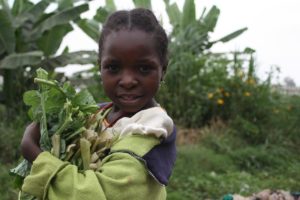
Hunger in KenyaKenya is currently home to 46 million people, and more than 35% of Kenyans suffer from food insecurity and malnutrition each year, with 2.6 million facing a food insecurity crisis. The state of food insecurity in this country is serious, with the country ranking 86 out of 117 countries on the 2019 Global Hunger Index. Children are especially at risk, with slightly less than a third of those who are food insecure suffering from stunted growth.  This is one of the many common issues related to hunger and poor nutrition. The rampant hunger in Kenya is a dire situation. However, there are some efforts to address this crisis.
The Farming Issue

Nearly 75% of Kenyans rely on agriculture for all or part of their incomes. The industry makes up about a third of the Kenyan economy, but only one-fifth of the land in Kenya is suitable for farming. A lack of reliable irrigation forces farmers to rely on rain as their primary water source. Reliance on nature makes planting and harvesting unpredictable and risky. This, combined with the population boom in Kenya over the past 25 years, means that the food supply is limited at best and extremely vulnerable to weather patterns and natural disasters like droughts and floods.

Domestic farmers are the main food providers in Kenya. The industry needs a robust workforce to keep up with the heavy demands of an ever-increasing population. However, the younger generation is uninterested in farm work and current farmers are getting too old for the job. Conversely, lack of employment also perpetuates hunger in Kenya. Millions of Kenyans are unemployed or underpaid and many cannot afford to buy food in the first place. Poor infrastructure and high domestic taxes levied on farmers for transporting their goods are the cause of such steep food prices. These exorbitant transportation fees leave much of the population hungry.

Despite all of this, the issue of hunger in Kenya has generally improved over the past decades. Further, many organizations continue to battle this crisis and expand food access to the millions of struggling Kenyans.

World Vision

The Christian nonprofit World Vision tackles child poverty and injustice worldwide. The organization first branched out to Kenya in 2017. Upon arrival, World Vision volunteers saw villages suffering from drought and hunger. They noticed people eating animals like hyenas and vultures and mourning the loss of their livestock, the remains of which were everywhere.

In the first year of its project, World Vision reached 3.5 million individuals. The organization was able to provide clean water, health care and nutritional support. World Vision knows that hunger in Kenya is far from solved and does not plan on slowing down its efforts. The nonprofit hopes to expand water and nutrition access as a way to help alleviate the suffering in Kenya.

Action Against Hunger

The “world’s hunger specialist,” Action Against Hunger, is a nonprofit working “to end hunger in our lifetimes.” It provides global aid to children and families to treat and prevent malnutrition. The organization has worked in Kenya since 2002.

Its work has included implementing programs to assist refugees and improve health, water, sanitation and childcare. The nonprofit has been able to expand access to health treatments, screenings and services for those suffering from malnutrition. It also supported thousands of herders by providing livestock vaccinations and training animal health experts.

In 2019, the organization reached more than 1.9 million people with its nutrition and health programs and nearly 50,000 people with its water, sanitation and hygiene initiatives. Additionally, Action Against Hunger aided more than 40,000 people with its food security and livelihood programs. This all added up to more than 2 million people in 2019 alone, a significant effort for a team of only 43 employees.

Looking Ahead

Hunger in Kenya is a severe issue that has cost the lives and livelihoods of millions of individuals and families. Children are at severe risk of malnutrition and related diseases while the farming industry is struggling to provide even a portion of the country’s necessary food supply. Aggressive and comprehensive government or international intervention to shore up farmers and expand their capacity to produce are absent. It is organizations like World Vision and Action Against Hunger that have to pick up the slack. Fortunately, these organizations have been able to reach and save the lives of millions of Kenyans. The issue lives on, but the efforts of nonprofits continue to provide hope.

– Connor Bradbury
Photo: Flickr

January 4, 2021
https://borgenproject.org/wp-content/uploads/borgen-project-logo.svg 0 0 Jennifer Philipp https://borgenproject.org/wp-content/uploads/borgen-project-logo.svg Jennifer Philipp2021-01-04 14:24:542022-04-13 01:05:39Two Nonprofits Tackle Hunger in Kenya
Developing Countries, Global Poverty, Hunger

Indigenous Poverty in Guatemala

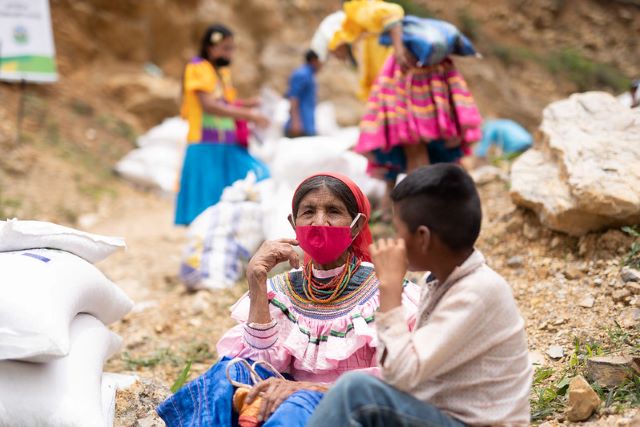
Indigenous PovertyGuatemala is one of Latin America’s most unequal countries, with an indigenous population that has been especially impacted by COVID-19. Indigenous groups make up more than 40% of Guatemala’s population, which equates to more than 6.5 million people. Poverty rates average 79% among indigenous groups, with 35% suffering from food insecurity.
COVID-19 Exacerbates Indigenous Poverty in Guatemala

COVID-19 has only exacerbated the suffering of indigenous Guatemalans. Not only have indigenous families been pushed further into poverty, but reports of gender-based and intrafamily violence, murders and child pregnancies have also increased during Guatemala’s stay-at-home orders, which were intended to control the spread of COVID-19. The only exception to note is that there has been a drop in violent crime since lockdowns were imposed.

Child labor rates have increased, which is a concern since a child’s education is their channel to achieve social mobility and is key to reducing poverty. At the start of the lockdown, remote learning was promoted. However, less than 30% of Guatemala’s population has internet access. Only 21% of the population has access to a computer. In effect, COVID-19 is widening the economic gap between the indigenous population and those in urban Guatemala.

OCHA, the United Nations emergency aid coordination body, reported in April 2020 that seasonal hunger rates have worsened in eastern Guatemala due to lockdown measures. Compared to a year ago, health ministry figures point out that acute malnutrition cases in the department of Chiquimula increased by roughly 56%.

Oxfam Assists Guatemala

Oxfam, a confederation working to alleviate global poverty, has been on the ground in Guatemala, delivering food, sanitary and medical products, particularly to Guatemala’s indigenous communities.  However, Oxfam is working a little differently than in the past due to COVID-19 measures. Instead of risking the spread of the virus by sending outside people in, Oxfam is employing local Guatemalans by transferring credit to their phones and having them collect and distribute two months’ worth of necessary goods to those requiring assistance.

Insufficient Governmental Support

Guatemala’s government offers little help to relieve the effects of COVID-19 in its rural zones. In 2017, a study by the Guatemalan health ministry reported that the government spends fractions of its health budget in its rural zones compared to its wealthiest, urban cities.

The United States has increased its level of deportations under COVID-19-related regulations, leading Guatemala to trace 20% of its infections to those returnees. With the lack of governmental support and social safety nets, many poor Guatemalans are looking to flee the country.

Hopes for an Inclusive Society

Although the indigenous in Guatemala are creating their own solutions, using traditional knowledge and practices to contain COVID-19, the Guatemalan government must treat its indigenous population equally and include those who have been historically excluded by implementing strategies and operations to prevent and contain COVID-19 as well as alleviate its indigenous poverty rates overall.

– Danielle Lindenbaum
Photo: Flickr

January 4, 2021
https://borgenproject.org/wp-content/uploads/borgen-project-logo.svg 0 0 Yuki https://borgenproject.org/wp-content/uploads/borgen-project-logo.svg Yuki2021-01-04 07:14:122021-01-04 07:14:12Indigenous Poverty in Guatemala
COVID-19, Global Poverty, Hunger

World Food Programme Solutions for 2021

World Food Programme Solutions for 2021
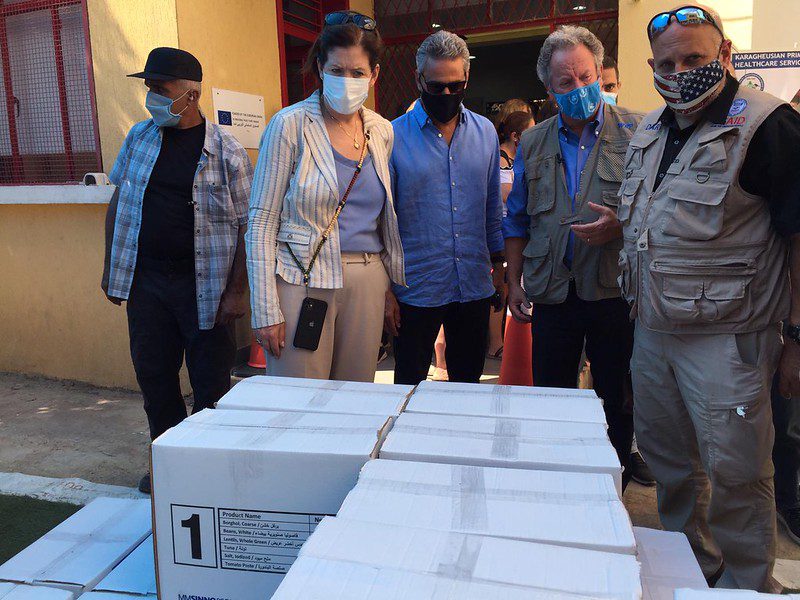
A United Nations General Assembly meeting took place on December 4, 2020. Its primary focus concerned the trajectory of the COVID-19 pandemic as precautionary measures continued and vaccines emerged. With 2020 nearly over, the resounding political, social and economic effects of the pandemic began to materialize. But all did not disappear despite the grim outlook. A handful of humanitarian organizations are busy strategizing solutions for 2021.

Closing 2020

The last few months of 2020 showed the world that the pandemic is just the beginning. The disease itself constitutes merely one of a myriad of societal problems that a pandemic can bring. COVID-19 has had an unpredictable ripple effect. PPE loans in the United States, damaged food supply chains in Africa and the closings of borders all over the world demonstrate the pandemic’s extent.

Earlier in December 2020, before the General Assembly meeting, the UN estimated that the pandemic, the resulting economic impact and the concurrent precautionary and protective measures that governments were taking had already caused a 40% rise in the number of people in need of humanitarian assistance. What may be the most evident incoming challenge is global famine. David Beasley, chief of the World Food Programme (WFP), warned that famines “of biblical proportions” are imminent for dozens of countries.

2021 Predictions

David Beasley spoke at length at the General Assembly meeting. His prediction for a catastrophe in 2021 made headlines and effectively set the tone for the entirety of the 193-nation conference. The upcoming COVID-19 vaccines constituted a positive note, though greater concerns regarding distribution overshadowed them. Speakers at the meeting warned against a stampede for vaccines that could result in wealthier countries crushing others in the race to eradicate COVID-19. While the pandemic is global, the UN fears that the fight against it may become individualistic and needlessly competitive.

The head of the World Health Organization (WHO), Tedros Adhanom Ghebreyesus, echoed fears of the COVID-19 vaccine competition. He called for $4.3 billion USD to go into a global vaccine-sharing program, saying “solutions must be shared equitably as global public goods.”

Solutions for 2021

Despite the dire circumstances, Beasley and his organization have the leverage to play a crucial role in manifesting solutions for 2021. The World Food Programme works as more than just an international food bank: it enjoys the global spotlight after winning the 2020 Nobel Peace Prize for “bettering conditions for peace in conflict-affected areas and for acting as a driving force to prevent the use of hunger as a weapon of war and conflict.”

The achievements that landed the World Food Programme this coveted prize also provided some positivity at the December conference. The General Assembly served as the WFP’s proverbial megaphone to world leaders. Thanks to the publicity surrounding the meeting, the WFP could grab the world’s attention.

As COVID-19 continues to rise and economies across the world take a resounding hit, humanitarian budgets stretching thin. Low- and middle-income countries particularly suffer. Beasley predicts that the WFP needs $15 billion in 2021 to address the global famine conditions that the pandemic has caused. Beasley says that the inability to meet leaders or address parliaments in person may hinder fundraising efforts. It will be difficult to sensitize those in charge of financial allocations.

Nonetheless, the World Food Programme and similar organizations are working tirelessly to raise money and create frameworks for solutions to the pandemic and its concurrent issues. Events as routine as a UN General Assembly meeting have provided the podia necessary for titans of humanitarian aid to make their causes known. With any luck, their solutions for 2021 will keep millions afloat.

– Stirling MacDougall
Photo: Flickr

December 26, 2020
https://borgenproject.org/wp-content/uploads/borgen-project-logo.svg 0 0 Jennifer Philipp https://borgenproject.org/wp-content/uploads/borgen-project-logo.svg Jennifer Philipp2020-12-26 12:29:282021-04-23 12:29:45World Food Programme Solutions for 2021
Food Security, Global Poverty, Hunger

Solving Hunger in South Korea and the International Community

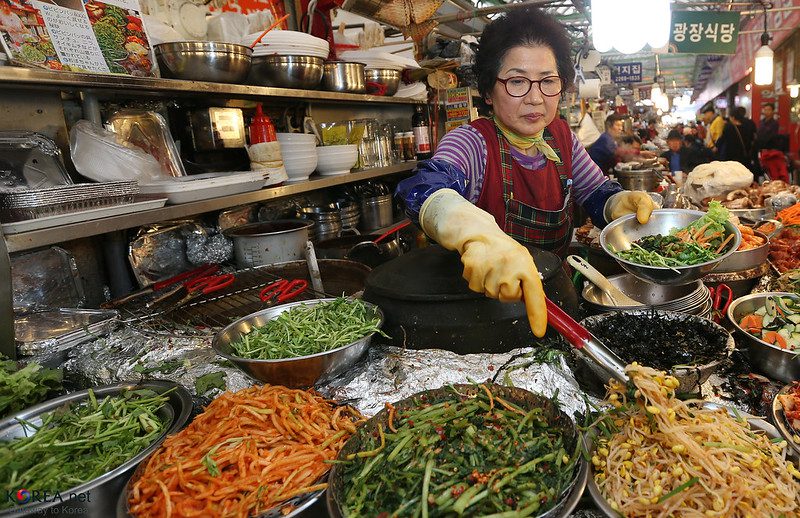
Solving Hunger in South Korea, From Its Own Borders to the International CommunitySouth Korea remains one of the most technologically and economically developed countries. Standing as the number one most educated country and the 14th largest economy, South Korea has a small rate of undernourishment and relatively low levels of poverty. The poverty rate in South Korea is 13% for the working-age population and 44% for the elderly, ages 66 and older. Additionally, the rate of hunger in South Korea is relatively low. As of 2019, South Korea ranks 29 on the Global Food Security Index and only 2.5% of South Korea is undernourished. Stunting in South Korea, which refers to a child who is too short for their age as a result of chronic malnutrition, is 3%. These low rates of undernourishment and stunting are due to the high presence and quality of South Korea’s Food Safety Net Programs.

Innovate Ways to Battling Hunger

South Korea has implemented excellent programs and initiatives for poverty and hunger-reduction. The South Korean government worked to alleviate hunger among the elderly by offering a retirement program where elderly individuals receive about $200 a month. The Ministry of Food and Drug Safety in South Korea also established a food safety management system to provide safer and healthier food. Foods that are made domestically go through a three-step process of manufacturing, distribution and consumption.

During the manufacturing stage, the business operator must submit a food and item report. Inspections are then conducted to ensure the safety of the products. In the distribution stage, food products are collected and inspected further to strengthen the safety of food distribution. The food is also traced through a system so that all distribution routes are tracked. Lastly, the program ensures that in the consumption stage, all false or over-exaggerated advertisements are monitored thoroughly and food standards are met. This three-step program is essential to ensure the food safety and nutritional needs are met.

Addressing Food Waste and Building Rice Self-Sufficiency

Today, the world produces enough food to sustain every single individual, but almost a third of all food produced every year never reaches consumption due to excessive food waste. To tackle this problem and maximize the efficiency of food distribution, South Korea has implemented food waste programs that recycle more than 95% of its food waste. Leftover food in major cities like Seoul is collected from residences, hotels and restaurants and deposited in sorting facilities. The food is then crushed and dried and used as fertilizer, animal feed and even used for generating electricity. This program has reduced food waste in districts by 30% and in restaurants by 40%.

One of the biggest contributions to hunger reduction in South Korea is the system of rice self-sufficiency, where rice consumption became a matter of “national duty.” In the late 1970s, South Korea grew self-sufficient in rice for the first time. Local consumers were prompted to buy local Korean produce through food campaigns that insisted on the consumption of rice as an important national responsibility. As a result of local rice production and consumption, the average rural income grew higher than the average urban income and South Korea became self-sufficient in its most essential food commodity: rice. This rice self-sufficiency contributed tremendously to food security in South Korea.

Helping Others

South Korea has come a long way since the Japanese colonization of Korea and the Korean War. The country has found innovative ways to strengthen its economy, reduce its poverty and establish food security and food safety net programs. These innovative programs and the resulting low rates of hunger have inspired the international community to take note of South Korea’s achievements and follow its lead. The Food and Agriculture Organization of the United Nations (FAO), for instance, has joined forces with South Korea to encourage and strengthen its Zero-Hunger efforts in the Asia-Pacific region. South Korea has been working with FAO to help drought-stricken farmers in Afghanistan as well as provide training in rice production for farming communities in West Africa. In June of 2019, South Korea also responded to the severe food shortages afflicting 40% of North Korea by distributing $8 million in food aid to North Korea.

Today, the vast influence that South Korea has on the international community is clear. Not only did they create new critical ways to solve important issues such as poverty, hunger and food waste in their own country, but they also shared these strategies with other countries. South Korea continues to provide aid and assistance to countries like Afghanistan and communities in West Africa while ensuring that hunger in South Korea is managed.

—Nada Abuasi
Photo: Flickr

December 16, 2020
https://borgenproject.org/wp-content/uploads/borgen-project-logo.svg 0 0 Kim Thelwell https://borgenproject.org/wp-content/uploads/borgen-project-logo.svg Kim Thelwell2020-12-16 01:30:112024-06-04 01:08:48Solving Hunger in South Korea and the International Community
Developing Countries, Food Aid, Food Security, Global Poverty, Hunger

The Rising Case of Hunger in Swaziland

hunger in swazilandIn 2017, it was recorded that 58.9% of people in Swaziland were living below the poverty line. Despite the country’s lower-middle-class status, the poverty rate continues to persist. Challenges such as low economic growth, severe weather patterns, high unemployment, high cases of HIV/AIDS and a high amount of malnutrition, the Swaziland population is struggling with an immense amount of poverty. A whole 42% of the population lives on less than $1.90 a day. With people in Swaziland struggling to make ends meet, hunger in Swaziland continues to be prevalent.

Food Insecurity in Swaziland

Many Swazis are chronically food insecure. One out of three people face severe hunger, and with the COVID-19 pandemic, hunger is only increasing. With severe weather conditions, Swaziland faces poor harvest years, decreasing the amount of food that can be produced. The Integrated Food Security Phase Classification (IPC), a tool used to improve food security, reported that 32% of the population will experience “high acute food insecurity” within the coming months due to the pandemic. COVID-19 has compounded the food insecurity situation, causing restrictions that disrupt the already limited food supply for Swazi households.

Rise Against Hunger

Humanitarian assistance programs have been a huge support system for the lack of food supplies in Swaziland during the COVID-19 pandemic. Rise Against Hunger is a movement that mobilizes resources to improve poverty and create solutions for hunger in Swaziland. This movement provides life-saving aid to the world’s most vulnerable, Swaziland being one of the most vulnerable countries. Rise Against Hunger now partners with Salesian Missions, a humanitarian organization that gives hope to millions of youth globally, to provide food and aid to those living in poverty in Swaziland. Together, these organizations provide meals for the hungry. Beginning in 2011, this partnership has been successful, providing food and life-saving aid to malnourished individuals in Swaziland.

USAID Food Relief

As the Swaziland government struggles to deliver aid and food relief, USAID has partnered with World Vision to provide emergency food assistance. USAID is making an effort to reach 45,000 food insecure people in Swaziland by providing monthly food rations. These food rations include cornmeal and beans and vegetable oil.  Not only are USAID and World Vision providing food rations to decrease the percentage of hunger in Swaziland, but they are also working to increase the agricultural production of families that need assistance in recovering from previous droughts. With USAID stepping in to provide as much relief as possible, these efforts will produce longer-term resilience.

Hunger in Swaziland has caused many to succumb to hunger at a faster rate since the COVID-19 pandemic hit, making hunger a widespread issue. Organizations and charities are working together to provide the necessary aid essential to eradicate hunger in Swaziland.

– Kendra Anderson
Photo: Flickr

December 12, 2020
https://borgenproject.org/wp-content/uploads/borgen-project-logo.svg 0 0 Kim Thelwell https://borgenproject.org/wp-content/uploads/borgen-project-logo.svg Kim Thelwell2020-12-12 02:43:282024-05-30 07:53:18The Rising Case of Hunger in Swaziland
Food Insecurity, Global Poverty, Hunger

3 Organizations Fighting Hunger in Nepal

Hunger in Nepal
In Nepal, one in four people lives below the national poverty line, earning only $0.50 a day. This makes it nearly impossible for them to afford basic needs like food, clothing and shelter. In recent years, many organizations have provided aid to Nepal to improve living conditions and lower hunger levels. Outlined below are three organizations fighting hunger in Nepal.

World Food Programme

The World Food Programme (WFP) is a humanitarian organization run by the United Nations with the goal of fighting global hunger. WFP distributes more than 15 billion rations to people affected by hunger in countries around the world. Two-thirds of the countries it serves are affected by conflict. Statistically, people in conflict-ridden countries are three times more likely to be malnourished than their counterparts living in peaceful environments.

One of the countries WFP has been working to address food security and hunger in is Nepal. Roughly 36% of Nepali children under five are stunted due to hunger, while an additional 27% are underweight, and 10% suffer from wasting due to acute malnutrition. As part of their work to address hunger in Nepal, WFP established the Zero Hunger strategy, which is a program with the goal to achieve zero hunger by 2030. This program has directly helped strengthen the government’s capacity to improve “food security, nutrition, as well as emergency preparedness and response.”

Action Against Hunger

Action Against Hunger was created to establish a stronger method for dealing with hunger. Over the past 40 years, it has provided life-saving services in more than 45 countries, one of which is Nepal. Since 2005, Action Against Hunger dedicated a team of 25 employees to address hunger in Nepal.

Nepal is very susceptible to natural disasters based on its proximity to the Himalayas. Its location causes more than 80% of the population to be at risk of storms, floods, landslides or earthquakes. A 2015 earthquake greatly affected Nepal’s Nuwakot and Rasuwa districts. In response, the team created and integrated water and sanitation reconstruction for the areas impacted.

In 2019, Action Against Hunger was able to provide treatments for severely malnourished children through two inpatient and 28 outpatient therapeutic care centers. The organization has carried out various livelihood programs that include helping Nepali citizens implement “home gardening, mushroom farming, poultry and integrated shed management” into their lives. In 2019 alone, the organization provided aid to 99,455 Nepali citizens. Among these citizens, 90,316 were reached by nutrition and health programs, 4,570 were reached by water, sanitation and hygiene programs and 4,569 were reached by food security and livelihood programs.

Feed the Future

Feed the Future was started with the intention of creating sustainable and long-term strategies that would put an end to chronic hunger and poverty across the globe. The organization now operates in twelve different countries affected by food insecurity to execute their goals.

In Nepal, almost 70% of the population works in agriculture; however, many farmers struggle to afford supplies to yield fruitful crops. Feed the Future works with the Nepali government and the agricultural private sector to “produce more diverse and nutritious foods, improve agricultural practices among farmers, and create more inclusive economic opportunities.” So far, the organization has increased nutrition access for 1.75 million children under the age of five. In 2018, it increased vegetable crop yields by 22% and raised farmers’ gross profit margins for vegetables by 17%. The organization also helped the farms it worked with generate $20 million in sales for their crops.

Eradicating Hunger

For years, Nepal has had high food insecurity and hunger due to economic hardships and natural disasters. However, organizations like the World Food Programme, Action Against Hunger and Feed the Future are making measurable and tangible differences in the lives of Nepali citizens. Through the work of these organizations and so many like them, eradicating hunger in Nepal is possible in the coming years.

– Sara Holm
Photo: Flickr

December 8, 2020
https://borgenproject.org/wp-content/uploads/borgen-project-logo.svg 0 0 Kim Thelwell https://borgenproject.org/wp-content/uploads/borgen-project-logo.svg Kim Thelwell2020-12-08 11:26:032020-12-08 11:26:033 Organizations Fighting Hunger in Nepal
Children, Developing Countries, Education, Global Poverty, Hunger

3 NGOs Feeding School Children in East Africa

Feeding School Children in East AfricaDespite leading the continent in incorporating students into primary and secondary systems of education, East Africa retains acute socio-economic problems. More than 55 million extremely poor people inhabit just the three nations of Uganda, Kenya and Tanzania. This situation cannot improve without addressing poor school attendance by children whose family circumstances customarily pressure them into prioritizing work over education and not obtaining the valuable knowledge and skills that could help them secure higher-paying jobs and bid farewell to poverty. NGOs are working on feeding school children in East Africa to improve attendance rates and simultaneously target issues like hunger and malnutrition.

School Attendance Rates in East Africa

In Kenya, 92% of those aged between 7 and 14 were receiving education in 2008. A decade later, UNICEF continued to record 1.5 million prospective primary schoolers missing out on learning. In other East African countries, the issue is direr. In Tanzania, from ages 5 to 6, the school attendance rates already drop by nearly 10%.

Feeding School Children in East Africa

Nonprofit organizations are actively altering this dynamic. By routinely feeding school pupils, the organizations demonstrate that enrolment in school can also involve getting adequate nutrition. It is a win-win situation as students simultaneously gain important academic and professional insights and receive a much-needed meal. Moreover, this work shows that education may improve one’s living standards not only in the long run but in the short run as well.

Food4Education

This Kenyan organization feeds young students locally sourced meals in the nation’s Kiambu and Nairobi counties at a subsidized rate of $0.15. Having started with only 25 food recipients, it has already served around one million meals, helping children enhance their school attendance and performance in class and in examinations. It hopes to reach out to all the primary school children in Kenya in the future.

In addition to attracting donations and using a mobile app, Tap2Eat, for parents to pay to subsidize their children’s low lunch fee, Food4Education also manages a restaurant in the country’s capital. Some of its revenue is used to fund school lunches and increase the NGO’s output.

The group’s impact remains localized but its recognition suggests that its efforts are sizeable. In June 2020, Wawira Nijru, the Food4Education’s founder, joined the prestigious Ford Global Fellowship Program. As part of this scheme, the United States-based Ford Foundation will invest in the NGO and offer advice to amplify its contribution in Kenya.

East African Children’s Fund

Operating in Kenya with a reported budget of $170,000, the organization supplies more than 1,000 schoolchildren in impoverished areas with a mixture of fruits, vegetables, meat and fish. By procuring these products from the local communities, this organization likewise guarantees that the funding utilized in the process stays with the people needing it the most. The organization also distributes clothes and mosquito nets among schoolchildren and helps ensure that they are vaccinated. After all, missing school due to illness is equally a problem in a country, where more than three million people contract malaria each year.

The East African Children’s Fund’s purview extends into supporting sustainable farming techniques and projects in Kenya by, inter alia, promoting beekeeping and teaching young villagers to harvest rainwater and prevent water loss during field irrigation.

In 2019, it served close to 570,000 school meals, thereby causing an 80% reduction in local infirmary visits by schoolchildren. Between 2017 and 2019, more than 10,000 rural Kenyans received training in nutrition techniques from the group as well.

Mary’s Meals

This Scottish-registered charity is alleviating hunger in Malawi, Uganda and Kenya. In the former, it boasts a network of 80,000 volunteers who serve low-cost meals to as many as 30% of the nation’s primary school students in 20 different districts. In the other two nations combined, as many as 80,000 students are benefitting from school meals. A large proportion of them inhabit areas, such as the Kenyan town of Eldoret, where every second household falls below the poverty line.

Besides relying on volunteers, the group has full-time employees based in the target countries. Their task is to ensure compliance with hygiene standards and food quality by conducting regular school visits and compiling data on pupil and teacher satisfaction.

Based on approximately 4,000 responses collected in 2016, the number of Malawi pupils experiencing hunger during the school day decreased sixfold within fewer than 12 months. A comparable household survey registered a similarly impressive 64% decline in the number of adult respondents believing that their children were hungry at school. Most importantly, many more teachers have stopped describing classroom hunger levels as worrying. Considering that all the relevant parties are recognizing a difference, the NGO’s contribution is certainly worth mentioning.

Feeding school children in East Africa also mitigates malnourishment among the locals and facilitates the process of climbing out of poverty, since, through education, children could acquire the skills to qualify for better-paid jobs and escape reliance on subsistence farming.

– Dan Mikhaylov
Photo: Flickr

December 8, 2020
https://borgenproject.org/wp-content/uploads/borgen-project-logo.svg 0 0 Kim Thelwell https://borgenproject.org/wp-content/uploads/borgen-project-logo.svg Kim Thelwell2020-12-08 02:18:212024-05-30 07:52:593 NGOs Feeding School Children in East Africa
Food & Hunger, Food Aid, Food Insecurity, Food Security, Global Poverty, Health, Hunger

Snack Against Hunger and Poverty

Snack Against Hunger and PovertyPeople can often feel hopeless nowadays when addressing global poverty and hunger on a personal level. One can only donate so many times before it feels pointless. For decades there was a decrease in poverty and hunger all around the world. However, with the pandemic in full force, the numbers are once again increasing.

So what should can each individual consumer do to help those in need and bring these statistics down? They must change daily patterns, so nearly all of their “normal” actions start benefitting someone else. One way is to switch up the food consumers eat. Many brands in a variety of food categories use their profits to fight global poverty and hunger. Switching to one of these brands allows people to effectively snack against hunger and poverty. Below are just a few of the brands aiding in poverty and hunger-reduction.

1. Bobo’s

Bobo’s donates their profits from selling oat-based products to eight organizations. Two of the organizations focus on food security in the U.S. (Community Food Share and Conscious Alliance), and one nonprofit provides housing for low-income families (Habitat for Humanity). Get in a dose of nutritious oats to snack against hunger and poverty.

2. This Saves Lives

This Saves Lives has something for everyone. They have 10 different flavor options, a variety of kid’s options and five types of crispy treats. For each purchase, This Saves Lives provides a calorie-dense packet of paste filled with nutrients to a child in need. So far, over 24 million packets have been sent out!

3. Barnana

Barnana is a company that produces plantain-based chips in normal chip form, tortilla style and flavor bites. All consumers can find a chip that will satisfy whether that’s salty or sweet. The plantains used for the chips are upcycled from those that were deemed not perfect enough for mainstream market standards. By upcycling the produce, Barnana fights food waste and secures extra income for small scale farmers that depend on every sale.

4. Project 7

Project 7 is a healthy candy brand that makes gummies, lollipops and everything in between. They partner with nonprofits to help the seven areas of need: healing, saving, housing, food, drink, teaching and hope. Make chewing a life-giving activity and snack against hunger and poverty.

5. Beanfields

Beanfields is another company that creates chips both sweet and salty, similar to Barnana. The company — centered in a kitchen and not a boardroom — cooks up a variety of bean-based tortilla chips and cracklings. They get creative by producing an environment-conscious snack while also supporting people in need. Beanfields partners with Homeboy Industries, an organization that helps ex-gang members find peace and stability in their new lives. Homeboy Industries partners with many nonprofits fighting hunger and poverty that provide ex-offenders jobs and a sense of community.

Buying snacks and snacking are often mindless activities. Helping people should have that same ease and it does. Yet, it often falls on the back burner and gets forgotten. Buying from companies donating to those in need is one easy solution. People can enjoy their favorite foods in a more effective way. Why just snack when one can snack against hunger and poverty?

– Anna Synakh
Photo: Flickr

December 4, 2020
https://borgenproject.org/wp-content/uploads/borgen-project-logo.svg 0 0 Lynsey Alexander https://borgenproject.org/wp-content/uploads/borgen-project-logo.svg Lynsey Alexander2020-12-04 01:30:352024-05-30 07:55:43Snack Against Hunger and Poverty
COVID-19, Global Poverty, Humanitarian Aid, Hunger, Malnourishment, Refugees

Child Hunger in Idlib Grows Amidst Pandemic

Child Hunger in IdlibThe Syrian conflict continues to rage through this pandemic. The locus of fighting has shifted to the provinces of Idlib and Aleppo. Since 2019, the Syrian government — with support from Russia — has engaged in various bombing campaigns in the region and sent ground forces as well. Idlib is clearly feeling the effects of this violence. The need for aid in the province grows alongside the increasing size of the humanitarian crisis. One particularly important but overlooked aspect of the devastation in Idlib is the rising cost of food. Child hunger in Idlib is a result of the rise in levels of food among the youth due to price increases.

The Issue

Child hunger in Idlib — for infants in particular — has become an area of concern as COVID-19 has become more prevalent throughout the country. One big factor is that food has generally become much less accessible. According to The New Humanitarian, “‘An infant needs one container of formula per week, but the price has risen to $12,’ up from $9 three months ago … For many parents, that sum is out of reach.” This increase in price manifests itself often in the form of Severe Acute Malnutrition (SAM). The disease primarily affects children under the age of 5, is highly dangerous and often turns life-threatening. Effects of SAM include a process known as “stunting,” which limits the physical growth in very young children. Stunting and other effects of SAM lead to other problems later in life for these children.

Another frequent issue is malnutrition in pregnant and breastfeeding women. It not only affects them personally but impacts the growth of their infants as well. The New Humanitarian also reports a rise in SAM hospital cases over the summer of 2020. The ratio jumped to 97 out of 1,692 people screened from the January status of 29 out of 2,199. This is likely a lower estimate given the number of people who cannot get screened or don’t have access to testing. Time is of the essence after receiving a SAM diagnosis. Once a child with this condition reaches 2 years of age, they will likely deal with the consequences of SAM for the rest of their life.

Fighting Worsens the Problem

Child hunger in Idlib — and in Syria more widely — is deeply concerning. The issue is compounded by the broader poverty levels and violence that plague the entire country. As a result of the fighting, the majority of  Syrians are internally displaced from their homes.

There is no clear end in sight to the fighting between rebel forces and the Syrian state military. Refugee camps are essentially at capacity and can’t withstand an influx of people if the civil war persists. Additionally, COVID-19 continues to ravage the country, which will likely increase the number of Syrian refugees and displaced persons.

In addition to the housing issue, food scarcity is prevalent in the country. Food options are usually unavailable or unaffordable. As such, many Syrians rely on foreign assistance and aid from NGOs as resources for food.

Aid

There are, however, numerous aid organizations and NGOs working to provide food security and address the growing refugee crisis. They are especially targeting the northwest, where Idlib is located. The Syrian American Medical Society (SAMS) is an organization working to expand health care access to those who need it. SAMS also provides meals to both children and adults at risk of food insecurity. Yet another part of their work focuses specifically on care for those with Severe Acute Malnutrition.

SAMS fights against child hunger in Idlib and throughout the rest of the country. They report that in 2019, the last year for which data is available, SAMS performed more than 2.5 million medical services for the Syrian population, at no or greatly reduced cost. Since 2011, they have provided more than $207 million worth of aid and medical resources as well.

SAMS and other similar organizations are vital to the survival of millions of Syrians. However, there is still more to be done. The international community must redouble their efforts to provide resources to those displaced and malnourished. Everyone must work to end the violence that has been a constant in the country for so long.

– Leo Posel
Photo: Flickr

December 3, 2020
https://borgenproject.org/wp-content/uploads/borgen-project-logo.svg 0 0 Lynsey Alexander https://borgenproject.org/wp-content/uploads/borgen-project-logo.svg Lynsey Alexander2020-12-03 01:30:542020-12-02 12:50:03Child Hunger in Idlib Grows Amidst Pandemic
Global Poverty, Hunger

The WFP: 2020 Nobel Peace Prize Laureate

2020 Nobel Peace PrizeIn October 2020, the United Nations World Food Programme (WFP) accepted the 2020 Nobel Peace Prize. The award came during a challenging period. COVID-19 is putting strain on world hunger, global health and peace processes. For instance, in Ethiopia, the politicization of national COVID-19 responses amplified tensions during elections. In Libya, the pandemic affected the process of conflict resolution and exacerbated the existing humanitarian crisis. In India, the pandemic intensified pre-existing frictions between ethnic groups creating scapegoats and marginalizing migrants. The WFP’s 2020 Nobel Peace Prize brings new hope for world hunger and conflict resolutions during the global pandemic. According to Claude Jibidar, the WFP country director in Chad, the award given to the WFP is a wake-up call. Jibidar says, “Our success or our failure today will determine the future that we leave to our children tomorrow. We want them to live in peace and in a world with zero hunger.”

The UN World Food Programme

The World Food Programme is a leading humanitarian organization that has been fighting world hunger and poverty for more than 50 years. The organization works with communities and local authorities to deliver food assistance and improve nutrition. In 2019, the WFP provided meals to more than 17.3 million pupils, of which 50% were girls. The WFP’s actions are crucial on a global scale to meet the 2030 zero hunger goal set up by the international community in 2015 as part of the U.N. Sustainable Development Goals. The zero hunger goal aims to completely end world hunger, improve global nutrition and achieve food security and agricultural sustainability. Since the establishment of the goal, the WFP has made zero hunger its priority.

WFP Programs

To achieve this goal, the WFP uses educational and nutritional programs. Not only does the 2020 Nobel Peace Prize laureate bring food to countries in need but it also develops programs to educate local populations and authorities. In 2016, the WFP partnered with the government of Cameroon for a prevention-oriented program to address the rising numbers of malnutrition cases in children and pregnant or lactating women. The prevention-based program was a success. By 2017, the number of children reached had doubled in comparison to a treatment program in 2015. Additionally, the cases of acute malnutrition drastically fell. The proportion of children having a mid-upper arm circumference of fewer than 125 millimeters went from 17% in May 2014 to 2% in November 2017.

The WFP’s largest operation started in 2015 in Yemen and is still in progress. In 2021, after more than five years of conflict, more than 20 million people are still food insecure and facing hunger in Yemen. To address the food emergency and prevent a humanitarian catastrophe, the WFP continues to provide food assistance in Yemen. However, the ongoing conflict and growing tensions, amplified by hunger and food insecurity, make it challenging for the WFP to assist Yemeni people. In fact, one of the main issues the WFP faced was that rebels in the area were diverting food from people in need. The WFP engaged in negotiations with rebels in order to ensure food assistance would go where it is needed.

Hunger and Peace Interlinked

As said by the Norwegian Nobel Committee, “the link between hunger and armed conflict is a vicious circle.” To fight world hunger and conflicts, the international community needs to address these two issues conjointly. Treating hunger and food insecurity can prevent the rise of tensions leading to violence. Furthermore, addressing violent conflicts can also improve local food security. The 2020 Nobel Peace Prize acknowledges the WFP’s efforts of combining humanitarian aid endeavors with peacekeeping efforts.

However, to define food security as the main instrument of world peace, international cooperation remains essential. The 2020 Nobel Peace Prize reminds the world that food insecurity and peace are interlinked while recognizing the substantial contributions of the World Food Programme in combating hunger and achieving peace.

– Soizic Lecocq
Photo: Flickr

November 15, 2020
https://borgenproject.org/wp-content/uploads/borgen-project-logo.svg 0 0 Kim Thelwell https://borgenproject.org/wp-content/uploads/borgen-project-logo.svg Kim Thelwell2020-11-15 03:36:582021-06-11 03:37:27The WFP: 2020 Nobel Peace Prize Laureate
Page 20 of 71«‹1819202122›»

Get Smarter

  • Global Poverty 101
  • Global Poverty… The Good News
  • Global Poverty & U.S. Jobs
  • Global Poverty and National Security
  • Innovative Solutions to Poverty
  • Global Poverty & Aid FAQ’s
Search Search

Take Action

  • Call Congress
  • Email Congress
  • Donate
  • 30 Ways to Help
  • Volunteer Ops
  • Internships
  • Courses & Certificates
  • The Podcast
Borgen Project

“The Borgen Project is an incredible nonprofit organization that is addressing poverty and hunger and working towards ending them.”

-The Huffington Post

Inside The Borgen Project

  • Contact
  • About
  • Financials
  • President
  • Board of Directors
  • Board of Advisors

International Links

  • UK Email Parliament
  • UK Donate
  • Canada Email Parliament

Get Smarter

  • Global Poverty 101
  • Global Poverty… The Good News
  • Global Poverty & U.S. Jobs
  • Global Poverty and National Security
  • Innovative Solutions to Poverty
  • Global Poverty & Aid FAQ’s

Ways to Help

  • Call Congress
  • Email Congress
  • Donate
  • 30 Ways to Help
  • Volunteer Ops
  • Internships
  • Courses & Certificates
  • The Podcast
Scroll to top Scroll to top Scroll to top