• Link to X
  • Link to Facebook
  • Link to Instagram
  • Link to TikTok
  • Link to Youtube
  • About
    • About Us
      • President
      • Board of Directors
      • Board of Advisors
      • Financials
      • Our Methodology
      • Success Tracker
      • Contact
  • Act Now
    • 30 Ways to Help
      • Email Congress
      • Call Congress
      • Volunteer
      • Courses & Certificates
      • Be a Donor
    • Internships
      • In-Office Internships
      • Remote Internships
    • Legislation
      • Politics 101
  • The Blog
  • The Podcast
  • Magazine
  • Donate
  • Click to open the search input field Click to open the search input field Search
  • Menu Menu

Archive for category: Homelessness

Global Poverty, Homelessness

Homelessness in Somalia

What do people tend to think about when they first hear the word “Somalia?” A Google search of Somalia would bring up pirates. Somalia is a small country off the coast of Africa and one of the poorest countries in the world with more than 50% of its population living in poverty. Poor living conditions and homelessness in Somalia afflict many of its citizens.

Somalia as of 2018

Government policy in Somalia is leaving the citizens out on the street. At the end of 2017, Somali government officials damaged around 3,000 homes in the city of Mogadishu. They used bulldozers to tear down houses and evicted people from their homes. In 2018, the government displaced more than 2 million people living in Somalia. Moreover, the number of homeless citizens in the nation reached millions.

Droughts have left the second-largest city in Somalia with hundreds of homeless children. Interviews with the children of Hargeisa revealed terrible conditions in which children left their homes due to neglect and loss of means. Moving from rural to urban cities has resulted in these children living on the street, addicted to smelling glue to ease the pain required to fight for their lives. The drought along with a lack of food, water and shelter has resulted in child death, every day in Somalia.

Homelessness in Somalia

Somalia is in grave need of humanitarian aid. Whether due to droughts, violence or politics — millions of Somali citizens have been displaced from their homes. Homelessness in Somalia has progressively become a more urgent issue. In October of 2019, flooding washed away thousands of homes, separating families. Another factor affecting homelessness in Somalia is the migration of citizens from rural areas to cities. People moving into urban areas are settling in tents with little protection.

Poor sanitation is also a significant issue in Somalia. The lack of proper housing combined with a lack of water and food can increase the risk of disease. The number of people affected by malnourishment in 2019 was in millions. Furthermore, this tragedy has a major effect on children. Malnourishment is one of the leading causes of death for 14% of children less than age five. The lack of humanitarian aid in Somalia is also causing citizens to flee from home and move toward urban housing. Those who choose to move, settle in “makeshift shelters” which increase their exposure to terrorism and abuse.

Hope for Somalia

Overall, homelessness in Somalia is the result of multiple factors. Violence and terrorism cause a majority of people to flee from their homes. Yet, forced evictions pose a major threat to families in the agricultural sector as well. Changing weather patterns and year-long droughts result in death, famine and the loss of homes. Political instability and regime changes are also an underlying cause of homelessness in Somalia.

On a more positive note, there is hope for the future of Somalia. In February of 2020, the World Bank announced it would normalize its relations with Somalia. This new relationship will go a long way in helping to grow the country politically, socially and economically. The World Bank is providing Somalia with grants of over $250 million to help reduce poverty. The grants will provide natural disaster recovery for citizens impacted by the droughts. In the same vein, these grants aim to increase security for families by improving education, the health system and providing basic, household utilities such as water.

– Hena Pejdah
Photo: Wikimedia Commons

October 16, 2020
https://borgenproject.org/wp-content/uploads/borgen-project-logo.svg 0 0 Jennifer Philipp https://borgenproject.org/wp-content/uploads/borgen-project-logo.svg Jennifer Philipp2020-10-16 07:30:362024-05-30 07:52:18Homelessness in Somalia
Global Poverty, Homelessness, NGOs

Homelessness in the Czech Republic

Homelessness in the Czech Republic
The Czech Republic has a population of about 10 million people. About 11,000 of these people experience homelessness. However, due to a lack of data collection, this number is inaccurate. According to the Expert Group, which the Ministry of Labour and Social Affairs created, around 100,000 people were homeless or at risk of homelessness as of 2017. The government has stepped in to help prevent homelessness, but the current policies in place are not sufficient to reduce homelessness in the Czech Republic.

Current Policies and Issues

Policies are in place to prevent individuals and families from losing their homes. An act on assistance in material need came into effect in 2007. This act regulates how the government provides assistance and assures basic living conditions to people in homeless situations. Additionally, the system serves as motivation to active effort for ensuring a means to meet basic necessities in life and to prevent social exclusion.

According to the act, municipal authorities are responsible for providing benefits in a few ways. One way is an allowance of living. This covers cases of material need that tackles the insufficient income of a person or family. Furthermore, beneficiaries have an entitlement to an allowance of living if the person or family’s income is less than the amount of living after the deduction of reasonable housing costs.

A second way is the supplement of housing. This tackles cases where the income of the person or family including the allowance is insufficient in covering housing costs. A third way is extraordinary immediate assistance. This goes to low-income persons who find themselves in situations that require immediate solutions. These situations might include a serious threat to health, natural disasters, not having enough resources to cover essential expenditures, not having enough resources to cover basic necessities for dependent children and persons at risk of social exclusion. The act helped about 1.2 million people receive benefits in its first year of implementation.

Services for the Homeless

There are services available to help people manage homelessness. These services include hostels, day centers, halfway houses and outreach programs. Day centers offer people emergency assistance, meals and facilities for personal hygiene. Moreover, they distribute clothes and organize cultural and educational programs. However, hostels have proven to be a problem. Owners of hostels have taken advantage of people by up charging their services. Furthermore, the conditions are also substandard and unsanitary.

Additionally, homelessness in the Czech Republic faces a lack of funding for services. Regional and national authorities co-manage the current system of annual calls for proposals. This means that homeless people are reliant on unstable funding sources. As a result, facilities have shut down over time due to the lack of funding.

How the Czech Republic Plans to Tackle Homelessness

The government plans to tackle homelessness with four sets of goals in 2020. The first set of goals involves access to housing. This includes the standardization of state support for public housing and creating a functioning system of homelessness prevention. The functioning system supports formerly homeless people who obtained housing so they do not lose their homes again.

Furthermore, it supports the implementation of tools to enable the transition of people from being homeless to entering housing. It is also working toward more effective use of the existing instruments of the system’s benefits, the reinforcement of the coordinating and planning role of municipalities within extended powers in relation to people in an adverse housing situation and the creation of supporting instruments for implementing those roles.

The second goal has to do with social services. Social services will better respond to the needs of homeless people and people at risk of losing their house in adverse social situations. The third set of goals relates to access to healthcare. This plan is to increase accessibility, create possibilities and focus on prevention with comprehensive healthcare for homeless people. Additionally, this goal also includes raising awareness to the general public, healthcare workers and social service workers to de-stigmatize homeless people.

The final set of goals involves awareness, involvement and cooperation. This plan is to create a network for retrieving information that is concentrated in municipalities. It has extended powers focused on homelessness among relevant stakeholders working with homeless people. This will fulfill conditions for statistics, records, communication, mobility of homeless people and the use of social services. In addition, the plan is to create an effective system of primary prevention through training, education and awareness-raising.

How NGOs Have Helped the Homeless

Homeless people in the Czech Republic often rely on NGOs for assistance. IQ Roma Servis is an NGO that implemented a project called the Housing First concept that provided housing for more than 400 families in the Czech Republic in 2016. The project had a municipality in Brno provide flats to families who previously lived in a form of a homeless shelter. Moreover, families also received intensive case management and a substantial housing subsidy.

A study occurred to understand the effects of this project. As a result, the study found a decrease in the time families spent homeless and found an improvement in housing security. Other positive outcomes include an improvement in the mental health of mothers, decreased use of emergency health services, decreased sickness in children, better social integration of the parents, improved financial security in households, decreased feelings of social anomaly and improvement in overall quality of life.

The government has a long way to go to prevent homelessness in the Czech Republic. If the government provides additional support and organizations to help the homeless population, it should be able to provide aid to more than 100,000 citizens who are at risk.

– Jackson Lebedun
Photo: Flickr

October 11, 2020
https://borgenproject.org/wp-content/uploads/borgen-project-logo.svg 0 0 Kim Thelwell https://borgenproject.org/wp-content/uploads/borgen-project-logo.svg Kim Thelwell2020-10-11 07:58:532021-04-01 07:59:10Homelessness in the Czech Republic
Children, Global Poverty, Homelessness

Child Homelessness in Honduras

Homelessness in Honduras
As of the end of 2017, homelessness in Honduras was a prevalent issue. In fact, the IDMC (Internal Displacement Monitoring Center) reported that there were at least 432,000 IDPs (Internal Displacements) in the countries of El Salvador, Guatemala and Honduras. Many of them left cities due to high rates of homicide and “levels of violence comparable to that of war zones.”

With Honduras having a high economic rate over the past years, reports have still determined that more than 60% of Hondurans live in poverty. In 2016, Habitat for Humanity estimated that the housing deficit for Honduras was over 1 million units. Meanwhile, in 2018, more than 17,000 people experienced displacement due to natural disasters and violence. Among these stark numbers, the topic of street children in Honduras has broken the ice as one organization reported that “an estimate 6,000 adolescents live on the streets of Tegucigalpa and San Pedro Sula alone” and about 800,000 minors do not attend school or have employment. Here is some information about child homelessness in Honduras.

Child Homelessness in Honduras

Unfortunately, the reality for these children is more than not having a roof over their heads or beds to sleep in. Most of these kids have to earn their wages by selling artifacts, washing windows and begging as a means of survival. For those who are pushed to the limits, joining a street gang might be their only option as they seek a means for protection and ultimate survival.

The push to join the infamous “mara” gangs of Honduras has presented an even greater danger as Honduran children have increasingly participated in the frontlines of gang violence. The New York Times reported that, according to the Violence Observatory at the National Autonomous University of Honduras, “in 2012, the number of murder victims ages 10 to 14 had doubled to 81 from 40 in 2008.” Due to this violence, families have taken the extreme measure of sending their children to the U.S./Mexico border to seek refuge. In 2014, in a span of 4 months, more than 2,200 children arrived at the border from the city of San Pedro Sula in Honduras.

While Honduras saw the pertinence of child homicide rates, rather than alleviating the problem through increased social services, the Government of Honduras liquidated the Honduran Institute for Children and Families, which had run since 1998, in May 2014. The Government also closed all the children’s shelters along with it. Its reason for the cut in funding came from the ineffectiveness of political appointees who used 90% of the budget to pay salaries. Along with that, as nonprofit youth shelter Casa Alianza began to increasingly report on the high murder rate of children, the government denied the evidence and turned its face on the issue.

Casa Alianza

With the lack of government assistance, local and international NGOs have had to step up to provide shelter. Covenant House, or Casa Alianza, is just one of these organizations that hope to serve the homeless youth community. Casa Alianza opened its doors in Honduras back in 1987 and was the second Latin American site for the larger organization, Covenant House. Its methodology is simple; it gains the children’s trust by providing a safe and engaging environment and then either helps them return to their families or offers to allow them to stay at its residence centers. Jose Guadalupe Ruelas, the executive director of Casa Alianza, reported that thousands of children have found a home through this nonprofit shelter for homeless youth.

Combined with the stress of finding a proper meal and a place to sleep, homeless children in Honduras have been facing daily struggles of keeping themselves safe from street gangs and hoping not to become another number on a “murder rate” statistic. The constant danger and lack of funding from governmental agencies exacerbate the problem of child homelessness in Honduras further.

While organizations like Casa Alianza have provided much-needed assistance to this vulnerable population, governmental support and advocacy are necessary in order to properly address this concerning issue.

– Ana Paola Asturias
Photo: Flickr

October 5, 2020
https://borgenproject.org/wp-content/uploads/borgen-project-logo.svg 0 0 Jennifer Philipp https://borgenproject.org/wp-content/uploads/borgen-project-logo.svg Jennifer Philipp2020-10-05 07:36:292024-05-30 07:52:46Child Homelessness in Honduras
Developing Countries, Global Poverty, Homelessness, Poverty Eradication

Addressing Homelessness in Morocco

Homelessness in MoroccoMorocco, a country bordering both Algeria and Western Sahara, has faced increased conflicts with the rising issue of homelessness. In the country, there are thousands without proper shelter as the problem worsens. However, newly implemented organizations are seeing rapid improvements in homelessness in Morocco.
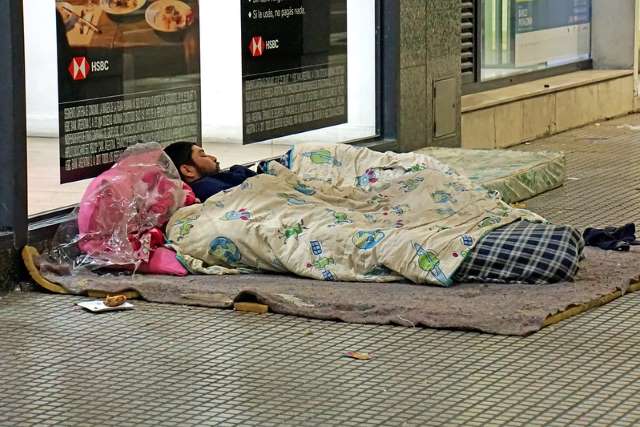
More than 700,000 Moroccan citizens are currently battling homelessness. In addition, it must be noted that the youth has been severely impacted as well. There are more than 30,000 children roaming the streets in search of basic resources, as many escape abusive home situations. Under a prevalent gap between the wealthy and poor, it is reported that more than 15% of the population lives on $3 a day. With the poverty rate increasing, many turn towards the streets. Approximately four million Moroccan citizens live below the poverty line.

Causes of Homelessness in Morocco

The main contributor to the rise of homelessness in Morocco is the Structural Adjustment Policy that was launched in 1963. Since then, the homeless rate has rapidly increased, leading to its large population in present day. The policy aimed to improve the finance and social sectors. However, due to underfunding and a misallocated budget, thousands of families lost funding. For this reason, many lost their homes to the government.

Another cause of homelessness in Morocco is the shift in values in Moroccan society. As mentioned earlier, the wealth gap between the ones in poverty and the wealthy have led to resentment against the homeless. With the focus on the upper class, the poor population of Morocco is not given any aid. In certain cases, the plight of the poor is simply ignored.

Consequences of Homelessness in Morocco

With the youth making up a large portion of the homeless population, various consequences have arisen. A major problem is the overall safety of the children on the streets. With tens of thousands of children without a home, many are subject to sexual assault and abuse. The streets of Morocco have been subject to numerous crimes against the youth.

Another consequence of the homelessness problem is the lack of education. In the rural parts of Morocco, only 36% of girls pursue an education. With the issue of homelessness, the youth prioritize survival over schooling. It is also reported that only one in seven children attend school in Morocco. Homelessness plays a primary role in these low statistics as children do not have the resources to pursue an education.

The Road to Change

Despite the rising numbers, there have been numerous efforts to combat homelessness in Morocco. For example, the Moroccan government has stepped up to help those in need. Jamila El Moussali, the Moroccan Minister of Solidarity, Social Development and Family, has recently called for the largest shelter operation in Moroccan history. During the COVID-19 pandemic, the ministry has helped accommodate more than 6,300 homeless people and assisted 2,000 others in reuniting with their families. The government is looking to increase its involvement with the homeless in the coming years and boost social work to aid those in need. After completing one of the largest shelter operations, Morocco has seen a massive decline in the homeless population.

Even with the government’s newfound aid to help combat homelessness in Morocco, additional intervention is the key to make dramatic and long-lasting progress. For Morocco’s government to see a bright future and a reduced homeless count, it must act in a consistent manner to aid those in need. If the government can further boost the number of shelter operations, hundreds of thousands of homeless Moroccans would benefit.

– Aditya Padmaraj
Photo: Flickr

October 5, 2020
https://borgenproject.org/wp-content/uploads/borgen-project-logo.svg 0 0 Kim Thelwell https://borgenproject.org/wp-content/uploads/borgen-project-logo.svg Kim Thelwell2020-10-05 02:33:362020-10-05 02:33:36Addressing Homelessness in Morocco
Developing Countries, Global Poverty, Homelessness

The State of Poverty in Argentina

poverty in argentinaArgentina is a presidential republic that achieved its independence from Spain in 1816. Starting with the election of President Mauricio Macri in November of 2015, a promise of reform and international reintegration was on the minds of many Argentinians. The current president, Alberto Fernandez promised further reform and economic improvement in Argentina. However, poverty is an issue that the country must overcome in order to realize the dream of a better country. Here is some information about the current state of poverty in Argentina as well as the measures that some are taking to alleviate the issue.

Poverty Levels in Argentina

The poverty rate in Argentina is on the rise. In 2017, the CIA estimated that 25.7% of Argentina’s population lived below the poverty line. This poverty rate increased to 35.4% in 2019 and in the same year, it rose again to 40.8%. This is also reflected in Argentina’s GDP which declined from $643.6 billion in 2017 to $451.9 billion in 2019.

Many attribute the current state of poverty in Argentina to the unregulated spending of the Argentinian government. Additionally, many critics of the government’s economic policies claim that by spending more than what they have, the government created a public deficit. This increasing fiscal deficit led to inflation which is at the root of Argentina’s poverty.

Reasons for Poverty in Argentina

As mentioned, inflation resulted from the increasing fiscal deficit of the Argentinian government. However, this was also a consequence of the continuous printing of pesos to pay off debts. Consequently,  Argentina’s consumer prices rose 53.8% in 2019. The lack of affordability of food, for example, had drastic effects on Argentinian citizens’ lives. In addition, the Central Bank of Argentina rapidly sold its reserve of foreign currency in order to counterbalance the rapid depreciation of the peso. During the same time period, the Central Bank also increased interest rates to 45%. All of these factors further contributed to the additional inflation in the Argentinian economy.

The Alleviation of Poverty in Argentina

There are many people and organizations who are trying to alleviate poverty in Argentina. One aspect of poverty is homelessness. In 2019, there were an estimated 198,000 homeless in Buenos Aires alone. Tadeo Donegana, an 18-year-old Argentinian student, developed a map app called Ayumapp to help the homeless of Argentina. Ayumapp allows its users to add locations of the homeless in their respective cities. Users can also add comments about what kind of specific help the homeless need.

UNDP is also working with the Argentinian government to reduce poverty in the country. By furthering the Sustainable Development Goals (SDGs), UNDP has made progress in alleviating poverty. Some of UNDP’s outcomes include guaranteed food security for 198,000 people, providing health care to 15 million people without health insurance and training 7,500 youth to join the labor market.

Poverty in Argentina has its roots in the Argentinian government’s unrestrained spending. The huge fiscal deficit that resulted from this government spending and failed attempts to revitalize the Argentinian economy led to massive inflation. This inflation resulted in a lack of food affordability and homelessness in Argentina. However, there are those who are working tirelessly to better the current situation in Argentina. With this continuous support, many hope that a brighter future lies ahead for the country.

– YongJin Yi
Photo: Flickr

October 5, 2020
https://borgenproject.org/wp-content/uploads/borgen-project-logo.svg 0 0 Kim Thelwell https://borgenproject.org/wp-content/uploads/borgen-project-logo.svg Kim Thelwell2020-10-05 01:30:382024-05-30 07:53:02The State of Poverty in Argentina
Global Poverty, Homelessness

Homelessness in Liechtenstein

Homelessness in Liechtenstein
Homelessness is a global issue and perhaps surprisingly to some, it even occurs in developed countries. For instance, an estimated 500,000 people go homeless on any given night in the U.S. Homelessness is a difficult problem to tackle because it can arise as a result of many different and complex factors. These variables include housing affordability, drug use, racial or gender discrimination, domestic abuse, loss of jobs and more. With such a plethora of causes, it can seem daunting, if not impossible to handle.

However, some countries in the developed world (as well as undeveloped nations) have done a good job of reducing homelessness. Homelessness in Liechtenstein is virtually nonexistent. Liechtenstein is a small country in the mountains between Switzerland and Austria, spanning 25 kilometers and boasting a population of just less than 40,000. While there are hardly enough homeless shelters in the U.S., Liechtenstein had to shut one down due to its lack of use. Liechtenstein has taken several policy initiatives that help it achieve this level of success in eradicating homelessness.

Addressing Homelessness in Liechtenstein

To prevent homelessness in Liechtenstein, the government provides housing subsidies to its citizens. The lack of affordable housing is perhaps the single greatest cause of homelessness, worldwide. With more and more people looking for housing, the value of land increases substantially. In this same vein, even the cost of renting a home has increased. This, in turn, creates a housing crisis for those with lower incomes. When these vulnerable populations are unable to afford a place to live, many consequently turn to the streets for shelter.

Notably, Liechtenstein mitigates this problem using several measures to ensure that everyone has access to housing. There are subsidies for the purchase of private homes and the construction and renovation of houses are also promoted by the government of Liechtenstein. For families whose income falls below a certain line, the government will provide financial alleviation in the form of rental subsidies.

Fighting Unemployment

Unemployment is another common cause of homelessness. Moreover, Liechtenstein has done a good job retaining high employment rates. Liechtenstein is a very small country; so small that the amount of jobs in the country is greater than its total population. Due to this, unemployment levels are perpetually low. The majority of jobs in Liechtenstein are in the financial and manufacturing sectors. This, in turn, makes the country an attractive place to work. Furthermore, Liechtenstein is one of the most industrialized countries in the world.

Homelessness in Liechtenstein does not exist for two main reasons: (1) low unemployment and (2) its government policies that make housing affordable for everyone. It is encouraging to see that there are places in the world today where homelessness does not exist and people are enabled to thrive. While each country has its unique issues to resolve and challenges to overcome, they will all strive to fight against poverty and eliminate homelessness within their borders. In that regard, the world can look toward Liechtenstein’s policies and practices as an example.

– Alison Ding
Photo: Wikimedia Commons

October 4, 2020
https://borgenproject.org/wp-content/uploads/borgen-project-logo.svg 0 0 Kim Thelwell https://borgenproject.org/wp-content/uploads/borgen-project-logo.svg Kim Thelwell2020-10-04 07:28:312024-05-29 23:23:33Homelessness in Liechtenstein
Global Poverty, Homelessness

Poverty in Denmark and the Welfare State

Poverty in Denmark
When most people picture poverty, they do not usually imagine Denmark. Denmark is an affluent, Scandinavian country renowned for its welfare state. Most Danish people and many people worldwide see Denmark as a model society to look to when dealing with poverty and creating a more egalitarian society. Yet, despite the programs in place to support its citizens, poverty in Denmark is still a problem. In a worrying trend, levels of poverty and inequality have been steadily rising in the last two decades.

A report from the Danish National Center for Social Research (SFI) says that the number of homeless people in Denmark has increased by 23% between 2009 and 2015. In 2015, estimates determined that there were 6,138 homeless people throughout the country, with the increase in homelessness greatest in people aged 25 to 29.

Changes to Welfare State Benefits

So, why are things suddenly changing in Denmark? The country still has a welfare state, so why do people lack financial security or even homes? The answer lies in reductions to social assistance programs that began in 2002 and left many Danes behind.

In 2002, the Liberal-Conservative government enacted changes, cutting significant social assistance benefits for specific groups, such as refugees, new immigrants and ethnic minorities. It pitched these changes as a part of immigration policy reform. However, these changes have had lasting impacts on the welfare system and on poverty in Denmark as a whole. The government justified the cuts to social assistance as necessary to increase immigrants’ and refugees’ incentive to find work.

Many within Denmark have seen the intention behind these reductions as a power play to show “outsiders” in Denmark that they would not receive equal treatment until they actively earned the right through work. Denmark has been a historically isolated and homogeneous society. Denmark’s coming to terms with newcomers has been, and continues to be, wrought with debate as to whether or not “foreigners” deserve to be a part of the welfare state. Refugees have fled to Denmark by the thousands, the numbers climbing from around 3,000 in 2011 to a peak of over 17,000 in 2015, before decreasing steadily each year afterward.

Who Does Poverty Affect?

There is a noticeable divide between the haves and the have nots in Danish society. Most Danes are well-off, do not struggle financially and have the assurance that their taxes will pay for their children’s higher education, most of their medical expenses and other basic necessities. Meanwhile, the poor have experienced marginalization.

Poverty among some of the most vulnerable members of Danish society has risen. The makeup of the poor is mostly single mothers and families composed of refugees and immigrants. In fact, one-fifth of all homeless people are foreigners. Additionally, a whopping four out of five homeless people have mental health or dependency issues and are not getting the help that they desperately need.

Poverty in Danish children provides many of the most devastating figures of poverty in Denmark. Child poverty increases by thousands every year. By 2017, there were about 64,500 children living in poverty. Not only are the children in poverty suffering, but childhood poverty has lasting effects that make it difficult for poor Danish children to prosper as adults. Studies confirm that Danish children who grow up in poverty will likely achieve less education. Moreover, they might receive a lower wage when they themselves enter the Danish job market. Child poverty in Denmark not only hurts Danish children in the present but Danish society in the future. Yet, many Danes continue to tout their welfare system without examining what needs fixing.

Falling Short

Though Denmark has lower levels of poverty than many other countries, its poverty demographic is changing and has been for the last two decades. These numbers call into question Denmark’s worldwide renown as an inclusive and dependable welfare state, and as a model that other nations should follow. Though most Danish politicians across party lines claim to support the welfare system, many support cuts to social assistance benefits. The leader of the Alternative Welfare Commission, Per Shulz Jorgensen claimed that “the welfare society is not living up to its own principles,” and as poverty climbs in the Danish welfare state, it would seem that he is right.

Caritas Denmark

The good news is that many NGOs have been taking action to help fight poverty in Denmark. Caritas Denmark has sought to empower poor people both in Denmark and around the world, running programs and giving relief to refugees worldwide. It is sending aid to communities that the Syrian civil war has affected as many refugees have fled from Syria to Denmark. Estimates have determined that it will provide health care and support to 12,886 people.

At home, Caritas Denmark runs programs focused on providing training to the poor and supporting integration projects for refugees in Denmark, as well as trying to prevent domestic disputes. It is addressing these issues to ensure that everyone has an equal chance of employment and housing, and an escape from poverty. As an affiliate of the Catholic Church of Denmark, Caritas Denmark works with 42 parishes and about 40,000 Catholics annually in Denmark. More work is necessary, but there are many Danes still fighting against poverty, both at its roots in the refugee crisis and at home through training and social programs for the poor.

Though Denmark has held on tightly to its status as one of the happiest countries on earth, poverty in Denmark requires attention. Danish people have begun to admit that poverty is a growing issue within Denmark, with a 2008 poll finding that 59% of Danes polled believed the wealth gap between well-off Danes and Danes in poverty required reducing. Nonprofits, advocacy groups and the hope of possible government action to support the vulnerable and the poor show that there is still a possibility of curbing the growth of poverty in Denmark. This way, Denmark can aspire to be the happiest country on earth for all Danes.

– Julia Ortiz
Photo: Flickr

October 2, 2020
https://borgenproject.org/wp-content/uploads/borgen-project-logo.svg 0 0 Borgen Project https://borgenproject.org/wp-content/uploads/borgen-project-logo.svg Borgen Project2020-10-02 07:23:442022-03-02 06:15:51Poverty in Denmark and the Welfare State
Global Poverty, Homelessness

A Masked Batman Gives Food to the Homeless in Chile

Homeless in Chile
Chile is one of the wealthiest nations in Latin America, yet as of 2018, half the country’s median monthly income stood at less than $600. Comparing the salaries of the top 20% of the wealthiest people to the most impoverished, the 20% of top earners make 14 times the amount of the severely impoverished. The COVID-19 pandemic has created new obstacles for the homeless in Chile to meet their food and nutritional needs. In the middle of a crisis, however, is a citizen dressed up as Batman, armed with a face mask and bags of food for the homeless.

Inequality in Wealth

Although the income gap is common in most countries, Chile’s gap is 65% higher than the average of all OECD (Organization for Economic Cooperation and Development) countries. Unlike many homeless populations, 77% of homeless Chileans have jobs but cannot find affordable housing. A standard one-bedroom apartment costs around $660 a month in Chile’s capital city of Santiago, meaning that the average salary of $400-$550 USD a month is not enough to afford housing let alone bills, utilities and food. During the winters, many of the homeless in Chile use the money saved up while living on the streets in the summer to afford housing to avoid the harsh winter weather.

Food Shortages and Obesity

The majority of the country lives off a scarce monthly salary, leaving the bare minimum amount to purchase food for an individual let alone for families of three or more. Within the last 50 years, nutritional change has spread through the country. Twice as many Chileans from low-income families suffer from obesity in comparison to those with access to higher education and salary. As of 2016, obesity is the number one cause of death in Chile and nearly half of children aged 2-4 are obese. This is a direct result of the country’s increased consumption of food containing processed sugars, fats and salt.

When COVID-19 spread to Chile, the country went on strict lockdown like the rest of the world. High food prices have been a long-standing issue but the strain on food-supply chains has prompted price increases. Environmental factors and an extreme drought already put Chile’s food supply in crisis mode before the pandemic. Now, Chile’s most impoverished are struggling to eat for days at a time.

COVID-19 Exacerbates Poverty

Similar to the rest of the world, COVID-19 has shut down many businesses, factories and other non-essential work. Factories are a massive part of the Chilean job market but demand for products decreased exponentially when COVID-19 hit the Americas in March 2020. Around 80% of companies providing service and industrial companies reported drops in sales. Factories have either closed or laid off employees due to the pandemic. Nearly half of the offices in Chile have had to close, resulting in job losses. The homeless in Chile who previously had employment now cannot afford food and cannot save enough money to secure shelter for the winter months.

Chile’s Food Monopoly

In early May 2020, protestors took to the streets amid growing food shortages and extreme class inequality. Sebastián Piñera, Chile’s president, responded by promising the delivery of more than 2 million food baskets to the country’s most impoverished. The backlash from protestors pointed to the fact that this would only further serve large chain grocery stores and severely impact the small local shops already struggling.

Fruit exports already power Chile’s food market. These frequently take up farming power where grains and legumes suffer, creating a reliance on the import of those highly useful products. Only 5% of local farmers have permission to sell their produce in supermarkets. The few wealthy individuals that monopolize selling mass amounts of food to supply chains dominate the rest of the market. This keeps class division extreme and makes it impossible for local farmers to lower prices without risking going under completely.

Batman Makes A Difference

The majority of the homeless in Chile live in the capital city of Santiago, sleeping on bus stop benches, sidewalks or on the ground in the park. Among them is a caring citizen dressed in DC’s Batman costume donning a medical mask and handing out bags of food to those in need. The anonymous man provides the homeless of Chile hot food regularly, delivering a few dozen meals each day around the capital. The costume choice aimed to both keep his anonymity and bring happiness while doing his rounds.

Along with food, Chile’s pandemic Batman tries to be a source of positivity and foster basic human interaction that can help uplift the spirits of people suffering in the streets. Human kindness is a necessity for those who are suffering from a lack of food and housing. The anonymous Batman of Santiago, Chile, is doing what he can for his fellow Chileans.

– Amanda Rogers
Photo: Flickr

September 30, 2020
https://borgenproject.org/wp-content/uploads/borgen-project-logo.svg 0 0 Kim Thelwell https://borgenproject.org/wp-content/uploads/borgen-project-logo.svg Kim Thelwell2020-09-30 15:39:292024-05-30 07:52:59A Masked Batman Gives Food to the Homeless in Chile
Global Poverty, Homelessness

Natural Disasters and Homelessness in Dominica

Homelessness in Dominica
The Commonwealth of Dominica is a small island country in the Eastern Caribbean. People know it for its beautiful mountainous landscape and jungles, which are home to several native species of plants and animals. Though Dominica has abundant natural beauty, its location in the Caribbean is along the path of annual storms, and these storms are a major cause of homelessness in Dominica. This homelessness has been hard to track as there have been no official reports or studies about homelessness in Dominica.

Poverty in Dominica

Dominica is a poor country in comparison to its neighbors in the East Caribbean. In fact, it had a poverty level of 39% of the population in 2004. Dominica’s two largest industries are the agricultural and tourism industries. Environmental challenges, such as the hurricanes and tropical storms that pass over the island frequently, have affected both of these critically. The storms have made the island less likely to attract tourists. Meanwhile, flooding and landslides have decimated crops and fields.

Homelessness and Tropical Storms

Because Dominica has a relatively poor population, homelessness often becomes a major issue after tropical storms. Many families cannot afford repairs for damaged or destroyed houses, thus leaving them in need of shelter. An example of this is the tropical storm, Erika, in August 2015. The storm caused massive flooding and landslides which devastated much of the land, small towns and villages on the island. Over 800 households became homeless in the wake of the storm. Further, over 1,400 homes either experienced destruction or became at-risk due to the storm. After Hurricane Maria in February 2017, hundreds of Dominicans became homeless including Prime Minister Roosevelt Skerrit himself. Estimates determined that the devastating category five hurricane damaged or destroyed around 90% of the houses on the island.

The Grotto Home for the Homeless

After storms in Dominica, shelters frequently undergo construction, but the majority are not permanent. A report also noted that the current status of NGOs in Dominica is not very robust and that the people mainly rely on the government to provide these necessary facilities. One of the largest permanent housing facilities is the Grotto Home for the Homeless. This organization is one of the few that focuses on providing shelter for homeless Dominicans, though it has faced issues with both its facility and funding. This organization helps to highlight some of the key issues surrounding homelessness in Dominica.

The home, which can accommodate 60 persons, needed remodeling which began in 2008. All of the residents moved to a temporary facility while they waited. Due to the constant storms and the lack of funds, the new home still did not reach completion by 2018. This helps to show how the services that others provide for the homeless are not always effective.

There is not much data on homelessness in Dominica, but it is clear that the severity of the weather exacerbates it. Dominica ranks 12th out of 111 countries in the Composite Vulnerability Index which analyzes a countries vulnerability based on a number of factors including population, weather, diversity of business and education. Dominica has a high risk of rapidly losing stability, which often results in spikes in the homeless population.

However, it is clear that after the devastation that Hurricane Maria caused, the Dominican government has been working to create more reliable and more permanent housing for those who lost their homes and for those who cannot afford to repair damages.

 – Jackson Bramhall
Photo: Flickr

September 30, 2020
https://borgenproject.org/wp-content/uploads/borgen-project-logo.svg 0 0 Jennifer Philipp https://borgenproject.org/wp-content/uploads/borgen-project-logo.svg Jennifer Philipp2020-09-30 10:37:522020-10-01 10:38:05Natural Disasters and Homelessness in Dominica
Global Poverty, Homelessness

Homelessness in Eswatini

Homelessness in Swaziland
Eswatini, formerly known as Swaziland, is an enclaved country within Southern Africa. The nation faces a massive problem of homelessness caused by a broken system of human rights and poverty. The country’s land governance system has unfairly sent many people out of their homes. King Mswati III owns much of the land that the people live on — leaving the Swazi people powerless when evictions occur. These evictions hit women and other marginalized groups especially hard, as they do not have protection under the law. AIDS, HIV and the eradication of agriculture for land development have also played a role in worsening homelessness in Eswatini.

Land Insecurity

Farming is a vital part of the Swazi peoples’ livelihood. Yet, recent land development disputes have begun to hurt farming practices with evictions leaving hundreds of people homeless. These evictions have occurred at the hands of police and bulldozers, which destroyed many homes. To make matters worse, many newly-evicted people have no alternative or even temporary shelter. In April 2018, dozens of people and more than 30 children became homeless — forced to live in inhumane conditions. Some people slept at a local school, some slept outside of their now-demolished home and some slept in a chicken shed.

As more people increasingly fall victim to homelessness in Eswatini, fewer places exist for families to purchase goods for themselves. It has been difficult to fight these evictions due to the country’s government being an absolute monarchy. As a result, people cannot overturn the policies that the king has put in place. These forced evictions come from not only Mswati III owning the land, but also private entities and/or the government owning some as well. This leaves the Swazi people at a high risk of eviction without preparation, warning or recompense.

Connections to HIV

The contraction of HIV has also contributed to the problem of homelessness in Eswatini. Almost 40% of sexually active Swazi adults are positive of the virus. As adults suffer or die as a result of HIV contraction, their children and other members of their households are left without a breadwinner. Sometimes, these homes become children-led. This makes it easier for the government to remove the homes with no plan or adequate place for the family to live afterward.

What is Being Done?

Amnesty International, a non-government organization focused on human rights, reported human rights violations causing homelessness in Eswatini. Moreover, Amnesty International assessed that the violations were caused by the country’s government. The organization has recommended and pushed the prime minister, attorney general and the minister of justice to address this problem. It has urged the prime minister to prohibit all evictions due to violations of legal protections and lack of adequate housing. Specifically, in the regions of Malkerns and Nokwane, the prime minister is to protect the people and provide them with safe places to live until they find a home. The attorney general is to put into law the stoppage of all forced evictions regardless of the circumstance. Relevant institutions would have to go through the proper procedures, before evicting someone.

Upon converting these policies into law, the attorney general is to make sure their new land policy is in line with international human rights involving housing. In this way, the government is taking action to reduce the problem of homelessness in Eswatini.

– Dorian Ducre
Photo: Flickr

September 28, 2020
https://borgenproject.org/wp-content/uploads/borgen-project-logo.svg 0 0 Kim Thelwell https://borgenproject.org/wp-content/uploads/borgen-project-logo.svg Kim Thelwell2020-09-28 01:30:402024-05-29 23:23:22Homelessness in Eswatini
Page 9 of 20«‹7891011›»

Get Smarter

  • Global Poverty 101
  • Global Poverty… The Good News
  • Global Poverty & U.S. Jobs
  • Global Poverty and National Security
  • Innovative Solutions to Poverty
  • Global Poverty & Aid FAQ’s
Search Search

Take Action

  • Call Congress
  • Email Congress
  • Donate
  • 30 Ways to Help
  • Volunteer Ops
  • Internships
  • Courses & Certificates
  • The Podcast
Borgen Project

“The Borgen Project is an incredible nonprofit organization that is addressing poverty and hunger and working towards ending them.”

-The Huffington Post

Inside The Borgen Project

  • Contact
  • About
  • Financials
  • President
  • Board of Directors
  • Board of Advisors

International Links

  • UK Email Parliament
  • UK Donate
  • Canada Email Parliament

Get Smarter

  • Global Poverty 101
  • Global Poverty… The Good News
  • Global Poverty & U.S. Jobs
  • Global Poverty and National Security
  • Innovative Solutions to Poverty
  • Global Poverty & Aid FAQ’s

Ways to Help

  • Call Congress
  • Email Congress
  • Donate
  • 30 Ways to Help
  • Volunteer Ops
  • Internships
  • Courses & Certificates
  • The Podcast
Scroll to top Scroll to top Scroll to top