• Link to X
  • Link to Facebook
  • Link to Instagram
  • Link to TikTok
  • Link to Youtube
  • About
    • About Us
      • President
      • Board of Directors
      • Board of Advisors
      • Financials
      • Our Methodology
      • Success Tracker
      • Contact
  • Act Now
    • 30 Ways to Help
      • Email Congress
      • Call Congress
      • Volunteer
      • Courses & Certificates
      • Be a Donor
    • Internships
      • In-Office Internships
      • Remote Internships
    • Legislation
      • Politics 101
  • The Blog
  • The Podcast
  • Magazine
  • Donate
  • Click to open the search input field Click to open the search input field Search
  • Menu Menu

Archive for category: Homelessness

Global Poverty, Homelessness

The South American NGO Helping the Homeless

Helping the Homeless
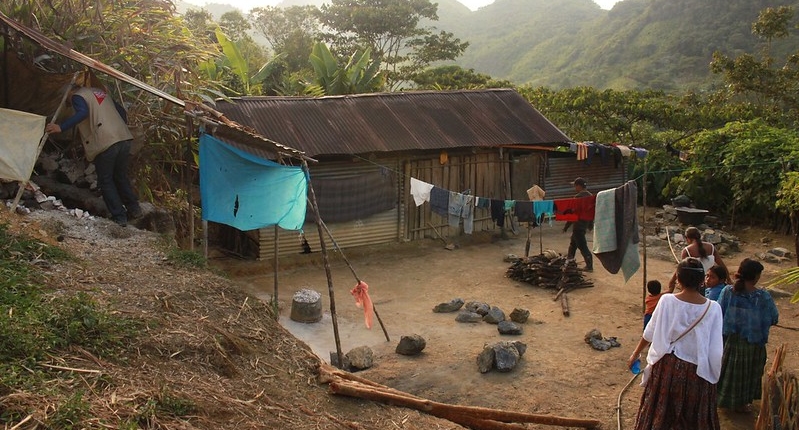
When topics of direct involvement to relieve global poverty come up in casual conversation, young people sometimes find new and innovative ways they can volunteer. Since young adults and teenagers often do not have a lot of disposable income to donate to causes that speak to them, they may choose to involve themselves with an NGO they can give their time and energy to. This is where Un Techo Para mi Pais, or TECHO, comes in as it has an impeccable volunteering model. Techo is a South American nonprofit that emerged in 1997 in Santiago, Chile. Since 2001, the organization began its expansion throughout Latin America, and by 2010, TECHO was one of the most prominent entities providing natural disaster relief to nine South American nations and helping the homeless.

About TECHO

TECHO’s main aim is to decrease homelessness rates on the South American continent, while improving the quality of life of those in comunas and favelas, building sanitary and safe communities and employing the work and energy of volunteers. As of 2021, Techo operates in 19 Latin American countries, with over a million volunteers across the continent helping the homeless and impoverished communities.

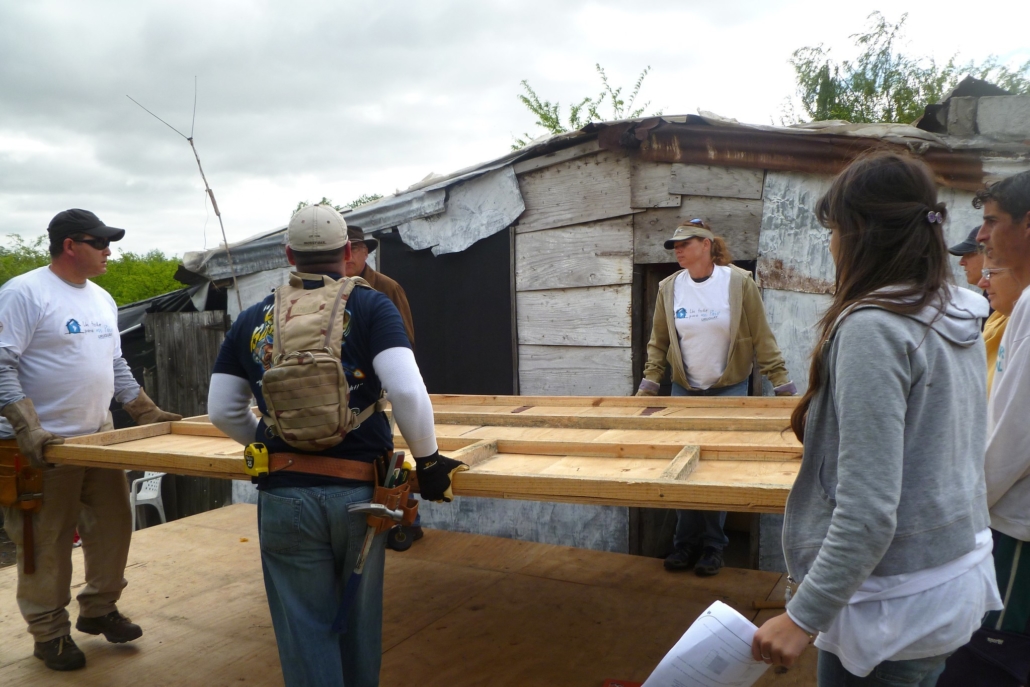
TECHO’s initiative consists of not only providing marginalized and impoverished communities with the dignity they deserve but also linking the volunteers with the communities they are aiding. The organization discusses each community’s specific needs as it helps design a unique action plan for each neighborhood and settlement. Joint action occurs as volunteers and settlement dwellers construct paved roads, community centers and emergency homes. The latter is their most popular project: modular prefabricated spaces that are easy and fast to build and provide shelter and insulation from the elements to families in need.

How Young People Can Participate

One does not need formal training in construction or city planning, as teenagers as young as 14 can participate by following a simple guide and plan of action. Young volunteers can do a wide range of jobs, such as asking for pecuniary donations as individuals or with their schools, collecting construction materials and assisting at construction sites to lend a hand. It is through this hands-on model that TECHO has become a very popular “club” to be part of within Latin American cities, as young people dedicate a lot of their time to campaigns fighting extreme poverty while learning about systemic and structural problems their particular societies face at a community level.

Anyone Can Help

Professionals are also necessary at TECHO for the most ambitious plans, and the organization accepts almost all areas of expertise including volunteer firefighters, cooks, construction workers and nurses. Even those with no experience in humanitarian aid or those without a formal profession can help, as according to the organization, “The first step is to get to know the organization’s model very well, and the tools necessary to carry out your role. Then, TECHO seeks to offer various activities that will help you to deepen your knowledge on topics such as poverty and human rights. No previous experience is required to lend a hand.”

The Inter-American Development Bank recently gave TECHO the rank of fourth most visionary organization of Latin America. Moreover, the organization is currently working on more than 500 settlements across Latin America hoping to expand its reach into the most precarious areas of the region, helping the homeless and providing many more families with dignified services and homes.

– Araí Yegros
Photo: Flickr

February 12, 2021
https://borgenproject.org/wp-content/uploads/borgen-project-logo.svg 0 0 Jennifer Philipp https://borgenproject.org/wp-content/uploads/borgen-project-logo.svg Jennifer Philipp2021-02-12 07:09:572024-05-30 07:56:37The South American NGO Helping the Homeless
Global Poverty, Homelessness

Homelessness in Bosnia Requires International Attention

Homelessness in BosniaHomelessness in Bosnia is a multinational emergency. Recent snowfalls in Bosnia’s Northwest region threaten the lives of thousands of migrants. The region, a de facto landing ground for thousands of migrants, is the site of a mounting humanitarian crisis. Bosnia and Herzegovina, which functions as a buffer state between the Eurozone and parts of eastern Europe, have served as holding grounds for migrants. Even more worrying, the COVID-19 pandemic has further strained these communities.
COVID-19 Emergency Shelters

At the beginning of the pandemic, close to 2,500 migrants struggled without access to shelter. As a result, the International Organization for Migration (IOM) established a facility that could serve as living quarters for 1,000 migrants in Bihac, one of Bosnia’s major northern cities. The facility provided “basic humanitarian aid, including accommodation, food, hygiene, sanitation and medical care.” Previously, IOM increased the capacity of a shelter in the Bosnian capital city of Sarajevo.

Both measures were taken to prevent the spread of COVID-19 between and among homeless migrant and civilian populations. To say the least, homelessness in Bosnia is a complicated subject. In addition, for Bosnia’s civilian population, it’s a source of ongoing tension. By mitigating interactions between migrant and civilian populations, IOM interventions were designed to resolve tensions.

Tensions between migrants and local authorities haven’t been quelled, however. Reports of looting and vagrancy led local authorities to close migrant camps around the country. In late September, after local authorities evicted hundreds of migrants from a migrant camp in Bihac, Peter Van der Auweraert, an IOM official, called on state authorities to take control of the situation.

Homelessness in Bosnia

At least 2,500 of the 10,000 migrants who are held up in Bosnia, in limbo between the Eurozone and the countries they fled, live outside without proper shelter. They are exposed to the elements, and seasonal weather conditions will make their situation much worse. IOM tent camps have served as temporary shelters, but they are inadequate solutions for the winter.

An estimated 25% of rural Bosnians live in poverty. This statistic doesn’t include the rate of poverty among migrants who live in the country. A variety of reasons have been cited for Bosnia’s poor economy. However, the fact of the matter is that Bosnia lacks the resources to provide safe facilities for migrants.  

Appeals for Additional Support

There is no clear solution to the dangerous conditions that migrants in Bosnia will have to endure this winter. However, one could come from a collaboration of the Bosnian government with governments in the Eurozone and international organizations. Euro-Mediterranean Human Rights Monitor called on the Bosnian government to construct emergency facilities. In addition, it cited international law as the basis for its demand. In an effort to ensure that international law is upheld, Amnesty International filed a complaint against local authorities after reports of violence against migrants were reported.

To that end, Euro-Med Monitor underlined the role of the European Union to “establish a monitoring mechanism in Croatia to ensure that the authorities deployed at the borders respect migrants’ fundamental rights and European law, including their safe access to asylum procedures.” Additionally, IOM began to distribute winter kits, including food and sleeping bags, to thousands of migrants in October. Future funding may come as a result of the United Nation’s appeal for $455 million to address the global refugee crisis.

A concerted effort between advocacy groups and governments is required. So long as the world decides that Bosnia’s marginalized populations deserve the world’s support, then there is hope.

– Taylor Pangman
Photo: Flickr

February 3, 2021
https://borgenproject.org/wp-content/uploads/borgen-project-logo.svg 0 0 Jennifer Philipp https://borgenproject.org/wp-content/uploads/borgen-project-logo.svg Jennifer Philipp2021-02-03 07:30:272021-01-31 11:11:55Homelessness in Bosnia Requires International Attention
Global Poverty, Homelessness

Elderly Poverty in El Salvador

Elderly Poverty in El Salvador
El Salvador is one of the most densely populated countries in Central America. Salvadoran elders represent almost 12% of the population, according to the Ministry of Health. Of 1.2 million elders, only 200,000 receive a pension, prompting a situation where abandoned elders enter poverty. Moreover, the World Bank estimates that the COVID-19 pandemic will negatively affect the country’s economic growth, decreasing GDP by 8.9%. Together with existing factors, this may influence the severity of elderly poverty in El Salvador.

El Salvador’s Pensionary System

El Salvador’s pensionary system consists of a privately defined contribution scheme, constructed by the employer and the employee’s contributions. However, it does not guarantee a stable future for elders. Often, their life earnings are insufficient to fulfill their basic needs throughout their lives.

Abandoned Elders

Juan Lainez, age 83, is the owner of an ambulant shop on the sidewalk of Rosales Hospital in San Salvador. For 21 years, he has woken up at 7 a.m. to sell purses and accessories to pedestrians. He used to work at a dairy company, but after retirement, he has no access to Social Security or to the pensionary system. Many third-age Salvadorians face similar situations. Individuals facing elderly poverty in El Salvador beg for money on the streets, while others live in public homes for abandoned elders.

Organizations Fighting Elderly Poverty in El Salvador

Stories such as Lainez’s have triggered Salvadorians into action. Our Lady of Peace Home for Abandoned Elders receives visitors who donate food and cleaning materials. Some initiatives come from Salvadoran enterprises and others come from particulars. Our Lady of Peace houses 40 elders and it does not receive fixed donations. Some elders pay a symbolic amount while the organization rescues others from the streets.

The nonprofit organization Touching Hearts works has the motto that “if you cannot feed 100 people, then feed [one].”

The Borgen Project spoke to Cristina Hauener, a member of the organization. Hauener explains that the project began as a family initiative and then expanded to close friends, volunteers and donors. “Three years ago, I visited the Bloom public hospital and overheard a conversation. It was a mother asking her neighbor to buy 25 cents worth of tortillas to feed her children, who were home alone without a meal. As a mother, those words shook me. I have never lacked a meal and it was so hard to see how several Salvadorians had nothing to eat,” Hauener confessed. Touching Hearts aims to provide food for people in extreme poverty.

In the beginning, the organization gave donations to the Bloom hospital and to a home for kids with cerebral palsy. As donations grew, the project focused on feeding abandoned elders. The organization members gathered every Monday to prepare the meals: “As in the human body, each member fulfills his function. Some cook the meals, some pack and others distribute and visit the elders,” she listed.

Elderly poverty in El Salvador is a growing social issue. However, small-scale initiatives are making progress with the resources in their reach.

– Paola Arriaza Avilés
Photo: Flickr

January 14, 2021
https://borgenproject.org/wp-content/uploads/borgen-project-logo.svg 0 0 Lynsey Alexander https://borgenproject.org/wp-content/uploads/borgen-project-logo.svg Lynsey Alexander2021-01-14 15:55:372022-04-28 00:39:29Elderly Poverty in El Salvador
Global Poverty, Homeless, Homelessness

5 Misconceptions about Homelessness

5 Misconceptions about HomelessnessHomelessness affects every corner of the world. In 2019, it was estimated that 150 million people are homeless, while more than 1.6 billion lack access to adequate housing. Despite its prevalence, many have inaccurate perceptions about the nature of homelessness. The homeless population has exceedingly high barriers to overcome their circumstances. To uplift people suffering from homelessness, others must first educate themselves on the many misconceptions about homelessness. Here are five common misconceptions about homelessness.

5 Misconceptions About Homelessness

  1. “Background does not affect homelessness.” The circumstances surrounding homelessness are widespread and cannot be pinpointed. However, certain sets of conditions make homelessness more likely. For example, causes of homelessness could involve displacement, conflict, natural disasters, mental illness, family strife, gentrification, rapid urbanization and lack of affordable housing. Millions of people in Nigeria, Pakistan, Indonesia and elsewhere are displaced by terrorism or natural disasters. These conditions are largely uncontrollable and unavoidable. Homeless people can be put in this situation through no choice of their own. Unfortunately, the cycle of poverty may continue because of a person’s social, economic or geographical background.
  2. “Most people are homeless because of addiction.” While drugs can be a cause, it is more likely that addiction develops after one becomes homeless. People suffering from homelessness can fall into alcohol and drug abuse to numb their reality. A study conducted in Australia concluded that only 3% of homelessness was caused by addiction, while the major cause of homelessness was a lack of housing at 45%. Addiction can become a coping mechanism for people in negative situations, like homelessness. The stigma about substance abuse and homelessness make treatment for addiction less likely for people in this difficult situation.
  3. “Homeless people should just find a job.” To find and keep a job, people usually need to have a resume, reliable access to transportation, clean clothes to wear and have a means of contact like a cell phone. Homeless people often cannot fill out job applications without these requirements. Even with all of these resources, it may not be fixing the underlying issues of the cycle of chronic homelessness. Securing a job might happen, but recurring issues might deter people from stabilizing any income source. It is a definite misperception that homeless people are lazy and should find a job. The fact is, simply finding a job is harder than it may seem.
  4. “There are enough services to support the homeless.” The majority of services created for serving the homeless are pinpointed to shelter and food. While these services are valuable, they do not address larger institutional barriers to break a poverty cycle. Job support, healthcare, affordable housing and family services are a few less obtainable amenities. Solutions to homelessness must include temporary and long-term services for rehabilitation. In addition, urban centers are more likely to have services for the homeless, while access is particularly limited in rural areas. To create more permanent methods of relief, organizations must approach homelessness holistically.
  5. “Homelessness cannot be solved.” There is no one-size-fits-all solution, but community responsibility for the homeless can have a great impact. Finland is an excellent example of community change causing a decrease in homelessness. In the past 15 years, the numbers have decreased by about 40%. From individually tailored solutions, affordable housing, policy changes and local support, Finland is building strong networks that are creating tangible results. Prevention will also be a crucial step in solving global homelessness. By tackling causes of homelessness through intervention programs, a decrease in global homelessness is likely. It is a clear misconception about homelessness that this problem is inevitable and unfixable.

After challenging these stereotypes, people can begin to humanize the homeless population and do more work to solve this epidemic. Abandoning these five misconceptions about homelessness is a great way to start to challenge stereotypical beliefs. If people learn more about truths concerning homelessness, society can reshape and redefine the solutions to this problem.

– Eva Pound
Photo: Flickr

January 13, 2021
https://borgenproject.org/wp-content/uploads/borgen-project-logo.svg 0 0 Kim Thelwell https://borgenproject.org/wp-content/uploads/borgen-project-logo.svg Kim Thelwell2021-01-13 19:49:452024-05-30 07:55:395 Misconceptions about Homelessness
Aid, Child Poverty, Children, COVID-19, Education, Global Poverty, Homelessness

Child Poverty in Argentina: A Crisis that Needs Action

Child poverty in ArgentinaPrior to the COVID-19 pandemic, many children in Argentina had been living in poverty. The pandemic has caused poverty numbers to soar due to COVID-19’s many negative effects. When considering the long-term presence and future impacts of poverty, it is all the more critical to help the children in this country and around the world. This article highlights facts about child poverty in Argentina and the work of some organizations on the ground helping such children.
The Current Situation

There has never been a more critical time for action than now. UNICEF estimates that 63% of Argentinian children will be living in poverty by the end of 2020 due to COVID-19. In August 2019, child poverty reached more than 50%, with 13% of children in a state of hunger. As compared to the year prior, this is an 11% increase. UNICEF estimates that, at the end of 2020, there will be an increase of 18.7% in extreme poverty among children and teenagers.

Child Poverty Statistics

The above figures depict that one in every two Argentinian children lives in poverty, which amounts to 5 million children. One million of these children are homeless. Those who do have homes often deal with difficult household circumstances. Many children are subject to child labor, which includes work as domestics or “house slaves.” These children end up working in illegal textile workshops, mining, construction or agriculture. The exploitation of child labor is commonly related to sexual exploitation. In response, Argentina has passed laws and social programs to end child labor and sexual exploitation. However, the fight to end these practices must continue.

As of 2017, nearly 20% of Argentinian children do not attend school. After the collapse of the economy nearly 20 years ago, funding for education was heavily reduced. Children living in poverty were the first to be affected as they had to work in order to provide for their families. There are also issues with violence occurring in schools. Corporal punishment still takes place when young school children misbehave, which can cause further behavioral problems while instilling the belief that violence is the norm.

As compared to the rest of the population, native children are at high risk for poverty, illiteracy and unemployment. For example, in the province of Tucumán, the Indigenous children and families live well below the poverty line and also endure illegal evictions from their ancestral lands. Additionally, these children are exposed to violence, malnutrition, disease and a lack of proper education.

Child Poverty Aid

Child poverty in Argentina seems rather defeating considering these statistics. However, there are multiple organizations that are on the ground fighting for the human rights, safety, health and happiness of Argentinian children.

One is Mensajeros de la Paz, a temporary home for vulnerable girls. Another is the Sumando Manos Foundation, which extends pediatric visits out to more than 7,000 at-risk children and their communities. The foundation also supplies food, provides critical medical and dental attention and teaches fundamental health care. There is also Fundacion Oportunidad. This organization increases opportunities for economic and social integration of young Argentinian women in situations of social vulnerability. Involvement in these organizations, as well as donation opportunities, are endless.

There are five dimensions of well-being that are vital to the success of childhood development: adequate nutrition, education, safe areas to live and play, access to health services and financial stability. The fight cannot stop until there is an end to child poverty in Argentina and until each child has access to the resources necessary for a healthy and prosperous life.

– Naomi Schmeck
Photo: Flickr

January 12, 2021
https://borgenproject.org/wp-content/uploads/borgen-project-logo.svg 0 0 Yuki https://borgenproject.org/wp-content/uploads/borgen-project-logo.svg Yuki2021-01-12 01:31:332022-04-22 05:58:20Child Poverty in Argentina: A Crisis that Needs Action
Global Poverty, Homeless, Homelessness

5 Facts About Homelessness in Ukraine

5 Facts About Homelessness in UkraineUkraine, a former Soviet Republic, currently has the 112th largest GDP per capita in the world. However, Ukraine’s economy has lagged behind those of other European powers and is considered to be a developing country. Experiencing wars and widespread poverty, Ukraine’s homeless population has grown in recent years, especially amid the COVID-19 pandemic. Here are five facts you need to know about homelessness in Ukraine.
5 Things to Know About Homelessness in Ukraine

  1. The number of homeless people in Ukraine is unknown: The Ukrainian government only counts the homeless population who qualify for government aid. As such, many NGOs, including the Ukrainian Social Fund Partnership, and other experts estimate that the homeless population in Ukraine was over 200,000 in 2015. With a 9.2% unemployment rate pre-COVID-19 and 1.5 million people in Ukraine living below the poverty line, these figures are likely understated. However, if these estimates are to be believed, Ukraine would have one of the highest rates of homelessness in Europe with a similar homelessness rate to that of countries like Peru and Guatemala. The level of homelessness in Ukraine is difficult to track due to a lack of adequate government surveillance and social services available for homeless individuals to use.
  2. The war with Russia has increased the homeless population: Since the Russian invasion of Crimea in 2014, 2,777 civilians have been killed. The military conflict between Russia and Ukraine has also left an estimated 1.6 million internally displaced people (IDPs) as civilians have fled conflict zones to the relative safety of Kyiv. Made up largely of ethnic minorities, the large amount of internally displaced persons within Ukraine gives the country the most amount of IDPs in the world. The United Nations Refugee Agency and other organizations have provided shelter to these refugees in an effort to prevent them from becoming homeless. Additionally, in 2019, the Ukrainian parliament passed a bill to increase funds for affordable housing for displaced persons, providing housing for 800 IDP families. Despite these efforts, the Ukrainian refugee crisis has undoubtedly contributed to homelessness in Ukraine although exact numbers are unknown. However, the United Nations High Commissioner for Refugees (UNHCR) did report that in 2019, it failed to provide shelter and other needs for between 8000 to 9000 internally displaced families in Ukraine.
  3. Leftover Soviet-era policies discriminate against homelessness in Ukraine: During Soviet-era Ukraine government documents called propiska served as a form of internal passport to allow access to social services and travel within the Soviet Union. Although these documents were abolished in name by the Ukrainian government in 1997, residence permits serving the same function as propiska are still used. Ethnic minorities like Roma, displaced persons and the homeless are not issued these documents due to a lack of residency. These documents serve the same purpose as the Soviet documentation once did and as such, Ukrainians still refer to them as propiska. Without propiska, the homeless population in Ukraine does not have access to public housing, homeless shelters, unemployment benefits, food coupons, employment, childcare or the right to vote. This practice of issuing government identification only to those with homes has often been criticized by organizations like the European Roma Rights Centre (ERRC) for deliberately discriminating against impoverished and minority communities.
  4. Social aid has become more restrictive: In April of 2016, a spokesperson from the NGO Narondna Dopomoga revealed to the Kyiv Post that they were no longer being allowed by the government to register homeless people for propiska. Previously, a homeless person was able to register via a homeless shelter or center and would gain access to social payments from the government and employment opportunities. However, with new legislation, the homeless are required to have a place of residence (which may include a semi-permanent bed at a shelter) in order to apply for these benefits. These restrictions have been criticized for appealing to anti-homeless sentiments within Ukrainian society.
  5. Several NGOs are stepping up in the absence of government assistance: Because Ukraine is a conflict zone with one of the worst economies in the world, the Ukrainian government lacks the ability to adequately respond to the country’s homelessness crisis. However, because the country receives a large amount of aid from the United Nations and its partner NGOs, there have been some efforts to combat homelessness in Ukraine. For example, the Ukrainian Charity Fund Social Partnership in Kyiv has a center where thousands of homeless come each day. Here they receive food, medical assistance, facilities to clean themselves, laundromats and access to recreational facilities. Helping the homeless youth, ex-convicts and refugees who come through, the Ukrainian Charity Fund Social Partnership also helps these groups to find employment that does not require propiska. Other organizations like Depaul provide shelter for the homeless, especially those fleeing conflict zones in eastern Ukraine as well as homeless mothers and their children.

Due to its struggling economy and war with Russia, Ukraine has suffered an increase in the homeless population in the past few years. Ranging from the unemployed to internally displaced people, government policy often discriminates against those without homes. However, with the intervention of U.N. organizations and other NGOs, homelessness in Ukraine is being addressed. With shelters, jobs and other facilities being provided, many homeless people are being tended to although much is still yet to be done on the part of the Ukrainian government.

– Aidan Sun
Photo: Flickr

January 9, 2021
https://borgenproject.org/wp-content/uploads/borgen-project-logo.svg 0 0 Yuki https://borgenproject.org/wp-content/uploads/borgen-project-logo.svg Yuki2021-01-09 07:32:122024-05-30 07:53:315 Facts About Homelessness in Ukraine
Global Poverty, Homelessness

Programs Aiming to Curb Homelessness in Canada

Programs Aiming to Curb Homelessness in CanadaOn any given day, there are 35,000 people experiencing homelessness in Canada. There are governmental policies in place to prevent people from experiencing homelessness, but the policies are not enough to end homelessness. Several programs aim to curb homelessness in Canada.

The New Leaf Project

This program consists of a study within which 50 homeless Canadians would receive $7,500 CAD and researchers would examine their lives over the next 12 to 18 months in comparison to a control group that did not receive money. Many argue that providing funding to the homeless population is not effective as the assumption is that the money would go toward drugs and alcohol. However, the findings in this study say the contrary. The New Leaf Project found that homeless people spent the money on essentials and could secure housing faster than the control group.

The study also found that people who received the money could attain food security as well. About 70% of the people receiving funding could find food within the first month and maintained greater food security for the rest of the year.

Another finding reveals that those who received funding spent most of it on rent, clothing and food. The study also noted a 39% decrease in purchases of drugs or alcohol as well. Some people spent the money on other necessities like transportation, whether it was purchasing a bike or funding repairs to their vehicles. Some even purchased computers or saved money to start businesses. The study only proved that when you invest in the homeless, they are more likely to spend money on resources or endeavors that can improve their quality of life.

Housing First in Canada: At Home/Chez Soi

This program was another study that tested the effectiveness of Housing First on Canadians back in 2009. Housing First, which originates from New York City in the 1990s, provides rapid housing combined with additional support for homeless people with mental health issues and drug addiction. The program achieved major success in New York City, so the people of At Home/Chez Soi wanted to see if the success could be replicated in Canada.

Prior to the study, a few Canadian cities had plans to reduce homelessness. However, there was a lack of innovation to push beyond simply establishing shelters. A lack of federal funding to focus on the root causes and preventable approaches to homelessness in Canada also played a role.

Since the launch of Housing First in Canada, about 70 Canadian cities have adopted the program, helping more than 1,000 Canadians find safe and affordable housing where many continued to stay after a decade. This study proves that “when communities use their existing skills and knowledge and combine that with a strong toolkit like At Home/Chez Soi, they can help to address the needs of local populations and go a long way to curbing homelessness.”

An Overview of Homelessness in Canada

Homelessness was not a prevalent issue until the late 1980s. People did experience homelessness prior to that time, however, it was not as common as it is today.

The Canadian government did enact the National Housing Act in 1973 to provide social housing for low-income citizens, but the government cut back on social housing and other related programs in 1984. By the time 1987 hit, the government cutback caused a surge in homelessness.

By 1996, federal spending on constructing new social housing ceased and the federal government handed the responsibility for most existing social housing to the provinces. Like homeless people in many countries, homeless people in Canada rely on nonprofit organizations to attend to their needs. All nonprofits agree that “strategies to address homelessness must be tailored to each population group’s needs.”

Homeless people also rely on shelters to meet their needs. There are emergency shelters that provide shared sleeping facilities and some offer private rooms. However, these shelters expect clients to leave the morning after. Some shelters offer mid-term housing solutions and some have developed long-term housing units. These shelters also provide food, clothing, laundry services and references to other services or organizations. Other shelters offer counseling, legal assistance, harm reduction and advocacy.

While there are services available to help those experiencing homelessness in Canada, it is not enough to address the root causes of homelessness and prevent it from happening in the first place. Investing in the homeless is a viable option to help identify these root causes and end homelessness in Canada.

– Jackson Lebedun
Photo: Flickr

January 9, 2021
https://borgenproject.org/wp-content/uploads/borgen-project-logo.svg 0 0 Kim Thelwell https://borgenproject.org/wp-content/uploads/borgen-project-logo.svg Kim Thelwell2021-01-09 07:32:122024-05-30 07:55:24Programs Aiming to Curb Homelessness in Canada
Global Poverty, Homelessness

Examining Homelessness in Angola

Examining Homelessness in AngolaForced evictions, an abundance of petroleum, wealth inequality, economic growth and slums surround the most expensive cities in Angola. Angola, a country, that rose economically after experiencing a three-decade civil war. But the fruits of that expansion have not been shared by most of the population. This can be seen when one looks at the slums surrounding the wealthiest capitals in the Sub-Saharan region. One issue that has not been investigated much is the issue of homelessness in Angola. There currently does not exist much data on the topic that the Angolan representative at the U.N. has advocated for data collection and focused study on the issue. However, it is estimated that a significant portion of the population that reside in the capital live in slums.

How Scars of War Resulted in Homelessness

The first instance of homelessness in Angola came because of the civil war between the MPLA (Soviet and Cuban-backed government) and UNITA (rebel forces backed by South African advisors as well as the United States, France, United Kingdom and China). The civil war caused the displacement of around four million internally displaced persons. Millions experienced homelessness in Angola as a result of this long bloody civil conflict. When many of these refugees came back, they encountered a difficult legal problem over land ownership. For many Angolans, buying property on the informal market is quite common, this is partly due to the absence of a clear and adequate legal structure around property rights and ownership.

Not to mention that during civil wars, warring groups tend to take over homes that once belong to others as they flee violence and those homes tend to transact between different parties and individuals using both official measures as well as informal customary methods as the civil war rages on. This caused enormous tension on issues of land claims as it was difficult to decide who owned what. Moreover, there have been cases of Angolan refugees coming home to see that the lands they used to live on were being used for commercial agricultural purposes.

Modern illnesses

One of the issues related to homelessness in Angola is the issue of evections. Today many people, mainly in the capital, are evicted from their homes by the government. As a nation rated poorly for property rights, Angola still struggles with this social phenomenon. Just this January, around 500 families were removed from their homes on a seafront in Luanda after firms were interested in acquiring the area to conduct development projects. This trend has continued in recent years and it has affected thousands of people, who were often driven out through violent means by both state and private security forces to acquire land considered valuable for residential and commercial real estate projects. Evictions are one of the ways people experience homelessness, in which the only choice afterword is living in the slums.

Many human rights NGOs, such as Amnesty International, United Nations, SOS Habitat and Human Rights Watch, have called on the government to put an end to the policy of government evictions. They have engaged in documenting the abuses as well as raising awareness about the issues. Some humanitarian organizations like SOS Habitat and NGO Association Building Communities have engaged in local advocacy by submitting complaints and petitions regarding the abuses that are happening. This has resulted in stopping the Arco Iris eviction in Luanda and has encouraged the government in rehousing some of those who have suffered from evictions.

– Mustafa Ali
Photo: Flickr

January 9, 2021
https://borgenproject.org/wp-content/uploads/borgen-project-logo.svg 0 0 Kim Thelwell https://borgenproject.org/wp-content/uploads/borgen-project-logo.svg Kim Thelwell2021-01-09 07:30:222024-12-13 18:02:18Examining Homelessness in Angola
Global Poverty, Homeless, Homelessness

5 Facts About Homelessness in Ireland

5 Facts About Homelessness in IrelandDespite being among the wealthiest countries in the world, Ireland has struggled to address its homelessness crisis. Since 2008, when the country encountered a difficult economic crisis that struck the housing market with rising rent prices and ceased construction efforts to expand housing, Ireland’s homeless population has only grown into a greater national problem. Protests have erupted across the country and the government has stepped in to address the housing crisis with its “Rebuilding Ireland” program designed to create additional housing units to protect people from homelessness. Despite the COVID-19 pandemic, homelessness numbers are reflecting a decline that hasn’t been seen in years.

5 Things to Know About Homelessness in Ireland

  1. Lingering Effects of Ireland’s “Lost Decade”: Similar to the 2008 financial crisis in the U.S., Ireland had its own housing bubble which burst in 2008, setting off a decade-long housing crisis. With Ireland’s housing market dropped in price by 54%, the housing construction was forced to a standstill and Irish banks were swarmed with debt. The effects of the crisis dubbed this period of recession the “lost decade”—a time when rising rent costs turned many people to the streets, and unemployment and poverty rose. St. Vincent de Paul, the largest charity in Ireland which provides aid and shelter to the homeless, was fielding double their usual number of calls during the first two years after the crisis. More than a decade later, Ireland is still struggling to recover from the impacts of the housing crisis.
  2. Housing is Not Affordable: A report released by the Irish Homebuilders Association (IHBA) stated the time required for a potential homeowner to save a downpayment could take more than 15 years in some cities in Ireland, including Dublin and Galway. In fact, Dublin has become one of the most expensive cities in the world to pay rent. High rents that consume large portions of an individual’s income tied with limited housing availability are two factors that contribute to the challenges of saving for future home-ownership. Rising rent prices show no signs of slowing down, either, with a 17% rent increase predicted for the upcoming years. Although tenants may manage to pull together their monthly rents, homelessness does not elude all renters: The majority of people who become homeless previously lived in privately rented areas.
  3. Homelessness Rates Shows Signs of Declining Amid COVID-19: Homelessness has been rising for several years since the crisis, growing into a national concern and reality for many people in Ireland. However, recently homelessness numbers dropped to their lowest levels since 2017. In May 2020, it was reported that 8,876 people were affected by homelessness, the first time this number has fallen below 9,000 people in the last three years. This decrease is likely from the emergency accommodations recently implemented to support the most vulnerable of Ireland’s population during the pandemic. Throughout Ireland, 600 places were made available that would allow people to self-isolate and maintain social distancing. However, once COVID-19 restrictions in Ireland are lifted, it is possible these numbers could rise to even higher rates as housing construction projects are delayed even further.
  4. Young Adult Homelessness Rates are High: Young adults are one of the groups most impacted by the housing crisis In Ireland. According to Focus Ireland, an organization that helps young people out of homelessness, the number of young adults between the ages of 18 and 24 afflicted by homelessness has increased by 31% since June 2015. But Focus Ireland also points out this figure is likely an underestimate. Official homelessness figures don’t account for the number of young people who seek out friends and family for a temporary place to stay rather than homeless shelters and services—“the forgotten homeless,” as Focus Ireland classifies this group. Young adults who grew up in the aftermath of the housing and financial crisis now face steep rents that hinder their abilities to save for buying a home, an emblem of adulthood.
  5. Ireland’s High Housing Demands: One of the root causes of homelessness in Ireland stems from the country’s inadequate supply of affordable housing. The percentage of households renting privately owned homes has doubled in demand over the past decade, limiting available housing and causing rent prices to climb. Construction efforts to build additional housing are not keeping up with demand either. In response, Ireland’s government installed the “Rebuilding Ireland” program in 2016, an initiative aimed at adding 25,000 housing units per year. According to the 2019 Housing Conference, the program met 74% of its 2018 annual target. However, Focus Ireland believes a solution to Ireland’s housing crisis resides in providing affordable public housing, which the country currently lacks. Public housing can give families and individuals burdened by high rents or eviction notices a humane and affordable option. Although housing, a personal right in Ireland, is slim, supporting the expansion of public housing could be the solution to actualizing this right and creating a stable future for all those who live in Ireland.

As reflected in Ireland’s recently reported figures, homelessness is on the decline. If the “Rebuilding Ireland” program fulfills its established mission of building additional housing, homelessness in Ireland could be combatted even further. Combined with Ireland’s successful response to sheltering the homeless during the COVID-19 pandemic, homelessness in Ireland is showing promising signs of being a resolved issue throughout the country.

– Grace Mayer
Photo: Flickr 

January 9, 2021
https://borgenproject.org/wp-content/uploads/borgen-project-logo.svg 0 0 Kim Thelwell https://borgenproject.org/wp-content/uploads/borgen-project-logo.svg Kim Thelwell2021-01-09 01:30:002021-01-08 11:53:335 Facts About Homelessness in Ireland
COVID-19, Developing Countries, Global Poverty, Homelessness, Humanitarian Aid

Hurricanes in Honduras: 7 Responses to Eta and Iota

Hurricanes in HondurasIn November 2020, Hurricane Eta and Hurricane Iota made landfall just two weeks apart in northeastern Nicaragua. The hurricanes spread across Central America. Honduras was one of the countries hit with severe destruction. In the wake of these storms, homelessness in Honduras reached all-time highs and an active humanitarian crisis unfolded as humanitarian organizations and policymakers struggled to contend with flooding, displacement and the spread of COVID-19. The aftermath of hurricanes in Honduras requires urgent humanitarian aid.

Poverty in Honduras

Nearly half of Honduras’ population lives in poverty. The poverty rate is higher in rural parts of the country than it is in urban centers. Whereas half of all Hondurans who live in the countryside subsist in varying states of poverty, less than half of all Hondurans who live in urban areas lead lives plagued by poverty,

The disparity between rich Hondurans and poor Hondurans is overwhelmingly large. A robust middle-class has yet to take shape in Honduras so Hondurans filter into one of two polarized class groups. A high rate of violence makes life treacherous for the poor.

Seasonal flooding has a detrimental effect on economic growth. Flooding from Hurricane Eta and Hurricane Iota combined with seasonal flooding make 2020 one of the worst years in Honduras’ history. Livestock and farmlands were swept away and Hondurans have had to search desperately for other means to feed themselves.

Homelessness and Hurricanes in Honduras

In 1998, three million Hondurans were made homeless by Hurricane Mitch and tens of thousands were forced to flee to the United States. The devastation that was unleashed by Hurricane Mitch is the closest analog to the combined effects of Eta and Iota. Reports on the rate of homelessness in Honduras after Eta and Iota remain incomplete, but it is undoubtedly high, similar in scope to the rate of homelessness in Honduras after Hurricane Mitch.

7 Responses to Hurricane Eta and Hurricane Iota

  1. Public Investment in Infrastructure and Social Programs. Honduran President Juan Orlando Hernandez plans to engage “four times the nation’s annual budget in infrastructure and social programs to help Hondurans recover from devastating storms.” His plan will put thousands of Hondurans to work rebuilding the nation’s infrastructure, so it works on two important levels. First, his plan creates jobs for Hondurans whose livelihoods were lost as a result of the hurricanes. Second, it will lead to necessary rebuilding projects.

  2. USAID Funding. By the beginning of December 2020, USAID had committed close to $50 million for humanitarian aid to meet the needs of Honduras’ relief efforts. Funding goes to securing “emergency food, shelter, urgent medical care, clean water, sanitation and hygiene.”

  3. USAID’s Honduras Emergency WASH and Shelter (HEWS) Program. In mid-December 2020, USAID announced that it will send packs of materials to “select families” through its HEWS program, which families can use to rebuild damaged or destroyed homes. Experts will also be sent to teach families how to use the material that has been sent and to work alongside families during the initial stages of the rebuilding process.

  4. Project HOPE Emergency Medical Teams. In remote villages, where poverty rates tend to be highest, villagers have scarce access to medical services. Project HOPE medical teams focus on these locations because unsanitary water supplies have been identified there. Also, cases of COVID-19 have been reported.

  5. Project HOPE WASH Program. Potable water is provided to 3,000 families through Project HOPE’s WASH program. Additionally, resources for sanitizing water, including chlorine and training materials, are provided to families so that water purification practices can be carried out indefinitely.

  6. AMDA Emergency Relief. Relief supplies, including food, coverings and hygienic supplies, were distributed to several dozen families through a partnership between AMDA and AMDA-Honduras. The rate of homelessness in Honduras is so high that many people have taken shelter in nursing homes. Hondurans who lost their homes as a result of Eta and Iota live side by side with Honduras’ elderly. Similar AMDA relief packs were distributed throughout such facilities.

  7. Distribution of KN95 and Surgical Masks. Concerns about the spread of COVID-19 have accompanied the disastrous effects of Hurricane Eta and Hurricane Iota. Project HOPE distributed hundreds of thousands of KN95 and surgical masks to activists, doctors and frontline workers throughout Honduras to help contain the spread of COVID-19.

Hope on the Horizon for Honduras

Hurricanes in Honduras coupled with COVID-19 created severe consequences for people living there. Long-term concerns include the effect that lack of adequate health services will have on mothers, pregnant women, newborns and young children. Many humanitarian organizations are prioritizing aid to remote parts of the country to mitigate the effects of isolation. The spread of disease is an additional concern. A comprehensive solution to the crisis at hand will involve combined efforts.

– Taylor Pangman
Photo: Flickr

January 1, 2021
https://borgenproject.org/wp-content/uploads/borgen-project-logo.svg 0 0 Lynsey Alexander https://borgenproject.org/wp-content/uploads/borgen-project-logo.svg Lynsey Alexander2021-01-01 01:30:352024-05-30 07:56:06Hurricanes in Honduras: 7 Responses to Eta and Iota
Page 7 of 20«‹56789›»

Get Smarter

  • Global Poverty 101
  • Global Poverty… The Good News
  • Global Poverty & U.S. Jobs
  • Global Poverty and National Security
  • Innovative Solutions to Poverty
  • Global Poverty & Aid FAQ’s
Search Search

Take Action

  • Call Congress
  • Email Congress
  • Donate
  • 30 Ways to Help
  • Volunteer Ops
  • Internships
  • Courses & Certificates
  • The Podcast
Borgen Project

“The Borgen Project is an incredible nonprofit organization that is addressing poverty and hunger and working towards ending them.”

-The Huffington Post

Inside The Borgen Project

  • Contact
  • About
  • Financials
  • President
  • Board of Directors
  • Board of Advisors

International Links

  • UK Email Parliament
  • UK Donate
  • Canada Email Parliament

Get Smarter

  • Global Poverty 101
  • Global Poverty… The Good News
  • Global Poverty & U.S. Jobs
  • Global Poverty and National Security
  • Innovative Solutions to Poverty
  • Global Poverty & Aid FAQ’s

Ways to Help

  • Call Congress
  • Email Congress
  • Donate
  • 30 Ways to Help
  • Volunteer Ops
  • Internships
  • Courses & Certificates
  • The Podcast
Scroll to top Scroll to top Scroll to top