• Link to X
  • Link to Facebook
  • Link to Instagram
  • Link to TikTok
  • Link to Youtube
  • About
    • About Us
      • President
      • Board of Directors
      • Board of Advisors
      • Financials
      • Our Methodology
      • Success Tracker
      • Contact
  • Act Now
    • 30 Ways to Help
      • Email Congress
      • Call Congress
      • Volunteer
      • Courses & Certificates
      • Be a Donor
    • Internships
      • In-Office Internships
      • Remote Internships
    • Legislation
      • Politics 101
  • The Blog
  • The Podcast
  • Magazine
  • Donate
  • Click to open the search input field Click to open the search input field Search
  • Menu Menu

Archive for category: Homelessness

COVID-19, Global Poverty, Homelessness

Explosion in Beirut Worsens Poverty in Lebanon

explosion in beirut
Lebanon has long served as a bustling commercial hub for the Middle East. However, in recent years, its burgeoning economic crisis has shifted more and more of its population below the poverty line. This crisis results from a multitude of factors, including Lebanon’s pile-up of debt and the Syrian crisis. This already souring situation took a turn for the worst on Aug. 4, 2020, when an explosion in Beirut, Lebanon’s capital, left 177 dead, 6,000 wounded and around 300,000 people homeless. Devastating by every stretch of the word, the explosion in Beirut impacted all types of people. Even so, the population has felt its impact in different ways. Efforts to recover and rebuild have often overlooked the poorest communities, exacerbating poverty in Lebanon.

Poverty in Lebanon

Many of Lebanon’s poor come from the refugee population. In all, 25% of Lebanon’s population comprises refugees, in large part due to the Syrian crisis. This crisis, socioeconomic unrest and the COVID-19 pandemic have only kept refugees and other vulnerable families below the poverty line. Just under half of Lebanon’s population is accordingly food insecure. The explosion in Beirut, through which 70% of Lebanon’s commerce takes place, has further crippled an already floundering economy. It has left Lebanon ill-prepared to care for its native people on top of the refugee population it has taken in.

The Poor Take the Backseat in Times of Crisis

Already a vulnerable population in more certain times, the poor fall further when a crisis hits. Impoverished people may struggle to access healthcare and safe shelter during crises. Homeless and low-income populations may struggle to meet their daily needs more during a crisis when those needs become more precarious and expensive. Furthermore, people with more resources are often better equipped to access available aid and resources. A good example of this phenomenon is the ongoing COVID-19 crisis. Many people are concerned about low-income populations obtaining shelter and having access to clean water and medical care.

Similar worries crop up with the crisis in Beirut. Because a large number of people lost their homes, the explosion in Beirut thrust many into homelessness. This made it harder for many people to access shelter and medical aid. Though capacity issues already plague the homeless seeking shelter in Lebanon, the explosion in Beirut created a new wave of displaced people looking for a place to stay. With limited resources, homeless and low-income populations are at an automatic disadvantage in securing their needs.

Long-Term Impacts of the Explosion in Beirut

The explosion in Beirut has launched Lebanon into a series of severe shortages when resources were already tight. After predictions of a low harvest in the months to come with rising crop prices, experts were already concerned about food security for Lebanon’s vulnerable. However, the explosion in Beirut destroyed 15,000 metric tons of wheat stored in nearby silos. In response, various world leaders convened a summit to pledge funds toward the country. Their aim is to respond to both the disaster and COVID-19’s strain on the nation’s economy and health care system.

Before the explosion, Beirut’s health care system was already under pressure from the country’s economic downturn. By destroying five major hospitals and 12 primary healthcare centers, the explosion in Beirut further strained this system. Lebanon’s major drug supply also experienced destruction, leaving the country with a crippling shortage of essential medications while demand skyrocketed.

In addition, the blast damaged more than 8,000 buildings, leaving many displaced and homeless. Architects and engineers have started a grassroots effort to collect donations and rebuild people’s homes. However, the concern of money weighs heavily on the project, threatening to kneecap it before it has fulfilled its purpose. In all, the population fears that the world will forget Beirut and leave it to deal with the long-term effects of the explosion on its own.

Rebuilding Beirut will be a lengthy process. In the meantime, members of the displaced community are struggling to get their daily needs met. The people of Lebanon lack no determination to do so: all they need are the resources to rebuild and recover.

– Catherine Lin 
Photo: Flickr

September 25, 2020
https://borgenproject.org/wp-content/uploads/borgen-project-logo.svg 0 0 Kim Thelwell https://borgenproject.org/wp-content/uploads/borgen-project-logo.svg Kim Thelwell2020-09-25 08:34:412022-04-27 09:28:54Explosion in Beirut Worsens Poverty in Lebanon
Global Poverty, Homelessness

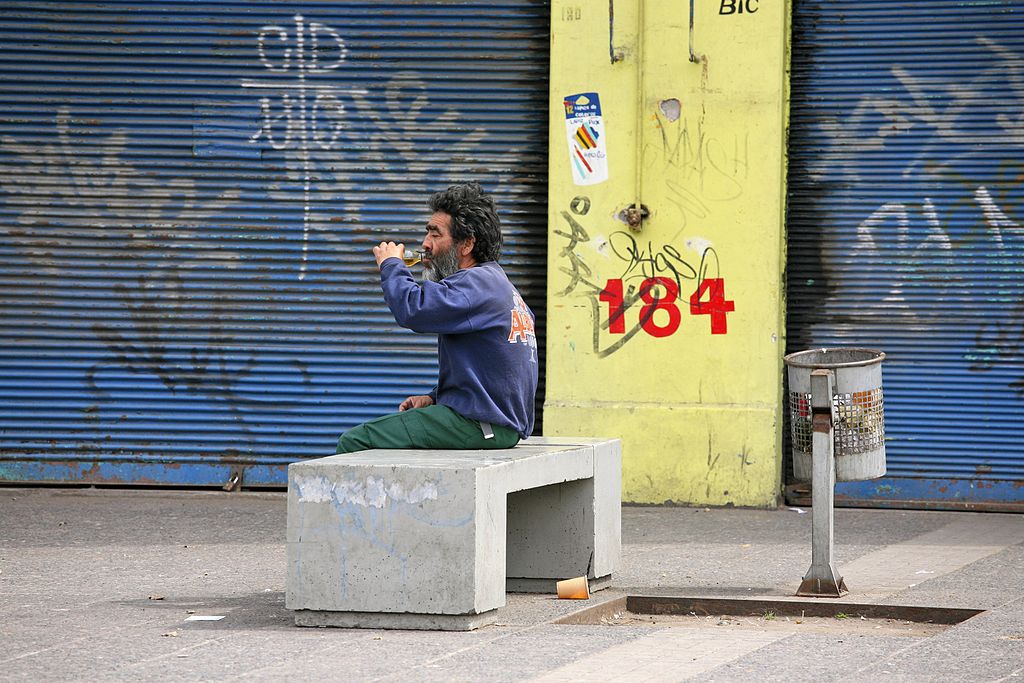
4 Facts About Homelessness in Guinea

Four Facts About Homelessness in GuineaThe Republic of Guinea is also known as Guinea-Conakry and most commonly, Guinea. Guinea is a country located on the northwest coast of Africa. Guinea’s 13.4 million population is quite diverse. It contains 24 ethnic groups and 25 languages. In addition, Guinea has incredible mineral wealth. Despite Guinea’s rich natural resources, Guinea’s residents suffer from myriad poverty-induced socioeconomic problems. Around 55% of Guineans live in poverty, with rates disproportionately high among rural dwellers, women and young people. This widespread poverty has predictably led to high rates of home insecurity and homelessness in Guinea. Here are fast facts on homelessness in Guinea.
4 Facts About Homelessness in Guinea

  1. The majority of Guinea’s population has insecure housing. In 2012, only 31.5% of Guineans had shelters with permanent walls. This means that 68.5% of the population is without adequate housing.
  2. Homelessness in Guinea varies greatly by demographic. Gender, ethnicity and occupation-based discrimination and inequality plague Guinea, leading to stark wealth disparities. Though subsistence agriculture is the backbone of Guinea’s economy, farmers typically suffer from abysmal living conditions. Around 71.1% of Guineans work as subsistence farmers while around 21.8% suffer from food insecurity. Female farmers are especially marginalized. Though women play a crucial role in agriculture, they are often denied land, education and employment. This often leads women to work for little to no pay. These disparities in wealth and resources are reflected in Guinea’s homeless population.
  3. Climate and global health disasters have exacerbated the problem. Guinea is prone to frequent natural disasters such as flooding and bush fires, especially in rural areas. For instance, catastrophes repeatedly destroy housing in Guinea’s poorest regions. In addition, Guinea was a primary target of the 2013-2016 West African Ebola virus epidemic. The 3,806 Ebola cases and 2,535 deaths devastated Guinea. This required its government to direct its resources toward eradicating the disease rather than homelessness and other social ills. Widespread infections of malaria and HIV/AIDS pose a similar, ongoing drain on Guinea’s wealth.
  4. Foreign aid is crucial to combating homelessness in Guinea. Numerous organizations are currently working to help Guineans achieve quality living conditions. Plan International has been operating in Guinea since 1989 to help alleviate the social problems that lead to homelessness, specifically by empowering Guinean children. Additionally, the International Organization for Migration (IOM) Guinea is another vital group. It helps vulnerable Guineans, including those who are homeless, resettle in countries with better housing options. The United Nations World Food Programme (WFP) also provides essential aid. It operates in Guinea since 1964 to provide food assistance and strengthen the Guinean government. In March 2015, it provided more than $7 million to the cause.

Homelessness in Guinea is not an isolated issue; it is a direct result of the nation’s high incidences of poverty, disease and discrimination. Fortunately, foreign aid has the potential to eliminate these issues. Past foreign aid investments have transformed the lives of Guineans. For example, China invested $526 million in a 240-megawatt dam that more than doubled the country’s electricity supply in 2015. Similar actions can help ensure that every Guinean has a roof over their head.

– Abby Tarwater
Photo: Flickr

September 25, 2020
https://borgenproject.org/wp-content/uploads/borgen-project-logo.svg 0 0 Kim Thelwell https://borgenproject.org/wp-content/uploads/borgen-project-logo.svg Kim Thelwell2020-09-25 05:33:012020-09-25 05:33:014 Facts About Homelessness in Guinea
COVID-19, Global Poverty, Health, Homeless, Homelessness

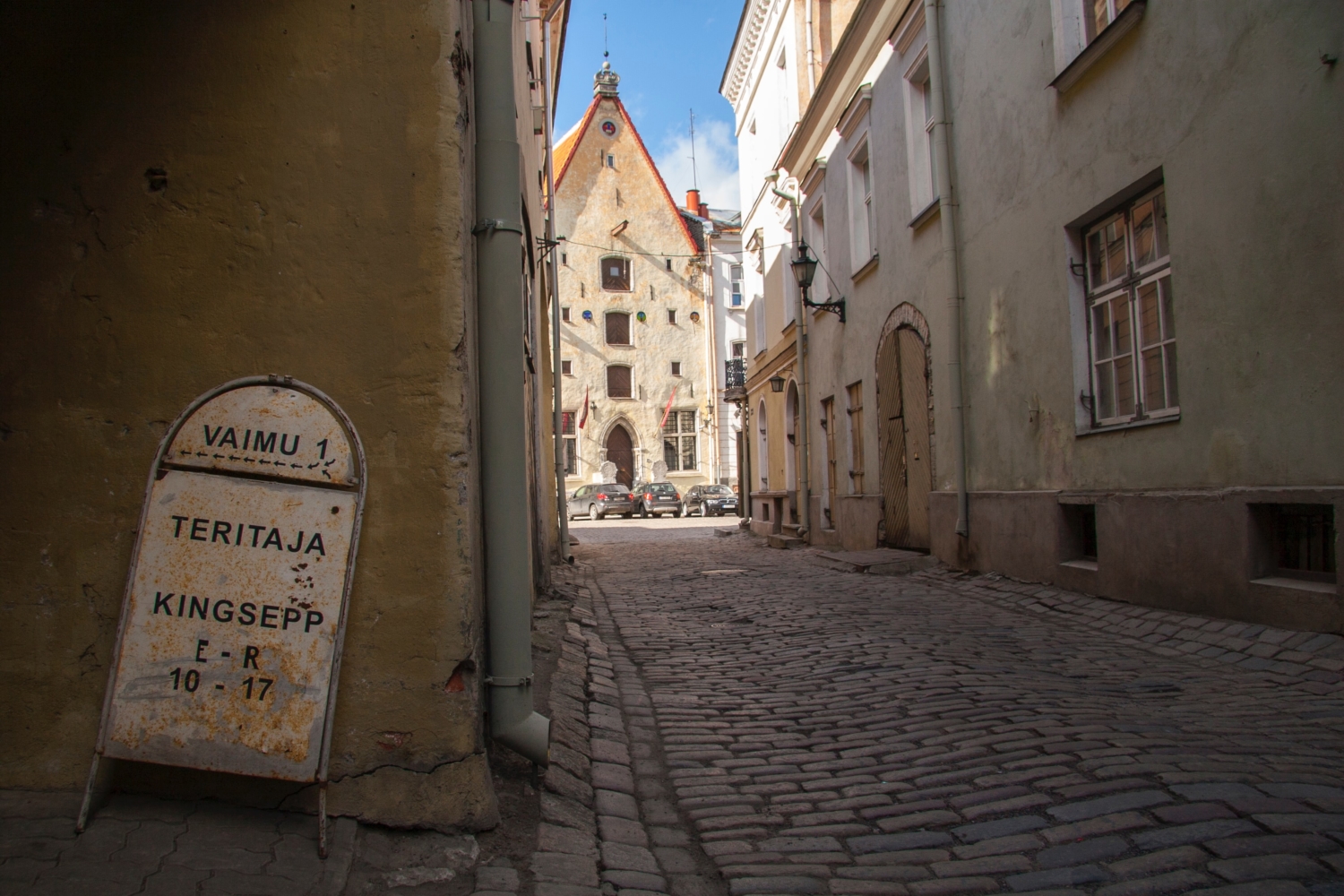
6 Facts About Homelessness in Estonia

Homelessness in EstoniaIn the mid-90s and early 2000s, Estonia, a country in Northern Europe, oversaw a housing reform. This reform sought to improve the living conditions for Estonians and reduce the number of people who were experiencing homelessness in Estonia. Here’s the situation today:
6 Facts About Homelessness in Estonia

  1. A small percentage of Estonians are homeless – The Institute of Global Homelessness reported that around 864 Estonians were homeless in 2011, which amounts to 0.06% of the population. However, in 2018, the European Journal of Homelessness estimated that 1.5% of Estonians are homeless, which amounts to between 1,900 and 2,100 people.
  2. Unemployment can be a major influence on homelessness in Estonia – A 2014 study in the European Journal of Homelessness found that 5.5% of Estonians are unemployed (2% of which reside in Tallinn, the capital.)
  3. Alcohol dependency can inhibit self-subsistence – The percentage of Estonians who are homeless with mental health issues is increasing, and some of these issues may result from alcohol dependency, alongside other factors. Alcoholism can make it more difficult for people who are trying to gain self-sufficiency.
  4. Testing (for respiratory diseases such as COVID-19) is insufficient for homeless shelters in many European countries – People in shelters who test positive for airborne illnesses must be isolated, according to a report by members of the European Federation of National Organisations working with the Homeless (FEANTSA), yet self-isolation is not always easy in shelters. In an Estonian shelter, after one individual in the shelter tested positive for COVID-19, testing was made available for the other residents, and 56% of those who lived in the shelter tested positive as well. FEANTSA argues that “housing must be reaffirmed as a human right” in order to help those who are experiencing homelessness in Estonia.
  5. Certain shelters and programs provide the homeless with residential services – Shelters like the one in Nõmme District in Tallinn provide the homeless in Estonia with a resocialization plan where residents work on gaining work skills to be able to afford residential spaces of their own. Half of the shelter’s residents pay their own fees that they gained from employment to stay in the shelter, and if a resident cannot pay, the city pays on his/her behalf. This plan lasts for six months, though residents are allowed to stay for longer if they aren’t able to afford their own place of residence at that time.
  6. Housing has improved for Estonians since the 90s – In 1989, there were more households in Estonia than there were residences. From 1994-2004, a housing reform took place, and by 2011, the number of residences was 16% greater than the number of households. Though factors such as rising rental costs can still make it hard for a struggling family to afford to live in their own residence, living conditions have improved overall.

As Estonia’s government has been working to reduce homelessness, programs that have helped reform housing have been effective in reducing homelessness in Estonia since the 1990s. Yet there is still work to be done – lessening the situations which cause homelessness is imperative.

– Ayesha Asad
Photo: Unsplash

September 24, 2020
https://borgenproject.org/wp-content/uploads/borgen-project-logo.svg 0 0 Kim Thelwell https://borgenproject.org/wp-content/uploads/borgen-project-logo.svg Kim Thelwell2020-09-24 18:51:312020-09-25 04:44:246 Facts About Homelessness in Estonia
Development, Global Poverty, Homelessness

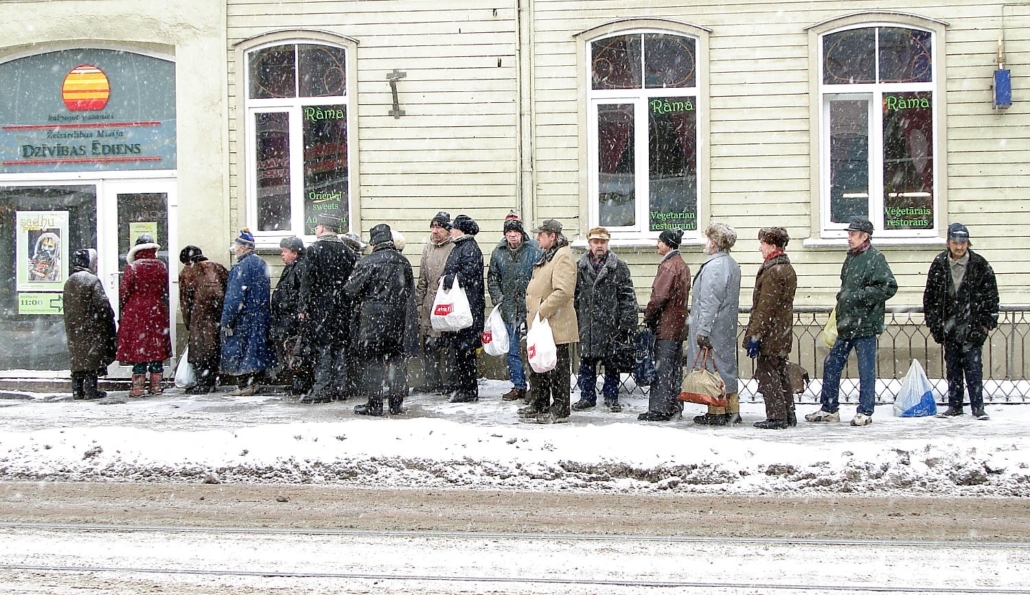
Examining Homelessness in Latvia

Homelessness in Latvia
After the Great Recession of 2008, Latvia saw a large rise in its homeless population. After a 389% increase in homelessness from 2009 to 2017, the nation recorded 6,877 homeless people, three-quarters of whom are concentrated in Riga. Data from 2018 also displays that the majority of subjects living in shelters are pre-retirement, ages 41 to 61. Coupled with its lack of affordable housing and deteriorating household economic situation, Latvia has long struggled to provide organized and well-funded state programs to its homeless population. As the government continues not to act, many citizens struggle against addiction, health problems, a weakening economy and stereotypes that exacerbate homelessness in Latvia.

Why Latvia Has Been Unsuccessful So Far

Latvia’s main weakness within its programs is the lack of national and state support. Measures to address homelessness in Latvia are left entirely to the local authorities, which are often inadequate and only provide low-intensity aid. For example, shelters do not offer essential and progressive services such as transfers to temporary or permanent accommodations, making it difficult for individuals to leave shelter systems. Latvia dismisses this issue to such a great extent that has yet to even recognize a formal definition of homelessness in its legislation. The nation’s poor funding and organization, as well as the exceedingly small size of its housing stock, causes the ineptitude of homeless prevention. Municipalities provide social housing exclusively, though some larger governments have formed specific companies to maintain and manage public stock.

Most shelters in Riga have limited services that only provide basic emergency shelter and minimal support-worker time. Displaced individuals thus struggle to re-establish themselves in society and find sufficient private housing, leaving them stuck in public housing systems. Those with alcoholism or other addictions may use detox and rehab programs that Latvian social services provide, but these interventions are costly at €200 for 28 days with an additional €50 per month for accommodation.

Discrimination Against the Homeless

A pervading culture of discrimination also limits opportunities for displaced citizens. In 2018, Latvijas Sabiedriskie Mediji, the official news portal of Latvian radio and television, reported a case of blatant prejudice towards 43-year-old homeless man Gunārs. Gunārs did not qualify for free healthcare, as he was the victim of an inventive tax evasion scheme that firms targeting the homeless used. However, even after Gunārs offered proper payment and was proved a registered patient, the doctor still denied him treatment by claiming his intoxicated state was in violation of code and removing him from the premises. The news source’s further investigation revealed mistreatment towards alcoholic clients at the Red Cross shelter on Gaizina street, which limited drunk individuals to stay on the first floor where they faced verbal and physical abuse by guards and even preachers.

Persons without tax-paying families are also unable to claim financial assistance, as applications of welfare for homeless citizens can only occur through the head of the household based on additional household costs. Latvian citizens returning from abroad are also subject to police inquiry and assessment to determine whether people have a genuine reason to be homeless.

A recent video campaign that the local transport authority in Riga released encourages this anti-homeless sentiment by urging passengers who encounter homeless individuals on their commute to call the police to arrest them. The advert repeatedly plays on the screens of buses, trams and trains throughout the city that advise citizens to identify homeless individuals through their “odor.”

Initiatives to Reduce Homelessness in Latvia

Fortunately, Latvia has taken steps to improve conditions for its homeless citizens. The Riga Central Library, for example, started an initiative in 2017 by collaborating with a local day center to serve as an easily accessible intermediary for homeless clients seeking social needs. The library also solicits food, toiletries and supplies for the homeless; offers brochures, posters and handouts that describe the services available within the library/community; and offers assistance in public service application forms, as well as time to discuss with lawyers, social workers and career consultants.

According to the 2019 ESPN Thematic Report on National Strategies to Fight Homelessness and Housing Exclusion, the government aims to develop a uniform housing policy that improves insufficient social housing, develops affordable quality housing support mechanisms, expands the range of services offered to homeless individuals and prevents homelessness through increased material support. Additionally, the plan strives to ensure that national and local governments designate fiscal funds to make this goal a reality. Statistics from 2019 showed a 3% decrease in Riga’s homeless population in comparison to the previous year, which could indicate that these projects had some positive impact.

The recent COVID-19 pandemic has also hastened the Latvian government to take more direct action. To prevent further evictions, the Riga municipality has guaranteed both minimum income benefits and housing benefits for its population. Citizens can also request food from the city’s six food dispensers. In addition to increasing funding for social services provided to homeless and vulnerable persons by €93,320, the Riga Municipality has demonstrated initiative in enforcing hygiene to stop the spread of COVID-19 in shelters by increasing funding to the Blue Cross Men’s Shelter of the Evangelical Christian Church by €4,211 to install five toilets and two disinfection tables.

These new policies could indicate a shift toward greater direct government funding and organization to help homeless persons. By aiming to reduce both shelter occupation numbers and rates of poverty in the next decade, the elimination of homelessness in Latvia is possible.

– Christine Chang
Photo: Flickr

September 24, 2020
https://borgenproject.org/wp-content/uploads/borgen-project-logo.svg 0 0 Jennifer Philipp https://borgenproject.org/wp-content/uploads/borgen-project-logo.svg Jennifer Philipp2020-09-24 09:55:222020-09-24 09:55:22Examining Homelessness in Latvia
Global Poverty, Homelessness

Homelessness in Benin

Homelessness in BeninThe Republic of Benin is a West African country bordering Togo, Nigeria, Burkina Faso and Niger. With nearly 11.5 million inhabitants, the former French colony has experienced a vast political change in its continuous effort to fortify its economy and provide for its people. However, despite its efforts, homelessness in Benin remains a problem. To understand this issue better, here are five facts about homelessness in Benin.
 5 Facts About Homelessness in Benin

  1. An increasing rate of poverty means that more people may be faced with homelessness in Benin. While the specific number of homeless people is not determined, poverty rates clearly show a large portion of the population living in dire circumstances. Recently, the government has attempted economic reform, and there has been growth. However, more people are living in poverty than in previous years. In 2018, the poverty rate was 46.4% while it was 40.1% in 2015.
  2. Rapid population growth may increase homelessness in Benin. There is also little economic stability to prepare for it. Although there has been economic growth, there are severe geographic inequities within the country. Fifty-one percent of employment depends on agricultural exports, which shows a lack of economic diversification. As a result, millions of people have no sustenance or financial means whenever trade opportunities or agricultural pursuits are unsuccessful. There is rapid population growth, averaging about 3.5% every year, and the economy is not strong enough to provide for the increasing number of births.

  3. Existing housing is deteriorating. Also, a lack of financial resources makes it difficult for the majority to purchase or build new homes. Many of the existing houses need to be renovated since they were built over 30 years ago. Furthermore, low-lying houses can become flooded during the rainy season, causing more damage to already declining houses. With a fast-growing population and an extremely low minimum wage at $67, an average person cannot afford a high cost of building materials. Even if someone can afford to purchase land, the cost of building a tiny house may be insurmountable. Extended family members often live together because of a lack of capital. Consequently, living conditions are grossly inadequate, and overcrowding is common as many relatives live together. Issues with housing affordability may be an attribute of homelessness in Benin.

  4. Urban development has caused homelessness in Benin. The government has attempted to focus on urban development, hoping to stir economic activity and investment. However, this has come at an expense to Beninese citizens. In the past year, over 120 homes were bulldozed in the district of Xwlacodji. Many of the residents had lived there for generations, yet had never received an official deed granting them property ownership. They were never notified of the plans to bulldoze their homes and belongings. Now, most are homeless and sleep outside or in public buildings. Despite the government’s motivations, many were left homeless.

  5. The government is trying to reconcile its urban development with aid to its poorest citizens. The government has renewed efforts to stimulate growth and reduce inequality in the country. Although this mission has harmed the Beninese with its demolition of local homes, there are upsides to its developmental and aid plans. These benefits include providing universal healthcare, offering cash grants to those working in the national interest, aiding those with disabilities and refinancing grants to areas of geographic disadvantage. Furthermore, Benin’s president, Patrice Talon, has committed to building 20,000 housing units that the government will provide to its citizens at a subsidized cost. With the poorest 20% of the population living in severe poverty, these reforms will enable the homeless to find economic opportunities and necessary social services.

The Republic of Benin has struggled with its rate of poverty in recent years. Its economy depends mostly on its agricultural exports, which is problematic for growth and development. President Talon has proven to be aggressive in his attempts to bring financial opportunities to the Beninese. These factors, among others, have perpetuated homelessness in Benin. However, there are reasons to be hopeful for the future. Talon seeks to bring new government aid and social services to the poorest 20% of the population. With new cash advances and subsidized housing, hopefully, homelessness in Benin will soon be a thing of the past.

– Eliza Cochran
Photo: Flickr


September 23, 2020
https://borgenproject.org/wp-content/uploads/borgen-project-logo.svg 0 0 Jennifer Philipp https://borgenproject.org/wp-content/uploads/borgen-project-logo.svg Jennifer Philipp2020-09-23 09:41:102020-09-23 09:41:10Homelessness in Benin
Development, Global Poverty, Homelessness

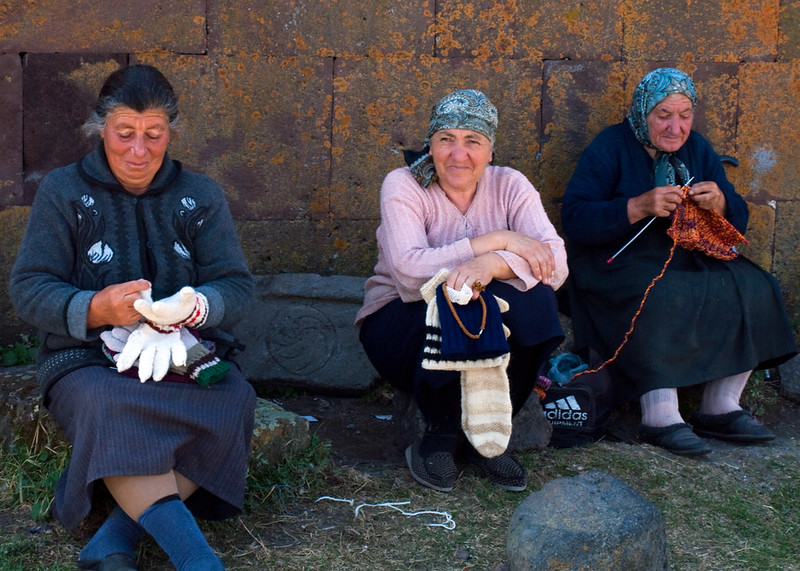
5 Facts About Homelessness in Armenia

homelessness in armenia
Though there is little data on homelessness in Armenia, existing research indicates that it is a serious problem affecting many Armenians. Homelessness is apparent across the country, especially in the capital city of Yerevan. However, more research is necessary to fully understand the gravity of homelessness in Armenia and how the COVID-19 pandemic has impacted it. Here are five facts about homelessness in Armenia.

5 Facts About Homelessness in Armenia

  1. There is no official data on homelessness in Armenia. In 2014, Hetq Online published an article estimating that 1,000 people are homeless in Yerevan. Homelessness does exist elsewhere in Armenia, but a lack of data on the topic implies that the issue is not getting the attention it needs. In light of the worldwide economic challenges that the COVID-19 pandemic has caused, it seems likely that the problem has gotten worse since Hetq’s report in 2014.
  2. There is only one homeless shelter in Armenia. The shelter, called the Hans Christian Kofoed homeless shelter, has a capacity of approximately 100 people. When compared to the estimated number of those homeless in Armenia, it is clear that a single shelter is not meeting the country’s needs. Though the work of the Hans Christian Kofoed shelter is helpful, it is only able to house 10% of the Yerevan homeless population on any given night.
  3. Demands on the shelter fluctuate by season. An Armenian news outlet called Panorama.am reported that the demand for the shelter rises each September as homeless people seek protection from colder weather. The publication also explained that the homeless population has been increasing in recent years as a result of “poor social conditions and low wages of the people.” In light of the COVID-19 crisis and ongoing conflict at the Armenia-Azerbaijan border, it is particularly important to monitor the growing rate of homelessness more closely.
  4. The Armenian government has no system for counting homeless persons. When the USSR broke down in 1991, Armenia gave up the registration system that previously helped it keep track of housed versus homeless individuals. This means there is no official way to know how many Armenians have no formal residence. As a result, homelessness in Armenia is largely undocumented.
  5. There are many factors that contribute to homelessness in Armenia. These factors include the fall of the USSR, the 1988 earthquake, an influx of refugees and landslides. From natural destruction to refugee crises, the issues causing homelessness in Armenia are important to recognize.

Solutions

There are several organizations working to combat homelessness in Armenia. The Armenian Relief and Development Association has worked to create temporary shelters for homeless families and individuals. Similarly, the Armenia Fund’s Gyumri Housing Project works to secure housing for families in Gyumri, Armenia’s second-largest city. The project works to purchase and furnish apartments and give them to families experiencing homelessness or housing insecurity.

Those who are homeless in Armenia suffer from a lack of shelters and other forms of relief, but they also suffer from invisibility. Uncounted and under-researched, they are largely unseen by the international community. Relief organizations provide crucial support, but more is necessary to make the suffering of Armenia’s homeless quantifiable and visible. What the world cannot see, count and understand, it cannot fix.

– Sophia Gardner
Photo: Flickr

September 23, 2020
https://borgenproject.org/wp-content/uploads/borgen-project-logo.svg 0 0 Kim Thelwell https://borgenproject.org/wp-content/uploads/borgen-project-logo.svg Kim Thelwell2020-09-23 07:31:182024-05-29 23:23:185 Facts About Homelessness in Armenia
Global Poverty, Homelessness

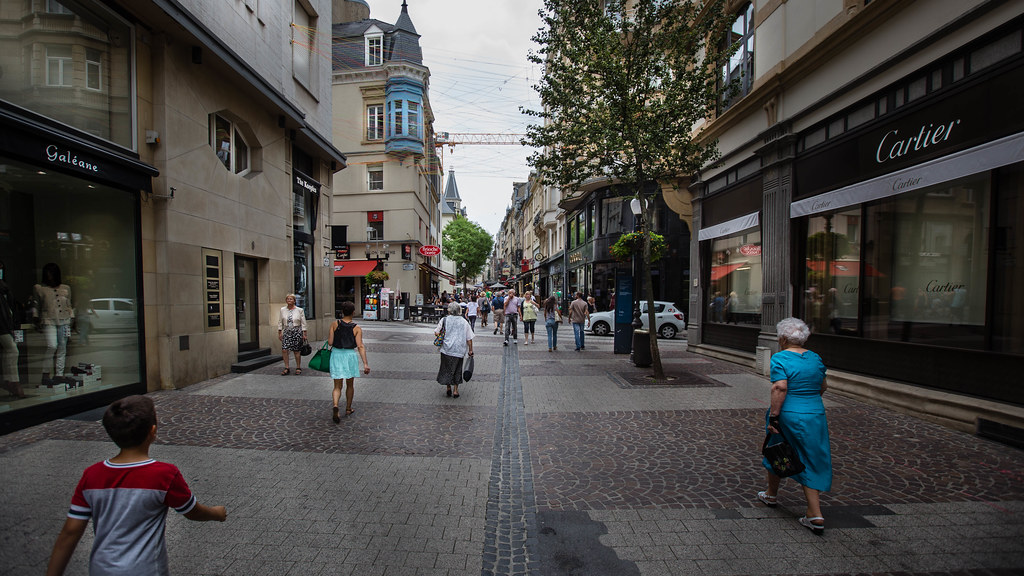
5 Facts About Homelessness in Luxembourg

Homelessness in Luxembourg
Bordered by Germany, France, and Belgium, Luxembourg is home to over half a million people, 24% of whom face the daily threat of homelessness. Although Luxembourg is a small country, it is also one of the wealthiest countries in the European Union. However, as the divide between the rich and poor continues to widen, the threat of homelessness in Luxembourg is increasing due to a rising cost of living and limited affordable housing.

5 Things to Know About Homelessness in Luxembourg

  1. Luxembourg is a wealthy nation, but compared to other European countries with denser populations, its homeless population is larger. The Organization for Economic Co-operation and Development (OECD) reports that approximately 37% of Luxembourg’s population was homeless in 2014, as compared to .22% of France’s population and .41% of Germany’s population—two countries with populations that are much larger than Luxembourg’s. Homelessness is especially a problem during Luxembourg’s winters, as hypothermia threatens the lives of those without a home. A report from the European Federation of National Organizations Working with the Homeless (FEANTSA) stated that the number of homeless people in Luxembourg rose from 684 people during the winter of 2012 and 2013 to 873 people during the winter of 2017 and 2018.
  2. Housing expenses are high in Luxembourg, with Luxembourg city being one of the most expensive places to live in Europe. As housing costs in Luxembourg rise by 5.4% per year, the poverty rate is also on the rise. According to a study published by Statec, a Luxembourg statistic service, the percentage of the population at risk of poverty rose from 15.4% in 2017 to 24% in 2019. For homeowners with smaller incomes, housing costs make up nearly half of their income. As of 2019, the Deloitte Global Economist Network reported that around 38% of households in Luxembourg were reported to be burdened by housing expenses. With rising costs, homeowners who could previously afford housing, may no longer be able to pay for the roof over their heads.
  3. With a growing population and a lack of available space for new infrastructure, Luxembourg can’t keep up with housing demands. Luxembourg’s population has increased by 36.2% since 2010, largely due to an influx of foreign workers. As a result of this increase, the housing crisis in Luxembourg has only grown as housing demands rise. In addition, land available to build additional housing is sparse, as nearly 92% of this land is privately owned, compared to the remaining 8% owned by public providers. To expand the housing market in Luxembourg, citizens are advocating for an increase in public housing and laws that will protect tenants from paying rising rent prices.
  4. Although the number of people staying in homeless shelters is dropping in Luxembourg, the number of nights people stay in homeless shelters is increasing. The average number of guests in night shelters decreased from 658 in 2010 to 354 in 2016. However, for these same years, the average number of nights in shelters rose from 40 days to 100 days. Night shelters are not designed to be a permanent solution for homeless people, and with the increase in the number of nights people are staying in shelters, waiting lists for the shelters are only growing longer.
  5. To combat homelessness in Luxembourg, homeless shelters are working to provide safe places for residents to sleep at night. The shelters can only provide space to a limited number of people, though, and often accrue a waiting list for beds every night. For one homeless shelter in Dommeldange, Luxembourg, overnight guests are given a place to sleep, dinner, and the facilities to shower, but they also employ trust-building exercises between social workers and guests to ensure they receive the emotional support they need. Some shelters focus their efforts on providing food to the homeless. Organizations, like “Premier Appel,” collect extra food from restaurants and grocery stores which is then fashioned into meals for those who visit the shelter. For Stëmm vun der Stross, volunteers serve up to 300 meals in the afternoon.

– Grace Mayer
Photo: Staticflickr

September 22, 2020
https://borgenproject.org/wp-content/uploads/borgen-project-logo.svg 0 0 Kim Thelwell https://borgenproject.org/wp-content/uploads/borgen-project-logo.svg Kim Thelwell2020-09-22 16:00:532024-05-28 00:02:305 Facts About Homelessness in Luxembourg
COVID-19, Development, Global Poverty, Homelessness

5 Facts About Homelessness in Ghana

Homelessness in GhanaGhana has a population of 30.4 million people, and over 100,000 of these people are homeless on any given night. Though most of the population does have access to safe, affordable housing, not every Ghanaian does. Here are five facts about homelessness in Ghana.

5 Facts About Homelessness in Ghana

  1. Around 39% of Ghana’s urban population lives in slums. This equates to roughly 5.5 million people. Poor households and domestic violence victims are at higher risk for homelessness. In urban areas, single women with children are also at risk for homelessness. Obtaining ownership of a house can be difficult for some women because in matrilineal tribes when a man dies, there are limits for women regarding inheritance of spousal property.
  2. In urban areas, there is a shortage of housing. These shortages are caused by a lack of adequate financing, costly building materials and delays in getting permits to build. It is also challenging to gain access to urban land in order to build there. There are not enough governmental rental properties available, and those that do exist are mostly inhabited by government workers.
  3. COVID-19 has made things worse. Many homeless Ghanaians cannot comply with lockdown orders, and do not always have access to masks, gloves and hand sanitizers. Their previous jobs of carrying shoppers’ wares or helping to load passengers became obsolete during the pandemic. Some volunteers are helping to distribute food and water to the homeless, though others argue that the government should distribute raw ingredients and money instead of cooked food.
  4. Housing policies and programs are being implemented. One such project is the Tema-Ashaiman Slum Upgrading Facility (TAMSUF). This project aims to upgrade slums, develop low-cost housing and facilitate urban development projects. TAMSUF completed its first housing project in 2011, which involved constructing a building that contained 31 dwelling units and 15 commercial shops. In addition, it also involved a commercial toilet and bath facility. TAMSUF also constructed a sanitation facility containing six bathrooms, which can hold 12 people. Similarly, The Ghana Federation of the Urban Poor Fund (G-FUND) seeks to grant homeless Ghanaians access to funds in order to provide for themselves. Created in 2010, this fund provides low-income households in Ghana with credit for housing and business development. This funding also improves infrastructure.
  5. The Urban Poor Fund International is working to improve living conditions. UPFI has built over 60,000 houses and improved 3,000 dwelling units in various countries. Examples of their projects include a community-led waste management initiative and also a housing construction in Amui Dzor, Ashaiman, in Ghana. The Amui Dzor housing project has housed 36 families and provided many dwelling units, bathrooms and rental stores since its creation in 2009. One of the project’s most famous sponsors was the Bill and Melinda Gates Foundation.

Many of Ghana’s homeless require help from the government and housing projects to get back on their feet. Efficient rental control laws and housing for low-income individuals are just some of the many policies that can help lower or diminish rates of homelessness in Ghana.

– Ayesha Asad
Photo: Flickr

September 17, 2020
https://borgenproject.org/wp-content/uploads/borgen-project-logo.svg 0 0 Kim Thelwell https://borgenproject.org/wp-content/uploads/borgen-project-logo.svg Kim Thelwell2020-09-17 11:18:072024-05-29 23:23:125 Facts About Homelessness in Ghana
Education, Global Poverty, Homelessness, Women

3 Consequences of the Documentation Crisis in Syria

Documentation Crisis in Syria
Syrians are facing striking consequences from the nearly 10-year civil war. With the destruction of the country also came the destruction of legal documents, including IDs, birth certificates and education degrees. This article will articulate the specific consequences of the documentation crisis in Syria, as well as organizations working to help.

Homelessness

For many Syrian refugees, finding housing is not a simple task. While some simply fled their homes in hopes of escaping the war, many had to leave due to the loss of their documentation. As The New Humanitarian stated, receiving proof of homeownership is extremely difficult in Syria as is. As the war progressed, more and more homeownership files experienced destruction or people lost them. Moreover, those living in stable homes had to leave.

Further Marginalization of Women

In Syria, significantly fewer women have proper documentation than men. The UN Refugee Agency (UNHCR) conducted a study in 2017 which showed that one in five Syrian men own passports, while only one in 50 women own passports. Not only are women at a great disadvantage due to Syria’s conservative values but as the war continued, Syrian women also lost their already little documentation. Gaining their passports back will be even more difficult than the process was before the war due to the documentation crisis.

Loss of Prior and Further Education

The war directly affected Syrian education as well. In fact, over 33% of Syria’s schools have experienced damage or destruction due to the decade-long war. Displaced people are primarily using the ones that remained intact. Syrian refugees who choose to come back to Syria may not have the ability to further their education without government documents; as of 2019, nearly half of school-aged children in Idleb, Syria is at risk of not having access to school. For some, a lack of documentation inhibits their ability to continue even elementary or secondary education. For others, the loss of their diplomas and other proof of graduation results in further difficulty in finding jobs. This, then, stunts any sort of academic mobilization for Syrians.

Further, secondary schools in Jordan, one of Syria’s bordering countries, “re-imposed documentation requirements it had previously waived, which risks undermining school access for vulnerable students,” according to Human Rights Watch. Moreover, some Syrian documents certify the most recent classes students have completed. Without these documents, the education ministry will place students based on their perceived age. If students lost their birth certificates along with class documentation, they might end up in a difficult learning environment, as they may be ahead or behind in their given class. Some students were drastically misplaced, as one student was meant to be in class two, but was placed in class five. This resulted in the student dropping out.

The Documentation Crisis and Poverty

With each mentioned issue comes the potential for poverty. Homelessness in Syria directly affects the family and the country itself. According to The Guardian, many families are only living on $200 a month, or $50 each week. This is a direct result of the decade-long war and the accompanying loss of homeownership documentation in the nation.

Moreover, as women in Syria already experienced great marginalization, leaving their homes caused serious effects on their health. According to the UN, nearly 7 million Syrians experience food insecurity. According to a 2017 study, food insecurity directly affects pregnant women, as they may suffer from anemia. The study also found that close to 8% of childbearing-aged women continued acutely malnourished. As the documentation crisis continues, so does the risk of poverty, which causes serious health risks for all people, but especially young women.

Lastly, education is pivotal in mobilizing any community. The UN confirmed 385 attacks on educational institutions since the year 2014. The Syrian war has obliterated all opportunities for young people to continue their education anytime soon. For example, 400,000 students were unable to take their final exams in the northwest region of Syria as of 2020. With education comes the ability to move up in the world both socioeconomically and personally. Now, with the documentation crisis paired with the destruction of schools in Syria, children are not able to participate in furthering their education. Some families (17%, according to the Norweigan Refugee Council, or the NRC) have resorted to obtaining false documentation in an attempt to restart their lives post-war.

Current Aid for Syrian Refugees

Organizations like UNICEF are providing various ways to help the documentation crisis in Syria. Whether it be psychological help or advocating for policy reform, there have been significant efforts to aid Syrian refugees. For example, UNICEF has involved 200,000 young people, youth and adolescents in civic engagement activities. The organization has also given 1 million children in both Syria and nearby countries the psychological help they may need. Additionally, UNICEF (along with partnering organizations) has given children access to informal and formal education.

The Borgen Project also allows individuals to make a difference with a simple email. Using The Borgen Project’s Action Center, one can send an email to their local representative to protect the International Affairs Budget. Further funding towards the budget allows for the U.S. to provide foreign aid and give Syrian children the education they deserve.

– Anna Hoban
Photo: Flickr

September 16, 2020
https://borgenproject.org/wp-content/uploads/borgen-project-logo.svg 0 0 Kim Thelwell https://borgenproject.org/wp-content/uploads/borgen-project-logo.svg Kim Thelwell2020-09-16 13:09:072024-12-13 18:02:143 Consequences of the Documentation Crisis in Syria
Global Poverty, Homelessness

6 Facts About Homelessness in Qatar

Homelessness in QatarThough Qatar may be known for its gleaming skyline and booming business hub, there is notable income inequality that leads to downstream consequences, such as an explosion of homelessness within the nation. While perhaps the country evokes images of riches and wealth, the reality is not so for all those living and working within the country. Here are six facts about homelessness in Qatar that warrant everyone’s attention.

6 Facts About Homelessness in Qatar

  1. As a result of the economic boom during the last 40 years in this small nation in the Middle East, Qatar has gone on a massive building spree. To maintain this rapid pace of building, the country has relied primarily on migrant immigrants to help construct the city. These migrant workers have been subjected to repulsive conditions. Worse yet, the Qatari government could historically do more when it comes to basic human needs for these vulnerable, migrant workers.
  2. Many migrant workers, unable to afford accommodation, sleep at the construction sites in which they work. The companies that sponsor these migrant workers for construction projects in the city do not provide sufficient wages. Furthermore, these same employers do not provide any type of housing to support thousands of workers. Therefore, many migrant workers end up sleeping outside.
  3. An Amnesty International report on the construction of the future FIFA World Cup site in Qatar looked into the mistreatment of these migrant workers. Most notably, the report focused on migrant workers’ unfair treatment concerning housing securement. The report identified multiple individuals who were priced out of their affordable rental housing, due to their company delaying salary payments.
  4. Those who are homeless in Qatar face consequences from all angles of society. The government often views these workers as expendable — thrown into subjugated parts of society and subject to threats from criminals and police alike. These actors take advantage of the migrant workers already poor situation. Without proper living conditions, living on the streets can be quite difficult, especially if one lacks the required documentation and visas.
  5. The government of Qatar has been investing in improving labor conditions for workers. In addition, the government is addressing homelessness in Qatar, more broadly. Encampments like “Labour City,” funded by the State of Qatar’s private engineering office, is an area designed to house over 100,000 migrant workers. The new residences are significant improvements from previous accommodations. Some features of these new residences including access to the internet, green spaces and larger living areas — a far cry from a life on the streets.
  6. Private firms have also been investing in migrant laborers’ living conditions. Barwa Al Baraha, a subsidiary of a private property management business in Qatar, has built residences that can house up to 53,000 people in significantly improved living conditions.

Protecting Vulnerable Populations

While the nation of Qatar has experienced economic success in recent decades, there is no guarantee that the fruits of this success will be distributed equitably. In contrast, some marginalized and vulnerable populations (e.g., migrant workers) within Qatari society are at a higher risk of exploitation, simply due to their life circumstances. Through a concerted effort from both public and private initiatives, labor and living conditions for migrant workers are improving in Qatar and these efforts must continue.

– Zak Schneider
Photo: Wikimedia

September 15, 2020
https://borgenproject.org/wp-content/uploads/borgen-project-logo.svg 0 0 Kim Thelwell https://borgenproject.org/wp-content/uploads/borgen-project-logo.svg Kim Thelwell2020-09-15 07:30:592020-09-10 15:24:256 Facts About Homelessness in Qatar
Page 10 of 20«‹89101112›»

Get Smarter

  • Global Poverty 101
  • Global Poverty… The Good News
  • Global Poverty & U.S. Jobs
  • Global Poverty and National Security
  • Innovative Solutions to Poverty
  • Global Poverty & Aid FAQ’s
Search Search

Take Action

  • Call Congress
  • Email Congress
  • Donate
  • 30 Ways to Help
  • Volunteer Ops
  • Internships
  • Courses & Certificates
  • The Podcast
Borgen Project

“The Borgen Project is an incredible nonprofit organization that is addressing poverty and hunger and working towards ending them.”

-The Huffington Post

Inside The Borgen Project

  • Contact
  • About
  • Financials
  • President
  • Board of Directors
  • Board of Advisors

International Links

  • UK Email Parliament
  • UK Donate
  • Canada Email Parliament

Get Smarter

  • Global Poverty 101
  • Global Poverty… The Good News
  • Global Poverty & U.S. Jobs
  • Global Poverty and National Security
  • Innovative Solutions to Poverty
  • Global Poverty & Aid FAQ’s

Ways to Help

  • Call Congress
  • Email Congress
  • Donate
  • 30 Ways to Help
  • Volunteer Ops
  • Internships
  • Courses & Certificates
  • The Podcast
Scroll to top Scroll to top Scroll to top