• Link to X
  • Link to Facebook
  • Link to Instagram
  • Link to TikTok
  • Link to Youtube
  • About
    • About Us
      • President
      • Board of Directors
      • Board of Advisors
      • Financials
      • Our Methodology
      • Success Tracker
      • Contact
  • Act Now
    • 30 Ways to Help
      • Email Congress
      • Call Congress
      • Volunteer
      • Courses & Certificates
      • Be a Donor
    • Internships
      • In-Office Internships
      • Remote Internships
    • Legislation
      • Politics 101
  • The Blog
  • The Podcast
  • Magazine
  • Donate
  • Click to open the search input field Click to open the search input field Search
  • Menu Menu

Archive for category: Health

Information and stories on health topics.

Child Labor, Children, Education, Global Poverty, Health

Fighting Poverty in the Cocoa Industry

Poverty in the Cocoa Industry
Tony’s Chocolonely, a chocolate company in the Netherlands, emerged in 2005. When police arrested a journalist by the name of Teun van de Keuken, he asked to go to prison. He hired a lawyer to help send him to prison and asked a judge to convict him of driving child slavery. However, the judge would not convict him, stating that his crime was simply eating a bar of chocolate. Keuken was not satisfied with this decision and ventured to create a chocolate company that would both combat child labor and poverty in the cocoa industry.

A Better Idea

Instead, Keuken decided to try to stop child slavery from the inside. He wanted to do this by setting up a chocolate company with the mission of ending child slavery in general by fighting poverty in the cocoa industry. Since 2005, the company has grown, and with it, so have its missions. The brand is now the Netherlands’ favorite chocolate company and it has an international reach as many supermarkets in Europe sell its products. Additionally, it is inspiring cooperatives and chocolate companies across the world. Here are Tony’s Chocolonely’s five guiding principles.

Tony’s 5 Guiding Principles

  1. Traceable Cocoa Beans: The company does not buy large quantities of anonymous beans, but rather trades directly with farmers and cooperatives so that it knows the environmental and social conditions in which the beans grew. The company has implemented Tony’s Beantracker so that it knows exactly where the cocoa for its chocolate comes from. This is part of its transparency to ensure conscious consumption.
  2. A Higher Price: The company pays a higher price for its cocoa to ensure that cocoa farmers earn a living wage, which is enough to feed their families and run their farms. This has involved paying a premium; as the cocoa market can be so volatile, Tony’s pays farmers the same amount, even when prices drop. This helps ensure that farmers have enough funds to maintain their livelihoods. In 2019, cocoa prices fell and Tony’s increased its premium from $375 to $600 per tonne to ensure the security of farmers’ income.
  3. Strengthening Farmers: Tony’s Chocolonely is working to professionalize farming cooperatives. If farmers work together, they will be more empowered to structurally challenge the inequality in the value chain. When working together, farmers can stand up to middlemen in the production chain, negotiate better prices when buying production resources as a collection and raise concerns. Tony’s facilitates meetings where farmers can engage and raise concerns, empowering farmers to speak up.
  4. The Long Term: Normally in the cocoa industry, a buyer seeks out the cheapest price. However, Tony’s has committed itself to sign five-year contracts to tie it into longer deals. The longevity of these deals allows the company to build relationships with the farmers. It also ensures farmers a stable income for five years so that they have a steady source of income and can feed their children and pay the bills.
  5. Improved Quality and Productivity: Tony’s invests in agricultural knowledge and skills related to growing cocoa and other crops. The company wants to help farmers increase their crop productivity to give them more stability in sales, but also in subsistence agriculture so they have the crops they need to survive nutritionally. To help here, Tony’s works with Soil & More to help farmers develop and source compost and organic fertilizer.

Walk the Walk, Talk the Talk

Tony’s Chocolonely leads by example in how it is fighting poverty in the cocoa industry. However, it has extended its mission to raise awareness and inspire others to act in the same way. It is spreading its message to more people every day in an effort to acknowledge the problems of slavery and poverty in the cocoa industry so that citizens can be more conscious consumers. Such awareness promotion is having an effect; in the Netherlands, where the company is based, 75% of people now know about the problems of child slavery and poverty in the cocoa industry and say they will try to be more ethical consumers.

Advocacy

Tony’s Chocolonely’s advocacy aims to inspire others. This is evident in its partnership with the Netherlands’ largest supermarket Albert Heijn, which has worked to make the chocolate it sells slave-free. In 2019, Tony’s Chocolonely also broke into the markets of the U.K. and Germany.

The company is aiming to pressure big chocolate producers like Nestle and Cadburys to eliminate child slavery from their practices. Tony’s Chocolonely wants to get to that tipping point where ethical practice becomes necessary for business and would like this to occur either through law or by requirement. In fact, it would like it to be necessary for businesses to have a license to operate in the cocoa industry.

– Lizzie Alexander
Photo: Flickr

April 8, 2021
https://borgenproject.org/wp-content/uploads/borgen-project-logo.svg 0 0 Kim Thelwell https://borgenproject.org/wp-content/uploads/borgen-project-logo.svg Kim Thelwell2021-04-08 10:58:262024-05-30 22:23:13Fighting Poverty in the Cocoa Industry
Aid, Developing Countries, Global Poverty, Health, Technology

The Need for Telemedicine in Brazilian Communities

Telemedicine in Brazilian Communities
Brazil is using telemedicine to change the way the country’s most vulnerable interact with the healthcare system. Brazil is a South American democratic power that has over 211 million people living within its borders. A 2010 census indicated that over 11 million Brazilians lived in favelas. Those living in favelas have an economic disadvantage and limited access to quality healthcare. In the favelas, many Brazilians lack a healthy water supply to maintain hygiene. Additionally, the clustered homes in favelas are increasing the chances that infectious diseases will spread through them. As a result, these communities need better access to public health resources and telemedicine in Brazilian communities must improve.

Brazil’s Unified Health System suffers from geographic disparities in access and a lack of funding. The Brazilian health system already had issues meeting the needs of the people in poor urban and rural areas. However, once the COVID-19 pandemic hit, the health system became strained even more. Luckily, for the most vulnerable people of Brazil, there are organizations trying to bridge the gaps in Brazilian healthcare.

SAS Brazil’s Mission to Bring Telemedicine to Brazilian Communities

SAS Brazil describes itself as “a [nonprofit] and itinerant Brazilian social organization, which believes in technology and invests in health innovation.” Eight friends formed the nonprofit in 2013 when they attended an international rally. In 2019, it received over $120,000 and had an operating budget of around $200,000 in the same year. However, its expenses for the same year were $200,000. It runs on a budget that relies on multiple sources of revenue including donations to continue its mission of providing the healthcare needed in Brazilian communities.

In the organization’s founding year, it helped 1,500 people. Meanwhile, in 2019, it helped 13,000 people. SAS Brazil’s work consists mostly of expeditions to communities in 14 Brazilian states. Cocos is a municipal region in the northeast of Brazil. The nonprofit has served over 840 individuals in that area alone as of 2019. A major change in Brazilian healthcare regulations has expanded its mission.

Brazil’s Remote Healthcare Regulation Changes

Brazil has 79 telemedicine-related laws and regulations. However, these many attempts to create a whole and codified framework for healthcare services in Brazil have fallen short. Up until the year 2020, SAS Brazil faced this problem as Brazil only allowed remote healthcare services between medical professionals. However, the Ministry of Health with the Federal Council on Medicine revised the rules to allow contact between healthcare professionals and patients. SAS Brazil can now bring medical expertise to more remote and poor areas throughout Brazil.

Looking Ahead

Numerous factors in Brazil’s favelas and impoverished communities play a role in making healthcare technology expansion vital to these regions. The lack of medical professionals, transportation and high need has created a disparity in access to telemedicine in Brazilian communities like favelas. Moreover, the COVID-19 pandemic has exasperated the disparity tremendously. However, new developments are decreasing the access gap for many Brazilians. Nonprofit organizations, like SAS Brazil, are providing “free medical free basic medical consultations and guidance for residents of favelas in different cities in Brazil.”

– Jacob Richard Bergeron
Photo: Flickr

April 5, 2021
https://borgenproject.org/wp-content/uploads/borgen-project-logo.svg 0 0 Kim Thelwell https://borgenproject.org/wp-content/uploads/borgen-project-logo.svg Kim Thelwell2021-04-05 07:34:312024-06-04 01:03:20The Need for Telemedicine in Brazilian Communities
Disease, Global Poverty, Health

One Health: Protecting People by Protecting Nature

One Health
For those living in wealthy nations, infectious diseases and foodborne illnesses are typically an inconvenience. Improvements in healthcare technology, including widespread vaccinations for once-deadly diseases, can render events such as the COVID-19 pandemic seemingly rare. However, in low-income nations, this is not the case. Around 420,000 people die each year from foodborne illnesses, most commonly children under 5 years old in Africa and Southeast Asia. Here is some information about the causes of disease outbreaks worldwide and the means of disease prevention that people know as One Health.

The Situation

Infectious disease outbreaks have increased significantly from 1980 and include SARS, H1N1, Ebola, MERS, Zika and COVID-19. Additionally, up to 75% of new infectious diseases are zoonotic, meaning they begin in animals and transfer to humans. Some animals, such as bats, are resistant to becoming ill and easily spread diseases that lie dormant in their immune systems.

Zoonoses are more and more common as humans become further integrated with the natural world. Reasons for the increase of zoonoses include:

  • Deforestation and Mining: Deforestation and mining destroy habitats and force animal populations closer to civilization. The World Economic Forum estimates that 31% of infectious outbreaks have a link to deforestation.
  • Urbanization: Urbanization can foster the dominance of disease-prone species such as white-footed mice.
  • Factory Farming: Factory farming harbors large populations of genetically similar animals in unsanitary conditions that are susceptible to disease outbreaks.
  • Wet Markets: Wet market merchants often bring exotic species out of their habitats and near humans.
  • Tourism of Wildlife: Tourism of wildlife, such as caves that contain bats, risks spreading diseases to humans.
  • Bacterial Infections and Antibiotics: While bacterial infections currently pose a minor threat due to the widespread availability of antibiotics, experts warn that modern animal agriculture practices, where farmers give antibiotics to livestock in large doses, are rapidly breeding strains of bacterial diseases resistant to antibiotics. Many of these strains are beginning to pose a threat in medical treatment practices.

One Health

Between foodborne illnesses, antibiotic resistance and zoonotic diseases, it is clear that the well-being of animals closely ties with the well-being of humans. This perspective of disease prevention is known as One Health. The One Health model necessitates considering major environmental and agricultural policy shifts, but people are already taking small steps to directly reduce disease transmission. Health agencies around the world are holding conferences to prioritize zoonotic disease prevention and conducting investigations into the origins of outbreaks.

In Thailand, a team of software developers launched a movement to monitor animal illnesses and contain possible outbreaks of zoonoses. Since 75% of rural Thai households have backyard animals, disease transfer is a major concern. The project, called Participatory One Health Disease Detection, consists of 3,000 volunteers using a smartphone app to report information about sick and dead animals to the project developers, who are veterinarians at Chiang Mai University. The developers are able to detect, investigate and quarantine potential outbreak risks. According to the Gates Foundation, an infectious disease could spread to every global capital in just 60 days, so detecting an outbreak early could save thousands of lives.

Keeping the human population safe from deadly diseases means acknowledging the connections between civilization and animal habitats, especially in high-poverty areas where habitat destruction from resource extraction such as deforestation and mining means that line increasingly blurs. The One Health model sets short-term and long-term goals for monitoring and restoring the health and safety of animals and the natural world.

– Elise Brehob
Photo: Flickr

April 1, 2021
https://borgenproject.org/wp-content/uploads/borgen-project-logo.svg 0 0 Kim Thelwell https://borgenproject.org/wp-content/uploads/borgen-project-logo.svg Kim Thelwell2021-04-01 07:30:402024-05-30 07:56:51One Health: Protecting People by Protecting Nature
Developing Countries, Development, Education, Global Poverty, Health

Tackling The Taboo of Menstrual Hygiene

Taboo of Menstrual Hygiene
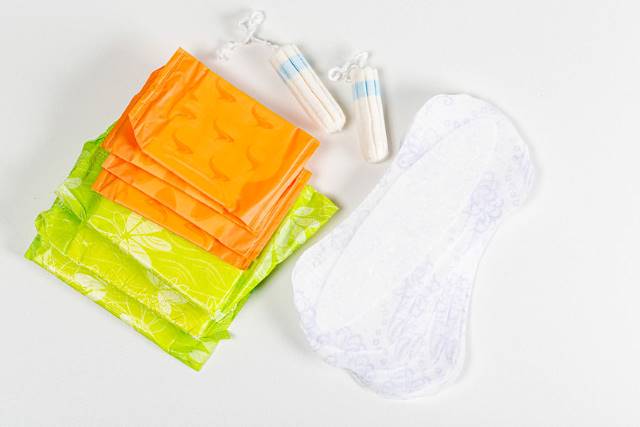
The American Medical Women’s Association defines period poverty as “the inadequate access to menstrual hygiene tools and education.” This includes limited accessibility to menstrual products like tampons, pads, washing stations and the ability to properly dispose of used products. The World Bank reports that “at least 500 million women and girls globally” lack the basic necessities for healthy menstrual management, making it difficult to combat the taboo of menstrual hygiene.

The inaccessibility of hygienic resources causes several problems for menstruating women and girls around the world. The U.N. states that in sub-Saharan Africa, 10% of school-aged girls will miss days for 20% of the school year due to menstruation. Their cycles, unfortunately, isolate them from their families and loved ones. These girls have to eat alone,  sleep outside and wear the same clothes daily. Society claims they are “unclean” because of their cycles. Studies in Kenya found that it is not uncommon for girls to trade sex to pay for period supplies. Period poverty is a widespread issue. Countries frequently do not address it because of stigmas surrounding menstruation.

Entrepreneurs in the Making

In 2016, South Australian high school students Eloise Hall and Isobel Marshall attended a leadership conference that would start them on a journey of empowering women all over the world. The two young women left the conference with the motivation to do something impactful.

Eloise and Isobel decided that creating a social enterprise would be the most impactful. This is a result of making menstrual hygiene their target objective. They catered to a market that spent $300 million on period supplies annually.

As Isobel and Eloise researched menstrual hygiene, “they were shocked to learn that 30% of girls in developing countries will drop out of school once they start having periods.” They also researched “that far too many reproductive complications stem from the lack of appropriate menstrual health care and education.” They felt a responsibility to contribute to reducing period poverty. Isobel and Eloise launched their company, Taboo, over the next few years with an immense amount of effort, fundraising, persistence and heart.

Team Taboo

Taboo makes organic cotton period products, pads and tampons. Taboo sells them online and in stores throughout Australia. The Taboo team consists only of volunteers. Taboo has a commitment to using ethically sourced materials in its products. It also donates 100% of its profits. The money goes straight to One Girl, a nonprofit organization that “…break[s] down the barriers that girls face in accessing an education. [They] do this by running girl-led programs in Sierra Leone and Uganda to drive positive change for girls and their communities.” One Girl teaches on menstrual hygiene, which is a frequent topic. Taboo also donates menstrual products, thus,  assisting the program with spreading awareness. One Girl distributes its products to its program members. It also combats the taboo of menstrual hygiene.

Eloise and Isobel sought to help their local community. In addition to their support of One Girl, they offer their consumers an option to subscribe to Taboo’s menstrual hygiene products on behalf of “disadvantaged” women in South Australia. They make a monthly trip to a women’s crisis center called Vinnie’s to hand deliver all donated supplies.

Taboo’s first products released in 2019. This company has made a huge impact in this short time. This contributes to Australia’s desire to combat the taboo of menstrual hygiene. In January 2021, co-founder Isobel Marshall became the recipient of the Young Australian of the Year award. The Taboo team is hopeful this recognition will spread awareness of the period poverty crisis.

– Rachel Proctor
Photo: Flickr

March 31, 2021
https://borgenproject.org/wp-content/uploads/borgen-project-logo.svg 0 0 Yuki https://borgenproject.org/wp-content/uploads/borgen-project-logo.svg Yuki2021-03-31 11:07:462024-05-30 22:23:07Tackling The Taboo of Menstrual Hygiene
Developing Countries, Health

A Closer Look at HIV/AIDS in Liberia

HIV/AIDS In LiberiaAround 4.9 million people are currently living with HIV in western and central Africa, including a percentage of those living in the small African country of Liberia. With a population of 5.1 million, roughly 1.5% of Liberians aged 15-49 live with HIV/AIDS. While this sounds like a small percentage, this equates to an estimated 47,000 people currently living with HIV/AIDS in Liberia, including 3,600 children.

HIV/AIDS in Liberia

While the percentage of HIV/AIDS in Liberia is lower than in surrounding countries and other regions of Africa, the country still struggles with treatment plans, education on the disease and breaking down stigma that could help prevent further spread. In 2019, UNAIDS released a comprehensive report detailing the spread and effect of HIV/AIDS in the country. The report states that only 33% of those living with HIV are receiving ART treatment. This amounts to 15,000 people currently receiving antiretroviral therapy (ART), a daily medication that reduces HIV in the system. Persons with HIV who do not receive ART treatment are more likely to develop AIDS and spread the virus. Of the 15,000 receiving treatment, 763 are children, which amounts to only 21% of all infected children in the country.

Additionally, only 58% of those living with HIV know their status. Lack of education on HIV testing and little access to testing centers has led to only a little more than half of those infected knowing their status through accurate testing. This lack of education heightens the threat of further spread, putting the health and safety of the entire population at risk. HIV/AIDS is not limited to sexual encounters. It also spreads through shared drug injections and even spreads to infants through breastfeeding. Unfortunately, stigma and discrimination continue to prevent progress.

According to UNAIDS’ 2019 report, roughly 53% of those surveyed in Liberia answered no when asked if they would purchase produce from a vendor who was HIV positive. This kind of stigma and cultivated ignorance around HIV and AIDS further inhibit people from getting tested as they may fear public ridicule. The fear of a positive test prevents the country from creating accurate and beneficial response plans.

Programs and Progress

In 2017, the African Union, in partnership with UNAIDS and others, implemented a series of “catch-up plans” for countries in western and central Africa to combat these issues. These plans included a 90-90-90 goal by 2020, meaning 90% of the people will know their HIV positive status, 90% of HIV positive people will have access to ART treatment and 90% will have viral suppression. The UNAIDS’ full 2020 report for Liberia is not available yet but the 2019 report already showed improvements in the country’s fight to eradicate the disease.

Compared to a 2016 report, the percent of children receiving ART treatment rose from about 17% to 21% in 2019.  Additionally, the percentage of HIV-positive pregnant women receiving ART treatment has increased from 19.3% in 2015 to 90% in 2019. This massive increase helps prevent infants born with HIV and decreases the risk of spread through sexual partnerships. The U.S. President’s Emergency Plan for AIDS Relief (PEPFAR) has supported the African Union and UNAIDS’ efforts in Liberia and significantly aided in the reduction of HIV-related issues. Therefore, PEPFAR supports health and treatment facilities in four Liberian counties and supported ART treatment for 15,000 HIV-positive persons in 2020.

All these improvements show progress toward the eradication of HIV/AIDS in Liberia. These advancements bring optimism as hope for an HIV/AIDS-free country remains strong.

– Kendall Couture
Photo: Flickr

March 30, 2021
https://borgenproject.org/wp-content/uploads/borgen-project-logo.svg 0 0 Kim Thelwell https://borgenproject.org/wp-content/uploads/borgen-project-logo.svg Kim Thelwell2021-03-30 03:22:362024-05-30 07:56:41A Closer Look at HIV/AIDS in Liberia
Children, Developing Countries, Education, Global Poverty, Health

Children with Disabilities in Kyrgyzstan

Disabilities in Kyrgyzstan
Kyrgyzstan is a small nation in Central Asia. It is west of China and south of Kazakhstan. In 2019, this former Soviet country ratified the United Nations Convention on the Rights of Persons With Disabilities (CRPD). Kyrgyzstan is now part of it along with 180 other countries. The approval of the CRPD showcases the progress that various organizations have made in recent years toward creating a more inclusive Kyrgyzstan. This is of vital importance to more than 31,000 registered children with disabilities in Kyrgyzstan who often lack basic civil rights.

Barriers to Inclusion

Since Soviet rule, the prevailing mindset in Kyrgyzstan is that people with disabilities require fixing. This has led to the development of stigmas against people with disabilities, and in turn, their exclusion from daily life. This can take the form of the children not receiving an education, and having limited access to health and rehabilitation services and institutional placement. According to UNICEF, in 2012, more than 3,200 children and teenagers with disabilities were living in institutions. Here, they often face inhumane treatment. For example, Human Rights Watch documented that staff use “psychotropic drugs or forced psychiatric hospitalization to control children’s behavior and punish them.” This kind of treatment is harmful and can result in an overdose.

Learning Better Together

In 2018, the Kyrgyzstan government launched several initiatives with the intention of fostering inclusion. One of these initiatives is the Learning Better Together Initiative. This is a partnership between USAID, the Ministry of Education and Science of Kyrgyzstan and UNICEF. UNICEF is responsible for placing children with disabilities or special needs in local schools. Teachers received training on how to work with children with disabilities and how to identify areas in which students need extra help.

There were 20 schools that participated in the pilot program. Each one received grants to use as they best saw fit. For example, the school in Kok-Sai used the grant to build a dance room and purchase exercise equipment to help children with disabilities improve their physical health.

While the main focus of the Learning Better Together Initiative is children with disabilities, it also implemented multilingual education. At least 20 school settings practiced this concept during the pilot program. These programs are important for a multiethnic nation like Kyrgyzstan.

Open the Door to the Child!

“Open the door to the child!” is a UNICEF public campaign. It is in partnership with the Osh and Bishkek Mayor’s office that informed the public about children with disabilities in Kyrgyzstan. Billboards displayed advertisements that talked about accepting those with disabilities. Similar posters and banners hung on bus stops and city lights. The stories of children with disabilities in Kyrgyzstan, including their trials and victories, aired on local television throughout the Osh Oblast (region).

Additionally, kindergartens handed out bilingual pamphlets to parents, outlining how to connect with children with disabilities. Psychology and sociology students came to kindergartens to teach how to make friends with others, including those who have disabilities.

UNICEF’s Early Identification and Early Intervention Programme for Children with Disabilities is a program that sends health care workers to homes with newborns and children to screen for health issues and disabilities. Currently, UNICEF is striving for early detection in children 8-years-old and under to ensure they get adequate health services. UNICEF is also aiming to prevent a child’s health from worsening.

Buchur

Buchur is a daycare center in Osh, Kyrgyzstan, which specializes in working with children with disabilities. Founded by UNICEF, the city now runs and finances the daycare center itself. Here, children with disabilities between the ages of 2 and 16 can learn skills and interact with one another instead of facing isolation at home. Furthermore, it facilitates a smooth integration into kindergarten or school. Buchur also tutors children from mainstream schools who need help with homework. Similar facilities are uncommon in Kyrgyzstan.

Basketball for All

Inspired by a similar Ukrainian program, Basketball for All teaches kids with down syndrome or autism the skills and teamwork needed to play basketball. Administered by World Link and FLEX alumni, this is the first project of its kind in Kyrgyzstan. Organizers integrate parent and student feedback into the program to ensure it has the desired effect on students. Though the COVID-19 pandemic cut the initial run of the program short, the organizers have expressed interest in continuing the program after the pandemic.

Kelechek Plus

Kelechek Plus is an organization that focuses on issues surrounding children with disabilities in Kyrgyzstan. One of its programs focuses on building inclusive playgrounds for children. These playgrounds help expose non-disabled children to children with disabilities and vice versa. This is important to the mental and emotional needs of the children. Kelechek Plus has built playgrounds in various cities around Kyrgyzstan, such as Osh and Karakol. A wheelchair-accessible merry-go-round is an example of the type of structures that parents could find at one of Kelechek Plus’ playgrounds.

The progress that Kyrgyzstan has made over the last few years has been valuable in regard to the inclusion of children with disabilities in Kyrgyzstan. However, most NPO and government initiatives affect mainly the cities, leaving the rural areas in need of social and academic services. Government assistance in rural areas needs to occur. However, the success of current inclusive programs could serve as a roadmap throughout Kyrgyzstan.

– Riley Behlke
Photo: Flickr

March 28, 2021
https://borgenproject.org/wp-content/uploads/borgen-project-logo.svg 0 0 Kim Thelwell https://borgenproject.org/wp-content/uploads/borgen-project-logo.svg Kim Thelwell2021-03-28 12:23:332021-05-19 12:23:48Children with Disabilities in Kyrgyzstan
Developing Countries, Global Poverty, Health

10 Facts About the Ervebo Ebola Vaccine

ErveboIn 2014, an outbreak of Zaire ebolavirus in the West African countries of Guinea, Liberia and Sierra Leone resulted in more than 28,000 cases and 11,000 deaths. Ebola virus disease (EVD) outbreaks were documented since the 1970s. However, the widespread nature of the 2014 epidemic caused global fear. Many countries responded by imposing travel restrictions against West African nations. Fortunately, the U.S. Food and Drug Administration approved the first Ebola vaccine (Ervebo) in December 2019.

10 Facts About the Ervebo Ebola Vaccine

  1. Trials began in 2018. The World Health Organization (WHO) and the Democratic Republic of the Congo (DRC) began to trial Ervebo in 2018 as an investigational vaccine under an expanded access program. The DRC experienced the world’s second-largest Ebola outbreak. The vaccine use aimed to prioritize people most at risk such as healthcare workers.
  2. Roughly 290,000 people received vaccinations. In response to the Ebola outbreak in the DRC, more than 290,000 people have received the Ervebo vaccination under compassionate use protocols. Compassionate use allows for the limited allocation of an unlicensed vaccination due to a dangerous public crisis.
  3. Ervebo is 100% effective. A study in Guinea during the 2014-2016 outbreak indicates that Ervebo was 100% effective for individuals 18 and older. In a comparison of cases, Ervebo was 100% effective in preventing cases of Ebola with symptom onset more than 10 days after inoculation. The comparison involved 2,108 participants in an “immediate” vaccination group and 1,429 participants in a “delayed” vaccination group.
  4. Trials outside of West Africa. In addition to West Africa, trials of the Ebola vaccine occurred in Canada, Spain and the United States. Because Ebola is not endemic to Europe or North America, researchers wanted to measure the antibody response among individuals with no history of previous exposure. The antibody responses among participants in Canada, Spain and the U.S. were close to that of individuals in Liberia and Sierra Leone.
  5. Ervebo is safe for all participants. Roughly 15,000 individuals in Africa, Europe and North America were part of vaccine trials. The trials determined that the vaccine is safe and effective for all individuals. Individuals reported only minor side effects.
  6. Ervebo is a single-dose vaccine. Ervebo is a single-dose injection that does not require boosters. This allows for faster distribution and protection against EVD. The vaccine is a “live, attenuated vaccine that is genetically engineered to contain protein from the Zaire ebolavirus.”
  7. The vaccine received priority review. Due to the importance of developing an Ebola vaccine as a public health measure, Ervebo received a priority review and a tropical disease priority review voucher by the FDA under a program supporting the development of new drugs for the prevention and treatment of tropical diseases. Ervebo also received a breakthrough therapy designation to assist with the development of the vaccine. The FDA worked closely with the company, Merck & Co., Inc., and completed the evaluation in less than six months.
  8. The vaccine will be available to those most in need. Due to limited supplies of Ebola vaccines, Ervebo will be available as part of a ring vaccination strategy during future outbreaks. This strategy means that those most at risk will receive first priority. Vaccination efforts will start with people like healthcare workers and extend outward to other members of the community.
  9. A global stockpile will be available in January 2021. Beginning in January 2021, a global stockpile of the vaccine will be available through the International Coordinating Group (ICG) on Vaccine Provision. The ICG also manages stockpiles of cholera, meningitis and yellow fever vaccines and will be responsible for decision-making on allocation.
  10. Four African countries have licensed the vaccine. In February 2020, the Democratic Republic of the Congo (DRC), Burundi, Ghana and Zambia licensed the Ervebo vaccine. The license means the manufacturer can stockpile and widely distribute the vaccine within these countries. No further research or clinical trials are necessary with a license.

The Future

One cannot undo the damage of past outbreaks but the Ervebo Ebola vaccine may be a valuable tool for future Ebola prevention efforts. As the vaccine becomes widely available in future years, the World Health Organization hopes the population of West Africa will achieve herd immunity against the disease, eradicating the spread of EVD. The technology used in the development of the Ebola vaccine will also aid in the quick development of vaccines for future global outbreaks. As the world continues to struggle against COVID-19, the success of Ervebo provides a blueprint for the prevention and mitigation of future epidemics.

– Eliza Browning
Photo: Flickr

March 27, 2021
https://borgenproject.org/wp-content/uploads/borgen-project-logo.svg 0 0 Kim Thelwell https://borgenproject.org/wp-content/uploads/borgen-project-logo.svg Kim Thelwell2021-03-27 01:30:212021-03-26 21:52:0810 Facts About the Ervebo Ebola Vaccine
Children, Developing Countries, Global Poverty, Health

Fighting Malnutrition in Nepal

Malnutrition in NepalIn 2019, the malnutrition rate in Nepal was 43% for children under 5 years old. Malnutrition is defined as a lack of nutrition and can be a result of either being underfed or not eating enough nutritious foods. When children suffer from chronic malnutrition, it can result in stunting, which can permanently affect a child’s growth physically and cognitively. For the first two decades after 1990, malnutrition in Nepal decreased. Thereafter, malnutrition progress slowed down. Currently, malnutrition in Nepal is still a serious issue that needs addressing.

Malnutrition in Numbers

Nearly 66% of children between 0-5 months old are exclusively breastfed. Between 6-24 months old, only 36% of babies receive a minimum acceptable diet. Additionally, as little as 47% of these children receive diversified diets with the proper nutrients.

Mother Fights Malnutrition

To help fight malnutrition, adolescent girls, women and children, need access to better nutritious diets and associated nutritional care. According to UNICEF, “The first 1,000 days from the start of a woman’s pregnancy to a child’s second birthday offer an extraordinary window of opportunity for preventing undernutrition and its consequences.” In this critical period, preventative intervention is vital. This includes breastfeeding support,  supplementary foods for infants and micronutrient supplementation for women and children.

Bimala Chaudhary is an example of a mother who has been educated on the importance of nutrition. On a monthly basis, Chaudhary participates in a mothers’ group meeting where female community health volunteers teach mothers about how to improve both their own nutrition and the nutrition of their children. The mothers have been taught lessons that include the importance of handwashing and how to prepare nutritious porridge.

The health volunteers also visit Chaudary’s home to provide one-on-one nutritional counseling. A USAID-supported radio program called Mother Knows Best further emphasizes the lessons she learns through the women’s group. She also receives SMS messages to remind her to take her daughter for visits at the clinic in order to monitor progress.

To help the community, Chaudhary shares what she learns from the meetings with other mothers. Her end goal is to make sure no children are malnourished in the future.

Solutions

Since the 1990s, a lot of progress has been made to fight malnutrition in Nepal. The current country program (2018-2022) works to improve nutrition in Nepal. Adolescents, pregnant women, breastfeeding mothers, infants and young children receive special focus. UNICEF supports the Government of Nepal in the implementation of comprehensive nutritional strategies. These strategies include deworming children, vitamin A supplementation, iron folate supplementation and nutritional education and counseling.

The Nepal Youth Foundation has developed child malnutrition treatment centers. These Nutrition Rehabilitation Homes (NRHs) treat severely malnourished children, teach mothers about children’s health and train professionals on best nutritional practices. These homes bring in critically-underweight children for three to four weeks to help improve their health through a monitored diet. For a long-term solution, caregivers and mothers are taught how to make nutritious meals. They are then encouraged to share these lessons with their communities. Since the first NRH was opened in 1998, 15,000 malnourished children have been restored back to health.

Food for the Future

By increasing the nutritional education of communities, malnutrition in Nepal can improve. With both short and long-term solutions, organizations like UNICEF and the Nepal Youth Foundation improve the lives of mothers and children.

– Sarah Kirchner
Photo: Flickr

March 26, 2021
https://borgenproject.org/wp-content/uploads/borgen-project-logo.svg 0 0 Kim Thelwell https://borgenproject.org/wp-content/uploads/borgen-project-logo.svg Kim Thelwell2021-03-26 01:31:172024-05-29 23:22:31Fighting Malnutrition in Nepal
Developing Countries, Gender Equality, Global Poverty, Health

Addressing Period Poverty in Brazil

Period Poverty in BrazilPeriod poverty is defined as a lack of access to menstrual hygiene resources and education. This includes access to sanitary products, washing facilities and waste management services. Financial barriers exacerbate period poverty in Brazil. Menstrual products in Brazil are taxed because they are not categorized as essential. In fact, in São Paulo, taxes form 34% of the price of menstrual products. Individuals and organizations are dedicating efforts to addressing period poverty globally.

Period Poverty in Brazil

In Brazil, not only is access to period products an issue but females also have no or limited access to hygiene facilities. Roughly 39% of schools lack handwashing facilities. This inadequacy directly impacts girls’ school attendance because, during menstruation, girls need a bathroom facility to change their tampons or pads and wash their hands. Outside of school, roughly five million Brazilians live in places that do not have adequate bathroom facilities.

Menstrual Stigma

There are about 5,000 known euphemisms for the words “menstruation” or “period.” This simple fact illustrates the shame associated with menstruation. Cultural taboos, discrimination, lack of education and period poverty perpetuate menstrual stigma. The consequences are that girls miss school while menstruating due to stigmas and taboos as well as a lack of access to menstrual hygiene products. Missing school means falling behind on education and increases the likelihood of girls dropping out of school altogether. Without education, girls are at higher risk of child marriage, early pregnancy and violence. Lack of education continues the cycle of poverty, limiting the futures of girls. This clearly illustrates how period poverty affects overall poverty.

Helena Branco

Ordinary young Brazilians are taking action to address period poverty in Brazil. Helena Branco is an 18-year-old Brazilian inspiring change and finding solutions to period poverty. After learning that the Brazilian government did not view period products as an essential resource, she took action. Branco and her teammates are part of Girl Up, a global movement for gender equality created by the United Nations Foundation.

After extensive research, the team’s first step was to focus efforts on supplying menstrual products to people suffering from the financial impact of COVID-19. The team developed the campaign #AbsorventeUrgente (#UrgentPads) to encourage local communities to donate menstrual products to organizations supporting vulnerable people during COVID-19. A total of 16 girl-led gender equality clubs from seven different Brazilian states took part in this effort. Through the campaign, the team successfully distributed more than 60,000 period products, raised $3,200 and directly impacted more than 3,000 people.

Eliminating Global Period Poverty

Branco and her team are bringing attention to the issue of period poverty in Brazil, highlighting barriers such as menstrual product taxes that discriminate against women. It is vital to address issues of period poverty in order to eliminate stigma and normalize the idea of menstruation in all nations. Efforts to address period poverty are essentially efforts to address global poverty overall.

– Rachel Wolf
Photo: Flickr

March 24, 2021
https://borgenproject.org/wp-content/uploads/borgen-project-logo.svg 0 0 Kim Thelwell https://borgenproject.org/wp-content/uploads/borgen-project-logo.svg Kim Thelwell2021-03-24 05:13:042021-03-24 05:23:45Addressing Period Poverty in Brazil
Global Poverty, Health, Women

Mental Health Emergency Care Services for Women

Mental Health Emergency Care Services
Mental health emergency care services are a necessity for women across the globe. One in three women experiences a physical or sexual violation in their lifetime. The mental health implications of sexual and physical abuse against women are staggering. According to the World Health Organization (WHO) and the U.N., “Women who experience physical or sexual abuse are twice as likely to have an abortion.” It claims “the experience nearly doubles their likelihood of falling into depression,” as well as “[makes] them more likely to acquire HIV” and “have alcohol disorders.” Sustainable Development Goal (SDG) 5 is to “achieve gender equality and empower all women and girls.” Through this Sustainable Development Goal, the United Nations seeks to end gender-based violence.

In the meantime, many women suffer under the impact of the violence they have already endured. However, there are mental health agencies, emergency care centers and programs that help women after they suffer physical trauma. Here is some information about mental health emergency care services for women.

Samburu Girls Foundation

Doctor Josephine started the Samburu Girls Foundation after rescuing her cousin from a forced marriage and subsequently saving 20 other children. Samburu now rescues at-risk girls in four different counties in Kenya: Samburu, Marsabit, Isiolo and Laikipia. Samburu Girls Foundation helps girls escape child marriage, beading and female genital mutilation (FGM). Pro-bono counselors work to provide safe living conditions and psychological help to young girls who have suffered from sexual and physical abuse. The foundation also seeks to equip the children with a valid education. This occurs through the Schools End FGM program. This program educates communities on the harm that practices such as female genital mutilation induce. Over 1,183 girls have received help from this organization.

Forgotten Women Sexual Trauma Clinic

The organization, Forgotten Women, has a sexual trauma clinic that serves over 105,000 women per year. Its clinic primarily reaches Rohingya women who experienced sexual assault. Many of these women suffer from internal tearing and infections, thousands of whom have become pregnant. Since 2017, over 900,000 people have escaped from Myanmar to Bangladesh refugee camps. Unfortunately, a change in environment has not resolved the trauma that lingers with thousands of the brutalized women. Forgotten Women’s clinic offers several mental health services, such as one-to-one trauma therapy and group counseling sessions. These are necessary services that invest in the healing and well-being of women who have endured sexual, physical abuse and trauma.

The Spotlight Initiative

The Spotlight Initiative is a collaborative effort between the United Nations and European Union. It focuses on eradicating violence against women and girls, specifically in the following areas: Africa, Asia, the Caribbean, the Pacific and Latin America. In Southeast Asia, The Spotlight Initiative provides counseling support via telephone to women in need. According to the initiative, “Since [April 2020], the hotline has received seven times the number of calls it did during the same period in 2019.” The counselors accept calls from women who are suffering from violence. They are responsible for collaborating with local authorities, and referring women to counselors when necessary and supplying legal support.

The pandemic has also worsened violent conditions for women in Mexico. The violence against women and girls (VAWG) caused a spike in phone calls to an additional 53% at the start of 2020. Through the aid of the Spotlight Initiative, alongside the support of the government and private sector, Grupo Posadas hotels now provide seven costless nights to women and children in need of protective services. After their stay, they receive direction to justice centers and other helpful resources.

Collaboration

Working alongside the United Nations on the Sustainable Development Goals is a powerful way to end violence against women and girls. Violence has increased due to the conditions that the pandemic brought on. The services provided by organizations operating under The Spotlight Initiative,  such as Forgotten Woman’s Sexual Trauma Clinic and Samburu Girls Foundation, are vital resources. They provide meaningful, mental health support emergency care services to women and girls that have already experienced violence and need help.

– Hannah Brock
Photo: Flickr

March 22, 2021
https://borgenproject.org/wp-content/uploads/borgen-project-logo.svg 0 0 Kim Thelwell https://borgenproject.org/wp-content/uploads/borgen-project-logo.svg Kim Thelwell2021-03-22 09:59:222021-05-19 09:59:36Mental Health Emergency Care Services for Women
Page 84 of 212«‹8283848586›»

Get Smarter

  • Global Poverty 101
  • Global Poverty… The Good News
  • Global Poverty & U.S. Jobs
  • Global Poverty and National Security
  • Innovative Solutions to Poverty
  • Global Poverty & Aid FAQ’s
Search Search

Take Action

  • Call Congress
  • Email Congress
  • Donate
  • 30 Ways to Help
  • Volunteer Ops
  • Internships
  • Courses & Certificates
  • The Podcast
Borgen Project

“The Borgen Project is an incredible nonprofit organization that is addressing poverty and hunger and working towards ending them.”

-The Huffington Post

Inside The Borgen Project

  • Contact
  • About
  • Financials
  • President
  • Board of Directors
  • Board of Advisors

International Links

  • UK Email Parliament
  • UK Donate
  • Canada Email Parliament

Get Smarter

  • Global Poverty 101
  • Global Poverty… The Good News
  • Global Poverty & U.S. Jobs
  • Global Poverty and National Security
  • Innovative Solutions to Poverty
  • Global Poverty & Aid FAQ’s

Ways to Help

  • Call Congress
  • Email Congress
  • Donate
  • 30 Ways to Help
  • Volunteer Ops
  • Internships
  • Courses & Certificates
  • The Podcast
Scroll to top Scroll to top Scroll to top