Maternal Care for Women in Nigeria
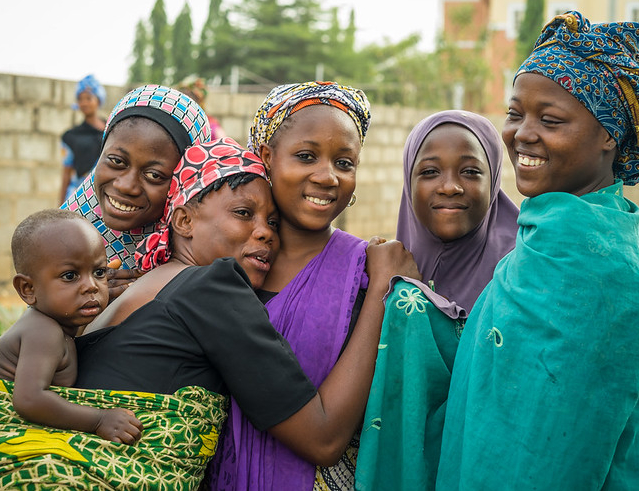 Despite the United Nations’ global commitment to improve the health of pregnant mothers and reduce maternal death, the loss of women’s lives as a result of complications during pregnancy has been on the increase in most sub-Saharan African countries. In Nigeria, there are 59,000 maternal deaths annually. Compared to those in advanced nations, women in Nigeria are 500 times more likely to lose their lives in childbirth. At 545 per 100,000 births, maternity care for women in Nigeria is the worst in all of Africa. This means that out of every 20 live births in Nigeria, there will be at least one case of maternal mortality.
Maternal Death Leads to Poverty
In Nigeria, a high percentage of pregnant women do not receive adequate healthcare. This is either because their community does not offer services or because the women cannot afford healthcare. Many pregnant women in Nigeria do not seek care because they fear that the services are not high quality. In addition, the country’s patriarchal society and suppression of females can keep a pregnant woman from receiving adequate care. Cultural issues, lack of education and poverty can influence the healthcare choices of many pregnant women.
The toll on a family is enormous if a mother dies during childbirth. A mother’s death can force a family deeper into poverty and cause the daughters to be taken out of school to care for the other children and the household. For these young girls, the death of a mother perpetuates a cycle of poverty that can be hard to escape.
The difference in maternal death rates between the wealthy and the poverty-stricken is the largest among all of the health indicators tracked by the World Health Organization. Yet, mortality can be reduced by 80% with better access to reproductive health services along with high-quality care and skilled providers.
High-Quality Maternal Care for Nigerian Women
After losing a friend during childbirth, Michael Iyanro, a social entrepreneur and healthcare development expert, wanted to do something to ensure that top-quality maternity care for women in Nigeria was accessible to all.
He and other concerned individuals founded Tomike Health to address the problem. The organization launches clinics that provide high-quality maternal healthcare at affordable rates across neighborhoods in Nigeria. Tomike Health prioritizes the low-income residential areas on the outskirts of cities. These are the fastest-growing population centers as people migrate from rural areas to seek work. Tomike Health centers serve women who are often the primary breadwinners in their families.
Clinical Innovations
Rather than relying on donations and grants, the organization’s founders wanted their operation to be self-sustainable. To meet this goal, Tomike Health has combined job training and business expertise with clinical innovations. This approach creates self-sustaining solutions for maternity care. Its partners include Easier Health Consult, the Almonsour Women Foundation and the Gender Development Initiative. The organization and its healthcare providers continue to work hard to reduce maternal mortality rates in Nigeria, saving women’s lives and keeping their children from descending into poverty.
– Sarah Betuel
Photo: Flickr
