• Link to X
  • Link to Facebook
  • Link to Instagram
  • Link to TikTok
  • Link to Youtube
  • About
    • About Us
      • President
      • Board of Directors
      • Board of Advisors
      • Financials
      • Our Methodology
      • Success Tracker
      • Contact
  • Act Now
    • 30 Ways to Help
      • Email Congress
      • Call Congress
      • Volunteer
      • Courses & Certificates
      • Be a Donor
    • Internships
      • In-Office Internships
      • Remote Internships
    • Legislation
      • Politics 101
  • The Blog
  • The Podcast
  • Magazine
  • Donate
  • Click to open the search input field Click to open the search input field Search
  • Menu Menu

Archive for category: Health

Information and stories on health topics.

Disease, Global Poverty, Health

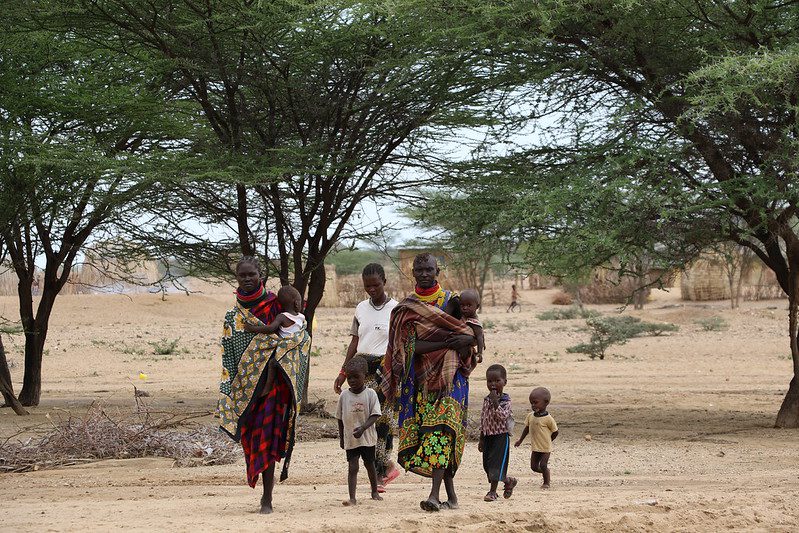
Tuberculosis in Kenya

Kenya Battles TuberculosisKenya continues to battle against major communicable diseases, including tuberculosis (TB). With more than 120,000 affected patients each year, the African Institute for Development Policy (AFIDEP) documents the disproportionate rising cases among men from low and middle-income countries such as Kenya. ADIDEP cites how inequalities toward men seeking health, have exasperated due to factors such as poverty, poor environment, housing, food security, lack of education and financial hardship. 

The World Health Organisation (WHO) recognizes common symptoms of TB include prologued cough with blood, chest pain, weakness, fatigue, weight loss, fever and night sweats. In recognition of the 32% undiagnosed and untreated TB patients in Kenya reported in 2023, the Ministry of Health launched the 2023/24 – 2027/28 National Strategic Plan (NSP) for TB, Leprosy and Lung Health. This program aims to put an end to the devastating impact of TB on Kenya’s communities.

Diagnosis and Treatment

Doctors treat tuberculosis with antibiotics. In Kenya, the primary antibiotics improving TB patients’ health are isoniazid, rifampin, pyrazinamide, ethambutol and streptomycin. Patients must take these medications daily for four to six months. WHO advises anyone experiencing symptoms of TB to seek medical attention immediately.

Ministry of Health Support to End Tuberculosis

During its launch, Mary Muthoni, the Principal Secretary for Public Health and Professional Standards, emphasized the 2023/24-2027/28 National Strategic Plan’s commitment to a people-centered approach in addressing tuberculosis in Kenya. In her February 2024 speech to the National Assembly Committee on Delegated Legislation, Mary announced the start of a community-centered Universal Health Coverage (UHC) initiative, to deploy 100,000 Community Health Promoters. This initiative aims to enhance household screenings proactively and strengthen the government’s battle against TB. Furthermore, the program seeks to eliminate TB, leprosy and other lung complications by 2030.

Facilitating Gender Responsive Policies

The Division of National Tuberculosis, Leprosy, and Lung Disease Program (DNTLD-P) has collaborated with the LIGHT consortium since 2020 to enhance the Kenyan government’s efforts in addressing gender discrimination among TB patients. This partnership aims to fill gaps identified in Kenya’s previous NSP for 2019-2023, which lacked initiatives targeting gender-specific barriers to TB care and treatment.

The government has evaluated gender-equality approaches to ensure TB patients in Kenya receive fair treatment, regardless of gender. LIGHT, a global health research program, focuses on supporting TB treatment policies and practices in Kenya, Malawi, Nigeria and Uganda, with an emphasis on gender inclusivity. Its research demonstrates that improved access to TB care for men has decreased TB-related deaths, curbed transmission within communities and reduced the financial strain of TB treatment in Kenya. In response to LIGHT’s policy enhancement efforts, the NSP for 2023/24–2027/28 outlines specific initiatives aimed at assisting male TB patients in Kenya through the following targeted implementations:

  • Addressing socio-cultural barriers that prevent men, women and children from accessing healthcare
  • Creating awareness of TB and reducing stigma
  • Engaging strategically with a range of key stakeholders to ensure research is informed

 A Healthier Kenya

Initiatives like the NSP for TB and the LIGHT consortium’s efforts illuminate the path toward ending tuberculosis by fostering inclusivity and community support. These strategies are poised to transform health and tuberculosis care in Kenya and signal a promising future where access to treatment transcends gender barriers, enabling a united fight against this persistent disease.

– Kasia Flisiuk

Kasia is based in London, UK and focuses on Global Health for The Borgen Project.

Photo: Flickr

April 3, 2024
https://borgenproject.org/wp-content/uploads/borgen-project-logo.svg 0 0 Precious Sheidu https://borgenproject.org/wp-content/uploads/borgen-project-logo.svg Precious Sheidu2024-04-03 01:30:452024-04-01 05:45:32Tuberculosis in Kenya
Education, Global Poverty, Health

Facts You Did Not Know about Period Poverty in the CAR

Period Poverty in the CARPeriod poverty constitutes a pressing global public health challenge many have often disregarded. It encompasses a lack of access to menstrual products, education and proper sanitation facilities. Although Period Poverty may sound cliché, its implications are far-reaching and often unrecognized. Despite significantly impacting millions of girls worldwide annually, the issue remains largely unaddressed by the media. Nowhere is this issue more acute than in the Central African Republic (CAR), where it compounds existing obstacles to accessing essential resources such as education and health care services. This article explores key facts about period poverty in the CAR. It highlights its harsh realities and stresses the urgent need for support and intervention.

Limited Access To Menstrual Products

Limited access to menstrual products in the CAR exacerbates challenges faced by women and girls, hindering their ability to manage their menstrual health effectively. The United Nations Children’s Fund (UNICEF) warned ahead of Menstrual Hygiene Day in 2014, highlighting the dire consequences of stigma, poverty and inadequate access to essential services such as toilets and water on menstrual health and hygiene for women and girls.

Particularly affected are the poorest, ethnic minorities, refugees and individuals with disabilities. Although menstrual materials are widespread, ranging from 81% to 100% across most countries surveyed, some rely on inadequate substitutes like paper or nothing. Additionally, access to private spaces for washing and changing varies greatly, with significant disparities between rural and urban areas and ethnic groups facing even more critical challenges and limitations in emergency settings.

The Educational Barriers

CAR significantly impedes educational opportunities for young women. One in four miss school due to substandard facilities for menstruation and a lack of menstrual education. This absence of proper menstrual hygiene management not only hampers students’ education but also perpetuates the stigma and shame surrounding menstruation.

Health Implications

The deficient management of menstrual hygiene poses significant health risks for young women. Insufficient menstrual hygiene increases the likelihood of infections and reproductive health issues, potentially leading to long-term health complications. Furthermore, poor menstrual hygiene can contribute to social stigma and discrimination, exacerbating the mental and emotional well-being challenges faced by young women.

Cultural taboos surrounding menstruation persist in the CAR, exacerbating challenges for women and girls. The enduring stigma attached to this issue fosters silence, further complicating the establishment of effective policies concerning menstrual health.

Additionally, economic disparities worsen period poverty, particularly affecting women and girls from low-income households. Affording menstrual products becomes a challenge, perpetuating a cycle of poverty that obstructs their opportunities for advancement.

NGO Interventions and Future Prospects

Nonprofit organizations (NGOs) actively assist girls and women in the CAR who face challenges due to period poverty. NGOs like Days for Girls are at the forefront, educating about menstrual health, distributing hygiene products and challenging stigmatizing beliefs surrounding menstruation.

Period poverty in the CAR is a multifaceted challenge demanding attention, awareness and unified action. Despite progress, sustained efforts and partnerships with local communities and the government are essential for lasting change.

– Jayde Andrews
Photo: Flickr

April 2, 2024
https://borgenproject.org/wp-content/uploads/borgen-project-logo.svg 0 0 Lynsey 2 https://borgenproject.org/wp-content/uploads/borgen-project-logo.svg Lynsey 22024-04-02 07:30:292024-04-01 05:28:49Facts You Did Not Know about Period Poverty in the CAR
Global Poverty, Health

Improving Women’s Health Care in Liberia

Health Care in LiberiaWith a poverty rate of 27.6%, access to adequate health care facilities in Liberia is limited for many citizens. The statistics are alarming, with Liberia ranking fifth in maternal mortality rate and 18th in infant mortality rate globally. Moreover, fewer than 55 physicians are available to serve the entire population, making access to health care even more challenging.

The Birth of Healthy Women Healthy Liberia

The Foundation for Restoring Women’s Health Care to Liberia, also known as Healthy Women Healthy Liberia, was established in response to these pressing health care issues. This initiative, led by Dr. Chris Hena, a Liberian-born medical missionary, aims to develop improved health care tailored to address the needs of women in Liberia.

With her extensive experience implementing community-based health care programs in various countries, Hena recognized the urgent need to reform Liberia’s health care system. Armed with a medical degree from Kuban Medical College in Russia and a Master’s in Public Health from Emory University, United States, Hena embarked on a mission to promote the health of the Liberian people through sustainable, community-based primary health care.

Mission and Focus

A clear mission drives Healthy Women Healthy Liberia: to promote people’s health and educate patients through comprehensive, sustainable, community-based primary health care. With a vision to transform communities using community-based health care models, mainly focusing on women and children, the initiative aims to improve the health and welfare of the people of Liberia.

By employing community-based health care models, Healthy Women Healthy Liberia envisions a country where communities thrive through access to quality health care and education. The organization seeks to create sustainable change that positively impacts the lives of women and children.

Comprehensive Health Care Services

Healthy Women Healthy Liberia provides a wide range of health care services to women in Liberia. Clinics established by the initiative offer treatment for various conditions, including epilepsy, asthma, diabetes, malaria and typhoid fever. Services related to pregnancy, birth control, breast health and respiratory conditions are also provided.

Among these services, education on preventative health care is at the core of this initiative. Recognizing the importance of early intervention and education, there is an emphasis on programs aimed at preventing diseases and promoting healthy lifestyles, especially among women. These efforts are done to reduce the burden of illness and improve overall health outcomes in Liberia.

Empowering Communities

Beyond health care services, Healthy Women Healthy Liberia empowers communities through education and skill-building programs. Mother-to-mother classes, prevention courses and nutrition and food preparation instructions are provided to educate women on how to maintain their health and well-being. Additionally, initiatives such as teaching women how to build dish racks contribute to improved hygiene practices, further promoting community health.

By organizing local communities into clusters and assessing their specific needs, Healthy Women Healthy Liberia ensures its programs are tailored to each community’s unique challenges and circumstances. This empowers communities to take ownership of their health and actively participate in improving healthcare services.

Final Remark

The Healthy Women Healthy Liberia initiative stands as a beacon of hope in Liberia’s health care landscape. Through its comprehensive approach to health care, education and community empowerment, it is making significant strides in improving the health and well-being of women across the country. With continued support and dedication, the nonprofit is paving the way for a healthier future for Liberia’s women.

– Katherine Barrows
Photo: Pixabay

March 25, 2024
https://borgenproject.org/wp-content/uploads/borgen-project-logo.svg 0 0 Lynsey 2 https://borgenproject.org/wp-content/uploads/borgen-project-logo.svg Lynsey 22024-03-25 07:30:472024-03-27 09:50:11Improving Women’s Health Care in Liberia
Africa, Global Poverty, Health, Mental Health

Mental Health in the Gambia

Mental Health in the GambiaManagement of mental illnesses represents a significant challenge yet to be adequately addressed in numerous low and middle-income nations. Such conditions not only escalate the expenses of health care and social support but also correlate with diminished quality of life, unemployment, heightened disability risk and premature mortality.

The Gambia has long marginalized and stigmatized mental health, leading to a gradual rise in mental wellness crises within the nation. With a population nearing 2.8 million as of 2023, the Gambia possesses only one psychiatric hospital in the capital city of Banjul, referred to as Tanka-Tanka, alongside a singular psychiatric outpatient clinic catering to the entire populace. The Tanka-Tanka mental hospital accommodates 100 beds and employs 58 practitioners. These facilities shoulder the responsibility of addressing all documented cases of mental illness throughout the country.

Mental Health in the Gambia Is Still a Major Issue

Widespread societal attitudes that downplay or disregard mental health issues are pervasive in deeply religious nations, perpetuating stigma and discrimination against individuals grappling with such conditions. This trend notably occurs in the Gambia, a predominantly spiritual country. According to the Central Intelligence Agency World Factbook’s (CIA) 2022 publication, approximately 96.4% of the population identifies as Muslims, underscoring the notion that prevailing social perspectives have adversely impacted mental health perceptions in the Gambia.

In Gambian tradition, manifestations of mental disorders frequently get ascribed to spiritual assaults or alleged demonic possession. Unorthodox healing modalities address the presumed “Spiritual Root Cause” through religious and traditional approaches, such as herbal remedies or ceremonial purification rituals. Among these methods, traditional healers also practice soaking and ingesting Quranic verses inscribed on paper. Regrettably, these treatments often disregard the effectiveness of medical interventions.

In a 2015 paper authored by A. Sulaimon and published in the Journal of Health Care for the Poor and Underserved, The paper highlighted how cultural beliefs perpetuate myths suggesting that mental illness is contagious or that individuals struggling with such conditions are inherently violent and unstable. Consequently, this leads to the social ostracization and mistreatment of affected individuals, as families often conceal afflicted relatives to evade community stigma.

Additionally, there is a troubling surge in substance abuse among urban youths, primarily rooted in mental health challenges. The absence of specialized services for addressing drug and alcohol addiction exacerbates this issue. Furthermore, the prevalence of prostitution among young and underage girls, coupled with the underreported and unaddressed problem of sex trafficking, collectively compound the societal challenges impacting mental health.

Initiatives Addressing Mental Health Challenges

The World Health Organization (WHO), through its Mental Health Gap Action Programme (mhGAP), initiated in 2008 and the Mental Health Leadership and Advocacy Programme (mhLAP), introduced in 2010, has emphasized the necessity of expanding mental health services within the country. WHO acknowledges that the presence of sufficient mental health professionals and facilities is essential to address the needs of existing mental health patients adequately. Additionally, such expansion is crucial for implementing an effective early intervention and preventive care strategy.

Mobee Gambia, a Non-Governmental Organization (NGO) dedicated to assisting individuals with mental health challenges, has undertaken initiatives to address mental health concerns in the Gambia. In February 2024, the organization orchestrated an educational event and mental well-being promotion involving a cohort of young individuals. The event centered around the theme of drug and alcohol issues impacting the mental well-being of young people in our communities.

Mobee is currently in the planning stages of establishing offices for administrative purposes to facilitate the implementation of psychoeducation programs to enhance individuals’ physical, social, psychological and emotional health. Additionally, discussions are underway with the Gambia Red Cross and Wyce.org.uk. The collaboration aims to deliver mental health services and programs geared towards enhancing cognitive health in the Gambia.

Conclusion

The involvement of international organizations and government initiatives signifies a positive shift towards addressing mental health in Gambia. While progress may be gradual, the collective impact of various programs and assistance is poised to become increasingly evident over time.

– Olusegun Odejobi
Photo: Pixabay

March 25, 2024
https://borgenproject.org/wp-content/uploads/borgen-project-logo.svg 0 0 Lynsey 2 https://borgenproject.org/wp-content/uploads/borgen-project-logo.svg Lynsey 22024-03-25 01:30:352024-03-24 03:47:05Mental Health in the Gambia
Global Poverty, Health

Health Care in Paraguay: PAHO in the Department of Canindeyú

Health Care in ParaguayA recent initiative led by the Pan American Health Organization (PAHO) saw the transformation of 31 health facilities in Paraguay’s Department of Canindeyú. These facilities ranged from independent, family-run health services to regional hospitals and dispensaries.

Canindeyú at Risk

Canindeyú has a current population of approximately 250,000 people, of which an estimated 38% live in poverty and 7.7% live in extreme poverty. Paraguay’s health care system has been characterized by fragmented provision and minimal public investment, leading to limited coverage and disparities in access and care quality.

Due to insufficient equipment, many small health care facilities in remote villages had to transfer all their patients. PAHO national consultant on health systems and services, Dr. Tatiana Fleitas, noted that the aftermath of the COVID-19 pandemic exacerbated the importance of strengthening local health care facilities in Paraguay.

Family Health Units to Regional Hospitals

The Maracana 2nd Frame family health unit has benefited from the PAHO initiative, which donated an electrocardiogram and a crash cart. This has helped stabilize patients who have heart attacks before they are transported to a hospital. Moreover, the Regional Health Directorate has hired additional doctors, which has allowed them to double the number of consultations per week.

The Regional Hospital of Salto del Guairá has also experienced a significant transformation with the introduction of new devices by PAHO. These innovations, such as refrigerators for vaccine storage, incubators for newborns and crash carts for emergencies, have revolutionized health care in the region. The refrigerators ensure the safe transportation and storage of vaccines, the incubators provide a nurturing environment for newborns and the crash carts enhance the hospital’s capacity to provide immediate care to adults and children.

In the remote community of Tekohá Y’ Apo, situated 125 kilometers away from Paraguay’s capital, a small pink wooden house with a tin roof, named Avá Guaraní ethnic group health post, stands as a testament to the transformative power of the PAHO initiative. For years, medical care in the area was scarce. However, thanks to the recent initiative, 31 health facilities, including hospitals, family health units and dispensaries, have significantly transformed, bringing quality health care closer to the community.

The impacts of PAHO are also felt on a personal level. The Tekohá Y’ Apo community health post nurse, Natalia Saucedo, now has the necessary medical tools to provide better care to her community. Saucedo’s words reflect these changes’ transformative effect:  “Before, we had nothing and had to transfer the patient out of the community for any basic care. Now I have the equipment I need to do everything, including blood pressure checks and wound care.”

Conclusion

From individual nurses making house calls in their communities to regional hospitals caring for many patients, every medical facility deserves high-quality technologies and medicines to keep people safe and healthy. PAHO has shown that health care reform in Paraguay is achievable by improving the Department of Canindeyú medical facilities.

– Lilah Dees
Photo: Flickr

March 24, 2024
https://borgenproject.org/wp-content/uploads/borgen-project-logo.svg 0 0 Lynsey 2 https://borgenproject.org/wp-content/uploads/borgen-project-logo.svg Lynsey 22024-03-24 07:30:582024-03-23 04:00:46Health Care in Paraguay: PAHO in the Department of Canindeyú
Global Poverty, Health

Elderly Poverty in the Dominican Republic

Elderly Poverty in the Dominican RepublicElderly poverty in the Dominican Republic emerges as a significant concern amid the rising elderly demographic. Advancements in the modern world and increased economic development have elevated the average life expectancy of Dominican citizens from 40 to 70 years between 1960 and 2020. However, the corresponding rise in social welfare systems for older adults has not been commensurate.

Consequently, as the elderly population increases, the strain on existing government and familial support systems to meet their financial needs also increases. Below is information regarding elderly poverty in the Dominican Republic and the efforts undertaken to address it.

Familial Care

The increasing population of individuals aged 60 and above raises concerns, particularly in light of the Dominican Republic’s declining crude birth rate, which has steadily decreased over the past decade from 21.79 % in 2011 to 18.43% in 2021.

Given the Dominican Republic’s solid cultural emphasis on familial caretaking of senior citizens, much of the social welfare for older adults comes from within their own families. However, the declining birth rate and growing elderly population create a disproportionate imbalance that could jeopardize the financial security of older adults in the future. With families facing the responsibility of caring for more elderly members and fewer supporting members, the financial strain on both families and older people could exacerbate poverty rates for both groups.

The Systems in Place

The pension and care systems for older adults in the Dominican Republic undergo a similar acceleration in change and funding as the rapidly growing elderly demographic. Of the population aged 80 and above, only 9.3% receive pension income, while 46% rely on familial support. Overall, merely 18% of economically active individuals benefit from pensions.

It leaves undocumented elderly individuals, such as those lacking legal residency status or involved in the informal economy, ineligible for pensions. The primary government social welfare system for older people excludes these individuals. Improving pensions and the quality of elderly care is necessary to address elderly poverty and ensure secure social welfare.

The scarcity of trained caregivers and the absence of affordable care homes also contribute to the elderly poverty issue. Families unable to afford care for their elderly bear the financial burden themselves, further exacerbating their strain. With more than 40% of Dominicans living in precarious conditions, vulnerable to climate issues and economic instability, this strain could quickly escalate poverty rates among older adults and the wider population.

Future Perspectives

The Dominican Republic’s increasing elderly population reflects a significant achievement in health care and economic progress, evidenced by a notable rise in life expectancy over the past eight decades. However, this advancement brings challenges in supporting this burgeoning community and ensuring their social welfare. Taking proactive measures before substantial increases in this demographic can significantly mitigate elderly poverty in the Dominican Republic.

Additionally, assisting in alleviating extreme poverty in the country can benefit older people, as their cases are often intertwined. Non-governmental organizations (NGOs) like the Dominican Institute of Integral Development address internal issues contributing to elderly poverty by fostering the development of more than 40,000 microenterprises to bolster family economies. They also continue to combat changes in the climate, which has the potential to disrupt the social and economic foundations of families supporting their elderly. By sustaining such efforts, the government can create room to reinforce existing systems to assist older adults adequately.

– Chinua Ebereonwu
Photo: Unsplash

March 23, 2024
https://borgenproject.org/wp-content/uploads/borgen-project-logo.svg 0 0 Lynsey 2 https://borgenproject.org/wp-content/uploads/borgen-project-logo.svg Lynsey 22024-03-23 07:30:282024-03-22 04:32:38Elderly Poverty in the Dominican Republic
Global Poverty, Health, Poverty Reduction

Possible Health Reducing Poverty in Rural Nepal

Rural NepalIn the rugged terrain of rural Nepal, where access to health care is out of reach for many, Possible Health has emerged as a ray of hope. Founded by Dr. Duncan Maru and his team, Possible Health is not just a healthcare organization but a catalyst for reducing poverty in rural Nepal. With a mission to provide comprehensive primary healthcare services and a commitment to sustainability and community empowerment, the initiative transforms lives in rural Nepal. 

Founding

Possible Health traces its roots back to 2008, when Maru, Dr. Sanjay Basu, Dr. Jason Andrews and public health expert Bibhav Acharya realized the dire need for accessible and affordable health care in rural Nepal. When confronted by the limitations of traditional aid models, these men envisioned a more holistic approach to health care delivery. 

This approach would address immediate medical needs and the underlying factors contributing to poor health outcomes and poverty in rural Nepal. Therefore, Possible Health was created with the fundamental vision that health care is a human right, regardless of one’s socioeconomic status or geographic location.  

Health Care For All

In remote rural Nepal, the initiative’s operations are strategically placed clinics managed by a dedicated team of local healthcare workers, including doctors, nurses and community health workers. These clinics serve as essential centers of health and healing, offering specialized medical care that meets the unique healthcare needs of the local population. In addition, these clinics also contribute to reducing poverty by improving the overall health and productivity of the community.

One fundamental aspect of Possible Health’s approach lies in its commitment to harnessing technology to overcome geographical barriers and enhance healthcare accessibility in rural Nepal. Through the implementation of mobile health solutions, for example, healthcare workers can easily communicate, gather data and coordinate patient care, even in the most isolated regions. This innovative use of technology increases the efficiency of health care delivery and ensures that every individual in rural Nepal, regardless of their remoteness, receives the care they urgently need.  

Empowering Communities for Sustainable Change 

Beyond providing these healthcare services, Possible Health is deeply committed to fostering sustainable change and empowering communities to take charge of their own health and well-being. By training and employing local healthcare workers, for example, Possible Health creates opportunities for economic prosperity and self-reliance to help individuals and families out of poverty. 

In addition, the foundation actively involves community members in decision-making processes, ensuring that all programs are responsive to local needs in rural Nepal. Possible Health’s efforts in reducing poverty in rural Nepal have had a significant impact beyond its clinics’ walls. The organization has initiated programs focused on education and community development, building a foundation for long-term prosperity and resilience. By addressing the root causes of poverty and inequality, Possible Health is improving health outcomes and creating opportunities for individuals and communities to thrive. 

Poverty Reduction 

By prioritizing preventive health care through services such as maternal and child health check-ups and immunizations, Possible Health empowers individuals with the knowledge and tools to maintain good health. This approach reduces the financial burden of preventable illnesses and helps lift households out of poverty. 

Additionally, by training and employing local healthcare workers and involving community members in decision-making processes, Possible Health creates economic opportunities and fosters self-reliance, contributing to long-term prosperity and reducing poverty in rural Nepal.

The Path Forward 

As Possible Health continues to expand its reach and impact, the organization remains committed to its founding principles. With a visionary team guiding the organization and a network of dedicated supporters, Possible Health can make even more significant steps toward reducing rural Nepal’s poverty. By utilizing the power of health care as a force for change, the program is paving the way for a brighter and healthier future for individuals in rural Nepal. 

– Olivia Pitrof 
Photo: Flickr

March 20, 2024
https://borgenproject.org/wp-content/uploads/borgen-project-logo.svg 0 0 Lynsey 2 https://borgenproject.org/wp-content/uploads/borgen-project-logo.svg Lynsey 22024-03-20 01:30:042024-03-19 03:41:03Possible Health Reducing Poverty in Rural Nepal
Charity, Global Poverty, Health

Che Hoon Khor Moral Uplifting Society: Impact in Malaysia

Che Hoon Khor Moral Uplifting SocietyLocated in Southeast Asia, Malaysia is one of the founding partners of the ASEAN Trade Bloc. It was created to boost economic coherence and fluidity within the region. Following the challenges posed by the aftermath of COVID-19, the trade bloc has witnessed a consistent resurgence in Gross domestic product (GDP) growth. With a population exceeding 34 million, Malaysia has emerged as a developing economic powerhouse in the region, emphasizing its strengths in agriculture, industrial processes and the service sector.

As a Commonwealth country, Malaysia boasts one of the most diverse population demographics. This article will delve into a small charity initiative, the Che Hoon Khor Moral Uplifting Society, within the Penang community on Malaysia’s west coast. Penang, a vibrant island, has long been recognized as a focal point for generations of Chinese migrant families who now consider Malaysia their home.

Malaysia’s Public Health Care System

Malaysia’s public health care system ranks third internationally in reliability, funded by citizens through tax, providing affordable services. However, long waiting lists have become the norm due to understaffing issues. The issue is still prominent despite government efforts to raise funding as of 2023 with $7.9 billion compared to $7.1 billion as of 2022. As a result, families with urgent medical issues often have to opt for private health care despite difficulties affording it. This is where organizations such as the “Che Sui Khor Moral Uplifting Society” come in to help families.

Through religion, the Moral Uplifting Society helps instill a sense of calmness amid uncertainty and change for struggling families. These families are dealing with various issues, such as not being sure if they will receive their paycheck next month. They are coping with the stress and guilt of being unable to provide their children with necessities so that they can have a normal childhood.

The Che Hoon Khor Moral Uplifting Society

The Che Hoon Khor Moral Uplifting Society was founded in China in 1954 and later expanded to Malaysia and Singapore, becoming a significant force in charitable activities. Countless volunteers aged 30 to 90 are the driving force behind the society’s charitable work. Many of them have dedicated their lives to donating their money and time to travel across different parts of Southeast Asia and help those in need.

Interview With Madame Ooi

Madame Ooi has spent more than a decade with the group and acknowledges how hard it is to sympathize with what people go through. “The fact is that none of us will know what they go through unless we had the same upbringing as them,” she stated.

Working alongside the group, she has been able to help different families through various struggles. Her efforts span organizing impactful food drives and raising money through charity balls and auctions.

The charity of the society impacts the local community by financing essential needs like school equipment, rent and emergency operations. It provides free meals and medical services for those in need. Additionally, it donates to the retired elderly to support their necessities.

The Boy Who Never Walked

One of Ooi’s most memorable moments working for the society was when she got to know one of the families applying for free medical help. A young couple who grew up in Penang had brought their 3-year-old boy to her office to fill out paperwork. The boy, who was born with a congenital disability, was carried by his dad. The doctors said that the umbilical cord had caused complications with the growth of his leg. The boy had never walked or run; with school coming up, they wanted him to be able to play with the other children. The boy was eager to run around, much like he had seen others in his neighborhood do. His parents had requested help to afford a free prosthetic leg for him, which would have cost them around $1200.

The organization paid for the boy’s prosthetic legs. Ooi recalls how she and the other staff members crowded around him eagerly outside the same corridor where he first arrived on his father’s shoulder. The doctor helped him put it on, and with the help of his parents, he got up. She remembers seeing the massive smile across his face as his parents guided his first steps and how the staff around her shared happy tears with her as they saw the boy and his family in joy over an incredibly intimate moment.

Conclusion

Although policies, schemes and government investments are helpful against poverty, they often fail to address each family’s unique challenges. Poverty is often looked at as the lack of money, which carries an element of truth. But money isn’t the entire recipe for the cure for poverty.

It is often up to these organizations, such as the Che Sui Khor Moral Uplifting Society, to ensure that their basic needs are met, not just financially but also supporting their emotional distress amid the challenges.

The charity section of the Uplifting Society continues to impact the local community of Penang, Malaysia. It supports more than 300 amputees annually by covering their medical expenses. This support enables children like the boy Ooi met to take their first steps into their future. The organization also helps guide those in need out of poverty by offering support and assistance through their work.

– Matthew Fung
Photo: Wikimedia Commons

March 19, 2024
https://borgenproject.org/wp-content/uploads/borgen-project-logo.svg 0 0 Lynsey 2 https://borgenproject.org/wp-content/uploads/borgen-project-logo.svg Lynsey 22024-03-19 15:00:332024-03-20 02:54:29Che Hoon Khor Moral Uplifting Society: Impact in Malaysia
Global Poverty, Health

Diseases Impacting Albania

Diseases Impacting AlbaniaWhen it comes to the right to health, Albania is achieving 66.3% of what it should based on its income level, according to the Human Rights Measurement Initiative. This estimate measures preventative and reproductive health care, health rehabilitation, the right to health for children and adults and disease control. As for the latter category, several diseases are impacting Albania.

Top Causes of Death in Albania

The World Health Organization (WHO) finds that from its 2.9 million population, these are the most prominent causes of death per 100,000 people in Albania as of 2019:

  • Stroke (378 deaths in women and 235 in men)
  • Ischaemic heart disease (338 deaths in women and 274 in men)
  • Alzheimer’s disease and other dementias (93 deaths in women and 34 in men)
  • Chronic obstructive pulmonary disease (17 deaths in women and 33 in men)
  • Lower respiratory infections (24 deaths in women and 20 in men).

All the current deadliest diseases impacting Albania fall under the non-communicable category. However, a 2011 study also found a 19% prevalence of intestinal parasitic infections (IPI) among Albanian children. Though not as impactful to the overall population as their non-communicable counterparts, it is worth noting that infectious diseases are a category Albanians are susceptible to as well.

One of the most prominent communicable diseases impacting Albania is HIV, a viral sexually transmitted disease that leads to AIDS. According to the Joint United Nations Programme on HIV/AIDS (UNAIDS), the number of Albanian adults and children living with HIV as of 2022 was approximately 1500. Of this estimate, less than 500 were women aged 15 and above and 1000 were men of the same demographic. That same year, less than 100 Albanian adults died and less than 500 children from 0 to 17 became orphans due to AIDS.

The Good News

Despite statistics depicting that the government needs even further work to address the rate of diseases impacting Albania, the country has seen significant improvements in the health department. The life expectancy at birth in Albania as of 2021 is 76, a 2.5-year improvement from what it was in 2000. Similarly, the percentage of children under a year old receiving the measles vaccine is 86 and the total population receiving all eight basic vaccines is 75.

Initiatives and Solutions

Even with the substantial estimate of Albanian adults and children living with HIV, 31.72% of young people aged 15 to 24 are knowledgeable about HIV prevention. The coverage of adults and children receiving antiretroviral therapy is even higher, estimated at 57%.

The organization Aksion Plus takes credit for this step. Founded in 1992, Aksion Plus is a volunteer group that aims to stop the spread of HIV/AIDS in Albania through four main objectives:

  • Raising awareness through peer education: A team of social workers provides educational tools and counseling in high schools about HIV/AIDS prevention and reproductive health.
  • Advocacy: Aksion Plus uses advocacy and capacity building to influence policymakers on HIV/AIDS, as well as deliver training sessions to teachers, students, police officers, health practitioners and caregivers.
  • Research: Cooperation with organizations like UNICEF, WHO and the Institute of Public Health enables the foundation to research and evaluate HIV/AIDS statistics in Albania.
  • Treatment for vulnerable groups: Aksion Plus implements several programs to provide treatment to drug users or sex workers. Such programs include “The Center for Harm Reduction and Resource Center,” which focuses on harm reduction, advocacy and promoting healthy lifestyle education for drug users.

With the support of WHO, Albania also established a cross-sector national program on the prevention and control of non-communicable diseases (NCDs). Since its development in 2017, the program has aimed to reduce health inequalities, introduce NCD prevention programs and implement health care to maximize population coverage.

Health for All Program

Another program that tackles the NCD burden in Albania is the “Health for All Program” (HAP). In addition to assisting with the development of the “National Health Promotion Action Plan,” HAP has also helped support health literacy and promotion in the country through a variety of approaches:

  • Media campaigns: A November 2017 campaign on diabetes awareness accumulated 88,000 viewers.
  • Health promotion in schools: More than 600 children, their parents and 57 teachers participated in the “Health Promoting Schools” initiative, which provides guidance and information on sports and healthy eating in schools. The initiative also hosted nutrition fairs in Dibër.
  • Hypertension awareness and control: In 2018, HAP partnered with local health centers to provide educational presentations on hypertension risk factors and blood pressure screenings to several municipalities and the cities of Tirana and Durrës. The attendance estimate was 7,058 community members.

Such statistics highlight the meaningful progress the government and NGOs have made in addressing and combating the rate of communicable and non-communicable diseases impacting Albania.

– Jay Kosumi
Photo: Flickr

March 17, 2024
https://borgenproject.org/wp-content/uploads/borgen-project-logo.svg 0 0 Lynsey 2 https://borgenproject.org/wp-content/uploads/borgen-project-logo.svg Lynsey 22024-03-17 07:30:562024-03-15 05:15:09Diseases Impacting Albania
Global Poverty, Health, Nonprofit Organizations and NGOs

SAPA’s Efforts to Enhance Health Care Access in Sudan

SAPA's Efforts to Enhance Health Care Access in SudanThe Sudanese American Physicians Association (SAPA) is an exciting and commendable nonprofit operating in multiple capacities to increase health care access in Sudan and ease the suffering of the people. The organization provides a forum for medical professionals of Sudanese descent within the United States (U.S.) to collaborate, as well as promote the advancement of health care, medical practice, clinical and basic sciences education and research. Furthermore, SAPA actively strives to enhance the quality of graduate training for Sudanese physicians as well as increase collaboration across the developed and developing world.

Current Events in Sudan

Sudan currently faces a severe civil war that has intensified longstanding poverty challenges, including access to health care, food security and economic stability. These issues have deep roots in Sudan, with significant disparities emerging more than 30 years ago following the creation of the ‘Hamdi Triangle,’ a relatively prosperous area within a day’s travel from Khartoum, amidst widespread poverty.

The effect of this has been to concentrate Sudanese wealth into this relatively small geographical area, with Khartoum receiving as much as 85% of total investment in Sudan in 2007. On top of this, the central government collects 97% of all tax revenue in the country, meaning that states are increasingly reliant on transfers from the central government to maintain the delivery of basic services. The combination of these factors, as well as the civil war, means that living in Sudan is difficult enough, but those far from the capital city suffer especially.

Although SAPA also tackles food insecurity and addresses hygiene deficiencies, this article will focus on how the organization is miraculously increasing health care access in both urban and rural settings, taking targeted action in multiple areas that demand assistance as the war and subsequent humanitarian crisis unfold.

Khartoum

SAPA partnered with Elbuluk Hospital in July 2023 to bolster primary health care and nutrition services for pediatric patients and, ‘as the sole pediatric hospital operating in the region, it has become a lifeline for more than a million people residing, just outside of Khartoum. SAPA’s work attracted UNICEF, which joined the initiative in November 2023, and by December, health care access had already substantially increased, with many children seen for consultations, vaccinations and general checkups.

SAPA also supported the establishment of specialized clinics focusing on diabetic patients and an encompassing approach to pediatric care. These types of initiatives are desperately needed throughout Khartoum, where specialized pediatric and maternal care facilities are increasingly being converted into mass casualty response centers. The Turkish Hospital in southern Khartoum highlighted a significant gap in prenatal, postnatal and vaccination services in late 2023, underscoring the urgent need for such health care provisions.

Northern state

In February 2024, the Sudanese American Physicians Association (SAPA) launched the Provision of Primary Health Care Services for Internally Displaced Persons (IDPs) and Host Communities in Northern State – Sudan project, in collaboration with USAID and IOM. Despite Northern State’s low contribution to Sudanese poverty before the conflict, it hosted 403,000 IDPs by February 18, 2024. The influx strains host community health services and raises concerns about increasing food insecurity.

Wad Madani

Another display of forward-thinking by SAPA is the work it is currently undertaking in Wad Madani, Sudan’s second biggest city. The exodus of citizens from Khartoum, as well as other areas of the country, means that there are now nearly 8 million internally displaced individuals. In direct response to the displacement of people from Khartoum to Wad Madani, SAPA established a health center to provide essential care, offering family medicine, pediatric services and gynecology.

With the conflict now raging in the city where the SAPA headquarters are located, the organization finds itself in a challenging position. It is dangerous work for the organization, which remains committed to the health center and several mobile clinics it operates in Wad Madani, even with the possibility of being subject to violence. With at least 60 verified attacks on health care establishments and many humanitarian and health worker deaths during the war, SAPA staff understand the risks of their work.

Looking Ahead

SAPA’s commitment and efforts in Sudan deserve widespread recognition and support. Above all, the organization tirelessly operates across the nation in various capacities, with its staff on the ground facing daily risks to ensure the Sudanese people maintain access to health care.

– Arshiya Eslamdoust
Photo: Unsplash

March 17, 2024
https://borgenproject.org/wp-content/uploads/borgen-project-logo.svg 0 0 Precious Sheidu https://borgenproject.org/wp-content/uploads/borgen-project-logo.svg Precious Sheidu2024-03-17 01:30:272024-05-30 22:32:53SAPA’s Efforts to Enhance Health Care Access in Sudan
Page 42 of 212«‹4041424344›»

Get Smarter

  • Global Poverty 101
  • Global Poverty… The Good News
  • Global Poverty & U.S. Jobs
  • Global Poverty and National Security
  • Innovative Solutions to Poverty
  • Global Poverty & Aid FAQ’s
Search Search

Take Action

  • Call Congress
  • Email Congress
  • Donate
  • 30 Ways to Help
  • Volunteer Ops
  • Internships
  • Courses & Certificates
  • The Podcast
Borgen Project

“The Borgen Project is an incredible nonprofit organization that is addressing poverty and hunger and working towards ending them.”

-The Huffington Post

Inside The Borgen Project

  • Contact
  • About
  • Financials
  • President
  • Board of Directors
  • Board of Advisors

International Links

  • UK Email Parliament
  • UK Donate
  • Canada Email Parliament

Get Smarter

  • Global Poverty 101
  • Global Poverty… The Good News
  • Global Poverty & U.S. Jobs
  • Global Poverty and National Security
  • Innovative Solutions to Poverty
  • Global Poverty & Aid FAQ’s

Ways to Help

  • Call Congress
  • Email Congress
  • Donate
  • 30 Ways to Help
  • Volunteer Ops
  • Internships
  • Courses & Certificates
  • The Podcast
Scroll to top Scroll to top Scroll to top