• Link to X
  • Link to Facebook
  • Link to Instagram
  • Link to TikTok
  • Link to Youtube
  • About
    • About Us
      • President
      • Board of Directors
      • Board of Advisors
      • Financials
      • Our Methodology
      • Success Tracker
      • Contact
  • Act Now
    • 30 Ways to Help
      • Email Congress
      • Call Congress
      • Volunteer
      • Courses & Certificates
      • Be a Donor
    • Internships
      • In-Office Internships
      • Remote Internships
    • Legislation
      • Politics 101
  • The Blog
  • The Podcast
  • Magazine
  • Donate
  • Click to open the search input field Click to open the search input field Search
  • Menu Menu

Archive for category: Health

Information and stories on health topics.

Global Poverty, Health

Bangladesh’s Health Workers Restore Vision for 2 Million Adults

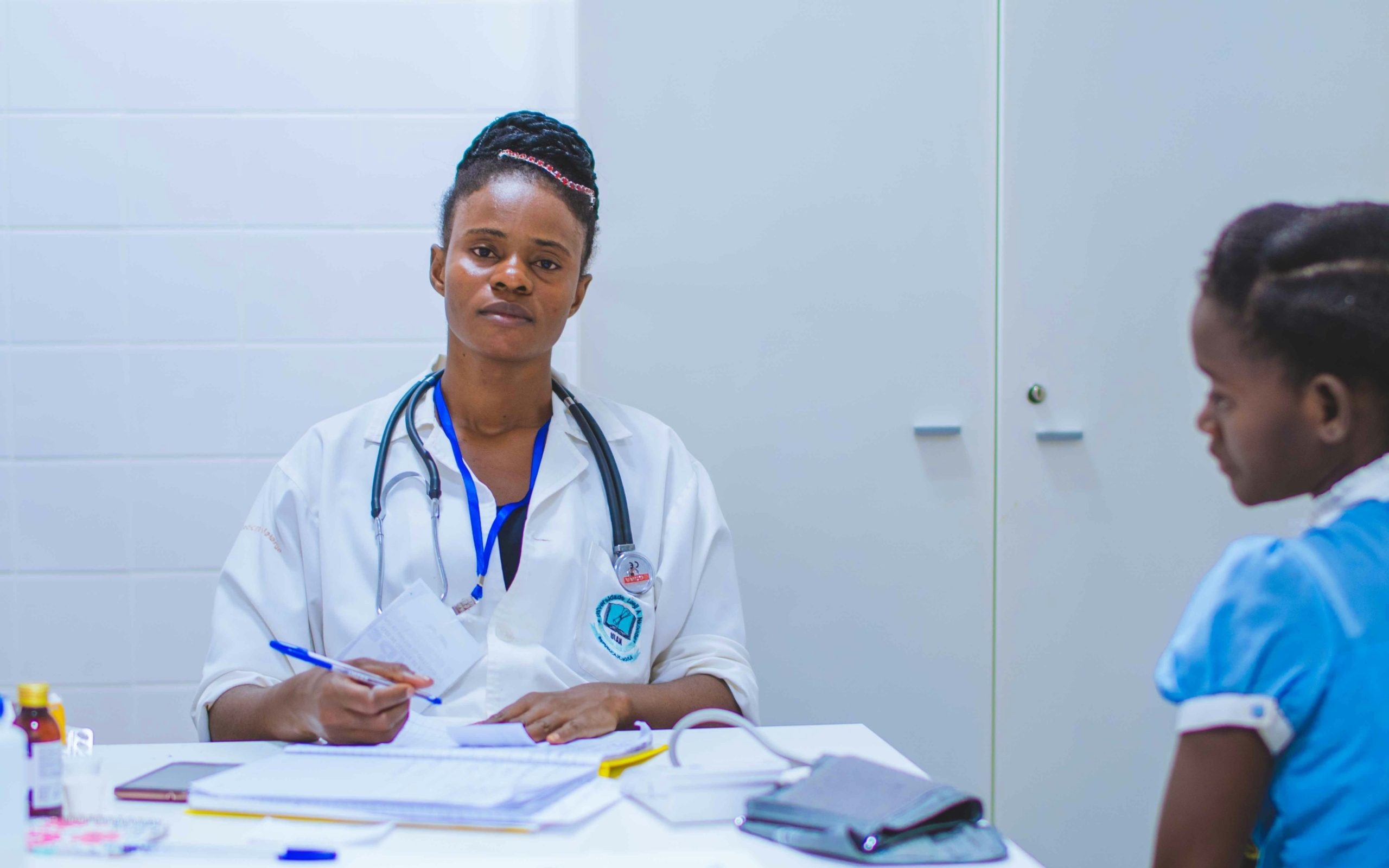
Bangladesh's Health Workers Restore Vision for 2 Million AdultsBangladesh’s health workers have played a pivotal role in improving community well-being. Community Health Workers (CHWs) have restored clear vision for 2 million adults in less than two decades. Since 2006, the social enterprise VisionSpring, in collaboration with BRAC Bangladesh, has trained 32,000 volunteers. These trained individuals bring primary diagnosis for presbyopia—a common cause of farsightedness in adults—to remote communities.

Presbyopia is an age-related refractive vision error that makes it difficult to focus on subjects at a closer distance and affects income avenues. At the moment, 1.8 billion of the world’s population is affected by the epidemic. An estimated 826 million are close to visual impairment due to the lack of access to affordable vision correction.

Presbyopia in Bangladesh

One in every two adults in Bangladesh loses livelihood opportunities due to presbyopia, yet appropriate eyewear can significantly mitigate this impact. BRAC and VisionSpring have expanded their efforts to conduct vision tests and distribute spectacles across 61 of Bangladesh’s 64 districts through the Reading Glasses for Improved Livelihoods (RGIL) initiative.

This program has equipped volunteers with the skills to evaluate visual impairments in remote communities, provide affordable reading glasses and make referrals for advanced eye care to ophthalmologists and optometrists. These volunteers receive compensation based on the number of spectacles they distribute.

The Role of Bangladesh’s Health Workers

Moreover, community health workers lie at the heart of primary health care in rural Bangladesh, assisting with family planning, adolescent hygiene, vaccinations and safe antenatal and prenatal care. Health worker’s acceptance within communities fosters participation in the program. Regular visits create a feedback loop that allows for timely adjustments and sustained effectiveness.

Morseda Chowdhury, director of the BRAC Health Nutrition and Population Programme, lauds the contribution of community volunteers to this achievement. He states, “This is a perfect example of an effective public health intervention scalable in a low-resource setting. A multitasking CHW can be utilized to tackle a stubborn problem that impedes the quality of life as well as reduces productivity and thus the economic potential of a country.”

Vision Correction in Addressing Poverty

Vision impairment disproportionately affects poorer economies. In Europe, only 4% of the population experiences presbyopia, but in lower-income countries, up to 94% suffer from poor vision. Studies indicate that presbyopia decreases individuals’ quality of life by 22%. Adults with farsightedness face challenges in performing daily tasks, from winnowing grain and cooking food to maintaining hygiene.

A World Economic Forum survey reported that near-vision impairment affected the earnings of 23% of office workers in Bangladesh. The study also found that workers in Rwanda with poor vision faced termination three times faster than their counterparts. Additionally, 2011 research indicated that inadequate vision correction among the global working population under 50 contributed to an annual productivity loss of $11 billion.

A randomized control trial by VisionSpring, Orbis and Queen’s University Belfast observed a 21.7% increase in productivity among presbyopic tea pickers in India using corrective lenses. The success of the Reading Glasses for Improved Livelihoods (RGIL) program in Bangladesh has paved the way for lower- and middle-income countries to promote the distribution of reading glasses. This neglected yet affordable solution helps restore employment and reduce poverty in the global south.

– Soham Mitra
Photo: Flickr

March 1, 2024
https://borgenproject.org/wp-content/uploads/borgen-project-logo.svg 0 0 Precious Sheidu https://borgenproject.org/wp-content/uploads/borgen-project-logo.svg Precious Sheidu2024-03-01 07:30:242024-05-30 22:32:51Bangladesh’s Health Workers Restore Vision for 2 Million Adults
Development, Global Poverty, Health

The Growth of E-Health Startups in Southeast Asia

The Growth of E-Health Startups in Southeast Asia Southeast Asia, a region known for its vibrant cultures and dynamic economies, is also home to some of the most innovative health care transformations in the world. Among these, the rise of e-health startups in Southeast Asia stands out as a critical development, leveraging technology to bridge significant gaps in health care services. Furthermore, this surge reflects a broader trend of digitalization in the health care sector, driven by the urgent need to improve access, affordability and the quality of health care services across diverse populations.

New Path to Health Care: E-Health Startups

E-health startups in Southeast Asia are pioneering a variety of solutions that address the region’s unique health care challenges. These innovations range from telemedicine platforms that connect patients with medical professionals remotely, to AI-driven diagnostic tools that provide faster and more accurate assessments. The accessibility of mobile technology and internet connectivity has been a key enabler, allowing these startups to reach underserved communities in remote areas.

In addition, one of the most significant impacts of e-health startups is its ability to provide essential health care services to those who previously had limited or no access. By offering consultations, health monitoring and access to medical information through smartphones and computers, these startups are making health care more inclusive. This is especially critical in regions with a shortage of health care professionals and facilities.

Case Studies of E-Health Startups Impact

  • Halodoc, Indonesia. Halodoc is a leading example of how e-health startups are revolutionizing health care in Southeast Asia. It offers an online platform where patients can consult with doctors via video calls, purchase medication and even book hospital appointments. Halodoc has made health care services more accessible and convenient for millions of Indonesians, significantly improving patient outcomes.
  • MyDoc, Singapore. MyDoc is a digital health platform that simplifies the health care journey for patients by offering a seamless connection with health care providers, diagnostic services and pharmacies. It emphasizes preventive health care, managing chronic conditions and facilitating efficient health care delivery through technology.
  • Docquity, Regional. Serving as a specialized social network for doctors, Docquity provides a platform for health care professionals across Southeast Asia to share knowledge, discuss cases and stay updated with the latest medical advancements. This not only enhances professional development but also improves the quality of care provided to patients.

Challenges and Limitations

Despite the promising growth, e-health startups in Southeast Asia face several challenges. Regulatory hurdles, data privacy concerns and the need for digital literacy among both health care providers and patients are significant barriers. Additionally, ensuring the quality of health care services delivered through digital platforms remains a priority.

Looking Forward

The future shines bright for e-health startups in Southeast Asia, as innovation flourishes and investment surges in the sector. The COVID-19 pandemic catalyzed the rapid adoption of digital health services, underscoring its vital role in contemporary health care systems. As these startups continue to develop, they are poised to significantly influence the region’s health care landscape, making it more resilient, accessible and efficient.

The growth of e-health startups in Southeast Asia represents a pivotal shift toward more accessible, efficient and inclusive health care services. Through innovation and technology, these startups are bridging significant gaps in health care delivery, offering hope and improved care to millions. Furthermore, as the sector continues to mature, it holds the promise of transforming health care in once unimaginable ways, making a lasting impact on the health and well-being of the region’s diverse populations.

– Hosna Hossain
Photo: Unsplash

February 29, 2024
https://borgenproject.org/wp-content/uploads/borgen-project-logo.svg 0 0 Precious Sheidu https://borgenproject.org/wp-content/uploads/borgen-project-logo.svg Precious Sheidu2024-02-29 07:30:472024-02-28 03:31:16The Growth of E-Health Startups in Southeast Asia
Education, Global Poverty, Health

Save the Children Saved 552,000 Ugandans Last Year

Save the ChildrenSave the Children has been operating in Uganda since 1959 and is a leading children’s charity. It focuses on vulnerable children and families, addressing health, food security, livelihoods and education. The nonprofit reached more than 552,000 children in Uganda in 2023 with public donations. Here are some recent examples of the charity’s amazing work.

Health Care

Through the Save the Children and local leaders under the Strengthening Partnerships, Results and Innovations in Nutrition Globally (SPRING) program, efforts are directed toward improving nutrition for mothers, infants and young children. Working with government ministries and district partners, the charity has successfully identified the most vulnerable children and families in 35 communities. This initiative involves imparting knowledge and skills necessary for these communities to access essential services effectively. As a result, 227,000 children have benefited from these efforts, contributing significantly to their health and nutrition.

Education

Education is fundamental to Save the Children’s mission in Uganda, with the organization making substantial strides in enhancing access to quality learning. The construction of schools, teacher training initiatives and gender participation strategies significantly improved school enrolment rates, leading to a 17% gain in literacy and a 24% gain in numeracy.

In addition to its impactful work in health and nutrition, Save the Children’s education programs have positively impacted more than 167,000 girls and boys in Uganda. The investment in schools goes beyond imparting knowledge, as the organization is also actively involved in providing essential health services. This includes immunizations, as well as vision and hearing screenings in schools, ensuring that children have access to quality health care.

Child Protection

Child Protection is also at the core of Save the Children’s Initiatives, focusing on raising community awareness about children’s rights and actively implementing them. In Northern Uganda, the foundation’s Responsible, Engaged and Loving (REAL) Fathers project is making substantial strides in transforming parental practices and decreasing violence within homes. The project has achieved noteworthy reductions, including a 29% decrease in intimate partner violence and an 18% reduction in the use of physical punishment.

Additionally, it has a pioneering Gender Roles Equality and Transformations (GREAT) project in Northern Uganda, working towards reducing sexual and gender-based violence in the region. Furthermore, the Save the Children’s Life Skills for Success approach, which helps adolescent girls build vocational skills, has led to a 35% increase in the likelihood of their engagement in income-generating activities.

Refugee Response

Uganda hosts more than 1.5 million refugees (the world’s fifth highest), with 61% being children. An unfortunate reality is that many refugees in the country face poverty and food insecurity. Save the Children is actively addressing these issues through various initiatives. It provides cash for work projects and employment opportunities while also supporting local communities by engaging in tree planting and road repair activities.

Additionally, the Response Innovation Lab by Save the Children serves as a collaborative platform, facilitating the development of innovative solutions to address the unique and challenging problems faced by refugees in the region.

Final Remark

Since 1959, Save the Children has been instrumental in helping the lives of vulnerable children and their families in Uganda. Through various programs, the nonprofit has reached more than 552,000 children in the country in the past year. This fantastic progress demonstrates that change is not only possible but is actively happening in the lives of children across Uganda.

– Jack Timmins
Photo: Flickr

February 25, 2024
https://borgenproject.org/wp-content/uploads/borgen-project-logo.svg 0 0 Lynsey 2 https://borgenproject.org/wp-content/uploads/borgen-project-logo.svg Lynsey 22024-02-25 20:05:082024-03-03 05:23:03Save the Children Saved 552,000 Ugandans Last Year
Children, Global Poverty, Health

On the Brink of Eradication: Polio in Pakistan

Pakistan and Polio: On the Brink of Eradication Polio was once a disease that threatened children across the world, its outbreak was a constant cause of worry among communities in every country. However, thanks to successful worldwide immunization, more than 2.5 billion children have received a polio vaccination since the late 1980s and polio is largely a disease of the past. However, children still face the threat of polio in Pakistan, Afghanistan and Nigeria, where the disease remains endemic.

Polio is an extremely infectious viral disease, largely affecting young children under five. Symptoms can range widely from flu-like illness to paralysis or even death, with paralysis victims often permanently losing use of their legs or arms. This life-altering virus spreads via fecal-oral transmission or occasionally through contaminated food or water and can spread rapidly through communities if not managed carefully.

Eradicating Polio in Pakistan

In an effort to tackle the persisting threat of the virus, Pakistan launched its Polio Eradication Programme in 1994 and has since seen a significant decline in polio cases, with cases dropping from 20,000 annually in the 1990s to only eight cases in 2018.

The country’s eradication strategy prioritizes:

  • Quick and early detection, containment and elimination of outbreaks
  • Efficient and widespread vaccination
  • Dedicated and properly trained frontline workers
  • Continued government attention and support
  • Coordinating their efforts with neighboring Afghanistan, where polio is also a pressing health issue.

Vaccine Home Delivery

In 2000, the year Pakistan launched home delivery of the oral polio vaccine (OPV), there were a reported 119 cases of polio in Pakistan. Although figures were initially on the decline, with only 32 cases reported less than a decade later, these figures have been steadily increasing since 2008. In 2019, there were 146 cases of polio in Pakistan reported.

Many parents and carers are beginning to refuse the vaccine for their children, proving to be a critical factor in polio’s resurgence. In polio-endemic countries such as Pakistan, children require multiple doses of the vaccine in order to build up sufficient immunity from the disease.

Tracking Reasons for OPV Rejection

In an attempt to address the rising rejection of OPV, the World Health Organisation (WHO) developed a tally sheet for frontline workers to make a record of the various reasons for vaccine refusal.

Here are some of the notable reasons for rejection:

  • Religious beliefs
  • Children unavailable to receive OPV (such as being unwell or sleeping)
  • Demand of compensation
  • “Campaign fatigue”, whereby parents had lost patience with repeated OPV campaigns

However, despite this regression in the 2010s, polio in Pakistan has been back on the decline in recent years. Cases dropped by 36% from 2019 to 2020, with numbers continuing to drop in 2021. This is reassuring progress for Pakistan and all the more impressive when considering the additional challenges the Coronavirus pandemic posed to the safety and efficiency of successful OPV rollout.

Polio in Pakistan: The Future

In 2023, there were six reported cases of polio in Pakistan. As the country continues to press on with its fight against this life-altering virus, there seems reason for optimism for the future. Consistent and thorough vaccination campaigns continue to be carried out across Pakistan, but it seems that successfully and thoroughly eradicating polio relies upon both the continued efforts from the government and health care workers in hand with consistent cooperation from parents.

– Rose Williams
Photo: Flickr

February 17, 2024
https://borgenproject.org/wp-content/uploads/borgen-project-logo.svg 0 0 Precious Sheidu https://borgenproject.org/wp-content/uploads/borgen-project-logo.svg Precious Sheidu2024-02-17 01:30:052024-02-15 04:41:01On the Brink of Eradication: Polio in Pakistan
Clean Water Access, Global Poverty, Health

Rainwater Harvesting in Papua New Guinea

Rainwater Harvesting in Papua New GuineaAccess to clean water from a tap is a luxury that many people around the world take for granted every day. However, for millions, having easy access to drinking water remains a distant luxury. Making clean water sources available is a critical global priority, driving the creation and adoption of innovative technologies to supply water. This urgency has spurred the adoption of rainwater harvesting in Papua New Guinea, a technique for collecting fresh water that has the potential to transform lives globally. This method not only provides essential water but also represents a sustainable solution to water scarcity challenges.

The State of Earth’s Water

Water, essential for human life, is a basic need for survival. Despite 71% of the Earth’s surface being covered by water, water scarcity is a present reality, not a future problem, for many worldwide. Despite the large bodies of water on Earth, a mere 3% of water on Earth is fresh water. Even more startling, is that this statistic includes water inaccessible to humans, such as fresh water in the form of glaciers, icecaps, permafrost and water trapped deep within the Earth’s layers. With all of these barriers to freshwater access, it leaves humans with around 1-1.2% of the world’s water supply to supplement drinking water.

As the global population surpasses 8 billion, the quest for sustainable water sources becomes critical. This has led to innovative solutions like rainwater harvesting, a method that collects rain for various uses, demonstrating a practical approach to addressing the freshwater challenge.

Papua New Guinea

Papua New Guinea, a nation on Oceania’s continent, consists of a mainland and numerous islands. Its surrounding waters and significant biodiversity rank it among Earth’s most geographically diverse locations. Nearly ten million people call Papua New Guinea home, with most living in the highlands and rural areas.

Living in rural areas largely contributes to water insecurity, with estimates indicating that only 40% of Papua New Guinea’s population can access safe water sources. This percentage reflects not only the individuals lacking access to clean drinking water but also those without proper sanitation facilities.

In Papua New Guinea, women and girls usually bear the responsibility of collecting water for their families, undertaking dangerous walks across rugged terrain. They carry thirty-pound jugs of water home in scorching temperatures. Waiting for nightfall might offer cooler temperatures, but it also increases the risk of exposure to violence. Despite the grueling journey that can take hours, they must fetch water for bathing, drinking, or even hospital visits.

Rainwater Harvesting in Papua New Guinea

To address these and other problems associated with water collection, rainwater harvesting is gaining popularity. It enables people to collect rainwater, creating a freshwater source right at their homes. Additionally, rainwater harvesting benefits the environment by reducing runoff, which in turn lessens erosion and contamination of other water sources typically resulting from standard rainfall.

Rainwater harvesting is transforming life for entire communities in Papua New Guinea. Individuals or families can implement it by channeling water from their rooftops into a collection system. With most people living outside urban areas, this method significantly reduces the need to walk long distances for fresh water. It also ensures that community resources like schools and hospitals have access to clean water, allowing them to operate in a higher-quality environment.

In the settlement of Kunu, implementing a rainwater harvesting system brought water to the community and completely changed the way of life for its residents. Before this, water for bathing, drinking, cleaning or any task that required water necessitated a three-hour walk in each direction. The women and children of the settlement responsible for this task would expose themselves to not only a physically difficult journey but one filled with potential for danger and violence.

To provide clean water access within Kunu, 14 water tanks holding 9,000 liters each were placed throughout the settlement, providing people with access to water in a way they have never had before. Residents of the settlement now have the ability to access water outside of their homes, without the risk of violence or victimization, something to be celebrated around the world. Rainwater harvesting in Papua New Guinea has continued to reach other settlements and hopefully, other settlements like Kunu will eventually have access to water through this system as well.

The Future of Fresh Water Access

The success of this project on a grand scale highlights the immense potential of rainwater harvesting to transform lives not only in Papua New Guinea but globally. In places like Kunu, reliable access to water has ushered in a joyous new way of life. Families no longer worry about the safety of their daughters and mothers and clean drinking water is now seen not as a privilege but as a fundamental human right. This shift marks a significant step toward ensuring that everyone enjoys the basic necessities of life, setting a precedent for similar initiatives worldwide.

– Alexandra Straumann
Photo: Unsplash

February 12, 2024
https://borgenproject.org/wp-content/uploads/borgen-project-logo.svg 0 0 Precious Sheidu https://borgenproject.org/wp-content/uploads/borgen-project-logo.svg Precious Sheidu2024-02-12 03:00:582024-02-11 12:40:07Rainwater Harvesting in Papua New Guinea
Global Poverty, Health

Helping the Deaf Community in Pakistan

5 Organizations Helping the Deaf Community in Pakistan Estimates put the deaf population in Pakistan at around 10 million people. Unfortunately, these 10 million Pakistanis face several barriers in society, starting at an early age. Less than 5% of deaf children, especially girls, attend school in Pakistan, leading to widespread illiteracy and ultimately, high unemployment rates among the deaf youth.

The following is an overview of five organizations dedicated to helping the deaf community in Pakistan overcome obstacles that contribute to their poverty. Ayesha Raza, whose parents and brothers are deaf, remarked in 2022 that “the majority of the deaf youth is unemployed in Pakistan, and they face issues like language barriers, inequality and discrimination.”

5 Organizations Helping the Deaf Community in Pakistan

  1. Pakistan Association of the Deaf. Founded in 1987 and based in Karachi, Pakistan, the Pakistan Association of the Deaf strives to promote the welfare of the deaf community in Pakistan. It affiliates with the World Federation of the Deaf and networks with 12 deaf associations across Pakistan. The organization’s current initiatives include advocacy for the deaf, interpreter services, a women’s empowerment program, sports activities for the deaf, Pakistani Sign Language education and a “Needy Deaf Child Sponsorship” program. This sponsorship program allows donors to support one or more deaf children by providing essential school supplies.
  2. Deaf Reach. Founded in 1998 and with its headquarters in Karachi, Pakistan, Deaf Reach is a sub-organization of the Family Educational Services Foundation. Deaf Reach particularly serves the deaf community in Pakistan’s Sindh and Punjab provinces. Every year, more than 1,500 deaf students receive education through Deaf Reach’s schools. Deaf Reach also ensures this education is accessible to those experiencing financial difficulties, as they use a “pay-as-you-can-afford” method. The curriculum at these schools encompasses core subjects, academic literacy and vocational training, with a focus on information technology (IT) skills. Pakistani Sign Language is the primary language of instruction, with a strong emphasis on helping students develop language and literacy skills in Pakistani Sign Language, Urdu and English. Besides serving a large number of students annually, Deaf Reach also trains about 150 teachers each year in the best practices of deaf education.
  3. DeafTawk. Based in Islamabad, Pakistan, DeafTawk is a multinational organization that serves deaf communities in Pakistan, Sri Lanka, Singapore, Denmark and Puerto Rico by bridging communication gaps between the hearing and deaf communities. Since launching its mobile app in 2018, DeafTawk has connected deaf individuals with qualified interpreters for real-time interpreting services. DeafTawk takes pride in having uplifted deaf Pakistanis by providing them with essential communication tools for success. The organization’s team, already well-connected with the deaf community in Pakistan, has forged partnerships with major Pakistani corporations and development companies through its services.
  4. ConnectHear. Growing up as the interpreter for her deaf parents, Azima Dhanjee understood firsthand the opportunities her parents missed when she wasn’t available. Drawing on her experiences, Dhanjee founded ConnectHear in 2017 to increase the number of interpreters available to the deaf community in Pakistan. Based in Karachi, ConnectHear focuses on training Pakistani Sign Language interpreters and connecting organizations across Pakistan with both virtual and in-person interpreters. The mission of ConnectHear and its team is to broaden accessibility for deaf Pakistanis and make Pakistan more inclusive for the deaf community. ConnectHear emphasizes that access to interpreters and thus to communication, enables deaf Pakistanis to achieve true independence.
  5. Pakistan Ear Foundation. Based in Lahore, Pakistan, the Pakistan Ear Foundation actively supports the deaf community with a focus on enhancing ear and hearing care across the country. This support includes offering early detection services, increasing education and awareness about deafness and hearing loss, facilitating communication services and making hearing aids and cochlear implants more accessible to those who qualify and desire them. Additionally, the Foundation engages in political advocacy to promote better policies for the deaf community and works to improve education for deaf and hard-of-hearing Pakistanis.

Looking Ahead

The deaf community in Pakistan continues to face many challenges related to discrimination and lack of access to resources compared to their hearing counterparts. However, these five organizations have made great progress toward promoting equitable access for deaf Pakistanis in the future.

– Natalie Coyne
Photo: Flickr

February 9, 2024
https://borgenproject.org/wp-content/uploads/borgen-project-logo.svg 0 0 Precious Sheidu https://borgenproject.org/wp-content/uploads/borgen-project-logo.svg Precious Sheidu2024-02-09 07:30:582024-02-08 23:04:18Helping the Deaf Community in Pakistan
Developing Countries, Development, Global Poverty, Health

The prevention of malnutrition and IDA in the Philippines

The prevention of malnutrition and IDA in the PhilippinesA significant proportion of the Philippines suffers from malnutrition, and more than 18% of the population lives below the poverty line. Iron deficiency anemia (IDA) is one of the most prominent micronutrient deficiencies among infants and young children in the Philippines, and it can be easily prevented via the consumption of fortified and iron-rich foods. IDA causes significant health care costs and can result in disability and loss of productivity.

The Impact of Cost

Fortification provides a better solution to IDA and other nutrient deficiencies than supplementation or treatment and would be effective in treating malnutrition in the Philippines. However, many individuals from lower-income backgrounds experience IDA or malnutrition because most nutrient-rich foods are not affordable.

Infants and Children

Infants aged 6-11 months have the highest prevalence of nutrient deficiency in the Philippines, with approximately 56.5% suffering from IDA. This is followed by approximately 41% of children aged 12-23 months also suffering from IDA. Increasing iron uptake would improve overall health and provide a positive impact on both physical and cognitive ability. As a result, these infants and children could grow up to have a more positive contribution to society, both socially and economically, a step toward ending malnutrition in the Philippines.

Women

An additional group of individuals who benefit from food fortification is women of reproductive age. IDA can be caused by an increased demand for iron in the body, as a result of menstruation or pregnancy. Consuming enough iron to prevent IDA is much easier than curing it during pregnancy. Iron needs to be readily available, alongside education that promotes the necessity of an iron-rich diet.

The Philippines Multisectoral Nutrition Project

In 2022, the government of the Philippines launched the Philippines Multisectoral Nutrition Project, “To increase the utilization of a package of nutrition-specific and nutrition-sensitive interventions and improve key behaviors and practices known to reduce stunting in targeted local government units.” Financed by the World Bank, the plan aims to significantly reduce malnutrition in the Philippines within four years, thereby increasing the number of the population able to contribute to the country’s financial success.

One goal is to increase the amount of pregnant women receiving prescribed antenatal care and iron-folic supplementation for IDA by 50%. It also aims to increase the number of infants aged 6-23 months who are consuming an age-appropriate adequate diet by more than 50%. It additionally aims to introduce nutrition-specific and nutrition-sensitive interventions to help educate communities on the importance of a balanced diet and nutrients such as iron.

This program targets 235 towns in the Philippines, with the aim of providing children and pregnant women with nutritional support and essential health care. Strategies that are part of the plan include providing fortified food and access to clean sanitation to families with infants and young children, and providing supplements and health care support to pregnant women suffering from IDA and other nutrient deficiencies.

Looking Ahead

The Philippines is making great efforts toward reducing and preventing malnutrition and nutrient deficiencies among poorer communities. Using supplementation to provide support for those already suffering, especially vulnerable individuals such as pregnant women, alongside making fortified foods accessible to the poorer communities, provides great hope for a healthier, more productive country.

– Charlotte Campion
Photo: Flickr

January 17, 2024
https://borgenproject.org/wp-content/uploads/borgen-project-logo.svg 0 0 Lynsey 2 https://borgenproject.org/wp-content/uploads/borgen-project-logo.svg Lynsey 22024-01-17 01:30:472026-04-16 10:21:52The prevention of malnutrition and IDA in the Philippines
Development, Global Poverty, Health

How Tab for a Cause is Addressing Global Poverty

Tab for a causeSince its launch in 2011, Tab for a Cause has raised more than $1.5 million for charity. The method by which Tab for a Cause is able to hit this milestone is simple: any time one of Tab for a Cause’s users — called Tabbers — opens a new tab in their browser, the browser extension allocates between one-tenth and one full cent to charity.

While Tab for a Cause’s traditional interface allows users to pick and divide their donations among a range of approved charities, the nonprofit recently rolled out specific global initiatives. This article illustrates four of these specific initiatives, which address global poverty.

Tab for Ukraine

Following the 2022 Russian invasion of Ukraine, Tab for a Cause launched its Tab for Ukraine initiative. Tab for Ukraine provides user-initiated donations that help Ukrainian families in the war access food, water, shelter, education and other crucial services. The specific charity that this initiative supports is Save the Children, which has worked in Ukraine since 2014.

In 2022 alone, Save the Children provided essential services to more than 1,095,323 Ukrainians. These services included hygiene kits, mental health support, direct cash transfers, online education spaces and locations where children could safely participate in sports, art, language learning, socialization and playtime.

Tab for Global Health

Another Tab for a Cause initiative is Tab for Global Health. This initiative provides donations that help train and employ health care professionals in developing nations, enabling health care access in the communities that need it the most and generally creating “healthier and happier communities around the world.” The charity that this initiative supports is Partners in Health.

Founded in 1987, Partners in Health provides high-quality health services to people in Haiti, Kazakhstan, Lesotho, Liberia, Malawi, Mexico, Peru, Rwanda, Sierra Leone and the Navajo Nation. While Partners in Health mostly focuses on developing nations, they work within the U.S., too.

Tab for Ending Hunger

For users looking to fight food insecurity, Tab for a Cause also offers its Tab for Ending Hunger. This supports the charity Action Against Hunger, which provides baby formula, emergency nutrition services and quality food to those who need it, fighting global malnutrition.

Action Against Hunger originated in 1979, and operates in 55 countries throughout Africa, Asia, Europe, Latin America, the Caribbean and the Middle East. Through its programs, Action Against Hunger provides services to an average of 28 million people worldwide every year.

Tab for Ending Poverty

The final initiative covered in this article is Tab for Ending Poverty. This funnels donations to GiveDirectly, which provides money directly into the pockets of those who need it, trusting that those living in poverty will spend the money on necessities. The goal of this charity is to accelerate the end of extreme poverty.

Founded in 2009, GiveDirectly provides direct cash transfers to people in Bangladesh, the Democratic Republic of the Congo (DRC), Kenya, Liberia, Malawi, Mozambique, Morocco, Nigeria, Rwanda, Türkiye, Uganda, the U.S. and Yemen. To date, GiveDirectly has provided more than $700 million to people living in poverty in the aforementioned countries.

Conclusion

With each day that passes, Tab for a Cause’s users raise more money for charity, helping to fight global poverty and food insecurity. For those looking to be part of this effort, Tab for a Cause is free and available for Google Chrome, Safari and Microsoft Edge.

– Natalie Coyne
Photo: Unsplash

December 19, 2023
https://borgenproject.org/wp-content/uploads/borgen-project-logo.svg 0 0 Lynsey Alexander https://borgenproject.org/wp-content/uploads/borgen-project-logo.svg Lynsey Alexander2023-12-19 00:07:362024-01-31 05:17:25How Tab for a Cause is Addressing Global Poverty
Developing Countries, Development, Global Poverty, Health

El Salvador’s Water Crisis

El Salvador's water crisisEl Salvador is Central America’s most densely populated nation and water is crucial to more than 6 million people who call El Salvador home. However, diminishing supplies and high water pollution levels have plunged El Salvador’s into a deep crisis over water access.

El Salvador’s Water Crisis

More than 1.6 million El Salvadorians have no access to clean water at home, with 90% of surface water unsafe for drinking, some are forced to make trips to communal water sources up to 20 times a day. El Salvador’s extraordinarily high water pollution levels can be attributed to sources such as industrial and agricultural runoff, where poor state infrastructure means that water is often left untreated. Without clean water, diseases such as dysentery can impact education and household income, as children and adults are too ill to attend school or work. According to U.N. estimates, at least 27% of Salvadorans live in poverty. Many lack the means to afford proper treatment, meaning that diseases can be fatal up to 50% of the time.

Capacity Building

While the severity of El Salvador’s water crisis cannot be denied, various solutions offer hope for those most affected. Strengthening the capacity of El Salvador’s water infrastructure is being implemented in several key ways. After decades of inaction, the Salvadoran government passed the Water Resources Law in 2022, which established a local water regulation authority and requires government approval for industrial or agricultural water usage. Regulating the usage of El Salvador’s water should aid the government in ensuring wastewater is treated and reducing overall pollution. The World Bank has dedicated $100 million to improving water quality in El Salvador with a project that aims to benefit the health and well-being of the most vulnerable groups. A further $100 million was pledged by the Inter-American Development Bank to improve water access for around 120,000 households. El Salvador has also recently banned mining for metal, a leading cause of water pollution in the country.

Water Purification

El Salvador’s water crisis is also being addressed by water purification initiatives, which allow vulnerable residents to access clean water while waiting for infrastructure to be strengthened. More than 2,500 rural families now benefit from solar-powered wells. In areas with insufficient electrical grid capacity, solar power drives clean water from wells into storage tanks. Where clean water is unavailable, sand filtration technology can be used to remove impurities and toxins in water, giving communities access to clean water while removing the need to travel. El Salvador’s water crisis severely threatens its most vulnerable citizens. Pollution and poor infrastructure have left millions without safe water sources. However, capacity building, investment and water purification technology provide a crucial lifeline to El Salvador’s most impoverished citizens.

– Jamie Paterson
Photo: Flickr

November 30, 2023
https://borgenproject.org/wp-content/uploads/borgen-project-logo.svg 0 0 Yuki https://borgenproject.org/wp-content/uploads/borgen-project-logo.svg Yuki2023-11-30 03:00:502024-05-30 22:32:41El Salvador’s Water Crisis
Developing Countries, Global Poverty, Health

Smart Tattoos: The Future of Health Monitoring in Developing Countries

Health MonitoringIn the global battle against diabetes, a condition that directly caused 1.6 million deaths in 2015 and was associated with 4 million deaths in 2017, the revolutionary emergence of smart tattoos could mark a significant turning point, particularly for developing nations grappling with limited health care resources. These innovative devices could be the harbinger of a new era in health care, offering a low-cost, efficient method for real-time health monitoring.

The Escalating Health Crisis

The World Health Organization (WHO) has documented a staggering rise in diabetes cases, particularly in low- and middle-income countries. The number of people with diabetes soared from 108 million in 1980 to 422 million in 2014, and there was a notable 3% increase in diabetes-related mortality rates from 2000 to 2019. The disease is a leading cause of severe health complications, including blindness, kidney failure, heart attacks, stroke and lower limb amputation.

India, which has the highest number of children and adolescents living with type-1 diabetes — an estimated 229,400 — exemplifies the urgent need for innovative and accessible diabetes management tools. Similarly, Brazil, with 92,300 youth affected, reflects the widespread impact of this chronic condition in developing countries.

The incidence rates of type-1 diabetes in children also shed light on the disease’s reach within these nations. Algeria’s high incidence rate of 34.8 persons diagnosed per 100,000 people each year is proof of the growing need for effective diabetes care and education in Africa and developing countries worldwide.

In its 2018 guidelines on pharmacological agents for managing diabetes in low-resource settings, the WHO noted that “sulfonylureas are currently more affordable than newer oral anti-hyperglycaemic agents for people who pay ‘out of pocket’.” Consequently, they are likely to be more accessible. “This supports the South Asia consensus on diabetes management, which highlighted that cost is an important consideration in this region of the world, as a majority of patients are not covered under medical insurance.”

Smart Tattoos: A Technological Marvel

Historically, tattoos have served various purposes from symbols of cultural significance to marks of personal identity. However, recent research reveals that tattoos may have played a therapeutic role in ancient societies. The discovery of Ötzi the Iceman, a 5,300-year-old mummy with tattoos strategically placed over acupuncture points, suggests that people used tattoos for pain relief, a practice that mirrors modern acupuncture techniques.

In this modern context, health-monitoring ‘smart tattoos’ represent a significant medical breakthrough. As outlined in the British Journal of Nursing, these tattoos leverage nanotechnology to non-invasively monitor glucose levels. This advancement is crucial for diabetes management, where traditional methods are often invasive and painful, leading to poor adherence, especially in areas with limited health care resources.

A Glimpse into the Future of Health Monitoring

At the forefront of this pioneering innovation is the work that Dr. Ali Yetisen and Ph.D. student Rosalia Moreddu conducted at Imperial College London, coinciding with teams at the Korea Advanced Institute of Science and Technology, led by Steve Park. Their research delves into tattoos capable of detecting biomarkers such as glucose levels by interacting with the interstitial fluid beneath the skin. In essence, it is a tattoo that changes color in response to blood sugar levels, shifting from yellow to green as glucose rises — a critical indicator for those managing diabetes. This paves the way for a future in which the daily rigors of diabetes management are significantly eased, potentially replacing frequent and painful finger-prick tests.

A study in 2018 revealed a preference for wristband devices that monitor glucose. However, it also indicated a growing interest in tattoo sensors, especially among younger demographics and individuals with type 1-diabetes. This hints at a generational shift in health monitoring preferences.

Other Uses for Smart Tattoos

The scope of smart tattoos extends beyond glucose. The Imperial College team is also exploring the detection of albumin and pH levels, which can signal conditions ranging from kidney failure to lung disease. The technology’s adaptability suggests that it could potentially monitor hydration by measuring ion concentrations, a vital aspect of health maintenance.

Further collaboration between MIT and Harvard Medical School researchers resulted in optical biosensors that can be tattooed into the skin, reacting to changes in interstitial fluid. These biosensors are designed to detect various health indicators, including blood pressure, glucose, lactate, skin temperature and brain activity. The researchers envision that this technology will foster new partnerships between biotech companies and skin professionals, such as prosthesis experts and tattooists. Future research aims to explore new biosensors, body modification practices and interaction techniques.

Parallel to the work at Imperial College, researchers at the University of Colorado Boulder have made strides in developing tattoos that are only visible under UV light, making them timely reminders for sunscreen re-application. Another temperature-sensitive tattoo acts as a built-in thermometer, a tool that could be particularly useful in managing health in varying climates.

Adding a digital dimension, Google’s research into conductive ink opens up the possibility of turning body parts into a touchpad. This could enable interactions with devices through simple gestures, marrying the digital and physical aspects of our lives in an unprecedented way.

These technologies may provide a cost-effective, efficient solution for real-time health monitoring, crucial for countries where health care systems are overburdened and under-resourced.

Conclusion

These recent health monitoring innovations offer a glimpse into a future where managing chronic conditions like diabetes could be as simple as glancing at a tattoo. As this technology matures, it holds the promise of not just improving individual health outcomes, but also contributing to alleviating poverty by reducing health care costs and improving the quality of life for millions in developing countries.

– Jack Jones
Photo: Flickr

November 28, 2023
https://borgenproject.org/wp-content/uploads/borgen-project-logo.svg 0 0 Yuki https://borgenproject.org/wp-content/uploads/borgen-project-logo.svg Yuki2023-11-28 07:30:582023-11-23 09:52:37Smart Tattoos: The Future of Health Monitoring in Developing Countries
Page 44 of 212«‹4243444546›»

Get Smarter

  • Global Poverty 101
  • Global Poverty… The Good News
  • Global Poverty & U.S. Jobs
  • Global Poverty and National Security
  • Innovative Solutions to Poverty
  • Global Poverty & Aid FAQ’s
Search Search

Take Action

  • Call Congress
  • Email Congress
  • Donate
  • 30 Ways to Help
  • Volunteer Ops
  • Internships
  • Courses & Certificates
  • The Podcast
Borgen Project

“The Borgen Project is an incredible nonprofit organization that is addressing poverty and hunger and working towards ending them.”

-The Huffington Post

Inside The Borgen Project

  • Contact
  • About
  • Financials
  • President
  • Board of Directors
  • Board of Advisors

International Links

  • UK Email Parliament
  • UK Donate
  • Canada Email Parliament

Get Smarter

  • Global Poverty 101
  • Global Poverty… The Good News
  • Global Poverty & U.S. Jobs
  • Global Poverty and National Security
  • Innovative Solutions to Poverty
  • Global Poverty & Aid FAQ’s

Ways to Help

  • Call Congress
  • Email Congress
  • Donate
  • 30 Ways to Help
  • Volunteer Ops
  • Internships
  • Courses & Certificates
  • The Podcast
Scroll to top Scroll to top Scroll to top