• Link to X
  • Link to Facebook
  • Link to Instagram
  • Link to TikTok
  • Link to Youtube
  • About
    • About Us
      • President
      • Board of Directors
      • Board of Advisors
      • Financials
      • Our Methodology
      • Success Tracker
      • Contact
  • Act Now
    • 30 Ways to Help
      • Email Congress
      • Call Congress
      • Volunteer
      • Courses & Certificates
      • Be a Donor
    • Internships
      • In-Office Internships
      • Remote Internships
    • Legislation
      • Politics 101
  • The Blog
  • The Podcast
  • Magazine
  • Donate
  • Click to open the search input field Click to open the search input field Search
  • Menu Menu

Archive for category: Health

Information and stories on health topics.

Africa, Charity, Global Poverty, Health

Charities Aiding the Public Health Crisis in Uganda

Public Health Crisis in UgandaThe escalating population in Uganda, now surpassing 49 million, underscores a pressing public health crisis. Various factors, including mental health, food insecurity, education and agricultural practices, collectively contribute to the deterioration of public health, highlighting the critical need for global charitable support

Uganda faces severe food insecurity, with a Global Hunger Index score of 25.3. Additionally, the prevalence of infectious diseases, inadequate health care infrastructure and food scarcity exacerbated by unpredictable weather patterns, floods and the repercussions of COVID-19 further exacerbate the decline of public health.

Nevertheless, charitable organizations worldwide have made significant strides in addressing the public health crisis in Uganda, providing essential health care and resources for a more robust and secure future. According to the World Health Organization (WHO), the average life expectancy at birth in Uganda saw a notable improvement, rising from 45.7 years to 62.2 years for males and from 50.5 years to 64.2 years for females between 1991 and 2014.

Medical Teams International

Effectively addressing the public health crisis in Uganda requires concerted efforts. It is imperative to prioritize enhancing both physical and mental well-being. A Lancet Psychiatry correspondence in 2022 revealed that approximately 32% of Uganda’s population grapples with mental illness, a challenge compounded by insufficient resources and a shortage of psychiatric nurses. Additionally, in 2020, more than 69% of Ugandans experienced food insecurity, with more than 21% facing severe food shortages. Furthermore, the prevalence of life-threatening diseases like malaria, HIV/AIDS and tuberculosis contributes to more than 50% of morbidity and mortality rates in the country.

Since 2004, Medical Teams International has actively collaborated with Uganda, prioritizing accessibility to health care for refugees and locals. Through comprehensive programs, the charity offers prenatal care for mothers, administers vaccines to children and operates clinics providing life-saving treatments for various diseases and malnutrition. Over the years, Medical Teams International has conducted more than 834,000 malnutrition screenings and facilitated the safe delivery of more than 32,000 babies in Uganda.

Furthermore, Uganda faces a prevalence of mental health disorders, surpassing that of other low-income countries. Compounding this issue is the inadequacy of mental health services and the lack of the necessary resources for effective intervention. The influx of refugees into Uganda has exacerbated the demand for mental health support, evidenced by approximately 277 reported suicide cases in refugee settlements in 2023 alone. Unfortunately, Uganda has only about 53 psychiatrists, equating to roughly one psychiatrist per million people, posing a significant public health concern. However, Medical Teams International has trained more than 1,600 volunteers in psychological first aid to address this challenge. By providing counseling and promoting mental health awareness, the organization aims to improve access to care and mitigate the impact of mental health disorders in Uganda.

Hope Health Action

Hope Health Action (HHA) is another organization actively addressing the public health crisis in Uganda. The charity dedicates itself to serving the people of Uganda specializing in health care, disability care and emergency response. The country has experienced a significant influx of refugees fleeing conflict and violence in the Democratic Republic of Congo, with more than 1.6 million refugees and asylum seekers arriving in Uganda as of 2024, according to the WHO. Consequently, the demand for health care has surged, underscoring the essential role of organizations like HHA in providing emergency medical services to Uganda’s growing population.

Among its initiatives, HHA prioritizes health programs for vulnerable women and children, offering health education, immunizations and treatment for malnutrition. The organization also identifies high-risk cases requiring urgent hospital or clinic care. The CRADLE project, specifically designed for high-risk pregnancies, supports thousands of women and children. Additionally, HHA provides critical support to disabled individuals in Uganda through community-based rehabilitation efforts. The organization aims to uplift and empower Uganda’s most vulnerable citizens by offering local partners training, materials and financial assistance.

Seeds for Development

Seeds for Development is actively addressing the public health crisis in Uganda, mainly focusing on impoverished farming communities in Northern Uganda. The organization’s initiatives are to provide these communities with essential support, including regular meals, access to education for children, safer housing and the establishment of sustainable businesses to foster community rebuilding.

Agriculture is pivotal in Uganda’s economy, with approximately 68% of the population engaged in agricultural activities. The country benefits from favorable soil and climate conditions, contributing to its agricultural success, which accounts for about 85% of export earnings and 21.9% of GDP. However, disruptions caused by unpredictable weather patterns, floods and the impact of COVID-19 have severely affected Uganda’s agricultural sector and supply chains, leading to widespread food insecurity and economic strain.

Seeds for Development has responded by implementing forest gardens and regenerative agroforestry practices, empowering farmers to support their families sustainably. Since 2020, the organization has been working to establish forest gardens to support across Uganda, utilizing innovative technologies such as Geographic Information System mapping to optimize crop planning and growth. Moreover, Seeds for Development prioritizes education, providing monthly contributions to schools and offering nutritious porridge to students, alleviating the burden on parents and enabling them to focus on agricultural activities while ensuring their children receive a quality education.

Mental health, food insecurity, education, health care and farming persist as significant challenges in Uganda, exacerbated by the ongoing influx of refugees fleeing conflict. Charitable organizations sustain their efforts in Uganda to address these pressing issues and uplift communities. Fortunately, the concerted efforts of numerous charities dedicated to alleviating the public health crisis have made significant strides in assisting Uganda.

– Emily Whatley
Photo: Unsplash

April 30, 2024
https://borgenproject.org/wp-content/uploads/borgen-project-logo.svg 0 0 Lynsey 2 https://borgenproject.org/wp-content/uploads/borgen-project-logo.svg Lynsey 22024-04-30 07:30:412024-04-30 01:26:28Charities Aiding the Public Health Crisis in Uganda
Developing Countries, Global Poverty, Health, Mental Health

5 Facts About Mental Wellness in Bulgaria

Mental Wellness in BulgariaBulgaria is a country known for its rich cultural heritage and picturesque landscapes. The population is roughly seven million and the nation is part of the North Atlantic Treaty Organization (NATO) and the European Union (EU). It is a hotspot country for historians and anthropologists alike, as it is one of the first European countries in existence. Bulgaria is dotted with mountains and dense with forests and it borders the sea, so there are several tourist attractions and opportunities for outdoor adventure. Here are five facts about mental wellness in Bulgaria.

5 Facts About Mental Wellness in Bulgaria

  1. Historically, Bulgaria has not prioritized the mental health of its citizens, with very few mental health facilities in existence before the ’50s. After the regime change in 1944, psychiatrists in Bulgaria began to advocate the “dispensary system,” which meant to integrate and normalize psychiatric intervention in the broader citizen sphere. This mentality was born at a time when psychiatrists began to see the direct influence of “social conditions” on the mental well-being of citizens. Thus, psychiatry and outpatient treatments were introduced more readily to accommodate mental wellness in Bulgaria.
  2. Social stigma is a significant barrier to addressing mental health in Bulgaria. Despite psychiatric efforts in the 20th century to incorporate psychiatric care into society, attitudes surrounding mental illness and disabilities in Bulgaria do not reflect these efforts. Seeking help can often target individuals and warrant social scrutiny – “Mentally ill are socially discriminated.” It is believed that the mentally ill themselves are guilty of their doom and they should not expect society to share the burden of disease with them.”
  3. Regardless of rampant social stigmas, mental illness is highly prevalent in Bulgaria. According to the United Nations Children’s Fund (UNICEF), about 20% of children and adolescents experience mental health complications each year. Bulgarian youth are also ranked number one in Europe for unhealthy coping mechanisms, such as nicotine intake and drug/alcohol abuse.
    Though many doctors are not readily diagnosing mental health disorders in Bulgaria, it is estimated that nearly one in five Bulgarians experience depression to some degree: “People are told to just snap out of it and get on with their lives and are branded as sensitive and fragile.” Every year, nearly eight hundred Bulgarians succumb to suicide.
  4. Several factors contribute to poor mental health in Bulgaria, the foremost being the lack of assistance for those in need, as previously mentioned. The health care system in Bulgaria does not prioritize mental wellness, which is often seen as separate from physical well-being and not as immediate. Additionally, though substance abuse is usually a result of mental health disorders, it can also be an instigator of such ailments.
    “According to data from the Bulgarian Methadone Association and the Bulgarian Institute for Addictions, there are more than 300,000 drug addicts in Bulgaria.” Health care is also widely inaccessible, with almost half of all medical payments requiring “out-of-pocket” compensation. Finally, nearly 40% of the population is impoverished to some degree, which amplifies mental health struggles disproportionately.
  5. Luckily, steps are being taken to combat social stigmas around mental health disorders and provide resources to those affected. In 2018, the World Health Organization (WHO) implemented mental wellness interventions in Bulgaria. These interventions included providing mental health training to medical professionals, donating funds to support mental health services, creating programs to raise awareness and collaborating with policymakers to establish sustainable solutions. 

WHO’s initiative made a sizeable impact: “In 2018 and 2019, the suicide rate in Bulgaria decreased by 7% compared to the previous biennium.” Similarly, UNICEF is creating an app for young Bulgarians to provide information about mental struggles, personal care advice, links to mental health resources and more. It also strives to create a website that connects Bulgarian youths with mental health professionals.

Though efforts are being made to promote mental wellness in Bulgaria, more can be done to address the ongoing mental health crisis. Government intervention, as well as assistance from WHO, UNICEF and related organizations, is essential in steering the population to a more healthy and optimistic future. With the reduction of social stigmas, a decrease in barriers to health care and the integration of psychiatric care into everyday medicine, Bulgarians can begin to heal themselves holistically for years to come.

– Anna Williams

Anna is based in Burlington, VT, USA and focuses on Good News and Global Health for The Borgen Project.
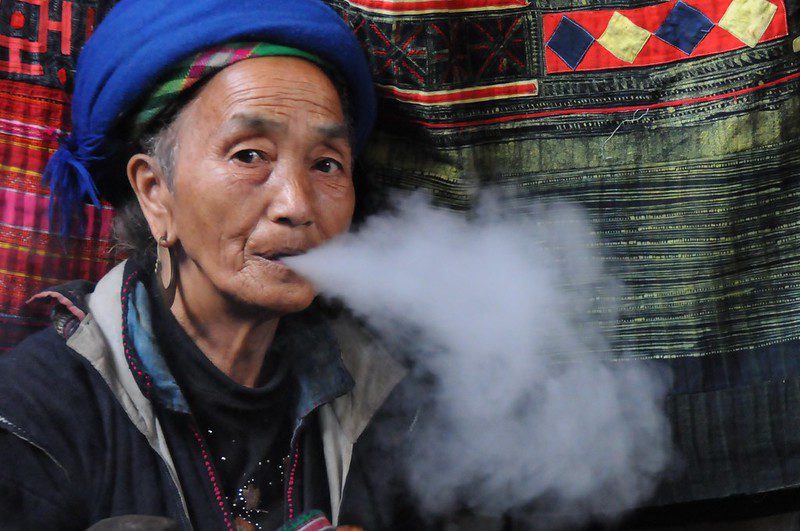
Photo: Flickr

April 29, 2024
https://borgenproject.org/wp-content/uploads/borgen-project-logo.svg 0 0 Lynsey 2 https://borgenproject.org/wp-content/uploads/borgen-project-logo.svg Lynsey 22024-04-29 01:30:402024-06-11 00:12:465 Facts About Mental Wellness in Bulgaria
Disease, Global Poverty, Health

4 Aspects of Global Poverty That Lead to Cholera Outbreaks

Cholera OutbreaksCholera is an acute diarrhoeal disease causing severe diarrhea and dehydration and it can be fatal if left unchecked. With the onset of 2024, the persistence of cholera has become evident. In January alone, across 17 countries in four regions – Africa, the Eastern Mediterranean, the Americas and South-East Asia – 40,900 cases and 775 deaths were reported. Here are five aspects of global poverty that contribute to cholera outbreaks:

Lack of Access to Sanitation and Clean Water

While there have been efforts to address inadequate sanitation through Water, Sanitation and Hygiene (WASH) interventions in the past, there are still challenges. On a positive note, previous studies have indicated that initiatives like extensive media outreach, engagement of community health workers and the provision of essential items such as water purification tablets, soap and oral rehydration solutions have demonstrated efficacy in encouraging behavioral shifts aimed at preventing cholera.

However, the effectiveness of WASH interventions varies across different regions and contexts, especially regarding recontamination. Despite efforts to disinfect water storage containers, a significant percentage of containers are becoming recontaminated at the household level. The distribution of household disinfection kits as an alternative presents the potential to diminish social stigma and empower households to uphold hygiene practices. Yet, additional evaluation is required to confirm their efficacy. Additionally, more research is needed to evaluate the effectiveness of WASH interventions during cholera outbreaks and inform international policy and practice.

Unplanned Urbanization

Unplanned or unmanaged urbanization often refers to the rapid and unplanned growth of urban areas without adequate planning, infrastructure and governance. In the context of public health, the consequences of unplanned urbanization are profound, particularly concerning the spread and impact of infectious diseases like cholera.

It is important to note that cholera outbreaks primarily impact impoverished communities characterized by low socioeconomic status. Particularly vulnerable are individuals living in densely populated regions with restricted access to safe water and sanitation facilities – the overcrowding in these regions is exacerbated by unplanned urbanization.

Therefore, the lack of urban planning often results in disparities in access to health care services, exacerbating the burden of disease on already marginalized populations. Reducing unplanned mass urbanization would require a multifaceted approach that addresses both the underlying drivers of urbanization – including weak governance, unaffordable housing and a lack of investment in infrastructure – and the consequences of rapid and disorderly urban growth.

Food Insecurity

Currently, a negative correlation exists between national food security levels and annual incidences of cholera. In a cross-sectional survey investigating the relationship between food insecurity and cholera in rural Haitian households, it was found that moderate and severe household hunger were significantly associated with a history of cholera. Certain high-risk behaviors were identified as potential mediators of the association between food insecurity and cholera.

These behaviors include the consumption of food and beverages prepared outside the home, the use of antacids and the consumption of leftover non-reheated food items. Household food insecurity was positively associated with these high-risk behaviors, indicating a potential pathway through which food insecurity may increase the risk of cholera transmission.

Interventions targeting food insecurity may help reduce the prevalence of high-risk behaviors and subsequently lower the incidence of cholera in vulnerable populations. Future longitudinal and qualitative research can be done to investigate the relationship between food insecurity, high-risk behaviors and cholera risk further. By addressing and understanding underlying socioeconomic determinants such as food insecurity, public health initiatives can disrupt the transmission dynamics of cholera outbreaks and alleviate the burden of this preventable disease in resource-constrained settings.

Vaccine Shortages

More recently, there was a significant scarcity of Oral Cholera Vaccines (OCV) globally from January 2023 to January 2024, impacting the ongoing cholera response efforts. Within this timeframe, 14 countries urgently requested 76 million doses of OCV, yet only 38 million doses were accessible. The depletion of the OCV stockpile was exacerbated by Shantha Biotechnics’s exit from the market in 2023. 

This left the stockpile solely reliant on EuBiologics, a South Korean company, which faced challenges in meeting the unpredictable demand and low pricing associated with vaccine production. However, EuBiologics aimed to produce 35 million doses of the current vaccine and potentially 15 million more if the World Health Organization (WHO) prequalifies its new vaccine.

Despite the temporary shortage, there are prospects for increasing vaccine production in the coming years, with other manufacturers expected to enter the market. However, achieving the Global Task Force on Cholera Control’s target of reducing cases by 90% by 2030 requires sustained efforts, including long-term preventive vaccination programs and the previously mentioned improvements in WASH infrastructure.

Overall, the devastating impact of cholera outbreaks underscores the urgent need for collective action to address the underlying vulnerabilities and ensure access to essential health care services for affected populations.

– Avery Fuller
Photo: Flickr

April 27, 2024
https://borgenproject.org/wp-content/uploads/borgen-project-logo.svg 0 0 Lynsey 2 https://borgenproject.org/wp-content/uploads/borgen-project-logo.svg Lynsey 22024-04-27 07:30:392024-04-27 02:30:304 Aspects of Global Poverty That Lead to Cholera Outbreaks
Global Poverty, Health, WHO

Public Health Action for the Western Pacific Region by WHO

Western Pacific RegionThe Western Pacific Region is struggling to provide people in that Region with access to public healthcare. Rural areas in Cambodia, the Philippines and Vietnam are more adversely affected than urban areas. About two out of every five people do not have access to services such as immunization, pregnancy, childcare and disease treatment. By 2048, an expected 21 million people in the Western Pacific are expected to die each year from noncommunicable diseases.

However, the World Health Organization (WHO) is working to bring adequate health services, human resources and financial protection to these impoverished communities. WHO is currently endorsing a publication for Universal Health Coverage (UHC). It includes a framework for action and aims to transform public systems as a whole and support people in maintaining health for life.

Public Health Care Struggles

Within many countries in the Western Pacific, some can access health care yet face high out-of-pocket expenses that cause financial hardship. This can become a catalyst for dipping below the poverty line. As much as 10% of the population’s income is used for health care purposes, which can then force choices between health care or adequate food and shelter.

In 1940, only 40% of the Region lived until age 60; this number is expected to reach 94% by 2048 after the implementation of the WHO initiative. About 90 million people within the Region do not utilize a primary drinking water facility. Furthermore, about 400 million have no access to sanitation services that safely manage human waste. Diarrhea is often then contracted and contributes to malnutrition and antimicrobial resistance, which creates an overall unhealthy population over time.

Viral hepatitis is a significant threat in the Western Pacific, claiming around 1500 lives every day in the Region. Other environmental stresses pose challenges to the health, safety and physical well-being of rural populations. The increasingly polluted air and water supplies are contributing to a rise in cancer, diabetes and heart disease.

Vulnerable Populations in the Western Pacific Region

The most vulnerable populations in the Region include those living in rural and peri-urban areas. These areas struggle with accessing and paying for health care. Additionally, there are high disease burdens, poor health outcomes and limited access to affordable and nutritious food. More than 300 million people in the Western Pacific Region cannot afford a healthy diet, contributing heavily to malnutrition.

Cambodians struggle with unsafe drinking water and a lack of sanitation facilities. The overall population health is negatively affected by poverty, lack of essential commodities and adverse social conditions. Similar to other countries, populations face high out-of-pocket payments that threaten impoverishment. In recent years in the Philippines, the top causes of death have been heart diseases, neoplasms and cerebrovascular diseases.

The country is also struggling with a lack of hospital beds and adequate medical equipment in rural areas more than in urban areas. Rural areas often contain non-licensed doctors and ill-equipped facilities, while larger cities such as Manila have better medical resources. This creates a more significant disparity between minority groups.

Similarly, the public health care system in Vietnam is underfunded, with insufficient resources allocated to health care infrastructure, equipment and staff training. This occurs in the majority public sector of the public health care system. High out-of-pocket payments account for large percentages of health expenditures in the country. This significantly burdens low-income families, resulting in delayed or inadequate care.

WHO’s Initiative

WHO understands that the right to health does not just include services. Other factors include safe, clean water, air, nutritious food, adequate housing, quality education, decent working conditions and freedom from discrimination. Therefore, its UHC initiative will contain action frameworks and health financing for social well-being and sustainable development for public health systems.

This initiative could create a strengthened public health system in Cambodia. It could reduce infant, child and mother mortality, as well as provide more adequate sanitation facilities. In the Philippines, having a collaborative public health system between the government and the public could provide a safe, effective, quality health system to those who need it, with a minimal waste of resources.

In Vietnam, removing disparities in the quality of care between urban and rural settings and public and private sectors would create a healthier population overall.

– Chloe Landry

Chloe is based in Providence, RI, USA and focuses on Global Health for The Borgen Project.
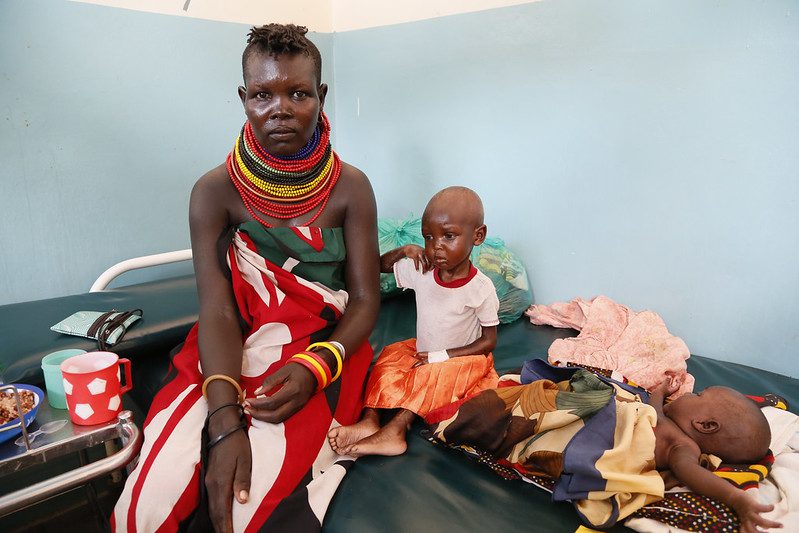
Photo: Flickr

April 26, 2024
https://borgenproject.org/wp-content/uploads/borgen-project-logo.svg 0 0 Lynsey 2 https://borgenproject.org/wp-content/uploads/borgen-project-logo.svg Lynsey 22024-04-26 01:30:032024-04-25 12:16:33Public Health Action for the Western Pacific Region by WHO
Child Poverty, Education, Global Poverty, Health

Parent Education Improving Childcare in Rwanda

Childcare in RwandaChildren are among the most vulnerable, often suffering from life-threatening conditions as a result of a severe lack of economic and social resources. Consequences include malnourishment and limited learning opportunities, all related to poverty. Research has shown a link between children’s poverty and their childhood health as well as later health outcomes as adults.

Health Impact and Stunting

According to the United Nations Children’s Fund (UNICEF), approximately 38% of Rwandan children are stunted, meaning their cognitive, motor and language abilities are severely impaired. This is a direct result of a child’s early development in life, which plays a crucial role in determining long-term educational outcomes. Children who come from low-income households are three times as likely than those in wealthier households to experience stunting. This significant disproportion showcases poverty as playing an important role.

Home Environment and Childhood Development

The home environment and parents are significant in shaping early childhood development. According to UNICEF, only one in five parents in Rwanda engages in early childhood learning activities in the home. Children are also limited in their opportunities to attend preschool or engage in other educational learning opportunities. Malnourished children are at a higher risk of becoming stunted, limiting their learning ability in the future.

Government Action

To assist parents, UNICEF and the Rwandan government worked together to implement initiatives to improve childcare. In 2019, in collaboration with the Ministry of Gender and Family Promotion, The National Parenting Curriculum was commissioned, aiming to enhance parent education and familial support.

The National Parenting Curriculum also outlines initiatives to reduce stunting and malnutrition among Rwandan children. It emphasizes the need for childhood development to begin long before school starts. The document also stresses the role of parents in helping to support children further.

Parental education can help keep children engaged and improve their quality of life to keep them sustained and out of poverty.

On-The-Ground Solutions

Extensive strategies from the Rwandan government and advocacy organizations are helping to mitigate the dangerous impact of poverty on childcare in Rwanda. One such initiative fighting on the ground is the Children of Rwanda.

Children of Rwanda is a nonprofit supporting children unable to attend school in Western Rwanda. The organization works directly with local schools to provide bursaries to children struggling with education costs. In addition, families also receive health insurance. The foundation has empowered more than 250 children to return to their local schools.

Looking Ahead

According to a policy research paper published by the World Bank examining global trends in poverty among children in international poverty lines, the extreme child poverty rate was reduced from 20.7% to approximately 16% between 2013 and 2022. This underscores the importance of government collaboration with humanitarian aid organizations in improving early childhood development and eradicating child poverty.

Recognizing the need for reform and support can help increase awareness of the dangerous effects of poverty on the well-being of children. We can prevent poverty and it all starts with supporting the children of the future.

– Dominic Samaniego

Dominic is based in Fullerton, CA, USA and focuses on Good News and Technology and Solutions, Global Health for The Borgen Project.
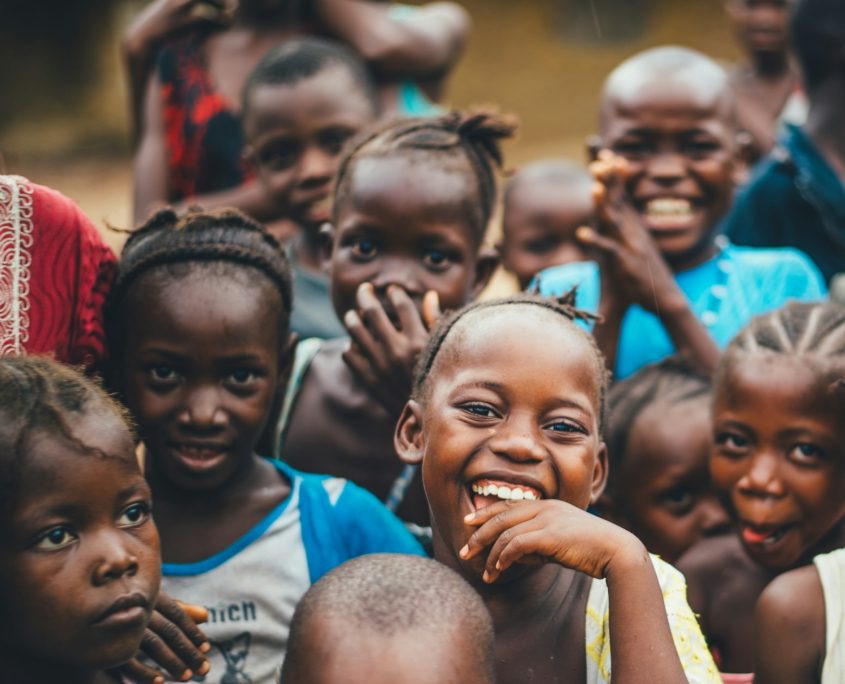
Photo: Flickr

April 25, 2024
https://borgenproject.org/wp-content/uploads/borgen-project-logo.svg 0 0 Lynsey 2 https://borgenproject.org/wp-content/uploads/borgen-project-logo.svg Lynsey 22024-04-25 07:30:452026-04-16 09:59:56Parent Education Improving Childcare in Rwanda
Global Poverty, Health, Mental Health

Mental Health in Angola

Mental Health in AngolaAngola is a small country situated on the western-central coast of Southern Africa. Generous petroleum and mineral reserves support its fast-growing economy. Collectively, Angola shares a crucial concern for mental health with all 54 countries in Africa. However, the treatment of mental health in Angola has been neglected.

Angola’s Health Care Challenges

Limited funding, inadequate mental health care policies, shortages of health care personnel and deficient training of health care workers are some of the health care challenges in Angola. In terms of health care facilities, there are approximately 3,000 people per facility, indicating a strain on accessibility. Moreover, with only 1.01 beds available per 1,000 patients, there’s a concerning shortage of hospital beds.

The physician-to-patient ratio stands at 0.3 per 1,000 patients, equivalent to around 14,000 physicians, which falls below the World Health Organization’s recommended level. Similarly, the nurse-to-patient ratio is 1.1 per 1,000 patients, suggesting further strain on health care resources. These statistics highlight the urgent need to address funding limitations, reform mental health care policies and invest in health care personnel and training to ensure adequate health care provision for the population.

Further, Angola’s 2023 budget allocated 23% of all government expenditures to the social sector, with health care receiving approximately 7%. However, it falls short of supporting the health care needs of 34.5 million people. For the health development plan to be effective, current statistics and comprehensive data could be utilized to upgrade existing priorities. Comprehensive data would include current population growth, distribution of population, infrastructure needs, financial models and human resources that would upgrade priorities.

Programs Tackling Mental Health in Angola

  1. African Center for Disease Control (CDC): In March 2024, the CDC launched a new Mental Health Leadership Program (AMHLP) to address mental health challenges in several African countries, including Angola. Wellcome, whose mission is to “support discovery research into life, health and well-being,” funded the program. The program aims to “mobilize decision-makers to support countries in reforming services and advising on public health measures to promote and protect mental health and well-being.”
  2. Education: Doctor Alisha Moreland-Capuia is a leading trauma-informed care expert. Her nonprofit, The Capuia Foundation, is constructing the Institute for Trauma-Informed Systems Change in Angola. Counseling and educating the people of Angola about mental health will help them develop a realistic understanding of mental illnesses.
  3. Kassai: Kassai is an eLearning platform funded by the United States Agency for International Development (USAID) and the President’s Malaria Initiative (PMI). This program trains health care workers in malaria, family planning and maternal and child health. By the end of 2022, the Kassai platform had 6,600 unique users and 31,000 course enrollments.

Mental health illnesses are a present-day concern in Angola. However, several programs are being initiated by both the Angola government and nonprofits to address mental health challenges in Angola.

– Pamela Fenton
Photo: Unsplash

April 15, 2024
https://borgenproject.org/wp-content/uploads/borgen-project-logo.svg 0 0 Lynsey 2 https://borgenproject.org/wp-content/uploads/borgen-project-logo.svg Lynsey 22024-04-15 07:30:522024-04-15 01:32:03Mental Health in Angola
Developing Countries, Global Poverty, Health

Project HOPE: Primary Care Amid Haiti’s Health Care Crisis

Project HOPEAs the largest island in the western Atlantic, Haiti lies at the core of the Caribbean hurricane belt. Its treeless landscape amplifies its susceptibility to natural disasters, making it particularly prone to cyclones, floods, droughts and landslides. With a population of roughly 11.4 million, these environmental hazards pose significant risks to more than 96% of the island’s residents. Project HOPE radiates a beacon of hope across oceans with its unwavering commitment to tackling some of the globe’s most pressing public health challenges.

Haiti: A Brief History of Health Care Challenges

Since the ’80s, Project HOPE has been dedicated to aiding the people of Haiti, encompassing initiatives in maternal and child health alongside emergency interventions. Through its swift mobilization of emergency relief efforts and sustained commitment, Project HOPE has played a pivotal role in facilitating the recovery of Haiti’s health care system for enduring resilience.

The organization remains unwavering in its dedication to fortifying Haiti’s fragile health care infrastructure amid the island’s tumultuous history and prevailing struggles. As a steadfast ally, Project HOPE extends a lifeline of aid to a nation teetering on the brink of a humanitarian crisis.

Natural Disasters

The catastrophic 2010 earthquake, which claimed the lives of more than 300,000 people and obliterated 60% of the health care facilities, continues to cast a long shadow over the Caribbean island. In 2016, Hurricane Matthew compounded the damages by decimating thousands of homes and vast swathes of the region’s farmland.

Cholera Outbreaks

Frequent floods and vulnerability to earthquakes have exacerbated cholera outbreaks on the island. The disease thrives in conditions of poor water quality, inadequate waste disposal and declining hygiene standards. According to Relief Web,  more than 820,000 cholera cases were reported in Haiti between October 2010 and February 2019.

In 2022, another cholera outbreak prompted Project HOPE to take action. Its efforts included supplying clinics with essential water, sanitation, and hygiene (WASH) materials, distributing hygiene kits, and training community health workers. Additionally, in January 2023, the organization initiated a multi-sectoral program funded by the United States Agency for International Development (USAID) in response to the epidemic.

Since August 2021: Project Hope’s Impact

In recent years, the nonprofit organization has adapted its strategies to address the evolving needs of the community amid the rise of gang warfare. Haiti’s health care crisis extends far beyond its disaster-prone geography, deeply rooted in a tumultuous history of political turmoil and the pervasive presence of gangs. Recent reports indicate that approximately 80% of the capital city, Port-au-Prince, is now under gang control. This multifaceted crisis has resulted in hospitals being set ablaze, medical personnel facing targeted violence, widespread roadblocks disrupting health care access, soaring malnutrition rates and alarming increases in maternal and elderly mortality.

In May 2023, Project HOPE undertook a thorough assessment of Haiti’s Grand Sud region, uncovering significant findings. More than half of the participants reported journeys of an hour to access health care facilities, with limited financial resources identified as the main hindrance. Additionally, nearly half of the surveyed women lacked access to health service facilities for childbirth. It grappled with recurrent shortages of vital medications and deficiencies in staff training. Moreover, health facilities encountered challenges in reaching areas afflicted by high malnutrition rates due to the lack of mobile medical units.

Mobile Health Care Units: A Beacon of Hope

Project HOPE’s mobile medical units (MMUs) have emerged as indispensable assets, especially in areas controlled by gangs where access to traditional health facilities is hindered, exacerbating poverty and further impeding access to essential services. These MMUs have become lifelines for communities grappling with such challenges.

Transportation routes crippled by roadblocks have made it difficult for Haitians to reach health care centers and for facilities to acquire necessary medical supplies, fuels and pharmaceuticals. A surge in internal displacement, particularly from the capital toward the southern regions, has intensified the demand for assistance.

Amid understaffed, underfunded and underresourced health facilities, mobile clinics have played a crucial role in providing essential services to vulnerable and rural communities. These include protective services and hygiene promotion activities. Additionally, Project HOPE’s MMU offers medical consultations, prescriptions and care for mental health patients and victims of gender-based violence.

From October to December 2023, Project HOPE’s MMU operated almost daily, treating more than 45,000 patients in the Sud, Nippes and Grand’Anse departments. With sustained support from USAID, two mobile clinics will be held weekly in the Nippes department, ensuring access to vital health care services for the community.

– Irene Suvillaga
Photo: Flickr

April 13, 2024
https://borgenproject.org/wp-content/uploads/borgen-project-logo.svg 0 0 Lynsey 2 https://borgenproject.org/wp-content/uploads/borgen-project-logo.svg Lynsey 22024-04-13 01:30:002024-05-30 22:32:55Project HOPE: Primary Care Amid Haiti’s Health Care Crisis
Global Poverty, Health, Mental Health

Addressing Mental Health in Lesotho

Mental Health in LesothoThe Kingdom of Lesotho is located in South Africa and has a population of two million. Right now, the country is facing its own unique set of struggles and issues. Concentrated areas are often poverty-stricken due to limited employment opportunities, lack of access to necessities and services, as well as high vulnerability to environmental and economic crises. About 24% of citizens in Lesotho live in extreme poverty, while around 580,000 citizens suffer from food insecurity. Additionally, Lesotho has one of the highest HIV prevalence rates in the world at 22.7% as of 2023, as well as a high rate of tuberculosis, which is greatly affecting the health of the country’s already limited health care workers.

These problems compromise the state of mental health in Lesotho. In fact, the latest report shows that the country had one of the highest rates of suicide in the world for that year, with 87.5 suicide-related deaths for every 100,000 deaths. These numbers are alarming and justify claims that state that there is a mental health crisis in Lesotho. The existence of such a severe mental health crisis serves as a testament to the challenges and stressors endured by the Basotho people.

Despite the acknowledgment of such a crisis, many Basotho will not seek help, whereas many others cannot afford to do so. Lesira Rampa, a Lesotho native, wrote, “Unfortunately, there are numerous challenges in accessing mental health treatment in Lesotho, as evident from the alarming suicide statistics. Despite facing stigma, we encounter several problems, including a shortage of mental health care services and limited financial resources to afford expensive treatments.” In light of these obstacles that prevent Lesotho citizens from accessing mental health services, many organizations such as Help Lesotho, Dolen Cymru and Sentebale are working within the country to assist those in need.

Increasing the Number of Mental Health Care Providers

Lesotho has been suffering from what experts call a “brain drain,” which is the emigration of trained professionals from their country of origin to other countries in order to find jobs. This brain drain has made it difficult for Lesotho to retain a stable number of health care workers, causing a great amount of strain on the physicians and nurses who choose to stay. This shortage has detrimentally impacted the quality and quantity of mental health services available to those suffering from mental illnesses.

Paul Myres, Vice-President of the nonprofit organization Dolen Cymru, told The Borgen Project in an interview that, currently, there are no psychiatrists in Lesotho. In order to remedy this issue, Dolen Cymru administers mental health training, which was developed by the World Health Organization (WHO), to upskill general health care providers within the country. Myres describes the training program as a WHO-designed, multi-professional training program that Dolen Cymru was tasked with implementing. It involved just five days of instruction and relied heavily on algorithms, with a structured approach of asking questions to gather patient information and proceeding accordingly based on the responses.

More than 100 health practitioners received this training, which has aided in improving the understanding of mental health among general Lesotho nurses and doctors. Myres says that the philosophy of Dolen Cymru is to capacitate rather than to provide direct care. Such a unique and innovative philosophy can prove effective in empowering citizens to seek out more information on mental health concerns while preserving their dignity.

One-On-One and Group Counseling

There are a generous number of organizations working in Lesotho to provide help during this mental health crisis, each with its unique approach. Help Lesotho is an organization that focuses on providing one-on-one and group counseling to those in need. Help Lesotho offers a range of non-intensive and long-term intensive self-help and life-skills programs. Its variety of programs is designed to benefit parents, children and communities. These programs address mental health concerns stemming from issues such as poverty, grief and loss, HIV/AIDs and much more.

In 2023, Help Lesotho’s long-term intensive programs had more than 2,000 participants and the organization had one-on-one psychosocial support conversations with more than 960 people. Those who received assistance and guidance from Help Lesotho noticed an increase in confidence, a new-found sense of belonging and a desire to inspire others.

Stigmas: Obstacles To Providing Mental Health Support

Although several organizations are addressing the need for mental health services in Lesotho, certain obstacles can stand in the way of their efforts. It is especially difficult to reverse the effects of the social stigmas surrounding mental health in Lesotho. Meyers mentioned in his interview with The Borgen Project that mental health issues are often seen as a punishment in Lesotho, either for the individual or even their parent’s behavior.

Ms. Mota, a psychiatric nurse at Mohlomi Hospital, has spoken out about these stigmas, stating that “Because of misconceptions and stigma surrounding mental health issues, people sometimes suffer in silence and do not seek treatment for their conditions.”

Thankfully, training and programs such as the ones offered by Dolen Cymru can help reduce the influence of such stigmas. Meyers says that when trainers ask doctors to come up with a list of words describing their initial response to mental health, fear is always at the top of the list. “The good news,” he says, “is that by the end of the week, we ask the same question and that’s all gone.”

Conclusion

Lesotho, just like any country, has its own unique set of stressors and difficulties. Fortunately, organizations such as Dolen Cymru and Help Lesotho are going to great lengths to provide Lesotho with the assistance it needs. However, there is definitely still work to be done.

– Kimber Peters
Photo: Pexels

April 10, 2024
https://borgenproject.org/wp-content/uploads/borgen-project-logo.svg 0 0 Lynsey 2 https://borgenproject.org/wp-content/uploads/borgen-project-logo.svg Lynsey 22024-04-10 07:30:102024-04-09 14:14:02Addressing Mental Health in Lesotho
Africa, Global Poverty, Health

How Investments Are Improving Kenya’s Health Care System

Kenya’s Health Care SystemKenya, located in East Africa, is known for its stunning landscapes and wildlife preserves. Since 2010, the nation has witnessed significant enhancements in its health care system. This has resulted in improved services and quality of life. The constitution, established in 2010, guarantees every individual the right to access the highest attainable standards of health care. Presently, Kenya’s health care system holds the second position in Africa, with South Africa leading in first place.

Despite this achievement, Kenya’s health care system is still facing obstacles to meeting its goal of having Universal Health Coverage (UHC) by 2030. The World Health Organization (WHO) defines UHC as being able to provide people with access to quality and essential health services (treatment, prevention, rehabilitation etc.) without subjecting the user to financial hardship. Currently, investments play a crucial role in helping accomplish this goal.

U.S. Trade and Development Agency

The U.S. Trade and Development Agency (USTDA) study grant to the Kenya Hospital Association (KHA) will expand and improve Kenya’s health care infrastructure. The project will increase access to more than 96,000 patients annually. It will support the building of five medical centers with advanced equipment. Furthermore, it will expand cancer treatment services at the Nairobi Hospital and digitize its health care services and operations.

World Bank Vaccine Facility

The World Bank announced in February 2024 that it will be financing Kenya’s first vaccine production facility. The facility is expected to be built and operational in 2029 and will be able to meet Kenya’s growing vaccine demand. The population of Kenya is increasing steadily by approximately 2% a year. Currently, the vaccine demand is 16 million people. However, it is expected to reach upwards of 25 million people in the coming years.

This investment will help decrease the mortality rate from preventable diseases through immunizations. Finally, with this new facility, Kenya will be able to catch up with South Africa in producing vaccines and successfully avoid vaccine shortages by producing locally.

$215 million Resilient Health Systems Project

Kenyan citizens, refugees, the counties of Garissa and Turkana (host communities) and women and children who are considered low-income will be able to receive an improved quality of health care. This project will play a crucial role in furthering UHC and care. It will increase the capacity of people that they can care for, addressing geographical challenges, financing and worker shortages.

The financial management of Kenya’s Medical Supplies Authority (KEMSA), which provides health products and technology, will be improved by enhancing accountability and transparency. The lack of health care delivery and services will be addressed for about 1.8 million people in host communities. Additionally, this will aid 590,000 refugees living in Garissa and Turkana. It will support the transition and operation of the Social Health Authority (SHA). In collaboration with UHC, it will provide “efficient, affordable and non-discriminatory health care services to all Kenyans.”

Final Remark

With investments like these, Kenya’s health care system is set to make a transformative step toward achieving its dream of UHC. Increasing access to quality health care for rural, low-income individuals, refugees, mothers and children will help improve socioeconomic inequalities in Kenya. These investments help ensure that Kenya is able to maintain a leadership role in health care. They guarantee access to health care as a fundamental right, as defined in its constitution.

– Gabrielle Schwartz
Photo: Flickr

April 8, 2024
https://borgenproject.org/wp-content/uploads/borgen-project-logo.svg 0 0 Lynsey 2 https://borgenproject.org/wp-content/uploads/borgen-project-logo.svg Lynsey 22024-04-08 01:30:022024-04-07 14:17:45How Investments Are Improving Kenya’s Health Care System
Disease, Global Poverty, Health

Tuberculosis in Kenya

Kenya Battles TuberculosisKenya continues to battle against major communicable diseases, including tuberculosis (TB). With more than 120,000 affected patients each year, the African Institute for Development Policy (AFIDEP) documents the disproportionate rising cases among men from low and middle-income countries such as Kenya. ADIDEP cites how inequalities toward men seeking health, have exasperated due to factors such as poverty, poor environment, housing, food security, lack of education and financial hardship. 

The World Health Organisation (WHO) recognizes common symptoms of TB include prologued cough with blood, chest pain, weakness, fatigue, weight loss, fever and night sweats. In recognition of the 32% undiagnosed and untreated TB patients in Kenya reported in 2023, the Ministry of Health launched the 2023/24 – 2027/28 National Strategic Plan (NSP) for TB, Leprosy and Lung Health. This program aims to put an end to the devastating impact of TB on Kenya’s communities.

Diagnosis and Treatment

Doctors treat tuberculosis with antibiotics. In Kenya, the primary antibiotics improving TB patients’ health are isoniazid, rifampin, pyrazinamide, ethambutol and streptomycin. Patients must take these medications daily for four to six months. WHO advises anyone experiencing symptoms of TB to seek medical attention immediately.

Ministry of Health Support to End Tuberculosis

During its launch, Mary Muthoni, the Principal Secretary for Public Health and Professional Standards, emphasized the 2023/24-2027/28 National Strategic Plan’s commitment to a people-centered approach in addressing tuberculosis in Kenya. In her February 2024 speech to the National Assembly Committee on Delegated Legislation, Mary announced the start of a community-centered Universal Health Coverage (UHC) initiative, to deploy 100,000 Community Health Promoters. This initiative aims to enhance household screenings proactively and strengthen the government’s battle against TB. Furthermore, the program seeks to eliminate TB, leprosy and other lung complications by 2030.

Facilitating Gender Responsive Policies

The Division of National Tuberculosis, Leprosy, and Lung Disease Program (DNTLD-P) has collaborated with the LIGHT consortium since 2020 to enhance the Kenyan government’s efforts in addressing gender discrimination among TB patients. This partnership aims to fill gaps identified in Kenya’s previous NSP for 2019-2023, which lacked initiatives targeting gender-specific barriers to TB care and treatment.

The government has evaluated gender-equality approaches to ensure TB patients in Kenya receive fair treatment, regardless of gender. LIGHT, a global health research program, focuses on supporting TB treatment policies and practices in Kenya, Malawi, Nigeria and Uganda, with an emphasis on gender inclusivity. Its research demonstrates that improved access to TB care for men has decreased TB-related deaths, curbed transmission within communities and reduced the financial strain of TB treatment in Kenya. In response to LIGHT’s policy enhancement efforts, the NSP for 2023/24–2027/28 outlines specific initiatives aimed at assisting male TB patients in Kenya through the following targeted implementations:

  • Addressing socio-cultural barriers that prevent men, women and children from accessing healthcare
  • Creating awareness of TB and reducing stigma
  • Engaging strategically with a range of key stakeholders to ensure research is informed

 A Healthier Kenya

Initiatives like the NSP for TB and the LIGHT consortium’s efforts illuminate the path toward ending tuberculosis by fostering inclusivity and community support. These strategies are poised to transform health and tuberculosis care in Kenya and signal a promising future where access to treatment transcends gender barriers, enabling a united fight against this persistent disease.

– Kasia Flisiuk

Kasia is based in London, UK and focuses on Global Health for The Borgen Project.

Photo: Flickr

April 3, 2024
https://borgenproject.org/wp-content/uploads/borgen-project-logo.svg 0 0 Precious Sheidu https://borgenproject.org/wp-content/uploads/borgen-project-logo.svg Precious Sheidu2024-04-03 01:30:452024-04-01 05:45:32Tuberculosis in Kenya
Page 41 of 212«‹3940414243›»

Get Smarter

  • Global Poverty 101
  • Global Poverty… The Good News
  • Global Poverty & U.S. Jobs
  • Global Poverty and National Security
  • Innovative Solutions to Poverty
  • Global Poverty & Aid FAQ’s
Search Search

Take Action

  • Call Congress
  • Email Congress
  • Donate
  • 30 Ways to Help
  • Volunteer Ops
  • Internships
  • Courses & Certificates
  • The Podcast
Borgen Project

“The Borgen Project is an incredible nonprofit organization that is addressing poverty and hunger and working towards ending them.”

-The Huffington Post

Inside The Borgen Project

  • Contact
  • About
  • Financials
  • President
  • Board of Directors
  • Board of Advisors

International Links

  • UK Email Parliament
  • UK Donate
  • Canada Email Parliament

Get Smarter

  • Global Poverty 101
  • Global Poverty… The Good News
  • Global Poverty & U.S. Jobs
  • Global Poverty and National Security
  • Innovative Solutions to Poverty
  • Global Poverty & Aid FAQ’s

Ways to Help

  • Call Congress
  • Email Congress
  • Donate
  • 30 Ways to Help
  • Volunteer Ops
  • Internships
  • Courses & Certificates
  • The Podcast
Scroll to top Scroll to top Scroll to top