• Link to X
  • Link to Facebook
  • Link to Instagram
  • Link to TikTok
  • Link to Youtube
  • About
    • About Us
      • President
      • Board of Directors
      • Board of Advisors
      • Financials
      • Our Methodology
      • Success Tracker
      • Contact
  • Act Now
    • 30 Ways to Help
      • Email Congress
      • Call Congress
      • Volunteer
      • Courses & Certificates
      • Be a Donor
    • Internships
      • In-Office Internships
      • Remote Internships
    • Legislation
      • Politics 101
  • The Blog
  • The Podcast
  • Magazine
  • Donate
  • Click to open the search input field Click to open the search input field Search
  • Menu Menu

Archive for category: Health

Information and stories on health topics.

Developing Countries, Global Poverty, Health

Tobacco in Vietnam: A Cause and a Symptom of Poverty

Tobacco in VietnamVietnam is considered a developing country with a lower middle-income economy. Historically, the Vietnamese considered tobacco a means to materially signify “social status, convey respect and support social rituals.” Today, Vietnam is considered one of the highest tobacco-consuming nations in the world, with more than 40,000 premature Vietnamese deaths per year attributed to smoking.

Smoking as a Symptom of Poverty

Socioeconomic inequality can be inherently linked to levels of tobacco consumption. A 2012 study by the National Institute of Health found that poorer men in society were 2.5 more likely to smoke than the wealthier male population. The World Health Organization (WHO) Framework Convention on Tobacco Control found that more than “80% of the world’s smokers” reside in “low or middle-income countries.” This is supported by the fact that only 29.1% of Vietnam’s wealthier quintiles smoke daily, compared to 47.9% in the poorer sectors.

The damaging physical and mental impacts of cigarette use further support an argument for tobacco as an indicator of poverty. Nicotine addiction results in Vietnam’s most impoverished citizens consuming tobacco to “reduce the stress of social isolation, economic hardship, prior trauma and the loss of power and status.” Vietnam’s predominantly higher rates of tobacco consumption can be correlated directly with its status as a lower economically developed country.

Smoking as a Cause of Poverty

Cigarettes are not only an indicator of poverty in Vietnam but also a contributing cause of such. A 2018 study found that tobacco-related expenditure increased the number of Vietnamese people considered poor by 305,090 (0.31% of the country’s population). Expenditure on cigarettes exacerbates already stretched budgets in low-income households. A WHO study identified three characteristics of tobacco-related expenses that could amplify the troubles of necessitous households:

  • the reduction of disposable income due to tobacco-related purchases,
  • the loss of household income due to premature mortality and
  • higher expenditure on health care expenses due to the health implications of smoking.

The morbidity and mortality associated with cigarettes aggravates the financial struggles of tobacco-smoking households. Developing countries, like Vietnam, do not have the health care infrastructures in place to support the prevalence of tobacco-induced ailments. Vietnam’s “weak” social insurance system and “expensive” health care means there is a higher risk of smokers and their families falling below the poverty line.

National and International Tobacco Corporations

The tobacco industry employs various tactics to maximize profits, both nationally and internationally. In 2022, a state-owned company, Vietnam National Tobacco Corporation (Vinataba), had the largest share in the national Vietnamese cigarette market, at 58%. This contextualizes the finding that Vietnam has one of the lowest tobacco taxes in Southeast Asia, higher only than Laos, Cambodia and Myanmar.

In 2021, Vietnam imported more than $242 million worth of tobacco from companies such as Philip Morris International (PMI) and Japan Tobacco International (JTI). The multinational tobacco industry recognizes the female population of Vietnam as an untapped industry. As a result, these companies relentlessly target this societal sector through advertising campaigns that associate cigarettes with “fashion, glamor, independence and empowerment.”

However, female tobacco consumption in Vietnam is significantly lower than the male population, at an estimated 4.3% of women compared to a staggering 72.8% of men. While tobacco use is largely gendered, it is recorded that 48% of women are exposed to second-hand tobacco smoke at home and 25% suffer exposure at work. It is also documented that 19,000 Vietnamese citizens have died as a result of passive smoking, with 60% of these being women.

Steps Toward a Smoke-Free Future

The Vietnam National Tobacco Harm Prevention and Control Program aims to reduce tobacco use in Vietnam by raising public awareness of the social, financial, environmental and health consequences of cigarettes. It focuses primarily on younger age groups (between 15 and 24 years old). The program has numerous aims, including a reduction of passive smoking by 30% in the workplace, 75% in restaurants and 80% in cafes and bars between 2026 and 2030.

Through collaborations with international organizations and liaison with local agencies, this initiative has launched media campaigns and school initiatives that promote a smoke-free future for upcoming generations in Vietnam.

Final Remark

Smoking is an epidemic in Vietnam and can be correlated directly with poverty levels. However, the health dangers and economic implications of smoking are being recognized, a recognition that has seen measurable improvements in tobacco-related repercussions. From 2015 to 2022, Vietnam has reduced the number of smokers by 0.85, preventing 280,000 premature deaths and saving 1.277 trillion Vietnamese dongs ($54.4 million). Tackling tobacco abuse has the inherent impact of alleviating poverty in marginalized Vietnamese communities.

– Thea Carter

Thea is based in London, UK and focuses on Global Health for The Borgen Project.

Photo: Flickr

June 12, 2024
https://borgenproject.org/wp-content/uploads/borgen-project-logo.svg 0 0 Lynsey 2 https://borgenproject.org/wp-content/uploads/borgen-project-logo.svg Lynsey 22024-06-12 01:30:062024-06-27 09:59:44Tobacco in Vietnam: A Cause and a Symptom of Poverty
Global Poverty, Health, Technology

Portable Ultrasound Machines Are Changing Health Care in Kenya

Portable Ultrasound MachinesPortable ultrasound machines in Kenya are improving health care in Kenya, which has long proven to be a challenge for remote areas of the country. Low-income communities are hit especially hard as expecting women must commute to the mainland or more urban areas to receive treatment. This is not always possible for those who cannot afford these travel costs. Thus, many women only return to specialists to deliver their babies, risking health complications since they do not receive ultrasounds or check-ups throughout their pregnancy.

In emergencies, it is also not realistic for women in rural communities to travel several hours to care centers that have the equipment necessary to have them. As a result of the inaccessible costs of Kenya’s maternal health care system, only about 50% of deliveries in Kenya occur in actual medical facilities, which can prove dangerous for mothers and babies.

Portable Ultrasound Technology

Created by the medical equipment company Philips, the Lumify Probe is a portable ultrasound machine that has revolutionized health care in Kenya for pregnant women. Implementation programs begin with training for midwives on how to use the Lumify Probe. Health care centers in remote villages of Kenya then received one of the devices, increasing the reach and accessibility of ultrasound and obstetrics in Kenya.

The device itself has many important applications. Most importantly, it can give midwives and mothers information on the viability of the pregnancy, show the number of fetuses and show the position of the fetus. With this information, midwives can better advise their patients and spot potential complications like breech positions or multiple pregnancies earlier.

Incorporating Artificial Intelligence

With the rise in artificial intelligence (AI) in recent years, efforts have been made to use the new technology for ultrasounds. AI could help simplify the process of obtaining obstetric measures and provide information to midwives and mothers earlier in the pregnancy. A pilot program in Kenya has already shown promise and there is hope of expanding the initiative to more countries in Africa.

The Bill and Melinda Gates Foundation has funded these efforts for several years now, even increasing a grant for Philips to $60 million for its research into AI-powered ultrasound technology.

The Impact of Portable Ultrasound Machines

Portable ultrasound machines will increase access to obstetric care in Kenya and eventually other countries as programs to implement the devices expand. Midwives can travel to their patients’ homes and conduct community visits to reach even more people. Moreover, the new machines are more cost-effective for low-income families who can’t afford to travel to centers in larger cities or the mainland.

Whereas ultrasounds at specialist facilities may cost around Ksh 1,000 or 1,500, portable ones are only around Ksh 500 (this is $10 to $15 versus just $5). While the World Health Organization (WHO) advises that mothers receive “at least one obstetric screen, done before 24 weeks of gestation,” many mothers could not do so before these pilot programs for portable ultrasound machines.

However, since their introduction, more than 2,500 mothers have been screened in Kenya and the number is only increasing. Ultimately, portable ultrasound machines like the Philips Lumify Probe will save countless lives as mothers become more informed about the conditions of their pregnancies and maternal health care in Kenya improves.

– Hannah Hipólito

Hannah is based in Tampa, FL, USA and focuses on Good News and Politics for The Borgen Project.

Photo: Flickr

June 10, 2024
https://borgenproject.org/wp-content/uploads/borgen-project-logo.svg 0 0 Lynsey 2 https://borgenproject.org/wp-content/uploads/borgen-project-logo.svg Lynsey 22024-06-10 07:30:412024-06-09 09:25:58Portable Ultrasound Machines Are Changing Health Care in Kenya
Global Poverty, Health, Pollution

Improving Chad’s Air Quality

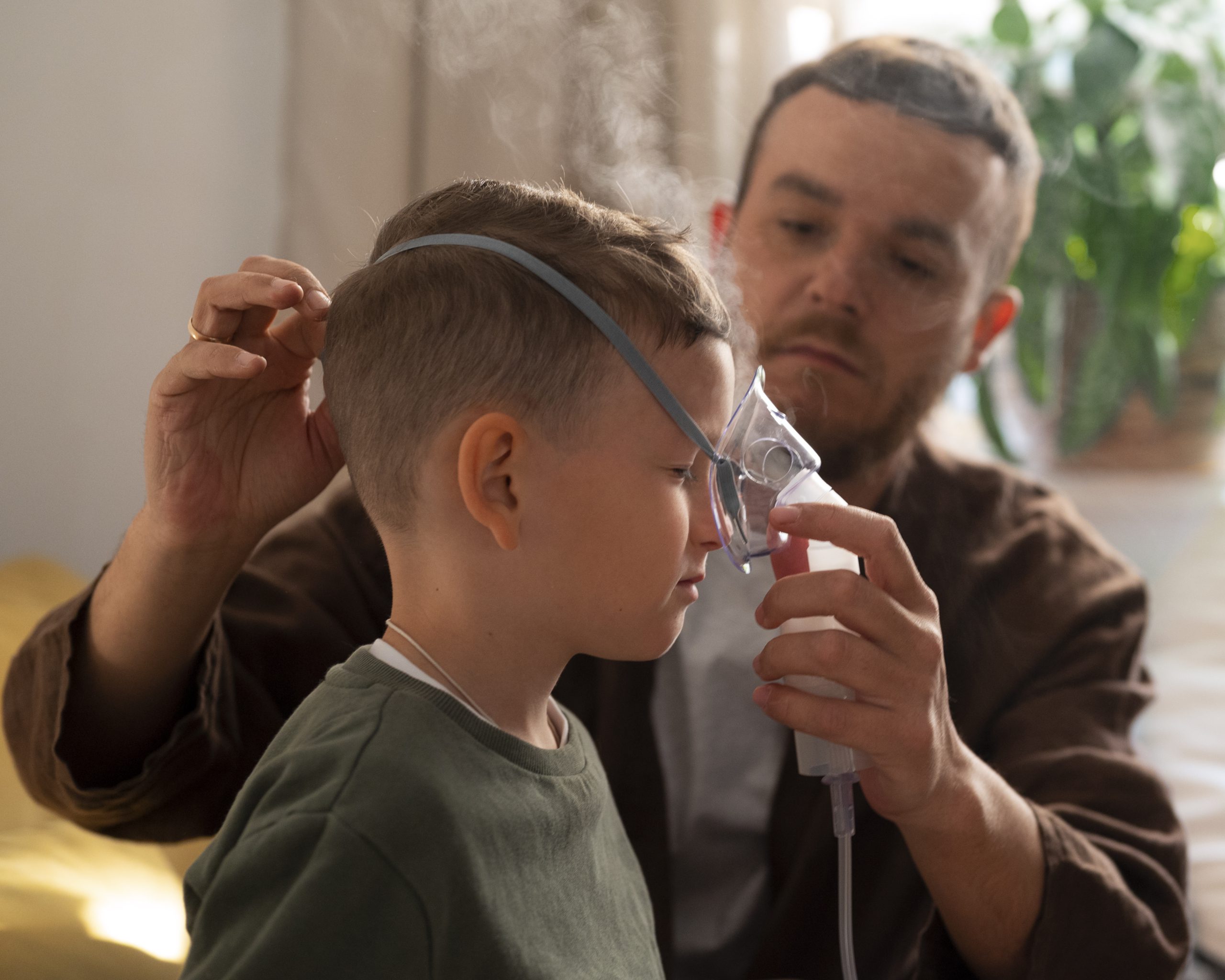
Chad's Air QualityThe Republic of Chad, an independent nation in Central Africa, is landlocked by Niger, Libya, Sudan, South Sudan, the Central African Republic, Cameroon and Nigeria. With a population of approximately 17.7 million, according to the World Bank, Chad suffers from some of the world’s worst air quality. Several factors contribute to the country’s poor air conditions, significantly impacting children with respiratory infections. Nevertheless, Chad is implementing measures to enhance its air quality and improve the lives of its citizens.

Factors Contributing to Air Pollution in Chad

Air pollution is when the air is contaminated by particles, gas and chemicals that are harmful when breathed in and cause respiratory illnesses. Chad is one of the worst in the world because according to the World Health Organization (WHO), it measured to be 17 times higher than the acceptable limit, making the country dangerous to breathe in. 

The factors contributing to Chad’s poor air pollution include indoor sources such as stoves but also uncontrolled waste burning, textile, oil, meatpacking industries and vehicle emissions.

The electricity in Chad is also generated from 90% fossil fuel, which is another cause of air pollution, as well as the Bodele Depression. Located south of the Sahara Desert in north-central Africa, it is one of the largest sources of airborne dust, which brings large dust clouds to the region.

Bad quality air affects everyone in Chad, but it is especially dangerous to those who live in urban cities such as N’Djamena, Chad’s capital. It affects those in poverty-stricken areas more often as they live closer to the factories and other pollution-causing sources and don’t have the means to protect themselves from the air. The most vulnerable groups affected by air pollution are the elderly, children and pregnant women.

Health Impacts of Poor Air Quality

Air pollution can not only lead to respiratory disease, but it can also cause strokes, lung cancer and heart disease. In the worst cases, it can even cause death. In 2017, an estimated 13,329 Chadians died with association from air pollution, with more than 7,000 of those deaths being young children with respiratory infections.

According to the State of Global Air, air pollution is the third-leading risk of death or disability in Chad as of 2017, trailing behind sanitation and malnutrition. Additionally, Chadians lose 2 years and 11 months in life expectancy at birth due to air pollution. 

Initiatives to Improve Air Quality

There are some initiatives in place to combat this rampant air pollution in Chad. According to a study by UNEP in 2015, it found that the government lacks policies in place to combat pollution. However, this is changing, as Chad is beginning to promote cleaner cooking fuel to reduce indoor air pollution and grid electrification.

The National Poverty Reduction Strategy is also working to make power generation more widespread and cost-efficient, reducing air pollution, as well as other methods of energy like solar and wind. With the United Nations’ support, it implemented waste management in refugee camps and communities such as Sila, Wadi Fira and Salamat, which granted 74% of households proper services. 

The Interactive Country Fiches also includes opportunities to implement new policies such as waste management to improve public health rather than burning it. Different factories and industries also require more regulation to better improve the health of all Chadians and beyond. 

Looking Ahead

Chad is on a promising path to significantly enhance air quality and public health through targeted environmental initiatives and cleaner energy solutions. By focusing on sustainable practices and improved regulatory frameworks, the nation aims to reduce the burden of air pollution on its most vulnerable citizens. Continued collaboration with international organizations and a commitment to innovative policies could be crucial for improving Chad’s air quality and securing a healthier future for all Chadians.

– Sabrina Betterly

Sabrina Betterly is based in Drums, PA, USA and focuses on Good News and Global Health for The Borgen Project.

Photo: Unsplash

June 9, 2024
https://borgenproject.org/wp-content/uploads/borgen-project-logo.svg 0 0 Precious Sheidu https://borgenproject.org/wp-content/uploads/borgen-project-logo.svg Precious Sheidu2024-06-09 01:30:002024-06-08 13:29:22Improving Chad’s Air Quality
Global Poverty, Health, Mental Health

MHPSS Program: Improving Mental Health in Turkmenistan 

Mental Health in Turkmenistan In a day and age where mental health is a buzzing topic, Turkmenistan is taking the steps necessary to change the mental health crisis in their country. The UNDP-DPPA program is making this change to furnish citizens and frontline employees to combat mental health crises for both women and youth. The mental health and psychosocial program aims to turn around the state of poverty and mental health in Turkmenistan. In 2007, BMC Medicine published an article about the dictatorship’s neglect of the health care crisis and the many ways it affected the common people. It found that government officials treated psychiatric patients with abuse, and officials demoed private homes for government regimens and took a personal part in much more of the corruption that is leading to the deterioration of poverty and mental health in Turkmenistan.

The Solution

The UNDP-DPPA Joint Mental Health and Psychosocial Support Programme is working to combat the poor management and decline of mental health in Turkmenistan. This is being done with the creation of the Mental Health and Psychosocial Support Program for youth and women. The program focuses on equipping locals with the skillset and knowledge to perform preventative measures and provide psychosocial support to their peers. They have formed this program for mental health on four critical rules: the right to safety, the right to confidentiality, the right to self-determination and the right to be free of discrimination. This program should help women survivors of violence in addressing their mental health.

The Start-up

The UNDP-DPPA Joint Mental Health and Psychosocial Support Programme is continuing working to combat the mental health crisis in Turkmenistan through its creation. With the program focused on equipping locals with the skillset and knowledge to perform preventative measures and provide psychosocial support to their peers they are pushing an acknowledgment of the mental health state in low/middle income countries.

The UNDP-DPPAS four pillars have allowed citizens of Turkmenistan to safely access health care, nutrition and shelter under the pillars for the rights to safety and confidentiality. MHPSS Program is safely combatting gender-based violence alongside UNFPA guidelines which has gained traction in at least three countries and already started to lead Turkmenistan to soon drop in the percentile of mental health numbers. The equipping of proper training on mental health intervention and prevention is a huge step for the protection against the violence and discrimination that is a leading cause for a mental health crisis for the women and youth in the country. 

Changing the Status Quo

Highlighting their progress the program excelled and gained movement back in June 2023, when more than 200 frontline workers like police, academia employees, social services and more joined in on the training program. By equipping these frontline workers who are the first contact point for those suffering mental health crises the UNDP-DPPA are promoting a great deal of change for Turkmenistan’s women and youth. But, the program goes beyond this offering online training in three different languages for free. Hopefully, the program will lead to better medical and mental care for Turkmens. Turkmen, following the UNDP-DPPA program, are now receiving public sector loans from ADB that will strengthen their access to all things.

– Yeliz Turkdil

Yeliz is based in Norman, OK, USA and focuses on Good News and Global Health for The Borgen Project.

Photo: Flickr

June 7, 2024
https://borgenproject.org/wp-content/uploads/borgen-project-logo.svg 0 0 Jennifer Philipp https://borgenproject.org/wp-content/uploads/borgen-project-logo.svg Jennifer Philipp2024-06-07 01:30:042024-06-06 09:31:06MHPSS Program: Improving Mental Health in Turkmenistan 
Aid, Global Poverty, Health

What Medical Aid in Impoverished Countries Should Provide

Medical AidCountries with limited access to resources can benefit tremendously from foreign medical aid. Learn what essentials this aid should provide here.

Health care professionals around the world grapple with a variety of challenges when delivering care in underprivileged areas, from resource scarcity to cultural barriers. This article explores what medical aid in impoverished countries should provide to be the most effective, ensuring that every intervention is not just a momentary relief but a step toward long-term health improvement.

Why Medical Care Assistance Matters

It is an unfortunate truth that poverty limits access to health care. As a result, people living in impoverished countries receive little or no quality health care to meet their needs if they do not have financial resources themselves.

That is where international aid comes into the picture. The essence of medical care assistance in impoverished nations is not just about treating illnesses but also about building a foundation for sustainable health care development. It is about giving communities the tools to nurture their health, education and independence.

Ultimately, effective medical aid should act as a catalyst for social and economic development. Below are the factors that contribute to this goal.

Knowledgeable, Flexible, Empathetic Staff

One of the cornerstones of impactful medical aid is the presence of staff who are well-versed in their medical expertise and adaptable to the unique challenges they face. These individuals must possess an innate sense of empathy, allowing them to connect with and understand the people they help. Their ability to adjust their methodologies in unfamiliar or resource-constrained environments is key to their success and the success of their missions.

High-Quality, Versatile Equipment

The effectiveness of medical interventions heavily relies on the availability of high-quality and versatile equipment. In settings where resources are limited, the ability to perform a wide range of treatments with a minimal set of tools can be the difference between life and death. To assist in this area, custom surgical instrument kits can improve efficiency and save money, helping medical aid groups provide excellent care with excellent tools.

Access to Backup

In the face of emergencies or unexpected challenges, having access to backup—whether it be additional supplies, personnel, or expertise—is crucial. This safety net ensures that medical teams can continue to provide care without interruption, safeguarding against the unpredictable nature of health care provision in underdeveloped regions.

Cultural Sensitivity

Lastly, understanding and respecting the cultural contexts in which health care is provided is imperative. Medical aid should seek to heal physical ailments in a manner that is culturally sensitive and respectful. Recognizing local customs, beliefs and norms is vital in creating a trusting relationship between healthcare providers and the communities they serve.

What medical aid in impoverished countries should provide extends beyond mere immediate care. It encapsulates a holistic approach to health that includes knowledgeable and empathetic staff, high-quality versatile equipment, reliable backup resources, and the utmost cultural sensitivity. By adhering to these principles, health care professionals can make a profound and lasting impact on the well-being of underprivileged communities worldwide.

– Kelly Schoessling
Photo: Flickr

June 6, 2024
https://borgenproject.org/wp-content/uploads/borgen-project-logo.svg 0 0 Jennifer Philipp https://borgenproject.org/wp-content/uploads/borgen-project-logo.svg Jennifer Philipp2024-06-06 06:57:072024-06-06 07:15:19What Medical Aid in Impoverished Countries Should Provide
Global Poverty, Health, Technology

Poverty and Mobile Health Technologies in Djibouti

Poverty and Mobile Health Technologies in Djibouti The World Health Organization (WHO) introduced the concept of mobile health (mHealth) to enhance health care systems delivery globally. mHealth utilizes information and communication technology to provide health care services. In Djibouti, where vast arid landscapes and limited clinical facilities pose significant challenges, mHealth spearheads transformative health care solutions. The country, struggling with infectious diseases and inadequate health care infrastructure, increasingly relies on mobile apps, telemedicine platforms and SMS-based interventions. By harnessing the potential of mHealth, Djibouti is making significant strides in improving health care delivery and advancing toward universal health care coverage.

Enhancing Access to Health Care Services

Many barriers to health access persist in Djibouti, exacerbated by poverty and geographical disparities. The World Bank reports that about 58% of Djibouti’s population lives below the poverty line, struggling to afford basic medical care. Mobile health technologies, however, are providing a vital bridge. Telemedicine platforms such as BaboCare and TelmedDjib enable remote consultations with health providers, effectively connecting patients with medical professionals, especially in rural areas where health care facilities are scarce. These platforms have reported a success rate of more than 70% in consultations conducted via telemedicine.

Empowering through Health Education

Health education is crucial for empowering individuals to make informed decisions about their health. Traditional methods of disseminating health information face significant challenges in Djibouti, where illiteracy rates are about 50%, according to the 2022 UNICEF report. Mobile health technologies offer a scalable and accessible solution to these challenges. Apps like AfyaDjib and Sehaty provide targeted health messages and educational content on topics from maternal and child health to infectious disease prevention. These apps have garnered widespread attention and have reportedly increased health literacy among users by 80%.

Disease Prevention Strategies

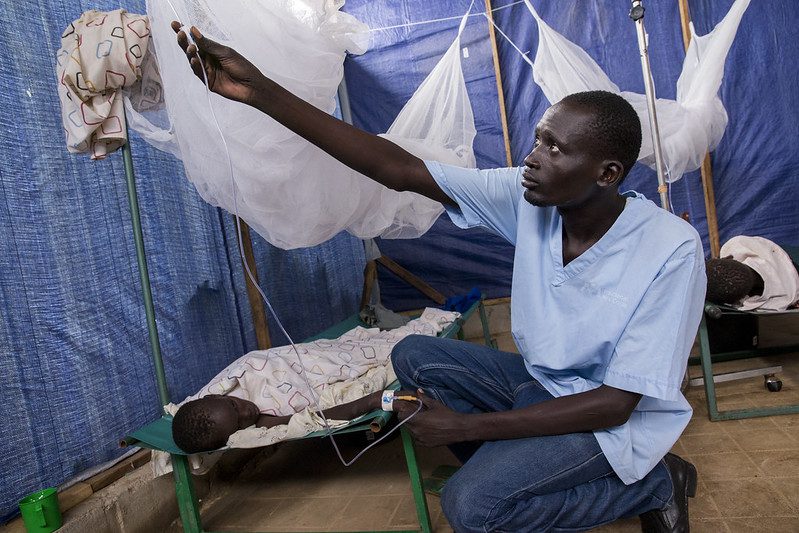
Disease prevention emerges as a crucial solution to reduce the burden of illness, especially in resource-limited settings like Djibouti. This country, grappling with a high prevalence of communicable diseases such as malaria and tuberculosis, struggles partly due to inadequate health care infrastructure. An effective and cost-efficient prevention strategy in Djibouti includes SMS-based interventions. For instance, the United to Beat Malaria campaign disseminates information on preventive measures like using bed nets and indoor residual spraying. According to the organization, this program has protected more than 40 million people from malaria in 61 countries and raised more than $75 million to combat the disease.

Challenges and Future Directions

While mobile health technologies hold great promise, challenges persist in their broad use and sustainability. These services often remain inaccessible to marginalized populations, particularly due to poor internet connectivity in rural areas. Ensuring that mHealth interventions respect cultural norms and include linguistic diversity is equally important. Therefore, future collaborations among government entities, nonprofit organizations and private sector stakeholders are crucial. These partnerships could address these challenges and fully realize the potential of mHealth technologies to improve health care delivery in Djibouti.

Looking Ahead

Djibouti’s commitment to expanding mobile health technologies promises to further revolutionize its health care landscape. As partnerships between governmental bodies, NGOs and private sectors strengthen, these collaborative efforts are set to enhance the accessibility and effectiveness of health services across the nation. With continuous innovation and strategic implementation, mHealth has the potential to significantly reduce health disparities and lead Djibouti toward achieving sustainable universal health care coverage.

– Honorine Lanka Perera

Honorine is based in Highland, NY, USA and focuses on Technology and Global Health for The Borgen Project.

Photo: Flickr

May 28, 2024
https://borgenproject.org/wp-content/uploads/borgen-project-logo.svg 0 0 Precious Sheidu https://borgenproject.org/wp-content/uploads/borgen-project-logo.svg Precious Sheidu2024-05-28 07:30:462024-05-30 01:18:47Poverty and Mobile Health Technologies in Djibouti
Global Poverty, Health, Nonprofit Organizations and NGOs

5 Organizations Advancing Health Care in Madagascar

Health Care in MadagascarHealth care in Madagascar faces significant challenges due to a high poverty rate of more than 75%. The primary concerns are infectious diseases, malnutrition and the environment. Madagascar is currently in a malaria epidemic, particularly in rural coastal areas that experience flooding, which leads to an increase in the mosquito population.

Furthermore, approximately 1.31 million people in Madagascar face high levels of food insecurity and 40% of children face chronic malnutrition. This is often because of natural disasters such as droughts, hurricanes and floods, which negatively impact agriculture growth, increase food prices and loss of jobs, as 80% of the population’s primary source of income is agriculture. Despite these challenges, here are five organizations that are helping advance health care in Madagascar.

The Improved Nutritional Outcomes Project

This organization, established by the United Nations Children’s Fund (UNICEF), provides free health care to mothers and children in Ambositra, a rural area of Madagascar where the nearest health center is often two kilometers away or farther. It has hired 11,000 community health workers to provide care at community sites.

A community worker is a volunteer who promotes health in a village and monitors the health of pregnant, postpartum or breastfeeding mothers. They also track the health of children aged less than 5 by weighing, measuring and diagnosing malnutrition. Community workers also treat children diagnosed with malnutrition and mild diseases; however, in severe and more complicated cases, they transfer children to the nearest health center. The volunteers also promote nutrition education in the communities.

WHO Mobile Health Clinics

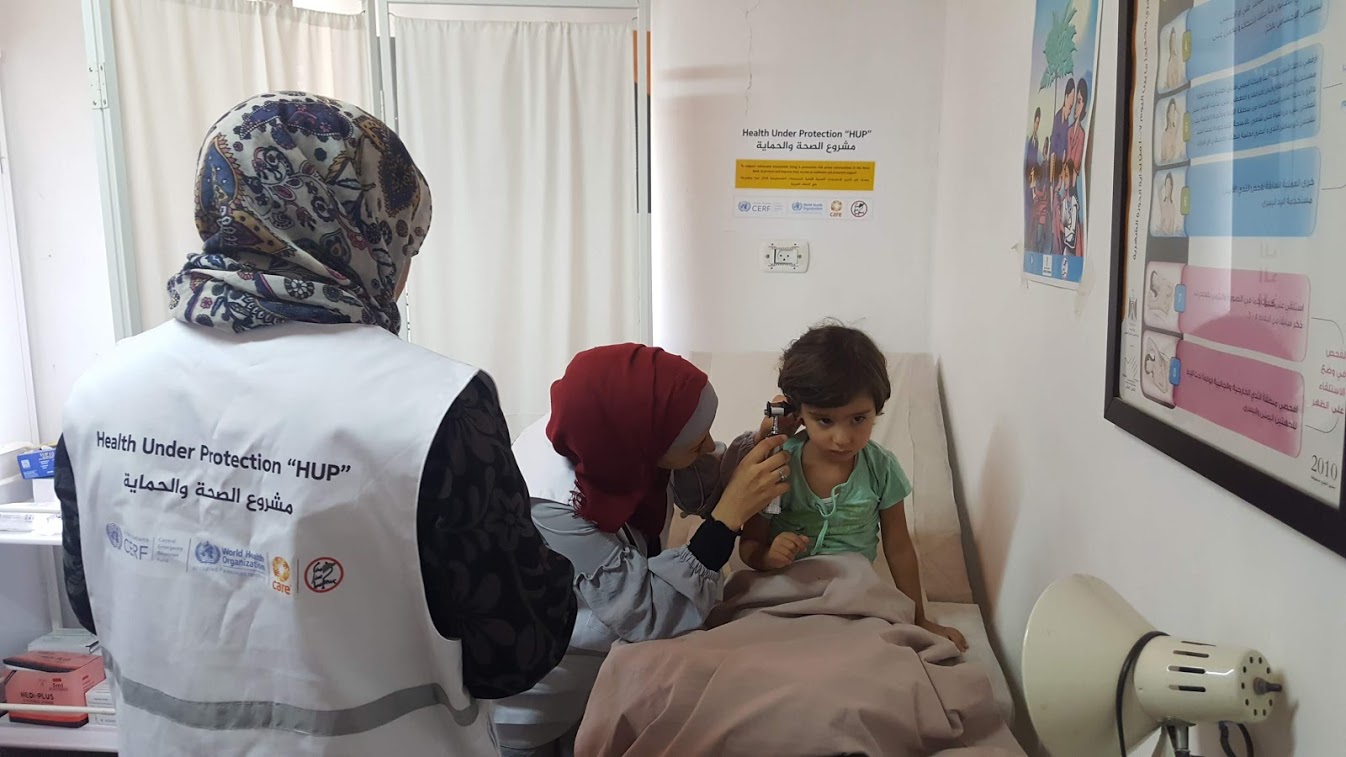
The World Health Organization (WHO) uses mobile clinics and epidemiologists to help provide free health care to remote areas. The mobile health clinics provide health services such as vaccinations, medications (for diarrheal diseases, malaria, cholera and more) and health kits. After the devastation of the 2022 hurricane season in Madagascar, the global charity built a storage warehouse for medication to help prevent a repeat of the disaster. It is helping strengthen the country’s preparedness in case of emergencies while simultaneously improving the primary health care structure of Madagascar.

PIVOT

PIVOT is a nongovernmental organization (NGO) that has partnered with Madagascar’s Ministry of Public Health to help improve the health care system in the Ifanadiana district. This charity aims to eventually scale up and provide universal health care to Madagascar and other countries. It works by collecting and analyzing data, identifying gaps in health care and implementing a science-based solution. It employs social workers, doctors, nurses, midwives and other health staff.

PIVOT started in the Ifanadiana district, home to more than 200,000 people and incredibly isolated by mountainous terrain. The nonprofit chose this location because of the more than doubled maternal and less than 5 mortality rates compared with the national estimate. The organization uses a data-driven strategy to create a resilient health care system that can address the community’s immediate needs while also building its long-term goal of gaining trust within a community that once viewed hospitals as where people went to die.

Since its start in 2014, it has brought universal health coverage to 95,000 people in seven communities. It continues to advocate for free universal health care, decent wages for health workers and science-focused solutions in Madagascar.

ACF or Action Against Hunger

This organization was started in 1979 as an international nongovernmental organization used to fight hunger. Currently, it is in Madagascar in response to the severe droughts and cyclones in the Southeast regions and the worsening nutritional and food situation in the Grand Sud. With the help of its partners, Action Contre la Faim (ACF) is implementing an emergency intervention and development strategy. This will include medical and malnutrition support, such as creating mobile health teams to address acute malnutrition, childhood illnesses, gender-based violence and psychosocial support.

The nonprofit will also rebuild the water supply and provide drinking water with tanker trucks. Next, it will provide 80,000 people with emergency food aid through cash transfers. Finally, agricultural recovery will be supported for next season’s harvest and a crisis exit strategy will be implemented to help anticipate crises like hurricanes and floods. At the same time, ACF is also doing multiple developmental programs to help support the health system, reducing chronic malnutrition in children aged less than 5 and enhancing food security in Madagascar. An example is the CONFLUENCES 2 Project, which supports the health system in the Atsimo-Andrefana region of Grand Sud.

CARE International

CARE International first arrived in Madagascar in 1992 to reduce poverty. One of its key programs focuses on the right to health. This program aims to enable 50 million people to exercise their right to health and dignity by 2030. It emphasizes building equitable and resilient health care systems that can resist and respond to shocks and crises.

CARE International takes an equity and rights-based approach to advancing health systems by collaborating with community groups, leaders and health authorities. It emphasizes supporting marginalized groups, increasing access to quality health care in Madagascar and being prepared to respond to public health emergencies.

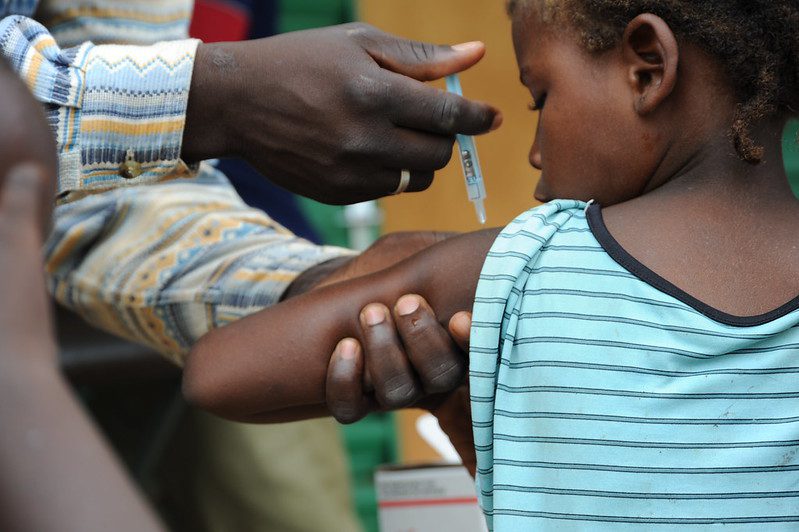
CARE International also promotes vaccinations with its Fast and Fair Vaccine campaign. It has successfully vaccinated 126 million people while informing 263 million people about accurate vaccination information.

Conclusion

Madagascar’s health care system still faces significant challenges in achieving affordable and effective medical services, yet the efforts of these five organizations could one day enable health care in Madagascar to provide accessible and high-quality medical care to all its citizens.

– Gabrielle Schwartz

Gabrielle is based in Pembroke Pines, FL, USA and focuses on Global Health for The Borgen Project.

Photo: Flickr

May 23, 2024
https://borgenproject.org/wp-content/uploads/borgen-project-logo.svg 0 0 Lynsey 2 https://borgenproject.org/wp-content/uploads/borgen-project-logo.svg Lynsey 22024-05-23 07:30:032024-05-23 01:17:445 Organizations Advancing Health Care in Madagascar
Global Poverty, Health, HIV/AIDS

Niger’s HIV/AIDS Prevention Strategies and Government Initiatives

Niger's HIV/AIDSNiger is a landlocked country in West Africa that boasts a youthful demographic, with 58% of its population aged less than 18. Compared to many other sub-Saharan African countries, Niger has made notable strides in addressing its disease burden indicators. Presently, Niger’s HIV/AIDS prevalence rate stands below 1%, with 0.2% among adults aged 15 to 49.

According to reports by Global Fund, the rise in new cases has significantly fallen by three-quarters since 2002. This progress can be attributed to the collaborative efforts of the government and international nongovernmental organizations (NGOs), which have played pivotal roles in advancing Niger’s fight against HIV/AIDS over the years.

Efforts by Niger Government

In 2011, the Niger government committed to preventing mother-to-child transmission (PMTCT) of HIV, with the aim to eliminate HIV infections in infant children by 2015. This commitment is evident in the increased funding allocated to expand Niger’s PMTCT services, which rose from 2.6% of its total budget in 2010 to 15.9% in 2011. Similarly, Niger expanded its PMTCT pilot sites from seven in 2003 to 651 in 2012. Currently, HIV/AIDS infection among exposed infants is nearly non-existent, with 26,000 children born to HIV-positive mothers remaining uninfected and the current HIV prevalence rate among infants is 5%.

Additionally, condom social marketing was introduced in Niger in 2003 as part of the government’s efforts to combat HIV/AIDS. Targeted distribution of condoms has been a key strategy, with mobile vendors and kiosks providing access to condoms even along major transportation routes. The provision of free condoms has led to positive changes in sexual behavior. Between 2006 and 2011, there was a significant increase in the percentage of young men engaging in protected casual sex, rising from 38% to 66%.

Furthermore, in Niger, the health care sector offers HIV counseling and testing (HCT) as an integrated part of health services, available at blood transfusion centers and PMTCT sites. In 2008, the country had 172 HCT sites. However, by 2012, only 7-8% of females and 3% of males had undergone HIV testing. The higher percentage among women is attributed to PMTCT-related HCT services. The same year, the government allocated specific resources for provider-initiated counseling and testing (PICT). This initiative aimed to target individuals who were already in contact with the health sector and those at risk of HIV infection due to factors like multiple sex partners, unprotected sex or a history of sexually transmitted infections (STIs).

Efforts by External Support

The Global Fund plays a critical role as a significant grant provider for Niger’s HIV/AIDS initiatives. Out of the total active grants amounting to €153.50 million (about $165 million) from 2021 to 2024, about 10% is directly allocated for HIV interventions in the country. Despite the relatively low prevalence of HIV/AIDS in Niger, specific key populations, such as prisoners, sex workers and homosexual individuals, remain disproportionately affected. Testing rates also continue to be low, with approximately 25% of adults and 50% of children unaware of their HIV status.

Between 2007 and 2012, the Global Fund grants accounted for 28% of the country’s spending on HIV/AIDS interventions. The Global Fund grants aim to achieve ambitious targets such as reducing new HIV infections and mortality rates, enhancing living conditions for people living with HIV and strengthening both the demand for and supply of quality health care and services for the entire population.

The United Nations Children’s Fund (UNICEF) also supported the Niger government in its fight against HIV and AIDS in 2018. UNICEF worked on a plan to increase HIV testing, treatment and PMTCT. By the end of the year, 96% of health facilities were providing PMTCT services. However, only 10% of babies born to HIV-positive moms were tested for HIV within two months of birth. This was because of limited medical equipment to carry out the tests.

To address this issue, UNICEF intervened by promoting the use of GeneXpert Point of Care machines already present in 12 laboratories nationwide. UNICEF also provided training and materials to 24 laboratory technicians, which enabled all regions of Niger to test HIV-exposed babies. UNICEF’s support to the government has led to 342,820 out of 417,393 women attending their first antenatal consultation to receive counseling and testing for HIV.

– Teniola Yusuf

Teniola is based in Norwich, UK and focuses on Global Health for The Borgen Project.

Photo: Flickr

May 18, 2024
https://borgenproject.org/wp-content/uploads/borgen-project-logo.svg 0 0 Lynsey 2 https://borgenproject.org/wp-content/uploads/borgen-project-logo.svg Lynsey 22024-05-18 01:30:422024-05-18 02:07:12Niger’s HIV/AIDS Prevention Strategies and Government Initiatives
Global Poverty, Health, NGOs, Women's Empowerment

Doctors Without Borders’ Impact on Women’s Health in the DRC

Women’s Health in the DRCIn the vast and diverse landscapes of the Democratic Republic of Congo (DRC), women’s health has long been a pressing concern. The DRC presents a formidable challenge with a history of conflict, limited health care access and staggering maternal mortality rates. This narrative explores the profound impact of Doctors Without Borders on women’s health in the DRC, a story encompassing life-saving interventions and women’s empowerment woven intricately into the fabric of this remarkable journey.

Maternal Health and Sexual Violence

The Democratic Republic of Congo (DRC) grapples with a profound and interconnected women’s health crisis, characterized by two critical dimensions: maternal health challenges and the scourge of rampant sexual violence. This crisis paints a harrowing picture, with the DRC consistently ranking among the countries with the highest maternal mortality rates globally. The startling figure of 547 maternal deaths per 100,000 births, as classified by the World Health Organization, underscores the severity of this issue, marking it as “very high” on the global scale.

Factors contributing to this dire situation include a shortage of skilled health care providers, limited access to quality maternal care in remote regions and the enduring consequences of armed conflict that have ravaged the nation’s health care infrastructure. These barriers encompass health care infrastructure, socio-economic hurdles and weak health governance, making it a multifaceted challenge.

Unfortunately, many women continue to depend on traditional birth attendants, resulting in critical delays when complications arise. These delays often lead to devastating outcomes such as stillbirths and obstetric fistulas, inflicting severe health consequences on mothers and infants. Moreover, the lack of timely access to cesarean sections remains a significant challenge, further underscoring the urgency of improving maternal health care services in the region. 

In tandem with maternal health issues, sexual violence has cast a long shadow over the DRC, leaving countless women physically and psychologically scarred. Shockingly, one in two women in the DRC reports having experienced physical or sexual abuse at least once. 

Rape, disturbingly, has been weaponized as a tool of war, with dire consequences resonating throughout communities, perpetuating cycles of trauma and stigma. Indeed, multiple warring factions, including the Congolese Army and various rebel groups, have employed rape as a deliberate warfare strategy, amplifying the urgency of this complex and interconnected women’s health crisis. 

Doctors Without Borders’ Approach to Women’s Health

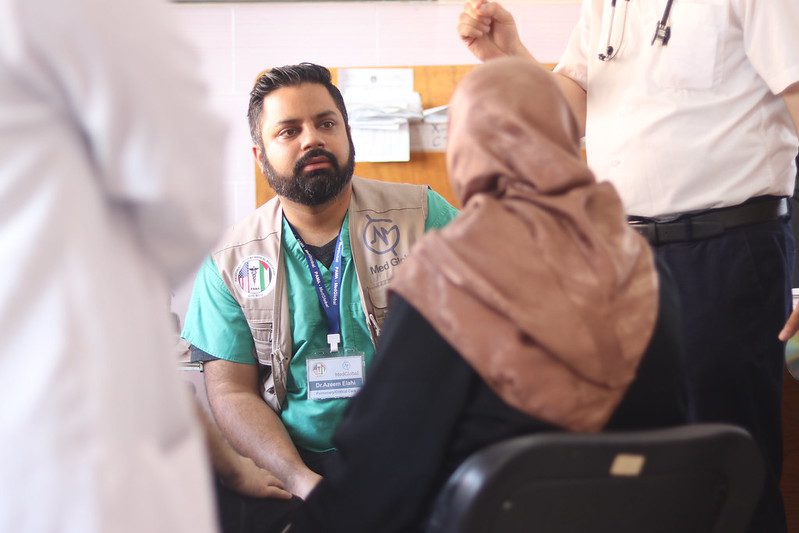
In the face of the escalating conflict in 2022, Doctors Without Borders (Médecins Sans Frontières or MSF) exhibited unwavering commitment to women’s health in the DRC. Operating in challenging environments, MSF embarked on a multifaceted approach to address women’s pressing health care needs. 

In the conflict-affected regions of Rutshuru, Binza, Kibirizi and Bambo, MSF provided crucial support to local health facilities. Their interventions spanned a wide spectrum of medical activities, including providing intensive care, surgical procedures, therapeutic nutrition and specialized treatment for survivors of sexual violence. The organization’s presence and dedication were instrumental in ensuring that women in these regions had access to life-saving medical care despite the challenging circumstances. 

Moreover, MSF’s commitment extends beyond immediate medical needs. They focused on the comprehensive well-being of women, including their sexual and reproductive health. This focus encompassed vital services such as HIV and tuberculosis treatment, sexual and reproductive health care, safe abortion care and mental health services. By providing a holistic range of services, MSF aims to address existing health issues and empower women to make informed decisions about their bodies and well-being.

In Salamabila, MSF introduced innovative programs such as “husband schools” and awareness sessions on sexual violence. These initiatives aimed to tackle the root causes of gender-based violence and promote gender equality. By engaging with both women and men in the community, MSF sought to challenge traditional norms and behaviors contributing to sexual violence and discrimination.

The Organization’s Impact

Doctors Without Borders has made an indelible impact on women’s health in the Democratic Republic of Congo (DRC), exemplifying their commitment to saving lives and empowering women. In their tireless efforts, MSF treated a staggering 10,000 patients for sexual violence, a testament to their unwavering dedication to addressing this critical issue. 

Since the resurgence of conflict in 2022, MSF’s teams have remained steadfast in their mission. Between April 17 and 30, 2023, they provided critical care to 314 victims of sexual violence in Bulengo, Lushagala, Kanyaruchinya, Eloime and Munigi camps — areas that have faced a shortage of humanitarian assistance. This timely intervention offered much-needed medical and psychological support to survivors and underscored MSF’s commitment to reaching the most vulnerable, even in the most challenging environments. 

With a dedicated team of over 2,670 full-time staff, Doctors Without Borders’s impact on women’s health in the DRC has been monumental. Their holistic approach, spanning medical care, trauma support, community engagement and awareness initiatives, has saved lives and nurtured empowerment and resilience among women. MSF’s unwavering dedication and adaptability in the face of evolving health care challenges continue to be indispensable in pursuing a brighter and healthier future for Congolese women. Their work is a source of inspiration, illuminating the path toward improved women’s health and gender equality in the DRC. 

Moving Forward

However, comprehensively addressing the crisis goes beyond infrastructure development. Political change and reform are vital components of a sustainable solution. In certain African nations, like Mauritania and Kenya, governments have taken bold steps by prohibiting home births to reduce serious complications due to home deliveries in remote areas, a doctor working for the organization explained in the interview. Such policies aim to ensure safer deliveries and reduce maternal mortality, highlighting the potential impact of political initiatives in addressing the challenges faced by women in health care access.

Doctors Without Border’s work exemplifies the path to a brighter and healthier future for Congolese women. This collective effort, driven by compassion, dedication and a commitment to justice, is essential for progress in the challenging health care landscape of the DRC.

– Hannah Klifa
Photo: Flickr

May 15, 2024
https://borgenproject.org/wp-content/uploads/borgen-project-logo.svg 0 0 Kim Thelwell https://borgenproject.org/wp-content/uploads/borgen-project-logo.svg Kim Thelwell2024-05-15 22:17:152024-05-15 22:17:15Doctors Without Borders’ Impact on Women’s Health in the DRC
Global Health, Global Poverty, Health

Traditional Health Systems Combatting Poverty

ntegrating Traditional Health Systems: Innovative Pathways to Combating PovertyDifferent conventional systems exist worldwide, from herbal and Indigenous traditional medicine to acupuncture and naturopathy. Traditional Health Systems (THS) are defined by the World Health Organization (WHO) as the “sum total of the knowledge, skill and practices based on the theories, beliefs and experiences indigenous to different cultures, whether explicable or not, used in the maintenance of health as well as in the prevention, diagnosis, improvement or treatment of physical and mental illness.”

Despite their global prevalence and influence on Western medicine, THS has constantly been ignored and uncredited by government-recognized health systems in the era of globalization. However, with escalating health care costs, chronic pain and illness and lack of opportunity for thorough examinations and one-to-one medical attention, interest in traditional health systems and their integration into primary health care has had a resurgence as an innovative path towards poverty reduction and increased affordable public health.

Health Promotion and Poverty Reduction 

There is no question that poverty and ill health are mutually reinforcing forces. Two kinds of poverty exist: Expense-induced poverty and income-induced poverty. The former is caused by sudden events such as diseases or medical emergencies. Moreover, “catastrophic health expenditure” refers to health care costs exceeding a certain percentage of a household’s income. Therefore, the risk of ailment involves much uncertainty, which can negatively impact capital.

Roughly half of the population in developing countries lacks adequate access to public health services. Despite this shortfall, many nations have rich traditions of indigenous medicine deeply intertwined with their history and culture. In regions where conventional health care is scarce, local traditional medicine often serves as a primary form of health care, highlighting its enduring cultural and social significance in addressing community health needs. THS, therefore, brings a ray of hope filled with indigenous knowledge and traditional ways of life to rural populations and low-income peoples across the globe.

Bringing Traditional Health Systems Back to the Forefront

While the Modern Western medicine (MWM) approach is rooted in pure scientific inquiry and evidence, focusing on treating the symptoms of a disease, THS tends to have a more holistic, integrative understanding of the body. It encapsulates knowledge, practices and beliefs acquired over generations to prevent, diagnose and treat physical and mental illness.

Fortunately, with traditional health medicines prevalent in most countries, the WHO has acknowledged their importance and groundbreaking potential contribution to enhancing modern health practices and systems. According to WHO’s Traditional Medicine Strategy Report (2014-2023), the integration of THS can help pave the way to achieve groundbreaking health coverage. They aid and overcome existing barriers faced by the accessibility of health care services -whether this is geographical, cultural, or organizational- and its lack of “patient-centredness.”

– Irene Suvillaga

Irene is based in Ontario, Canada and focuses on Technology and Solutions and Global Health for The Borgen Project

Photo: Flickr

May 11, 2024
https://borgenproject.org/wp-content/uploads/borgen-project-logo.svg 0 0 Lynsey 2 https://borgenproject.org/wp-content/uploads/borgen-project-logo.svg Lynsey 22024-05-11 07:30:072024-05-11 02:27:54Traditional Health Systems Combatting Poverty
Page 40 of 212«‹3839404142›»

Get Smarter

  • Global Poverty 101
  • Global Poverty… The Good News
  • Global Poverty & U.S. Jobs
  • Global Poverty and National Security
  • Innovative Solutions to Poverty
  • Global Poverty & Aid FAQ’s
Search Search

Take Action

  • Call Congress
  • Email Congress
  • Donate
  • 30 Ways to Help
  • Volunteer Ops
  • Internships
  • Courses & Certificates
  • The Podcast
Borgen Project

“The Borgen Project is an incredible nonprofit organization that is addressing poverty and hunger and working towards ending them.”

-The Huffington Post

Inside The Borgen Project

  • Contact
  • About
  • Financials
  • President
  • Board of Directors
  • Board of Advisors

International Links

  • UK Email Parliament
  • UK Donate
  • Canada Email Parliament

Get Smarter

  • Global Poverty 101
  • Global Poverty… The Good News
  • Global Poverty & U.S. Jobs
  • Global Poverty and National Security
  • Innovative Solutions to Poverty
  • Global Poverty & Aid FAQ’s

Ways to Help

  • Call Congress
  • Email Congress
  • Donate
  • 30 Ways to Help
  • Volunteer Ops
  • Internships
  • Courses & Certificates
  • The Podcast
Scroll to top Scroll to top Scroll to top