• Link to X
  • Link to Facebook
  • Link to Instagram
  • Link to TikTok
  • Link to Youtube
  • About
    • About Us
      • President
      • Board of Directors
      • Board of Advisors
      • Financials
      • Our Methodology
      • Success Tracker
      • Contact
  • Act Now
    • 30 Ways to Help
      • Email Congress
      • Call Congress
      • Volunteer
      • Courses & Certificates
      • Be a Donor
    • Internships
      • In-Office Internships
      • Remote Internships
    • Legislation
      • Politics 101
  • The Blog
  • The Podcast
  • Magazine
  • Donate
  • Click to open the search input field Click to open the search input field Search
  • Menu Menu

Archive for category: Health

Information and stories on health topics.

Global Poverty, Health, Technology

Uyghur Health Care Disparities in Xinjiang

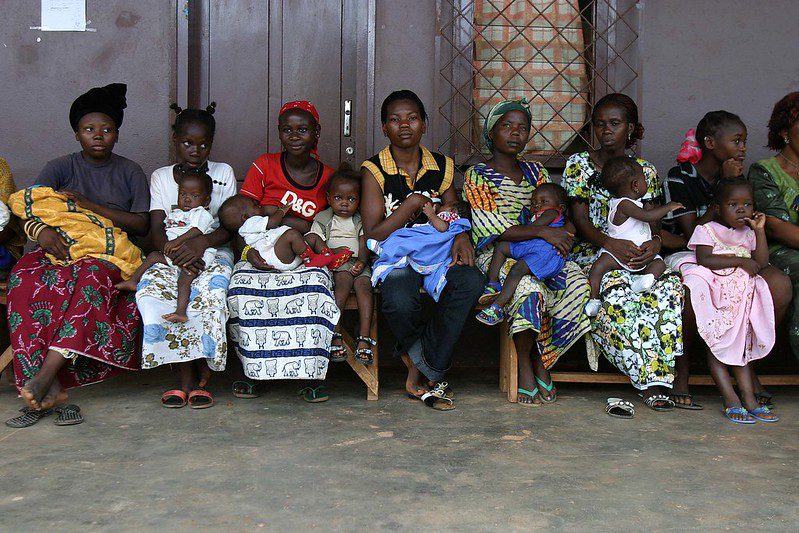
Uyghur Health Care DisparitiesThe Uyghur population in China’s Xinjiang Uyghur Autonomous Region (XUAR) faces numerous health care challenges. These challenges contribute to the overall hardships experienced by this ethnic minority. These plights stem from systemic discrimination, inadequate health care infrastructure and human rights violations, all of which exacerbate poverty.

Current Health Care Situation

The distribution of health care services in Xinjiang is highly unequal. Approximately 80% of the region’s health care infrastructure is concentrated in urban areas predominantly inhabited by Han Chinese. Consequently, rural Uyghur communities are forced to rely on substandard and unregistered clinics. Moreover, reports indicate that Uyghurs have been subjected to forced medical treatments, including sterilizations and organ harvesting. These practices violate basic human rights, instill fear and mistrust in the health care system and discourage many from seeking assistance.

Impact on Poverty

Uyghur health care disparities compound existing poverty levels. Poor health reduces an individual’s ability to work and contribute economically. The lack of adequate maternal and child health care services has also led to higher infant mortality rates, further hindering the community’s development. This has created a vicious cycle of poverty and illness.

Health care inequalities contribute to the broader economic divide in Xinjiang. Employment discrimination and social exclusion limit Uyghurs’ opportunities for upward mobility. The economic marginalization fuels ethnic unrest and perpetuates a sense of injustice among the Uyghur population.

NGO Efforts and Interventions

Several nongovernmental organizations (NGOs) have stepped in to address such challenges. These organizations focus on research-based advocacy, raising awareness of human rights violations and pushing for policy changes to improve health care access. The Uyghur Human Rights Project (UHRP) and Human Rights Watch (HRW) document and report crimes against humanity, advocating for global recognition and condemnation of these practices. Such efforts aim to increase international pressure on the Chinese government to improve conditions and ensure the rights and well-being of the Uyghur population.

On the ground, organizations like Muslim Aid USA are taking vital steps to aid Uyghur refugees by providing essential health care services. It established medical clinics and mobile health units in refugee camps and urban settlements, offering maternal and child health services, vaccinations and treatment for common illnesses. Additionally, it recognizes the psychological trauma many refugees endure and is working to provide mental health support. These efforts are crucial in mitigating the Uyghur health care disparities that result in their impoverishment.

Positive Prospects and Technology

Technological advancements such as telemedicine offer innovative solutions to bridge the health care gap. By leveraging digital platforms, providers can reach remote Uyghur communities with medical consultations, health education and monitoring services. Telemedicine is a step toward improving their well-being and empowering individuals to take charge of their health. With continued advocacy and international support, there is potential for progress in Uyghur health care access and quality to create a more equitable future.

– Asiya Siddiqui

Asiya is based in Fremont, CA, USA and focuses on Good News and Global Health for The Borgen Project.

Photo: Flickr
July 19, 2024
https://borgenproject.org/wp-content/uploads/borgen-project-logo.svg 0 0 Lynsey 2 https://borgenproject.org/wp-content/uploads/borgen-project-logo.svg Lynsey 22024-07-19 01:30:052024-07-18 10:25:44Uyghur Health Care Disparities in Xinjiang
Global Poverty, Health, Water Crisis

3 NGOs Fighting the Water Crisis in Eswatini

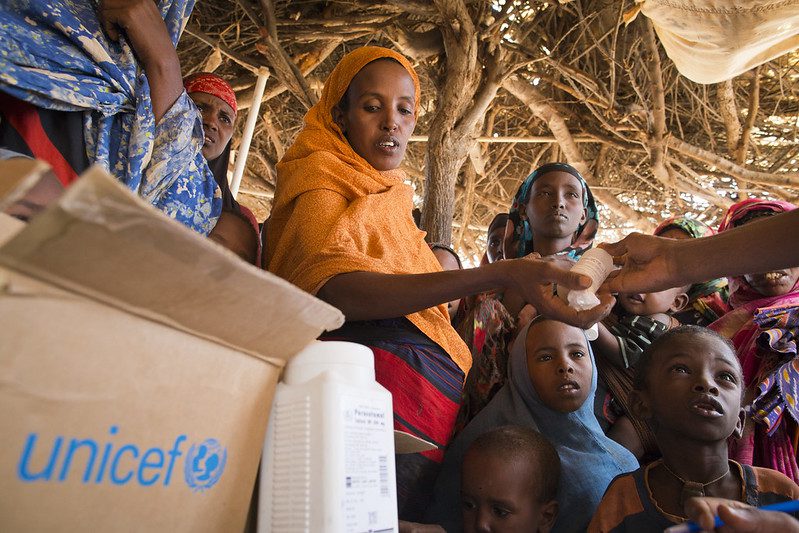
3 NGOs Fighting the Water Crisis in EswatiniEswatini, a small country in southern Africa formerly known as Swaziland, grapples with two major challenges: a water crisis and a high HIV/AIDS prevalence. In 2023, 40% of rural communities in Eswatini lacked access to clean water and 25% of the existing sanitation infrastructure, including toilets and water taps, was nonfunctional. Reliefweb reports that Eswatini has endured a prolonged drought that has severely impacted agriculture and compounded ongoing socio-economic difficulties. As of Nov. 2023, ACAPS classified food insecurity in Eswatini as high, highlighting the urgent need for comprehensive solutions to these pressing issues.

3 NGOs Fighting Eswatini’s Water Crisis

  1. WaterAid. WaterAid is a nonprofit organization with more than 40 years of experience in water sanitation and hygiene projects. The organization launched initiatives in 2022 to construct or improve wells and hand pumps across multiple communities in Eswatini. These ongoing efforts aimed to benefit 5,500 residents by enhancing access to clean, sustainable water. Additionally, they aimed to foster a sense of community responsibility for their upkeep. The WaterAid team in Eswatini has developed programs that empower locals to manage and maintain their water sources, focusing on sustainability and long-term care.
  2. Thirst Project. Thirst Project is actively addressing Eswatini’s water crisis by constructing freshwater wells in underdeveloped communities. The nonprofit collaborates with locals to identify existing water sources, install pumps and manage borehole drilling. Using existing water sources reduces environmental impact and lowers costs. In areas without accessible water, the team drills narrow, deep holes to reach underground water, installing pumps to bring it to the surface. After establishing water access, Thirst Project hands over project management to the community, with staff continuing to perform regular checks and provide maintenance support as necessary.
  3. Sanitation and Water for All (SWA). SWA, a collaborative effort among countries, donors and organizations, is dedicated to providing clean water and sanitation. It employs a well-defined strategy to ensure accountability, coordinated efforts and efficient use of funds. Since partnering with SWA in 2017, Eswatini has set ambitious targets. The targets include increasing sanitation coverage from 53% to 85% of the population, reducing open defecation from 11% to 5%, developing a Portable Water Supply and Sanitation plan by 2020 and boosting access to potable water by 2% annually. SWA is monitoring the progress made toward these objectives, marking significant strides in addressing Eswatini’s water crisis.

Looking Ahead

Efforts to tackle the water crisis in Eswatini show promise through the collaborative work of NGOs like WaterAid, Thirst Project and SWA. These organizations focus on improving water access and sanitation infrastructure, essential for the well-being of rural communities. With ongoing support and strategic initiatives, Eswatini aims to significantly enhance clean water availability. Initiatives will also improve sanitation coverage, whilst addressing critical public health challenges.

– Sophia Manole

Sophia is based in Bellevue, WA, USA and focuses on Good News for The Borgen Project.

Photo: Flickr
July 18, 2024
https://borgenproject.org/wp-content/uploads/borgen-project-logo.svg 0 0 Precious Sheidu https://borgenproject.org/wp-content/uploads/borgen-project-logo.svg Precious Sheidu2024-07-18 01:30:492024-07-17 05:07:453 NGOs Fighting the Water Crisis in Eswatini
Disease, Global Poverty, Health

The Fight Against Sleeping Sickness in the DRC

Sleeping Sickness in the DRCThe Democratic Republic of Congo (DRC), the largest country in sub-Saharan Africa, ranks among the five poorest nations worldwide. Approximately one in six individuals live in extreme poverty, a condition largely stemming from the DRC’s long history of conflict, political upheaval and authoritarian rule. This tumultuous history has left the economy in turmoil and unpredictability. The lack of political and social stability makes managing international aid and establishing a proper health care system difficult, resulting in an extremely high disease burden.

Neglected Tropical Diseases

Neglected tropical diseases (NTDs) are bacterial and parasitic diseases that thrive in tropical environments, currently affecting more than one billion individuals worldwide, especially those in low-income countries and marginalized populations. Despite their devastating impact on health, the pharmaceutical industry pays relatively little attention to NTDs due to financial disincentives to research and develop new treatments for impoverished populations. Individuals affected by NTDs often face stigma within their communities, which further hinders their access to necessary care.

DNDi’s Focus On Sleeping Sickness

The Drugs for Neglected Diseases Initiative (DNDi) is a nonprofit research and development organization focusing on the lack of awareness surrounding NTDs and is actively working to develop new treatments for sleeping sickness. Currently, about 65 million individuals in the rural areas of sub-Saharan Africa are at risk of contracting sleeping sickness. Specifically, in the last five years, the DRC has reported 61% of all cases, highlighting a staggering need for concern and action.

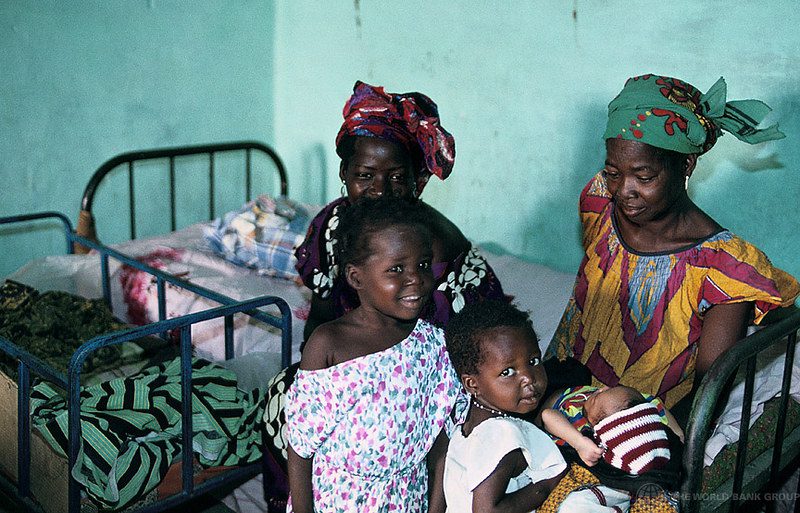
Sleeping sickness, transmitted through tsetse fly bites, initially causes symptoms like fever, chills and headaches in infected individuals. These symptoms quickly progress to attack the central nervous system, leading to sleep disruptions, severe neuropsychiatric disorders, convulsions and potentially a coma. Without treatment, sleeping sickness usually proves fatal rapidly.

Complicating its treatment, the initial symptoms of sleeping sickness closely resemble those of malaria, another prevalent disease in the DRC. This similarity often leads to misdiagnosis and mistreatment, with the correct diagnosis frequently coming too late. Historically, the only available treatment was melarsoprol, an arsenic derivative that carried a fatality rate of 10-50%. Additionally, factors like massive population displacement, violence and persistent poverty in the DRC exacerbate this and other epidemics, hindering effective treatment efforts.

Recognizing these ongoing challenges, the DNDi acknowledges the critical importance of early diagnosis to prevent the progression of symptoms to the neurological stage. DNDi is urgently investing in the research and development of safe and effective treatments for sleeping sickness.

DNDi Receives Impactful Grant

The DNDi received a $12 million grant from the Bill and Melinda Gates Foundation to accelerate the development of an innovative new drug for sleeping sickness. DNDi has already revolutionized treatment with Fexinidazole, a new single-pill, single-dose medication. Along with a new rapid diagnostic test, this grant has significantly advanced the sustainable elimination of the disease. The funding will continue until the end of 2027 to support the delivery of this new cure to various rural areas in the DRC. The World Health Organization (WHO) and DNDi are optimistic about reaching and sustaining zero cases of sleeping sickness in the DRC by 2030.

Optimistic Future Ahead

Health professionals have screened more than 2 million individuals for sleeping sickness, including 749 patients from the DRC, where the new innovative drug, Fexinidazole, has proven effective and safe for adults and children. This advancement and continued treatment efforts offer hope for the DRC’s future in combating disease burden and poverty.

– Kewe Chen

Kewe is based in Memphis, TN, USA and focuses on Good News and Global Health for The Borgen Project.

Photo: Flickr
July 17, 2024
https://borgenproject.org/wp-content/uploads/borgen-project-logo.svg 0 0 Precious Sheidu https://borgenproject.org/wp-content/uploads/borgen-project-logo.svg Precious Sheidu2024-07-17 07:30:202024-07-16 04:45:30The Fight Against Sleeping Sickness in the DRC
Global Poverty, Health, World Bank

$150 Million for Primary Health Care in Sri Lanka

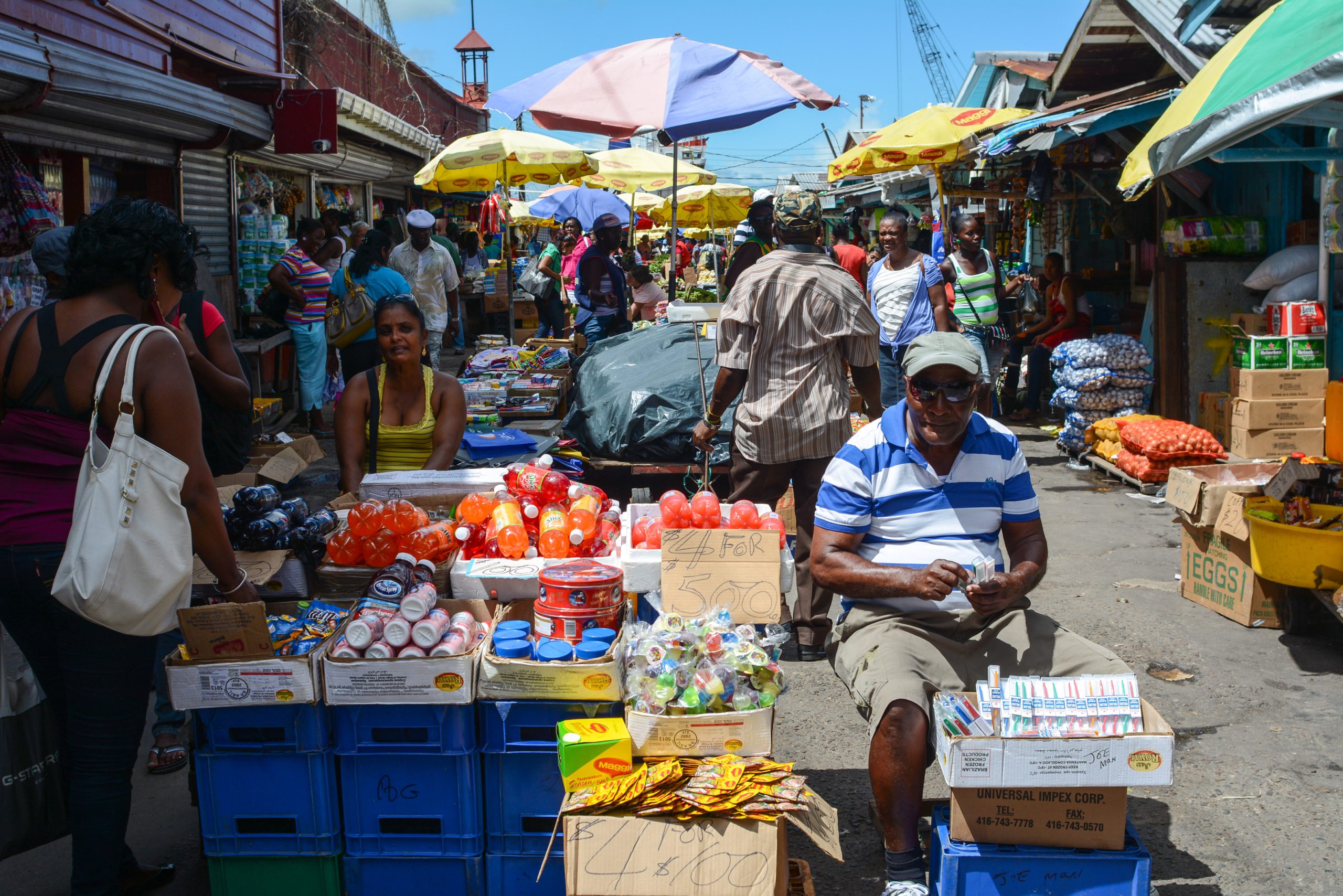
World Bank Grants $150 Million for Primary Health Care in Sri LankaThe World Bank recently approved $150 million in financing to improve the quality and accessibility of primary health care services in Sri Lanka. These services encompass essential functions such as birth control, immunizations and general health counseling. This investment marks one of the most significant health care projects in Sri Lanka’s history. Although Sri Lanka’s health care system has shown resilience, it still requires additional support to address ongoing challenges, necessitating foreign aid.

The World Bank recognizes the hard work and dedication of Sri Lanka’s primary health care workers and aims to create a more responsive and accessible health care infrastructure. With one of the world’s fastest aging populations, this project is crucial for enabling the health care system to adapt and respond effectively to new and emerging challenges.

Sri Lanka in Context

Sri Lanka urgently needs more health care resources due to capacity challenges and the lack of formal referral mechanisms. These ongoing issues have resulted in the underutilization of primary health care facilities and overcrowding at tertiary care centers, leading to poor service and long wait times. Longstanding structural weaknesses, worsened by an economic crisis, have compromised the quality of the country’s health care. Additionally, fiscal indiscipline in Sri Lanka has led to high fiscal deficits and substantial gross financing needs, creating significant financial debt and causing severe shortages of goods in 2022.

Noncommunicable diseases such as hypertension, diabetes and cervical cancer are the leading causes of death and illness in Sri Lanka, responsible for 80% of all deaths. Effectively controlling and managing these diseases requires robust screening, early diagnosis, treatment and follow-up—services that primary health care can adequately provide. The Sri Lanka Primary Health Care System Enhancing Project focuses on these ongoing evolving health priorities, investing in preventive care and promoting primary care facilities as the first point of contact for health care services.

Sri Lanka Primary Health Care System Enhancing Project

The newly approved funds will establish the Sri Lanka Primary Health Care System Enhancing Project, which aims to improve the quality of care and increase the utilization of primary medical care institutions. This project is designed to provide essential health care services to local communities that currently lack access to quality health care. It includes several key components:

  • Primary health care services. Increasing the availability of primary health care services and enhancing the capacity of existing institutions.
  • Medical supplies. Enhancing the availability of essential medical equipment, medicines, supplies, laboratory testing equipment and transportation.
  • Health care workforce. Sustaining and strengthening the primary health care workforce by supporting recruitment, retention, distribution and delegation of health care workers in primary health care institutions.
  • Additional services. Expanding primary health care services to include additional services for the aging population, persons with disabilities, individuals with poor oral health and young children, utilizing newly acquired equipment.

Looking Ahead

The $150 million financing from the World Bank aims to bolster Sri Lanka’s primary health care system by addressing critical capacity issues and enhancing service delivery. This funding can potentially increase access to essential medical supplies, strengthen the health care workforce and expand services for the aging population and those with disabilities. By focusing on primary health care, Sri Lanka seeks to improve disease management and meet the growing health needs of its population.

– Mathieu Paré

Mathieu is based in Toronto, Canada and focuses on Global Health for The Borgen Project.

Photo: Flickr
July 15, 2024
https://borgenproject.org/wp-content/uploads/borgen-project-logo.svg 0 0 Precious Sheidu https://borgenproject.org/wp-content/uploads/borgen-project-logo.svg Precious Sheidu2024-07-15 01:30:202024-07-15 01:05:52$150 Million for Primary Health Care in Sri Lanka
Economy, Global Poverty, Health

Investing in R&D for Diseases in Africa

Diseases in AfricaThe world has become a global village and events in one part of it affect everyone in many ways. Depending on the event, the effects can be good or bad. The African continent is of immense significance. Neglected diseases like HIV, tuberculosis, malaria and other tropical diseases are not just problems in Africa; they are global challenges. Africa currently accounts for 20% of the global disease burden and that means both the loss of 630 million lives and $2.4 trillion in economic value yearly.

The United States (U.S.), as a global leader, holds a key position in global health security. It can further strengthen this position by allocating investments in Africa, particularly in research and development (R&D) for these diseases. This strategic move will contribute to global health and boost the U.S. economy, creating new jobs and fostering innovation. Recent research published by the Global Health Technologies Coalition (GHTC) has proven that investment from the U.S. can impact not only global health but also boost the U.S. economy.

The US Investments in Health R&D in Africa

The U.S. investments are vital to supporting the development of new drugs for diseases like malaria, tuberculosis, HIV and Ebola, which are among the most pressing health challenges in Africa and globally. For instance, U.S. investment in the development of antiretroviral drugs has significantly reduced the mortality rate of HIV/AIDS in Africa, saving millions of lives. This is a testament to the potential impact of the U.S. investments in health R&D in Africa.

In the last two decades, the U.S. has invested $46 billion in R&D for neglected diseases like HIV, malaria, tuberculosis and other health issues. In 2022, this investment was 0.21% of its gross domestic product (GDP). The investment helped develop 12 products for tuberculosis and 11 for malaria. The development of Pretomanid has revolutionized tuberculosis treatment. It also works for drug-resistant cases, reducing the treatment duration from 18 months to 6 months. Using it for all drug-resistant cases can save up to $740 million annually.

Two drugs, Cabotegravir and Dapvirine, developed with U.S. investments, have the potential to revolutionize HIV prevention and treatment. Many other products against different diseases are in the pipeline, also developed with the country’s investment.

Boosting the US Economy

These investments have boosted the U.S. economy and benefited U.S. companies and people in more ways than one might think. Here are some key points describing how these investments have contributed to the growth of the U.S. economy:

  • Investments in R&D for diseases have created 600,000 jobs in the U.S. 
  • The investments resulted in an additional $104 billion in the U.S. economy.
  • The investments on the governmental level have enhanced private sector investments in R&D for global health as well and $1 will result in an additional $8 investment in the private sector. These figures imply that the U.S. economy will ultimately gain an investment advantage of $102 billion.

These investments will result in future products worth $255 billion, further boosting the U.S. economy.

Final Thoughts

The U.S. has financial power and moral authority globally. More investment in R&D for diseases can improve life expectancy in Africa, strengthen the economies of partner countries, boost the U.S. economy and protect Americans’ health. The world has become a global village and diseases can spread quickly, creating a potential danger for everyone. Cases of malaria and leprosy have emerged in the U.S. in the recent past.

R&D of treatments and prevention products can help control the emergence of diseases in the U.S. and globally secure the financial future of thousands of Americans through jobs and boost a strong U.S. economy. In our current circumstances, allocating resources toward R&D for diseases in Africa is crucial. This investment can revitalize the U.S. economy during these challenging times.

– Maria Waleed

Maria is based in Yokohama, Kanagawa, Japan and focuses on Good News and Global Health for The Borgen Project.

Photo: Pexels

July 10, 2024
https://borgenproject.org/wp-content/uploads/borgen-project-logo.svg 0 0 Lynsey 2 https://borgenproject.org/wp-content/uploads/borgen-project-logo.svg Lynsey 22024-07-10 07:30:482024-07-10 04:59:48Investing in R&D for Diseases in Africa
Disease, Global Poverty, Health

Efforts for Improving Health Care in Nigeria

Health Care in NigeriaNigerians have faced a growing crisis in health care access in recent years. Nigeria has a population of more than 200 million people, marking it as one of the most populated countries in 2024. The country has a diverse group of people, cultures and languages. Although the country has a huge potential for widespread affluence due to its oil and natural resources, its systems are lacking in meeting the needs of all its citizens. For its health care system, as of 2023, Nigeria was ranked 157th out of 167 countries. Improvement within the system is essential for the well-being of the Nigerian people to be guaranteed.

Malaria

Malaria is a life-threatening disease found in primarily tropical countries and is transmitted to humans by mosquitoes. In 2021, approximately 619,000 people died from malaria, with more than half of all malaria deaths worldwide occurring in four African countries. Nigeria’s health indicators are some of the worst in Africa. Nigeria continues to undertake the highest level of malaria cases globally, which is the leading cause of child illness and death. Professor Olubenga A. Mokuolu oversees all malaria work in the country.

In an interview, he gave one reason for Nigeria’s high malaria burden: the country’s environmental management. “In terms of environmental management, Nigeria leaves a lot to be desired. The country has open refuse sites and blocked drainage systems and because people lack piped water, they store water at home in containers. These all provide ideal sites for mosquitoes to breed.” While the number of malaria cases has gone down in recent years, they are not at a level where people can fully be at ease.

Lack of Access

Health care access in Nigeria is very limited due to factors within the health system. The Nigerian primary health care (PHC) system is the lowest level and entry point for Nigerians to receive health care services such as visitations, preventative, curative and rehabilitative services. Although initially, the PHC system was seen as a guiding policy for further health improvements, there were many flaws with its enactment.

Vivien O. Abah, a Nigerian health care researcher, stated that “The PHC system was deployed to the grassroots, but geographical access did not translate to access to health care as the populations did not utilize the majority (80%) of these facilities.” Not only was the lack of geographical access difficult but the quality of care in these primary health facilities was proven difficult for some as well.

What Is Being Done

The Nigerian health care industry has faced serious setbacks in recent years due to a lack of funding, as well as the mismanagement of creating accessible quality care for the population. This does not mean that the country has given up, as there have been various measures taken into consideration to improve the system.

In 2018, the government approved the second National Strategic Health Development Plan (SHDP), which sought to ensure all Nigerians have access to health care in the country, with a focus on preventing the trend of citizens traveling abroad for medical care. The Former President of Nigeria, Muhammadu Buhari, said that the SHDP will be a transparent and accountable mechanism implemented to ensure the health of all citizens and to forbid corruption from affecting funding.

The government has also focused on individual epidemics and issues that have affected Nigerians, as its preventative measures for malaria have saved tens of thousands of lives, most of them children. The country’s health care system provides more than 25 million children aged less than 5 with preventive chemotherapy for malaria, which has considerably reduced the children’s mortality rates.

Improving Health

Improvement of the Nigerian health care system will be a long and arduous process. and its efficiency highly depends on whether or not the government prioritizes high-quality care and population outcomes. In the past, people have had tremendous trouble seeking high-quality care, with some having to leave the country to receive treatment.

Health care in Nigeria has undergone significant changes and is moving in the right direction, but there is still progress to be made. With a growing population in a country known for diseases and limited medical access, the health care system cannot currently guarantee treatment for all its citizens. 

– Oliver Martin

Oliver is based in Honolulu, HI, USA and focuses on Global Health for The Borgen Project.

Photo: Pixabay

July 10, 2024
https://borgenproject.org/wp-content/uploads/borgen-project-logo.svg 0 0 Lynsey 2 https://borgenproject.org/wp-content/uploads/borgen-project-logo.svg Lynsey 22024-07-10 03:00:452024-07-16 12:09:54Efforts for Improving Health Care in Nigeria
Disability, Global Poverty, Health

Addressing Disability and Poverty in Fiji

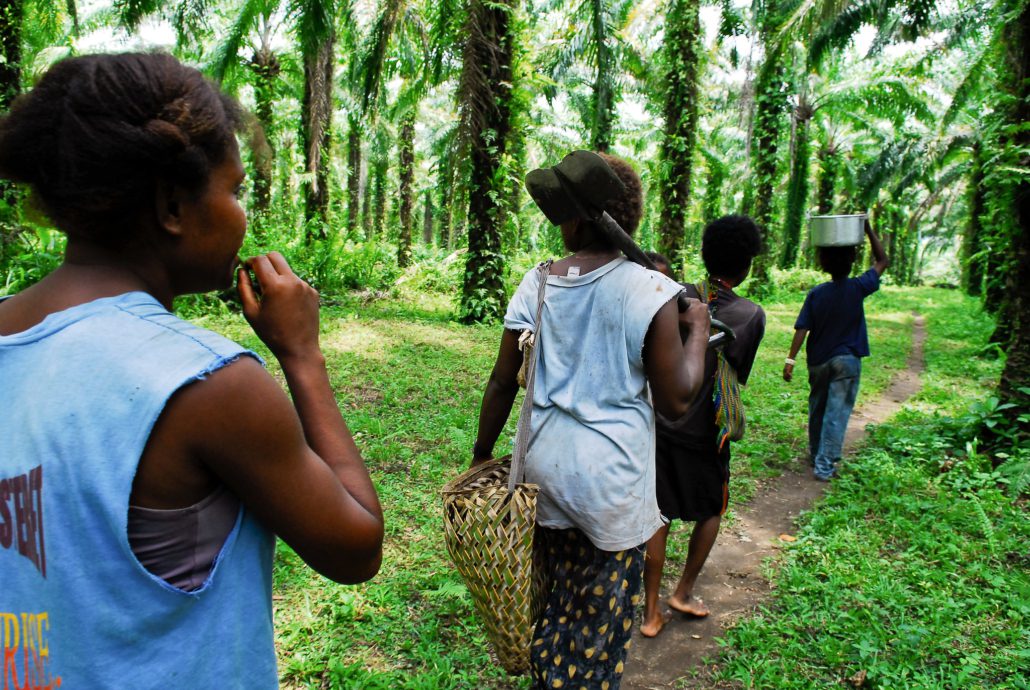
Disability and Poverty in FijiTucked away amidst approximately 330 tropical islands in the South Pacific Ocean, Fiji saw 929,740 visitors in 2023, a 46.1% increase from the previous year. Despite this surge, many residents’ lives have not improved. A significant portion of Fiji’s population lives below the national poverty line, facing considerable barriers due to disability and poverty. This highlights the urgent need for support to address the challenges faced by impoverished and disabled Fijians. Here is information about the correlation between disability and poverty in Fiji.

Early Disability Identification Barrier

Fiji faces significant challenges in the early identification of disabilities in children. This severely impacts its disabled communities by drawing a barrier of comprehension, exclusivity and representation. Caregivers of children with disabilities reported to be unaware or unfamiliar with what the diagnosis is or what it entails. Misinformation, in contrast, lack of information further heightens confusion and often leaves caregivers lost about what to do.

The absence of adequate screening programs and limited specialized health care professionals further delay the identification of disabilities in children. The wait hinders intervention efforts, which is crucial for maximizing the developmental potential and quality of life for individuals with disabilities. According to the International Journal of Environmental Research and Public Health, many children in Fiji cannot access the necessary educational and therapeutic support. This can lead to lifelong disadvantages.

Low-Funding Fueling Low-Income

Low funding in Fiji and its economic infrastructure contributes to the country’s persistent low-income levels and widespread poverty. Tourists’, often being seen as a boost in surrounding economic landscapes, benefits are not evenly distributed. In most cases, the benefits do not reach the most impoverished communities. Much of the revenue that is generated from tourism is dedicated to urban areas and controlled by private foreign companies. This leaves rural and local populations with high rates of disability and poverty with minimal gain.

Additionally, the ebb and flow of tourism seasons do not offer stability within the workplace, with low-paying jobs and unreliable income being the most evident. The need for sufficient government funding further hampers efforts to develop infrastructure, education and healthcare, thus fueling the cycle of poverty. This need is met with the IMF Annual Report 2023, a clear emphasis is placed on strengthening institutions as a primary objective. Recognizing the critical role of robust institutions in fostering economic stability and sustainable development, the report underscores the importance of governance reforms, institutional capacity building, and effective policy implementation. By prioritizing institutional strengthening, the IMF aims to enhance resilience against economic shocks, promote transparency, and improve public trust in governance frameworks globally.

Positive Steps

Action on Poverty works to address disability and poverty in Fiji. Education about significant challenges that rural and remote communities face, particularly regarding clean water, sanitation, health and inclusion fuel support for those in need. Its programs focus on improving gender equality, social inclusion, governance, health, livelihoods and water sanitation. Training initiatives have helped communities improve water management, reducing water-borne diseases and improving overall health. Collaborating with local partners like Partners for Community Development Fiji, they enhance community resilience and break the cycle of poverty.

One of Action on Poverty’s programs in Fiji is the Water, Sanitation, and Hygiene (WASH) initiative. This program improves access to clean water and proper sanitation facilities in rural communities. By providing training and resources for effective water management and hygiene practices, the initiative has helped reduce water-borne diseases. Additionally, this has enhanced overall health and well-being in these communities. This collaborative effort with local partners aims to create sustainable changes and foster community resilience.

– Demi Olin

Demi is based in Huntington, WV, USA and focuses on Good News for The Borgen Project.

Photo: Flickr
July 9, 2024
https://borgenproject.org/wp-content/uploads/borgen-project-logo.svg 0 0 Jennifer Philipp https://borgenproject.org/wp-content/uploads/borgen-project-logo.svg Jennifer Philipp2024-07-09 01:30:052024-07-09 01:36:40Addressing Disability and Poverty in Fiji
Global Poverty, Health, Mental Health

The Impact of Mental Health in Czechia

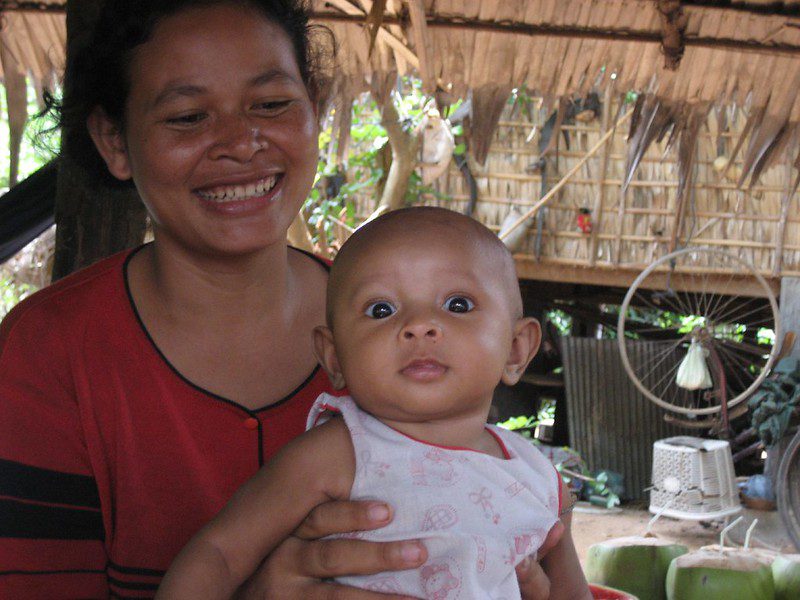
Mental Health in CzechiaThese days, the mental health landscape of Czechia is undergoing significant changes. Recognition of mental health issues has increased, and efforts to improve services and support are expanding. According to the World Health Organization (WHO), mental health disorders are very common worldwide: one in every eight people is suffering from a disorder. In the Czech Republic, trends are highly comparable to the worldwide situation, but specific problems and developments well deserve to be addressed.

Causes

These include socioeconomic conditions, lifestyle changes and the historical context. Approximately one-fifth of the population suffers from mental-health-related issues and problems, according to the National Institute of Mental Health in the Czech Republic. Depression, alcohol-related disorders and anxiety are the leading disorders reported or diagnosed in this area. Indeed, many more people could be silently suffering from these mental health disorders during times like this.

The economic transformation after the fall of communism also contributed to this factor here. As a result of rapid changes in society, increased stress levels have been created among people, which can further give way to mental health complications. Additionally, poverty strongly correlates with mental health challenges, where those in lower economic strata experience higher rates of mental health disorders and face significant barriers in accessing mental health care.

Stigma

Despite increasing mental health awareness worldwide, stigma remains a significant barrier in Czechia. According to a report by the European Union Agency for Fundamental Rights, many individuals with mental health problems in Czechia experience discrimination, particularly in employment and interpersonal relations. Cultural factors and historical contexts contribute to feelings of isolation, making it challenging for people to seek support and discuss their mental health openly.

Services

Czechia had made plans to develop and improve its mental health services, although gaps still exist. The Mental Health Atlas of WHO in 2020 indicated that approximately 30 mental health professionals per 100,000 population in the Czech Republic. The government has responded by initiating various programs to strengthen the mental health infrastructure, such as the integration of mental health services at the primary care health services and expansion at the community level.

Recent initiatives in Czechia’s mental health care include efforts to improve access to services for children and adolescents, enhance mental health education and reduce stigma. International cooperation has also facilitated the exchange of best practices, contributing to the development of mental health services in the country.

Czechia is at a critical stage in managing mental health, with significant strides being made in reducing stigma, enhancing services, and integrating mental health into broader healthcare.

– Ansha Gupta

Ansha is based in Apex, NC, USA and focuses on Global Health for The Borgen Project.

Photo: Flickr
July 9, 2024
https://borgenproject.org/wp-content/uploads/borgen-project-logo.svg 0 0 Jennifer Philipp https://borgenproject.org/wp-content/uploads/borgen-project-logo.svg Jennifer Philipp2024-07-09 01:30:032024-07-09 01:27:59The Impact of Mental Health in Czechia
Global Poverty, Health, NGOs

Health Improvements in Rural Kenya

Health Improvements in Rural KenyaKenya is a country in West Africa that has experienced a significant decline in poverty in recent years. This reduction is due to health improvements in rural Kenya. This has been achieved with the interventions of nongovernmental organizations (NGOs) such as Core Health and Wealth International (CHW). Both organizations run programs that educate and assist pastoral populations.

The Situation

Like many developing nations, Kenya experiences poverty and its consequences on a large scale. To clarify, in 2005, poverty levels in rural parts of the country were around 50%, but in 2016 these levels fell to about 38.8%. It is also important to note that the rates of poverty in rural areas are about 6.5 times that of urban areas.

Kitchen Gardens

One important CHW program is its work in educating rural populations on how to grow and maintain kitchen gardens successfully. The goal of this program is “to promote a healthier organic living to vulnerable communities who have small pieces of land.” To achieve this goal, CHW supplies seedlings and conducts training on how to build and maintain multi-story, keyhole or raised bed gardens.

This method of farming is suitable for those living on small plots of land. It creates a small farm that can grow a variety of crops. Through this program, more than 200 rural citizens have grown enough to feed themselves and then some. The results of this program have led to food security, increased immunity through nutrition and profitable gardens.

Sericulture

Another important program that CHW began in rural Kenya is the introduction of sericulture. Sericulture is the practice of raising silkworms through their development stages in order to eventually harvest, process and weave silk. In this program, silkworms are raised on mulberry trees, which not only provide food for silkworms but also aid in soil conservation.

CHW partnered with the Kenya Agricultural and Livestock Research Organization (KALRO) to educate farmers about “sericulture techniques, crop management and silk processing.” Since sericulture is a sustainable and eco-friendly way of developing in-demand silks and silk blends, it is an excellent mode of economic growth for rural Kenyans. This creates wealth for farmers, weavers, garment producers and more. When wealth is created, it also creates strong health improvements in rural Kenya, as citizens are able to afford nutritious foods, medical treatments and other sanitary necessities.

Vaccinations

In Western Kenya, rabies is spread to both people and livestock, mostly through dogs across rural areas. In such pastoral locations, it is difficult to maintain the refrigeration that vaccines require, so most victims of rabies bites must travel long distances on rough roads to receive necessary treatment. However, in a recent effort to reduce rabies levels, CHW collaborated with Boehringer Ingelheim. Together, they implemented the Making More Health initiative to find an innovative solution to rural Kenya’s rabies problem.

The solution unfolded with the help of  Zipline, the world’s largest delivery system, which used drones to deliver packages full of vaccines and VacciBox, which utilizes solar power to run refrigerators. On the first day of this drone-to-refrigerator delivery, 2,000 dogs were vaccinated across counties in Western Kenya. This is only the beginning of an extensive movement to reduce rabies levels and is an excellent example of the health improvements in rural Kenya that CHW aims to achieve.

A Sustainable Future in Rural Kenya

Thanks to CHW’s tireless efforts, rural citizens in Kenya have seen improvements in agriculture, production and access to vaccines. Additionally, they have received assistance in education, period poverty and sanitation. Organizations like CHW, which address all aspects of rural poverty, are making significant contributions to health improvements in rural Kenya.

– Carlie Duggan

Carlie is based in Newtown, PA, USA. and focuses on Technology and Global Health for The Borgen Project.

Photo: Wikimedia Commons

July 7, 2024
https://borgenproject.org/wp-content/uploads/borgen-project-logo.svg 0 0 Lynsey 2 https://borgenproject.org/wp-content/uploads/borgen-project-logo.svg Lynsey 22024-07-07 07:30:372024-07-07 00:33:48Health Improvements in Rural Kenya
Disease, Global Poverty, Health

Controlling Noncommunicable Diseases in Bangladesh

Noncommunicable Diseases in BangladeshNoncommunicable diseases (NCDs) are the leading cause of death in Bangladesh. In 2019, NCDs, including cancers, diabetes, cardiovascular and chronic respiratory diseases, accounted for 70% of mortality in the country. NCDs derive from genetic, environmental and behavioral factors, meaning a person’s lifestyle impacts their likelihood of diagnosis.

Air pollution in Bangladesh contributes to the rise of cardiovascular illnesses and chronic respiratory diseases, where heart disease, strokes and asthma impact individuals’ physical health. Unhealthy lifestyles, diet and physical inactivity are also causes of NCDs like cancer and diabetes. These ongoing causes and burdens have mobilized the government to work toward controlling NCDs in Bangladesh.

Health Discrimination

Health surveys from 2011 to 2018 have shown that socioeconomic disparities are connected to the prevalence of hypertension, diabetes and overweight and obesity. For example, those who work in manual labor in Bangladesh are more exposed to air pollution, increasing the incidence of hypertension and obesity. Conversely, economic growth has led to more processed, readily available and low-cost foods available to poor people. Unhealthy diets also contribute to high NCD prevalence in poorer communities in the country.

Moreover, NCD services are costly and access to proper care is far less attainable for people experiencing poverty. These chronic conditions require long-term care and jeopardize patients’ financial stability with medical expenditures. In 2021, the country allocated 2.36% of its gross domestic product to health expenditure. Out-of-pocket spending accounts for a 68.5% share of health expenditure. Dependence on out-of-pocket spending causes financial distress, especially among vulnerable families.

The Plan

Bangladesh’s Multisectoral Action Plan for the Prevention and Control of NCDs 2018-2025 commits to address these diseases and improve the health care system. The operation plan’s success requires four courses of action that are conducive to controlling noncommunicable diseases in Bangladesh.

  • Action area 1: Advocacy, leadership and partnerships.
  • Action area 2: Promotion and risk reduction.
  • Action area 3: Health systems strengthening for early detection and management of NCDs and their risk factors.
  • Action Area 4: Surveillance, monitoring and research.

Successes since 2018

Through partnerships, the country has made significant progress in creating a strong foundation for NCD prevention and control. The collaboration between 30 ministries and agencies was one notable success. In the 2022 first National NCDs Conference in Bangladesh, national and international stakeholders assembled to discuss NCD prevention and control strategies and established the Dhaka Declaration, 32 steps to combat NCDs. This declaration furthered the Multisectoral plan’s goal of controlling tobacco, alcohol and indoor air pollution and promoting physical activity and healthy diets.

NCD Corners in health complexes have also been developed across the country, increasing access to care. These corners facilitate early detection and management of common NCDs, even in rural areas. By October 2022, 6,231 patients were treated for high blood pressure and 1,386 for diabetes through these corners. The National Heart Foundation Bangladesh has also reported an increase in hypertension control across the country’s administrative districts. For instance, in Kualara, from May 2022 to October 2022, the number of patients with controlled hypertension rose by 15%, from 55%,  with the assistance of NCD corners. These corners are located in community health centers and primary health care facilities, providing easy access for all population groups.

Furthermore, progress has been made in developing policies to control shared risk factors of NCDs. To promote healthy diets, the country has imposed taxation on domestically produced sugar-sweetened beverages. First, there is a 15% value-added tax and then a 25% supplementary duty for carbonated drinks and 35% for energy drinks. Taxes on unhealthy items help reduce consumption and the prevalence of obesity and other NCDs can decrease.

Ongoing Efforts

There is still more to be done. Taxation is effective in controlling Bangladesh’s tobacco problem. In the fiscal years 2024 and 2025, the government strives for a 66% increase in the tax rate on cigarettes and tobacco products. This change factors in indoor pollution control as tobacco smoke inside homes exposes nonsmokers to smoking and poor air quality.

The plan further addresses health financing and expenditure. In the fiscal year 2024, the country increased its federal budget allocation for health by 9%. However, this improvement had little effect on the country’s health care quality. Bangladesh’s Multisectoral plan proposes financial risk protection through:

  • Accessing NCD services without upfront costs.
  • Integrating essential services at district and lower levels, including an annual NCD voucher system with minimal costs.
  • Adjusting the fee structure if other strategies cannot be implemented.

By prioritizing these strategies, Bangladesh can look toward a healthier future for all its citizens, ensuring equitable access to quality health care.

Conclusion

Noncommunicable diseases continue to impact mortality and quality of life in Bangladesh. However, Bangladesh’s Multisectoral plan has successfully coordinated efforts across various sectors to control NCDs. Collaboration, policies, regulations and initiatives for enhancing accessibility remain conducive to these goals.

– Caroline Albright

Caroline is based in Milton, MA, USA and focuses on Good News and Global Health for The Borgen Project.

Photo: Pexels

July 6, 2024
https://borgenproject.org/wp-content/uploads/borgen-project-logo.svg 0 0 Lynsey 2 https://borgenproject.org/wp-content/uploads/borgen-project-logo.svg Lynsey 22024-07-06 07:30:592024-07-04 05:33:11Controlling Noncommunicable Diseases in Bangladesh
Page 37 of 212«‹3536373839›»

Get Smarter

  • Global Poverty 101
  • Global Poverty… The Good News
  • Global Poverty & U.S. Jobs
  • Global Poverty and National Security
  • Innovative Solutions to Poverty
  • Global Poverty & Aid FAQ’s
Search Search

Take Action

  • Call Congress
  • Email Congress
  • Donate
  • 30 Ways to Help
  • Volunteer Ops
  • Internships
  • Courses & Certificates
  • The Podcast
Borgen Project

“The Borgen Project is an incredible nonprofit organization that is addressing poverty and hunger and working towards ending them.”

-The Huffington Post

Inside The Borgen Project

  • Contact
  • About
  • Financials
  • President
  • Board of Directors
  • Board of Advisors

International Links

  • UK Email Parliament
  • UK Donate
  • Canada Email Parliament

Get Smarter

  • Global Poverty 101
  • Global Poverty… The Good News
  • Global Poverty & U.S. Jobs
  • Global Poverty and National Security
  • Innovative Solutions to Poverty
  • Global Poverty & Aid FAQ’s

Ways to Help

  • Call Congress
  • Email Congress
  • Donate
  • 30 Ways to Help
  • Volunteer Ops
  • Internships
  • Courses & Certificates
  • The Podcast
Scroll to top Scroll to top Scroll to top