Schistosomiasis Treatment Bringing Hope for the Future
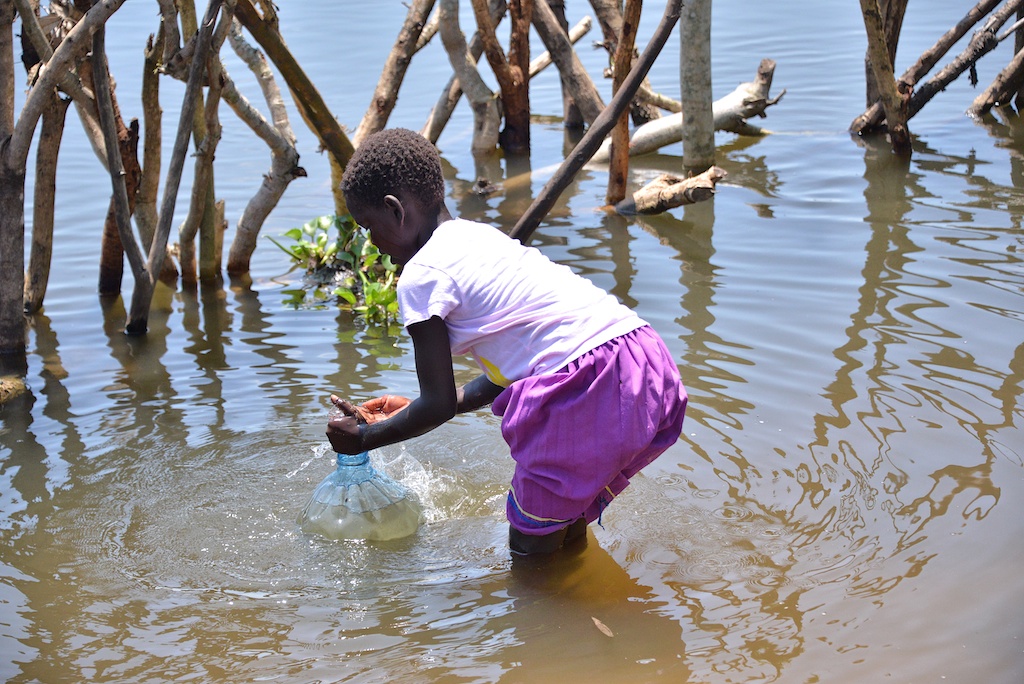
Schistosomiasis is a chronic parasitic disease that is particularly threatening to young children. Infection occurs when people come in contact with water infested with parasitic larvae that penetrate the skin. Once inside the body, the larvae develop into adult worms that nest in human blood vessels. The female parasites lay eggs, some of which become trapped in human tissues, causing inflammation and damage to vital organs. Others exit the body in feces and urine. Symptoms of schistosomiasis include diarrhea and abdominal pain. In children, it can result in anemia, stunted growth and reduced cognitive development. Luckily, child-safe schistosomiasis treatment is emerging to help eliminate the disease.
About Schistosomiasis
Alarmingly, the disease can spread through water sources contaminated with infected human excrement, leading to ongoing cycles of infection. Currently, the drug praziquantel is the only available treatment. The World Health Organization (WHO) recommends large-scale administration of praziquantel to both treat the disease and prevent its spread. According to a study published in 2021, periodic administration of praziquantel to school-aged children between 5 years and 14 years old has reduced schistosomiasis prevalence among this group by about 60% over the past two decades.
However, until recently, there has been no safe and effective treatment for preschool-aged children. Furthermore, continued reliance on a single drug could cause parasites to develop drug resistance. Fortunately, a new pediatric medication, arpraziquantel, has been formulated to treat and prevent schistosomiasis in 3-month- to 6-year-old children. Here is why it is promising for mitigating the disease’s spread among this vulnerable group and achieving the World Health Assembly goal of eliminating schistosomiasis as a public health concern by 2030.
Vulnerability
Globally, an estimated 240 million people suffer from schistosomiasis, most of them living in tropical and subtropical regions. Because the disease spreads through contaminated water, feces and urine, it poses a great risk to communities that lack access to safe water and basic sanitation services. Furthermore, people whose occupations involve contact with water, including fishermen and irrigation workers, are highly vulnerable to the disease, as are women and girls, who risk contracting female genital schistosomiasis while collecting water or carrying out domestic chores. Overall, more than 700 million people live in at-risk areas where transmission is moderate-to-high. Schistosomiasis is especially prevalent in Africa, which is home to an estimated 90% or more of those in need of treatment.
Current Prevention and Treatment
Praziquantel is administered in 500-600 mg oral tablets. It is low-cost and, in large doses, has proven effective in protecting against adult parasites. However, it is less effective against larvae and juvenile parasites, requiring repeated doses to provide protection. In addition to heightening the possibility of drug resistance, this increases expense, the risk of reinfection and the likelihood of continued transmission in low-income countries where medication supplies and people’s access to them are lacking.
In addition to partnering with the pharmaceutical company Merck to supply more than 1.4 billion praziquantel doses to those in need, WHO has therefore emphasized further measures for controlling the spread of the disease. These include improving sanitation and water supplies, controlling the snail populations in which parasites reside, educating endemic communities and administering “large-scale treatment using the pediatric praziquantel formulation.”
A Child-Safe Treatment Brings Hope for the Future
In November 2021, the Pediatric Praziquantel Consortium, an EU-funded international partnership, successfully completed clinical trials on arpraziquantel, a new child-safe, oral treatment for schistosomiasis. According to the Merck-led consortium, clinical trials on infected Kenyan children showed that a single dose of arpraziquantel had a cure rate of about 90%. The medication is a praziquantel derivative, yet, in comparison to the large 500-600 mg tablets, it comes in small 150 mg doses that are safe and effective for preschool-aged children. The tablets are orally-dissolvable to prevent choking and flavored to appeal to children. Additionally, the drug can withstand hot environments, making it suitable for tropical and sub-tropical climates.
The Future Ahead
In 2022, the European Medicines Agency accepted arpraziquantel for review. Pending approval, Merck, working in partnership with stakeholders including WHO and UNICEF, hopes to begin distributing the medication in sub-Saharan Africa in 2024. The ultimate goal is to ensure sustainable, affordable access to medication for all 50 million preschool-aged children in need. Coupled with ongoing efforts to develop other new single-dose treatments, arpraziquantel brings hope that a schistosomiasis-free future is within sight.
– Isla Wright
Photo: Flickr
