• Link to X
  • Link to Facebook
  • Link to Instagram
  • Link to TikTok
  • Link to Youtube
  • About
    • About Us
      • President
      • Board of Directors
      • Board of Advisors
      • Financials
      • Our Methodology
      • Success Tracker
      • Contact
  • Act Now
    • 30 Ways to Help
      • Email Congress
      • Call Congress
      • Volunteer
      • Courses & Certificates
      • Be a Donor
    • Internships
      • In-Office Internships
      • Remote Internships
    • Legislation
      • Politics 101
  • The Blog
  • The Podcast
  • Magazine
  • Donate
  • Click to open the search input field Click to open the search input field Search
  • Menu Menu

Archive for category: Health

Information and stories on health topics.

Global Poverty, Health, Women and Children

Maternal and Child Health in Sierra Leone

Maternal and Child Health in Sierra Leone In Sierra Leone, the maternal mortality ratio improved from 1682 deaths per 100,000 live births in 2000 to 443 by 2020. Maternal health continues to be an area of focus when considering health care. Maternal deaths are the cause of 36% of all deaths of women aged 15 to 49 in Sierra Leone. Causes of maternal deaths include hypertension and obstetric hemorrhage. The COVID-19 pandemic exacerbated the problems of maternal and child health, with economic growth slowing and disrupting essential health services. 

Changing Approach: Skilled Antenatal Support

Zainab Turay, a 28-year-old mother, says the birth of her second child was successful because she regularly attended the free antenatal sessions at Freetown’s George Brook Community Health Centre. In the rural areas of Sierra Leone, Traditional Birth Attendants (TBAs) continue to advise women despite not being trained to deal with the many complications that can arise in pregnancy, such as bleeding after childbirth. Antenatal classes help prepare women for childbirth. Between 2013 and 2017, the number of births delivered by skilled attendants increased by 32%. 

Integrating Technology to Improve Maternal Care

In March 2023, the United Kingdom’s Foreign, Commonwealth and Development Office published its International Women and Girls Strategy 2023 to 2030. The strategy is centered around the rights of women to basic freedoms. The Saving Lives in Sierra Leone program is one example of how reproductive rights are being prioritized. Over one year, 1284 midwives received training. Alongside this, the Emergency Obstetric and Newborn Care scheme mentored 260 health care workers. This additional training and mentoring has strengthened the number of people trained to deal with issues that arise during pregnancy and after childbirth. 

In Sierra Leone, 41% of emergency obstetric and newborn care facilities lack access to one or two basic EmONC signal functions. Therefore, the Saving Lives in Sierra Leone scheme aims to provide these facilities to create quality care. The country trained 949 midwives at the end of 2019, but estimates suggest that 3,000 are needed to adequately care for women. This significant increase in trained midwives reflects the achievement of the Saving Lives program. 

Sierra Leone launched the Pregnancy Registration and Service Tracking application (PReSTrack) on July 2, 2024. This application enables real-time tracking of pregnancies and flags high-risk conditions. Moreover, PReSTrack is part of Sierra Leone’s mission to decrease the maternal mortality ratio (MMR) to below 300 deaths per 100,000 live births by 2025. The use of this technology aims to make health care more efficient.

Project HOPE’s Effect

Project HOPE is a global health and humanitarian NGO making significant strides in improving maternal health in Sierra Leone. The organization offers courses such as Helping Babies Breathe and Helping Mothers Survive, training health workers to manage complications. It also established the country’s first Kangaroo Mother Care (KMC) units. With a scarcity of incubators in Sierra Leone, KMC, which involves wrapping premature babies skin-to-skin with their mothers, is vital for saving lives. Given that there are only 0.7 doctors available per 10,000 people, the work of Project HOPE is crucial.

In December 2021, the World Bank approved $60 million to enhance maternal and child health services in Sierra Leone. This will be achieved through the Sierra Leone Quality Essential Health Services and Systems Support Project. The initiative supported two million people. Of the total funds, $10 million targeted the consequences of the global pandemic, providing COVID-19 tools and ensuring that the most vulnerable received the essential health services they needed.

The Future of Maternal and Child Health

The future of maternal and child health in Sierra Leone looks optimistic, due to the efforts of NGOs and other groups. Initiatives like Saving Lives in Sierra Leone and applications such as PReSTrack are enabling more people to access vital health care, thereby improving maternal and infant mortality rates.

– Amy Fox

Amy is based in Birmingham, UK and focuses on Good News and Global Health for The Borgen Project.

Photo: Flickr

August 11, 2024
https://borgenproject.org/wp-content/uploads/borgen-project-logo.svg 0 0 Precious Sheidu https://borgenproject.org/wp-content/uploads/borgen-project-logo.svg Precious Sheidu2024-08-11 03:00:342024-08-10 14:08:47Maternal and Child Health in Sierra Leone
Disease, Global Poverty, Health

Health Initiatives and Diseases in Somalia

Diseases in SomaliaFor a long period, Somalia has been a vulnerable target for many infectious diseases. Some of the leading factors can be attributed to the humanitarian crises of malnutrition, mass displacement and lack of access to clean water and food, as well as the several years of drought that started in 2015. With that said, here are three diseases in Somalia and the initiatives combating them.

Cholera

Cholera is a bacterial disease transmitted through contaminated water and food sources, posing a risk of mortality if left untreated. In 2024, there was another cholera outbreak after the flooding of El Niño rains. According to the International Rescue Committee (IRC), 980 cases were reported in the first two weeks of January, with 55% of them being children. The number of reported cases has been increasing for the past few years. The year 2023 experienced a 15% increase from the previous year, while there was a 48% increase in 2024 compared to the same period in 2023.

As of May 27, 2024, there were more than 10,000 cases and 120 deaths across the country since January. The outbreak also destroyed farmlands, which worsened the poverty and malnutrition among families across Somalia. As with other humanitarian crises, the cholera outbreak affected the vulnerable groups the most, adding to their instability with a lack of sanitation facilities, medical treatment and food.

As a response to address the public cholera crisis in Somalia, the National Cholera Task Force has been activated and the IRC has stepped up. The IRC has made an effort to mitigate the impact of the cholera outbreak by providing humanitarian aid such as clean drinking water and proper sanitation materials to affected populations. The Central Emergency Response Fund (CERF) also allocated $2 million to the cholera outbreak in Somalia.

Measles

Measles is a contagious disease with symptoms such as high fever and rash and it carries a risk of potential death. In Somalia, measles is prevalent, with cases reported annually. As of February 2024, there have been 3,365 reported cases and 37 deaths since the beginning of the year. This significant rise is due to limited access to health care services, medical supplies, proper sanitation, safe water and lowered immunity due to acute malnutrition. The risk is further aggravated among vulnerable communities due to low vaccination rates, widespread malnutrition and vitamin A deficiency among children younger than 5 years old.

Amid the measles crisis, the World Health Organization (WHO) responded by providing technical support on surveillance, vaccination, case management, training of health care workers and risk communication. In addition, in the last week of April 2024, Somalia’s Federal Ministry of Health, the WHO and the United Nations Children’s Fund (UNICEF) partnered to increase the immunization rate among children in Somalia.

Past initiatives include administering 933,000 vaccinations in January of 2018 through a campaign partnered with WHO, UNICEF and national and local health authorities. UNICEF also provided 4.7 million doses of vaccines and 1,700 social mobilizers to facilitate the vaccination programs with vitamin A supplementation.

Tuberculosis

Tuberculosis (TB) is another public health problem in Somalia. TB is a serious infectious disease caused by Mycobacterium tuberculosis that affects the lungs. In 2023, there were 246 TB cases per 100,000 population in Somalia. According to WHO, some of the factors related to TB transmission and progression are crowded and poorly ventilated living environments, undernutrition and limited general health knowledge. In other words, poverty correlates with TB cases, increasing the vulnerability of Somalia’s population.

In March of 2024, WHO Somalia, jointly with the Federal Ministry of Health and Human Services, marked World TB Day 2024 with continuous reinvigorated determination to end the TB epidemic. Since 1995, Somalia’s TB program has made significant progress in controlling the TB epidemic in Somalia. The program is based on WHO’s End TB Strategy, adopting WHO’s diagnostic and treatment regimens.

In 2023, TB cases decreased by 14% compared to 2010. Additionally, the number of TB treatment centers increased from seven in 1995 to 109 in 2023. The program saved 184,052 lives with TB cases from 2010 to 2023, with an average treatment success rate of 87%. With a renewed commitment to combat the TB epidemic, Somalia will continue to control TB and save the lives of its people.

Conclusion

Cholera, Measles and Tuberculosis are three of many diseases in Somalia, affecting thousands of people’s lives. With the increase in outbreak cases, there is also an active effort to mitigate the impact of diseases. According to Minister of Health Dr Ali Haji Adam Abubakar, the introduction of new vaccines, including Rotavirus and Pneumococcal Conjugate Vaccines, is also expected to help Somalia combat other diseases that are taking the lives of many children.

Despite ongoing instability and disease outbreaks, with collective and concerted effort, Somalia would be able to keep diseases affecting the population under control and save the lives of Somali citizens.

– Sein Kim

Sein is based in Bellevue, WA, USA and focuses on Good News for The Borgen Project.

Photo: Flickr
August 9, 2024
https://borgenproject.org/wp-content/uploads/borgen-project-logo.svg 0 0 Lynsey 2 https://borgenproject.org/wp-content/uploads/borgen-project-logo.svg Lynsey 22024-08-09 01:30:102024-08-09 00:31:12Health Initiatives and Diseases in Somalia
Developing Countries, Global Poverty, Health

Widening Access to Vaccines in Mali

Vaccines in MaliAccess to vaccines in Mali has been an issue for many years, with 14% of children having received no vaccinations at all. Ensuring that everyone globally has access to health care, including vaccinations, is essential to downsizing poverty. Furthermore, it is also key to achieving Sustainable Development Goals (SDGs) Target 3. Yet, conflict in the country has limited access to vaccines in Mali. After a military coup in 2012, political instability has impacted access to basic health care, preventing people from getting vaccinated.

Why Are Vaccines Needed?

Infant mortality is a real issue in Mali, with one in 10 children dying before the age of 5. Only 45% of children receive basic vaccines in Mali. This leaves a significant proportion of the population vulnerable to dangerous and life-threatening diseases. This has been worsened by health centers being destroyed or badly damaged in the conflict. Vaccinations can help downsize poverty and so a lack of access to them exacerbates poverty. In Mali, the rate of poverty is at 90%, with much of this concentrated in the rural south. In 2022, 19.1% of the population were in extreme poverty. By increasing access to vaccines in Mali, this can be reduced.

Vaccinations help improve livelihoods by increasing life expectancy, reducing the spread of disease and minimizing infant mortality. It also decreases the possibility that a person will require more expensive health care later in their life if they contract a preventable disease. Many in Mali cannot afford the health care that would be needed to treat diseases such as polio, hepatitis and meningitis, which can all be vaccinated against. Moreover, there is a need, to stall population growth; reducing infant mortality has been proven to reduce the number of children parents are likely to have, therefore halting population growth.

What Has Been Done to Help?

The United Nations Children’s Fund (UNICEF) is working with the Ministry of Health and Social Affairs, Gavi and the World Health Organization to increase access to vaccines in Mali. UNICEF, alongside these stated organizations, are creating digital registers of those who have been vaccinated. Hence, there is sufficient information available to medical professionals.

UNICEF is also setting up mobile and accessible services. These are situated in places like markets, schools, mosques and even bus stations so people can easily and receive vaccinations. In 2019 alone, UNICEF vaccinated nearly four million children against measles. Vaccines often require cool temperatures, which is usually difficult as Mali does not always have a reliable source of energy. Hence, UNICEF is using solar-powered refrigerators to make sure vaccines do not go to waste, due to incorrect storage.

Furthermore, in 2022, the United States (U.S.) government invested $95 million to “improve the health and well-being of more than 17 million Malians,” launching the “PROPEL Adapt” scheme that aims to increase access to affordable health care. This is part of a wider goal to achieve health and water security. On a more local level, in Yirimadio, located in the south of Mali, free doctors were sent door to door to offer free health care. This resulted in infant mortality rates falling very dramatically from 154 deaths per 1,000 live births in 2018 to only seven in 2015. This shows that access to free health care and vaccines can greatly benefit people and save many, many lives.

Looking to the Future

Overall, Mali has seen a significant drop in infant mortality rates from 61 per 1,000 live births in 2021 to 56 in 2024. However, there is much more to do to ensure that access to vaccines in Mali is widespread. Investment in health care infrastructure and innovative thinking can transform the lives of the Mali population for the better. Vaccines play a vital role in downsizing poverty and improving the livelihoods of millions.

– Eryn Greenaway

Eryn is based in the UK and focuses on Global Health for The Borgen Project.

Photo: Flickr

August 7, 2024
https://borgenproject.org/wp-content/uploads/borgen-project-logo.svg 0 0 Lynsey 2 https://borgenproject.org/wp-content/uploads/borgen-project-logo.svg Lynsey 22024-08-07 01:30:412024-08-07 00:36:05Widening Access to Vaccines in Mali
Disease, Global Poverty, Health

Mass Drug Administration Nears Lymphatic Filariasis Elimination

Lymphatic FilariasisPoverty and health are inextricably linked, with both negatively impacting each other. The main way they affect each other is through financial burdens, where people experiencing poverty are in a position where they can’t purchase the necessary things to support good health, such as quality food or health care. This is also impacted by people with low incomes often lacking the necessary guidance or information on the best practices that lead to a healthy life.

Poor health can also cause poverty in multiple ways. This happens mainly due to the direct costs of seeking health care and its associated costs, such as transportation to a hospital or medical professional. Furthermore, “the considerable loss of income associated with illness in developing countries” can greatly impact the sick individual and family members who may have to stop working or postpone their education to care for the ill relative. This is especially the case for those in extreme poverty (living below $1.90 a day), where people are often living hand-to-mouth with limited to no financial security if they can’t work.

Guyana and Lymphatic Filariasis

Guyana has around 800,000 people, with 90% living on 10% of the country’s total land area. Despite this, Guyana still has a relatively low population density. Due to recent discoveries of oil resources, Guyana’s gross domestic product (GDP) is growing quickly, with a growth rate of 42.3% from 2020 to 2023 but a GDP per capita of $18,199 in 2022.

However, the country still has a significant portion of its population living in poverty, with 48.4% living on less than $5.50 a day in 2019 and it’s estimated to be around 38% currently. Furthermore, in 2022, the Global Nutrition Report noted that 3.2% of the population lived on less than $1.90 daily and 4.7% on less than $3.20 daily. Guyana’s universal health care coverage is promising at 76% on the associated index in 2021, up from 65% in 2011. However, it hasn’t advanced in recent years.

One of the most impactful diseases in Guyana is Lymphatic Filariasis, which is endemic in the country, making it one of four countries in the Americas with such a status. However, the Pan American Health Organization considers lymphatic filariasis “potentially eradicable.” The efforts being made to eliminate lymphatic filariasis in Guyana support this claim. The disease can damage the lymphatic system, with symptoms often appearing later in life. These symptoms include lymphedema and hydrocele—swelling typically around the legs and groin—which can cause permanent disability or disfigurement, leading to social ostracism.

Globally, 120 million people are infected with lymphatic filariasis, with one-third suffering from disability or disfigurement as a result. Given the potential impact on daily life, such as restricted movement that can affect one’s job, particularly in agriculture (a significant industry in Guyana where 17% of workers are employed), the impact on those in poverty is substantial.

Guyana’s Mass Drug Administration Campaign

In Guyana’s efforts to eliminate lymphatic filariasis, the country has launched its third mass drug administration (MDA) campaign, targeting at-risk populations in two regions. The first round of MDA took place in 2019, treating 75.7% of the population, followed by the second round in 2021, which treated 72% of the population. The country is administering a drug regimen called IDA, which includes three separate drugs: Ivermectin, Diethylcarbamazine (DEC) and Albendazole.

In the current round of MDA, “700 trained volunteers and health workers are visiting schools and workplaces and will go door-to-door in regions three and four to administer pills” to bring closer the eradication of lymphatic filariasis in Guyana. With this aim in mind, they are stressing to people that participating in the MDA isn’t only for the health of the country but also the health of their community and families – a method supported by a study conducted on prior participation in MDA in Guyana.

Final Remark

The MDA campaign is bringing the elimination of lymphatic filariasis in Guyana closer. This, in turn, decreases the disease’s burden on those in poverty in the country, reducing the prevalence of the symptoms and, therefore, the impact it has on individuals’ abilities to work and those who would have had to care for those infected. The campaign will further benefit Guyana’s more remote communities, which may lack easy access to universal health care and social support, thereby increasing the impact of contracting lymphatic filariasis in these areas. By participating in the MDA campaigns, people in Guyana are more likely to avoid serious symptoms and maintain a normal life. This reduces the overall impact of lymphatic filariasis, particularly on those in poverty and helps break the cycle of poverty exacerbated by the disease.

– Archie Day

Archie is based in St Andrews, Scotland and focuses on Technology and Global Health for The Borgen Project.

Photo: Wikimedia Commons

August 6, 2024
https://borgenproject.org/wp-content/uploads/borgen-project-logo.svg 0 0 Lynsey 2 https://borgenproject.org/wp-content/uploads/borgen-project-logo.svg Lynsey 22024-08-06 07:30:332024-08-06 00:28:04Mass Drug Administration Nears Lymphatic Filariasis Elimination
Education, Global Poverty, Health

Understanding Poverty in Papua New Guinea’s Rural Highlands

Papua New Guinea’s Rural HighlandsPapua New Guinea (PNG) is linguistically known as one of the most diverse nations in the world, with more than 800 languages. However, deep-rooted socioeconomic inequalities are experienced in its rural highlands. According to the United Nations Children’s Fund (UNICEF), PNG has a poverty rate of about 40% as of 2022. This percentage is glaring in Papua New Guinea’s rural highlands, where the impoverished population struggles to access basic infrastructure, health services and education.

Economic Realities

Central to highland poverty is a complex interaction of economic factors. Subsistence agriculture forms the backbone of rural livelihoods, with smallholder farmers relying on rudimentary tools to squeeze out a living from the land. Poor market access and fluctuating commodity prices compound their vulnerability, trapping many in persistent poverty. The United Nations Development Programme (UNDP) reports that 70-80% of PNG’s population resides in rural areas, highlighting the crucial importance of addressing rural poverty for the nation’s overall development.

Besides the economic aspects, other factors that contribute to the creation of the poverty experience in the highlands are sociocultural practices and norms. Gender disparities, for example, cut across, with women often marginalized in decision-making processes and sometimes denied access to particular resources. In addition to these models, customary land tenure systems, though important for maintaining an indigenous identity, might be a constraint to development efforts if they interfere with land access for purposes of infrastructure or commercial agriculture.

Health and Education Challenges

Health and education are barometers of development for any society and the highlands would not be an exception. Limited access to medical institutions and professionals causes health inequalities, with preventable diseases like malaria and tuberculosis still endemic. Similarly, educational outcomes lag behind national averages, with remote villages often lacking schools or qualified teachers. The United Nations Educational, Scientific and Cultural Organization (UNESCO) estimates that nearly 40% of primary school-aged children in PNG are out of school, underlining the need to address this overdue predicament of educational inequities.

Solutions

The past decade has seen the single largest strides toward infrastructure development across Papua New Guinea’s rural highlands. Recently, the European Investment Bank (EIB) Global invested about $50 million to construct roads that can link remote villages to regional markets. This, in addition to other projects, has impacted the lives of about 400,000 residents of PNG’s rural highlands by providing them with easy access to markets and social services.

Regarding health care, several interventions have occurred. For example, government and international health organizations’ collaboration has spearheaded the opening of new health clinics and the deployment of mobile health teams into the underserved highland regions, drastically reducing malaria and tuberculosis cases while providing health care annually.

In education, initiatives have led to the building of new schools and training of local teachers; this has increased the rate of enrollment among children of primary school-going age. Some of the measures supported by organizations such as UNESCO and UNICEF have included expanding education facilities, which have benefited children who did not get a chance to have formal education. This, therefore, drives home a collective effort toward the eradication of education inequity and advancing literacy rates with long-term socioeconomic development in the region.

Pathways to Progress

Addressing poverty in Papua New Guinea’s rural highlands is complex and requires a multifaceted approach. It is necessary to address the basic causes of poverty while empowering communities toward sustainable development. Investment in rural infrastructure, including roads and electricity, opens up economic opportunities and improves access to critical services. Likewise, programs targeting women and the promotion of gender equality are instrumental in benefiting inclusive growth and social cohesion.

Community-driven development programs that draw on local experience and expertise bestow the possibility to inculcate independence and resilience amid adversity.

– Honorine Lanka Perera

Honorine is based in Highland, NY, USA and focuses on Business and Good News for The Borgen Project.

Photo: Flickr

July 31, 2024
https://borgenproject.org/wp-content/uploads/borgen-project-logo.svg 0 0 Lynsey 2 https://borgenproject.org/wp-content/uploads/borgen-project-logo.svg Lynsey 22024-07-31 03:00:482024-07-30 03:35:03Understanding Poverty in Papua New Guinea’s Rural Highlands
Global Poverty, Government, Health

Better Health and Nutrition for Women and Children in Cambodia

Better Health and Nutrition for Women and Children in CambodiaSince 2019, the Cambodian government, with support from international partners, has aimed to enhance local maternal and child health and nutrition services through the Cambodia Nutrition Project. This initiative, crucial for the nation’s future, benefits from a $62.5 million investment. The project receives co-financing from the Royal Government of Cambodia, the Australian government, the German KfW Development Bank, the Global Financing Facility and the International Development Association, part of the World Bank Group. This collaborative effort seeks to significantly boost health outcomes for women and children across Cambodia, tackling essential maternal and child health issues and fostering a foundation for a healthier future.

Project Implementation and Goals

Launched in 2019 and set to conclude in 2026, the Cambodia Nutrition Project aims to improve the utilization and quality of essential maternal and child health and nutrition services, focusing on mothers and children in the first 1,000 days of life. This initiative includes specific actions such as enhancing the variety of food groups for children up to 23 months old, ensuring vaccinations for newborns, providing basic health and nutrition services to children, training public health providers and conducting community outreach sessions. The project targets major causes of child and maternal mortality in Cambodia, such as inadequate and inaccessible health services, poor quality care, substandard hygiene practices and the shortage of skilled health staff. By tackling these ongoing issues, the Cambodia Nutrition Project strives to significantly enhance and save the lives of numerous infants and children across the nation.

Community Impact and Workforce Development

Since its launch, the Cambodia Nutrition Project has effectively enhanced access to quality health and nutrition services for mothers and their children in key areas, as evidenced by numerous testimonials from participating mothers. This project has enabled significant reforms in health and nutrition systems, empowering local authorities to manage and deliver services more effectively in their communities. It has financed the recruitment and training of 4,459 village health workers, including 3,255 women, to provide higher-quality services across nine provinces in the country.

Achievements and Overachievements

The project has exceeded several key performance targets set for 2026, demonstrating significant progress in public health metrics within target provinces. These achievements include an increase in the percentage of children aged 6 to 23 months receiving foods from four or more food groups and a higher rate of children under 12 months receiving the DPT-HepB-Hib 3 vaccination, which guards against multiple diseases including diphtheria, tetanus, whooping cough, hepatitis B and Haemophilus influenzae. Additionally, the project has successfully recruited a larger number of village health support groups than anticipated, which has enhanced community involvement and the implementation of nutrition and maternal health initiatives. The number of outreach sessions conducted has also surpassed initial expectations, effectively broadening community engagement ahead of the 2026 timeline.

Ongoing Efforts and Future Objectives

These accomplishments mark significant progress in supporting Cambodian parents, ensuring that their children begin life with the necessary nutrition and health care, which are vital for their survival and future well-being. While many targets have been successfully met, further efforts are needed to achieve all goals. Outstanding objectives include increasing the number of women and children older than 23 months receiving basic nutrition services nationwide and expanding the number of community health and nutrition events for women and children under 2 years old in targeted areas.

Looking Ahead

The Cambodia Nutrition Project has made substantial strides in improving maternal and child health since its inception. By surpassing several key performance targets ahead of schedule, the project demonstrates the effectiveness of international collaboration and local community involvement. Continued efforts could focus on expanding access to essential nutrition services and enhancing community health initiatives to ensure long-term health improvements for women and children across Cambodia.

– Mathieu Paré

Mathieu is based in Toronto, Canada and focuses on Good News and Global Health for The Borgen Project.

Photo: Flickr

July 29, 2024
https://borgenproject.org/wp-content/uploads/borgen-project-logo.svg 0 0 Precious Sheidu https://borgenproject.org/wp-content/uploads/borgen-project-logo.svg Precious Sheidu2024-07-29 07:30:162024-07-29 01:05:08Better Health and Nutrition for Women and Children in Cambodia
Disease, Global Poverty, Health

Pharma Giants against Poverty: Merck’s Plan to Eradicate Bilharzia

BilharziaSchistosomiasis, also known as Bilharzia, is a tropical disease caused by parasitic flatworms that claims 200,000 to 300,000 lives a year. Its prevalence in sub-Saharan Africa is significant, second only to malaria. Contracting schistosomiasis is serious and symptoms can be lethal. It can eventually cause stunted growth, learning disorders and anemia. The task of eliminating the disease is considerable, but one that Merck believes it can accomplish.

Answer to the Problem

Merck’s plan to eradicate Bilharzia is one of education, innovation and practicality. The water-borne parasite that causes the disease is far more widespread in poorer communities with a lack of access to clean water. This indicates that the ultimate cause of the disease is rooted in poverty. In 2007, Merck allied with the World Health Organization (WHO) to eradicate schistosomiasis, pledging to wipe out the disease by 2030.

The Merck Praziquantel Donation Program is an initiative developed by Merck to tackle the disease. It focuses on the distribution of praziquantel, the tablet used to treat the disease, with enormous success rates. The program primarily focuses on preventing and treating the disease in school-age children in poorer communities. Additionally, the program emphasizes the role of education in preventing schistosomiasis.

Is It Working?

In short: yes! Merck has donated more than 1.5 billion tablets of praziquantel to the WHO. Additionally, more than 800,000 people have been treated as a result of Merck’s plan to eradicate Bilharzia. Countries are targeted individually to increase efficiency and maximize the number of people who can benefit from the program.

In Rwanda, a further 8 million tablets have been supplied in support of its plan to eliminate schistosomiasis and “Neglected Tropical Diseases.” Merck has also pledged money to the Deworming Innovation Fund, which looks to wipe out schistosomiasis and intestinal worms in Zimbabwe, Kenya, Rwanda and Ethiopia, furthering its campaign against tropical diseases.

The Bilharzia Storytelling Lab

After previous sessions in Rwanda and Kenya, in 2024, the Bilharzia Storytelling Lab (sponsored by Merck) took place in Ethiopia, a competition that asks candidates to formulate storytelling-oriented answers to facing schistosomiasis. The winning solution is decided by a panel of judges and granted more than $10,000 to facilitate the implementation of the solution throughout the country. Focusing on the educational dimensions of tackling Bilharzia, the workshop this year was held in Addis Ababa. The initiative has so far helped treat more than 800,000 people. Individual communities that are most in need of education and treatment for the disease have benefitted from the initiative. 

The groups most at risk are still largely unaware of the disease. Most at risk include school-age children and women, highlighting how necessary the money invested by Merck truly is. As is the case in many developing areas, women are still largely tasked with domestic duties that require access to clean water. This is not realistic for many women in sub-Saharan Africa, meaning many women have no choice but to expose themselves unknowingly to schistosomiasis in order to carry out tasks expected of them. Because of the Praziquantel Donation Program and Bilharzia Storytelling Lab, Merck’s plan to eradicate Bilharzia stands a chance of meeting the 2030 goal set out in 2007.

Final Remark

The financial capability of pharmaceutical giants can evidently be utilized for change. When corporations decide to use their wealth to benefit the international community, millions benefit. The benefits help those who are suffering needlessly from curable diseases to spend their time furthering their families and businesses. Once healthy, they can become assets in their communities and consequently improve the country’s prospects in the future. Merck has demonstrated this beautifully. It has returned futures to countless school children, allowing them to contribute to society rather than sentencing them with disease.

– Molly Ralph

Molly is based in Dorset, UK and focuses on Good News and Global Health for The Borgen Project.

Photo: Flickr

July 23, 2024
https://borgenproject.org/wp-content/uploads/borgen-project-logo.svg 0 0 Lynsey 2 https://borgenproject.org/wp-content/uploads/borgen-project-logo.svg Lynsey 22024-07-23 01:30:262024-07-23 01:18:55Pharma Giants against Poverty: Merck’s Plan to Eradicate Bilharzia
Aid, Global Poverty, Health

Health Care in Palestine

Health Care in PalestineRecent violence in Palestine has had serious consequences for civilians living in the Gaza Strip. As of June 29, 2024, “at least 37,834 Palestinians had been killed and 86,858 wounded in Israel’s war on Gaza since October 7,” according to Aljazeera. With the rise of violence in the Gaza Strip, an area that measures just 141 square miles, the necessity of health care in Palestine has also risen in importance.

Health Care Difficulties

Even before the most recent conflict, the health care system in Palestine could not always provide satisfactory health services to all of its residents. Limitations have been imposed on items coming into Palestine, most notably the Gaza Strip, making it difficult for the health care sector in the region to get access to the supplies it needs to treat everyone properly.

Deficits of water, electricity and staff have also further created problems for the health care industry in Palestine. On top of this, many Palestinians live in refugee camps, which not only produces more health risks, but these camps do not often receive the health care that they need.

Israel’s Impact

However, activity coming from Israel has amplified these health care limitations as the Israeli military has destroyed hospitals and has been attacking patients and workers in the Gaza Strip. Beyond just health care, the Israeli military has prevented Palestinians from receiving “water, food, electricity and fuel,” as evidenced by the Institute for Palestinian Studies and this certainly creates its own set of problems. In the West Bank as well, roads that ambulances utilize have been blocked by Israeli forces.

As far as aid goes, only certain entrances to the country have been made accessible by Israel to allow relief to come into the country. Israeli forces have been accused of killing many individuals hoping to provide aid to the Gazan people.

Limitations of Aid

On top of these issues, robberies on deliveries of aid are further extrapolating the difficulties of getting assistance to the Palestinian people. Some argue that Israel needs to institute stronger levels of security to ensure that aid can actually make it into the country and be utilized to help the Palestinians. Aid in other forms, such as food, has also been limited in entering the country which has certainly created repercussions for the welfare of Palestinians. Malnutrition has become a widespread problem across the region.

Doctors Without Borders has identified how slow the process of moving aid into the country has been, which has created the problem of less than sufficient medical care resources being available. In fact, the organization has reported that “it has been unable to bring any medical supplies into Gaza since the end of April.”

Providing Aid

However, Doctors Without Borders has still been able to help thousands of people in the state of Palestine in the past couple of months. Thousands of wounds have been bandaged, tens of thousands of health appointments have been administered to Palestinians and surgeries have been able to take place as a result of Doctors Without Borders’ efforts.

 Another organization, Medical Aid for Palestinians (MAP), has also completed enormous amounts of work in the region. This group has provisioned Gaza with millions of dollars worth of medical necessities, such as antibiotics, bandages and medicines, while simultaneously working to limit the impacts of malnutrition. MAP has worked in both Gaza and the West Bank.

– Brendan Sheehan

Brendan is based in San Rafael, CA, USA and focuses on Global Health for The Borgen Project.

Photo: Flickr

July 21, 2024
https://borgenproject.org/wp-content/uploads/borgen-project-logo.svg 0 0 Lynsey 2 https://borgenproject.org/wp-content/uploads/borgen-project-logo.svg Lynsey 22024-07-21 03:00:072024-07-21 01:27:49Health Care in Palestine
Africa, Global Poverty, Health

How USAID Programs in South Africa Are Fighting HIV

USAID Programs in South AfricaDespite decades of efforts to reduce poverty, South Africa’s levels of income inequality still rank “amongst the world’s most extreme.” As the country struggles against colonial and apartheid legacies and a lack of economic growth, the 2014 World Bank data suggested that approximately 55% of the South African population was living below the poverty line.

E-International Relations article has identified an undeniable and inextricable link between poverty and ill health, with poverty preventing access to hospital treatment, and ill health preventing the ability to carry out labor. It may be unsurprising, then, that HIV in the country is not just widespread, but at the epicenter of the wider HIV epidemic. Despite this, USAID programs in South Africa aim to change this reality and recent developments in their work suggest a brighter future for the health of the population.

HIV Prevalence in South Africa

In 2022, the South African government estimated that 8.45 million people were living with HIV in the country, and as of 2019, 20% of all new HIV cases occurred there. The concentration of cases in the 15-49 age group, where individuals are of reproductive age further exacerbates the crisis. Combined with conditions such as low condom use in the 15-24 age group, and young men debuting sexually at earlier ages (before age 15), HIV continues to wage its war on the South African population, according to the Center for Strategic and International Studies (CSIS).

USAID’s Response

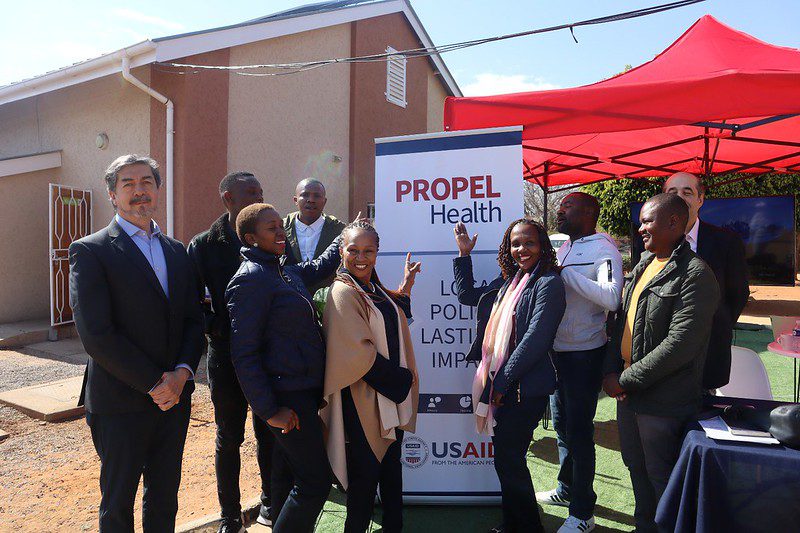
USAID is doing critical work in the health sector. The agency’s work in the region is facilitated through the President’s Emergency Plan for AIDS Relief (PEPFAR), a scheme through which the U.S. government has contributed more than $110 billion to the global HIV/AIDS response. PEPFAR’s funding allows USAID to work effectively against the HIV crisis in South Africa, ultimately aiming to strengthen the country’s overall health system.

Though the South African government finances almost 80% of its HIV response, according to the CSIS, USAID has also been instrumental. The agency has been able to provide more than 1.4 million antiretroviral treatments (ART) in South Africa, a treatment that prolongs the lives of those already infected with HIV. Furthermore, according to its website, it has supported the South African National TB Program in expanding its treatment capacity, an essential strategy in fighting the public health threat posed by HIV and AIDS-related tuberculosis.

A Future of Prevention

In September 2023, USAID announced that it had partnered with the South African Medical Research Council, contracting them for research and development of an HIV vaccine. This development in USAID programs in South Africa marks a notable shift from a focus on treating HIV infection, to preventing it, and fittingly accompanies PEPFAR’s plan to focus on sustainable prevention of HIV throughout the next five years, according to USAID’s website. The search for an HIV vaccine has been ongoing for 40 years, and this localized initiative will now allow South African scientists to be at the forefront of healing their country from crisis.

In USAID’s official press release for this contract, Deputy Administrator Paloma Adams-Allen emphasized that, in South Africa, “the scientific community is on the cusp of developing a vaccine to prevent HIV.” This hopeful suggestion, and the clear shift from treatment towards prevention, points to a brighter future for South Africa and is a significant step towards USAID and PEPFAR’s goal to end HIV as a public health threat by 2030.

– Maeve Relihan

Maeve is based in Birmingham, UK and focuses on Global Health and Politics for The Borgen Project.

Photo: Flickr

July 21, 2024
https://borgenproject.org/wp-content/uploads/borgen-project-logo.svg 0 0 Jennifer Philipp https://borgenproject.org/wp-content/uploads/borgen-project-logo.svg Jennifer Philipp2024-07-21 01:30:192024-07-20 09:16:52How USAID Programs in South Africa Are Fighting HIV
Africa, Global Poverty, Health

AMVA: An Initiative to Expand Vaccine Manufacturing in Africa

Vaccine Manufacturing in AfricaA summit held in Paris on June 20, 2024, announced the launch of the African Vaccine Manufacturing Accelerator (AVMA), an initiative that will provide $1 billion in funding for vaccination manufacturing in Africa by 2030.

AMVA Launch

GAVI has officially launched its innovative financing system, the African Manufacturing Vaccine Accelerator (AMVA), in an effort to increase the vaccine manufacturing industry in Africa. The aim is to prevent outbreaks, promote health and prepare for pandemic response. The African Union, along with the French government and members of the European Union, will contribute more than $800 million toward the diversification and improvement in the accessibility and distribution of vaccines locally within the continent.

Supplying a Continent in Need

Africa remains the least vaccinated continent, importing 99% of vaccines yet manufacturing less than 1% globally. With a population of more than one billion, the impact of COVID-19 brought a harsh reality upon much of the region. By the end of 2021, 50% of the world was fully vaccinated compared to only 7% of the African population. Many countries faced issues with supply, lack of funding and logistics and inadequate distribution, creating challenges in obtaining a sustainable vaccination program. This resulted in a push for change in becoming self-reliant.

Therefore, the Partnership for African Vaccine Manufacturing (PAVM) was launched in 2022 by the African Union and managed by the African Centers for Disease Control and Prevention (African CDC), also a stakeholder in this new accelerator initiative. Currently, more than 56% of Africans have reached full COVID-19 vaccination; while this is an achievement, more work needs to be done. Africa needs to begin manufacturing vaccines in order to continue this progress.

How AMVA Operates

AMVA will use financing to encourage manufacturers to invest in Africa. It offers two incentive types: the milestone payment and the accelerator payment. The milestone payment is issued for producing vaccines listed as a priority by GAVI for treating diseases such as Cholera, Malaria, Measles-rubella, hepatitis B, Yellow Fever and Ebola.

In contrast, the accelerator payment is a “pay per dose” option that is paid upon delivery of vaccines purchased through the United Nations Children’s Fund (UNICEF) tenders. All manufacturers must submit an application to GAVI for an assessment and prequalification process. Additional requirements are that vaccines must be fully manufactured in Africa or the fill and finishing process must be handled at a facility in Africa.

Looking Ahead to the Future

The goal of PAMVA is to meet 60% of the continent’s vaccine requirements by 2040. This vision will not come without challenges, though. About $30 billion in funding is needed for this strategy and many African countries have different struggles, from issues with unreliable pricing to negotiating contracts to a lack of budget and expertise in vaccine procurement. This plan is going to take time, training and careful planning, but this could be the start of a major shift in reshaping Africa, saving lives and advancing the economy.

– Tanita Love

Tanita is based in Chicago, IL, USA  and focuses on Technology and Solutions for The Borgen Project.

Photo: Flickr

July 19, 2024
https://borgenproject.org/wp-content/uploads/borgen-project-logo.svg 0 0 Lynsey 2 https://borgenproject.org/wp-content/uploads/borgen-project-logo.svg Lynsey 22024-07-19 01:30:432024-07-18 10:33:42AMVA: An Initiative to Expand Vaccine Manufacturing in Africa
Page 36 of 212«‹3435363738›»

Get Smarter

  • Global Poverty 101
  • Global Poverty… The Good News
  • Global Poverty & U.S. Jobs
  • Global Poverty and National Security
  • Innovative Solutions to Poverty
  • Global Poverty & Aid FAQ’s
Search Search

Take Action

  • Call Congress
  • Email Congress
  • Donate
  • 30 Ways to Help
  • Volunteer Ops
  • Internships
  • Courses & Certificates
  • The Podcast
Borgen Project

“The Borgen Project is an incredible nonprofit organization that is addressing poverty and hunger and working towards ending them.”

-The Huffington Post

Inside The Borgen Project

  • Contact
  • About
  • Financials
  • President
  • Board of Directors
  • Board of Advisors

International Links

  • UK Email Parliament
  • UK Donate
  • Canada Email Parliament

Get Smarter

  • Global Poverty 101
  • Global Poverty… The Good News
  • Global Poverty & U.S. Jobs
  • Global Poverty and National Security
  • Innovative Solutions to Poverty
  • Global Poverty & Aid FAQ’s

Ways to Help

  • Call Congress
  • Email Congress
  • Donate
  • 30 Ways to Help
  • Volunteer Ops
  • Internships
  • Courses & Certificates
  • The Podcast
Scroll to top Scroll to top Scroll to top