• Link to X
  • Link to Facebook
  • Link to Instagram
  • Link to TikTok
  • Link to Youtube
  • About
    • About Us
      • President
      • Board of Directors
      • Board of Advisors
      • Financials
      • Our Methodology
      • Success Tracker
      • Contact
  • Act Now
    • 30 Ways to Help
      • Email Congress
      • Call Congress
      • Volunteer
      • Courses & Certificates
      • Be a Donor
    • Internships
      • In-Office Internships
      • Remote Internships
    • Legislation
      • Politics 101
  • The Blog
  • The Podcast
  • Magazine
  • Donate
  • Click to open the search input field Click to open the search input field Search
  • Menu Menu

Archive for category: Health

Information and stories on health topics.

Developing Countries, Global Poverty, Health

Leading The Way: Cabo Verde’s HIV Fight

cabo verde's HIVCabo Verde, a West African country consisting of islands in the central Atlantic Ocean, has become a leader in the fight against HIV and AIDS in Africa through its health care investments and social initiatives. Currently, Cabo Verde is estimated to have an HIV prevalence of around 0.6%. At the same time, AIDS-related deaths decreased from around 200 in 2004 to less than 100 in 2022. This progress has involved declining poverty, which dropped to 28.1% in 2022 from 56.8% in 2001. Cabo Verde’s HIV fight is now focused on projects directed at vulnerable groups, such as pregnant women, children and disabled people.

Investment in Communities

Combating HIV and AIDS requires involving both the general public and individuals living with HIV in decision-making processes. The Joint United Nations Programme on HIV/AIDS (UNAIDS) has reported that the West Africa region is not on track to meet the goal of eradicating AIDS by 2030, a target set during the Africa Rising Forum in 2014.

The group’s Executive Director expressed the need for “policies and programs that focus on people not diseases.” This involves community-led HIV testing to reach more people. Furthermore, support groups for mothers living with HIV and individual visits by social assistants are also key. One assistant in Cabo Verde expressed how this work allows patients to “have a good quality of life and avoid stigma and social marginalization.”

Regional Asymmetry

A key challenge for Cabo Verde is the disparity in resources between islands, which affects HIV patients’ ability to access care. At independence in 1975, the country had only 13 doctors. However, the health system has since expanded in both size and sophistication, with 80% of the population now living within half an hour of a health facility. The decentralization of smaller health centers has improved access to care, enabling HIV patients to receive antiretroviral therapy to manage the disease. UNAIDS estimates that by 2023, 72% of individuals living with HIV in Cabo Verde were accessing antiretroviral therapy.

Free Health Care

Cabo Verde’s economy has grown significantly since the ’90s, driven by foreign investment and tourism. This growth has led to increased health care spending, rising from $65 per person in 2001 to $165 in 2013. Citizens are entitled to free basic health care, including preventive care and treatment for HIV and AIDS. The country’s social protection efforts are supported by widespread health education, facilitated by high literacy rates and good access to electricity, fostering greater public awareness and engagement.

Advocacy for the Disabled Community

Despite Cabo Verde’s broad progress, vulnerable communities, such as those with disabilities, continue to face challenges. Handicap International, active in Cabo Verde since 2006, has worked to include disabled individuals in the fight against HIV. The organization improved data on the biological vulnerability to HIV infection and promoted inclusive education on HIV and AIDS.

Research found that the HIV prevalence rate among people with disabilities in Cabo Verde is 2.3%. Additionally, about 79% of disabled participants unaware of available HIV care and support. However, the study itself led to 96% of participants gaining an improved understanding of HIV and AIDS.

Preventing Vertical Transmission

Preventing vertical transmission of HIV from mother to fetus is a key priority for Cabo Verde in reducing new infections. Minister of Health Arlindo Nascimento do Rosário emphasized, “Every child has a right to be born healthy and to live a healthy life.” As part of the free health care system, pregnant women are offered HIV testing. If they test positive, they receive antiretroviral drugs and antenatal support to minimize the risk of transmission.

In 2019, the World Health Organization (WHO) shared the story of Leila Rodrigues, a mother who discovered she had HIV just weeks before giving birth. Thanks to the care her son received, transmission was prevented. Rodrigues later joined the National Network of People with HIV of Cabo Verde.

Final Note

Cabo Verde’s progress in HIV health care has not come without challenges. However, the country has become a model for investing in change and empowering communities. The WHO Africa Health Forum has highlighted Cabo Verde as an exemplar, with participants visiting to observe how innovations have built a strong health care system. Emulating Cabo Verde’s commitment to social inclusion, universal health coverage and decentralized HIV testing could enable the West African region to more effectively combat the disease.

– Daisy Outram

Daisy is based in Kent, UK and focuses on Good News and Global Health for The Borgen Project.

Photo: Wikimedia Commons

September 16, 2024
https://borgenproject.org/wp-content/uploads/borgen-project-logo.svg 0 0 Lynsey 2 https://borgenproject.org/wp-content/uploads/borgen-project-logo.svg Lynsey 22024-09-16 07:30:442024-09-16 01:42:28Leading The Way: Cabo Verde’s HIV Fight
Global Poverty, Health, HIV/AIDS

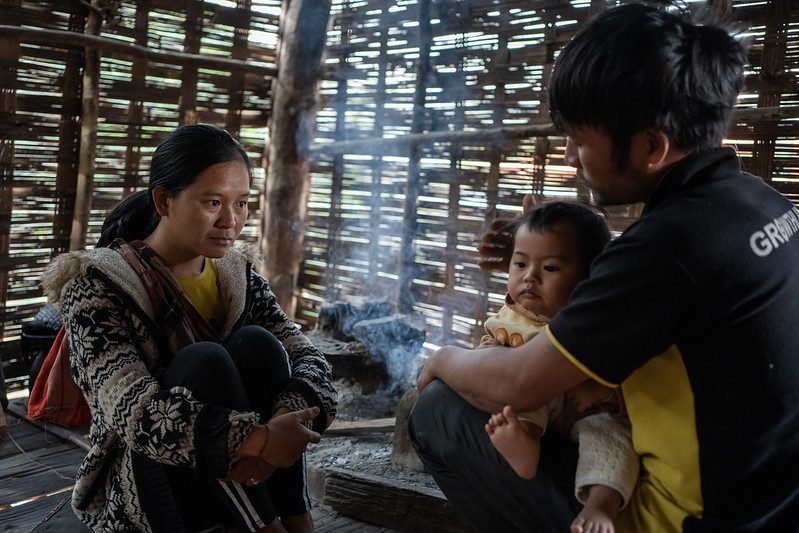
Prevention Strategy: HIV/AIDS in Cambodia

CambodiaCambodia, a Southeast Asian nation with a population of approximately 16.8 million people, has achieved significant progress in controlling HIV infection rates since the peak of the epidemic in 1996. In 2022, the Joint United Nations Programme on HIV/AIDS (UNAIDS) reported that public health interventions had achieved a 91% reduction in HIV infection rates across the population. Specifically, the estimated number of infections dropped to 1,400 from 15,000 in the past three decades.

Correlation Between HDI and the Rate of HIV Incidence

According to a study into the correlation between the Human Development Index (HDI) and the rate of HIV incidence, populations with a higher average socioeconomic strength are more likely to avoid outbreaks of HIV infections. For Cambodia, the country’s HDI has doubled since the ’90s, currently at 0.600 (148th worldwide), supporting the conclusions found in the study.

Ultimately, to satisfy the conditions of the UNAIDS 95-95-95 HIV prevention scheme by the end of the decade, support for the most vulnerable has to be further reassured. These key populations include pregnant mothers, sex workers, people injecting and children living with HIV in impoverished communities. Integrated in 2023, the National Social Assistance Fund (NSAF) envelops efforts to support impoverished individuals living with HIV/AIDS in Cambodia.

Covering Medical Costs for Vulnerable Families

In 2023, Hun Manet’s newly elected government launched the NSAF to centralize health care planning, targeting protection toward the more economically vulnerable across all provinces of Cambodia. Broadly, the fund provides crucial health care benefits for older adults, retired civil servants and those living in impoverished communities.

The social safety nets this fund provides include insurance or cash transfers to cover existing medical costs. While health care is not guaranteed as a dedicated right, it is subsidized based on the approval of a government grant through an application process. This safety net is HIV-sensitive, meaning that individuals living with HIV receive prioritized access. Statistics dating back from 2019 show that beneficiaries of the insurance support amounted to nearly 350,000 pregnant women and children aged less than 2. Recipients of the cash bank transfer scheme were approximately 17,000 impoverished or disabled people.

Tia Phalla, Deputy Director of the National AIDS Authority in Cambodia, argues that people living with HIV can benefit more from financial coverage. She states that nutritional and wage support are as integral as medicinal support and both are offered effectively with economic aid.

Seeking Treatment Anonymously

The new government has nevertheless outlined a new priority to provide upward of 450,000 vulnerable families with health care cards to offer them complete health services coverage. As of December 2023, 13,600 people living with HIV have registered for health care coverage schemes using IDPoor, a smartphone application that alerts HIV treatment centers when a family member is living with the virus. By notifying health care professionals of their status, registrants become eligible for an Equity Card.

This card provides a straightforward and universal way to share their HIV status with treatment centers and other officials. A significant obstacle during the HIV crisis has been the stigmatization of the virus by some uninformed members of the public. The IDPoor registration addresses this issue by offering anonymity to people living with HIV seeking treatment, as their status is revealed through the platform without disclosing their identity publicly.

Final Thoughts

UNAIDS and nonprofit organizations combating HIV/AIDS in Cambodia highlight that an effective health care strategy to counteract increasing HIV infection rates needs to include the following:

  • Fair and inexpensive access to antiretroviral medication.
  • Anonymous services to access treatment and information.
  • A viable social safety net to financially support those unable to work due to illness.

Continued efforts in these areas will be essential for maintaining the progress made and ensuring Cambodia’s HIV/AIDS protection strategy is effective. By prioritizing vulnerable populations and strengthening health care infrastructures, Cambodia can move closer to achieving the UNAIDS 95-95-95 targets and eventually eradicating HIV/AIDS in Cambodia.

– Ramiro Ruiz Martinez

Ramiro is based in Edinburgh, Scotland and focuses on Technology and Global Health for The Borgen Project.

Photo: Flickr
September 3, 2024
https://borgenproject.org/wp-content/uploads/borgen-project-logo.svg 0 0 Lynsey 2 https://borgenproject.org/wp-content/uploads/borgen-project-logo.svg Lynsey 22024-09-03 01:30:152024-09-03 01:19:06Prevention Strategy: HIV/AIDS in Cambodia
Africa, Global Poverty, Health

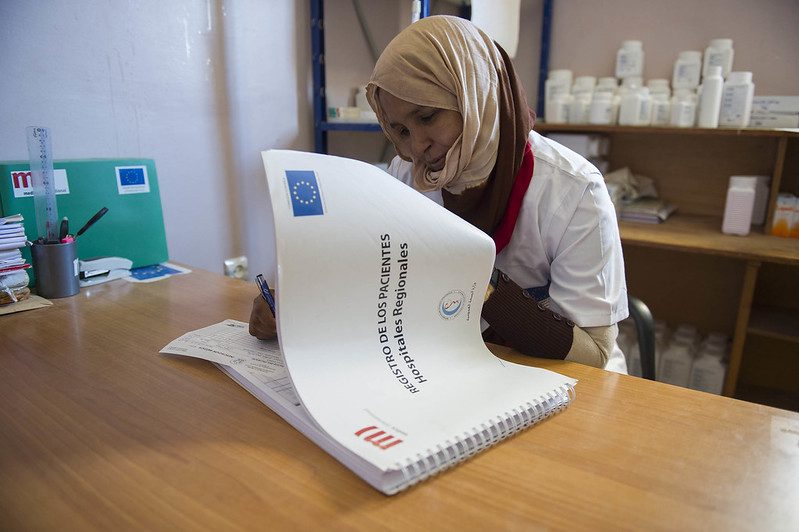
Improving Health Care in Somalia

Health Care in SomaliaHealthcare has become a critical issue for Somalia. With only one government hospital in the capital, many residents are forced to pay substantial amounts for health care. Additionally, health care services are more accessible in urban areas than in rural regions, creating a disparity between these sectors. By 2024, Somalia had also encountered numerous humanitarian challenges exacerbated by poverty. This has included natural disasters such as droughts and severe flooding in 2023, which devastated crops and infrastructure. However, several organizations are working to rebuild Somalia, focusing on improving its health care system.

Medair

Medair provides free health and nutrition services to those who cannot afford care, significantly reducing mortality and morbidity rates, especially among children. It has also integrated health services with education on disease prevention to improve overall community health. Additionally, recognizing the impact of family issues like domestic violence, family separation and child labor on mental health, Medair has established child-friendly spaces in Somalia. These spaces offer a supportive environment where children can receive therapy and other assistance to alleviate stress.

For instance, Medair has been invaluable for people like Fadumo and her son Hassan. Their family relies on the father’s income as a construction worker, insufficient to cover their health care needs. With few hospitals accessible due to general shortages in Somalia, Medair’s support has been crucial. Fadumo joined the malnutrition program for pregnant mothers, which helped her regain her strength. Her son, who was also malnourished, received prompt treatment and was able to recover.

International Committee of the Red Cross

In extreme natural disasters like droughts, families in Somalia often struggle to reach the nearest hospital. To address this challenge, the International Committee of the Red Cross (ICRC) works to improve access to health care. The ICRC supports four hospitals and 27 primary care centers in Somalia, ensuring they are adequately staffed to prevent check-up delays. Additionally, the organization provides material assistance by ensuring health care facilities have access to clean water and the necessary tools to address malnutrition. The ICRC also offers rapid support for patients who are shot or severely injured.

The ICRC also engages with local citizens to ensure their safety and protection, particularly during conflict. In response to large-scale armed attacks or the use of explosives, the ICRC has a designated plan and delivery strategy to provide extensive support and prioritize care for the most severely wounded.

Somalia’s First Aid and Pre-Hospital Emergency Care program facilitates comprehensive pre-hospital care by recruiting staff and ensuring the correct delivery of medicine. Additionally, the program offers first aid training for communities, empowering individuals to contribute to improving their community’s overall safety and health.

Somali Universal Health Coverage

After three decades of conflict, health care in Somalia has significantly deteriorated, with up to 70% of the population living in poverty. Recognizing the need for improvement, the government has prioritized primary health care as a crucial initiative to enhance community health. This approach aims to provide comprehensive care for individuals throughout their lives, ensuring the highest quality of treatment. Somalia has undertaken several key actions to advance toward universal health coverage.

First, a coordination system was established to ensure adequate staffing at every district level and monitor hospital medicine availability. Emergency preparedness is a critical component of Somali Universal Health Coverage; one approach includes strengthening warning systems to allocate health services before sudden droughts or floods impact food supplies. Additionally, the role of the Ministry of Health has been expanded to regulate better and finance these initiatives effectively.

Final Note

Somalia’s health care system, severely impacted by decades of conflict and high poverty rates, has seen some improvements through various initiatives. Efforts by organizations like Medair and the ICRC, along with government-led actions such as enhanced coordination and emergency preparedness, are working to address critical health needs and provide essential services. Despite progress, significant challenges remain, highlighting the need for comprehensive support and development in Somalia’s health care sector.

– Linda Yoonseo Lee

Linda is based in Phoenix, AZ, USA and focuses on Good News for The Borgen Project.

Photo: Flickr

August 31, 2024
https://borgenproject.org/wp-content/uploads/borgen-project-logo.svg 0 0 Lynsey 2 https://borgenproject.org/wp-content/uploads/borgen-project-logo.svg Lynsey 22024-08-31 01:30:342024-08-31 02:05:16Improving Health Care in Somalia
Development, Health

Jordan’s Universal Health Care Service: Expanding and Improving

Jordan's Universal Health Care Poor health is one of the leading causes of poverty and one of the main barriers to escaping poverty. Poverty can also cause or increase the likelihood of an individual having poor health. Given this symbiotic relationship between poverty and health one of the most effective things a government can do to attempt to reduce it is to provide effective universal public health care.

Jordan is an upper-middle-income country with a population of around 11.3 million people. As of 2023, around 35% of Jordan’s total population, around 3.98 million people were classified as poor, living below $7.9 a day. This is nearly a 20% increase from 2018 when 15.7% of people were estimated to be poor. Around only 60% of Jordanians get health services from the government according to a 2023 study, a number that is quite low for a country aiming to achieve full universal health care coverage by 2030.

Jordan’s Universal Health Care and Hakeem

Although Jordan has not yet achieved full universal health care coverage it has made it one of its key priorities to achieve this by 2030, in line with the U.N.’s sustainable development goals (SDGs). With this aim in mind, Electronic Health Solutions (EHS), a Jordanian health company that focuses on providing improved health care technology launched its flagship program “Hakeem” in 2009.

This program provides access to electronic health records, linked to a central system, allowing health professionals access to patient’s medical records from any facility covered by ‘Hakeem’. As of June 2024, EHS has partnered with the U.S. Trade and Development Agency (USTDA), signing a grant agreement to provide technical assistance to expand Hakeem, increasing the number of health care facilities it covers. The grant will also “improve patient access, facilitate processing of patient data management records” and provide new services to increase the efficiency of care, according to USTDA. This recent partnership is a continuation of an original partnership between EHS and USTDA started in 2013.

Medical Record Access

Hakeem provides quick and easy access to patient medical records, allowing for continuity of care between hospitals and health care professionals for patients.

Ease of access to a patient’s health care records may seem like a trivial thing but its importance should not be understated. This is because it can drastically decrease the time it takes to diagnose a patient and provide them with the correct health care by aligning treatment with any potential underlying health condition or unique health care need of a patient. It also allows for disclosure of previously received treatment, potentially for the same health condition which will only help to speed up the health care process and reduce the time they are in hospital and the time they may take to recover.

A study from Erasmus University in Rotterdam noted that “[r]esponsive primary care and prompt referral for effective hospital treatment quicken recovery from illness and minimize disruption on earnings.”

Cost of Health Care

Given the main ways in which ill health can cause someone to enter poverty is via out-of-pocket spending on health care and loss of earnings due to not being able to work – the World Health Organisation (WHO) noted that “in 2019, out-of-pocket health spending dragged 344 million people further into extreme poverty and 1.3 billion into relative poverty.” Hakeem helps in reducing the time to receive treatment and recover, decreasing the likelihood that a patient’s ill health will cause them to enter into or worsen their condition of poverty.

The positive impact of ‘Hakeem’ has also already been demonstrated through its use during the COVID-19 pandemic where health care professionals in Jordan utilized it “to provide continuity of care for patients with conditions including diabetes, oncology, and renal systems” when the pandemic restricted movement, according to USTDA. This shows how it allows patients to still receive health care even in extraneous circumstances, reducing out-of-pocket spending and risk to patients.

Poverty Reduction

Universal health care, its maintenance and improvement, is a key and extremely impactful step a government can take to reduce poverty rates within a country. The study from Erasmus University also notes that due to the ability of ill-health to cause poverty, “[p]overty alleviation is therefore a tenable motivation for investment in health” with universal health care being a key step in this. This is because “[u]niversal health coverage […] can protect against the burden of medical expenses that may otherwise be impoverishing”. Immediate access to health care can also “ensure that patients recover quickly from illness, allowing them or their parents to return to work earlier with minimal loss of earnings.”

Improved population health, something universal health care aims to support can also reduce poverty through the economic growth generated by a healthy and therefore more productive workforce. Therefore, all this evidence points towards the importance of providing effective universal health care in attempting to reduce poverty, something Jordan is striving for.

Final Remarks

Given the risk ill health presents by potentially pushing one into poverty, the USTDA’s support of Hakeem and the continued efforts to better Jordan’s universal health care system is a key step to tackling poverty in the country. Hakeem and its continued support by both the Jordanian government and the USTDA demonstrates Jordan’s commitment to reducing poverty and providing essential services to its citizens and the global cooperation and commitment needed to effectively fight poverty as we strive for sustainable development and a better future for all.

– Archie Day

Archie is based in St Andrews, Scotland and focuses on Technology and Global Health for The Borgen Project.

Photo: Flickr
August 28, 2024
https://borgenproject.org/wp-content/uploads/borgen-project-logo.svg 0 0 Naida Jahic https://borgenproject.org/wp-content/uploads/borgen-project-logo.svg Naida Jahic2024-08-28 07:30:442024-08-27 13:28:32Jordan’s Universal Health Care Service: Expanding and Improving
Disease, Global Poverty, Health

A Look at Malaria in Ghana

Malaria in GhanaGhana is located in Western Africa and sits on the Gulf of Guinea. It boasts a fairly high gross domestic product (GDP) per capita, at $2,203. Nearby countries, such as its neighbor Togo, sit at $942. Despite the high income, the nation is suffering one of its largest economic crises, marked by rampant inflation.

As a result, poverty is widespread, affecting approximately 24% of its 33.48 million residents. This translates to around 8 million people living below the poverty line. Many of these individuals face significant hardships, including health challenges. Malaria, in particular, has been a persistent and severe issue for Ghana.

What Is Malaria?

Malaria is a parasitic disease transmitted through the bites of female Anopheles mosquitoes. It is caused by five types of parasites, with Plasmodium falciparum and Plasmodium vivax being the most severe. While malaria is found in various regions globally, it is most prevalent in sub-Saharan Africa, including Ghana.

In 2022, 94% of malaria cases occurred in sub-Saharan Africa. Although malaria is both preventable and curable, it is a serious and rapidly progressing disease that requires prompt treatment. Ensuring those at risk have continuous access to necessary care is crucial for combating this dangerous illness.

How Does Malaria Impact Ghana?

In 2022, Africa experienced a massive malaria outbreak, with approximately 249 million cases and more than 608,000 deaths reported. Ghana alone recorded 5.3 million cases and 11,557 deaths. Although the outbreak has subsided, Ghana’s vulnerable health care system, which receives only 4% of the country’s GDP in funding, remains at risk for future malaria outbreaks.

With little spending on health care, Ghana’s system is weak, making it challenging for many citizens to access efficient care. Coupled with widespread poverty, affording medications is a struggle for many. Although a national health care insurance program exists, about 48% of the population is not enrolled. The combination of a weak health care system and a significant amount of people in poverty means that the country stands at a higher risk of outbreaks and infections.

What Is Being Done?

The World Health Organization (WHO) has collaborated with Ghana to combat malaria, achieving significant progress. Notably, they facilitated the distribution of the world’s first malaria vaccine to 708,970 children nationwide. Furthermore, WHO introduced the National Malaria Strategic Elimination Plan to eradicate malaria in Ghana.

In addition to WHO, other organizations are actively combating malaria in Ghana. The United States Agency for International Development (USAID), in collaboration with the United States (U.S.) Centers for Disease Control and Prevention (CDC), has made significant contributions. They have distributed insecticides nationwide to protect against mosquito bites, provided malaria chemoprevention to more than one million children and delivered approximately 2.8 million doses of preventive medicine.

Final Note on Malaria in Ghana

Ghana continues to face significant challenges, including persistent poverty and various systemic issues. However, the efforts of WHO and USAID have yielded positive results. The country’s health system is gradually improving and receiving increased government funding. While eradicating poverty in Ghana will be a lengthy process, eliminating malaria will undoubtedly enhance the quality of life for many, especially those living in poverty.

– Tyra Brantly

Tyra is based in Los Angeles, CA, USA and focuses on Global Health for The Borgen Project.

Photo: Flickr

August 19, 2024
https://borgenproject.org/wp-content/uploads/borgen-project-logo.svg 0 0 Lynsey 2 https://borgenproject.org/wp-content/uploads/borgen-project-logo.svg Lynsey 22024-08-19 07:30:132024-08-19 04:14:53A Look at Malaria in Ghana
Education, Global Poverty, Health

Go Project Hope: Advancing Health and Education in Palestine

Go Project HopeSince October 7, 2023, the crisis in Palestine has escalated exponentially, bringing serious concerns to the livelihood of Palestinians in the West Bank and Gaza. With up to 175,000 buildings being severely damaged or destroyed in the Gaza Strip, accessible health care and education for Palestinians has become nonexistent.

Effective and innovative strategies for improving the region’s health care and educational systems are paramount in the face of the conflict. Go Project Hope, a nongovernmental organization (NGO), understands that and works toward advancing health and education in Palestine through innovation and creativity.

Health and Education in Palestine

The decades-long occupation and blockade in Palestinian territories has left the health system in Gaza and the West Bank severely under-resourced. The growing conflict and violence between Israel and Palestine has worsened an already bleak situation. Additionally, the Israeli bombardment on the Gaza Strip since October 7, 2023, has damaged, destroyed or raided 32 out of a total of 36 hospitals, leaving the Palestinian health care system in collapse.

While Palestine has prioritized education and literacy for many years, the ongoing conflict in Gaza and the West Bank has severely impeded the value system. The displacement of nearly two million in the Gaza Strip has made access to education in the region impossible. According to 2024 reports from the United Nations Relief and Works Agency for Palestine Refugees in the Near East (UNRWA), more than 625,000 students and 22,564 teachers cannot access or contribute to the education system in Palestine.

On top of that, with the destruction of more than half of the buildings in Gaza, many educational buildings no longer exist or have been converted into refugee shelters. In consequence, the ongoing occupation and Israeli settlements in the West Bank have placed severe pressure and restrictions on already displaced Palestinians in accessing proper health care and education.

Go Project Hope’s Mission

Go Project Hope aims to improve and advance health and education in refugee camps worldwide. Through innovation and creativity, the organization has created mindful and unique initiatives for refugee camps in developing countries, focusing on improving health and education conditions. For the 1.7 million displaced Palestinians, Go Project Hope has created and funded initiatives considering the complexities of life in refugee camps, thus expanding their overall impact.

Innovations in health and education define progress in the face of crisis. With this prerogative, Go Project Hope has created and funded several programs prioritizing health and education in Palestine and for refugees worldwide. 

Camp Care Comic

The Camp Care Comic series was created as an educational resource that addressed many mental and physical health concerns facing Palestinian refugees. The protagonist, Superhero Azhar, solves the problems facing Palestinians and refugees globally through fun and engaging pictures and story-telling. The comic series educates Palestinians on health concerns across the refugee camps, such as lice, scabies and stress, in an engaging and informative manner. The duality of the comic series is demonstrated as it is not only a creation to better education and literacy in refugee camps but to better the mental and physical health of refugees.

Jalazone Refugee Camp Music and Movement Program

Go Project Hope designed and created a movement and mindfulness program at the Jalazone refugee camp in the West Bank, specifically prioritizing the mental and physical health of special needs children and their siblings who would often take care of them.

According to a 2018 study on post-traumatic stress disorder (PTSD) in refugees, children and adolescents, psychiatrist J.M. Fergert explains that refugees fleeing from areas of severe danger and violence are significantly more likely to experience PTSD and similar mental disorders. Go Project Hope’s movement and mindfulness initiatives in the West Bank teach students healthy techniques to relax and bring them peace in the face of violence and conflict.

Final Note

With its innovative initiatives like the Camp Care Comic series organizations such as Go Project Hope offer hope in the face of crises that frequently characterize the developing world. The programs developed and funded by the NGO have provided essential support to refugee camps across Palestine, Iraq and Greece. These efforts continue to enhance the lives of thousands of refugees and instill hope worldwide.

– Juliana Granville

Juliana is based in Brooklyn, NY, USA and focuses on Technology and Global Health for The Borgen Project.

Photo: Flickr

August 19, 2024
https://borgenproject.org/wp-content/uploads/borgen-project-logo.svg 0 0 Lynsey 2 https://borgenproject.org/wp-content/uploads/borgen-project-logo.svg Lynsey 22024-08-19 01:30:212024-08-19 01:03:34Go Project Hope: Advancing Health and Education in Palestine
Global Poverty, Health, Technology

Health Care Access: Telemedicine in the Amazon

Telemedicine in the AmazonTelemedicine in the Amazon opens new doors for remote communities and could be revolutionary for Indigenous people worldwide. The Amazon Rainforest is home to millions, including Indigenous communities and remote populations, who face significant challenges in accessing primary health care. The region’s dense vegetation, vast rivers and lack of infrastructure make traditional health care delivery nearly impossible.

However, telemedicine has begun to bridge this gap, offering a lifeline to those who would otherwise be left without critical medical care. Telemedicine allows doctors to connect with patients through video calls and online platforms, offering medical care from a distance. This approach is especially beneficial for people in remote areas, allowing them access to health care, receiving diagnoses and managing treatments.

Health Care Vulnerabilities in the Amazon

The Amazon Rainforest is home to diverse Indigenous populations living in remote areas without access to essential health services. The region faces various health issues, including infectious diseases, malnutrition and chronic conditions. Common diseases like malaria and respiratory infections are widespread and the lack of proper health care worsens these conditions.

The infant mortality rate among male Indigenous infants is 27 per 1,000 live births, significantly higher than the urban male average of 13 per 1,000. Most of the data mirrors this one, with a significant difference between the groups, even getting up to double.

Innovative Telemedicine Projects in the Amazon

The Amazon Hope Project is a nonprofit organization that provides essential health care services to remote communities along the Amazon River using mobile clinics. These floating medical units are equipped with telemedicine technology, allowing health care providers to consult with specialists in larger cities.

The project offers various services that may not be available locally, including maternal care, vaccinations and chronic disease management. In addition to addressing immediate health needs, the project emphasizes preventive care through health education and routine check-ups. The Amazon Hope Project collaborates with local churches in Brazil to help deliver these services and resources.

Partnerships

The success of telemedicine in the Amazon depends greatly on technological advancements. Satellite internet is essential for connecting remote areas that lack traditional telecommunications infrastructure. Vivo, the leading telecommunications provider in Brazil, has partnered with the Brazilian government to extend mobile network coverage and boost internet connectivity in remote regions.

This infrastructure development supports telemedicine platforms, enabling remote health consultations and efficient data sharing between local clinics and urban specialists. The combined efforts of these sectors have effectively addressed the challenges of providing health care in isolated areas, illustrating the success of their joint approach in bridging the health care gap.

Economic and Social Impact

The impact of telemedicine on health care access in the Amazon goes beyond medical outcomes. Economically, it reduces the financial burden on patients who would otherwise incur high costs traveling to urban centers for care. Socially, telemedicine improves health literacy and empowers local health workers with the tools and knowledge needed to manage complex cases.

Conclusion

Telemedicine is transforming health care in the remote Amazon Rainforest by overcoming geographical barriers and delivering essential services to isolated communities. With technological advancements and strong partnerships, these initiatives make a tangible difference, improve health outcomes and support sustainable development. The ongoing success of telemedicine projects highlights its critical role in bridging the health care gap. It offers hope for a future where every individual can access quality care regardless of location. As these solutions grow, they support Amazon communities, leading to better health outcomes and a more promising future.

– Danica Lourdu Nelson

Danica is based in Parker, CO, USA and focuses on Business and Technology for The Borgen Project.

Photo: Flickr

August 18, 2024
https://borgenproject.org/wp-content/uploads/borgen-project-logo.svg 0 0 Lynsey 2 https://borgenproject.org/wp-content/uploads/borgen-project-logo.svg Lynsey 22024-08-18 07:30:252024-08-18 02:49:04Health Care Access: Telemedicine in the Amazon
Africa, Global Poverty, Health

Ethiopian Mental Health: Challenges and Progress

Ethiopian Mental HealthThe world is becoming much more aware of mental health issues. Countries all over the world are looking for solutions to mental health issues. However, poorer countries are working at a disadvantage. Ethiopia has been able to overcome this disadvantage and improve its mental health care.

Ethiopian Mental Health Issues

Ethiopia has been looking for ways to improve mental health for years. As recently as 2021, it had included mental health services in the health extension package but had not implemented any changes. The lack of any action was due to many factors. Some include “low political commitment, lack of resources, non-functional referral system, lack of interest from private health care organizations,” stigma within the culture and poor reporting, according to Dove Medical Press.

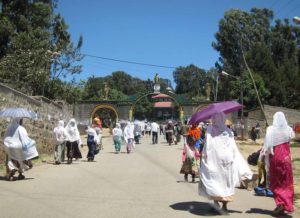
One of the biggest factors is the stigma and discrimination of mental health issues in Ethiopia. A majority of the people in Ethiopia follow Ethiopian Orthodox Christianity. Some followers of this form of Christianity believe demonic possession is the cause of mental health issues, which could prevent people from speaking up on these issues. This presents a huge hurdle into addressing Ethiopian mental health.

The Ethiopian government is currently using the media for advocacy of mental health issues. Its strategy is to reach the Federal Ministry of Health, general and mental health physicians, mental health service users and providers and the general population.

The battle against the stigma is just half the battle. Even if the stigma issue was removed, Ethiopia does not have enough physicians to sustain an increased volume of patients. In 2022, Ethiopia had 1.08 physicians per 10,000 people.

Solutions

The Federal Ministry of Health in Ethiopia along with the World Health Organization (WHO), European Union and Foundation d’Harcourt have worked together to implement the Mental Health Gap Action Programme (mhGAP). This program aims to help low and middle-income countries scale up their mental health services.

Dr Tedla Wolde-Giorgis, Mental Health Advisor in the Office of the Minister of the Ethiopian Federal Ministry of Health explains that the program’s goal is “to integrate mental health in the existing primary health-care system by leveraging the existing health delivery platforms. The strategy that we developed emphasizes the training of health staff on mental health issues using the mhGAP programme and making sure that they are provided with close supervision and oversight at the different health centres. To this end, the mhGAP training materials and approach was very helpful to us.”

The program has made some huge progress quickly. As of March 2023, a total of 1,230 general health care workers received training from mhGAP.

The Future

The progress in the Ethiopian mental health landscape illustrates the challenges and opportunities that many low- and middle-income countries face. While there are many obstacles like stigma, resource constraints, and limited healthcare infrastructure, the collaboration between the Ethiopian government, international organizations and local communities shows that meaningful change is possible. By continuing to build on these efforts and fostering a more inclusive and understanding society, Ethiopia can pave the way for a healthier future. Furthermore, this is an example for other nations facing similar struggles. The journey is long, but with sustained commitment and international support, the vision of comprehensive mental health care in Ethiopia can become a reality.

– Matthew Mendives

Matthew is based in Colonia, NJ, USA and focuses on Global Health and Celebs for The Borgen Project.

Photo: Unsplash

August 18, 2024
https://borgenproject.org/wp-content/uploads/borgen-project-logo.svg 0 0 Naida Jahic https://borgenproject.org/wp-content/uploads/borgen-project-logo.svg Naida Jahic2024-08-18 01:30:502024-08-17 10:27:21Ethiopian Mental Health: Challenges and Progress
Global Poverty, Health, Nonprofit Organizations and NGOs

Addressing Health Crisis in Mali: Efforts and Challenges

Transforming Health Access in Mali Mali, an inland sub-Saharan country in West Africa, ranks among the poorest in the world. The country has suffered from ongoing conflicts, notably the 2012 Tuareg rebellion and the subsequent Mali war, alongside challenges such as unemployment, food insecurity and extreme climate variability. As a result, Mali’s health care system has also been severely compromised.

Current Health Crisis in Mali and Barriers

A 2024 UNICEF Health Crisis in Mali report states that 5.4 million people require health assistance and 2.5 million need nutritional support. In a special interview with The Borgen Project recently, an International Medical Corps field operator discussed several challenges in providing health care in Mali. These include a lack of quality infrastructure and medical equipment, insufficient electricity and difficulties accessing remote areas.

UNICEF’s Response

Amid the conflict, UNICEF stepped in to assist, particularly during roadblocks, by deploying community health agents who acted as frontline responders, equipped to combat diseases such as diarrhea, pneumonia and malaria. In 2018, UNICEF achieved significant milestones, including eliminating maternal and newborn tetanus in six regions. Throughout the year, Mali also maintained its polio-free status. It continued to strengthen the national health system’s capacity to deliver life-saving emergency health interventions and services, including vaccination services in the northern conflict-affected regions.

Health Mobile Clinics in Mopti

In the Mopti region, the European Union (EU) and its humanitarian partner Save the Children provide free health care to vulnerable individuals through mobile clinics. Each month, more than 1,500 people benefit from services that include consultations, prenatal check-ups and immunizations tailored for displaced individuals. These clinics treat various diseases and malnutrition and educate patients through sessions that raise awareness about good health practices. These sessions cover COVID-19 prevention, sanitation, vaccinations and more.

Novartis Foundation’s Contribution

Consulting a doctor typically costs around 1,000 CFA, valid for a week, while a prenatal consultation might cost about 2,500 CFA, which is quite expensive. The comprehensive survey on household living conditions (EICVM 2018 – 2019) reveals that 51% of Malians skip health care due to financial reasons.

The Novartis Foundation has significantly transformed health care in the region of Ségou. Covering 13 health areas and reaching a population of 200,000 people across 210 villages, the foundation’s commendable efforts include strengthening health insurance schemes, providing microcredit to women’s saving groups, investing in small businesses, diversifying farmers’ incomes and more.

Strengthening Health Care in Mali: The PACSU Initiative

The government of Mali, with funding from the World Bank, launched a four-year initiative called the Accelerating Progress toward Universal Health Coverage Project (PACSU). This project not only strengthens community health services but also establishes a robust emergency fund allocation system for responding to disasters and crises. Strengthening health infrastructure, ensuring accessibility and promoting economic stability are crucial for Mali’s future. As the world focuses on this nation, a collective effort is necessary to address the health crisis in Mali and solidify its health care system.

– Malaikah Niyazi

Malaikah is based in New Delhi, India and focuses on Global Health for The Borgen Project.

Photo: Flickr

August 15, 2024
https://borgenproject.org/wp-content/uploads/borgen-project-logo.svg 0 0 Precious Sheidu https://borgenproject.org/wp-content/uploads/borgen-project-logo.svg Precious Sheidu2024-08-15 01:30:572024-08-15 00:09:33Addressing Health Crisis in Mali: Efforts and Challenges
Disease, Global Poverty, Health

A New Hope for Health Care in Guinea

A New Hope for Health Care in Guinea Guinea is a country in West Africa bordered by the Atlantic Ocean. It is home to nature reserves that hold a forested mountain range rich with native plants and animals. However, despite this preserved nature, the people of Guinea lack basic living standards.  About three-quarters of the Guinea population experience extreme poverty. They have a lack of education, health care and hygiene. This lack of adequate health care has made Guinea home to many diseases. These diseases, specifically lower-respiratory infections are the cause of 99.9% of deaths in the country. The prices of health care and the low amounts of health professionals per population are the main causes of the lack of adequate health care. However, significant improvements have been made through initiatives by the USAID to improve the quality of health care.

Disease Prevalence in Guinea

Guinea hosts all kinds of diseases, both communicable and noncommunicable and some endemic diseases. The most prevalent diseases within Guinea are Malaria, HIV/AIDS, Tuberculosis and Neglected Tropical diseases. There are 4.5 million cases of Malaria a year which caused 9,439 deaths in 2021. Tuberculosis and HIV/AIDS affect every 175 in 10,000 people. Though they have treatments and detection systems it is hard for these to operate in Guinea due to the low coverage of Tuberculosis services, human resources shortages and lack of follow-ups among patients. Many Neglected Tropical Diseases such as Leprosy, Rabies, Buruli ulcer, foodborne trematodes and many more are also prevalent within the region. 

Immunization Challenges and Systematic Issues

Another area besides diseases that cause poor health practices for the Guinean people is the lack of immunization. Many children are zero-dose children meaning they have never had a vaccine in their life. Only 24% of the 192,000 children born each year receive a complete cycle of vaccinations. This leads to the furtherance of these preventable diseases and causes endemics.

Evolution of Guinea’s Health Care System

Between 1986 and 1989, the privatization of health care began to grow in Guinea, ultimately raising the cost of care and making it inaccessible to the majority of the population. Currently, health care remains expensive and the quality of care is unsatisfactory. As of 2008, only 5% of the population had coverage under public health insurance. Guinea’s health care system has a pyramidal structure, featuring three national hospitals, one regional hospital in each of the seven regions and a prefectural hospital in each of the 33 prefectures. Despite the seemingly comprehensive system, there is a critical shortage of health care workers. The distribution of these workers is also uneven: 60% of health care workers are located in Conakry, the capital, which is home to only 20% of the population. Consequently, Guinea’s health care system suffers from a severe lack of accessible care and health care professionals.

Launch of Notre Sante Initiative by USAID

Notre Sante or “Our Health”, is a USAID initiative launched in June 2023 to provide accessible, affordable and high-quality health care in Guinea. The project aims to operate across 15 prefectures in the regions of Labé, Boké and Kindia, as well as the six communes of Conakry. It plans to collaborate with the Ministry of Health and Public Hygiene and engage both private and public sectors. Notre Sante focuses on improving provider behavior and delivering care in a culturally sensitive manner that involves community members and builds on best practices. The launch of this initiative marks significant progress toward enhancing health care for the people of Guinea.

Future Prospects for Health Care in Guinea

Guinea’s health care system has struggled with inadequate services and a shortage of health care professionals. However, the introduction of the Notre Sante initiative offers hope for improving the quality of life for the people of Guinea. Notre Sante aims to make health care affordable, accessible and high-quality, signaling a hopeful future for the trajectory of Guinea’s health care system.

– Ellie Buss

Ellie is based in Vancouver, WA, USA and focuses on Good News and Global Health for The Borgen Project.

Photo: Flickr

August 13, 2024
https://borgenproject.org/wp-content/uploads/borgen-project-logo.svg 0 0 Precious Sheidu https://borgenproject.org/wp-content/uploads/borgen-project-logo.svg Precious Sheidu2024-08-13 03:00:502024-08-12 12:19:40A New Hope for Health Care in Guinea
Page 35 of 212«‹3334353637›»

Get Smarter

  • Global Poverty 101
  • Global Poverty… The Good News
  • Global Poverty & U.S. Jobs
  • Global Poverty and National Security
  • Innovative Solutions to Poverty
  • Global Poverty & Aid FAQ’s
Search Search

Take Action

  • Call Congress
  • Email Congress
  • Donate
  • 30 Ways to Help
  • Volunteer Ops
  • Internships
  • Courses & Certificates
  • The Podcast
Borgen Project

“The Borgen Project is an incredible nonprofit organization that is addressing poverty and hunger and working towards ending them.”

-The Huffington Post

Inside The Borgen Project

  • Contact
  • About
  • Financials
  • President
  • Board of Directors
  • Board of Advisors

International Links

  • UK Email Parliament
  • UK Donate
  • Canada Email Parliament

Get Smarter

  • Global Poverty 101
  • Global Poverty… The Good News
  • Global Poverty & U.S. Jobs
  • Global Poverty and National Security
  • Innovative Solutions to Poverty
  • Global Poverty & Aid FAQ’s

Ways to Help

  • Call Congress
  • Email Congress
  • Donate
  • 30 Ways to Help
  • Volunteer Ops
  • Internships
  • Courses & Certificates
  • The Podcast
Scroll to top Scroll to top Scroll to top