Widening Access to Vaccines in Mali
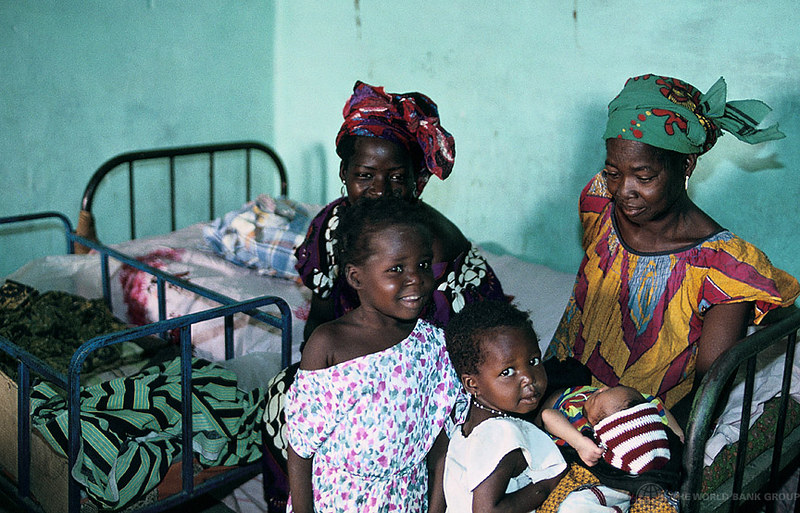 Access to vaccines in Mali has been an issue for many years, with 14% of children having received no vaccinations at all. Ensuring that everyone globally has access to health care, including vaccinations, is essential to downsizing poverty. Furthermore, it is also key to achieving Sustainable Development Goals (SDGs) Target 3. Yet, conflict in the country has limited access to vaccines in Mali. After a military coup in 2012, political instability has impacted access to basic health care, preventing people from getting vaccinated.
Why Are Vaccines Needed?
Infant mortality is a real issue in Mali, with one in 10 children dying before the age of 5. Only 45% of children receive basic vaccines in Mali. This leaves a significant proportion of the population vulnerable to dangerous and life-threatening diseases. This has been worsened by health centers being destroyed or badly damaged in the conflict. Vaccinations can help downsize poverty and so a lack of access to them exacerbates poverty. In Mali, the rate of poverty is at 90%, with much of this concentrated in the rural south. In 2022, 19.1% of the population were in extreme poverty. By increasing access to vaccines in Mali, this can be reduced.
Vaccinations help improve livelihoods by increasing life expectancy, reducing the spread of disease and minimizing infant mortality. It also decreases the possibility that a person will require more expensive health care later in their life if they contract a preventable disease. Many in Mali cannot afford the health care that would be needed to treat diseases such as polio, hepatitis and meningitis, which can all be vaccinated against. Moreover, there is a need, to stall population growth; reducing infant mortality has been proven to reduce the number of children parents are likely to have, therefore halting population growth.
What Has Been Done to Help?
The United Nations Children’s Fund (UNICEF) is working with the Ministry of Health and Social Affairs, Gavi and the World Health Organization to increase access to vaccines in Mali. UNICEF, alongside these stated organizations, are creating digital registers of those who have been vaccinated. Hence, there is sufficient information available to medical professionals.
UNICEF is also setting up mobile and accessible services. These are situated in places like markets, schools, mosques and even bus stations so people can easily and receive vaccinations. In 2019 alone, UNICEF vaccinated nearly four million children against measles. Vaccines often require cool temperatures, which is usually difficult as Mali does not always have a reliable source of energy. Hence, UNICEF is using solar-powered refrigerators to make sure vaccines do not go to waste, due to incorrect storage.
Furthermore, in 2022, the United States (U.S.) government invested $95 million to “improve the health and well-being of more than 17 million Malians,” launching the “PROPEL Adapt” scheme that aims to increase access to affordable health care. This is part of a wider goal to achieve health and water security. On a more local level, in Yirimadio, located in the south of Mali, free doctors were sent door to door to offer free health care. This resulted in infant mortality rates falling very dramatically from 154 deaths per 1,000 live births in 2018 to only seven in 2015. This shows that access to free health care and vaccines can greatly benefit people and save many, many lives.
Looking to the Future
Overall, Mali has seen a significant drop in infant mortality rates from 61 per 1,000 live births in 2021 to 56 in 2024. However, there is much more to do to ensure that access to vaccines in Mali is widespread. Investment in health care infrastructure and innovative thinking can transform the lives of the Mali population for the better. Vaccines play a vital role in downsizing poverty and improving the livelihoods of millions.
– Eryn Greenaway
Eryn is based in the UK and focuses on Global Health for The Borgen Project.
Photo: Flickr
