 In 1997, a Kerala state project, recognizing the significance of channeling a significant, often underutilized demographic, began Kudumbashree, a widespread and comprehensive program that seeks to vastly reduce poverty and empower women at the same time. In a state of about 35 million people, Kudumbashree set out on a path to establish local, self-functioning levels of organization that could bring women together, provide access to resources regardless of education, economic status or caste and connect a willing workforce to new and old professional options, opening the future for Indian women across entire regions. In Malayalam, the local language of Kerala, Kudumbashree comprises two unique words, that when combined, translate to “prosperity of the family.” The structure, scale and significance of an enterprise like this is widespread and compelling, not just for one state in India but for an entire country and global community.
Kudumbashree: History and Goals
Kudumbashree is more than just one specific government program; rather, it is also a particular umbrella for cooperating efforts that fall under the jurisdiction of a unifying task force proposition known as the State Poverty Eradication Mission (SPEM). Kudumbashree and SPEM are interchangeable and the second has largely evolved into the first. By one definition, Kudumbashree is a charitable society; by another, it is a facilitator for work. All these descriptions are because of the fundamental and indispensable goal of a budding institution that secures a future for Indian women and their families. Though it may be ambitious and certainly easier said than done, Kudumbashree unabashedly seeks to “eradicate absolute poverty from the State over a period of 10 years.” Even if this goal has not been met yet, a significant amount of resources, community structures and cooperative dynamics have been put into place that brings Kerala closer to success every year.
Programs, Practices and Plans
A little less than half a century ago, Kerala’s poverty levels were at 59.74%. As of 2011 to 2012, that percentage dropped to 11.3%, less than half the national average. A wide range of factors led to this drastic and fortuitous decline and focused public attention and effort have been key among them.
Kudumbashree utilizes the role of the public in a particularly localized, community-centered way, as evidenced by the principal three-tier system the program uses. The three levels in the framework, in order of smallest to largest in terms of local duties, are “Neighborhood Groups,” “Area Development Societies,” and “Community Development Societies.” These hierarchies build upon each other and provide for different prioritizations of tasks.
For instance, Neighborhood Groups are small units with typically less than 30 women members. They meet frequently and are essential in the disbursement of microloans, which the members often save and distribute among themselves. At district-spanning Community Development Societies, more administrative concerns are paramount, such as directing state-financed aid or liaising with governmental bodies. A future for Indian women among Kudumbashree means support and access, not only from the local bodies but from fellow female members of their community.
The Future for Kerala’s Women
At over four and a half million Neighborhood Group members, Kudumbashree spans villages, towns and cities, but more importantly, with every notable award and new business enterprise, it raises greater national awareness. With agribusiness ventures alone, Kudumbashree boasts 778 units serving communities and expanding constantly. The future for Indian women is diverse and full of opportunity, and thanks to initiatives like Kudumbashree, the future is locally-led and integrally focused on the capacities of all people, regardless of gender.
– Alan Mathew
Photo: Flickr

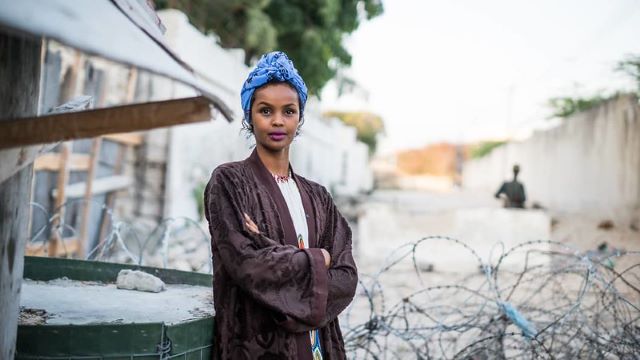
 Estimates place women’s involvement in coffee production at as high as
  As a demographic, over one-sixth of the global population are between the ages of 15 and 24. Because of its sheer size, this
 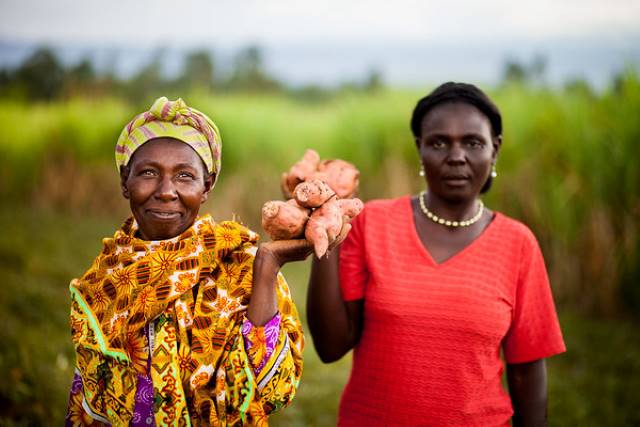 In March 2020, GiveDirectly launched The Kenya Emergency Cash Fund to protect vulnerable Kenyan communities by sending recipients cash through mobile wallets.
 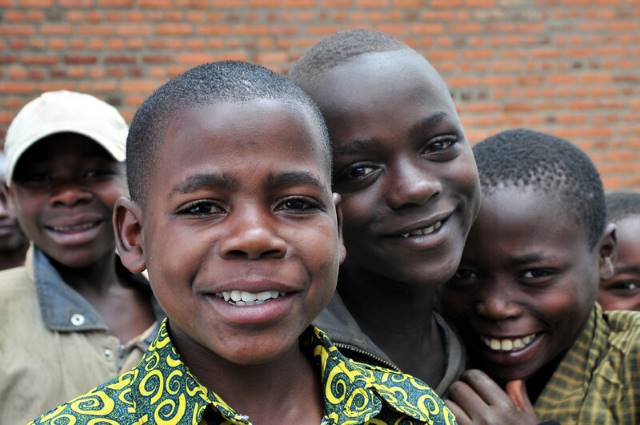 Rwanda, an East African country, has a population of about 12.3 million. Around 45% of the country’s population, roughly 5.4 million, are under the age of 18. The rate of poverty has decreased from 59% to 40% since 2000. Additionally, the rate of extreme poverty was
 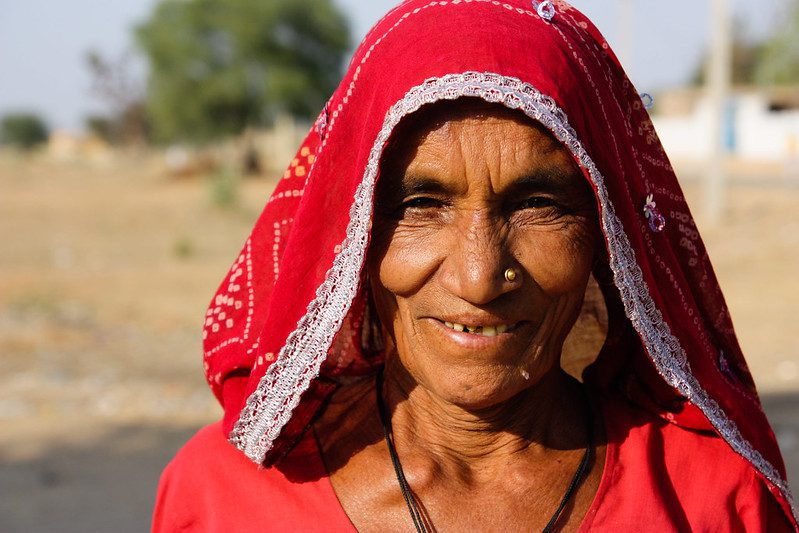 India has its own form of racism. We refer to it as “Casteism.”
 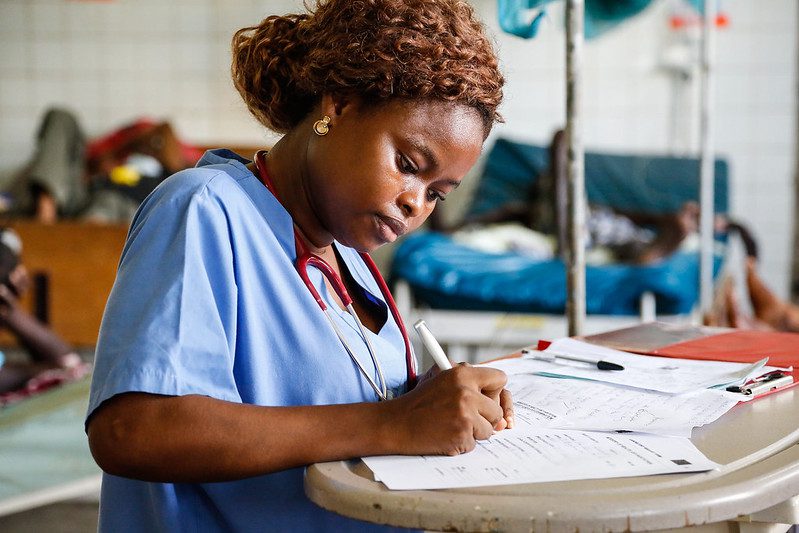 The capital of Sierra Leone, Freetown, is historically known for being a home for freed slaves during the transatlantic slave trade, giving Sierra Leone a prominent place in history. However, the small west African country boarding Guinea has faced many adversities. One is the significant increase in adolescent pregnancies and fertility being some of the highest in the world. Women in Sierra Leone have “a one in 17 lifetime chance of
 As a result of the coronavirus pandemic, schools around the world have been forced to find innovative and sometimes unusual alternatives to traditional forms of teaching. Several countries in sub-Saharan Africa, such as Tanzania and Kenya, have decided to close schools until January 2021. As a result, the nations’ education departments are collaborating to create
 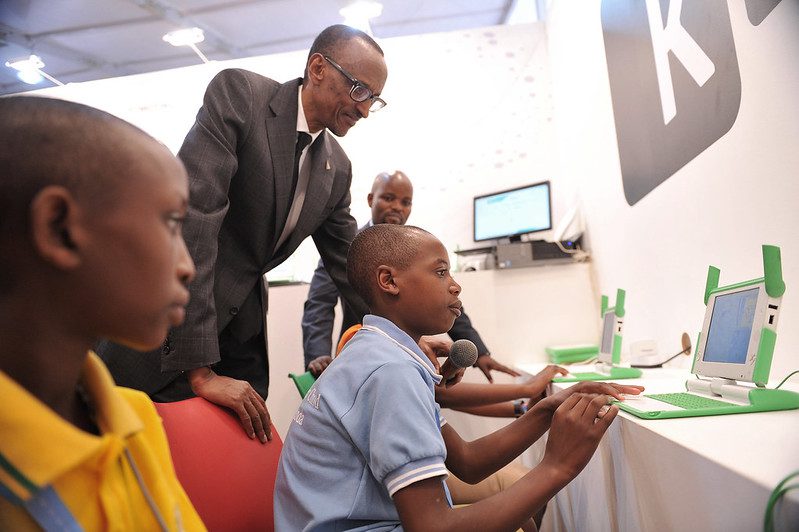 Now more than ever, the whole world relies on the internet for everything. From shopping to education, access to the internet has become a crucial aspect of modern life. While it is often taken for granted, access to the internet is not yet universal. Two decades ago, the entire continent of Africa had less internet bandwidth than Luxembourg – a nation smaller than Lake Victoria. Although progress has been made in the last 20 years,