
Despite ranking as one of the wealthiest and most developed countries in the world, Australia continues to struggle with implementing solutions to nationwide poverty. Specifically, child poverty in Australia has begun an upward trend in the past five years despite overall national economic growth as well as declining unemployment rates.
Data from the Australian Council of Social Service (ACOSS) reports that over the past two decades, child poverty levels reached a high of 18.1% in 2007, substantially higher than the overall national poverty level of 12.6% in that same year. Child poverty levels dropped by almost 3% in 2013-2014 data in response to improved social security and unemployment plans, however, most recent reporting from 2017-2018 indicates another increase in child poverty to 16.9%; almost 4% higher than the national level. Though employment rates have gone up specifically for Australian mothers, a rapid increase in housing costs, as well as growing earnings inequalities, have left one in six Australian children under 15 below the national poverty line.
Breaking the Cycle of Disadvantage: The Smith Family
With social security and unemployment programs only providing minimal financial assistance that still falls below the poverty line, opportunities for educational advancement are crucial for Australian children to break out of these cycles of poverty. Education is one of the great equalizers in society, however, unequal educational opportunities only further broaden nationwide earning inequalities and further disadvantage impoverished Australian children. The Australian Curriculum, Assessment and Reporting Authority data indicates that children living in poverty have around a 30% negative difference in educational outcomes based on Year 12 graduation rates and standardized testing scores. Technological advancements and increasing skill-level requirements for jobs will only further contribute to the financial burden for impoverished families and will surely lessen educational outcomes.
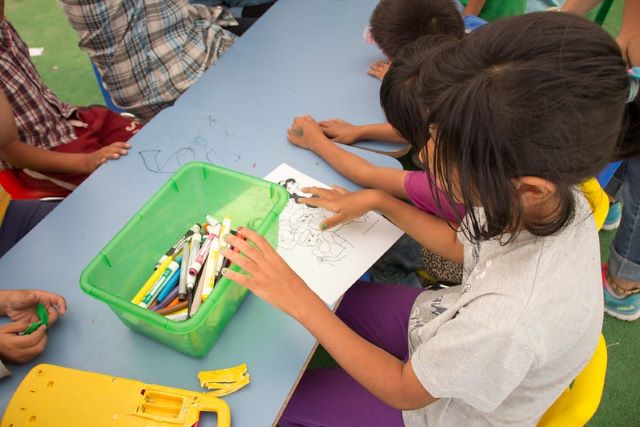
To combat these inequalities, an independent nonprofit organization called The Smith Family has implemented a successful national campaign to combat child poverty in Australia by addressing educational disparities and providing more equal opportunities for students in the lowest socioeconomic status. Started in 1922, this organization has dedicated its mission to improving the lives of Australian children in a multitude of different ways. For the past 30 years, the primary focus of the organization has shifted to providing educational opportunities to give Australian children the best chance to achieve their potential and reduce child poverty in Australia. Current programs include the Learning for Life Program, literacy and numeracy programs and technology programs.
Learning for Life Program
The Learning for Life Program involves a long-term approach to addressing the educational needs of those suffering from child poverty in Australia. Sponsorships from the community go towards providing much needed financial support for disadvantaged children, as well as guidance and resources for the families of these children. This program implements both literacy and technology programs as well as introducing further opportunities in art and career experience. This program focuses on the first two decades of a child’s life to help improve graduation rates and university enrollments to provide the framework for future economic success. Every year, this Learning for Life Program reaches around 34,000 of the most disadvantaged Australian children in communities throughout the nation.
Literacy and Numeracy Programs
Research has proven that impoverished children in Australia are more likely to start school at a literacy disadvantage, and lacking these literary foundations hinders overall future cognitive development as these children progress through higher levels of education. The Smith Family has implemented research-based programs that pair students with low reading abilities with more advanced peers to help encourage reading through collaboration. The Smith Family also provides disadvantaged families books and mathematics resources to further promote and support early age cognitive development outside of the classroom.
Technology Programs
The COVID-19 global pandemic has amplified how access to technology is a massive barrier for impoverished children. To combat this matter, workers from The Smith Family have distributed over 5,000 computers and internet packages to the homes of disadvantaged families in Australia between 2007 and 2019. Not only have these packages helped improve educational access for impoverished children but they have also proven effective at increasing feelings of social inclusion and connectedness to the rest of society.
Proven Success
The Smith Project uses qualitative results to analyze the efficacy of its programs through directly measurable statistics. Recent reporting shows attendance rates for children in the program hovering around 90% each year, which is above the national Australian average. These consistent attendance rates provide a firm foundation for future academic success, resulting in close to 70% of The Smith Family students graduating Year 12, almost 10% higher than the national average from the lowest socioeconomic backgrounds. High Year 12 graduation rates have led to greater employment and higher education rates than the national averages, both vital to escaping poverty and breaking the cycle of disadvantage. The most recent five-year plan from The Smith Family includes a continuation of current programs while hoping to reach 30% more youths currently suffering from growing child poverty in Australia.
– Jackson Thennis
Photo: Flickr


 India is one of the most populous countries on the planet and is one of the most densely inhabited nations. With more than
  The
The  Food and celebratory meals are the cornerstones of culture in the Federated States of Micronesia (FSM). The gradual change from traditional foods like fish and taro root to imported convenience foods has caused a rise in non-communicable diseases, including diabetes and high blood pressure. FSM health officials attribute the rise of diabetes-related deaths to an influx of processed food. As of 2020, 463 million people worldwide suffer from diabetes, with 90% of cases being Type 2. The FSM has the world’s highest percentage of diabetics by population in the world; a staggering
  In Lesbos, Greece, children suffering from life-threatening illnesses are being deprived of healthcare. Concerns regarding the Greek government’s stance on providing adequate healthcare to children suffering from chronic, complex and life-threatening diseases at the Moria camp are on the rise. Many camps are overcrowded and have limited resources available for the growing vulnerable population.
  Every day the world becomes more dependent on computers. In the modern era, impoverished communities often lack access to technology. Therefore, technology is inaccessible in many developing countries. However, Nigeria finds itself in a unique position; the country’s ICT (information and communication technologies) sector has grown significantly since the early 2000s. In fact, Nigeria hosts “Africa’s biggest technology market and accounts for 23% of internet users in Africa with 122 million people online in December 2018.” Unfortunately, there is gender inequality in Nigeria’s tech industry as is the case in many other countries around the globe.

