• Link to X
  • Link to Facebook
  • Link to Instagram
  • Link to TikTok
  • Link to Youtube
  • About
    • About Us
      • President
      • Board of Directors
      • Board of Advisors
      • Financials
      • Our Methodology
      • Success Tracker
      • Contact
  • Act Now
    • 30 Ways to Help
      • Email Congress
      • Call Congress
      • Volunteer
      • Courses & Certificates
      • Be a Donor
    • Internships
      • In-Office Internships
      • Remote Internships
    • Legislation
      • Politics 101
  • The Blog
  • The Podcast
  • Magazine
  • Donate
  • Click to open the search input field Click to open the search input field Search
  • Menu Menu

Archive for category: Global Poverty

Key articles and information on global poverty.

Economy, Global Poverty, War

Elderly Poverty in Armenia: The Hidden Issue

Elderly Poverty in ArmeniaArmenia is not a country at peace. For the past three decades, tensions between Armenia and Azerbaijan have increased. As the border dispute turned deadly in September 2020, rumors emerged of potential involvement from outsider countries, such as Turkey and Russia. However, the country struggles with a concurrent problem. Elderly poverty in Armenia is a stifling issue in the country, which needs just as much attention.

The Current Crisis

In addition to a looming war, Armenians have suffered a vast diaspora. More Armenians live outside Armenia than inside the country. Armenians who live outside the country total anywhere from double to quadruple the number of those living within Armenia. The older generation is the main group still residing within the border. One reason is that older groups have fewer professional opportunities outside of Armenia, so they often stay put. This affects a large portion of society. More than a quarter of Armenia’s population is older than 54 and one-half of this demographic is older than 65 years old.

The global recession of 2008 led to increased poverty rates across all demographics in Armenia. At that time, the rate of extreme poverty among Armenians older than the age of 65 was 2% and the rate of non-extreme poverty for this group was 29.5%. By 2017, the rate of extreme and non-extreme poverty had fallen for Armenians older than 65, but either increased or remained the same for Armenians between the ages of 50 and 59.

All of these crises leave the elderly in Armenia underserved. However, there are organizations fighting on behalf of this group.

Armenian Caritas

Armenian Caritas, a community-based NGO, operates in Shirak, Lori, Gegharkunik, Ararat and Yerevan. More than a third of its staff are volunteers and the organization’s goal is to provide “social inclusion and care of the elderly.”

Armenian Caritas uses a comprehensive method to address elderly poverty in Armenia. Since 1995, the NGO has taken a long-term approach to anticipating the needs of its clientele. Thus, it recognizes that by 2050, a quarter of Armenia’s total population may be between the ages of 60 and 64.

Armenian Caritas focuses on providing “rehabilitative items,” like crutches and moving toilets, to elderly patients. Similarly, it offers psychological and physical health care to patients with chronic diseases. These methods are part of a larger strategy of social inclusion.

Elderly Armenians represent a large and growing percentage of Armenia’s domestic population. As such, Armenian Caritas works to ensure that elderly Armenians never experience marginalization. The organization shares its methodology of elderly care with Armenian medical colleges and institutions. In this way, elderly care is part of Armenian practice — the tradition of caring for its vulnerable and aging populations.

An End to Elderly Poverty

A solution to the border skirmish between Armenia and Azerbaijan will hopefully reach a resolution through international mediation and earnest peace talks between the belligerents. Since the economy is still recovering and has continued to focus on growth, the government must address the diaspora by providing opportunities to draw the younger generations back to the country. Amid all of that, the country must not forget about older Armenians. There is hope for an end to elderly poverty in Armenia. However, concerted, sustained efforts are necessary to address it.

– Taylor Pangman
Photo: Flickr

December 23, 2020
https://borgenproject.org/wp-content/uploads/borgen-project-logo.svg 0 0 Yuki https://borgenproject.org/wp-content/uploads/borgen-project-logo.svg Yuki2020-12-23 07:30:062022-04-13 07:05:49Elderly Poverty in Armenia: The Hidden Issue
Global Poverty

Period Poverty in France

Period Poverty in France
Menstruation shame and period poverty have become hot topics in France in recent years. Monthly tampons, pads and menstrual pain medications can be a heavy financial burden for an impoverished woman. As Règles élémentaires, a leading charitable association fighting against period poverty in France estimates, a woman has to spend around €10,000 to €20,000 on menstrual products in her lifetime.

Multiple campaigns took place in the early 2010s to appeal for more affordable sanitary products, mainly by calling for the lowering of the tampon tax. At the time, France taxed tampons as a luxury item, at 20%. In 2016, France became the first country in Europe to reduce the tampon tax to 5.5%. This brought menstrual products in line with other primary-need products such as shampoo or toilet paper.

The Labour Code in France states that an employer must “provide workers with the means to ensure their individual cleanliness.” However, according to the French Institute for Public Opinion (IFOP), there are still 1.7 million French women suffering from period poverty in 2019.

Feminist Organizations

Règles élémentaires has been collecting hygiene products for impoverished women in need since 2015. It is the first French association that fights against period poverty as well as menstrual taboo. The success of this association soon inspired many more initiatives in France to address period poverty. For instance, a grocery store at Paris-Diderot University offers sanitary products at only 10% of the selling price to students with economic difficulties.

The student health insurance company, La Mutuelle Des Étudiants (LMDE) started to include sanitary protection reimbursement for up to €20-€25 per year. A women’s health charity, ADSF, distributes sanitary kits to women in need. This especially targets homeless shelters where women are often too reluctant to ask for them. “We now know that sanitary pads must be included in the kits distributed at shelters – and not just razors, as used to be the case when people associated homelessness with males only,” the group explained.

Government Policies

The feminist organizations and their activities gradually brought period poverty to the government’s attention. Two members of France’s National Assembly drafted a 107-page report on how to lift menstrual taboos and alleviate period poverty. After the report, Gender Equality Minister Marlène Schiappa and her colleague Christelle Dubos announced in early 2020 that the French government will carry out a one-year trial of free distribution of hygienic products for women in schools, hospitals, shelters and prisons. The budget will be €1 million. The initiative will start in the Île-de-France region as soon as the end of October 2020. In the first phase of the experiment, the region has chosen 31 high schools based on their overall percentage of female students and scholarship recipients. The regional government will provide these chosen schools with free organic sanitary products and dispensers.

French menstrual activists are still advocating that social security should cover all menstrual products, as it does for condoms. They have also devised a plan of vouchers and pre-paid cards for women in need to make their own intimate choices, rather than the government deciding which product they should receive. While great strides have occurred to alleviate the financial burden and social stigma as it pertains to periods, there is much more to do to further alleviate period poverty in France.

– Jingyan Zhang
Photo: Flickr
December 23, 2020
https://borgenproject.org/wp-content/uploads/borgen-project-logo.svg 0 0 Kim Thelwell https://borgenproject.org/wp-content/uploads/borgen-project-logo.svg Kim Thelwell2020-12-23 02:15:202024-05-30 07:53:20Period Poverty in France
Charity, Global Poverty

The Benefits of Giving: How Generosity Can Improve Your Health

The Benefits of Giving, How Generosity Can Improve Your HealthNow more than ever, the world needs more compassion and generosity. Many are suffering mentally and emotionally as a result of the COVID-19 pandemic—and one possible way to alleviate this is to show kindness to others. According to experts, generosity can have a positive impact on individuals’ well-being. There are many benefits of giving, improving the health and financial well-being of not only the receiver but the giver too.

How Generosity Improves Emotional Health

The concept of “helper’s high” refers to the positive emotional response one experiences after performing an act of generosity. According to experts, this emotion is associated with “greater health and increased longevity.” A recent study has proven that acts of altruism trigger activity in the temporoparietal junction (TPJ), a part of the brain that is linked to the brain’s reward system.

During a crisis like the COVID-19 pandemic, the giving and receiving parties can benefit from generosity. Another study found that different types of generosity can have different effects on individuals. The researchers found that performing generous acts for those close to us can reduce activity in the amygdala, a part of the human brain associated with stress and anxiety.

However, they also found that less targeted actions, such as giving to charity, also trigger activity in the ventral striatum, a region associated with compassion and care in mammals. Time and time again, studies have shown that acts of kindness toward both your loved ones and strangers can improve your mental and emotional health. Thus, it is especially important during this unprecedented time of crisis to find ways to show kindness.

How Giving Can Improve Your Financial Well-Being

On top of reducing one’s own stress and emotional turmoil, there are financial benefits of giving. During the COVID-19 pandemic, millions of Americans have struggled as a result of business closures, limited job opportunities and a struggling economy. Although it may seem counterintuitive to donate money to others when finances seem scarce, there are both practical and mental benefits to giving.

Under the current federal COVID-19 relief provisions, donating money can provide more tax breaks than ever before. The Coronavirus Aid, Relief and Economic Security Act, or the CARES Act for short, allows individuals up to $300 in charitable contribution deductions. It also raised the limit on charitable contributions from 60 to “up to 100% of 2020 adjusted gross income,” if the deductions are itemized.

The financial benefits of giving do not just end at tax deductions, though. Financial planner Carrie Schwab-Pomerantz believes that charitable contributions are important to reformulate the ways in which we perceive money. Money should be spent wisely, and that includes putting it toward causes and issues that one cares about.

Ways to Give

During the COVID-19 pandemic, generosity, compassion and giving are especially important. There are also more ways than ever to help, both big and small. One easy way is to complete small tasks such as grocery shopping or making care packages for your loved ones who are more vulnerable to COVID-19. There are also ways to support your community such as by making and distributing cloth face masks or by collecting and donating food for those in need. An even simpler way to help is through donations. There are many around the world who are suffering as a result of the ongoing pandemic, so now is a great time to give to causes you care about.

Individuals suffering from extreme poverty can be more susceptible to COVID-19 and can suffer more from the pandemic’s socio-economic consequences. The Borgen Project is accepting donations so that it can do as much as possible to make this issue central to American foreign policy in the future. Donating will not only help those who need it the most but the donator too.

– Leina Gabra
Photo: Flickr 

December 23, 2020
https://borgenproject.org/wp-content/uploads/borgen-project-logo.svg 0 0 Kim Thelwell https://borgenproject.org/wp-content/uploads/borgen-project-logo.svg Kim Thelwell2020-12-23 01:31:412020-12-17 19:08:30The Benefits of Giving: How Generosity Can Improve Your Health
Global Poverty, Technology, Water Crisis, Water Quality

Rainwater Harvesting Revolutionized by an App

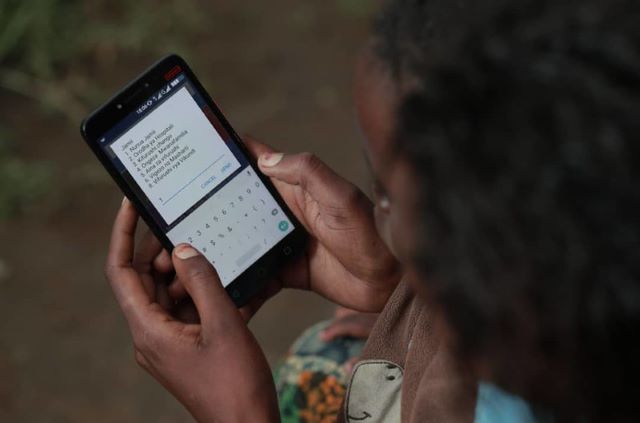
Rainwater harvestingTechnology has played a significant role in the reduction of global poverty. Two particular areas technology has improved impoverished communities are water access and water quality. For instance, a newly developed piece of technology showcases the potential for enhancing water security throughout Africa. The key is effective rainwater harvesting.

Water Supply Threats

In Africa, increasing water access and sanitation has become a top priority. Consequently, many organizations — the United Nations, the African Union, and the African Development Bank — have come together to solve the water crisis by sponsoring The Africa Water Vision for 2025. It warns that African water resources are threatened by pollution, environmental degradation, and a lack of responsible protection and development.

A New Smartphone App

Despite these threats, a new smartphone app has empowered Africans to efficiently procure their own water. Rainwater Harvesting Africa (RHA) is a smartphone app that the U.N. Environment Programme and the U.N. Educational, Scientific and Cultural Organization jointly developed. It enables Africans to use rainwater harvesting systems to obtain their own water.

Usually, rainwater is harvested through the construction of a central water tank that connects to various downspouts. But, with this app, households are able to capture rain runoff for essential personal use.

RWH Africa utilizes real-time meteorological data to track rain patterns throughout Africa. App users can input their location, the area measurement of their rooftop, the number of people living in their household, and how much water they use per day. The app uses this information to calculate how much water can be harvested at a given time for the needs of the user. Additionally, the app provides images and directions detailing how to construct rainwater harvesting systems with locally available materials.

Promising Factors

In addition, RWH Africa has built-in resources that can improve access to water throughout Africa. They can capitalize on increased technological infrastructure to expand its user base. GSMA estimates that 475 million people in Sub-Saharan Africa alone will become mobile internet users within the next five years, and 27% of their mobile internet connections will be on 4G. With increased smartphone usage throughout the continent, more Africans will be able to access this powerful tool of water procurement.

Although Africa needs to increase its internet capacities to maximize the app’s effectiveness, it has a more than sufficient water supply. In 2006, the U.N. Environment Programme and World Agroforestry Centre issued a report indicating that Africa alone receives enough rainfall each year to meet the needs of nine billion people. According to the report, Africa is not water-scarce, but the continent is just poorly equipped to harvest its water resources adequately and safely. RWH Africa gives Africans the knowledge they need to personally capture these vast water resources.

Furthermore, rainwater harvesting is low-cost and easy to maintain, making it widely accessible. According to The Water Project, a household rainwater harvesting system can hold up to 100,000 liters of water. This is enough to allow communities to decouple from centralized water systems that are subject to incompetent or corrupt management. Rainwater harvesting hence enables individuals to take matters into their own hands and decrease their reliance on undependable municipal water sources.

Technology Can Beat Poverty

As internet connection and smartphone usage expand, new solutions to poverty issues, such as water insecurity, will reach more people. RWH Africa serves as an educational and practical tool for rainwater harvesting and thus can be used as an example for similar future efforts. It signifies a positive outcome of increased cooperation between international organizations and local communities in combating global poverty.

– John Andrikos
Photo: Wikimedia Commons

December 23, 2020
https://borgenproject.org/wp-content/uploads/borgen-project-logo.svg 0 0 Kim Thelwell https://borgenproject.org/wp-content/uploads/borgen-project-logo.svg Kim Thelwell2020-12-23 01:30:312020-12-18 07:24:01Rainwater Harvesting Revolutionized by an App
Global Poverty

How Neem Can Reduce the Use of Chemical Pesticides

Use of Chemical Pesticides
Despite their effectiveness in killing specific pests, historic incidents and unknowns related to chemical pesticides have led to public health concerns. Fears that people could be at risk if they consume food treated with chemical pesticides do have a foundation. Pesticides have been found to partially cause neurodegenerative disorders like Parkinson’s Disease, among other maladies. Chemical pesticides cannot choose which organisms they kill, which can lead to raised ecosystem contamination and toxicity. Not all chemical pesticides directly harm humans. However, evidence of those that do, along with evidence for unintended ecological damage, led to efforts to reduce the use of chemical pesticides.

Neem as an Alternative

One of the most concerning side-effects of the use of chemical pesticides is their effect on bee populations. Bees are vital to crop pollination and indirectly help create much of the food that humans eat. Pesticide use is a primary cause of the current decline in beehive populations. American and European beekeepers report this is at around 30% per year.  Bee population decline contributes to food scarcity and poverty. When food becomes more scarce, prices rise and more people go hungry. Current conditions necessitate implementing an alternative to chemical pesticides that is safe for humans, certain insects and plants.

New research points to naturally derived pesticides as possibly safer and less damaging to the environment. Currently, the most promising natural solution is neem oil. Neem oil is an organic, naturally-derived substance from the Neem tree. The tree grows primarily in tropical regions. These areas tend to be most affected by insect infestations and represent some of the poorest areas in the world.

Neem oil use is not a new phenomenon. Traditional Indian farming methods practiced for thousands of years, and even folk medicines incorporate neem usage. It is effective at reducing specific insect populations while having minimal noted negative effects on beneficial insects like bees and worms. A number of agricultural companies have begun using neem in their products, and its use is only expected to grow as its efficacy is increasingly verified.

Outbreak and Application in Africa

In early 2020, East Africa faced its worst locust outbreak in decades. Swarms devoured hundreds of thousands of acres, fostering hunger and fear in local communities. Millions of people became more food insecure and the use of chemical pesticides became less viable. The COVID-19 pandemic upset the global chemical supply chain, which seems to have inhibited governments from receiving the large quantities of pesticides needed to make an impact against the locust invasion.

In response, some farmers in Kenya began making their own neem oil to push back against locust invasions. Neem oil can weaken locusts’ reproductive ability and potentially kill them, which reduces the current and future populations. While it was too late to make a big impact against the swarms, individual farmers protected their crops. If enough farmers learn to make their own oil in the future, or if it is produced cheaply on a large scale, Kenya could have an effective, safe defense against locust invasions. Other countries in the region also afflicted by locust swarms stand to benefit from looking to Kenya as an example.

Potential for Future Practices

Chemical pesticide use is harmful to the environment and can create bad health outcomes for some people. Industrial use of neem oil instead of chemical pesticides could improve health conditions worldwide and protect ecosystems. On a smaller scale, it could protect the economic interests of poor farmers and people at risk of starvation. People may also be more accepting of the use of growable, natural pesticides over the use of chemical ones. Locally-made neem oil also mitigates environmental pollution. This puts more power into the hands of individual farmers. Though natural pesticide solutions require more research, they represent critical development in the future of agricultural pesticides.

– Jeff Keare
Photo: Unsplash

December 22, 2020
https://borgenproject.org/wp-content/uploads/borgen-project-logo.svg 0 0 Kim Thelwell https://borgenproject.org/wp-content/uploads/borgen-project-logo.svg Kim Thelwell2020-12-22 15:27:502024-12-13 18:02:17How Neem Can Reduce the Use of Chemical Pesticides
Aid, Global Health, Global Poverty

A Model Healthcare Alliance in Rural Guatemala


Agribusinesses in Trifinio, Guatemala renovated cattle and pasture lands into crops for exports which dramatically changed the area. The transformation drove approximately 25,000 people into this remote area in the southwest rural region of Guatemala and employed thousands of people who sought an opportunity in this growing business. The University of Colorado created a healthcare alliance to provide quality medical treatments in the now booming community.

Trifinio, Guatemala

Few people know about Trifinio, Guatemala even though it is a major producer for AgroAmerica’s Chiquita bananas. The town is made up of small concrete houses and only a few paved roads. Most homes are single-room units. When it comes to cultural development, the town’s only form of entertainment is a local bar.

This small and highly impoverished community suffers from the reality of poor health care access. With its nearest hospital one hour away in the town of Coatepeque Guatemala, the residents of this area face the challenges of malnutrition, high infant mortality rates, and a range of infectious diseases. More than 46% of children have intestinal parasites, 38.7% of children have anemia and one-third of women are affected by pregnancy complications. The numbers could not say it clearly enough; this community needed help. Fortunately, AgroAmerica teamed up with the University of Colorado to find a solution.

University of Colorado partners with AgroAmerica

In 2011 Fernando and Gustavo Bolaños, brothers and CEOs and COOs of AgroAmerica, became frustrated by the lack of health care access in their community. With Guatemala’s history of little investment in healthcare, they found themselves unable to ask the public sector for help. Gustavo Bolaños himself addressed this issue in an interview where he claimed, “In Guatemala, we have a lot of inequality and poverty, the government hasn’t been able to really cover the basic needs of the population. We as a private company, see all the needs of our people, and the biggest problem we are facing is education and health”. Therefore, rather than going to the government, they turned to the University of Colorado’s Global Health Center.

With an investment of 1 million U.S. dollars, the Bolaños made a healthcare alliance with the Colorado School of Public Health. Their goal was to build a medical center on their banana plantation. Three years later, the Bolaños proudly stood before the new medical facility. It houses a clinic, laboratory and conference space. The Trifinio Center for Human Development serves around 4,500 plantation workers, along with the 24,000 residents of the neighboring villages, and is “staffed by CU doctors, nurses, midwives, students and other health professionals rotating through Guatemala”.

The Last Six Years

Before Trifinio’s Center for Human Development (CHD) a visit to a health professional cost people in this community at least $25 USD. This did not include transportation fees and the loss of a day’s wages. With the medical facility, that cost has dropped to less than $5 USD. Families now have access to health resources without a geographical and economic barrier. The clinic is committed to decreasing neonatal morbidity, childhood mortality and increasing safe delivery practices and childhood growth and development. Along with these medical goals, the center hopes to impact the health education and social realities of its community.

In 2017, the CHD began a youth leadership program run by participating high-school students from the area. This initiative provided an opportunity for future leaders to learn about community organizing and advocacy that could improve human development. The program not just helps the community, but “students selected for this program receive a scholarship to cover their school fees,” promoting access for educational attainment.

Along with the youth program, the center provides sexual health education to neighboring schools in the area. For mothers, it has a maternal and child health program. This provides quality prenatal care and gives families a direct line for medical professionals to track both the mother’s and child’s health.

The center also conducts research to serve the needs of the community and bring new knowledge to the rest of the world. Their Student Health Survey, taken in late June and early July of 2019 “enrolled 1,414 participants from 15 Trifinio middle and high schools” to better understand the health and social realities of these children, and hopefully address the needs that are found.

The Future

In 2013 Stephen Berman, the director of the Center for Global Health at the University of Colorado said, “The solutions we develop through this program may someday be replicated in communities all over the world”. The program has had measurable benefits for its community, which is a good reason for its replication in other regions. Health care accessibility is not an easy system. But we saw major success through the healthcare alliance of a privately run company and a public institution. There are possibilities for new solutions to address the needs of those most vulnerable.

Ana Paola Asturias
Photo: Flickr

December 22, 2020
https://borgenproject.org/wp-content/uploads/borgen-project-logo.svg 0 0 Kim Thelwell https://borgenproject.org/wp-content/uploads/borgen-project-logo.svg Kim Thelwell2020-12-22 13:39:282024-12-13 18:02:16A Model Healthcare Alliance in Rural Guatemala
COVID-19, Global Poverty, USAID

USAID is Aiding the Dominican Republic  

USAID is Aiding the Dominican Republic 
Since the COVID-19 pandemic, the Dominican Republic has suffered a tremendous amount of loss. The impact of the virus has caused medical centers to max out, full to their capacity with very little resources for patients. The strain of providing enough medical care, hospital and ICU beds has put the healthcare system in the Dominican Republic in an exhausting position, needing much aid and support to get back on its feet. With this country running out of resources to help patients battle the COVID-19 pandemic, the United States Agency for International Development (USAID) has stepped in with support, donating ventilators to medical centers. Here is some additional information about how USAID is aiding the Dominican Republic.

USAID and COVID-19

The Dominican Republic has had 131,131 confirmed cases of the COVID-19 pandemic and 2,269 confirmed deaths. COVID-19 has hit the Dominican Republic hardest in the West Indies, as it has been struggling to stay afloat with the large amounts of COVID-19 cases. USAID is aiding the Dominican Republic by donating 50 ventilators and two hospital beds in response to the fight against the COVID-19 pandemic and to give relief to disaster operations. With both of those donations in combination, USAID has supported the Dominican Republic with around $1.85 million in resources thus far. With this amount of resources going toward healthcare systems in the Dominican Republic, the Dominican Republic’s government is now able to extend medical resources and expand medical care within its healthcare facilities.

USAID’s History with the Dominican Republic

USAID is aiding the Dominican Republic government faithfully and has been supporting it for over 50 years, financially and assisting it with poverty reduction. It is continuously providing humanitarian assistance to many developing countries around the globe, creating partnerships with governments, multilateral organizations and private sectors, along with other organizations. USAID not only assists with the disasters of the COVID-19 pandemic but has also been aiding the Dominican Republic in providing basic needs to the community such as sanitation, access to clean water and shelter for the most vulnerable.

Within the last decade, USAID has helped the Dominican Republic, improving the quality of life for those living along the poverty lines. It has invested around $80 million within the last decade to provide clean water access, health services and proper sanitation, reaching the most vulnerable communities. With the COVID-19 outbreak, providing sanitation and access to clean water has been more essential than ever, a top priority for USAID. It has been working right alongside local communities and private sectors, establishing plans and solutions within the country.

Responses to Developing Countries During the COVID-19 Pandemic

The United States continues to support countries globally, funding several humanitarian services. USAID has helped in strengthening clinical care, building clinical capacity, improving disease surveillance and more.

Along with USAID providing services and aid to the Dominican Republic, the World Bank Group, an institution that provides loans and grants to governments of low-income countries in support, has rolled out around $14 billion to support systems to strengthen the response efforts to COVID-19 in developing countries. With these institutions continuing to provide rapid financing and support, the Dominican Republic can implement more effective and rapid response efforts to the COVID-19 pandemic.

USAID has and continues to meet critical needs in the social protection arena, providing psychological support and water and sanitation assistance, along with food and security. The donation of the ventilators is only a small way that USAID is supporting developing countries in response to the fight against COVID-19.

– Kendra Anderson
Photo: Flickr

December 22, 2020
https://borgenproject.org/wp-content/uploads/borgen-project-logo.svg 0 0 Lynsey Alexander https://borgenproject.org/wp-content/uploads/borgen-project-logo.svg Lynsey Alexander2020-12-22 11:35:312024-05-30 07:56:08USAID is Aiding the Dominican Republic  
Global Poverty

The Influence of Poverty on Mental Health in South Africa

The Influence of Poverty on Mental Health in South Africa
The most recent report evaluating the living conditions of men, women and children in South Africa in 2015 shows the disproportionate influence of poverty on female-led households. According to the Living Conditions Survey (LCS), approximately half of the adult population in South Africa were living below the poverty line. Broken down, 52% of women and 46% of men were experiencing poverty. Most notably, the poverty gap is larger for female-led households than male-led households. This is affecting adults and children facing poverty. Only 25.7% of children in poor areas have access to a safe place to play. This is crucial to healthy development for the children. There is a correlation between poverty and mental health in South Africa.

The Mental Health Crisis

In South Africa, mental health does not receive any sort of priority status, and in rural communities, there is no support for those struggling with mental health disorders. A study on South African health reported that at least 15% of people suffer from anxiety disorders. Additionally, 10% are suffering from depression and bipolar disorders. Unfortunately, the systems in place to support those struggling with these disorders only aid about a quarter of them. This is mostly due to the lack of funding for mental health. Consequently, this mental health crisis and lack of support can also be attributed to the stigma surrounding mental disorders, proximity to services, inequality and poverty. Poverty and mental health in South Africa are directly correlated, however, it is not a priority for health services.

Organizations Supporting Mental Health

The Mental Health and Poverty Project (MHaPP) at the University of Cape Town is a project working to build policies to break the stigma of mental health. It also provides access and support to even the poorest communities, who often face the most extreme influences of mental health disorders. The MHaPP reports that 53% of the 23 public mental hospitals provide 72-hour assessments of patients with psychiatric emergencies. However, the care is far from adequate as many suicidal patients wait multiple hours for examination.

One of the most important findings from MHaPP was that attitude and understanding of mental health issues still have a very negative connotation. Despite the care provided, people facing mental health disorders are not supported with proper care due to discrimination. Additionally, the MHaPP is working to reevaluate the structure and mindset of mental health in South Africa. Hence, the MHaPP is providing awareness to these issues.

Women are Disproportionately at Risk of Mental Health Problems

According to MHaPP researchers, one in three women in low-income communities experiences postnatal depression. In addition, research from KwaZulu-Natal found that 41% of pregnant women experience depression. This number is three times higher than statistics from developed nations. The project explains that there are strong ties between poverty, social deprivation and exposure to traumatic experiences. This directly influences the mental health of people living in these conditions.

There are correlations between poverty and mental health, especially for women who are older, widowed or in poor physical health. One of the most consistent findings in the study of poverty and mental health in South Africa is that depression and anxiety disorders increase with age.

Poverty and mental health in South Africa are issues that need to be supported by healthcare providers and services. Additionally, this issue needs to be prioritized, especially for women in poorer communities. The mental health stigma needs to be broken through awareness of disorders and alteration of mindset from the current negative outlook that discriminates against people living in poverty and experiencing mental health struggles.

– Caroline Pierce
Photo: Flickr

December 22, 2020
https://borgenproject.org/wp-content/uploads/borgen-project-logo.svg 0 0 Kim Thelwell https://borgenproject.org/wp-content/uploads/borgen-project-logo.svg Kim Thelwell2020-12-22 10:22:182020-12-22 10:22:18The Influence of Poverty on Mental Health in South Africa
Global Poverty, Poverty Eradication, Poverty Reduction

The Big Lift: Explaining the Massive Global Reduction in Poverty Since 1990

Explaining the Massive Global Reduction in Poverty Since 1990From massive technological improvements to the ever-growing global communications network, world progress has proved exponential in the past 30 years. One such area of improvement is the global poverty crisis. While we advocate for further intervention within affected communities, it’s appropriate to step back occasionally and admire some victories made to this point. Since 1990, the statistics for poverty have plummeted. The extreme poverty rate globally fell from 35% to 11%. This means that 1.1 billion people are now living off of more per day than in the past. No individual body or organization can earn full credit for this global reduction in poverty; the effort is a result of dedication and persistence among a plethora of governments, groups and interested parties.

What Caused the “Lift?”

While the causes for the widespread poverty alleviation are varied, there are some programs that are generally implemented by governments (both locally and internationally) or even non-governmental organizations that work effectively to reduce poverty. These programs include microfinance, employment guaranteed schemes and property rights, among others.

NGOs are myriad and diverse. Some work directly in communities while others advocate for government assistance with these humanitarian issues. Two different but equally important contributors to this cause are Global Citizen and Oxfam International.

What these Groups Do

Oxfam International is an organization dedicated to creating change within local communities. Initially a combination of multiple independent NGOs, Oxfam has had enormous success globally since its inception, assisting local communities suffering from famine, disease and even sanitation struggles. Currently, its attention is focused on the refugee crisis in Bangladesh.

Global Citizen is a unique non-profit focused on educating people about global issues regarding education, sanitation, food availability and social awareness. The website has short quizzes, “actions” and other available resources for people to interact with. All of these resources serve a purpose, whether it be education, advocacy or simply direct fundraising. In turn, the person earns “points,” and these points can go toward raffles and gift opportunities. The website rewards initiative on the part of the reader, making poverty education interesting.

Together, these two groups have advocated and assisted vulnerable groups in impoverished countries. The success of these groups adds to the general trend in lower poverty rates worldwide, and many different organizations spanning every continent deserve praise for the improved global living conditions we’ve seen since 1990. The global reduction in poverty requires unification, and with plenty of different groups focused on different tasks, the success is apparent.

Room for Progress

Despite the success to date, the opportunities to improve globally still exist. Regarding the aforementioned decrease in extreme poverty, 11% of the globe is still around 800 million impoverished people, and with modern resources, experts think the battle could be more efficient. As such, it’s important to look at the global reduction in poverty through these lenses: if foreign governments and organizations become content with the work done to this point, public interest in the fight would surely cease. The fight against poverty only persists as long as the world cares about it and the global community continues to contribute.

– Joe Clark
Photo: Flickr

December 22, 2020
https://borgenproject.org/wp-content/uploads/borgen-project-logo.svg 0 0 Kim Thelwell https://borgenproject.org/wp-content/uploads/borgen-project-logo.svg Kim Thelwell2020-12-22 07:30:482020-12-17 17:45:23The Big Lift: Explaining the Massive Global Reduction in Poverty Since 1990
COVID-19, Global Poverty, Women and Children, Women's Rights

5 Ways COVID-19 is Disproportionately Impacting Women Worldwide

5 Ways COVID-19 is Disproportionately Impacting Women WorldwideThe COVID-19 pandemic has socially, mentally and economically impacted billions of people across the world. However, COVID-19 is disproportionately impacting women worldwide, including factors such as mental health, income loss and inadequate food provisions. As the pandemic continues to affect populations, it is becoming more apparent that women are facing greater hardships and systemic inequalities. This article discusses how COVID-19 is disproportionately impacting women across the globe, and how governments can go about fixing these inequalities. Although women have persevered and have adapted in inspiring ways, this pandemic has exposed structural gender inequalities in health, economics, security and social protection.

5 Ways COVID-19 is Disproportionately Affecting Women

  1. According to a survey by the non-profit CARE, 55% of women reported that they lost their jobs and/or their primary source of income due to the COVID-19 pandemic. Additionally, women are more likely to be employed in service and informal sectors, such as vendors and traders, that COVID-19 is hitting the hardest. Even within the formal sectors of employment, women are facing the impact of unemployment at greater rates than men. For example, in Bangladesh, women are six times more likely to lose paid working hours than men. Women also have fewer unemployment benefits. In Zimbabwe and Cameroon, women make up 65% of the informal workforce—a workforce not entitled to unemployment benefits.

  2. A lack of access to online education is significantly affecting Indigenous, refugee and low-income household communities and greatly adding to education inequalities. Young women and girls are greatly impacted by gender-based violence due to movement restrictions, especially without access to schools and public services. This gender-based disparity is largely due to boys being prioritized in many poverty-stricken countries. Because of this, girls are likely to be pulled out of school before boys in order to compensate for increased domestic work and care and to alleviate the economic burden of schooling.

  3. Women are nearly three times more likely to report mental health impacts from COVID-19. This statistic is backed by multiple reasons, including how women are facing the burden of unpaid care work, increasing mobility restrictions and increased threats of violence. In fact, the CARE survey showed that 27% of women are experiencing an increase in mental health issues, anxiety and stress due to COVID-19, compared to 10% of men. In Lebanon, 14% of men spend their time on housework and care, as opposed to 83% of women. Gender roles and expectations of women have increased during this pandemic, thus causing a greater gap in mental health issues between men and women.

  4. Female refugees are at greater risk of violence, income loss and mental health impacts. Refugees are already living in precarious situations with a lack of food, income, health security and home safety. When considering various countries, especially those with a large migrant population, it is clear that vulnerable populations are disproportionately impacted by the COVID-19 pandemic. For example, in Afghanistan, 300,000 refugees have returned because they have lost their jobs and income. In Thailand, migrants report losing 50% of their income. Both of these statistics also offer an idea of why mental health issues have increased during this pandemic. COVID-19 has led to a loss of income and jobs for the 8.5 million domestic migrant workers, as well as the dismissal of their health and safety.

  5. As compared to 30% of men, 41% of women reported having an inadequate supply of food as a result of COVID-19. This difference reflects the gender inequalities in local and global food systems, as well as the expectation of women to buy and prepare the food for their families. Additionally, this pandemic is causing many disadvantaged households to make less nutritious food choices. In Venezuela, 61% of people have access to protein-filled foods and vegetables, while 74% only have access to cereal.

Although it is clear that women and girls typically endure a greater burden from the socio-economic impacts of COVID-19, there are ways governments and individuals can help alleviate COVID-19’s disproportionate impact on women. These include investing in women leaders, funding non-profit organizations that work to promote women’s rights and committing to organizations that work to close the gender gap.

– Naomi Schmeck

Photo: Flickr 

December 22, 2020
https://borgenproject.org/wp-content/uploads/borgen-project-logo.svg 0 0 Kim Thelwell https://borgenproject.org/wp-content/uploads/borgen-project-logo.svg Kim Thelwell2020-12-22 07:30:272020-12-17 16:46:225 Ways COVID-19 is Disproportionately Impacting Women Worldwide
Page 879 of 2161«‹877878879880881›»

Get Smarter

  • Global Poverty 101
  • Global Poverty… The Good News
  • Global Poverty & U.S. Jobs
  • Global Poverty and National Security
  • Innovative Solutions to Poverty
  • Global Poverty & Aid FAQ’s
Search Search

Take Action

  • Call Congress
  • Email Congress
  • Donate
  • 30 Ways to Help
  • Volunteer Ops
  • Internships
  • Courses & Certificates
  • The Podcast
Borgen Project

“The Borgen Project is an incredible nonprofit organization that is addressing poverty and hunger and working towards ending them.”

-The Huffington Post

Inside The Borgen Project

  • Contact
  • About
  • Financials
  • President
  • Board of Directors
  • Board of Advisors

International Links

  • UK Email Parliament
  • UK Donate
  • Canada Email Parliament

Get Smarter

  • Global Poverty 101
  • Global Poverty… The Good News
  • Global Poverty & U.S. Jobs
  • Global Poverty and National Security
  • Innovative Solutions to Poverty
  • Global Poverty & Aid FAQ’s

Ways to Help

  • Call Congress
  • Email Congress
  • Donate
  • 30 Ways to Help
  • Volunteer Ops
  • Internships
  • Courses & Certificates
  • The Podcast
Scroll to top Scroll to top Scroll to top