• Link to X
  • Link to Facebook
  • Link to Instagram
  • Link to TikTok
  • Link to Youtube
  • About
    • About Us
      • President
      • Board of Directors
      • Board of Advisors
      • Financials
      • Our Methodology
      • Success Tracker
      • Contact
  • Act Now
    • 30 Ways to Help
      • Email Congress
      • Call Congress
      • Volunteer
      • Courses & Certificates
      • Be a Donor
    • Internships
      • In-Office Internships
      • Remote Internships
    • Legislation
      • Politics 101
  • The Blog
  • The Podcast
  • Magazine
  • Donate
  • Click to open the search input field Click to open the search input field Search
  • Menu Menu

Archive for category: Global Poverty

Key articles and information on global poverty.

Education, Global Poverty, Indigenous Peoples

Vocational Māori Education in New Zealand

Vocational Māori Education In New ZealandMāori in New Zealand face a culturally unsympathetic education system, which has hindered graduation rates and students’ prospects. With roots in debate regarding their separateness from other peoples, which directly affects how special provision is dispensed in mainstream education, there are several schemes to resituate Māori custom in students’ learning. New Zealand is at a cultural crossroads between facilitating Māori beliefs within the classroom or conversely encouraging students out of it into a vocational environment. Here is more information about vocational Māori education in New Zealand.

Contextualizing the Māori Experience

In 1840, there were 80,000 Māori in comparison to 2,000 non-Māori inhabiting New Zealand; by 1896, this figure has drastically reversed with 42,000 Māori to 700,000 non-Māori. Issues of inequality remain tightly bound to ethnicity as poverty disproportionately affects the Māori which, when combined with an education system that does not reflect their beliefs, has reinforced social barriers.

In 2023, 28.3% of Māori school leavers did not achieve the NCEA (National Certificate of Educational Achievement) Level 1, New Zealand’s official secondary school qualification, in contrast to just 14% of the non-Māori. Only 63.6% of Māori students remain enrolled in school until age 17, compared with 79% of non-Māori students.

Colonial Legacies or Responsibilities?

Educational disparities have close ties with historic prejudices; when European colonial authorities settled, the Māori experienced stigmatization. To form an agreement between the two, the settlers and the Māori signed the Treaty of Waitangi in 1840. However, Māori and English translations of the treaty vary on one crucial point: Māori authority. Article 3 of the treaty not only grants Māori with the same citizenship rights as European colonial authorities, but also states that the Crown should provide accessible and appropriate education. However, what some deem accessible and appropriate is both a changeable and controversial topic.

In a move the government hoped would create greater social equality, it formed the Treaty Principles Bill which was voted down in April 2025 and would have, had it not received a rejection, effectively dissolved the Treaty of Waitangi’s statement of the Māori’s need for individual determination and provision. Seeing differentiation as a form of discrimination or facilitation directly changes how Māori customs are honored, or not, in mainstream education. So, New Zealand’s continual legislative insecurity has resulted in alternate pathways to widen Māori access to education: the first within and the second outside of the classroom.

Schemes Within Mainstream Education

Against a defective educational background sits the so-called ‘Māori Renaissance,’ a phrase notably European in reference and a movement which prioritizes the iwi, the Māori term for their people. Created in 1995, the Māori Affairs Select Committee made a model to support iwi in their attainment of higher educational outcomes.

These outcomes were set to begin early, with the rollout of Te Kōhanga Reo from the 1980s providing a total immersion in Māori language for preschoolers. A more culturally conscious mode of teaching has also received encouragement in the classroom, as a renewed emphasis on building a whānau, an extended family, between teachers, students and parents has aimed to prevent further disaffiliation with mainstream education.

 The 2025 Budget further affirms this aim, adding another $50 million in New Zealand’s capital funding to support Māori students’ success with enhanced curriculum and teacher training, including but not limited to:

  •     Training 51,000 teachers for years 0-13 in Te Reo, the Māori language, and Tikanga, Māori customs 
  •     Creating a STEM virtual learning network to help 5,500 senior secondary school students 
  •     Developing Māori Studies as a subject area taught between years 11-13

There are also three Māori Universities offering anything from Bachelors in Māori Performing Arts, to Māori nursing, or even Mātauranga Māori, a degree in iwi philosophy. As an alternative to a purely vocational path, these courses bring Māori knowledge in line with more traditional degree paths to allow members of the community access to higher education without forfeiting their cultural beliefs.

However, on the June 7, 2025, the New Zealand government removed Māori and Pacific learners as an eligible category for extra funding, prompting insecurity and anxiety as to how Māori accommodations will continue to work in mainstream education.

Vocational Schemes Outside Mainstream Education

Vocational learning is an experience intrinsically Māori in practice, as past generations would impart crafts like weaving and woodworking in a familial practice known as the Tuakana teina dynamic. This principle also determines a Māori’s rights to ancestral lands, roles within the iwi and even, historically, potential marriages. With a focus on how individual responsibility intersects with the community, it provides an excellent framework for vocational training schemes.

A nonprofit actively utilizing this dynamic is the Tāwharau Housing Trust, which originated in 2017. It uses the customary acquisition models of the Māori community to teach trades within the construction industry, while also building affordable housing. One can translate ‘Tāwharau’ as the verb “to shelter” or the noun “a shelter,” which encapsulates the overall sustainability of the project as it not only addresses the housing needs of the immediate community, but provides future generations with the skills needed for job security. 

The Rotorua School of Māori Arts and Crafts

Another vocational Māori education scheme in New Zealand is The Rotorua School of Māori Arts and Crafts, which originated in 1926. Translated as “The World of Light,” kinship is built between students and their instructors as they work on projects together such as the building of a meeting house, dining rooms and various other community buildings. Many of their graduates rejoin as staff to train the next generation of Māori carvers in a cyclical pattern not only preserving traditional practices, but also careers which support creative and cultural expression.

The Māori Trade Training Scheme

 Finally, the Māori Trade Training Scheme, which has been operational since the 1960s, led Māori school leavers down vocational pathways by relocating them to specialist training centers. In addition to giving those who grew up in rural communities the opportunity to live in an urban environment, the trades on offer have come to range from carpentry to electrical work and even engineering to name a few.

Looking Ahead

Considering the closure of the Māori Trades and Training Fund on June 30 2025, the future of vocational Māori education in New Zealand is largely dependent on the community’s own self-determination in light of lost government aid. 

– Carys Davies

Carys is based in London, UK and focuses on Good News for The Borgen Project.

Photo: Pixabay

November 8, 2025
https://borgenproject.org/wp-content/uploads/borgen-project-logo.svg 0 0 Kim Thelwell https://borgenproject.org/wp-content/uploads/borgen-project-logo.svg Kim Thelwell2025-11-08 01:30:222025-11-08 01:15:45Vocational Māori Education in New Zealand
Disease, Global Poverty, Health

Diseases Impacting Chile

Diseases Impacting ChileKnown for its long coastline and diverse landscapes, Chile has made significant strides in public health, with an average life expectancy of 81 and continued progress in reducing infant mortality. However, the nation continues to face public health challenges. These include a difficult COVID-19 response, high numbers of cancer deaths and ongoing problems with cardiovascular disease. Here is more information about the diseases impacting Chile and efforts to address them.

Cancer Progress

In recent years, cancer has rivaled cardiovascular disease for the title of leading cause of death in Chile, with 31,440 reported cancer-related deaths in 2022. In response to cancer being one of the most persistent diseases impacting Chile, the government has implemented multiple policies to fight the disease. The government passed laws to lower tobacco use, increase the number of HPV vaccines and facilitate more cancer research and clinical trials within the country.

In 2018, Chile implemented a national cancer plan. The plan focuses on shortcomings in prevention, diagnosis and treatment for patients across the country. Officials saw success with the formation of a national cancer registry and the existing tumor banks, with one example being roughly 700,000 cholecystectomies being performed since the start of the plan.

Cardiovascular Disease Concerns

Heart disease remains one of the leading causes of death in Chile, at around 25% of all deaths. According to the World Health Organization (WHO), this number was 33,504 in 2023 – an increase in deaths from 2019. Significant risk factors like hypertension, which affects nearly one in four adults in the country, are often unknown to patients and lead to an increased risk for Cardiovascular Disease (CVD). 

The Chilean government has embarked on a mission to increase awareness of hypertension and CVD as a whole. In 2013, the country partnered with the Pan-American Health Organization (PAHO) and the United States’ Centers for Disease Control and Prevention. Across the greater South American region, over three million people have received treatment for hypertension as a result of these partnerships. Concrete successes include the creation of public hypertension clinics, expansion of health coverage in the country and increased data collection to ensure patients are identified before cardiovascular disease can develop.

COVID-19 Difficulties

Chile never established a national lockdown, leading quarantine guidelines to be inconsistent in different localities. With more than 5 million total cases and more than 64,000 deaths, Chile was one of the most affected nations in South America. As recently as 2022, the country saw 13,433 COVID-19 deaths, despite having a vaccination rate of 94.62%. 

Although COVID still poses a risk, Chile has demonstrated its ability to mobilize quickly when it comes to vaccinations. The success of vaccine distribution, combined with low vaccine skepticism in the country, means that Chile is equipped to respond more effectively to the next potential pandemic.

Looking Ahead

Chile’s proactive public health policies and investment in health care infrastructure offer a model for other developing nations. The few diseases impacting Chile still have a grip on the population, with preventable deaths in cancer and cardiovascular disease making up more than 50% of deaths in the country. However, Chile has reasons to be optimistic, with progress being made each year when it comes to infrastructure and research in combating these issues. 

– Benjamin Pugh 

Benjamin is based in Kansas City, MO, USA and focuses on Good News and Politics for The Borgen Project.

Photo: Flickr
November 7, 2025
https://borgenproject.org/wp-content/uploads/borgen-project-logo.svg 0 0 Kim Thelwell https://borgenproject.org/wp-content/uploads/borgen-project-logo.svg Kim Thelwell2025-11-07 07:30:042025-11-07 03:11:15Diseases Impacting Chile
Education, Global Poverty, Health

Morocco’s Gen Z Protests: Better Education and Health Services

Morocco’s Gen Z Protests: A Movement for Better Education and Health Services In September 2025, the Gen Z movement GenZ212 mobilized supporters in 11 Moroccan cities, including Casablanca, Rabat, Marrakesh and Agadir, to protest the neglect of health care and education services in the country. The recent deaths of eight pregnant women in Hassan II Hospital triggered younger generations to protest for urgent investment in national health care. The protesters also criticized the Moroccan government’s spending priorities on football infrastructure for the 2025 Africa Cup of Nations and the 2030 FIFA World Cup. The people of Morocco demanded that these funds be invested in education, employment opportunities and health care.

Progress and Persistent Gaps

In the last two decades, life expectancy has increased from 66.8 years in 2000 to 75.7 years in 2025,
and vaccination coverage reached 94.5% in 2023, leading to the elimination of polio and diphtheria.
The government has also invested in educational accessibility for vulnerable groups with frameworks like the 2000 Education Framework Law and national initiatives such as the National Human Development Initiative (INDH) in 2006. However, despite these improvements, many Moroccans still lack access to quality health care and education.

Morocco’s Gen Z Protests

The GenZ212 movement started the protests in September 2025 and used social media platforms to mobilize hundreds of supporters to join the cause. About 200 protesters were arrested as police used force to disperse crowds. Studies revealed that 43% of young Moroccans aged 18–29 spend three to five hours per day on social media. Hundreds of young Moroccans also supported the movement online. They used social media platforms such as Instagram and TikTok to raise awareness and counter misinformation.

The movement grew from 1,000 to 180,000 members using the platform Discord for coordination, discussion and decision-making. They were not affiliated with political parties or unions and demanded more public spending on health and education, less corruption and greater political accountability.

Young Moroccans also participated in protests across many cities, including Casablanca and Rabat. GenZ212 used digital organizing as the backbone for their protests. The movement integrated digital awareness and civic action to demand political and social changes in the country.

The Current Situation

In rural areas of Morocco, residents often lack access to health care services due to worker shortages and limited insurance. Twenty percent of the population lives more than 10 kilometers from a primary care facility. Rural areas also face challenges in providing education services, including a lack of teacher training and classroom overcrowding. As of 2022, 64% of Moroccan 10-year-olds cannot read or understand a simple text.

In response, the Moroccan government and NGOs launched reforms to expand access to education and health care. In 2021, the WHO launched the National Plan to Combat Childhood Cancer at St. Jude Children’s Research Hospital to improve treatment access and expand pediatric oncology and palliative care. From 2020 to 2022, the childhood cancer survival rate rose from 68.2% to 72.2%, and the goal is to reach 80% by 2030.

The World Bank financed a total of $750 million by 2023 for Morocco’s Education Support Program to support the government’s Strategic Education Roadmap (2022–2026). The reform agenda aims to expand early childhood education, invest in teacher training and reduce learning poverty.

Earlier this year, the government reviewed these reforms with the goal of restoring confidence in public schools and addressing previous shortcomings. The education budget rose to $8.5 billion, up from $6.8 billion in 2019, with the expansion of 230 Pioneer Middle Schools, benefiting more than 200,000 students.

Post–Gen Z Protests

The civic participation and digital activism of Morocco’s Gen Z protests prompted a response from both the king and the government. On Oct. 10, King Mohammed VI addressed Parliament and called for faster social and economic reforms.

Government spokesperson Mustapha Baitas also acknowledged the protests. As a result, on Oct. 20, the government announced major social reforms in direct response to the demonstrations. The 2026 draft finance bill strengthens public education, creates 27,000 new jobs in education and health care, and allocates $13 million to these sectors. The youth political participation bill will cover up to 75% of campaign expenses and invite citizens under 35 to join politics. The party reform proposal will enhance political party transparency and encourage women and youth to join or establish political parties.

One sign of this new transparency was the public livestreaming of a parliamentary committee meeting on health care reform on Oct. 1. This event marked a shift toward transparency and public participation in policymaking.

Looking Forward

Morocco’s Gen Z protests marked a turning point in the country’s social and political landscape. Indeed, what began as a reaction to failures in health and education evolved into a nationwide demand for accountability, equality and transparency. The movement demonstrated the power of digital mobilization and the determination of Morocco’s youth to shape the future of their country. Morocco’s Gen Z has shown that civic engagement and collective action can drive reform for social justice and improved public services, offering hope that youth-led movements will help build a more equitable future for the country.

– Angela D’Avino

Angela is based in Preston, UK and focuses on Good News and Global Health for The Borgen Project.

Photo: Pixabay

November 7, 2025
https://borgenproject.org/wp-content/uploads/borgen-project-logo.svg 0 0 Precious Sheidu https://borgenproject.org/wp-content/uploads/borgen-project-logo.svg Precious Sheidu2025-11-07 03:00:142025-11-07 03:05:54Morocco’s Gen Z Protests: Better Education and Health Services
Education, Employment, Global Poverty

Vocational Training Centers in Zimbabwe Are Empowering Youth

Vocational Training Centers in ZimbabweWhen Dorothy, a young woman from Hopley, a suburb of Harare, dropped out of school, she believed her chances at a stable future had ended. Jobs were scarce and her family struggled to make ends meet. But through a short vocational course offered under the USAID-GOAL Uplift II program, she learned baking, catering and entrepreneurship skills. Today, Dorothy runs a small but thriving baking business that supports her siblings – a testament to vocational education’s transformative power.

Her story mirrors a broader transformation happening at vocational training centers in Zimbabwe (VTCs), where thousands of young people are finding pathways out of unemployment through practical skills and innovation. Through public-private partnerships and industry-aligned curricula, such programs equip youth with the technical and entrepreneurial skills they need to boost employability and self-sufficiency.

A Nation Confronting Crisis

Zimbabwe’s economic challenges have been persistent and profound. High inflation, currency volatility and a weak investment climate have induced widespread downsizing and stifled job creation, particularly for youth. This is problematic in a country where 62% of the 15.9 million population are under 25. As formal employment opportunities disappear, informality has become pervasive. Today, 47.6% of those 15 to 24 years old do not have employment, education or training.

While Zimbabwe’s school enrollment rates are relatively high for sub-Saharan Africa, the education system still struggles with access, quality and inequality. Those with only early childhood education are almost completely excluded from the labor market. Even secondary school graduates often find themselves unable to secure employment in an economy that fails to provide adequate job-ready opportunities. This is the gap vocational education seeks to fill.

Education 5.0 and Vision 2030

Recognizing this, the government has placed vocational education at the center of its Vision 2030 development strategy. Through its Education 5.0 policy, learning is built on five pillars – teaching, research, community service, innovation and industrialization – to link education directly with production. It emphasizes hands-on training that bridges the divide between education and employment.

According to Zimbabwe’s Ministry of Higher and Tertiary Education, more than 5,000 students graduated from VTCs in 2024 – many of them school dropouts or individuals previously excluded from formal education. Training in carpentry, garment construction, agriculture and catering provides tangible, income-generating skills while encouraging entrepreneurship. To this end, the government plans to establish a VTC in each administrative district, expanding access to locally relevant technical education.

Youth and Gender: Closing the Opportunity Gap

Zimbabwe’s youth unemployment rate remains among the highest in Sub-Saharan Africa, and young women bear the brunt. Social expectations, early marriage and limited access to credit or land make it harder for women to pursue economic independence.  

Vocational training centers in Zimbabwe now train women in trades once dominated by men – including welding, mechanics and electrical installation – while also expanding more traditional sectors like textiles, agriculture and hospitality. Young Africa Zimbabwe, for example, offers flexible, affordable courses with on-site childcare to support young mothers.

Yet, disparities persist. Female participation rates are high in VTCs like office management (92%) but drop to just 3.1% in mechanical engineering. Apprenticeships, which tend to lead to higher employment rates, remain male-dominated. Policymakers and educators therefore need to promote women’s participation in non-traditional fields and design targeted mentorship and scholarship programs.

Still, vocational education is about more than employment – it is about rebuilding confidence, fostering self-reliance and challenging the gender norms that have long constrained women’s economic participation.

Persistent Challenges

Despite notable progress, vocational training centers in Zimbabwe face significant barriers:

  • Funding and infrastructure gaps are acute. Zimbabwe’s public debt has constrained funding for vocational education, leaving VTCs with the smallest budget share in the education sector. Many centers lack modern equipment and qualified instructors, especially in rural areas.
  • Equity and access remain concerns. Formal VTCs largely exclude those who do not complete basic education or cannot afford tuition. Women, rural youth and those with disabilities are still under-represented in training and employment outcomes.
  • Fragmentation and weak coordination undermine the system. VTC programs fall under multiple ministries, creating confusion and inconsistent quality standards.
  • Social stigma still lingers. Colonial-era policies that privileged academic over technical education created the enduring perception that vocational training is only for those with lower academic ability.

The Role of NGOs and Private Partners

In the absence of sufficient public funding, NGOs and private institutions have stepped in with innovative approaches – with transformative results.

Young Africa Zimbabwe, with training centers in Harare and Chitungwiza, offers vocational training that targets out-of-school youth aged 16-25, with strong links to both the government and local businesses. Meanwhile, CAMFED Zimbabwe focuses on empowering young women through vocational skills training, start-up grants and mentorship. In Mudzi district, its support for women in a baobab processing plant increased their earnings fivefold through improved processing and marketing skills. These initiatives complement government efforts by embedding practical, gender-sensitive and community-driven approaches that bridge education and employment.

Dorothy’s story is one of many, but it captures a broader truth. Across Zimbabwe, vocational training centers are not just teaching trades, they are nurturing independence, restoring dignity and offering a lifeline to a generation too often defined by unemployment. With sustained investment, thoughtful reform and deepened collaboration between government and civil society, VTCs could become one of the most powerful engines for youth empowerment – and a cornerstone of Zimbabwe’s economic recovery.  

– Caroline Sheehan

Caroline is based in Edinburgh, UK and focuses on Good News and for The Borgen Project.

Photo: Flickr
November 7, 2025
https://borgenproject.org/wp-content/uploads/borgen-project-logo.svg 0 0 Jennifer Philipp https://borgenproject.org/wp-content/uploads/borgen-project-logo.svg Jennifer Philipp2025-11-07 01:30:412025-11-07 02:58:37Vocational Training Centers in Zimbabwe Are Empowering Youth
Education, Food Insecurity, Global Poverty

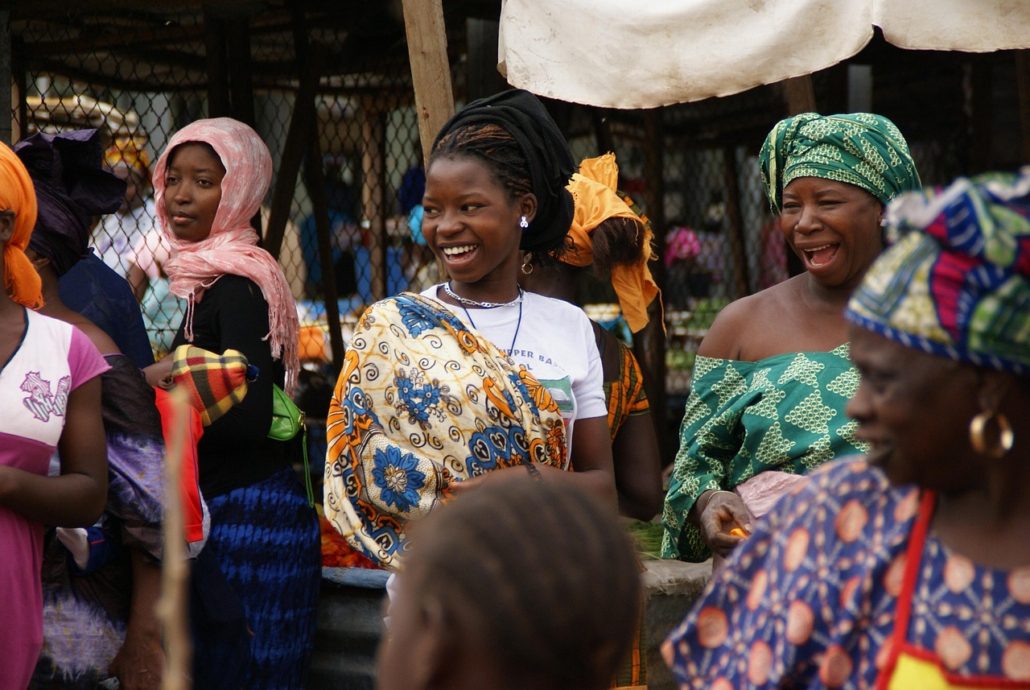
Kyrgyzstan: What the McGovern-Dole Cutoff Means for Schools

McGovern-DoleFor more than a decade, schools in Kyrgyzstan have benefited from the McGovern-Dole Program of International Food for Education and Child Nutrition (MGD). MGD is operated by the U.S. Department of Agriculture (USDA) through its Foreign Agricultural Service (FAS). The program supports education, child development and food security in low-income, food-deficient countries.

It does this by donating U.S. agricultural commodities and providing financial and technical assistance to implement school feeding and maternal and child nutrition projects. Mercy Corps has implemented the MGD program in Kyrgyzstan since 2012. It has provided fortified flour, rice, peas, lentils and vegetable oil, along with infrastructure upgrades such as kitchen rehabilitation and hygiene improvements.

Impact and Recent Developments

Between 2012 and 2021, the program supported approximately 510 schools. It delivered around 3,810 metric tons of commodities, reaching more than 100,000 children in kindergartens and primary schools. During the 2022–2023 academic year, the U.S. Embassy in Bishkek reported that about 24,000 schoolchildren in 120 rural primary schools received fortified food supplies.

These include 40 metric tons of vitaminized sunflower oil and 500 metric tons of staple foods. In May 2025, Reuters reported that the USDA canceled 17 McGovern-Dole projects as part of a reduction in U.S. international food aid, affecting countries including Kyrgyzstan.

The Impact of School Meals on Learning and Nutrition

Baseline and endline studies conducted in Kyrgyzstan have examined the relationship between school feeding, nutrition and educational outcomes. The International Security and Development Center (ISDC) report “McGovern-Dole Food for Education and Child Nutrition in Kyrgyzstan – Baseline Study on Nutritional Variables” (2020) documents the nutritional status of primary school students and their households. It shows that better diet diversity and nutrition knowledge correlate with improved cognitive and learning outcomes.

A follow-up Phase II study on child development under the same program surveyed more than 4,500 students and households. It found that the program improved nutrition knowledge, attitudes and behavior among participating families. Similarly, the Life in Kyrgyzstan (LiK) research conference paper “Child Development in the Context of a School Feeding Program in Kyrgyzstan” highlights that exposure to school meals and nutrition education supports better cognitive function and school performance.

The USDA emphasizes that MGD programs are designed to be sustainable, with the goal that “communities served… can ultimately continue the sponsored activities on their own or with support from other sources such as the host government or local community.”

Why the Program Matters

The MGD program’s objective is “to reduce hunger and improve literacy and primary education, especially for girls.” In Kyrgyzstan, where many rural families face limited access to nutritious meals, the school feeding initiative has become an important support system for children’s education and health. Studies from ISDC and Mercy Corps show that the combination of school meals, parental nutrition education and improved school infrastructure leads to healthier, better-performing students.

Globally, organizations such as the World Food Programme (WFP) and the School Meals Coalition note that school feeding programs serve as major social safety nets and generate long-term economic benefits. Analyses cited by these groups estimate that every U.S. dollar invested in school meals can yield up to $9 in returns through improved health, education and productivity.

Looking Ahead

Evidence from Kyrgyzstan shows that school feeding can improve nutrition knowledge, attendance and learning outcomes when implemented consistently. Mercy Corps and ISDC studies demonstrate that combining food provision with education, infrastructure and parental engagement strengthens long-term sustainability. However, the future of the McGovern-Dole Program remains uncertain as U.S. budget debates continue. Lawmakers have yet to confirm whether the program will receive renewed support, leaving schools and implementing partners in Kyrgyzstan without clear guidance on long-term funding.

Ensuring that Kyrgyz children continue to receive nutritious meals at school will help sustain progress in education, health and equality.

– Clara Garza

Clara is based in Los Angeles, CA, USA and focuses on Global Health and Politics for The Borgen Project.

Photo: Flickr
November 6, 2025
https://borgenproject.org/wp-content/uploads/borgen-project-logo.svg 0 0 Lynsey 2 https://borgenproject.org/wp-content/uploads/borgen-project-logo.svg Lynsey 22025-11-06 07:30:532025-11-11 05:09:21Kyrgyzstan: What the McGovern-Dole Cutoff Means for Schools
Global Poverty, Nonprofit Organizations and NGOs

The Garment Industry in Bangladesh: Mistreated Workers

The Garment Industry in BangladeshThe garment industry in Bangladesh is the second largest on the planet in terms of exports. Between 2022 and 2023, the “Ready-made Garments,” or RMG, industry accounted for 84% of Bangladeshi exports. While this has led to Bangladesh, an emerging market, having one of the fastest-growing economies in the world, the labor force is suffering.

The Bangladeshi government has lowered production costs to attract foreign investment to stay ahead of the competition. However, this comes at the expense of factory workers—the minimum monthly wage is just $133, less than a quarter of the estimated living wage. Nonetheless, organizations such as GoodWeave are making efforts to stop this mistreatment.

Bangladesh and the Race to the Bottom

The race to the bottom is the theoretical competition between emerging markets, such as Bangladesh. Foreign investment from large companies is very desirable for these states. However, to appear more attractive, they must offer cheaper production costs. This is generally achieved by cutting wages and working standards. In the case of Bangladesh, this has been done to an alarming level.

Since the late 1900s, the size of the RMG industry in Bangladesh has grown exponentially from $1.8 million in 1980 to $47 billion in 2023. This growth was possible because Bangladesh offered increasingly cheap production costs to U.S. and European clothing companies. Although this has allowed Bangladesh to maintain and even flourish, through periods such as the 2008 financial crash due to increased demand for cheap clothes, it has come at a price: workers’ rights.

The Rana Plaza collapse of 2013 is potentially the most telling evidence of the lack of safety in garment factories in Bangladesh. Rana Plaza was a major garment production hub and due to the lax building and safety regulations around this industry, the structure was completely unsound. This became apparent in 2013 when part of the building collapsed and killed more than 1,000 people. This is a clear example of how the cost-cutting to attract investment horrendously impacted the laborers.

RMG workers are also paid insufficiently. According to GoodWeave, more than 30% of Bangladeshi garment workers are paid below their minimum wage. This rate is already far below what the Economic Observatory considers a living wage. Furthermore, many workers are involved in subcontracts, usually correlating with being paid even less than their already underpaid colleagues for the same amount of work.

The Impact of GoodWeave

GoodWeave is a nonprofit organization aimed at ending child and forced labor. It is an influential actor in Bangladesh, researching and raising awareness around labor conditions within the RMG industry. An interview with Jamir Munayko, digital communications and fundraising manager at Goodweave, revealed how the organization has been working in Bangladesh.

Between December 2023 and July 2024, GoodWeave International undertook research in collaboration with the University of Nottingham’s Rights Lab and the Bangladesh Labor Foundation (BLF). They aim to document the existence of modern slavery and child labor within Bangladesh’s RMG industry.

GoodWeave has conducted fieldwork in Dhaka and Chattogram, two major RMG hubs, carrying out almost 2,000 surveys and 10 in-person focus group discussions with 88 workers, both adults and minors. The organization has been processing the data gathered alongside the University of Nottingham, which is helping to legitimize the information and make it an authentic basis for action.

GoodWeave has also contributed to the vocational training of 500 young people in Bangladesh, ensuring they move into safe and legal work, rather than the dangerous and partially illegal RMG industry.

International Efforts To Raise Working Conditions in Bangladesh

GoodWeave has also been working alongside international institutions such as the Netherlands Enterprise Agency and the U.K. Home Office’s Modern Slavery Innovation Fund.

“These projects focus on using the evidence generated by research to drive change. They disseminate and advocate the only comprehensive evidence base of risk, prevalence and root causes of modern slavery in Bangladesh’s RMG industry, with emphasis on export production,” Munayko stated.

There has also been direct interaction between GoodWeave and some of the brands that produce their garments in Bangladesh.

“In partnership with four U.K.-based companies and their Bangladeshi suppliers, modern slavery supply chain assessments are being carried out to identify risks and inform these brands of the results. This enables companies to gain visibility into the risks in their supply chains. Alongside this, rights and protections of vulnerable workers are being advanced through increased awareness, improved access to social protections and stronger business practices, all contributing to reducing modern slavery in the sector.”

What Does the Future Look Like for the RMG Industry?

According to Munayko, the future of the garment industry in Bangladesh is impossible to predict, particularly due to the changing U.S. tariffs since President Trump’s term began earlier this year. The fact that Bangladesh relies so heavily on the global market as its economic stimulus makes it vulnerable to things such as U.S. tariffs.

However, with the recent change of government in Bangladesh, the interim government has shown real interest in improving working conditions in the RMG industry. The Labor Reform Commission has been created and positive concrete action is on the way to happening. However, Munayko also stated that this change must happen soon, before more tragedies like the Rana Plaza disaster occur.

Conclusion

Bangladeshi garment workers earn far below a living wage and their working conditions are often unsafe. This stems from the government’s pursuit of foreign investment from international clothing companies by driving production costs down, a race to the bottom. However, the efforts of GoodWeave and other international organizations are pushing back against this exploitation, advocating for fair treatment and safer conditions for the workers of the garment industry in Bangladesh.

GoodWeave’s direct work through surveys and interviews helps raise awareness about conditions in the RMG industry. Its collaboration with brands that source from Bangladeshi garment factories marks a major step toward changing the system.

– Oliver Evans

Oliver is based in Devon, UK and focuses on Business and Good News for The Borgen Project.

Photo: Flickr

November 6, 2025
https://borgenproject.org/wp-content/uploads/borgen-project-logo.svg 0 0 Lynsey 2 https://borgenproject.org/wp-content/uploads/borgen-project-logo.svg Lynsey 22025-11-06 07:30:152025-11-06 03:24:52The Garment Industry in Bangladesh: Mistreated Workers
Developing Countries, Global Poverty, Social Enterprises

Garbage Cafes Tackle Waste and Poverty in India

garbage cafes

India is one of the most densely populated countries in the world. It has a population of more than one billion within its territory, which makes up 17.5% of the world’s overall population. The country’s growth rate, however, has stood at less than 1% since 2018. It is located in South Asia, with countries around its borders such as Pakistan, China, Nepal and Bangladesh.

The country has 28 states and eight union territories, each with its own government bodies. It is officially known as the Republic of India and is known for having one of the largest democracies in the world. India has many facts that are unique to its people, but one unexpected fact is that it is currently the world’s largest producer of plastic waste.

Plastics for Change

According to Plastics for Change, India was labeled as the world’s biggest polluter. In 2024, it was reported that the country produced 20% of the overall plastic waste that pollutes land and oceans. There are more than 9 million tonnes of waste generated by the country each year, which exceeds competing countries such as China and Nigeria. The waste is largely created by population growth, urbanization and development within the economy. As the population increases, the need for resources expands, like building more housing and grocery stores. The need for plastic resources is especially high within urban areas.

Waste and Poverty in India

Poverty in India has decreased significantly between 2016 and 2021. The number of people living in poverty decreased from more than 300 million between 2015 and 2016 to around 230 million between 2019 and 2021. As of 2025, 83 million people live in poverty in India, with more females being impacted. This shows the country has taken great strides in investing in its people.

There have been large impacts, such as investments in the economy, roads and connectivity between local and urban areas. There have also been job creations in various fields and aid programs accessible to the public. India is currently known as the fastest-growing economy in the world and has a high gross domestic product (GDP). Even though poverty in India has not been eradicated, there are cafes in the country offering meals to people in need in exchange for collecting waste.

Garbage Cafes

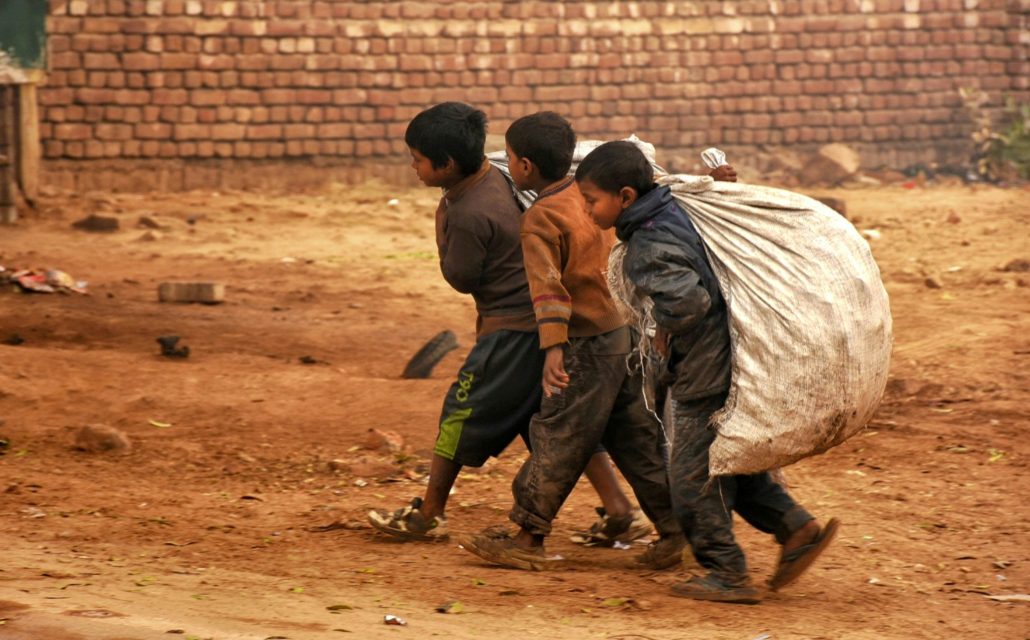
It all began in 2019 after multiple reports of plastic waste impacting communities and cities in India. One such city that took the initiative was Ambikapur. One of the first “garbage cafes” opened with one simple policy: every person who turns in 2.2 pounds of plastic waste gets a full meal. These meals include rice, vegetables and other staples vital to one’s diet. For those who collect 1 pound of waste, they can purchase breakfast items. With this cafe serving 20 meals daily, it presents a solution to waste polluting the city’s streets. In total, the cafe has collected more than 20 metric tonnes of waste since its creation.

This garbage cafe prides itself on its slogan, “more the waste, better the taste.” It prioritizes two main issues within its city and India as well: hunger and plastic waste pollution. People who struggle to make ends meet for their families have access to meals that can benefit them and their loved ones. The cafe is operated by the Ambikapur Municipal Corporation (AMC), which oversees this local initiative.

Creation of Jobs

It may have started in Ambikapur, but garbage cafes have spread to other cities in India, such as Siliguri and Mulugu. These cafes have similar policies that provide meals to people in need who collect waste. Another campaign offers period products to those who collect plastic waste. These initiatives help rid streets of pollution while also providing citizens with basic needs. Cambodia has also adopted similar programs, showing how positive responses to these initiatives can lead to long-term benefits.

The Municipal Corporation has also provided jobs that would not have been available otherwise. It employs more than 400 women to sort plastic waste after collection. They are given the necessary tools, such as gloves and masks, to protect themselves. They also go around neighborhoods to collect the waste from homes. This shows the creation of jobs that help people who may have been unemployed, especially women who are often most impacted by poverty.

Looking Ahead

Garbage cafes have created opportunities for people in poverty to supply meals for themselves and their families. This shows the importance of investments in communities and how corporations can assert themselves in this role. For the 83 million who remain in poverty in India, there are initiatives by the government and garbage cafes to alleviate daily burdens. There are job openings, investments in community cleanups and meal provisions where necessary. India has shown one initiative that other countries can adopt to target two issues at one time.  

– Nickaylia Anderson

Nickaylia is based in Syracuse, NY, USA and focuses on Good News and Politics for The Borgen Project.

Photo: Flickr
November 6, 2025
https://borgenproject.org/wp-content/uploads/borgen-project-logo.svg 0 0 Precious Sheidu https://borgenproject.org/wp-content/uploads/borgen-project-logo.svg Precious Sheidu2025-11-06 03:00:182025-11-06 03:01:48Garbage Cafes Tackle Waste and Poverty in India
Activism, Advocacy, Global Poverty

Remembering Jane Goodall

Jane GoodallDr Jane Goodall- global conservation icon, humanitarian and U.N. Messenger of Peace– was a pioneering scientist whose compassion and curiosity reshaped humanity’s relationship with the natural world.

Background

When Goodall entered the forests of Gombe in 1960, she was the first to observe chimpanzees not only using, but making tools- shattering the myth that tool-making was uniquely human. Her approach revealed their emotional depth- grief, joy, friendship- and redefined our understanding of animal behaviour, and what it means to be human.

However, to remember her merely for her time spent beneath the trees in Tanzania would be to disregard much of her life’s work, for wildlife conservation was just the beginning for Goodall. Early on in her career, she recognized that protecting wildlife and championing community empowerment were undeniably inseparable pursuits, and that conservation cannot succeed in isolation from community well-being.

Today, through education, community-led conservation and youth empowerment, her work continues to uplift communities all around Africa.

Roots & Shoots

Roots & Shoots translates Goodall’s core belief– that every individual can make a difference- into an engine for poverty reduction. Founded by Dr Jane Goodall after a conversation with Tanzanian students eager to tackle poverty and environmental decline, the initiative has grown from a small youth group into a global movement that operates in more than 75 countries.

Its mission is to foster respect and understanding for all living things and inspire youth-led action to improve communities and protect the environment. Each Roots & Shoots group identifies local challenges and designs three projects: one for people, one for animals, and one for the environment. From school gardens and tree planting to beekeeping and waste recycling, these local initiatives connect to the wider Roots & Shoots mission: to promote compassion and sustainability.

Today, the program continues to fight poverty by equipping young people with leadership, vocational and environmental skills. By empowering youth to design locally relevant projects that deliver income, food security and skills while protecting the environment, the programme demonstrates how compassion can manifest practical solutions that strengthen communities and protect the ecosystems they depend on.

The TACARE Model

In 1994, the Jane Goodall Institute launched the TACARE program in the villages surrounding Gombe National Park and the Lake Tanganyika catchment in Tanzania. Faced with a shrinking forest island surrounded by deforested hillsides, farmland and housing settlements, Goodall recognized that addressing the needs of local communities is necessary for the chimpanzee habitat to succeed.

When basic livelihoods are insecure, people turn to practices such as charcoal production, slash-and-burn agriculture or deforestation, all of which degrade ecosystems and threaten wildlife. Key provisions of the program include managing soil fertility and erosion, improving medical and educational facilities and providing micro-credit programmes to launch sustainable income-generating activities. By improving economic opportunity and local well-being, the programme creates the conditions for communities to invest in conservation.

Impacting Communities

Additionally, TACARE’s use of mapping and various geospatial tools such as satellite imaging by local community members builds local leadership, understanding and long-term commitment to the agreed land-use plans. TACARE has been implicated in more than 100 communities in Tanzania and has inspired similar programmes across the region.

By placing communities at the centre, combining livelihood improvement with natural-resource stewardship, and using innovative tools to foster dialogue and decision-making, the TACARE model offers a blueprint for conservation-led development.

The Jane Goodall Institute and Women’s Education

In 1977, Goodall founded The Jane Goodall Institute, a global nonprofit organization. Headquartered in the United States, the Institute has offices in almost 30 countries across Africa, Europe and North and South America. Its model of community-centred conservation has influenced policy, research and sustainable development worldwide. Particularly, the Institute recognises that women are central to both poverty reduction and conservation, and works to foster their empowerment.

In rural Uganda, the Girls in Action program provides reusable sanitary pads, underwear and school supplies to increase school retention for girls since nearly one in four Ugandan girls aged 12 to 18 drops out of school when menstruation begins. The Initiative also offers reproductive-health training and peer counselling, encouraging young women to make informed choices about their future. Further, Girls in Action integrates environmental education into classrooms.

By enabling girls to stay in school, gain leadership skills and understanding of conservation, the programme uplifts entire households and strengthens the resilience of communities and ecosystems alike.

Empowerment

Through Dr Jane Goodall’s tireless work, conservation has become a path to empowerment and a tool against poverty. Her legacy endures not only in the forests of Gombe but in every community she has inspired to live in harmony with nature. In remembering her, the world inherits both her mission and her boundless belief in a better world.

– Elysha Din

Elysha is based in Guildford, UK and focuses on Good News and Politics for The Borgen Project.

Photo: Flickr
November 6, 2025
https://borgenproject.org/wp-content/uploads/borgen-project-logo.svg 0 0 Naida Jahic https://borgenproject.org/wp-content/uploads/borgen-project-logo.svg Naida Jahic2025-11-06 01:30:222025-11-06 01:19:03Remembering Jane Goodall
Advocacy, Global Poverty, Nonprofit Organizations and NGOs, Period Poverty, Poverty Reduction, Women and Female Empowerment

4 Charities Combating Period Poverty in Poland

4 Charities Combatting Period Poverty in Poland Poland has seen a significant rise in living standards in the last 20 years, with GDP per capita doubling since 2005. However, period poverty in Poland remains a significant issue.

Period poverty is when women lack adequate access to the quantity or quality of menstrual hygiene products. Many have criticized health care for women in Poland in recent years, not only for the abortion ban but also for poor levels of gynaecological care, a lack of funding from the national health fund and difficult access to contraception. Women’s health remains a taboo issue within Poland, with 41% of Polish women reporting that menstruation was never discussed in the family home.

The Kulczyk Foundation’s Period Study

In 2020, the Kulczyk Foundation conducted a large-scale survey on young girls and attitudes toward periods within Poland. This revealed shocking levels of menstrual shame and demonstrated high levels of period poverty. The study found that 21% of schoolgirls leave school due to a lack of access to menstrual products and that one-fifth of Polish women struggle to buy appropriate menstrual products. It also revealed that women and girls had misconceptions surrounding periods, with 25% of women thinking it was impossible to get pregnant during their period and 22% believing women should not go to the dentist during menstruation.

4 Charities Combating Period Poverty in Poland

Here are four organizations and charities that are doing the most to combat period poverty in Poland.

  1. The Różowa Skrzyneczka (Pink Box) Foundation. The Pink Box foundation aims to alleviate period poverty in Poland and reduce the stigma surrounding menstruation. This programme directly counteracts menstrual poverty through publicly available boxes containing free pads and tampons. Public spaces such as libraries, parks, transport hubs and schools are used to host these boxes. So far, major cities including Rzeszów, Sopot, Gdańsk and Łódź have implemented them.
  2. Menstruation Action. Menstruation Action aims to combat misconceptions about periods and provide access to period products for schoolgirls. Early efforts by Menstruation Action involve the purchasing and distribution of 1,000 menstrual cups for those most affected by period poverty in Poland, including single mothers, those in refugee centres and orphanages. In September 2020, the “Hey Girls” campaign launched, in which they provided boxes filled with essential sanitary products to schools and organized classes on menstruation for schoolgirls. More recent initiatives include the launch of “Padsharing.” Padsharing is a support network that connects women in need with donors. Through this programme, donors anonymously place and pay for orders according to the women in need’s instructions. Menstruation Action also introduced the “Heyday” initiative in July 2021 to create the first dedicated menstrual dispensers in Poland. The idea behind this project was so that companies and institutions that would like to introduce menstrual products into their toilets can do so despite lacking the resources to do so. They also provide “period help points” across Kraków, containing free sanitary products.
  3. Yestopads.com. Yestopads is a result of the Periodic Coalition, an association of charities, organizations and female experts who want to normalise and destigmatise female menstruation. The coalition consists of more than 40 partners and supporters, aiming to help the nearly 2 million girls aged 9–19 who are either menstruating or about to menstruate. They are currently attempting to introduce the first draft act on menstruation to ensure free access to menstrual products and provide girls with adequate education on menstruation.
  4. Gohealthygirl. Gohealthygirl operates a “pink clinic.” This is a safe space in which women and girls can see a doctor for any gynaecological reason without judgment. Studies performed by this organization have revealed that women experience unpleasant comments about appearance, knowledge and sexual orientation, and many often experience poor treatment from doctors. They also provide free health guides, podcasts and articles online on women’s health to provide women and girls with accessible education about their bodies.

Looking Ahead

Despite period poverty remaining a significant issue for women and girls in Poland, the work of these organizations suggests a positive direction for removing the stigma surrounding menstruation and the reduction of period poverty in Poland.

– Alys Gaze

Alys is based in Swansea, UK and focuses on Good News and Politics for The Borgen Project.

Photo: Flickr
November 5, 2025
https://borgenproject.org/wp-content/uploads/borgen-project-logo.svg 0 0 Precious Sheidu https://borgenproject.org/wp-content/uploads/borgen-project-logo.svg Precious Sheidu2025-11-05 07:30:272025-11-05 11:51:454 Charities Combating Period Poverty in Poland
Education, Global Poverty, Nonprofit Organizations and NGOs

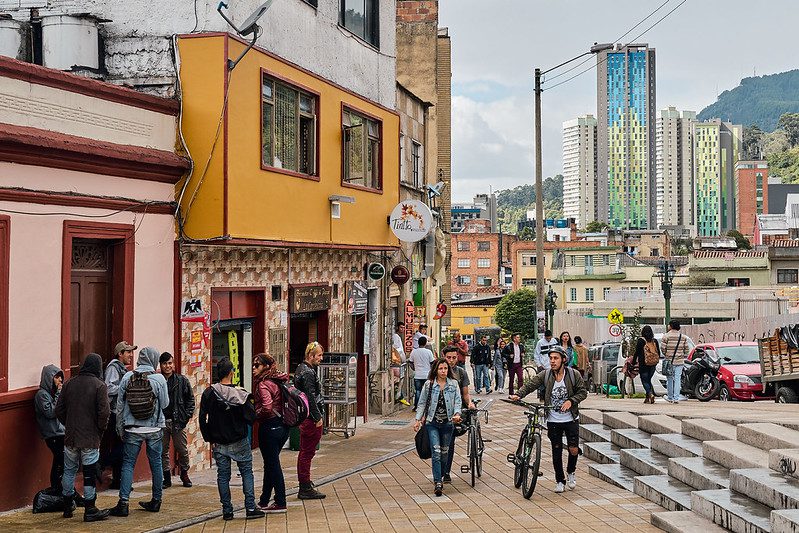
Education in Haiti: How Organizations Fight For A Nation’s Stability

Education in Haiti: How Organizations Fight For A Nation's Stability Haiti is one of the two countries within Hispaniola. Formally known as a French colony, Saint-Domingue, the territory surpassed others in the production of sugar, cotton and other supplies. The majority of its population is of African descent with a rich history. Haiti was the second country in the Americas to gain independence after the United States and was the first Black-led republic. The country remains as rich as ever in its culture, traditions, flora, fauna and tourist attractions, but has been facing multiple battles within its territory.

Where It Started

Haiti is currently the lowest-income country in the Western Hemisphere. This is due to high inflation and more than 50% of its population being in poverty. The starting point is tagged from 2018, when Venezuela halted all imports of oil into Haiti. A long-term result was price increases as high as 50% and country-wide protests. After a lockdown was put in place, this blocked aid programs and decreased opportunities for some relief.

After President Jovenel Moïse was assassinated in his home and the last members in office left their positions, this opened up more areas for violence within Haiti. In its capital, Port-au-Prince, armed militias have established themselves and are responsible for thousands of displaced people. Intergenerational poverty has persisted since 1804, when Haiti gained independence, because they were forced to pay millions of dollars in reparations to France. Haiti was forced to look elsewhere to foreign powers in order to access loans, which buried the nation in even more debt. In 2025, youth are faced with little to no educational and economic prospects. This can add to the cycle of violence and poverty.

Education in Haiti

The country is ranked 177th when considering national spending for education in Haiti. Education in Haiti is largely privately owned, with at least 80% of institutions. In addition, the private institutions are mainly run by outside organizations from America and Canada. Public institutions lack appropriate funding and are often held within churches or houses instead of school buildings.

The pandemic and political violence within the country have worsened the impacts on education in Haiti. With the destabilization in the government, the contribution to education sits at 10% of the nation’s budget. Teachers are being forced out of the profession or public institutions are not well-staffed at all. With the majority of families in poverty, students are not able to afford private institutions. With students having little to no opportunities to access private education, this causes the cycle of poverty to continue into the next generation. No education means a lack of access to higher-paying jobs and proper health care.

Organizational Support

Some organizations have done outstanding work to assist the people of Haiti. One such organization is Hope for Haiti. It is based in Naples, Florida and has assisted Haiti post-earthquake of 2010. This earthquake destroyed the majority of college institutions and destabilized other infrastructure in the nation. Hope for Haiti has donated millions of dollars and equipment toward Haiti’s education, health care, clean water and economic development.

Hope for Haiti is transparent with donations and financials on its website. To date, it has provided 50 college students with scholarships. In total, they have provided more than 7,000 Haitian students with educational access and provided teachers with educational training and cash support. The organization has also provided at least $49 million of medication and supplies across the nation. Its health care resources have also increased nutritional support for more than 7,300 children in Haiti. Clean water distribution systems have been distributed to more than 670 families and counting. Its mission has also provided students with clean water access.

Free Haiti Inc. is another organization that aims to connect the Haitian diaspora, the international community and the people of Haiti to organizations that can provide support. The organization is committed to providing sustainable development. Its website also provides details on current events in the country of Haiti and important matters of interest. Free Haiti Inc. provides eight focus areas, like housing and education, which are targeted to improve the quality of life from the ground level up.

Looking Ahead

The focus of these organizations will largely benefit people in poverty and children without access to education. Their programs aim to improve living conditions by expanding education, health care and economic opportunities within the country. With the current crisis in Haiti, there is an urgency to provide aid in multiple areas and support the next generation. A focus on education and increased economic opportunities in Haiti can have a lasting impact on reducing generational poverty.

– Nickaylia Anderson

Nickaylia is based in Syracuse, NY, USA and focuses on Good News and Politics for The Borgen Project.

Photo: Flickr
November 5, 2025
https://borgenproject.org/wp-content/uploads/borgen-project-logo.svg 0 0 Precious Sheidu https://borgenproject.org/wp-content/uploads/borgen-project-logo.svg Precious Sheidu2025-11-05 03:00:542025-11-05 00:24:57Education in Haiti: How Organizations Fight For A Nation’s Stability
Page 82 of 2163«‹8081828384›»

Get Smarter

  • Global Poverty 101
  • Global Poverty… The Good News
  • Global Poverty & U.S. Jobs
  • Global Poverty and National Security
  • Innovative Solutions to Poverty
  • Global Poverty & Aid FAQ’s
Search Search

Take Action

  • Call Congress
  • Email Congress
  • Donate
  • 30 Ways to Help
  • Volunteer Ops
  • Internships
  • Courses & Certificates
  • The Podcast
Borgen Project

“The Borgen Project is an incredible nonprofit organization that is addressing poverty and hunger and working towards ending them.”

-The Huffington Post

Inside The Borgen Project

  • Contact
  • About
  • Financials
  • President
  • Board of Directors
  • Board of Advisors

International Links

  • UK Email Parliament
  • UK Donate
  • Canada Email Parliament

Get Smarter

  • Global Poverty 101
  • Global Poverty… The Good News
  • Global Poverty & U.S. Jobs
  • Global Poverty and National Security
  • Innovative Solutions to Poverty
  • Global Poverty & Aid FAQ’s

Ways to Help

  • Call Congress
  • Email Congress
  • Donate
  • 30 Ways to Help
  • Volunteer Ops
  • Internships
  • Courses & Certificates
  • The Podcast
Scroll to top Scroll to top Scroll to top