Higher Education in The Gambia
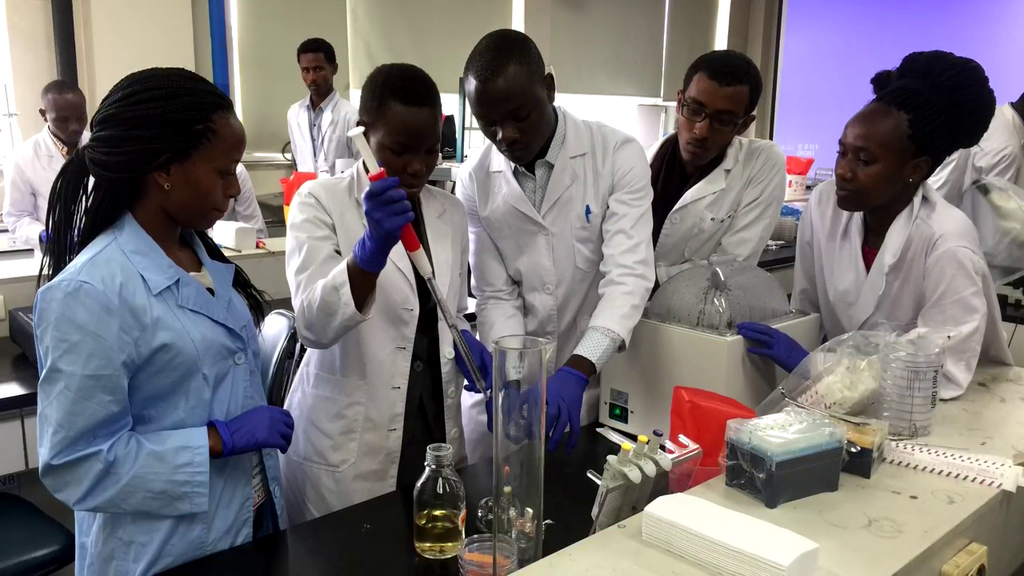 In the smallest nation on continental Africa, The Gambia, higher education is only a recent political priority. Only 7% of those aged 15-35 have some form of tertiary education, contributing to a youth unemployment rate of 45%. However, President Adama Barrow has made education a priority of his government. Recognizing the importance of education in combating poverty, higher education in The Gambia is growing, creating pathways for the country’s youth to escape the vicious cycle of poverty.
Poverty in The Gambia
More than half of The Gambia’s population is considered poor. Data from the 2020/21 household survey shows that 53.1% of the population is unable to afford the basic cost of living. The country’s poor are predominantly rural, with a 76% poverty rate compared to 34% in urban districts. Many people are trapped in a poverty cycle, with 80% of the poorest households employed in low-income agriculture. This dependence on irregular income from rainfed agriculture leads many young people to emigrate and seek employment abroad, allowing them to support their families with regular remittances. These payments from abroad make up 45% of the income of the poorest Gambian households.
Beginnings of Higher Education in The Gambia
The first tertiary institution, the University of The Gambia (UTG) opened in 1999. Before this, students seeking higher education would have to emigrate to neighboring Senegal, or further to Europe. In 2007, the Ministry of Higher Education, Research and Technology (MoHERST) opened, with the stated aim of advancing The Gambia’s sustainable socio-economic development through tertiary and higher education. Since 1999, a further eight institutions of higher education have opened, alongside 79 accredited tertiary institutions. These offer a range of vocational courses.
Higher Education in The Gambia Today
Education is an undeniably effective tool in the fight against poverty. In The Gambia, those who have completed some form of tertiary education or vocational training are 15% more likely to participate in the labor market than those who have not. However, many graduates still struggle to find employment in a weak entrepreneurial ecosystem where their graduate skills often do not match demand.
Demand for places is high, however, structural restraints remain. Cost still represents a major challenge for prospective students. Annual tuition fees at the public University of The Gambia are 40,000 Dalasi, or $550 USD, with private institutions charging even higher fees. In a country with a GDP per capita of just $900 USD, this represents a serious investment and a barrier to low-income families.
Madrassahs
One of the main barriers preventing young people from enrolling in tertiary institutions is a lack of transferability between primary and secondary education and universities. In The Gambia, this is a particularly large issue thanks to the prevalence of Madrassahs. Madrassahs are Islamic religious schools that focus on teaching the Qur’an. These schools, where Arabic is the language of instruction, account for 22% of all schools in The Gambia. This creates an issue when Madrassah students enter the tertiary education sector, as many lack the English skills and STEM literacy skills to effectively integrate.
Madrassah Integration Strategy
To combat this issue, the government of The Gambia launched the Madrassah Integration Strategy on June 10th, 2025. This strategy aims to integrate the Madrassah system into the public education system, providing more than 400 Madrassah schools with resources to prepare students for integration into the tertiary education system and the labor market. Backed by World Bank funding, this will ensure that no young person in The Gambia is left behind due to religion or economic status. This aligns with the Sustainable Development Goal (SDG) on inclusive and equitable quality education, allowing every student to reap the rewards of the investment in higher education.
Plans for the Future
Alongside the Madrassah Integration Strategy, the government of The Gambia has many initiatives for the future of higher education. The emphasis placed on higher education is evident, with the inauguration of the first permanent campus of UTG in March of 2024 and the planned inauguration of the University of Science, Engineering and Technology campus. Indeed, this is part of the government’s larger Recovery Focused-National Development Plan 2023-2027, which features five key priorities for tertiary and higher education:
- Equitable access and retention in Tertiary and Higher Education
- Quality and relevance of all education and training programs
- Research, innovation and development
- STEM (Science, Technology, Engineering and Mathematics – including Agriculture)
- TVET (Technical and Vocational Education and Training)
To address the skills mismatch hindering graduates from entering the labor market, the government is investing heavily in vocational training centers. These provide students with specific skills that align with job market demand. This coincides with major initiatives to encourage women and girls into STEM and TVET, tackling the issue of gender inequality.
Final Notes
While issues persist in making higher education affordable for Gambians, the government’s drive to expand the tertiary education infrastructure is a positive sign for the country. Integrating Madrassah students into the mainstream education system will reduce inequality and investment in TVET will stimulate an economy desperate for skilled workers. Continued investment and innovation will be key to ensuring accessibility and affordability for all.
– Henry Weiser
Henry is based in Liskeard, Cornwall, UK and focuses on Technology and Politics for The Borgen Project.
Photo: Wikimedia Commons
