• Link to X
  • Link to Facebook
  • Link to Instagram
  • Link to TikTok
  • Link to Youtube
  • About
    • About Us
      • President
      • Board of Directors
      • Board of Advisors
      • Financials
      • Our Methodology
      • Success Tracker
      • Contact
  • Act Now
    • 30 Ways to Help
      • Email Congress
      • Call Congress
      • Volunteer
      • Courses & Certificates
      • Be a Donor
    • Internships
      • In-Office Internships
      • Remote Internships
    • Legislation
      • Politics 101
  • The Blog
  • The Podcast
  • Magazine
  • Donate
  • Click to open the search input field Click to open the search input field Search
  • Menu Menu

Archive for category: Global Poverty

Key articles and information on global poverty.

Developing Countries, Global Poverty, Period Poverty, Poverty, Women

Experiencing Period Poverty in gaza

Period Poverty In gazaSince the events of October 7, Israel has tightened its grip on the Gaza Strip. It has made it increasingly difficult for aid to enter the territory. Israel’s blockade has, therefore, left many pharmacy and shop shelves barren. One product in particular has become increasingly sparse on the shelves of various pharmacies across Gaza: menstruation pads. On the rare occasion that pads make their way on a shelf, they are sold at nearly five to six times their original price. For many unemployed and homeless Gazan women, such an expense is unthinkable. This, combined with limited water supply, lack of privacy and indoor plumbing, has compelled women to take measures into their own hands. As the rate of period poverty continues to mount within the Gaza Strip, its female residents prove that there is no shortage of resilience and ingenuity.

Period Poverty among Women and Girls in Gaza

In a study conducted by the United Nations (U.N.), an estimated total of 700,000 Gazan women and girls menstruate but do not have access to hygiene products, such as pads and toilet paper. Even more troubling is their barred access to toilets and running water. Various shelters run by The United Nations Relief and Works Agency (UNRWA), the U.N. aid agency for Palestinians, say there is only one roll of toilet paper per 498 people. Within these same shelters, more than 400 residents share a single bathroom.

The situation is no better for women who live in shared apartment complexes with extended family. Limited access to water forces many to restrict the times they flush the toilet– only doing so when deemed necessary. Three functioning water pipelines remain for the whole of Gaza, thus making it increasingly difficult for women to wash themselves. Showering has become a luxury only some women can afford. Many women rise early and queue in front of hospitals in the hopes of showering before the water supply is cut for that day. Others are there to use the bathroom. Queues can number from up to 1,000 people.

Current Experiences

Owda is a Gazan woman documenting her experience online. She shared a video of one of many makeshift bathrooms found within the displacement camps. She points to the toilet in question, a garbage basket on the ground inside a meager tent and says to the camera: “There is no water. There is nothing around them. There is no infrastructure. They’re living in just a tent and they need bathroom(s). They’re humans.” The U.N. indicates that these sanitary conditions leave many Gazan women at risk of contracting reproductive and urinary tract infections. The sanitary pads that are at the disposal of Gazan women are poorly crafted and only further increase their risk of infection.

Gazan women and girls, therefore, are no longer afforded any privacy in tending to their menstrual hygiene. This issue has put a strain on the psychological health of many women within the strip. Some women share that the mounting stress they are experiencing has caused their menstrual cycles to come twice a month, further exacerbating the issue. As political tensions continue to rise, period poverty within the Gaza Strip only becomes a more pressing matter.

With Extreme Circumstances Comes Extreme Measures

The difficulty in obtaining female hygiene products has forced many Gazan women to resort to dangerous measures. Some women wash previously used pads to cope with the lack. Others have opted for old shreds of clothing, towels and ripped pieces of the tents they are using as shelter as substitutes for pads. Adult diapers and measly tissues are also on the list of items used as surrogates. The use of these substitutions may cause skin irritation, infection and deadly toxic shock syndrome. Though they pose great risks to their health, Gazan women have few other options.

Birth control has become a favored remedy among Gazan women, who would rather delay their cycle than deal with the physical and psychological burden that comes with it. Contrary to pads, the pill is readily available and far less expensive than hygiene products. A month’s supply’s worth of birth control costs approximately $3. The extreme measures Gazan women are reduced to take speak of the gravity of the situation. Furthermore, it highlights how women, once again, bear the blows of war. Gaza’s ongoing period poverty epidemic confirms the previous statement.

An International Call for Change

The international community has noticed Gaza’s shortage of menstrual hygiene products and has done its best to aid the crisis. Anera, a nonprofit organization, has provided hygiene kits, which include pads, underwear and wet wipes, to more than 20,000 women and girls. ActionAid has also supported the women in Gaza by preparing hygiene packages with a month’s worth of supplies. Despite their admirable efforts, more has to be done to aid the women in Gaza and stop the rate of period poverty from rising.

– Yasmine Nowroozi

Yasmine is based in Laval, Quebec, Canada and focuses on Global Health and Politics for The Borgen Project.

Photo: Flickr

July 16, 2024
https://borgenproject.org/wp-content/uploads/borgen-project-logo.svg 0 0 Lynsey 2 https://borgenproject.org/wp-content/uploads/borgen-project-logo.svg Lynsey 22024-07-16 03:00:212024-07-15 05:35:10Experiencing Period Poverty in gaza
Development, Education, Global Poverty

The Luminos Fund’s Second Chance Program

Luminos Fund's Second Chance ProgramThe Luminos Fund’s Second Chance program achieved significant success in Ethiopia, providing accelerated learning opportunities to more than 10,000 out-of-school children affected by COVID-19 and internal conflicts. This initiative, renowned for its innovative, child-centered teaching methods, compresses multiple years of curriculum into one, facilitating rapid reintegration into mainstream education. It addresses urgent educational gaps exacerbated by disruptions, emphasizing holistic child development alongside robust emotional and social support frameworks.

The Second Chance Program

Recent studies demonstrate significant improvements in literacy and numeracy among program participants. For example, a study conducted by the Ethiopian Ministry of Education found that children enrolled in the Second Chance program showed notable progress in their academic skills. Children who participated in the program “outperformed other students by an average of 10% across math, English and the local language (Sidama).”

Hana’s story epitomizes the transformative impact of the Second Chance program. Despite missing two years of schooling due to the pandemic, Hana not only caught up with her peers but also excelled academically. She had become a top-performing student in her class, inspiring her community and demonstrating the program’s effectiveness in restoring educational opportunities to disadvantaged children.

The Education and Life Skills Program

Moreover, World Vision Ethiopia’s Education and Life Skills (EdLS) Program is dedicated to improving developmental outcomes for children in targeted communities. It focuses on enhancing literacy skills, supporting early learning and ensuring readiness for primary education among children aged 7-14.

Throughout 2023, the program was active across 34 Area Programmes (APs), implementing three distinct project models: Learning Roots (LR) in 21 APs, Basic Education Programme (BEP) in 19 APs and Unlock Literacy (UL) in 19 APs, all aimed at achieving these crucial outcomes. With an investment surpassing $4.9 million, the EdLS positively impacted approximately 294,000 children, with a strong emphasis on benefiting more than 150,000 girls.

This significant investment underscores the program’s commitment to enhancing the educational quality and fostering a supportive learning environment, ultimately contributing to long-term educational and social development in these communities.

The Impact of the Programs

The success of the Second Chance and the EdLS programs extend beyond individual achievements to encompass community-wide benefits and offer inspiration to other organizations for a domino effect. Active community involvement and engagement have been integral to the sustainability and impact of the Second Chance and the EdLS programs. Local stakeholders, including parents, teachers and community leaders, play a vital role in supporting children’s educational journey and fostering a conducive learning environment.

The Luminos Fund’s Second Chance program in Ethiopia exemplifies the transformative potential of targeted educational interventions. By equipping disadvantaged children with essential academic skills and comprehensive support systems, the program not only addresses immediate educational challenges but also cultivates long-term resilience and prosperity within communities. Through rigorous academic studies and compelling success stories like Hana’s, the program underscores the critical role of education in empowering children and building a brighter future for Ethiopia’s next generation.

– Demi Olin

Demi is based in Huntington, WV, USA and focuses on Good News for The Borgen Project.

Photo: Flickr

July 16, 2024
https://borgenproject.org/wp-content/uploads/borgen-project-logo.svg 0 0 Lynsey 2 https://borgenproject.org/wp-content/uploads/borgen-project-logo.svg Lynsey 22024-07-16 01:30:472024-07-15 05:01:53The Luminos Fund’s Second Chance Program
Agriculture, Development, Global Poverty

Boosting Sustainable Agriculture in Rural North Macedonia

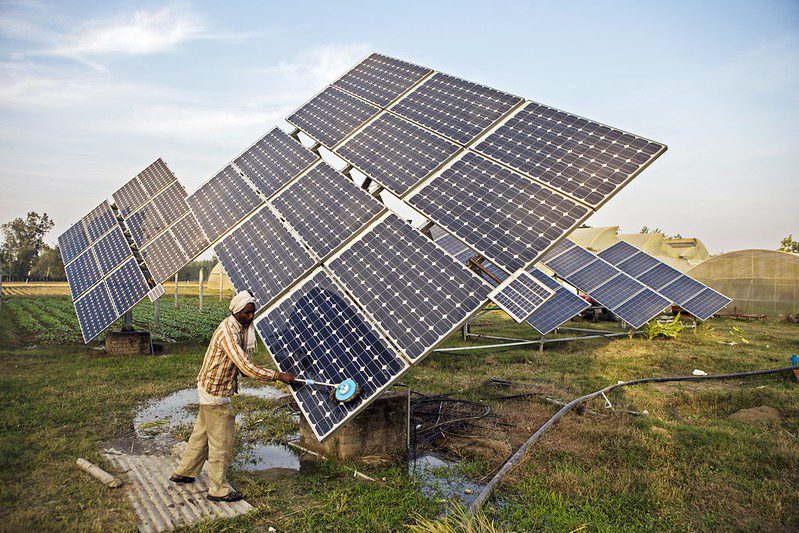
Sustainable Agriculture in Rural North MacedoniaAgriculture is a key part of North Macedonia’s economy, with agribusiness accounting for 7.1% of its gross domestic product (GDP). The country is leading in its exports of tobacco and wine, as well as fresh and preserved fruits and vegetables. However, challenges with water deficit, drought and changing climatic conditions constrain North Macedonia’s growing agriculture sector.

North Macedonia has the immediate opportunity to design and implement green policies, which can increase the resilience of its agriculture sector. The development of agricultural production in North Macedonia is crucial, given its importance for the economy and jobs. Here are some of the key strategies boosting sustainable agriculture in rural North Macedonia.

Crop Yields and Quality

Sustainable farming practices such as organic farming and crop rotation can improve soil health and increase crop yields. By embracing these farming methods and minimizing the use of chemicals, farmers can ensure soil quality and promote environmental sustainability. Organic crop production is an emerging sector in North Macedonia, although there is significant room for improvement. In addition to enhancing crop production both in quality and quantity, organic farming can create the potential for agrotourism and connect agricultural production in North Macedonia with foreign markets.

Furthermore, embracing practices such as agroforestry and integrating animal production with crop production allows the diversification of income sources for farmers. This can reduce risk, enhance food security and potentially lead to increased welfare and economic stability.

Enhancing Water Efficiency

Drip irrigation and rainwater harvesting are water conservation methods that can ensure the adequate hydration of crops without depleting water resources. The North Macedonian agribusiness has been focused on identifying sustainable practices for pest control and disease management while also improving irrigation systems and developing crops that are better suited to local conditions. This is crucial for maintaining agricultural productivity, as water scarcity is one of the main factors that is negatively impacting sustainable agriculture in North Macedonia.

Accessing New Markets

As sustainable farming meets the market demands of organic and fair-trade food standards, farmers can tap into new markets both locally and internationally, increasing their earnings. This was achieved through cooperation with Coop, one of the largest supermarket chains in Switzerland. The Swiss support for organic production allowed North Macedonia to export its products and boost its economy.

Agricultural cooperatives encourage farmers to share resources and collectively market their products, which enhances community cohesion and economic resilience. The Macedonian Association of Agricultural Cooperatives (MAAC) and the Support to Development of Agriculture Cooperatives project provide success stories of community cooperation initiatives where farmers develop opportunities for investment, growth and collaboration.

Attracting Youth to Agriculture

Innovative and sustainable farming can make agriculture more appealing for young people, which helps ensure the future of farming communities. Innovative solutions such as the use of drones, satellite imaging and soil sensors are being increasingly embraced to optimize resource allocation and improve crop production, increasing agricultural productivity and reducing waste. Additional successful projects included innovative climate-smart agriculture (CSA) technologies, which the Food and Agriculture Organization (FAO) has implemented, helping improve productivity, competitiveness, sustainability and resilience.

As North Macedonia embraces sustainable agriculture to revitalize its rural areas, the National Strategy for Agriculture and Rural Development 2021-2027 offers a hopeful vision for the future. This initiative not only supports the transition to climate-smart and ecofriendly farming practices but also aims to support rural communities’ economic resilience. By meeting these national goals, sustainable farming has the potential to drive significant positive change in North Macedonia.

– Ilgın Özkul

Ilgın is based in London, UK and focuses on Business and New Markets for The Borgen Project.

Photo: Flickr
July 16, 2024
https://borgenproject.org/wp-content/uploads/borgen-project-logo.svg 0 0 Lynsey 2 https://borgenproject.org/wp-content/uploads/borgen-project-logo.svg Lynsey 22024-07-16 01:30:472024-07-15 05:22:22Boosting Sustainable Agriculture in Rural North Macedonia
Business, Financial Instruments, Global Poverty

The Mattei Plan: Italy’s Billion-Dollar Investment Plan in Africa

The Mattei Plan: Italy's Billion-Dollar Investment Plan in AfricaItalian Prime Minister Georgia Meloni announced the Mattei Plan during the Italy-Africa summit in 2024—a billion-dollar investment initiative aimed at transforming Italy’s foreign aid policy, generating significant profits for Italy and effecting real change in Africa. The Mattei Plan aims to reduce immigration by improving living conditions in the countries from which many immigrants originate and by curbing the spread of radical Islamism in sub-Saharan Africa. The pilot project will launch in nine countries: Algeria, Côte d’Ivoire, Egypt, Ethiopia, Kenya, Morocco, Mozambique, the Republic of Congo and Tunisia, with an initial investment of €5.5 billion.

The pillars of the program

The Mattei Plan has six focus areas to guide its efforts:

  1. Education and Training. This pillar emphasizes improving educational systems by providing teacher training, refreshing curricula and launching new vocational courses that meet labor market demands. It encourages collaboration with businesses, particularly Italian ones and draws inspiration from Italy’s successful small and medium-sized enterprise model.
  2. Agriculture. The focus here is on reducing malnutrition, fostering agricultural value chains and supporting the development of sustainable biofuels. Key initiatives include promoting family farming, preserving forests and addressing climate change through comprehensive agricultural strategies.
  3. Health. This focus area aims to enhance health services by improving access to quality care for mothers and children. It seeks to build local capacities in health care management, training and research and to implement measures to prevent and manage health crises such as pandemics and natural disasters.
  4. Energy. The goal of this strategic pillar is to transform Italy into an energy gateway between Europe and Africa. Efforts will concentrate on the climate-energy connection, promoting energy efficiency and renewable energy. The plan includes accelerating the shift to renewable electricity, improving energy infrastructure and fostering local energy technology innovation through the establishment of innovation centers.
  5. Water. Initiatives under this pillar include drilling solar-powered wells, maintaining existing water sources, investing in water distribution networks and educating communities about the importance of clean drinking water.
  6. Infrastructure. This pillar supports all other areas by developing both physical and digital infrastructure, ensuring the effective implementation of the plan’s various initiatives.

Collaboration is key

This project will be implemented through a collaboration involving various stakeholders from the Italian government—including multiple Ministries and the Italian Export Credit Agency—as well as from the private and civil society sectors. A notable aspect of the Mattei Plan, which has garnered praise, is its inclusive approach; unlike previous initiatives, it will not be enacted unilaterally from the top down. Instead, African leaders will play an active role in executing the programs, with partners jointly designing key goals and targets.

Evidence of this collaborative approach was visible when 21 African Heads of State and Governments attended the summit where the plan was announced. Additionally, the presence of European Union President Ursula von der Leyen highlighted significant European interest in this innovative, collaborative investment approach in Africa. This integrated approach can deliver short-term goals but also identify areas in which other already existing programs can come in and improve. This comprehensive, cooperative format of the Mattei Plan is original and can change the structure of Italy’s international partnerships. 

Benefits for Europe

Italy stands to gain significantly from the Mattei Plan, especially through its “Energy” pillar. Italy aims to become a key energy supplier to Africa, with the state-owned oil and gas company ENI, already a major player in Africa, expecting high returns from the plan. The plan is named in honor of ENI’s founder, Enrico Mattei. Additionally, water services management company ACEA and oil company ENEL are exploring opportunities in Africa related to the environment and energy sectors.

During another meeting involving stakeholders of the Mattei Plan, African Development Bank director Dr. Akinwumi Adesina highlighted the benefits of Italy’s investment in Africa. The continent is home to six of the 10 fastest-growing economies and has the fastest-growing middle class. It also has the highest concentration of the global population under 35 years old, with 75% of the continent’s population below that age.

Looking Ahead

The Mattei Plan, with its €5.5 billion initial investment, aims to transform Italy’s foreign aid policy and foster significant economic and social development in nine African countries. By focusing on key areas such as education, agriculture, health, energy, water and infrastructure, the plan seeks to improve living conditions and reduce migration pressures. Collaborative efforts involving African leaders, European stakeholders and Italian businesses underscore a new model for international partnerships, poised to benefit both Africa and Italy.

– Clara Tripodi

Clara is based in Salvador, Brazil and focuses on Business and New Markets for The Borgen Project.

Photo: Flickr

July 15, 2024
https://borgenproject.org/wp-content/uploads/borgen-project-logo.svg 0 0 Precious Sheidu https://borgenproject.org/wp-content/uploads/borgen-project-logo.svg Precious Sheidu2024-07-15 07:30:492024-07-15 01:30:55The Mattei Plan: Italy’s Billion-Dollar Investment Plan in Africa
Children, Education, Global Poverty

The Current State of Education in Madagascar

The Current State of Education in Madagascar Madagascar, an island country located on the Southeastern coast of Africa is the world’s fourth-largest island. It is filled with some of the most unique animals and plants such as lemurs, chameleons and baobab trees. Despite the country’s uniqueness and beauty, it is one of the poorest countries in Sub-Saharan Africa. It is also one of the only seven countries with a lower real per capita income than in 1960. This level of extreme poverty has created an educational crisis in the country, with the average Malagasy adult completing less than four-and-a-half years of school. Despite this crisis, some initiatives have been enacted recently to improve education in Madagascar.

Structure of Education in Madagascar

Education in Madagascar follows a structure similar to many Western schools, consisting of a five-year primary school, a four-year lower secondary school and a three-year upper secondary school. Education for 6 to 14-year-olds is compulsory. The students attend school from Oct. to Oct. and it typically runs from 6:30 am to 12:00 pm. Then at 2:00 pm it starts up again until 5:00 or 6:00 pm. They are given a two-hour lunch break so students can return home and come back to school by foot. Students in Madagascar take their classes in French and Malagasy. After the last year of each level of education, the Malagasy students must pass a national exam before proceeding to the next level. Madagascar education is set up for success, yet many do not finish their education.

Challenges Faced by Students and Educators

About one in three adults in Madagascar are illiterate. With 80% of the population living below the poverty line, it is hard for education to be a focal point in families. Many children have to start helping out in their homes as young as 5 years old. This keeps some Malagasy children from ever stepping foot into a classroom and for the children who do, only 60 out of 100 students will complete the full five-year cycle of primary school. However, even the students who stay in school lack literacy skills with 96% of students aged 6 to 10 unable to read a simple paragraph by the end of primary school. The lack of formal training for educators in Madagascar is seen as the cause for the poor literacy rates of those enrolled in school. 

The State of Teaching in Madagascar

Teachers in Madagascar receive minimal training and lack support from their administrations. Only about 4% of primary teachers possess the basic pedagogical and subject matter knowledge needed for effective teaching. In addition, about 80% of the Malagasy teachers have had no formal training. This disparity is largely attributed to the teacher recruitment process in Madagascar. Instead of focusing on selecting professional educators, they try to meet the demands of civil servants, leaving many of the teachers to lack formal training. This has caused the illiteracy rates to continue to be high, even for those who have been educated. 

Positive Developments in Education

Despite these educational challenges there have been strides for improvements. The United States Agency for International Development (USAID) returned to the Malagasy Education Sector in Jan. 2024 after 15 years. Their new five-year, $10 million, Lova Project, is set to work on building foundational skills for a better future. Along with the National Ministry for Education, they plan to improve literacy, math and socio-emotional instruction for 65,000 students in 500 primary schools and enhance professional development for 1,500 teachers. They also aim to develop an early-grade reading curriculum. This will provide teacher training, learning materials and remedial classes focused on basic reading and math. The Lova Project shows great steps toward building a greater tomorrow for youth and teachers in Madagascar.

Looking Ahead

Madagascar’s education system faces significant challenges due to extreme poverty and insufficient teacher training. However, recent initiatives, such as the USAID’s Lova Project, aim to address these issues by improving literacy, math and socio-emotional instruction for thousands of students and enhancing professional development for teachers. These ongoing efforts represent a hopeful step toward overcoming the educational crisis and building a brighter future for Madagascar’s youth.

– Ellie Buss

Ellie is based in Vancouver, WA, USA and focuses on Good News and Global Health for The Borgen Project.

Photo: Flickr

July 15, 2024
https://borgenproject.org/wp-content/uploads/borgen-project-logo.svg 0 0 Precious Sheidu https://borgenproject.org/wp-content/uploads/borgen-project-logo.svg Precious Sheidu2024-07-15 07:30:252024-07-15 01:36:13The Current State of Education in Madagascar
Charity, Global Poverty, NGOs

The Rwanga Foundation in Kurdistan: Support and Development

The Rwanga Foundation in KurdistanThe Rwanga Foundation is a nongovernmental organization (NGO) founded in 2013 by philanthropist Idris Nechirvan in the Kurdistan region of Iraq. Nechirvan began the charity with the aim of providing every child access to quality education. Since then, the foundation has expanded its reach and helped more than three million people.

History of the Kurdistan Region in Iraq

The Kurdistan region is no stranger to instability and the 2010s were a particularly challenging decade, marked by political turmoil, economic crisis and threats to security. In February 2014, the then-Prime Minister of Iraq blocked 17% of the federal budget constitutionally allocated to Kurdistan. This triggered a crippling financial crisis in the region as many Kurds rely on employment from the Kurdistan Regional Government for their livelihoods.

In June of that year, the Islamic State (ISIS) captured Mosul, Iraq. This led to an influx of Iraqi refugees into the Kurdistan region. In August, ISIS attacked Kurstian and implemented a genocidal campaign against the Yazidi people, prompting the United States (U.S.) to intervene. Liberation from ISIS was eventually achieved in October 2016.

In 2017, the independence referendum, where an overwhelming 93% of Kurds voted in favor, was met with severe repercussions from Iraq. The Iraqi army retook Kirkuk and closed Kurdistan’s airspace and borders, leading to the displacement of more than 100,000 Kurds. Despite these challenges, the decade ended with improved relations with Iraq and although the region has yet to recover fully, Kurdistan has remained resilient in the face of significant adversity.

The Rwanga Foundation’s Mission and Vision

The Rwanga Foundation is dedicated to improving Kurdish youth’s quality of life and providing avenues for educational growth in all sectors. The foundation emphasizes creating a culture and passion for learning by enhancing education standards in Kurdistan through services, capacity-building and policy design. The foundation’s vision is a world where quality education is accessible to everyone.

How It Operates

The Rwanga Foundation operates through four main sectors:

  1. Education: Rwanga aims to transform the culture of education into a continuous journey of learning. It works to develop platforms such as e-learning systems using the latest technology, allowing young people to discover their talents, fulfill their potential and improve their quality of life.
  2. Youth: Rwanga recognizes the power of youth and actively engages them within society to empower them to become the aspiring leaders of the future.
  3. Vulnerable groups: Rwanga believes in the transformative nature of education and hopes to extend the avenues of education and skill discovery to those living in poverty. The foundation believes education is a sustainable and lasting solution to the cycle of poverty.
  4. Environment: The foundation is committed to designing new strategies and solutions to safeguard the environment.

The Rwanga Foundation’s Latest Projects

  1. Message From Children Project: The project is an annual competition coordinated with the Kurdistan Parliament and the Ministry of Education. It encourages primary school students to express themselves through art. The best paintings are displayed in the Kurdistan Region Parliament building. This year’s subject is “How do you see yourself in 2045?”
  2. Empowering Sustainable Livelihoods 2023-2026: This project is a collaborative initiative funded by the Department of Migration, Stabilization and Fragility at the Ministry of Foreign Affairs of Denmark. It hopes to facilitate the sustainable long-term reintegration of Iraqi returnees into their communities by enabling a supportive environment. The project aims to strengthen the capabilities of governmental bodies and NGOs, thereby improving access to economic opportunities. Additional aims include assisting returning business owners and informing returnees about their rights and opportunities.
  3. Parcel of Smile: During the holy month of Ramadan, the Rwanga Foundation distributed 7,000 baskets containing essential food items. The baskets included rice, food oil, tomato paste, sugar, tea, lentils and white beans, and were distributed across the Kurdistan region.
  4. Planting 1000 Trees in Erbil: Sponsored by the Oval Company, the Rwanga Foundation planted 1,000 trees in May 2024 to increase the natural and urban forests in the region.
  5. You Are Not Alone Project: Since 2022, in cooperation with the General Directorate of Welfare and Social Development in Erbil, the project, which ran from February to August 2022, established a rehabilitation system for the Erbil orphanage. Using technology and human resources, Rwanga developed a strong management system for all orphanages across Iraq. This has empowered the children with psychological, educational and intellectual skills to achieve a bright and stable future.

Final Remark

More than a decade after its formation, the Rwanga Foundation has significantly improved the quality of life in the Kurdish region of Iraq. The continuous efforts of the Rwanga Foundation paint a hopeful future for Kurdistan, strengthening the region’s already resilient people.

– Fatima Naqavi

Fatima is based in London, UK and focuses on Good News for The Borgen Project.

Photo: Pxhere

July 15, 2024
https://borgenproject.org/wp-content/uploads/borgen-project-logo.svg 0 0 Lynsey 2 https://borgenproject.org/wp-content/uploads/borgen-project-logo.svg Lynsey 22024-07-15 03:00:292024-07-15 01:17:12The Rwanga Foundation in Kurdistan: Support and Development
Disease, Global Poverty, WHO

Poverty and Dengue Outbreaks in Timor-Leste

Dengue Outbreaks and Poverty in Timor-LesteTimor-Leste, also known as East Timor, is a country in Asia situated on the eastern half of the island of Timor. As one of the lowest-income nations in the world, it has a GDP per capita of $3,900. The nation’s low income leads to numerous poverty-related challenges, including health issues. Dengue fever, in particular, poses a significant health problem in the country. Dengue outbreaks occur annually in Timor-Leste, peaking during the hot and rainy season from Dec. to April. In Jan. 2022, Timor-Leste experienced a severe dengue outbreak, with nearly 900 cases recorded in Dili, the nation’s capital, compared to about 100 cases the previous year. From 2018 to 2022, Timor-Leste reported an incidence rate of 330 dengue cases per 100,000 people.

Dengue

Dengue, a disease prevalent in tropical and subtropical areas, spreads mainly through Aedes mosquitoes. Common symptoms include fever, aches, rashes and nausea. While not always fatal, dengue can lead to death in severe cases. Currently, no specific treatment exists for the illness; the primary advice for those affected is to rest and drink plenty of fluids.

Dengue Impacts the Impoverished

Due to Timor-Leste’s low income and high poverty rate, dengue outbreaks hit especially hard. About 42% of the nation’s population lives below the poverty line and these individuals suffer more from the outbreaks than those who are not impoverished. Environmental factors often place people in poverty at higher risk. Many are displaced by natural disasters like flooding, which forces them to seek new housing and living spaces, increasing their risk of dengue transmission. Additionally, these disaster sites often lead to increased mosquito populations due to standing water, further elevating the risk of infection. Accessing health care is also challenging for many impoverished people, exacerbated by Timor-Leste’s weak health care system. Poor education and high poverty rates hinder the development of a robust health care industry, allowing illnesses to spread more widely.

Actions Being Taken

The World Health Organization (WHO) is actively combating dengue in Timor-Leste through multiple initiatives. WHO is supporting the government in strengthening its health care system and has trained many workers to provide necessary care. It has also developed national dengue control guidelines for managing future outbreaks and launched a nationwide campaign to educate the public on dengue prevention and home treatment methods. Additionally, WHO has organized cleaning efforts to maintain clean water and environments, reducing contamination risks. The organization also employs fumigation to eliminate mosquitoes from residential areas. The Timor-Leste Red Cross has also contributed, seeking assistance from the International Red Cross. From Feb. to Aug. 2022, these combined efforts successfully reduced the spread of dengue and minimized its impact.

Looking Ahead

Timor-Leste faces significant challenges due to its low income and recurring dengue outbreaks. The WHO and the Timor-Leste Red Cross have implemented various measures to combat the spread of dengue, including health care worker training, public education campaigns and environmental cleaning efforts. Despite these ongoing efforts, the country continues to struggle with the impacts of poverty and a fragile health care system, necessitating ongoing support and resources to effectively manage and reduce dengue cases.

– Tyra Brantly

Tyra is based in Los Angeles, CA, USA and focuses on Global Health for The Borgen Project.

Photo: Flickr

July 15, 2024
https://borgenproject.org/wp-content/uploads/borgen-project-logo.svg 0 0 Precious Sheidu https://borgenproject.org/wp-content/uploads/borgen-project-logo.svg Precious Sheidu2024-07-15 03:00:052024-07-15 01:22:23Poverty and Dengue Outbreaks in Timor-Leste
Global Poverty, Human Rights, Women and Children

Child Human Rights Defenders in Brazil

Child Human Rights Defenders in BrazilFounded in 1991, the Committee on the Rights of the Child oversees the implementation of the Convention on the Rights of the Child. The Convention’s Preamble advocates for raising children in a spirit of peace, dignity, tolerance, freedom, equality and solidarity. Every two years in Geneva, the Committee conducts a Day of General Discussion (DGD) focusing on children’s issues related to the Convention on the Rights of the Child. Child Human Rights Defenders play a significant role in these discussions. The Defenders bring attention to the practical applications of the Convention in their lives and communities.

2018 Day of General Discussion Focus

In 2018, the Committee on the Rights of the Child’s Day of General Discussion (DGD) centered on protecting and empowering children as human rights defenders. This first global discussion in 2018 significantly raised awareness and understanding of the roles and activities of child human rights defenders. It established a clear definition of a child human rights defender and laid the groundwork for state obligations under the Convention on the Rights of the Child regarding these defenders. In addition, this 2018 initiative marked a phenomenal achievement: 60 children attended the DGD in person. It also featured the online participation of more than 800 individuals worldwide. The efforts of the DGD brought to light the experiences of children serving as human rights defenders.

Child Human Rights Defenders in Brazil

According to Child Human Rights Defenders (CHRDs), a child human rights defender is a child who takes action to promote, protect and fulfill human rights, including children’s rights.

  • Camila Moradia. A recipient of the Front Line Defenders Award for Human Rights Defenders at Risk in the Americas region in 2021, has been a child human rights defender in Brazil since she was 5 years old. Camila joined her mother in advocating for women’s rights and participated in social projects developed by the State Government of Rio de Janeiro. She also championed housing rights in the Alemão complex, advocating for 1,300 families. In 2015, she founded Women in Action in Alemão (MEAA). MEAA’s mission focuses on ending violence against women, empowering women and their families, strengthening their autonomy and ensuring basic rights. Additionally, the organization has successfully supported more than 400 women in Complexo do Alemão, a slum in Rio de Janeiro.
  • Gabriel. A 16-year-old child human rights defender emphasizes the absence of effective addressal of violence within schools. The pressure on children to sit, listen and remain silent diminishes the participation of children. This leads to the systematic absence of incorporating human rights education in the school curricula. 
  • Melissa. A 17-year-old child human rights defender highlights the importance of digital media for communicating useful information. Young individuals gather together to discuss matters concerning public policy-making. These discussions allowed these child human rights defenders in Brazil to highlight the need for new hospitals and to increase the employment of new teachers. This good practice provides feedback to the Government in Brazil from child human rights defenders in Brazil.
  • Mary Lawlor. The U.N. Special Rapporteur on the situation of human rights defenders, during her official country visit to Brazil, recognizes the gross violations against human rights defenders in Brazil. Human rights defenders in Brazil seeking dignity and pursuing justice are subject to denial and destruction. Mary Lawlor commends them on the level of resilience and solidarity that these human rights defenders show despite facing extreme violence and inequality.

Support for Child Human Rights Defenders in Brazil

Set up in 1983, Child Rights Connect has played an instrumental role in influencing child rights developments across the world. Some of its notable achievements include the participation of more than 200 children, child rights experts and practitioners, 74% being girls and women, to assess the obstacles faced by child rights movements and how to tackle these ongoing challenges. 

Child Rights Connect has empowered children worldwide to actively report to the U.N. Committee on the Rights of the Child. Additionally, 93% of civil society actors have reported that the technical assistance provided by Child Rights Connect has been extremely useful in connecting them with human rights mechanisms.

Contribution of the Alana Institute

The Alana Institute aims to create an equal, inclusive and plural world for children and established the Alana Center in 1994. Over the past 27 years, the center has actively engaged with local government and community stakeholders to focus on the development of children and families. This involvement, along with investments in socio-economic and geographic studies and collaborations with social actors such as residents and public agencies, has significantly improved the quality of life in the community.

Child Rights Connect and the Alana Institute have joined hands to improve the situation of child human rights defenders in Brazil. Empowering child human rights defenders in Brazil, engaging in a safe and sustainable promotion of human rights, engaging with the concerned authorities for effective recognition and providing support for the work of the child human rights defenders in Brazil is of principal focus.

Looking Ahead

The 2018 Day of General Discussion by the Committee on the Rights of the Child significantly raised awareness about child human rights defenders. Additionally, discussions defined their roles and the state’s obligations under the Convention on the Rights of the Child. Efforts by organizations like Child Rights Connect and the Alana Institute in Brazil highlight the ongoing commitment to empower these young defenders. Through initiatives that support education, digital communication and policy feedback, these organizations are helping children advocate for their rights and improve their communities.

– Caren Thomas

Caren is based in Dubai, UAE and focuses on Good News and Technology for The Borgen Project.

Photo: Flickr

July 15, 2024
https://borgenproject.org/wp-content/uploads/borgen-project-logo.svg 0 0 Precious Sheidu https://borgenproject.org/wp-content/uploads/borgen-project-logo.svg Precious Sheidu2024-07-15 01:30:422024-07-15 01:00:13Child Human Rights Defenders in Brazil
Global Poverty, Health, World Bank

$150 Million for Primary Health Care in Sri Lanka

World Bank Grants $150 Million for Primary Health Care in Sri LankaThe World Bank recently approved $150 million in financing to improve the quality and accessibility of primary health care services in Sri Lanka. These services encompass essential functions such as birth control, immunizations and general health counseling. This investment marks one of the most significant health care projects in Sri Lanka’s history. Although Sri Lanka’s health care system has shown resilience, it still requires additional support to address ongoing challenges, necessitating foreign aid.

The World Bank recognizes the hard work and dedication of Sri Lanka’s primary health care workers and aims to create a more responsive and accessible health care infrastructure. With one of the world’s fastest aging populations, this project is crucial for enabling the health care system to adapt and respond effectively to new and emerging challenges.

Sri Lanka in Context

Sri Lanka urgently needs more health care resources due to capacity challenges and the lack of formal referral mechanisms. These ongoing issues have resulted in the underutilization of primary health care facilities and overcrowding at tertiary care centers, leading to poor service and long wait times. Longstanding structural weaknesses, worsened by an economic crisis, have compromised the quality of the country’s health care. Additionally, fiscal indiscipline in Sri Lanka has led to high fiscal deficits and substantial gross financing needs, creating significant financial debt and causing severe shortages of goods in 2022.

Noncommunicable diseases such as hypertension, diabetes and cervical cancer are the leading causes of death and illness in Sri Lanka, responsible for 80% of all deaths. Effectively controlling and managing these diseases requires robust screening, early diagnosis, treatment and follow-up—services that primary health care can adequately provide. The Sri Lanka Primary Health Care System Enhancing Project focuses on these ongoing evolving health priorities, investing in preventive care and promoting primary care facilities as the first point of contact for health care services.

Sri Lanka Primary Health Care System Enhancing Project

The newly approved funds will establish the Sri Lanka Primary Health Care System Enhancing Project, which aims to improve the quality of care and increase the utilization of primary medical care institutions. This project is designed to provide essential health care services to local communities that currently lack access to quality health care. It includes several key components:

  • Primary health care services. Increasing the availability of primary health care services and enhancing the capacity of existing institutions.
  • Medical supplies. Enhancing the availability of essential medical equipment, medicines, supplies, laboratory testing equipment and transportation.
  • Health care workforce. Sustaining and strengthening the primary health care workforce by supporting recruitment, retention, distribution and delegation of health care workers in primary health care institutions.
  • Additional services. Expanding primary health care services to include additional services for the aging population, persons with disabilities, individuals with poor oral health and young children, utilizing newly acquired equipment.

Looking Ahead

The $150 million financing from the World Bank aims to bolster Sri Lanka’s primary health care system by addressing critical capacity issues and enhancing service delivery. This funding can potentially increase access to essential medical supplies, strengthen the health care workforce and expand services for the aging population and those with disabilities. By focusing on primary health care, Sri Lanka seeks to improve disease management and meet the growing health needs of its population.

– Mathieu Paré

Mathieu is based in Toronto, Canada and focuses on Global Health for The Borgen Project.

Photo: Flickr

July 15, 2024
https://borgenproject.org/wp-content/uploads/borgen-project-logo.svg 0 0 Precious Sheidu https://borgenproject.org/wp-content/uploads/borgen-project-logo.svg Precious Sheidu2024-07-15 01:30:202024-07-15 01:05:52$150 Million for Primary Health Care in Sri Lanka
Aid, Global Poverty, Nonprofit Organizations and NGOs

Good Neighbors Tackles Global Poverty

Good Neighbors Tackles Global Poverty Good Neighbors, a global nonprofit organization established in South Korea in 1991, works to enhance the lives of marginalized and vulnerable children. It operates in more than 200 communities across 50 countries, including North Korea, Taiwan, Australia, Ghana and Chile.

Good Neighbors Korea

Good Neighbors actively supports the well-being of young adults. The organization provides 31,550 girls with feminine products, educational materials about the menstrual cycle and personal development. Additionally, it offers mentoring and therapy sessions to teach young adults how to express their emotions healthily. Between 2017 and 2023, Good Neighbors helped a total of 77,774 girls, supplying them with essential food and appliances.

In Busan, Good Neighbors has partnered with the City of Busan and other nonprofit organizations to offer a “self-reliance kit”. These kits assist young adults as they transition out of orphanage programs. These kits include bedding, cooking sets, heaters and more to facilitate a smoother move to independence. The project also provides career mentoring, driver’s license assistance and financial aid for post-secondary education. Overall, Good Neighbors has significantly improved the nutrition, education, housing and self-reliance of young adults.

Gugah Nurani Indonesia

In 2023, Gugah Nurani Indonesia (Good Neighbors Indonesia) and the Manggarai Barat Community Development Project (CDP) collaborated with the Golo Pua Village Government to enhance agricultural productivity and product availability through horticultural farming. The project implemented a drip irrigation system to increase water efficiency and boost chili production. This advancement has led to higher-quality crops, enabling farmers to earn more income. Additionally, it has provided consumers with greater access to agricultural products. Overall, this initiative fosters environmental sustainability and improves the socio-economic well-being of the village community.

From March 20 to 22, 2024, Gugah Nurani Indonesia and the Manggarai Barat Community Development Project (CDP) hosted a training session on seed breeding and pest management for Farmer Groups and Women Farmer Groups in Golo Pua Village. This training aimed to enhance seed quality and educate participants about effective pest management, improving productivity and environmental sustainability. With Gugah Nurani Indonesia’s support, the village is poised to withstand pest attacks and advance toward more productive and sustainable agriculture.

Philippines

Typhoon Rolly in 2020 severely limited water supplies from natural resources and disrupted water supply chains, primarily because residents relied on untreated water from deep wells and hand pumps. The challenging terrain requires residents to climb mountains and cross rivers just to fetch a gallon of water and adverse conditions further restrict access to these sources.

Good Neighbors International Philippines launched the “Securing Access to Flourish Empowerment for Water” (SAFE) Project. This initiative led to the construction of a water tank and reservoir, ensuring water delivery to every household and public school in the area. Additionally, the Barangay Water and Sanitation Association (BAWASA) was established, involving health care workers and community leaders from nine villages. As a result, the SAFE Project has benefited a total of 4,475 community members, significantly improving their daily lives, safety, health and overall well-being by securing access to one of life’s most important necessities: clean water.

Good Neighbors México

Xocoapa is struggling with poverty, economic adversity and a lack of health services, challenges that intensified following Hurricane Otis. In 2024, Good Neighbors Mexico responded by delivering food pantries stocked with basic foods, personal hygiene products and cleaning supplies to families in the community of Xocoapa, located in the municipality of Tlaocoapa, Guerrero. By supporting rural communities, Good Neighbors plays a crucial role in combating poverty and enhancing quality of life through sustainable development in the region.

Bangladesh

Since 2018, Good Neighbors Bangladesh has been implementing the ‘Building Resilience to Achieve Zero Hunger (BRAZH)’ project, funded by the U.N. World Food Program, in the Kurigra district. The project focuses on three main activities: Forecast Actions, Seasonal Livelihood Programming and Climate Risk Insurance. It has enhanced the capabilities of Seasonal Livelihood Programming beneficiaries by providing Entrepreneurship Development Training and practical training in various Income Generation Activities at the field level. A key goal of the training is to boost women’s participation in income-generating activities, fostering self-dependence and economic stability. So far, 2,852 people have participated, with increasing numbers receiving training. Through these ongoing efforts, Good Neighbors aims to reduce hunger and promote lasting self-reliance.

Looking Ahead

Good Neighbors’ initiatives across various countries demonstrate a commitment to improving the lives of vulnerable communities. From enhancing agricultural productivity in Indonesia to securing clean water access in the Philippines and addressing food insecurity in Mexico and Bangladesh, the organization continues to make significant strides. These ongoing efforts highlight the importance of sustainable development and empowerment in fostering resilience and self-reliance among affected populations.

– Sein Kim

Sein is based in Bellevue, WA, USA and focuses on Good News and Technology for The Borgen Project.

Photo: Flickr

July 14, 2024
https://borgenproject.org/wp-content/uploads/borgen-project-logo.svg 0 0 Precious Sheidu https://borgenproject.org/wp-content/uploads/borgen-project-logo.svg Precious Sheidu2024-07-14 07:30:362024-07-14 00:45:58Good Neighbors Tackles Global Poverty
Page 282 of 2162«‹280281282283284›»

Get Smarter

  • Global Poverty 101
  • Global Poverty… The Good News
  • Global Poverty & U.S. Jobs
  • Global Poverty and National Security
  • Innovative Solutions to Poverty
  • Global Poverty & Aid FAQ’s
Search Search

Take Action

  • Call Congress
  • Email Congress
  • Donate
  • 30 Ways to Help
  • Volunteer Ops
  • Internships
  • Courses & Certificates
  • The Podcast
Borgen Project

“The Borgen Project is an incredible nonprofit organization that is addressing poverty and hunger and working towards ending them.”

-The Huffington Post

Inside The Borgen Project

  • Contact
  • About
  • Financials
  • President
  • Board of Directors
  • Board of Advisors

International Links

  • UK Email Parliament
  • UK Donate
  • Canada Email Parliament

Get Smarter

  • Global Poverty 101
  • Global Poverty… The Good News
  • Global Poverty & U.S. Jobs
  • Global Poverty and National Security
  • Innovative Solutions to Poverty
  • Global Poverty & Aid FAQ’s

Ways to Help

  • Call Congress
  • Email Congress
  • Donate
  • 30 Ways to Help
  • Volunteer Ops
  • Internships
  • Courses & Certificates
  • The Podcast
Scroll to top Scroll to top Scroll to top