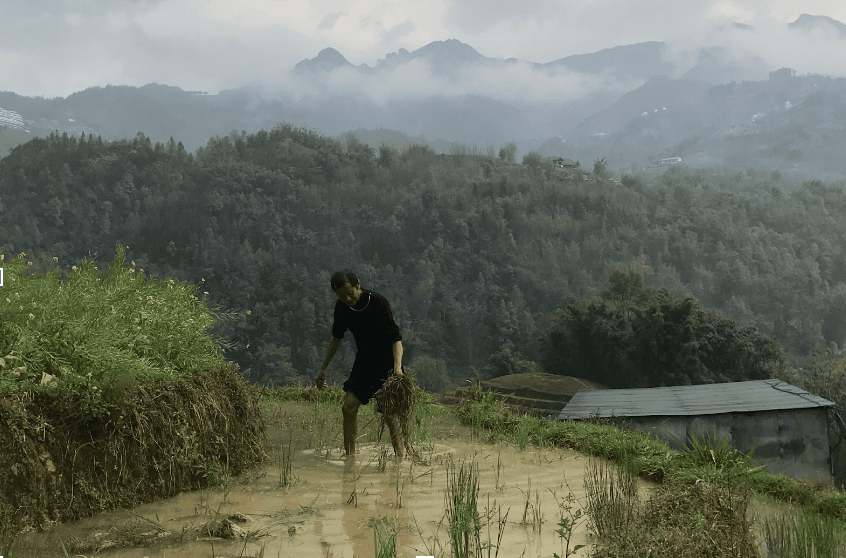
 Vietnam, which has seen a rapid reduction in poverty, decreased its poverty rate from 16.8% to below 5% over the last decade, lifting more than 10 million people out of extreme poverty. The country attributes much of this success to rapid employment growth and development in labor-intensive export sectors, including rice production.
The country ranks as the third largest producer and exporter of rice, with the crop occupying 82% of the country’s arable land. Despite significant strides in poverty reduction, rural areas, particularly in the Red River and Mekong deltas, continue to struggle with high rates of child poverty. Smallholder farmers in these regions rely heavily on rice for their livelihoods, yet they represent about 80% of Vietnam’s remaining poor population.
Numerous organizations and charities are crucial in providing education and resources to these farmers, enhancing their living standards and helping eradicate rural poverty. The drastic transformation in agriculture has fueled economic changes and significantly contributed to the reduction of poverty in Vietnam.
World Bank
The Vietnam Sustainable Agriculture Transformation Project (VnSAT) is boosting farmers by advancing sustainable rice farming techniques through improved knowledge and resources. The project includes restructuring initiatives such as training courses, building infrastructure like electricity and accessible roads and deploying new equipment. Particularly active in the impoverished Mekong Delta region, VnSAT has enabled farmers to cut their input use by 50% and increase their earnings by an average of 30%. With 62.9% of the population benefitting from its efforts, VnSAT has proven to be a major success. Reducing input and resource use is critical for lowering costs for smallholder farmers, especially as prices for fuel, pesticides and fertilizers continue to rise, which puts farmers under increasing pressure to boost production.
RIKOLTO
Rikolto, an independent international NGO, supports smallholder farmers in Vietnam by focusing on rural poverty alleviation and promoting a sustainable, inclusive rice sector. The organization aims to ensure food security for future generations in a climate-friendly way. Its operations rest on three pillars: increasing rice productivity sustainably, promoting market inclusivity for independent farmers and strengthening governance through multi-stakeholder platforms to influence policies. Rikolto has successfully introduced Sustainable Rice Platform (SRP) production practices to 3,000 farmers by 2023, reducing production costs by 12%. Additionally, the organization enhances women’s involvement in decision-making and pilots new rice farming techniques to boost yield and income for smallholder farmers in Vietnam.
IFAD
The International Fund for Agricultural Development (IFAD) collaborates with partners and the Vietnamese government to help the country’s poorest people, especially ethnic minorities, women and independent farmers, overcome extreme poverty. The rural poor often face limited access to services, transportation and resources and are particularly vulnerable to natural disasters and changing weather patterns. IFAD’s strategy promotes participation, strengthens institutional capacity and builds partnerships to enhance living standards and reduce poverty among the most vulnerable groups in Vietnam.
The Pro-Poor Partnership for Agroforestry Development Project focuses on upland farmers in northern Vietnam’s poorest areas. These farmers face challenges due to limited agricultural land, mountainous terrain and underdeveloped forestry resources, which are crucial for their food security and income. The project enhances equity in forest land allocation, develops hillside farming systems and diversifies income-generating opportunities to support these communities.
Looking Ahead
Vietnam’s rural farmers face daily challenges in combating poverty, but with support from various organizations and charities, they are integrating into a broader, more inclusive society. This integration supports sustainable farming practices that provide food and income for rice farmers. By 2050, the global population is expected to exceed 9.6 billion, necessitating a 50% increase in global food production to ensure worldwide food security. Family farms, which produce 70% of the world’s food, play a crucial role in maintaining these essential agricultural practices for the global population.
– Sofia Bowes
Sofia is based on the Isle Of Skye and focuses on Good News for The Borgen Project.
Photo: Sofia Bowes

 Each year, 17 million people die from conditions that could be treated with surgery as a result of a lack of access to affordable and quality surgical care. This burden is five times greater than HIV/AIDS, malaria and tuberculosis combined. Additionally, 81 million people face catastrophic financial hardship due to the costs of accessing surgical care, including transportation and other socioeconomic barriers. Women and children are particularly at risk, with one in three women requiring medical or surgical intervention during childbirth, often unable to afford care.