 Hurricane season is peculiar season. Some show precaution, warning everyone to evacuate. Storm chasers show appreciation, drooling over the site of swirling super cells that could create awe-invoking spectacles. Some show helplessness; some aren’t awarded the luxury of mobility and are left to their homes to take on a monsoonal fate. Americas Relief Team is there for those who feel helpless when danger is imminent, especially around hurricane season.
ART is a nonprofit organization that focuses on preparing, responding to and assisting those who would be affected by critical events. More specifically, ART focuses on disaster preparedness by conducting disaster prevention programs in urban centers and ports in Latin America. They focus on disaster response and aid by collaborating with partners to stage and deliver humanitarian aid after a crisis occurs, and finally they focus on humanitarian assistance to alleviate human suffering in the Americas.
ART accomplishes its mission of providing humanitarian logistics assistance by creating strategic agreements with key nonprofit and corporate partners—nearly 20 other influential organizations. SeaFreight Agencies is one of many of the companies that ART collaborated with. SeaFreight Agencies, teaming up with ART, provided excellent assistance to the Caribbean, especially Haiti, during the 2008 Hurricane season.
Backed by a good history, ART has been aiding the Americas for over a decade now. In 2004, ART responded to Tropical Storm Jeanne, which wreaked havoc on the Caribbean. The next year, they delivered millions of pounds of humanitarian assistance to the Caribbean region as a response to Hurricanes Charley, Frances and Ivan.
In 2010, 36 NGOs, along with ART, joined to create the largest long-term, single-country reconstruction project in Haiti as a response to the major earthquake that took place. Nearly 20 million pounds of humanitarian assistance was provided.
One of ART’s most recent developments is the Port Resiliency Project. PReP, started in 2013, will prepare airports and seaports in the Caribbean and Latin America to be more resilient in the face of natural disasters by applying the best practices learned from Hurricane Katrina and the earthquake in Haiti.
Hurricanes and natural disasters can extract many emotions from the human mind; depending on what type of person you are, you will do something different about it. Americas Relief Team prepares, responds and assists. Along with a conglomeration of teammates, ART aims to help alleviate the suffering found in the Americas.
– Erik Nelson
Sources: Americas Relief Team, Global Hand, SeaFreight Agencies
Photo: Family Now
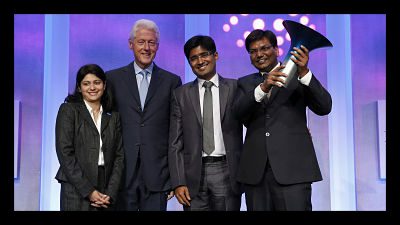 What would you do if you were awarded one million dollars? Winners of the Hult Prize use the money to help alleviate global poverty. College students compete for the prize by coming up with innovative ways to solve the world’s biggest problems. A student at Hult International Business School, Ahmad Ashkar, came up with the idea to have teams of students from around the globe attempt to come up with a solution for particular issues. For 2015, the issue is “early childhood education.”
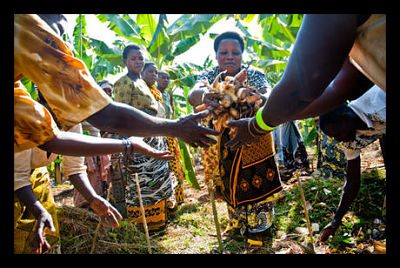 The concept of crop insurance is a well-established practice in developed countries: in anticipation of natural disasters or other impediments to good crop yields, farmers purchase insurance to cover the cost of lost revenue.
 President of Indonesia Joko Widodo, who was elected last year, is making
 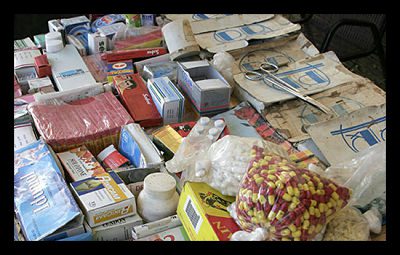 If administering public health projects in an environment complicated by security, economic and cultural issues is not presenting a sufficient challenge, drug counterfeiting can take the problem to a new level. In 2006, the World Health Organization reported that every year 280 billion dollars is lost due to counterfeiting. This does not take into account the hazards to human life caused by potentially harmful or completely ineffective fake drugs. An estimated 100,000 deaths yearly are caused due to the counterfeit drug trade in Africa alone. Counterfeiting affects all pharmaceuticals ranging from vaccines and antibiotics to anti-diabetic and anti-cholesterol medication.
 In 2000, the United States Congress approved legislation entitled the
 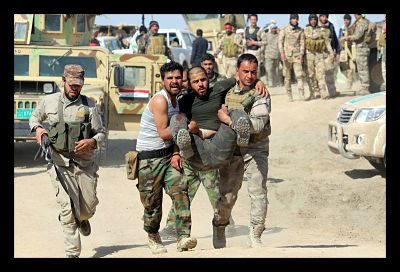 Iran joined forces with the Iraqi military on Monday, March 2 in an operation to reclaim Tikrit from the Islamic State. The incident involved throwing drones, heavy weaponry and ground forces.
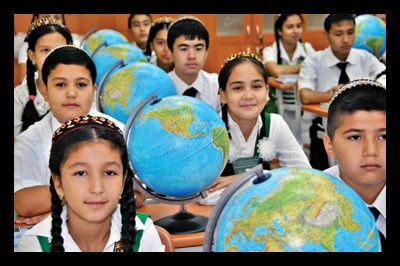 From 2000-2006, Turkmenistan experienced a 500 percent growth in its GDP. Despite this increase, no funding went toward education in Turkmenistan. Instead the focus was on infrastructure development. Even though the stance on education in Turkmenistan was nearly invisible 10 years ago, in recent years there has been a push for change.
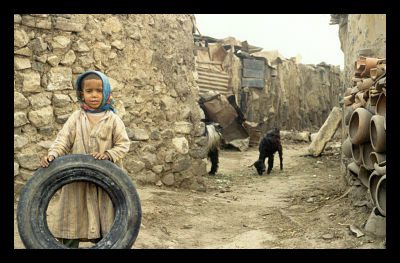 Despite protests against inhumane living conditions, extreme poverty, government corruption and leadership,