• Link to X
  • Link to Facebook
  • Link to Instagram
  • Link to TikTok
  • Link to Youtube
  • About
    • About Us
      • President
      • Board of Directors
      • Board of Advisors
      • Financials
      • Our Methodology
      • Success Tracker
      • Contact
  • Act Now
    • 30 Ways to Help
      • Email Congress
      • Call Congress
      • Volunteer
      • Courses & Certificates
      • Be a Donor
    • Internships
      • In-Office Internships
      • Remote Internships
    • Legislation
      • Politics 101
  • The Blog
  • The Podcast
  • Magazine
  • Donate
  • Click to open the search input field Click to open the search input field Search
  • Menu Menu

Archive for category: Global Poverty

Key articles and information on global poverty.

Activism, Global Poverty, Inequality

One Direction Launches Anti-Poverty Campaign

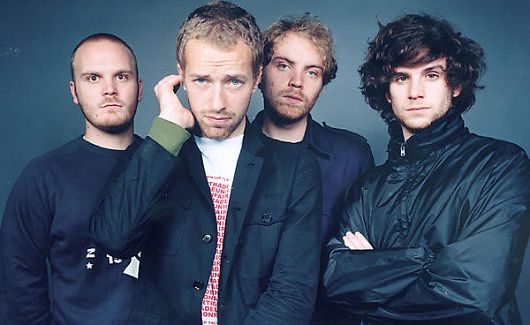
One-Direction-Anti-Poverty-CampaignOne Direction is coming to Seattle. The world-renowned teen heartthrob band One Direction has recently made an important addition to their laundry list of achievements. The band members have collectively launched an impressive anti-poverty campaign that also seeks to tackle inequality and slow down climate change.

They have named the initiative the Action/1D manifesto, and have asked their millions and millions of fans across the globe to contribute. Fans are encouraged to share powerful, creative pieces that will help raise awareness of our world’s most pressing issues.

The band’s initiative is part of the wider action/2015 campaign. This larger campaign is a global citizens movement founded on the idea that 2015 can be the pivotal year when the world finally sets out to tackle persisting global issues like poverty.

The boys stress that their initiative—and the campaign as a whole—will not see success unless World Leaders are successfully swayed. Change can only happen if the harnessed power of everyday people compels leaders to make long-term commitments.

Although they are speaking out to a primarily younger fan base, they still wholeheartedly believe in the power of everyday citizens. The band released a statement explaining, “Young people really do have the power to help end poverty, tackle inequality and to stop the dangerous climate change.”

In fact, the band believes that now is the time for members of the younger generation to take action, and create a united voice that is loud enough to reach the ears of leaders worldwide.

The band has released a collaborative video asking fans to get involved by posting videos and pictures depicting how they would “celebrate” the campaign’s victory. Another option for fans is to answer the question, “What would your ideal future look like?”

The plan is for fan-sourced content to be delivered in a single video depicting one strong, unified, socially driven message. Each band member will also release his own individual video in the months to come. Louis will reportedly be the first to do this, with plans to release his personalized video on July 13.

One Direction is the most recent high-profile group to join many other famous personalities in supporting the 2015 campaign. Emeritus Archbishop Desmond Tutu, Malala Yousafzai, Sir Richard Branson, Shakira, Ben Affleck, Bill and Melinda Gates, and Bono have already issued their campaign support.

When people in the global limelight choose to utilize their power to harness support for important issues like poverty, significant changes can be made. According to Declan Fahy, an associate professor at American University’s School of Communication, celebrities have the ability to “personify ideas and social issues.”

By showing the world how important issues like poverty, inequality, and climate change are to them, One Direction is encouraging their fans to adopt similar perspectives. By putting a face on these complex issues, famous people can make their audience feel more connected to the problem, and even mobilize them to take action.

As one of the biggest bands in the world, One Direction has the power to bring the most important global issues to the forefront. Especially by encouraging a younger generation to care about these issues, the band could help make huge strides in the worldwide fight against poverty.

– Sarah Bernard

Sources: Daily Star (UK), Think Progress
Photo: Cambio

July 13, 2015
https://borgenproject.org/wp-content/uploads/borgen-project-logo.svg 0 0 Borgen Project https://borgenproject.org/wp-content/uploads/borgen-project-logo.svg Borgen Project2015-07-13 14:03:312024-12-13 17:51:55One Direction Launches Anti-Poverty Campaign
Advocacy, Global Poverty, Human Rights

Newly Formed “Sports & Rights Alliance” Advocacy Group

Newly Formed "Sports & Rights Alliance" Advocacy Group-TBP
The Sports & Rights Alliance (SRA) is a newly formed coalition of NGO’s focused around preserving human rights in relation to global sporting events. The list of issues the SRA advocates for includes, but is not limited to: ending citizen displacement from sport infrastructure, imprisoning protesters, exploitation of workers, unethical bidding practices and environmental destruction.

The SRA is composed of various international NGO’s such as Amnesty International, FIFPro – World Players’ Union, Football Supporters Europe, Human Rights Watch, the International Trade Union Confederation, Supporters Direct Europe, Greenpeace, Transparency International Germany and Terre des Hommes.

This past February, the SRA penned a letter to the President of the International Olympic Committee (IOC) stressing an adherence to the principles regarding the 2020 and 2024 games. The approved standards mandated by the International Labor Organization was a point of emphasis in addition to increased oversight and inspections for human rights conditions. For the bidding process, the letter requested robust efforts to maintain and enforce ethical business and anti-corruption in choosing a host city.

The IOC met this past February in Brazil to discuss “Agenda 2020,” the strategic outline for the future of the Olympics, which was passed by the committee in December of 2014. The closing of bid registration for the 2024 Olympic games is set for September of 2015 so the timing is most appropriate.

Many recent international games have come under intense scrutiny for similar violations. Free speech issues and poor treatment of their LGBT community has cast many questions and doubts regarding Russia’s selection as 2018 World Cup host. The 2008 Beijing Olympics and the 2014 Sochi Winter Olympics were tarnished due exploitation of workers, suppression of free speech and corruption. The SRA cites these as examples of a divergence from what international sport and competition should stand for and symbolize.

Additionally, the inaugural European Games are currently being held in Baku, Azerbaijan causing concern and objection throughout the continent. The country has a questionable human rights record and in recent months, government protesters, human rights advocates and international journalists have been detained and imprisoned on inflated charges. This causes great concern for the international community and for Europe in particular.

Another letter written to the President of the European Olympic Committee stressed the immediate and unconditional release of all current activists and journalists who are imprisoned. Furthermore, the letter called for an end to ongoing intimidations, detainments and persecutions of the aforementioned individuals.

FIFA’s selection of Qatar as the 2022 World Cup host has also been met with serious concern and criticism. In lieu of a pre-existing Football infrastructure, the country has relied upon migrant laborers to build multiple stadiums to host the Cup. This arrangement of labor is common throughout the Arabic Peninsula and known as the “kafala” system and is likened to modern day slavery.

FIFA has been inconsistent in their actions to condemn working conditions. The organization has stated their concern for the workers welfare, but also deny responsibility for their treatment. Referring to the government contractors, FIFA President Sepp Blatter, is quoted as saying “they are responsible for their workers.”

Before the FIFA Presidency election, the SRA wrote to President Sepp Blatter and his three opponents citing their grave concern for the condition of the workers. The letter included a questionnaire about their views on the current state of human rights in their sport. It also called for the victor in the election to take action to rectify any violations in the first 100 days of their presidency.

The SRA has proven to quickly become a powerful voice in international sports relations and gathered a following through their advocate efforts. Regarding the allegiance to human rights principles, the SRA have consistently ended their letters by saying, “All these standards should not be based on goodwill, but must be non-negotiable and absolutely binding for all stakeholders.”

– The Borgen Project

Sources: The Globe And Mail, Human Rights Watch 1, Human Rights Watch 2, The Guardian
Photo: The Guardian

July 13, 2015
https://borgenproject.org/wp-content/uploads/borgen-project-logo.svg 0 0 Borgen Project https://borgenproject.org/wp-content/uploads/borgen-project-logo.svg Borgen Project2015-07-13 14:01:082022-01-19 00:41:48Newly Formed “Sports & Rights Alliance” Advocacy Group
Food Security, Gender Equality, Global Poverty, Nonprofit Organizations and NGOs, Women

Bangladesh Rural Advancement Committee

women_in_povertyBangladesh Rural Advancement Committee (BRAC) leader Sir Fazle Hasan Abed won the World Food Prize in 2015 for his achievements in promoting global food security. The primary objective of BRAC is to alleviate global poverty through methods that reduce maternal mortality and invest in maternal health, family planning, services to women, empowerment to women, agriculture and other livelihoods. Bangladesh achieved the Millennium Development Goal of halving hunger by 2015, according to recognition by the United Nations.

Outreach has reached 11 other nations making BRAC the leading anti-poverty advocate and activist in the world. BRAC has given 150 million people an opportunity to improve. Abed has lead BRAC for 43 years, starting in 1972 when the committee focused on helping Bangladesh recover from war with Pakistan. It now has a large staff of about 110 thousand people in the countries of Bangladesh, Afghanistan, Pakistan, Philippines, Sir Lanka, Liberia, Sierra Leone, South Sudan, Tanzania, Uganda and Haiti.

Many success stories stem from BRAC, such as the increase in the rate of immunized Bangladeshi children from 2 percent in 1986, to 70 percent in 1990. BRAC gives those in poverty microfinance, health, education, agriculture and livestock services.

The committee gave $1.5 billion small loans to those in need with $100 to $150 per person. The organization nurtures the eight percent of Bangladesh’s poorest in two-year programs created to lift them out of poverty and receive loans. BRAC uses grants, monthly salaries and health services benefiting families, as they are educated about budgeting in and out of the country. Their methods such as this have assisted 180 thousand people out of poverty.

According to statistics last year, Bangladesh is a leader amongst least developed countries (LDC) fighting for gender equality. The amount of women in parliament has increased, rising from only 10 percent in 1991, to 20 percent in 2011.

The key to success in Bangladesh has been women’s labor in agricultural and exporting positions. There were two million women working in ready-made garment (RMG) factories, which is the top export sector, reeling in a profit of $2 billion a year.

The life expectancy of women increased from 54.3 years in the 1980s, to 69.3 years in 2010. Secondary school enrollment for girls has increased, rising from 1.1 million in 1991, to 3.9 million in 2005. Today, girls are less likely to be married at a young age and fertility rates have fallen. An increase in nutritional intake and higher incomes are another result of benefiting women.

Bangladesh is ranked 100 out of 128 when it comes to gender equality. There is still some work to be done, and Abed knows this. He received the Trust Women 2014 Hero award for promoting women’s rights, becoming the first man to receive this award.

Abed was selected among 160 nominations from 45 countries. The award is given to an innovator whose activity has aided women to learn and sustain their rights. After receiving the World Food Prize in 2015, Abed upholds his goal in helping women when he stated in an article by Environmental News Service, “the real heroes in our story are the poor themselves and, in particular, women struggling with poverty.”

A work in progress within BRAC is teaching mothers in Bangladesh how to make oral rehydration fluid in order to fight diarrohoeal deaths. BRAC is particularly proud of halving the number of child mortality since the 1980s. The organization has been working on training midwives in order to reduce mortality rates of both mother and child.

BRAC’s microfinance has been especially empowering women. Microfinance is essential in rural and social development. Of the borrowers in Bangladesh, 92 percent are women and 90 percent live in a rural area.

Bangladesh has increased gender equality in two particular educational levels. Youth literacy and secondary schooling has improved greatly with higher girl to boy ratios. The country has reduced the gender gap faster than the global average and hopes are high to reserve one third of Bangladesh’s parliament for women by 2020.

However, women will continue have challenges to come. The employment rate of women in 2010 was 58 percent, which is ranked 30 percent lower than men. Women are also still unable to own land, and lack necessary tools to perform productively on the agricultural scale. They also face early and forced marriage, maternal deaths, abandonment, and hold a small amount of job opportunities.

Even so, BRAC has successfully impacted the country and Africa. Its microfinance and two-year nurturing programs have generated success. The fertility rate and child survival has improved in Bangladesh and it’s still reaching to further help women. Results for women’s equality in Bangladesh are expanding beyond borders as people leave poverty with the support of BRAC.

– Katie Groe

Sources: The Daily Star, IRIN, Harvard University SAI, The Guardian, Environment News Service
Photo: IPS News

July 13, 2015
https://borgenproject.org/wp-content/uploads/borgen-project-logo.svg 0 0 Borgen Project https://borgenproject.org/wp-content/uploads/borgen-project-logo.svg Borgen Project2015-07-13 11:37:012024-06-04 01:08:12Bangladesh Rural Advancement Committee
Education, Global Poverty, Technology

Schools in Nairobi are Getting Free Internet

schools_in_nairobiThe internet has been a major agent in combating global poverty. Connectivity gives access to a new world of information and has revolutionized sectors ranging from finance to health in the global community. However, the internet has had perhaps its greatest impact in education, in which it gives students and teachers access to previously unknown quantities of information.

That’s why it’s great news that over 2,000 schools in Nairobi will be getting free internet.

This innovative solution comes from a project called WazED, through a partnership of telecommunications company Wananchi Group, the Kenya Education Network and the County Government of Nairobi.

WazED will put a total of 2,715 schools across Nairobi county online.

The program is a natural step for the nation Wananchi Group non-executive chairman Richard Bell calls, “the fastest growing ICT hub in the region.” Kenya has continued to be one of the most innovative nations in terms of helping people with technology, with services ranging from mobile finance platform mPesa to mobile education projects such as Eneza Education.

WazED is connected to Kenya’s “Vision 2030” goals, which seek to build a more politically just, economically thriving, and socially equitable Kenya by 2030. The Vision 2030 goals recognize the importance of all sectors of life in their achievement and particularly embraces technology as an important means of social change. And because of the educational potential that improving internet access in schools brings, this makes sense.

Connecting people to the internet is one of the most effective ways of empowering them. Online, not only can one find the most extensive collection of data and news imaginable, but an incredibly wide spectrum of ideas are also present. Connecting Kenyan schools to the internet is an incredibly important step in empowering the next generation and fighting against digital resource inequality.

– Andrew Michaels

Sources: CIO, IT Web Africa, allAfrica, IT News Africa, Kenya Vision 2030
Photo: CIO

July 13, 2015
https://borgenproject.org/wp-content/uploads/borgen-project-logo.svg 0 0 Borgen Project https://borgenproject.org/wp-content/uploads/borgen-project-logo.svg Borgen Project2015-07-13 11:24:492024-06-04 03:53:06Schools in Nairobi are Getting Free Internet
Global Poverty

Pope Francis Links Environmental Degradation to Poverty

environmental_degradationIn a landmark visit to Ecuador, Pope Francis denounced the “irresponsible use and abuse of [the earth’s] goods” as the leading factor contributing to global poverty. The Pope addressed a crowd of over 1 million Ecuadorians at a mass on July 7 and touched on several issues concerning increasing poverty statistics.

One focal point of the Pope’s speech regarded Ecuador’s rich natural resources being the target of impending oil drilling. According to CBS, “Containing both the Galapagos Islands and Amazon rainforest, Ecuador has more biodiversity than any other country on earth. At the same time, it is heavily reliant on revenues from its oil reserves.” The South American nation boasts a rich oil reserve underneath its historically pure environmental ecosystems. The Pope strongly advocated for Ecuadorians to protect their oil reserves and to come together to preserve their natural resources.

Pope Francis’ message to Ecuador made impressions throughout the world, especially with Catholic investors. Since the Pope began publicly condemning environmental degradation, investors from all over began pulling out of fossil fuels and reinvesting their finances into more environmentally conscience resources. The driving force behind this change in investment comes at the Pope’s urging to think long-term. Pope Francis compelled not just Ecuador, but the rest of the plant to “consider the long-term consequences of harvesting the planet’s natural resources over its immediate payoff.” A strong message by the Pope for every one, of all beliefs, to think about the wellbeing of our planet.

While the Pope made his address at a Catholic mass with religion at its core, his words must resonate outside of a particular faith. His urgency to think long-term is critical in preventing the spread of poverty. More deforestation, mining, and oil drilling would displace millions more each year, leaving them homeless and their lives in ruins. Pope Francis makes a strong case for re-evaluating the way we approach our planet’s resources; it is up to us to listen and follow through.

– Diego Catala

Sources: Ring Of Fire Radio, CBS News
Photo: Huffington Post

July 13, 2015
https://borgenproject.org/wp-content/uploads/borgen-project-logo.svg 0 0 Borgen Project https://borgenproject.org/wp-content/uploads/borgen-project-logo.svg Borgen Project2015-07-13 11:22:222020-07-09 22:49:40Pope Francis Links Environmental Degradation to Poverty
Aid, Global Poverty, Health

Recent Trends in Global Public Health Funding

Global_Public_Health

While aid for global public health programs skyrocketed just after the Millennium Development Goals (MDGs) were announced 15 years ago, aid has stalled in the past few years, according to a recent report by the University of Washington’s Institute for Health Metrics and Evaluation (IHME).

The MDGs, a set of eight anti-poverty goals with broad international backing, expire this year. Because of them, there have been significant reductions in child mortality and broad treatment of HIV/AIDS, malaria and tuberculosis in the developing world. However, donors must realize that continued funding is necessary to sustain the progress already achieved and make further improvements in public health internationally.

The report from the IHME found that there was an incredible surge in funding after the MDGs were announced, jumping from 5.4% prior to 2000 up to 11.4%. In the past 15 years, this growth in funding amounted to a total of around $228 billion invested in health-related causes. However, that growth has essentially stalled and, in some cases, reversed—from 2013 to 2014, total spending on health even decreased by 1.6%.

This trend can probably be attributed to waning enthusiasm for health-related aid once the initial excitement of the MDGs died down and their 2015 deadline draws to a close. Additionally, it could be a symptom of more cash-strapped governments seeking to trim their budgets after the 2008 global financial crisis.

While overall funding for health went down between 2013 and 2014, a few national donors did manage to increase their contributions, including the United Kingdom, Australia and Japan. Nongovernmental organizations also modestly increased their funding, including UNICEF, the Bill and Melinda Gates Foundation, and the African Development Bank.

Even modest changes in health aid funding would have a disproportionate impact on certain populations who have differing disease burdens. For example, 84% of funding for the treatment and prevention of HIV/AIDS comes from the United States. A small percentage decrease in funding for HIV/AIDS relief from the United States would have a much greater negative impact than a small percentage decrease from a smaller donor.

The IHME report, by describing flows of global health financing, reveals the need not only to maintain or increase aid but to diversify it also. Katie Leach-Kemon, a co-author of the study, said of HIV/AIDS funding that “diversifying the portfolio of financing sources for this area is crucial for safeguarding the progress made in combating the HIV epidemic.” Vulnerable populations would have access to more consistent aid if funding sources were spread more evenly across a wider variety of donors. That way, if funding trends continue to fluctuate, as they do in the report, those who typically rely on robust health aid programs, such as Ethiopia, Haiti and Kenya, will not find themselves cut off.

Health funding studies like the IHME report serve as excellent roadmaps that describe successes in global public health programs and reveal their shortcomings as well. Clearly, international initiatives with broad support, such as the MDGs, serve to jump start health aid. On the other hand, in the past five years, the incidence of tuberculosis was as high as 13% in some areas, HIV/AIDS as high as 20% and under-5 child mortality as high as 18%. Health aid has made huge strides in the past 15 years, but in order to continue reducing the global disease burden and improve the lives of people all over the world, funding has to be maintained.

– Derek Marion

Sources: Humanosphere, NPR, IHME, World Bank
Photo: Flickr

July 13, 2015
https://borgenproject.org/wp-content/uploads/borgen-project-logo.svg 0 0 Borgen Project https://borgenproject.org/wp-content/uploads/borgen-project-logo.svg Borgen Project2015-07-13 10:20:162020-07-09 22:52:03Recent Trends in Global Public Health Funding
Activism, Global Poverty, Philanthropy

Rosie Perez Sets Her “View” on HIV/AIDS Activism

AIDS_activism

It is pretty hard to miss Rosie Perez these days, considering the fact that the outspoken actress currently serves as a regular on ABC talk program “The View.” Yet, prior to daytime work, when she was stealing eyes with impeccable dance moves with Spike Lee in the renowned classic “Do the Right Thing,” the Puerto Rican entertainer frequently made a cherishing landmark in HIV/AIDS activism.

Like so many in the late 1980s, Rosie Perez was unaware of the growing HIV/AIDS epidemic. Her knowledge of the crisis would soon be redefined after noting personal acquaintances contracting the disease and the “[once-undivided] sexual lives” within New York City “slowly but surely” separating.

As early as 1991, Perez ventured as an AIDS activist, when she first lectured in local inner-New York City high schools about alarming statistics concerning the treacherous sexual disease and educated youths on safe-sex protection.

It would not be until mid-April 1993, following her feature in the theatrical “Untamed Heart,” that Perez would move more into the philanthropic scene by taking part in events like a 5-hour fundraiser AIDS Dance-a-thon, where proceeds would benefit several AIDS foundations, especially AIDS Project Los Angeles. Perez would go on to become a recurring donor for the event years to come, including a high-profiled 2004 feature with fellow philanthropist Lil’ Kim.

By 1995, Ms. Perez used her star power to educate national audiences of the AIDS epidemic through various media outlets, from radio guest spots on Hot 97 to televised co-hosting slots on ABC’s “In a New Light: Sex Unplugged.” The latter would prove essential with praise boasting from “POZ” magazine, of which the publication cited Perez’s contribution as the “most effective sex-ed […] ever aired by [prime time] commercial grids.”

But what would soon be even more significant came in May 1996 when the Latina megastar delivered an outspoken speech during the charitable event Central AIDS Walk. Throughout her oration, Perez achingly recollected a close friend dying of AIDS and went on to urge New York politicians to increase attention of the crisis.

With Perez’s address attracting headlines like “The New York Daily News,” the annual AIDS Walk would accumulate a staggering $5 million for the nonprofit Gay Men’s Health Crisis (GMHC).

Three years following the success, Perez created even more buzz with her bold statement to “MTV,” in which the Nuyorican star denounced pop stars like Britney Spears for not using their “star power” as an advantage to voice greater awareness of the AIDS crisis, instead “wast[ing]” it upon meaningless nonsense.

As Rosie Perez’s philanthropic routines continued to grant her access within the multimedia stream, Perez’s estranged mother, Lydia, contacted “The New York Daily News” in July 2000, alleging that her daughter was not “returning her phone calls,” in the wake of her decreasing health caused by AIDS. The ignored phone call allegation was immediately shot down when Perez and her publicist confirmed that financial assistance offered to Lydia was accepted, yet strangely, assistance from Perez’s philanthropic allies was declined.

Despite her mother’s proposed claims, Rosie Perez attended the bedside of dying Lydia shortly before her passing.

From the aftermath of her mother’s death to a backfire of her April 2006 protest outside the United Nations building, the vibrant “In Loving Color” choreographer never steered away from her activism, instead, embarking further in enhancing her charitable causes.

A December 1, 2006 visual showcased such, where Rosie Perez served as a director and feature in the Spanish PSA “Join the Fight,” an advert aimed at the Latino community that disclosed a statistically increased rate of AIDS within men, specifically closeted gays who “hide” due to difficulty of acceptance. Six days following the televised release, Perez elaborated further on the growing matter during the annual Voices of Color Lecture at Hamilton College.

The tireless efforts yielded by Perez may have been at once “minimally news-covered,” but the AIDS activist would earn her dues beyond unpredictable measures.

Immense recognition occurred when President Barack Obama appointed Perez to the Presidential Advisory Council on HIV/AIDS (PACHA). On February 1, 2010, Perez was officially sworn into office, securing her title to transmit information and tips to the president, alongside providing input for the National HIV/AIDS strategy.

Since her astounding honorific title, the hard-working Perez has never stopped raising awareness of HIV/AIDS, regardless of recent-age medical treatment and a showering of accolades (among them an annual Cielo Latino Award named after her). Utilizing her power on “The View” as the perfect platform to remind audiences of the dangers triggered by AIDS, Rosie Perez is among the brave working to put an end to an epidemic that holds 33 million global lives infected and that adds a new victim every 9.5 minutes within American grounds.

– Jefferson Varner IV

Sources: NY Daily News 1, POZ, Kismet Films, White House, Hamilton College, blackfilm.com, MTV, ‘Latin American’ Rhythm Magazine Spokesman, PR NewsWire, Los Angeles Times, NY Daily News 2
Photo: Inquisitr

July 13, 2015
https://borgenproject.org/wp-content/uploads/borgen-project-logo.svg 0 0 Borgen Project https://borgenproject.org/wp-content/uploads/borgen-project-logo.svg Borgen Project2015-07-13 09:47:542024-05-27 09:25:36Rosie Perez Sets Her “View” on HIV/AIDS Activism
Global Poverty

Oliberté Delivers Quality Ethiopian Shoes

Oliberté

Although the average consumer would be willing to pay 15% more for a product to ensure it was not made in a sweatshop, doubling the salary of a sweatshop worker would only increase prices by 1.8%. It is surprising, then, that the shoe industry continues to support sweatshop conditions.

Many clothing brands have attempted to be a force for good. Footwear brand TOMS has become a major force for the “one-for-one” charitable model that has since been picked up by many brands. Nike, a brand notorious for its own labor violations, has engaged in a variety of charity products. These options are readily available, but for a brand that improves labor conditions and empowers workers in Africa, you cannot do better than Oliberté footwear.

Oliberté, which describes itself as “the world’s first Fair Trade Certified footwear manufacturing facility,” was founded by Canadian Tal Dehtiar, founder of MBAs Without Borders. Dehtiar describes his goal as not simply creating an ethical brand of African footwear, but creating a quality brand of African footwear. “We don’t want people to think of Africa as the next China. We want them to think of it as the next Italy,” he said.

With its stylish selection of shoes and footwear, along with its waterproofing “gorilla wax,” Oliberté does just that. All Oliberté shoes are made at a factory in Addis Ababa, Ethiopia. By working to increase employment and fair wages, along with improving working conditions at its own factory, the company supports breaking the generational cycle of poverty through social enterprise, a key point in its business plan.

Along with promoting ethical pay for workers in Ethiopia, Oliberté shoes are sourced from free-range cows, sheep and goats. This is very important for the many Ethiopians who remain economically independent on livestock.

Stylish, sturdy and ethical, Oliberté shoes are not simply a footwear brand but a new perspective on Africa. Instead of casting Africa as weak and hopeless, the brand supports empowerment that goes beyond the traditional white savior narrative of many brands working in the region. And the shoes feel great.

– Andrew Michaels

Sources: Good, Stand 4, Oliberté, Oliberté 2
Photo: Atelier Fifty Five

July 13, 2015
https://borgenproject.org/wp-content/uploads/borgen-project-logo.svg 0 0 Borgen Project https://borgenproject.org/wp-content/uploads/borgen-project-logo.svg Borgen Project2015-07-13 09:08:082024-06-04 03:53:04Oliberté Delivers Quality Ethiopian Shoes
Activism, Global Poverty

A Call for Youth Activism in the Philippines

youth_activism

In June 2015, the Senate of the Philippines made its final amendments to the Philippines Disaster Risk Reduction Act, calling on young Filipinos to mobilize during calamities and disasters. The amendments make the younger generation a key part of disaster relief and Filipino activist culture.

The Philippines are extremely vulnerable to climate change. Every year, typhoons, earthquakes and storm surges hit the islands with vigor. According to Senator Aquino, “the youth are playing a vital role in our pursuit of overall disaster resilience. They have served as a beacon of hope and catalyst of action.”

What are the kids saying about it? They’re using what they know best to bring about change: social media.

The #MoveTawiTawi movement brought together 1,500 young activists to workshop solutions on how to improve Tawi-Tawi, an island providence of the Philippines.

The youth activists discussed everything from drug and violence issues to waste management and biodiversity. They analyzed the problems, found solutions and presented them to a panel of experts. By participating in this type of workshop, the young generation of future leaders learned about problem-solving by tackling real life issues.

Activism has proved to be a key tool for the Philippines throughout history, and there is hope of seeing more activism-related legislation in the future as a result of recent youth mobilization.

Harry Roque Jr., a Filipino attorney and activist that may be running for a seat in the Philippines Senate, affirmed in The Manila Standard News his hopes to advocate for legislation that will help fight poverty.

“I want to make activism not only as a tool for the parliament of the streets, but as a main weapon in crafting legislation to fight poverty. I want to bring activism to the chambers of the Philippines Senate,” Roque Jr. writes in his opinion piece. He continues promoting youth activism for human rights, the environment, women’s rights and freedom of speech.

With activists occupying Senate seats and a population of young, motivated individuals, the Philippines could see a great deal of positive change in its future.

– Hannah Resnick

Sources: The Standard, Prevention Web, Rappler
Photo: Anakbayan Toronto

July 13, 2015
https://borgenproject.org/wp-content/uploads/borgen-project-logo.svg 0 0 Borgen Project https://borgenproject.org/wp-content/uploads/borgen-project-logo.svg Borgen Project2015-07-13 08:25:582024-05-27 09:25:34A Call for Youth Activism in the Philippines
Global Poverty

5 Interesting Facts About Martin Luther King Jr.

Facts about Martin Luther King Jr
Martin Luther King Jr. is arguably the most influential black leader in American history. He spearheaded a nationwide effort to end legal segregation while working to enact such laws as the Civil Rights Act of 1964 and the Voting Rights Act of 1965.  His most famous speech continues to be a staple in American culture. Discussed below are five interesting facts about Martin Luther King Jr.


Top 5 Facts About Martin Luther King Jr.


  1. King’s father was born Michael King, but changed his name in 1931 in reverence to the German theologian Martin Luther.
  2. After 12-year-old Martin learned that his grandmother had died from a heart attack in May 1941, he was so distraught that he jumped from a second story window of their house.
  3. Martin was almost assassinated before many of his famous civil rights accomplishments in the early 1960s. Izola Ware Curry approach Martin at a book signing for “Stride Towards Freedom.” After receiving confirmation that he was indeed Martin Luther King Jr. she exclaimed “I’ve been looking for you for five years” and stabbed Martin in the chest with a letter opener.  The blade pressed against his aorta and took several hours of careful surgery to remove.
  4. Martin Luther King Jr. won the Nobel Peace Prize in 1964 at the age of 35.  This made him the youngest male recipient of the prestigious award.  He donated the entire prize of $54,123 (now equivalent to $400,000) to the civil rights movement. Martin won dozens more awards for his work including the Medal of Freedom, Congressional Gold Medal, and a Grammy.  The Grammy was for Best Spoken Word Album, awarded in 1971 for King’s “Why I Oppose the War in Vietnam.”
  5. Martin Luther King Jr. was targeted by the FBI for being “the most dangerous Negro of the future in this nation from the standpoint of communism, the Negro, and national security.”  Records of Martin taken by the FBI are held in the National Achieve but remain sealed from public access until 2027.

These facts about Martin Luther King Jr. provide but a glimpse into the life of a man whose work is still so vital to the progress of U.S. society and democracy.

– Sunny Bhatt

Sources: Today I Found Out, Biography
Photo: WP

July 13, 2015
https://borgenproject.org/wp-content/uploads/borgen-project-logo.svg 0 0 Borgen Project https://borgenproject.org/wp-content/uploads/borgen-project-logo.svg Borgen Project2015-07-13 04:00:072024-05-24 23:57:395 Interesting Facts About Martin Luther King Jr.
Page 1914 of 2162«‹19121913191419151916›»

Get Smarter

  • Global Poverty 101
  • Global Poverty… The Good News
  • Global Poverty & U.S. Jobs
  • Global Poverty and National Security
  • Innovative Solutions to Poverty
  • Global Poverty & Aid FAQ’s
Search Search

Take Action

  • Call Congress
  • Email Congress
  • Donate
  • 30 Ways to Help
  • Volunteer Ops
  • Internships
  • Courses & Certificates
  • The Podcast
Borgen Project

“The Borgen Project is an incredible nonprofit organization that is addressing poverty and hunger and working towards ending them.”

-The Huffington Post

Inside The Borgen Project

  • Contact
  • About
  • Financials
  • President
  • Board of Directors
  • Board of Advisors

International Links

  • UK Email Parliament
  • UK Donate
  • Canada Email Parliament

Get Smarter

  • Global Poverty 101
  • Global Poverty… The Good News
  • Global Poverty & U.S. Jobs
  • Global Poverty and National Security
  • Innovative Solutions to Poverty
  • Global Poverty & Aid FAQ’s

Ways to Help

  • Call Congress
  • Email Congress
  • Donate
  • 30 Ways to Help
  • Volunteer Ops
  • Internships
  • Courses & Certificates
  • The Podcast
Scroll to top Scroll to top Scroll to top