• Link to X
  • Link to Facebook
  • Link to Instagram
  • Link to TikTok
  • Link to Youtube
  • About
    • About Us
      • President
      • Board of Directors
      • Board of Advisors
      • Financials
      • Our Methodology
      • Success Tracker
      • Contact
  • Act Now
    • 30 Ways to Help
      • Email Congress
      • Call Congress
      • Volunteer
      • Courses & Certificates
      • Be a Donor
    • Internships
      • In-Office Internships
      • Remote Internships
    • Legislation
      • Politics 101
  • The Blog
  • The Podcast
  • Magazine
  • Donate
  • Click to open the search input field Click to open the search input field Search
  • Menu Menu

Archive for category: Global Poverty

Key articles and information on global poverty.

Global Poverty, Human Rights, Human Trafficking, Violence Against Women, Women and Female Empowerment

Power to Victims: Human Trafficking

Human Trafficking
Human trafficking is a major concern especially for young people in underdeveloped and developing nations. However, there have been major efforts to save those taken into modern-day slavery, and victims of such atrocities are now fighting back.

Victims are fighting back with two different approaches: through advocacy programs, and through direct involvement in ending human trafficking and returning others who have fallen victim. These victims range in age, gender and nationalities, whether poor countries in Africa or citizens of the United States. Human trafficking a global issue that affects every nation directly.

The United Nations has founded that 70% of those taken into human trafficking are young women and children. When victims, especially women and children, are able to escape their traffickers, they often find themselves in need of help. For this reason, many shelters and organizations have begun to appear around the world—in order to shelter and protect these traumatized victims, as well as bring their violators to justice.

The Philippines have had several young people taken into human trafficking against their will, and, as the issue is given more attention, victims of the practice are now finding the strength to oppose their captors. Many of these victims are women and children, stolen from shelters—as many of them were already fleeing unsafe living circumstances.

There are shelters throughout the Philippines that are specifically established to house people who have fled their human trafficking captors, assist them in reintegrating into society and also give the legal assistance needed to take down their traffickers.

Human trafficking is also being combated by nonprofit organizations that are emerging all over the globe. A number of organizations have been created to spread awareness of the issue in an effort to end the terrible practice.

One group that was created for such a purpose is Polaris, a nonprofit organization that works with survivors of human trafficking and governments of different countries to apprehend human traffickers and bring back captives who have been taken against their will. One of the biggest efforts in ending the phenomena is through advocacy and spreading awareness of the issue, as is the case for many security concerns throughout the world.

– Alexandrea Jacinto

Sources: CNN, The Polaris Project, The United Nations Office of Drugs and Crime
Photo: FBI

July 22, 2015
https://borgenproject.org/wp-content/uploads/borgen-project-logo.svg 0 0 Borgen Project https://borgenproject.org/wp-content/uploads/borgen-project-logo.svg Borgen Project2015-07-22 13:28:532020-07-14 11:45:10Power to Victims: Human Trafficking
Aid, Global Poverty

US and Brazil Work Together for Food Security in Mozambique

US and Brazil Work Together for Food Security

Obama recently announced that $2 million would be dedicated to an expansion of the partnership between USAID, through Feed the Future, and the Brazilian Cooperation Agency. The money will be used to help Mozambique increase food security with creative agricultural production strategies.

Around 54.7% of Mozambique’s population lives below the national poverty line. The country also struggles with high rates of chronic malnutrition.

With these additional American and Brazilian funds and support systems, Mozambique is in a position to reduce poverty. It has one of the highest rates of economic growth in Africa and exports a large amount of food in the region.

Feed the Future and the Brazilian Cooperation Agency have started initiatives to connect school food programs with local agricultural production. Agricultural research and technology to support local farmers can help address the malnutrition in the region and the broader prevalence of poverty by supporting local farmers.

In the fiscal year of 2013, 47,700 hectares of land were sustained with improved technologies, 575,000 people were trained in child health and nutrition, and 63,800 producers have used new agricultural skills developed by Feed the Future projects

There are several key strategies to increase Mozambique’s food security. One is to increase farmers’ access to agricultural inputs, finance services and unique partnerships. In Mozambique, the central focus is support of critical value chains. For example, sesame, soybean and banana are important crops for nutritional and economic reasons.

Moving forward, there is a push to increase equitable growth in agriculture, support the government’s investment plan and promote local agriculture and nutrition efforts.

– Iliana Lang

Sources: Feed the Future, USAID 1, USAID 2
Photo: Feed The Future

July 22, 2015
https://borgenproject.org/wp-content/uploads/borgen-project-logo.svg 0 0 Borgen Project https://borgenproject.org/wp-content/uploads/borgen-project-logo.svg Borgen Project2015-07-22 11:45:272024-05-27 09:25:14US and Brazil Work Together for Food Security in Mozambique
Charity, Global Poverty

6 Cosmetic, Clothing or Accessory Brands Working for Good Causes

Brands_Working_for_Good_Causes
There are plenty of brands around the world that have philanthropic purposes or that have created programs and products that use certain designs in order to participate in charitable programs.

Clothing brands and cosmetic brands have also provided opportunities for many people to participate in charitable programs, while spreading awareness of causes that matter around the world.

Using fashion, jewelry or cosmetic products such as makeup or skin lotions, these brands convert their products into donations or awareness. In other words, their customer will not only be buying their fashion or beauty product, but they will also be contributing to a good cause.

1) LUSH

LUSH is a handmade cosmetic brand that works with organic ingredients to create fresh cosmetic products. This brand uses little or no preservatives in its products and uses vegetarian ingredients.

This brand believes in protecting humans, animals and the planet, showing that they are committed to create their products as natural and as ecologically-friendly as possible.

LUSH is also devoted to work as a campaigner brand that supports animal rights, environment protection and many humanitarian causes, using activism and charitable giving. The brand has a product called “Charity Pot,” which is a hand and body lotion that, whenever is purchased, 100% of the price goes to humanitarian causes in the country or around the world.

2) Satya Jewelry

Satya is a jewelry brand that created modern jewelry pieces with a meaning. The Satya Foundation, along with its jewelry, supports different children groups and charities around the world.

The brand’s foundation is partnered with different organizations, orphanages and projects. Some of the brand’s partners are Commit 2 Change, Charity: Water, and the Manjushree Orphanage, among others. These projects and organizations have different purposes, but each one is dedicated to a worthy humanitarian cause.

3) FEED

“Creating good products that help feed the world” is the phrase that this brand uses as their slogan. This brand creates bags, accessories and clothing out of natural fabrics and artisan-made materials that help with a donation to provide meals around the world to people in need.

The brand has forged partnerships with many other brands, such as Target, Disney, Tory Burch, Godiva, TOMS and many others.

4) Lemlem

Lemlem is a brand that sells women’s and kids apparel, accessories and home items. Founded by model Liya Kebede, this brand empowers and partners with local artisans in the creation of their products.

The brand’s motto, “Made in Ethiopia,” proves that there are different ways and destinations for clothing and accessory production.

5) Warby Parker

This brand sells designer eye wear at an affordable price, and at the same time donates to a humanitarian cause.

They believe that everyone has the right to see, so every time a person buys a pair of Warby Parker glasses, the brand makes donations to their nonprofit partners that cover the donation of glasses to people in need.

Their primary partner, VisionSpring, trains men and women in developing countries to give eye exams and sell glasses to very affordable prices, while also spreading awareness.

The brand believes that selling the glasses at a very affordable price helps these low-income communities to earn a living through their improved vision.

6) Same Sky

This is a jewelry brand that offers products for both men and women. They provide job opportunities to women who are struggling and living in extreme poverty.

The brand has the vision to provide a second chance to these women struggling to make a living. They offer the employment, fair pay, training and education that these women need in order to empower themselves and live self-sustaining lives.

– Diana Fernanda Leon

Sources: LUSH, Satya Jewelry, Feed Projects, LemLem, Warby Parker, Same Sky
Photo: NorthPark Center

July 22, 2015
https://borgenproject.org/wp-content/uploads/borgen-project-logo.svg 0 0 Borgen Project https://borgenproject.org/wp-content/uploads/borgen-project-logo.svg Borgen Project2015-07-22 11:26:152024-05-27 09:25:476 Cosmetic, Clothing or Accessory Brands Working for Good Causes
Global Poverty, Health

Polio in Ethiopia Eradicated

Polio in Ethiopia
The World Health Organization confirmed that polio in Ethiopia has been eradicated after an assessment team concluded the evaluation process from June 8 to June 12, 2015. This last polio outbreak began almost two years ago in the Horn of Africa, specifically in Ethiopia, Kenya and Somalia.

The assessment team consisted of experts from the Centers for Disease Control, Rotary International, the United States Agency for International Development, the Bill & Melinda Gates Foundation, CORE Group, the United Nations Children Fund, the World Health Organization Headquarters and the World Health Organization Horn of Africa Polio Coordination Office.

The assessment team worked together throughout the outbreak in all three countries to determine that global standards had been met in response to the outbreak and that the transmission of polio had been interrupted. To do this, the team monitored updates from the Federal Ministry of Health on such matters as immunization progress and activities, funding aspects, communication and surveillance.


Polio in Ethiopia: Remaining Polio-Free


The assessment also provided a framework for the efforts still needed to maintain a polio-free status. In order to remain polio-free, Ethiopia needs to update its outbreak and preparedness response plan, strengthen routine immunization and fortify their implementation of acute flaccid paralysis (AFP) surveillance.

AFP is the symptom that indicates that polio could be present. It means that limbs are floppy and lifeless. However, its presence could also be due to other causes. As a result, AFP must be reported in every child less than 15 years of age and tested for poliovirus within 48 hours of onset.

It is expected that there are one to two cases of AFP in every 100,000 children under the age of 5. If there are no reports of AFP in such circumstances, then a region is considered to be “silent.” “Silence” indicates a weakness in the surveillance system, and a failure to end this “silence” could prevent the eradication of polio.

According to WHO, “As long as a single child remains infected […] as many as 200,000 new cases could result every year within 10 years, all over the world.”

Polio is caused by a highly infectious virus, poliovirus, which invades the nervous system. However, 90% of infected people have no symptoms or just very mild symptoms that go unnoticed. In other cases, symptoms could consist of fever, fatigue, headache, vomiting, stiffness in the neck and pain in the limbs. One in 200 infected people become irreversibly paralyzed, usually in the legs. Five to ten percent of those paralyzed die because their breathing muscles become paralyzed.

Across the Horn of Africa, 223 children became paralyzed during the last two years, due to the poliovirus.

Since there is no cure for polio, the polio vaccination is the only protection. In Ethiopia, social mobilizers were successful in their efforts to raise parents’ awareness of the risks of polio and upcoming campaigns to vaccinate children.

It is these connections among informed social mobilizers, healthcare workers and parents within a community that not only leads to vaccination but also builds understanding and commitment to recognizing and reporting AFP to authorities.

Although vaccination and AFP are critical in the eradication of polio, this is not accepted knowledge everywhere. Taliban militants strongly resist vaccination campaigns and are considered responsible for deadly attacks on polio vaccination workers. They “view the campaign as un-Islamic and the health workers are Western spies,” according to The New York Times. Pakistan accounted for 85% of the polio cases reported in 2014.

Ethiopia reported its last case of polio on January 5, 2014. Kenya has also halted the transmission of polio, having reported its last case of polio on July 14, 2013. Somalia has not yet been assessed for eradcation, even though it reported its last case on August 11, 2014. The Somalian government is unable to reach approximately 350,000 children under the age of 5 in order to administer vaccinations, and the assessment team has found gaps in their surveillance efforts.

In spite of these hurdles, the Global Polio Eradication Initiative, launched in 1988 by the World Health Assembly to eradicate polio worldwide, has made enormous progress. Since that time, the number of people infected with the poliovirus has dropped more than 99%. In 2014, only 3 countries remain polio-endemic: Afghanistan, Pakistan and Nigeria.

– Janet Quinn

Sources: Global Polio Eradication Initiative, The New York Times, Outbreak News Today 1, Outbreak News Today 2, WHO
Photo: Flickr

July 22, 2015
https://borgenproject.org/wp-content/uploads/borgen-project-logo.svg 0 0 Borgen Project https://borgenproject.org/wp-content/uploads/borgen-project-logo.svg Borgen Project2015-07-22 10:42:142020-07-08 13:55:41Polio in Ethiopia Eradicated
Aid, Global Poverty, Women & Children

CPAP Machine to Save Lives of Newborns

CPAP-Machine-for-Newborns

The neonatal continuous positive airway pressure machine, or CPAP, can be used to save the lives of newborns in developing countries who struggle to breathe after birth. PATH named the neonatal bubble CPAP machine a top breakthrough innovation of 2015 that can help save women and children.

The CPAP machine is used for newborns with breathing difficulties, a leading cause of death in premature babies. The machine contains three main parts: the mask that fits over the nose (or nose and mouth) with straps to keep it in place, the tube that connects to the machine’s motor and the motor that blows air into the tube.

It works using a positive pressure system to help a newborn experiencing respiratory distress syndrome (RDS). RDS is more common in newborns because they have not yet produced enough surfactant, a liquid that coats the lungs to help the baby breathe in air. Without enough surfactant, the infant’s lungs collapse.

The problem is that the neonatal CPAP machine costs up to $6,000, a price tag far too high for most developing countries. Because of this, a group of Rice University faculty, students, clinicians and public and private sector partners dedicated to health technology initiatives sprung into action.

Partnering with Queen Elizabeth Central Hospital, Baylor College of Medicine and 3rd Stone Design, this group, called Rice 360°, created the bubble CPAP to treat infants with RDS in the developing world. Using an aquarium pump to deliver air and a water bottle to relieve pressure, the machine costs as low as $800 instead of $6,000.

With this more reasonable price range and help from the Saving Lives at Birth grant, Rice 360° and its partners are looking to implement the device where it is needed, starting in Malawi, Zambia, Tanzania and South Africa. In areas where premature babies have a low chance of survival, the bubble CPAP machine will change the odds and decrease infant mortality.

– Hannah Resnick

Sources: NIH 1, NIH 2, PATH, Rice 360°
Photo: Tracheostomy

July 22, 2015
https://borgenproject.org/wp-content/uploads/borgen-project-logo.svg 0 0 Borgen Project https://borgenproject.org/wp-content/uploads/borgen-project-logo.svg Borgen Project2015-07-22 09:47:502024-05-27 09:25:47CPAP Machine to Save Lives of Newborns
Charity, Food & Hunger, Food Security, Global Poverty

Heifer International Takes a Holistic Approach to Community Development

heifer_international
Heifer International follows the “teach a man to fish, feed him for a lifetime” philosophy.

The charity organization teaches families living in hunger and poverty how to practice sustainable agriculture and trade. Heifer International provides livestock and other agricultural resources that support financial independence. It also works with public and private partners to ingrain the entrepreneurial drive into the hearts of many developing nations.

Founded in 1944 by Dan West, Heifer is an exemplar in the fight against global poverty.

So far, Heifer has joined forces in more than 125 countries, helping more than 22.6 million families break the cycle of poverty.

In investing in local economies, Heifer has had incredible success.

In 2013, Heifer instituted its Global Impact Monitoring System that collects reference data related to its development work. With this system, the impact is more greatly measurable. This “values-based” system monitors all projects at the group-level and global-level. Heifer further reviews its work by evaluating its projects on five key elements: relevance, effectiveness, efficiency, impact and sustainability.

Heifer projects cover Africa, Asia and the Americas.

The Sahel Program in Africa develops local livestock production in the Sahel region. By providing sheep and goats, the program will impact 516,000 families between 2014 and 2024. The goal is to build resilient and sustainable farming livelihoods.

The Southern Africa Goat Value Chain Program targets food and income security by establishing producers associations, cooperative management and market infrastructures, according to the Heifer site.

The Africa Climate Change Adaption and Mitigation (ACCAM) Program also tackles food security. On the Heifer website, the ACCAM profile lists its goals: creating adaptive climate resilient food systems, increased access to renewable energies, sustainable management of natural resources, increased access to water for agricultural production, sanitation and hygiene, and increased women’s participation in control of resources, leadership and decision-making.

In Asia, Heifer launched similar value chain programs in Bangladesh, India, Cambodia, Nepal, the Philippines and Vietnam. They focus on increasing supplies and management of local commodities such as beef, dairy, goat, swine, chicken and other staple foods.

The GANASOL Agricultural and Livestock Program in Central and South America connects local farmers to market resources. The PROMESA Coffee and Cocoa Program revolves around the coffee, cocoa, cardamom and honey value chains. The PROCOSTA Coastal and Mangrove Ecosystems program addresses climate change, income and food security, and the subsequent issues that affect the mangrove and coastal zones.

This work continues in several other programs, all of which foster self-reliant livelihoods in primarily agriculturally dependent regions.

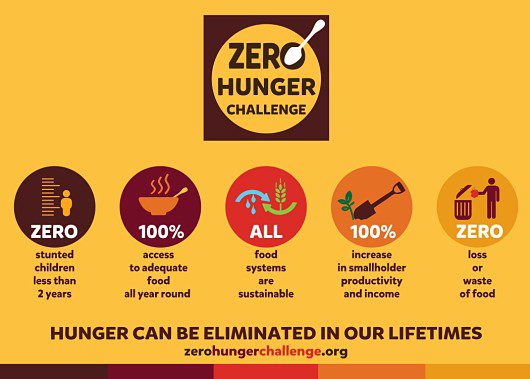
Heifer International believes in achieving zero hunger by supporting small-scale farmers.

– Lin Sabones

Sources: Heifer, Vimeo
Photo: The Global Journal

July 22, 2015
https://borgenproject.org/wp-content/uploads/borgen-project-logo.svg 0 0 Borgen Project https://borgenproject.org/wp-content/uploads/borgen-project-logo.svg Borgen Project2015-07-22 09:19:552020-07-08 14:36:43Heifer International Takes a Holistic Approach to Community Development
Activism, Global Poverty, Human Rights

Videre est Credere: London’s (Secret) Eye on Human Rights

videre_est_credere
Videre est Credere equips local activists with small, hidden video-capable technologies. The tools give oppressed communities the power to capture and distribute recorded evidence of human rights violations surrounding them.

The name literally means “to see is to believe” in Latin. CEO Oren Yakobovich and Board Chairman Uri Fruchtmann founded the project in 2008. The international charitable organization is based in London, and since its launch, it has trained more than 500 activists in how to effectively plan, create and deliver useful footage.

The methodology is simple. First, local activists receive training on how to safely document effective and convincing footage. Then, Videre collects, verifies, re-verifies and distributes the evidence free-of-charge to those who can turn it into actual change on the ground.

The video cameras and distribution equipment are provided through personal training in security, filming and verification. Videre’s security process is of the utmost importance as it is responsible for data storage, communication encryption, counter-surveillance and authenticity.

Videre works with numerous influential allies including international decision-makers, courts, lawyers, civil society, local communities and a global media network of over 100 media outlets, according to the Videre site. Prior, these distribution clients are agreed upon by Videre, its partner organizations and trusted advisers.

Videre then gathers and processes the footage itself. The organization’s local networks label points of interest so that the undercover recorders have an idea of what to capture. These plans consider what images Videre needs, where they will have the most impact, and what risks are involved, according to the Videre site. Further, the evidence is analyzed by a series of tests from forensic testing to special verification teams in the field. Videre archives all materials in the case of future court cases, briefings or the like.

Constant feedback is also available throughout Videre’s work.

Videre’s six central goals are to strengthen freedom of speech, enhance accountability and justice, protect human rights defenders, expose human rights violations, deter violence and political intimidation, and empower oppressed communities.

So far, the Videre team has enlisted hundreds of human rights activists in several countries around the world. Videre evidence has been used in court, decision-making, NGO advocacy and the media, surrounding issues like political intimidation, corruption, political manipulation of aid and female genital mutilation.

– Lin Sabones

Sources: Videre Est Credere, TED
Photo: Wired

July 22, 2015
https://borgenproject.org/wp-content/uploads/borgen-project-logo.svg 0 0 Borgen Project https://borgenproject.org/wp-content/uploads/borgen-project-logo.svg Borgen Project2015-07-22 09:10:392024-05-27 09:25:49Videre est Credere: London’s (Secret) Eye on Human Rights
Global Poverty

Global Connections Between LGBT Communities and Poverty

LGBT Communities and Poverty
The United States has recently seen progress for the LGBT community with the Supreme Court ruling in favor of gay marriage. Despite the plethora of barriers still standing for the LGBT community in America, there are even more for the community abroad. Moreover, there are many global connections between LGBT communities and poverty.

The amount of LGBT people in underdeveloped and developing countries may often be overlooked or under-considered. With such a focus on food and clothing, helping people in these nations with social issues, which often become economic issues, is commonly unacknowledged. It is thus difficult to place a number on how many people in these impoverished areas are LGBT, because of restricting laws that discourage coming out.

There are currently 81 countries that have repressive laws against same-sex actions and/or propaganda. Many of these countries are in North Africa and the Middle East, where poverty is widespread. Eight of those countries currently have a death penalty for homosexual behavior, according to the International Lesbian, Gay, Bisexual, Trans and Intersex Association. These laws, death penalty or not, place further dangers on individuals in these areas.

Before the legal restrictions are even placed upon them, LGBT people experience hardships that come from social interactions and perceptions. Legal and economic securities become nearly nonexistent in nations with laws restricting any same-sex actions. It makes any type of health, economic or social security unattainable.

On top of that, rates of being wrongfully criminalized increase. Stigmas cause being shunned and excluded from daily activities or needs. The Williams Institute found that as many as 68% of LGBT people report experiencing discrimination, especially in regards to employment.

These limitations would be challenging enough for people residing in developed countries. In places where basic needs are hardly being met to start with, anti-LGBT laws can make access to food and water, education or healthcare seemingly unattainable.

The barriers placed upon the LBGT community are too great to be ignored when discussing poverty. As Colin Stewart from 76Crimes put it, “If LGBT poverty is not addressed, the goals [of alleviating extreme poverty] are mere aspirations and dreams.”

One of the most startling and disturbing occurrences of this mistreatment comes in the form of aid being provided to regions in need. There are two fronts to this issue. The first is that people providing aid often experience the same prejudice and harm that there is against same-sex individuals and supporters. In areas such as Uganda, Cameroon and Zambia, LGBT persecution has increased, as “HIV workers were more harassed, imprisoned and even killed” by anti-same-sex groups and organizations.

There has been much criticism over the fact these troubling issues have not been properly investigated and that support to these anti-same-sex and/or religious groups has continued despite such abuse.

The second issue international aid is facing is the blatant refusal of some organizations to serve and care for LGBT people in need. Sadly, too many donors and organizations turn a blind eye to the discrimination in front of them. Such behavior is allowing personal opinions to interfere with the livelihood and well-being of people truly in need. Increasing awareness of such discrimination is the first way to ensure equal treatment to individuals that are receiving aid from organizations and donors.

Human rights are making improvements around the world, but the fight is far from over.

– Katherine Wyant

Sources: International Lesbian, Gay, Bisexual, Trans and Intersex Association, OpEdNews, Erasing 76 Crimes
Photo: Flickr

July 22, 2015
https://borgenproject.org/wp-content/uploads/borgen-project-logo.svg 0 0 Borgen Project https://borgenproject.org/wp-content/uploads/borgen-project-logo.svg Borgen Project2015-07-22 09:05:102024-05-24 23:42:31Global Connections Between LGBT Communities and Poverty
Global Poverty, Health

Africa Almost Polio-Free

polio_free
In 1988, the Global Polio Eradication Initiative was created. It became the largest public-private public health partnership. Those working on the project include the World Health Initiative (WHO), Rotary International, national governments, the Bill & Melinda Gates Foundation, UNICEF and many others. So far, the program has seen a 99% reduction in the cases of polio. Over 3 billion children have been vaccinated by millions of volunteers.

Now, only three countries remain polio-endemic: Nigeria, Pakistan and Afghanistan. In 2013, only 416 cases were reported.

Most of Africa has been free of polio for years; however, Nigeria has been a trouble spot for the past 20 years. Actually, the leaders and people were very much against vaccinating children. The health organizations had little support, which meant that they lacked the necessary supervision and field staff. At times, the vaccinators were even killed. Currently, the political instability of Northern Nigeria makes monitoring and vaccinating children rather difficult. There could also be cases unreported.

Thankfully, the issues that held people back from vaccinating their children in the past have been solved for the most part. However, in the meantime, many other countries in Africa that were declared polio-free saw outbreaks of polio that were linked directly from Nigeria.

Nigeria saw what will hopefully become the last case of polio back in July of 2014. There have been no cases reported since then. If Nigeria can go a full year without another child contracting polio, then the WHO will remove Nigeria from the list of polio-endemic countries.

While Africa is steps away from being declared polio-free, vaccinating will not end there. As long as Pakistan and Afghanistan continue to report cases, mass global vaccinations will continue to take place to ensure that every child is safe.

– Katherine Hewitt

Sources: NPR, WHO
Photo: Flickr

July 22, 2015
https://borgenproject.org/wp-content/uploads/borgen-project-logo.svg 0 0 Borgen Project https://borgenproject.org/wp-content/uploads/borgen-project-logo.svg Borgen Project2015-07-22 07:19:152020-07-08 14:41:34Africa Almost Polio-Free
Children, Education, Global Poverty, Health

Fighting Ebola with Liberty and Justice

Fighting_Ebola
When the Ebola virus attacks the human body, the symptoms include muscle pain, vomit, fever and unexplained hemorrhage. While these symptoms are tragic and often fatal, there are no surprises when it comes to the virus itself—we know what it looks like and we can visibly see the damage it leaves in its wake. When the Ebola virus attacks an economy, however, as it did in Liberia in 2014, we know little about the exact symptoms and even less about the treatments available to combat it.

Until 2014, Chid Liberty, the founder of fair trade clothing manufacturer Liberty and Justice, had run his operations out of his native Liberia with ease. This changed almost overnight with the Ebola outbreaks of 2014.

“We had built the company up to a 500,000 orders per month and in a flash we were out of business,” Liberty said in an interview with Madame Noir. “The Ebola epidemic left us and the hundreds of workers and families that were depending on us stranded without income.”

Our economies are just as vulnerable as our immune systems, and can succumb to Ebola just as easily. It is estimated by the World Bank Group that nearly 50 percent of working adults in Liberia lost their jobs after the outbreak. However, Liberty refused to close his doors at the behest of the disease. Instead he turned his ingenuity into a tonic for the symptoms of Ebola and founded UNIFORM, a company based in Liberia dedicated to making affordable school uniforms for children who had been forced to leave school due to Ebola.

Liberia already has one of the lowest rates of primary education enrollment rates in Africa. According to The Global Economy website, an average of only 53.85 percent children reported having completed primary school between 1978 and 2011.

School attendance often incurs costs far beyond those of just tuition—the prices of books, the inability to work a salaried job, and even the cost of the mandatory uniform act as considerable deterrents to struggling families. The uniforms especially act as barriers to school attendance. Abdul Latif Jameel confirmed this in his 2009 study in Kenya, in which he discovered that providing children with free uniforms reduced school absenteeism by 44 percent and decreased dropout rates (particularly among girls) by a third.

Liberty’s UNIFORM brand has embraced the challenge of mollifying the effects of Ebola on the education of Liberia’s children. Their kick starter campaign, which has $174,760, has already given away 7,000 new school uniforms, all of which are being manufactured by small factories throughout Liberia (Madame Noir).

“I am very proud to be working on such a project,” said Ms. Annie Blamo to the UN Ebola Response team. Blamo is a worker in the Monrovian Liberty and Justice factory who has been manufacturing uniforms for the N.V. Massaquoi school, Blamo’s eight-hour days paid off when her son returned to school in early May. “We are so happy for what this factory has done for the children at the N.V. Massaquoi school and their name will be forever remembered.”

UNIFORM’s kick starter campaign will continue to accept donations until July 16, 2015.

– Emma Betuel

Sources: Ebola Response, Madame Noire, Poverty Action Lab, Time Dotcom
Photo: New York Post

July 21, 2015
https://borgenproject.org/wp-content/uploads/borgen-project-logo.svg 0 0 Borgen Project https://borgenproject.org/wp-content/uploads/borgen-project-logo.svg Borgen Project2015-07-21 14:38:002024-06-04 01:17:40Fighting Ebola with Liberty and Justice
Page 1905 of 2162«‹19031904190519061907›»

Get Smarter

  • Global Poverty 101
  • Global Poverty… The Good News
  • Global Poverty & U.S. Jobs
  • Global Poverty and National Security
  • Innovative Solutions to Poverty
  • Global Poverty & Aid FAQ’s
Search Search

Take Action

  • Call Congress
  • Email Congress
  • Donate
  • 30 Ways to Help
  • Volunteer Ops
  • Internships
  • Courses & Certificates
  • The Podcast
Borgen Project

“The Borgen Project is an incredible nonprofit organization that is addressing poverty and hunger and working towards ending them.”

-The Huffington Post

Inside The Borgen Project

  • Contact
  • About
  • Financials
  • President
  • Board of Directors
  • Board of Advisors

International Links

  • UK Email Parliament
  • UK Donate
  • Canada Email Parliament

Get Smarter

  • Global Poverty 101
  • Global Poverty… The Good News
  • Global Poverty & U.S. Jobs
  • Global Poverty and National Security
  • Innovative Solutions to Poverty
  • Global Poverty & Aid FAQ’s

Ways to Help

  • Call Congress
  • Email Congress
  • Donate
  • 30 Ways to Help
  • Volunteer Ops
  • Internships
  • Courses & Certificates
  • The Podcast
Scroll to top Scroll to top Scroll to top