Misconceptions About Poverty in Jamaica
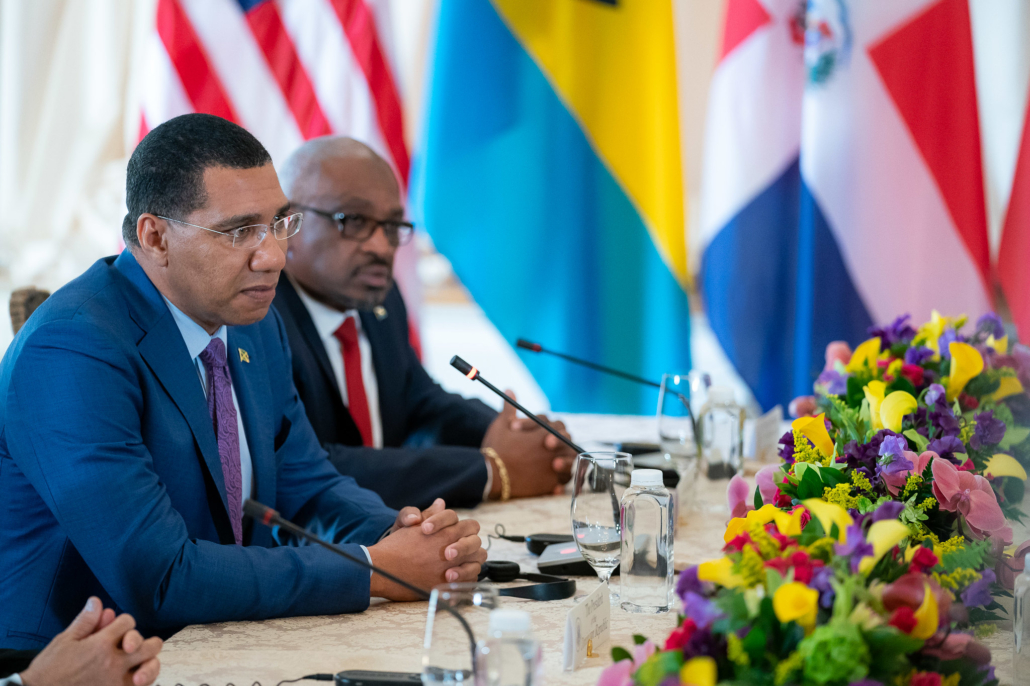 On October 28, Hurricane Melissa made landfall in Jamaica. A few days earlier, several American news outlets visited the country to report on the developing situation firsthand. The events sparked fear across different countries but also ignited aid from these sources. In addition, Jamaicans united in the aftermath rather than being in isolation. Here is information about hurricane relief, poverty and misconceptions about poverty in Jamaica.
Hurricane Relief
The government of Jamaica is working tirelessly to provide relief to communities across the island. Hurricane Melissa cost more than a trillion dollars in damages, which has impacted sources of income, such as tourism. The hardest-hit parishes, like St. Elizabeth and Hanover, received the largest aid packages of $10 million each. The remaining constituencies received between $3 million and $5 million due to the minimal damage. The representatives of each constituency had the tasks of allocating these funds to communities in need and pressing issues. The prime minister made it clear that these funds are to aid the immediate aftermath rather than in the long term. Otherwise, the country has received billions in aid from outside organizations and countries it has relationships with like the United States.
The United States and Canada have pledged $22 million and $11 million, respectively, in funds to Jamaica post-hurricane. These funds included search teams, emergency needs like food and water and the establishment of shelters. Even though the hurricane hit the Caribbean, countries like Guyana and the Dominican Republic donated tons of water and various materials like generators and tarpaulins. Large companies like T-Mobile and Walt Disney Company committed to the recovery efforts by donating both to the government and aiding the people directly.
Poverty in Jamaica
One misconception about poverty in Jamaica is that it persists across the island. Recent reports show this is not the case. In fact, in May 2025, the Jamaican government reported a record-low poverty rate, noting that poverty fell from 16.7% in 2021 to less than 9% in 2023. The government has shown a continued commitment toward improving the quality of life for every Jamaican on the island. Jamaica’s government has taken action to address poverty in Jamaica, including social investments, job creation and economic programs, to continue decreasing the country’s poverty level.
Another misconception is that Caribbean countries lack the knowledge or resources to prepare for extreme weather events. However, there has been a lack of research conducted into the country and the materials used to build houses. Houses in Jamaica are largely constructed with cement blocks and steel, which are far more resistant to extreme weather conditions than wood or drywall. Newer homes are also built under updated building codes that require reinforced cement and hurricane shutters.
Final Remarks
Despite the fears ignited by unprecedented events of Hurricane Melissa, Jamaicans continue to rebuild and pour into the island they love. Jamaica is a country that surpasses the outside opinions. Its government continues to take action to improve the quality of life and stand strong in the face of disasters.
– Nickaylia Anderson
Nickaylia is based in Syracuse, NY, USA and focuses on Good News and Politics for The Borgen Project.
Photo: Flickr
