• Link to X
  • Link to Facebook
  • Link to Instagram
  • Link to TikTok
  • Link to Youtube
  • About
    • About Us
      • President
      • Board of Directors
      • Board of Advisors
      • Financials
      • Our Methodology
      • Success Tracker
      • Contact
  • Act Now
    • 30 Ways to Help
      • Email Congress
      • Call Congress
      • Volunteer
      • Courses & Certificates
      • Be a Donor
    • Internships
      • In-Office Internships
      • Remote Internships
    • Legislation
      • Politics 101
  • The Blog
  • The Podcast
  • Magazine
  • Donate
  • Click to open the search input field Click to open the search input field Search
  • Menu Menu

Archive for category: Global Poverty

Key articles and information on global poverty.

Disease, Global Poverty, Health

Breeding Superbugs

SuperbugsResearchers have been tracking the increase of the global spread of antimicrobial-resistant infections, also known as superbugs. But the reason for this increase surprised the researchers — drug co-pays seem to have increased superbugs.

Superbugs are defined as “strains of bacteria that have changed (or mutated) after coming into contact with an antibiotic. Once this happens, these bacteria are ‘resistant’ to the antibiotic to which they have been exposed, which means the antibiotic can’t kill the bacteria or stop them from multiplying.”

Many individuals may suggest going back to a doctor and receiving a new prescription for a different antibiotic. But in the developing world, many individuals cannot afford the co-pays for multiple doctor visits, let alone the cost of multiple antibiotic prescriptions.

With the rising costs of prescriptions, many individuals are turning to informal or black markets for their prescriptions. The pills that they buy from black markets may be lower quality, prescribed inappropriately or dosed incorrectly. All of these factors can lead to the spread of superbugs.

According to an analysis of data from 47 countries published in the Lancet Infectious Disease Journal, the amount people spend out-of-pocket on healthcare has turned out to be a better predictor of antibiotic resistance than poverty, sanitation or livestock production.

In the first major report last year, the World Health Organization (WHO) has called antibiotic resistance “a growing public health threat.” This report, which tallied the level of antibiotic resistance in each country, warned that “many of the available treatment options for common infections in some settings are becoming ineffective.”

According to the Centers for Disease Control, each year superbugs cause 2 million people in the United States to become sick, killing 23,000. With the advanced healthcare available in the United States, what effects do superbugs have on the developing world?

With the WHO report in mind, researchers from Stanford University in California and Gandhi Medical College & Hospital in India set out to determine whether the levels of resistance in low and middle income countries were linked to the direct healthcare costs that patients pay.

The researchers found that in countries where patients paid a higher share of healthcare costs, there was a higher level of antibiotic resistance. But this was also only evident in countries that charge co-payments for prescriptions.

While this data does not prove that higher prescription costs cause greater antibiotic resistance, it does show that the two are linked.

Co-payments are usually used to discourage people from seeking unnecessary healthcare but are currently having the opposite effect. With higher co-payments, patients that cannot afford the cost must look elsewhere for their prescriptions: the black market.

Not only are patients endangering themselves with unknown prescriptions and doses, but they are also enabling antibiotic resistance. There needs to be a change so that patients are able to receive needed antibiotics at a reasonable price. If not, antibiotic resistance will become a major problem in the future.

– Kerri Szulak

Sources: ABC Health & Wellbeing, Bloomberg Business
Photo: Live Science

July 27, 2015
https://borgenproject.org/wp-content/uploads/borgen-project-logo.svg 0 0 Borgen Project https://borgenproject.org/wp-content/uploads/borgen-project-logo.svg Borgen Project2015-07-27 07:16:522020-07-13 11:07:55Breeding Superbugs
Development, Global Poverty

Mozambikes: Bringing Transportation to Rural Mozambique

MozambikesWhile traveling through rural Mozambique, founders of Mozambikes Lauren Thomas and Rui Mesquita were disturbed by the region’s lack of transportation. Locals had to walk miles in harsh heat to reach basic necessities like water, food, healthcare, education and jobs.

50 percent of people in Mozambique live below the poverty line and mortality rates are highly exacerbated by lack of transportation.

Lauren Thomas and Rui Mesquita set out to solve this issue with Mozambikes, a for-profit social interest company that sells bicycles to locals at highly subsidized prices.

“It began as an idea, though we knew it had the potential to have a tremendous impact on the lives of rural Mozambicans. However, the first step was to import a container of bicycles and test the market. Given the risk implicit at such an early stage, Mozambikes started entirely with shareholder funding,” explains founder Lauren Thomas, a former New York City investment banker, to How We Made it In Africa.

It is a sustainable business model. Advertisers buy ad space on the bicycles, exposing a relatively secluded consumer base to brands or ideas that these rural Mozambicans would not otherwise see. The advertisements highly subsidize the price of the bicycles for the rural residents of Mozambique.

Companies can also purchase the bicycles directly, paint on their advertisements and logos, then sell them to local residents at lower prices as “promotional marketing” or “corporate social responsibility” explains How We Made it In Africa.

“Our most successful marketing has been our 7,000 bicycles on the roads in the country. When a company sees Mozambikes branded with another organisation, they want to know – who made those? Therefore, word of mouth has been very effective in getting sales over the last few years, now that we have a presence in the market. Mozambique is still a traditional market and we have also been successful with aggressive direct marketing – emails and phone calls to arrange meetings with target clients,” says Thomas.

Mozambikes has the potential to stimulate the local economy in a variety of ways. Bikes do not only open the door to health-related treatment options, education and more, but bicycles also enable Mozambicans to reach their jobs, and perhaps even obtain better jobs.

And the bikes are assembled by local Mozambiquians, generating jobs and income for residents. Locals also assemble bike accessories like accompanying trailers and bike ambulances.

“Our first donation event gave bicycles to 20 rural women in southern Mozambique. When we arrived, they began to clap and sing, and when they received the bicycles they were crying and singing. A bicycle may seem like such a small item to many, but it is quite literally life-changing in rural Africa. It means access to clean water. It means mothers can bring their babies to the clinic when they are sick. It means that they can return home from their farming plots in time to make their children dinner at night,” explains Thomas.

– Aaron Andree

Sources: Mozambikes, How We Made It In Africa, Inclusive Business Hub
Photo: Wikimedia Commons

July 27, 2015
https://borgenproject.org/wp-content/uploads/borgen-project-logo.svg 0 0 Borgen Project https://borgenproject.org/wp-content/uploads/borgen-project-logo.svg Borgen Project2015-07-27 02:38:382024-05-27 09:26:20Mozambikes: Bringing Transportation to Rural Mozambique
Global Poverty

10 Beauty Products That Donate to Charity

beauty_products_that_donate_to_charityNowadays, there are many beauty and makeup companies that are selling beauty products that donate to charity to aid different humanitarian causes.

Fundraising activities, partnering with nonprofit organizations for projects or giving donations through sales of their products are some examples that these companies use to support and advocate for good causes.

Brands like The Body Shop, Kiehl’s, LUSH, Philosophy, Mama Sopa, Balanced Guru, UNE Natural Beauty, Murad, MAC Cosmetics, GIVESCENT and Ten Thousand Villages use some, if not many, of their products to collect donations through their purchases.

Each brand supports different humanitarian causes such as AIDS reduction, poverty, hunger, water conservation and animal and environment protection, among other things.

Here are 10 beauty products that contribute to charity when purchased:

  1. All Philosophy products: According to Philosophy’s website, one percent of the sales of every Philosophy product will go to community-based organizations that support mental health. The brand commits to supporting mental health and well-being through their “Hope & Grace Initiative.”
  2. “Soft Hands Kind Heart Hand Cream” by The Body Shop: This hand cream was available to buy early in 2015, and is accessible in all The Body Shop stores worldwide. The purchase of this product gives a donation of £1.50 to The Body Shop Foundation, a foundation that advocates for human rights and environmental and animal protection.
  3. Ten Thousand Villages soaps and creams: Ten Thousand Villages is a fair trade retailer company that works to empower artisans in developing countries. The company sells a variety of products ranging from jewelry to bath accessories. Their skincare products, such as soaps and creams, are made in places like Ghana, India, Israel and Zimbabwe, and their purchase contributes to helping artisans in these countries.
  4. “New Charity Pot” by LUSH: The “Charity Pot” is a body lotion created with natural ingredients by the cosmetic brand LUSH. With every purchase of this body lotion, 100 percent of the sale is donated to different organizations supporting human rights, animal welfare and environmental conservation.
  5. “Shark Fin Soap” by LUSH: This is a limited edition soap by cosmetic brand LUSH. Made with natural ingredients for Discovery Channel’s “Shark Week,” 100 percent of the proceeds from the purchase of this item will go to organizations dedicated to the conservation and protection of sharks.
  6. “Viva Glam” products by MAC Cosmetics: Created by MAC Cosmetics, “Viva Glam” is a lip makeup collection that donates 100 percent of the price for every purchased product. These donations go to the MAC AIDS Fund, which addresses the relation between poverty and HIV/AIDS and supports various organizations around the globe. Celebrities like Lady Gaga, Rihanna, Miley Cyrus, Ricky Martin, Nicki Minaj and Boy George are some of the artists that have participated in the “Viva Glam” campaign.
  7. All GIVESCENT products: This brand has a collection of Italy-inspired scents. The purchase of any bottle of GIVESCENT supports women worldwide as well as different women-centered campaigns. Some of the organizations that the brand supports are Every Mother Counts and Women for Women International.
  8. “Fund-raising Lip Balm” by UNE Natural Beauty: This natural product, created by UNE Natural Beauty, donates £1 to Plan, a children’s charity. The lip balm’s donations are destined to support a project by Plan that provides education to girls in Cameroon.
  9. “Live Beautifully Set” by Murad: This Murad’s limited-edition set includes an eye cream and an inspirational book by Dr. Murad. Ten percent of the sale results in a donation that supports the Murad Esthetics Scholarship Program through the Beauty Changes Live Foundation.
  10. All Mama Sopa products: Created for a social hygiene project for The Dutch Simavi Foundation, Mama Sopa is a collection of shower gels, soap bars and hand soaps with a good purpose.

According to an article published by The Dieline, every Mama Sopa product sold gives hygienic trainings by The Dutch Simavi Foundation to vulnerable mothers in East India.

– Diana Fernanda Leon

Sources: Philosophy, The Body Shop Foundation, Ten Thousand Villages, LUSH 1, LUSH 2, Mac Cosmetics, Give Scent, UNE Make up, Murad, The Dieline
Photo: The Dieline

July 26, 2015
https://borgenproject.org/wp-content/uploads/borgen-project-logo.svg 0 0 Borgen Project https://borgenproject.org/wp-content/uploads/borgen-project-logo.svg Borgen Project2015-07-26 22:49:132024-05-27 09:26:1410 Beauty Products That Donate to Charity
Global Poverty

How Ethiopia Reduced Poverty

EthiopiaEthiopia is the second most populous country in Africa, with 94.1 million people. Poverty has long been an issue for Ethiopia, and while many remain under Ethiopia’s poverty line of earning $1.25 a day or less, the nation has made great strides in the past 10 years to reduce poverty and improve health.

Ethiopia’s economy has been thriving in the recent past. Between 2004 and 2011, the economy grew at a rate of 10.6 percent per year. Ethiopia increased exports in order to help it account for this economic growth, and that has led to more prosperity throughout the country.

This decrease in poverty can also be attributed to strides in agriculture. In 2005, Ethiopia introduced new agricultural practices which resulted in increased production. As The World Bank states, this agricultural growth has allowed for a 4 percent reduction in poverty each year. The use of fertilizer, along with high food prices and good weather, has given poor farmers with access to markets a higher income.

Ethiopia also instituted the Productive Safety Net Program (PSNP). The World Food Program writes that there are 7.4 million people participating in the PSNP. The program works to end chronic food insecurity through transfers of food or cash (or a combination of both).The PNSP asks that those who are able-bodied in the households who receive their help participate in activities which will help them have more resilient livelihoods and less chance of food insecurity. These activities include building community infrastructure, such as building schools, roads, and hospitals, and rehabilitating land and water resources. The PSNP has helped 1.5 million people who were in poverty to be lifted out of poverty.

Economic growth, an increase in agricultural production, and programs such as the Productive Safety Net Program have paid off. From 2000 to 2011, poverty in Ethiopia declined from 44 percent to 30 percent. As the World Bank says, this “translates to a 33 percent reduction in the share of people living in poverty”.

This decrease in poverty has helped the health of Ethiopians as well. From 2010 to 2015, the level of child mortality has been lowered by two-thirds. The average lifespan has also increased by about an year annually from 2005 to 2011, making an Ethiopian’s lifespan 63. Malnutrition rates have come down as well. 75 percent of the population was malnourished in Ethiopia in 1990, while today it has fallen to 35 percent.

Since 2004, four million Ethiopians have been able to rise above the poverty line. However, there is still work to be done. 25 million people in Ethiopia are still suffering from poverty. The World Bank suggests that in order for the trend of a decrease in poverty to remain, ongoing efforts to promote self-employment have to continue. Firms have to enter Ethiopia, and urban migration has to be encouraged.

– Ashrita Rau

Sources: The WFP, World Bank 1, World Bank 2, The Sudan Tribune, Voice of America, BBC
Photo: Needpix.com

July 26, 2015
https://borgenproject.org/wp-content/uploads/borgen-project-logo.svg 0 0 Borgen Project https://borgenproject.org/wp-content/uploads/borgen-project-logo.svg Borgen Project2015-07-26 14:47:012024-12-13 17:52:06How Ethiopia Reduced Poverty
Global Poverty, Technology

E-Voucher Program in Zambia to Bolster Agriculture

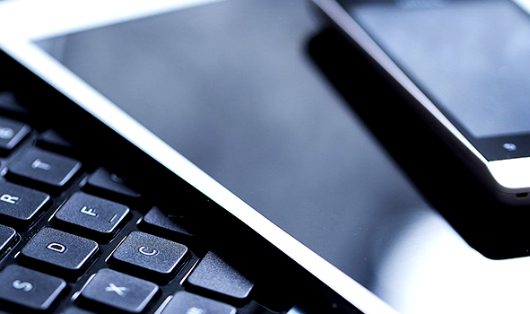
E-VoucherFaced with corruption, Zambia turns to mobile phones. Within the next two to three months, the country will launch a system of e-vouchers operating through mobile phone networks that will cut out the middleman and allow farmers to choose which agro-dealers they would like to purchase from directly.

The e-voucher program, just recently approved by the Zambian government, will cover seeds, fertilizers and herbicides, offering subsidized agricultural products to small-scale farmers. Access to farming products and services, it is hoped, will also become more speedy and efficient through use of the new system.

The Zambian government and the UN Food and Agriculture Organization (FAO) jointly facilitate the e-voucher project. The system will also benefit from US $6.5 million and US $9.7 million in funding from the Norwegian government and European Union respectively.

Functioning on a mobile phone network, the e-voucher initiative is an update on previous paper voucher systems. The digital nature of the e-voucher platform makes the process more secure and expedites trade through automatic payments to suppliers upon successful e-voucher redemption, keeping with the rising trend of mobile phone banking throughout Africa.

Many have high hopes for the e-voucher program, believing that it will empower farmers, whose crops make up 12 percent of Zambia’s exports.

“It gives farmers a choice in where they want to spend their money,” stated Zambia’s FAO representative, Noureddin Mona. “A farmer can use their voucher at any participating agro-dealer.”

Roger Phiri, president of the National Association for Peasant and Small-Scale Farmers, also holds this belief, stating that the use of e-vouchers will serve to prevent monopolies by agro-distributors.

It is important to note, however, that the e-voucher system will only empower farmers so far as their suppliers are in the system as well. In order for farmers to buy from a diverse range of suppliers, said range of agro-dealers must be e-voucher network members.

“The e-voucher system will only be appropriate if the voucher pack provides for diversity of inputs and services for a farmer to choose from,” said Agnes Yawe of Participatory Ecological Land Use Management. Yawe added that, while strong urban networks of major agro-dealers exist, rural networks remain subpar.

After initial tests in twelve districts yielded promising results, Zambia recently decided to expand its e-voucher system through a 28-district follow up test. The program also builds on successes of similar e-voucher initiatives in Rwanda, Malawi, Zimbabwe and Mozambique.

The partners hope to attract participants by offering farmers who register pre-paid e-vouchers worth US$53. Ideally, the e-voucher system will not only expedite agricultural deals, but also empower small-scale farmers.

– Emma-Claire LaSaine

Sources: Sci Dev Net, IT Web Africa, World Trade Organization
Photo: PxHere

July 26, 2015
https://borgenproject.org/wp-content/uploads/borgen-project-logo.svg 0 0 Borgen Project https://borgenproject.org/wp-content/uploads/borgen-project-logo.svg Borgen Project2015-07-26 13:39:002024-06-05 03:46:39E-Voucher Program in Zambia to Bolster Agriculture
Development, Global Poverty, Human Rights, Human Trafficking

Safeway Becomes First US Supermarket to Offer Fair Trade Fish

Fair_Trade

Earlier this year, Safeway, in a partnership with the nonprofit organization Fair Trade USA, became the first U.S. supermarket to offer Fair Trade seafood. The initiative is part of a program aimed at expanding the social and environmental considerations of the Fair Trade movement into the world seafood market, which currently employs over 120 million people across the world.

The supermarket chain began its Fair Trade seafood program in March with the distribution of wild-capture tuna from small-scale fishing operations in Indonesia. Those products are being supplied by four Fair Trade associations representing 120 fishermen in Indonesia’s Maluku province.

In order for seafood to become Fair Trade certified, suppliers must source and trade in compliance with standards established by Fair Trade USA’s Capture Fisheries Program. Those criteria include standards for empowerment and community development, which prioritize the well-being of communities in trade activities; fundamental human rights, which protect workers from forced labor and ensure their right to organize; and wages, working conditions and access to services, which aim to improve wages and benefits as well as working hours.

The Capture Fisheries Program is especially significant given an Associated Press investigation conducted in March, which found that hundreds of men in the Indonesian island village of Benjina were being forced to catch seafood against their will. Most of those interviewed were found to have been Burmese immigrants who were taken to Indonesia and forced to fish. A number of workers were deemed by employers to be “flight risks,” and were consequently forced into cages to prevent their running away.

“All I did was tell my captain I couldn’t take it anymore, that I wanted to go home,” said Kyaw Naing to an Associated Press (AP) video camera snuck into the work site by a fellow worker. “The next time we docked, I was locked up.”

These labor conditions are not limited to the Indonesian market. Although the waters encompassing the Maluku province are Indonesian territory, it sees a large amount of illegal fishing activity, including from Thailand, one of the United States’ foremost seafood providers. While the United States purchases 20% of the country’s $7 billion in seafood exports, the State Department blacklisted Thailand for failing to address human trafficking and labor abuses.

The Indonesian supply-chain is such that tainted and ethically caught fish are generally processed side-by-side. AP found that the two products were mixed and very well could end up being sold in American supermarkets including Walmart, Safeway and Albertsons.

Though American and Indonesian officials have decried the labor conditions that define much of the region’s seafood industry, the most immediately effective method of combating this race to the bottom is to popularize Fair Trade initiatives like the Capture Fisheries Program. However, until supermarkets prioritize Fair Trade products and eliminate ethically tainted ones from the market, these human rights abuses will continue to have moral implications for both suppliers and consumers.

– Zach VeShancey

Sources: SFChronicle, Fair Trade USA, New York Times, Food Tank
Photo: Fair Trade USA

July 26, 2015
https://borgenproject.org/wp-content/uploads/borgen-project-logo.svg 0 0 Borgen Project https://borgenproject.org/wp-content/uploads/borgen-project-logo.svg Borgen Project2015-07-26 11:35:202020-07-03 15:22:11Safeway Becomes First US Supermarket to Offer Fair Trade Fish
Advocacy, Global Poverty

France Could Make it Illegal to Discriminate Against the Poor

discriminate
Legislation has been proposed in France that would make it illegal to discriminate or “insult the poor” by refusing to offer those living in poverty housing, employment and healthcare.

The legislation proposes that those who discriminate against the poor, or those experiencing “vulnerability resulting from an apparent or known economic situation” could face up to three years in prison along with a fine of €45,000, or roughly $50,000.

With laws already in place across the globe not allowing people to discriminate against race, sex, and disability, this legislation could be another step in the fight for global equality. According to a report published in the Times, 32 percent of dentists, 33 percent of opticians and nine percent of GPs in Paris refused to treat clients without medical insurance.

Europe’s attitude toward its poor has been diminishing over the years, with authorities in Britain monitoring alcohol and cigarette purchases before offering emergency housing payments and landlords refusing apartments for those receiving benefits.

The Times has reported that the legislation has been approved by the French parliament’s upper house and is forecasted to also be passed by the lower house.

“People think that because we are poor, we must be stupid,” Oréane Chapelle, 31, an unemployed French woman, told the Guardian.

This legislation could potentially help curb prevailing negative attitudes toward Europe’s poor, and the threat of jail time and massive fines could offer plenty of new opportunities for those desperately searching for any available.

– Alexander Jones

Sources: The Guardian 1, The Guardian 2, The Times
Photo: The Times

July 26, 2015
https://borgenproject.org/wp-content/uploads/borgen-project-logo.svg 0 0 Borgen Project https://borgenproject.org/wp-content/uploads/borgen-project-logo.svg Borgen Project2015-07-26 11:13:502020-07-03 15:24:18France Could Make it Illegal to Discriminate Against the Poor
Global Poverty

5 Times Foreign Aid Helped the United States

Foreign_Aid

The United States has always prided itself on being a leader in the push for global development, yet, the United States still ranks close to the bottom in aid donations with only point two percent of the federal budget allocated to foreign aid.

Sometimes, passing bills intended to increase this percentage can be hard to swing with voters. From the U.S. perspective, foreign aid can appear to be a one way street.

This is a common misconception. The benefits to increasing the quality of life of the other 95% of the world’s population have numerous economic, altruistic and security benefits. But there is an even more tangible way to measure to returns on our aid pledges: when the United States finds itself in a situation, the world often tries to return the favor.

Here are just five examples of how foreign aid made a difference here at home:

1. Hurricane Katrina Response

When Hurricane Katrina devastated the Gulf Coast in 2005, both allies and non-allies of the United States pledged over $850 million in aid, and numerous offers of in-kind assistance such as helicopters, medical teams and first aid equipment. Singapore alone, a country that is slotted to receive $240,000 from USAID, send three Chinook helicopters that were used to transport nearly 100 air force personnel to aid with evacuation.

“I’m not expecting much from foreign nations because we hadn’t asked for it,” said President Bush after Katrina devastated New Orleans. Yet the international community responded en masse.

2. Joplin, MI Laptops from the UAE

In 2011, a series of massive tornadoes swept through Joplin, Missouri, which lies on the border between Missouri and Oklahoma. An already struggling town with nearly 62% of children living below the federal poverty line, the tornadoes destroyed Joplin’s public school system, as well as the local hospital.

In 2013, the United Arab Emirates pledged to accelerate the rebuilding process by removing the burden of textbook replacement costs on public schools. Instead, they eliminated the need for books entirely by providing all of the 2,200 students with a MacBook laptop. Additionally, the UAE donated five million dollars to rebuild a neonatal intensive care unite at local Mercy Hospital.

3. Turkey Gives Clean Water to Oregon Reservation

In 2013, Turkey’s agency for Cooperation and Collaboration (TIKA) provided $200,000 in aid to the Confederated Tribes of Warm Springs Reservation Oregon. The funds were used to build a water tower in confederation with a local elementary school. The tower was predicted to meet the reservation’s water needs for the next 10 years.

This was the first foreign aid donation to a private entity in the United States, according to the Washington Post.

4. China Sends Aid During the 1906 San Francisco Earthquake and Fire

As early as 1906, the Chinese governments sent “one hundred thousand Taels” to aid in the relief effort for the earthquake and devastating fire in San Francisco. The amount was donated as “a mark of friendship between the two countries.”

The aid was instrumental in the reconstruction San Francisco, and is remembered in a special exhibition displaying telegraph correspondences between the Chinese Empress and the United States in the San Francisco museum.

5. Equipment for BP Oil Spill Containment

After the explosion of the deepwater Horizon oil rig on April 20th, 2010, the United States received 13 unrequested offers of assistance from over 17 countries.

According to the Washington Post, “the Administration accepted Mexico’s offer of two skimmers and 13,779 feet of boom; a Dutch offer of three sets of Koseq sweeping arms, which attach to the sides of ships and gather oil; and eight skimming systems offered by Norway.”

This equipment helped to speed up the slow process of oil containment and cleanup, preventing further damage to the gulf ecosystem.

– Emma Betuel

Sources: The Heritage Foundation, The Virtual Museum of the City of San Francisco, The Washington Post
Photo: The Washington Post

July 26, 2015
https://borgenproject.org/wp-content/uploads/borgen-project-logo.svg 0 0 Borgen Project https://borgenproject.org/wp-content/uploads/borgen-project-logo.svg Borgen Project2015-07-26 10:52:132024-12-13 17:51:595 Times Foreign Aid Helped the United States
Development, Global Poverty

Ho Chi Minh City Creates Innovative Development Projects

Ho_Chi_Minh_City
Outside of the United States, Ho Chi Minh City is one of the largest urban cities in the world. For the last 10 to 15 years, the city has been growing rapidly. The gross domestic product is now USD $3000. Thanks to the vast development of its infrastructure and improved access to community devices, the city’s resiliency is slowly bringing civilians out of poverty.

Urban poverty had been on the rise since the start of the 21st century. The city has dealt with flooding and lack of sanitation, leading to serious problems for many residents. In some cases, alleyways had no drainage. They flooded, accumulated garbage and gave mosquitoes a place to thrive.

Back in 2010, 54 percent of residents in Ho Chi Minh City did not have access to social security systems or educational, health-related and social services. Basic needs such as tap water and the instillation of drainage systems were not available; neither was proper housing.

A 2012 report showed improvement. With a population of 9 million, Ho Chi Minh City’s GDP of USD $3000 is one fifth of Vietnam’s total GDP. Its market has expanded and so has its resiliency. Though the center’s population growth is stable, urban and suburban areas are expected to increase steadily.

There has been economic growth. However, inequality and access to services have kept people in poverty; income had little to nothing to do with their status. Those who were unregistered had it worse. Struggles with population compression was congesting traffic and minimizing expansion efforts.

In 2014, Nguyen Xe of the Steering Committee for Poverty Reduction designed a plan to use data collected from multidimensional poverty (MDP) research to alleviate the problem. Because urban poverty is caused by the incompatibility of public services, the MDP report gathered from 2013 helped the city focus its development on certain targets.

A program known as The Vietnam Urban Upgrading Project has been implementing changes in Hai Phong, Nam Dinh, Ho Chi Minh City and Can Tho. It has benefited 7.5 million people total in Vietnam. This project also handed out 95,000 loans to the bottom 40 percent in poverty. Nearly 100 percent of these loans are paid back.

Supported by the World Bank, this project has helped 200 low-income regions and changed the lives of 2.5 million people in the city. It paved wider and cleaner streets; now, vehicles like ambulances and firetrucks can pass through quickly. According to statistics, 360 miles of roads have been upgraded.

Canals, lakes, sewers and bridges were reconstructed and have managed to benefit five million residents. Canals up to 18 miles long have been redone. Seventeen acres of lakes are now in contact with drainage. Three hundred and ten miles of these drain systems have been improved.

This has taken away the possibility of flooding hazards, increased environmental safety and made it more secure for children to run and play. Kindergartens, schools, health clinics and community centers have been improved in poor regions with the project’s help.

The World Bank is actively involved in financing changes for the city, having sent $382 million to improve the economy. An amount of $140 million was provided by the Vietnamese government to help change the lives of many.

Keiko Sato, the World Bank County Director from Vietnam, hopes to alleviate poverty by 2030 as part of the Sustainable Development Goals. The World Bank is committed to improving the infrastructure of Ho Chi Minh City; it provided the city with $124 million in May 2015.

The goal is to upgrade public transportation and turn it into a sustainable system. The places affected by the change include the Bus Rapid Transit between An Lac and Rach Chiec. This will benefit 14 miles of urban transportation and 28 stations. At least 28,300 people will be given improved transportation in metro, rail and bus lines.

Busses will be running on natural gas that is cleaner than what is currently being used, and pollution is expected to decrease as a result. Additions will also help those who are disabled and women with strollers to access the system. This new foundation will let Ho Chi Minh City develop institutions that manage public transportation more efficiently.

The city has a long way to go. Increasing infrastructure is one way to benefit the economy and reach out to all livelihoods. Many are still out of touch and pollution is a problem. But with these development projects and funding from communities, governments and the World Bank, Ho Chi Minh City and the rest of Vietnam are on their way to solving some of their toughest problems with poverty.

– Katie Groe

Sources: World Bank 1, World Bank 2, New Geography, UNDP 1, UNDP 2
Photo: New Geography

July 26, 2015
https://borgenproject.org/wp-content/uploads/borgen-project-logo.svg 0 0 Borgen Project https://borgenproject.org/wp-content/uploads/borgen-project-logo.svg Borgen Project2015-07-26 10:01:212020-07-03 15:26:46Ho Chi Minh City Creates Innovative Development Projects
Activism, Advocacy, Global Poverty

10 Inspiring Celebrity Quotes About Charity

Celebrity_Quotes
Many celebrities have participated in charities for all sorts of causes. Here are ten celebrity quotes that will inspire you to give back, too.

“The truth of the matter is: you can create a great legacy, and inspire others, by giving to philanthropic organizations.”
– Michael Bloomberg, entrepreneur, politician and philanthropist

“I choose to rise up out of that storm and see that in moments of desperation, fear and helplessness, each of us can be a rainbow of hope, doing what we can to extend ourselves in kindness and grace to one another. And I know for sure that there is no them – there’s only us.”
– Oprah Winfrey, talk show host, actress and founder of Oprah’s Angel Network

“If you think of life as like a big pie, you can try to hold the whole pie and kill yourself trying to keep it, or you can slice it up and give some to the people around you, and you still have plenty left for yourself.”
– Jay Leno, television host and humanitarian

“No matter what happens in life, be good to people. Being good to people is a wonderful legacy to leave behind.”
– Taylor Swift, professional singer and the 2014 Most Charitable Celebrity

“With a generation of younger folks who have thrived on the success of their companies, there is a big opportunity for many of us to give back earlier in our lifetime and see the impact of our philanthropic efforts.”
– Mark Zuckerberg, Facebook founder, investor and patron

“One child, one teacher, one book and one pen can change the world.”
– Malala Yousafzai, women’s rights activist and 2014 Nobel Peace Prize Winner

“Is the rich world aware of how four billion of the six billion live? If we were aware, we would want to help out, we’d want to get involved.”
– Bill Gates, business magnate, computer programmer and co-founder of the Bill and Melinda Gates Foundation

“It’s about giving the gift of life to a stranger.”
– Leighton Meester, actress, professional singer and philanthropist

“If you’re in the luckiest one percent of humanity, you owe it to the rest of humanity to think about the other 99 percent.”
– Warren Buffet, investor, businessman and member of The Giving Pledge

“We’re all in this together. Each and every one of us can make a difference by giving back.”
– Beyoncé, professional singer, musician and founder of BeyGood

– Fallon Lineberger

Sources: Cause Cast, Daily Mail, Ecorazzi, Giving What We Can, Inspire More, Michael Bloomberg, National Philanthropic Trust, Oprah.com, The Giving Pledge, The Quotations Page, Twitter
Photo: Flickr

July 26, 2015
https://borgenproject.org/wp-content/uploads/borgen-project-logo.svg 0 0 Borgen Project https://borgenproject.org/wp-content/uploads/borgen-project-logo.svg Borgen Project2015-07-26 09:47:102024-05-27 09:26:0610 Inspiring Celebrity Quotes About Charity
Page 1895 of 2163«‹18931894189518961897›»

Get Smarter

  • Global Poverty 101
  • Global Poverty… The Good News
  • Global Poverty & U.S. Jobs
  • Global Poverty and National Security
  • Innovative Solutions to Poverty
  • Global Poverty & Aid FAQ’s
Search Search

Take Action

  • Call Congress
  • Email Congress
  • Donate
  • 30 Ways to Help
  • Volunteer Ops
  • Internships
  • Courses & Certificates
  • The Podcast
Borgen Project

“The Borgen Project is an incredible nonprofit organization that is addressing poverty and hunger and working towards ending them.”

-The Huffington Post

Inside The Borgen Project

  • Contact
  • About
  • Financials
  • President
  • Board of Directors
  • Board of Advisors

International Links

  • UK Email Parliament
  • UK Donate
  • Canada Email Parliament

Get Smarter

  • Global Poverty 101
  • Global Poverty… The Good News
  • Global Poverty & U.S. Jobs
  • Global Poverty and National Security
  • Innovative Solutions to Poverty
  • Global Poverty & Aid FAQ’s

Ways to Help

  • Call Congress
  • Email Congress
  • Donate
  • 30 Ways to Help
  • Volunteer Ops
  • Internships
  • Courses & Certificates
  • The Podcast
Scroll to top Scroll to top Scroll to top