• Link to X
  • Link to Facebook
  • Link to Instagram
  • Link to TikTok
  • Link to Youtube
  • About
    • About Us
      • President
      • Board of Directors
      • Board of Advisors
      • Financials
      • Our Methodology
      • Success Tracker
      • Contact
  • Act Now
    • 30 Ways to Help
      • Email Congress
      • Call Congress
      • Volunteer
      • Courses & Certificates
      • Be a Donor
    • Internships
      • In-Office Internships
      • Remote Internships
    • Legislation
      • Politics 101
  • The Blog
  • The Podcast
  • Magazine
  • Donate
  • Click to open the search input field Click to open the search input field Search
  • Menu Menu
Blog - Latest News
Economy, Global Poverty

Changing Migration Patterns in Latin America
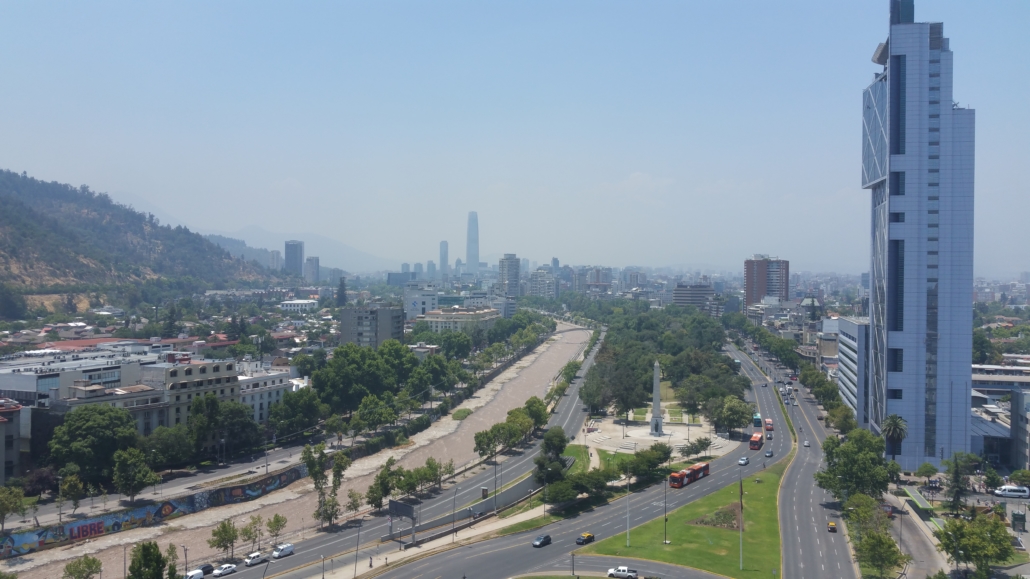
Migration Patterns in Latin America
Although immigration is a major concern for policymakers in the United States, immigration and emigration have a significant impact on the economy and communities throughout Latin America.

Over the last 25 years, in particular, migration patterns in Latin America show that immigrants have moved from unstable economies and governments into bordering states that have greater economic stability and prosperity. This continues to be the case in Chile, with migrants flowing in from neighboring countries.

The Southern Cone of Latin America is famous for its continued movement of people across country borders. This region includes Chile, Peru, Argentina and Uruguay. Chile has seen an influx of immigrants, particularly from Peru, since the 1990s. This was the turning point in the Chilean economy and government, transitioning over from a military regime to a more stable, democratic system.

This change in government led to more overall economic stability in Chile, creating more job opportunities and more money per household. Neighboring countries, such as Peru, have not seen such success.

This influx of immigrants has been accompanied by its own issues, particularly with regard to security concerns. Large groups of immigrants easily travel across state borders, because of geographic proximity, as well as insufficient border policies. For example, Peruvian immigrants that have migrated to Chile have created cultural enclaves within cities and populated areas of the country. These transnational communities as they are described have created a concern for not only governments of receiving nations, but also the citizens of said countries.

Social marginalization is one of the biggest obstacles many immigrants of said transnational communities report facing, forcing such cultural enclaves to emerge. This, in a way, defeats the purpose of many immigrants, in search of new opportunities, as they are almost forced to stay within the confines of communities that are primarily made up of other immigrants.

Though this is the case, many immigrants in Latin America continue to migrate to neighboring countries, because despite social and cultural obstacles, many do find more economic potential and opportunities for jobs that they have the qualifications and skillsets for.

Immigration is a concern that faces not only the United States and its borders but also persists as an issue throughout intraregional Latin America. Not only that, but the circumstances in which Latin Americans find themselves make immigration that much more appealing and feasible.

– Alexandrea Jacinto

Sources: Migration Policy Institute, Money Market, Bloomberg,
Photo: Flickr

August 5, 2015
Share this entry
  • Share on Facebook
  • Share on X
  • Share on WhatsApp
  • Share on Pinterest
  • Share on LinkedIn
  • Share on Tumblr
  • Share on Vk
  • Share on Reddit
  • Share by Mail
https://borgenproject.org/wp-content/uploads/borgen-project-logo.svg 0 0 Borgen Project https://borgenproject.org/wp-content/uploads/borgen-project-logo.svg Borgen Project2015-08-05 11:23:142024-05-27 09:25:20Changing Migration Patterns in Latin America

Get Smarter

  • Global Poverty 101
  • Global Poverty… The Good News
  • Global Poverty & U.S. Jobs
  • Global Poverty and National Security
  • Innovative Solutions to Poverty
  • Global Poverty & Aid FAQ’s
Search Search

Take Action

  • Call Congress
  • Email Congress
  • Donate
  • 30 Ways to Help
  • Volunteer Ops
  • Internships
  • Courses & Certificates
  • The Podcast
Borgen Project

“The Borgen Project is an incredible nonprofit organization that is addressing poverty and hunger and working towards ending them.”

-The Huffington Post

Inside The Borgen Project

  • Contact
  • About
  • Financials
  • President
  • Board of Directors
  • Board of Advisors

International Links

  • UK Email Parliament
  • UK Donate
  • Canada Email Parliament

Get Smarter

  • Global Poverty 101
  • Global Poverty… The Good News
  • Global Poverty & U.S. Jobs
  • Global Poverty and National Security
  • Innovative Solutions to Poverty
  • Global Poverty & Aid FAQ’s

Ways to Help

  • Call Congress
  • Email Congress
  • Donate
  • 30 Ways to Help
  • Volunteer Ops
  • Internships
  • Courses & Certificates
  • The Podcast
Link to: How Technological Innovation Has Impacted Emergency Response Efforts Link to: How Technological Innovation Has Impacted Emergency Response Efforts How Technological Innovation Has Impacted Emergency Response Efforts Link to: Top 10 Employers that Practice Corporate Matching Link to: Top 10 Employers that Practice Corporate Matching Top 10 Employers that Practice Corporate Matching
Scroll to top Scroll to top Scroll to top