• Link to X
  • Link to Facebook
  • Link to Instagram
  • Link to TikTok
  • Link to Youtube
  • About
    • About Us
      • President
      • Board of Directors
      • Board of Advisors
      • Financials
      • Our Methodology
      • Success Tracker
      • Contact
  • Act Now
    • 30 Ways to Help
      • Email Congress
      • Call Congress
      • Volunteer
      • Courses & Certificates
      • Be a Donor
    • Internships
      • In-Office Internships
      • Remote Internships
    • Legislation
      • Politics 101
  • The Blog
  • The Podcast
  • Magazine
  • Donate
  • Click to open the search input field Click to open the search input field Search
  • Menu Menu

Archive for category: Global Poverty

Key articles and information on global poverty.

Education, Global Poverty, Nonprofit Organizations and NGOs

Etta Projects Addresses Poverty in Bolivia

etta_projects
Etta Turner was 16 years old when she traveled to Bolivia as an International Rotary exchange student in 2002. Known for her compassion and commitment to social justice, the teen was prepared to provide for the less fortunate and help them change their lives. What was supposed to be a year away from her home and family in the States, however, turned into a lifetime when Turner was tragically killed in a bus accident.

The following year, in 2003, Turner’s friends and family founded Etta Projects, a nonprofit organization dedicated to the life and service of Turner. The organization works with the people of Montero, Bolivia, helping members of the community lead sustainable lives and achieve improved health conditions. Etta Projects supports projects that provide clean water, healthy food, quality education and stable income.

In the western hemisphere, Bolivia is the second poorest country after Haiti, with nearly 70 percent of its population living in poverty. About 23 percent of the population lives on less than $1 a day and 42 percent on less than $2 a day. Furthermore, about 90 percent of Bolivia’s children attend primary school, but only for a year or less: the average literacy rate of a 16-year-old Bolivian is at the third-grade level.

Etta Projects is dedicated to changing these statistics and helping the people of Bolivia. The organization is unique, however, in that it does not simply send money or resources to Bolivia. Rather, it connects with the Bolivian people to understand what they need and teaches them how to personally meet those needs.

To address and eliminate poverty in Bolivia, Etta Projects provides forums in which members of the community can identify their own problems and create plans to solve them. The organization forms strong, fundamental relationships with the communities it helps and the local governments that run them. They use their own resources and the available resources of the community to empower the communities to tackle their problems and issues.

The organization has five main projects: safe water and sanitation, health, nutrition, leadership and U.S. community outreach. Etta Projects is making a lasting difference in many Bolivian lives by listening to community needs, providing resources to meet those needs and leaving the community with valuable skills to lead sustainable lives. Miss Turner’s legacy of compassion and social justice absolutely lives on in the mission of Etta Projects.

– Sarah Sheppard

Sources: Etta 1, Etta 2, Etta 3
Photo: Doctors Without Borders

August 14, 2015
https://borgenproject.org/wp-content/uploads/borgen-project-logo.svg 0 0 Borgen Project https://borgenproject.org/wp-content/uploads/borgen-project-logo.svg Borgen Project2015-08-14 01:30:592024-05-27 09:27:24Etta Projects Addresses Poverty in Bolivia
Global Poverty

Couple Spends Wedding Day Feeding Syrian Refugees

wedding_day_feeding_syrian_refugees
One Turkish couple’s wedding celebration has gone viral on social media — but not for the reasons you might think.

Fethullah Üzümcüoğlu and Esra Polat tied the knot in Turkey’s Kilis province on July 30. While their families had saved money for a traditional post-wedding banquet, the couple decided to spend their wedding day feeding Syrian refugees.

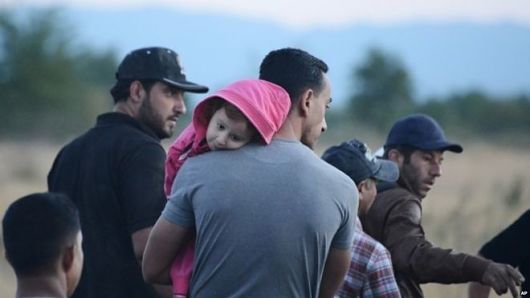
Tens of thousands of war-battered Syrians have taken refuge in Kilis in the wake of Syria’s ongoing civil war. Moved to respond to the crisis, Üzümcüoğlu and Polat spent their reception feeding 4,000 Syrian refugees.

Wedding guests helped the newlyweds distribute dinners from food trucks and even organized a party for the refugees.

According to the International Rescue Committee, Syria’s ongoing civil war has fueled the world’s worst refugee crisis in a quarter-century. More than four million Syrians have fled the fighting, leaving the neighboring countries of Turkey, Jordan, Iraq and Lebanon struggling to support the wave of displaced persons. The UNHCR reports that there are more than 1.7 million Syrian refugees in Turkey alone.

Kimse Yok Mu (KYM), the Turkey-based nonprofit that hosted the event, reported that the groom’s father, Ali Üzümcüoğlu, first suggested the idea.

“I thought that sharing a big delicious dinner with our family and friends was unnecessary, knowing that there are so many people in need living next door,” the father explained.

He presented the idea of a charitable celebration to the couple, who accepted.

“I was shocked when Fethullah first told me about the idea,” said bride Esra Polat, “but afterwards I was won over by it. It was such a wonderful experience.”

Photos of the selfless event have spread across social media, with many wishing the newlyweds happiness and blessings in their married life.

Üzümcüoğlu said that sharing their banquet with the refugees was “priceless.”

“We started our journey to happiness with making others happy,” he shared. “That’s a great feeling.”

– Caitlin Harrison

Sources: UNHCR, Washington Post, The Independent, International Rescue Committee
Photo: Elite Daily

August 14, 2015
https://borgenproject.org/wp-content/uploads/borgen-project-logo.svg 0 0 Borgen Project https://borgenproject.org/wp-content/uploads/borgen-project-logo.svg Borgen Project2015-08-14 01:30:352024-12-13 18:04:46Couple Spends Wedding Day Feeding Syrian Refugees
Global Poverty

Knitting Heals Hearts

knitting
A group of indigenous women in Bolivia has come together to form a new kind of knitting club. Instead of the typical woolen hat or sweater, they are weaving thin elastic metal into small plugs that are used to block hearts that can cause health problems in children.

Patent ductus arteriosus, or PDA, is a medical condition that occurs when a major blood vessel used to transfer blood from a mother to fetus in the womb does not close after birth. If a baby’s vessel does not naturally heal, it can leave a hole in their heart that causes irregular blood flow. PDA is twice as common in girls as it is in boys and is significantly more likely to occur in premature babies.

If the condition is mild, a baby can survive, and in some cases live, without symptoms. However, in countries with high altitudes — such as Bolivia — the condition is almost 10 times more frequent. Bolivia has one of the highest child mortality rates in the world and is one of the poorest countries in South America. There is a clear correlation between high infant mortality rates and poverty: in the past decade, U.S. federal health officials have released studies that show that infant mortality rates are 60 percent higher among women living below the poverty line. The mortality gap between rich and poor countries is, at least in part, created by the lack of adequate health care for people living in poverty-stricken countries.

PDA is generally treated with medicines or surgery. However, in poor or rural communities, it can be difficult to find the necessary medication or a clinic capable of safely performing the procedure. An alternate treatment is needed for patients who suffer from PDA but cannot afford the traditional treatment route.

This is where the Nit Occlud device comes in. Created by Dr. Franz Freudenthal, an Occluder is a tiny metal top hat-shaped device that can be inserted into the body through a catheter. The Occluder is folded so it is small enough to travel through a patient’s blood vessel until it reaches their heart. Once it finds the hole in the heart, it expands to its original size and shape and fills the hole, allowing the heart to function properly.

Dr. Freudenthal’s solution to PDA allows patients to avoid seeking expensive medication or complicated surgeries because it is cheap and accessible. With the help of individuals like the women in the Bolivian knitting group, Occluders can be made locally at a low cost by utilizing a skill already available within the community.

Medical solutions that are viable in poor countries are particularly valuable because patients living in those countries are more likely to face barriers to receiving treatment. Dr. Freudenthal’s Occluder is a wonderful example of how innovative treatments are making a difference in the lives of patients, not only in Bolivia but around the world.

– Brittney Dimond

Sources: BBC, National Heart, Lung and Blood Institute, New York Times
Photo: BBC

August 14, 2015
https://borgenproject.org/wp-content/uploads/borgen-project-logo.svg 0 0 Borgen Project https://borgenproject.org/wp-content/uploads/borgen-project-logo.svg Borgen Project2015-08-14 01:30:322020-03-27 14:03:10Knitting Heals Hearts
Global Poverty, Violence Against Women

Engaging Fathers to End Intimate Partner Violence

According to the World Health Organization, 35 percent of women worldwide have experienced intimate partner violence or non-partner sexual violence, and 38 percent of murders of women are committed by intimate partners. Violence against women increases during times of stress or conflict, which can occur in many developing countries, but domestic violence is also prevalent in the developed world.

Gender-based violence can inflict serious physical and mental harm. Examples include injury, sexually-transmitted diseases and depression. Furthermore, there is an economic cost to intimate partner violence. A United Nations report indicates that the costs of intimate partner violence in the U.S. in 2003 added to $5.8 billion. Costs can include medical expenses, lost time at work and deaths. In the developing world, costs will come in the form of slower GDP growth in addition to deaths and unemployment. These types of harm prevent families and communities from developing and contributing to the social and economic health of their communities.

Programs like the REAL (Responsible, Engaged and Loving) Fathers Initiative work toward minimizing these costs by creating more gender-equitable communities. Research has determined that one of the most effective ways to accomplish this is by positively engaging men to work with their partners and children to end patterns of violence.

The U.S. Centers for Disease Control and Prevention cites different strategies to address violence in high and low-income settings. In higher-income settings, school programs that address dating violence have proven to be effective. In lower-income settings, programs that require the entire community to address gender equality are likely to be effective.

The REAL Fathers Initiative implemented by the Institute for Reproductive Health is a current program in post-conflict Northern Uganda. The project works to engage young fathers in efforts to reduce intimate partner violence and harsh punishment of children. Having programs that involve men can be beneficial in reducing domestic violence.

Mentors, who are fathers in the community, are trained in relationship skills and positive parenting practices. They are selected from the community and trained by the research team in order to work with other young fathers.

Initial testing of the program indicates that young fathers are making positive changes. For example, fathers are more involved in childcare and more dedicated to helping their wives with chores.

The Fatherhood Institute, a nonprofit in the U.K., recognizes the value in engaging fathers to break the cycle of violence. When fathers are more involved in the lives of children and supportive of their partners, communities can thrive with healthy family dynamics.

– Iliana Lang

Sources: CDC, Fatherhood Institute, Institute for Reproductive Health, UN Women, WHO
Photo: Dr. Phil

August 13, 2015
https://borgenproject.org/wp-content/uploads/borgen-project-logo.svg 0 0 Borgen Project https://borgenproject.org/wp-content/uploads/borgen-project-logo.svg Borgen Project2015-08-13 10:30:492024-05-27 09:24:19Engaging Fathers to End Intimate Partner Violence
Global Poverty

Trading Trash for Health Care in Indonesia

Trading Trash for Health Care in Indonesia
Three out of five Indonesians do not have access to health insurance and do not make enough money to visit the doctor. Instead, Indonesians delay their health and wellbeing until their symptoms turn into major problems.

In Jan. 2014, Indonesia started a new health insurance program managed by the Social Security Organizing Body (BPJS). By 2019, it will be the world’s largest health scheme, and according to the government, all 247 million residents will be covered. The health program impacts the middle class the most — that is, the people who are not poor enough to receive government assistance and not rich enough to buy private insurance.

After one year, the BPJS enrolled 133.4 million people in their new health program, exceeding their goal by 11.8 million members. Lack of infrastructure makes it harder for people in rural areas to make the drive to an urban hospital.

Dr. Gamal Albinsaid, the founder of Garbage Clinical Insurance, helps over 3,000 people afford health coverage by trading trash for health care. In Indonesia, many recyclables are wasted and only 50 percent of all of the country’s trash is collected. The abundance of trash left on the streets creates health problems for their citizens. A total of 3.22 million tons of plastic waste were generated along the coast of Indonesia in 2010. This was 10 percent of the world’s total that year.

All of the organic trash Albinsaid receives is turned into fertilizer and compost, while he receives cash for recyclable items. Four and a half pounds of plastic is enough to allow one patient two monthly visits to Albinsaid’s clinic.

“We’re changing people’s perceptions and habits towards garbage,” Dr. Albinsaid explains. “I believe if the positives of this problem are made known, it will excite a lot more people into adopting it.”

Indonesia ranks forty-eighth in the world for health and wellness and has an average life expectancy of 70 years. Health care in Indonesia is far from universal, but the country is doing better than most of its other Southeast Asian neighbors to promote health.

Only 0.9 percent of Indonesia’s GDP is spent on infrastructure for health care. Most of the gaps in the healthcare system are being taken care of by NGOs that treat Indonesians in the poorest and most rural areas of the country. An increase in health care spending is needed for Indonesia to successfully create a universal coverage program.

While many Indonesians may be critical of the universal health care plan, labeling it as “too ambitious,” the program is only 19 months old but is already showing signs for potentially being the largest universal health care program in the world. Until then, Garbage Clinical Insurance and NGOs are providing health services to many of Indonesia’s rural citizens.

– Donald Gering

Sources: Al Jazeera, Good News Network, The Guardian, Huffington Post, Social Progress Imperative, World Bank
Photo: Inquirer

August 13, 2015
https://borgenproject.org/wp-content/uploads/borgen-project-logo.svg 0 0 Borgen Project https://borgenproject.org/wp-content/uploads/borgen-project-logo.svg Borgen Project2015-08-13 09:30:262024-05-27 09:26:34Trading Trash for Health Care in Indonesia
Global Poverty

How Teddy Bears Keep the Peace in Albania

Albania
Albania is known for its quirks and major differences if, indeed, it is mentioned at all. It is a smaller country that can be found in the Balkan Peninsula with a population of approximately three million. One of the first things to remember about this country is that a nod means “no” and shaking the head in the other direction means “yes.” The second thing to remember is if there is a stuffed toy hanging from a building, it ought not to be removed.

Yes, in this country, weather-beaten rabbits are hung by their ears, scarecrow-looking objects are posted by balconies and they are very important in keeping the peace of mind of Albanian cities. Like many Middle Eastern countries, these inhabitants seek to protect themselves against the Evil Eye.

The instrument that is used to provide this kind of protection is called the dordolec and the soft toys are also called kukull. Elizabeth Gowing, a reporter for the BBC, interviewed an owner of a furniture store: “‘It stops the evil eye from seeing our money,’… He explains that at first, he hadn’t hung a monkey up when he was building this place. ‘And then the police came. My son went out and bought a monkey and we’ve not had any trouble since.’”

The idea behind this practice is that the passer-by fixates on the dordolec and thus does not covet the property of the house it belongs to. There’s no direct correlation between these objects and a religious belief per se.

Michael Harrison from the U.K. says, “In Albania, such beliefs can be found in all religious communities, Muslim, Orthodox or Catholic – in fact, I encountered less examples of the dordolec in the north, in the area around Skhodër, where the Catholic Church is particularly strong.”

Religion doesn’t always relate directly to the customs of a country. A writer from the travel blog, A Dangerous Business, says, “In fact, most of Albania’s current reality can be traced back to that paranoid leader, Enver Hoxha, who ruled with increasing suspicion of the wider world until his death in 1985.” In driving through Albania, one might see numerous bunkers because Enver Hoxha generally isolated himself and had a strong fear of the outside world.

Now, visitors of Albania can expect to be welcomed with open arms with the natural expectation that national customs will be learned and respected.

– Anna Brailow

Sources: BBC, Dangerous Business, Michael Harrison
Photo: Flickr

August 13, 2015
https://borgenproject.org/wp-content/uploads/borgen-project-logo.svg 0 0 Borgen Project https://borgenproject.org/wp-content/uploads/borgen-project-logo.svg Borgen Project2015-08-13 08:30:552024-05-24 23:52:05How Teddy Bears Keep the Peace in Albania
Global Poverty

Popular Fictional Characters Who Are Also Poor

characters
There are a plethora of popular fictional characters who live in poverty. From superheroes to kid cartoon characters, these characters’ living conditions are perceived by the audience in different ways.

In some aspects, poverty is obvious to the eyes of the viewer but the character lessens the importance of his living conditions because of the personality that these characters might have. On the other hand, poverty living conditions of some characters can be a crucial element for the character to develop.

In movies, some characters are able to escape poverty through different ways. Here are some of the most famous and poor movie characters that, despite their poverty conditions, give a positive impression to the viewers.

1. Pacha from The Emperor’s New Groove

In this movie, the character Pacha is portrayed as a Peruvian villager that ends up helping and mentoring his emperor, who is in trouble and is turned into a llama.

Pacha is a caring character with good leadership skills who helps emperor Kuzco overcome his troubles. Besides being a character with good qualities for the audience, Pacha also teaches Kuzco the value of small things, friendship and hard work.

2. The Weasleys from Harry Potter

The Weasleys are one of the biggest families shown in Harry Potter. They are distinguished by their family unity and their economical conditions since they are sometimes excluded due to their lack of money.

Yet their unity, sympathy, courage and funny personalities are characteristics that make these characters seen in a positive light by the audience.

3. Charlie Bucket from Charlie and the Chocolate Factory

Living with his parents and his four grandparents in a little wooden house, Charlie Bucket is extremely poor. However, he is one of the lucky kids who finds a golden ticket in a Wonka chocolate to enter Willy Wonka’s chocolate factory.

Charlie’s personality and good education leads him to become Wonka’s successor. His good manners and the way he is compared to the spoiled rich kids presents Charlie’s personality positively to the audience.

4. Katniss Everdeen and her family from The Hunger Games

The heroine of the impoverished region of District 12, Katniss Everdeen is a character that, along with the other District 12 citizens, lives in poverty conditions with her mother and sister.

Katniss’ willingness to save her sister leads her to volunteer as a tribute to participate in the Hunger Games. Her strong, caring and brave personality helps her provide a better future for her mother and sister. The character’s devotion and bravery are seen as positive qualities in the viewer’s eyes.

5. El Chavo from El Chavo del 8

El Chavo is the principal character of the El Chavo del 8 Mexican television series. This character is an orphan kid living under poor conditions in a Mexican neighborhood.

The people living in the neighborhood accept El Chavo as part of their daily lives and even as a member of their families. The complete television series is a comedy that leaves the audience accepting El Chavo’s character in a positive manner.

– Diana Fernanda Leon

Sources: Disney Wikia, The Harry Potter Lexicon, Roald Dahl, Shmoop, Chavode18
Photo: Wikia

August 13, 2015
https://borgenproject.org/wp-content/uploads/borgen-project-logo.svg 0 0 Borgen Project https://borgenproject.org/wp-content/uploads/borgen-project-logo.svg Borgen Project2015-08-13 07:30:512024-05-27 09:27:23Popular Fictional Characters Who Are Also Poor
Global Poverty

The Young African Leaders Initiative

young_african_leaders_initiative
The Young African Leaders Initiative (YALI) is the combined efforts of the U.S. government, Non-Governmental Organizations, universities and companies to support African youth and future leaders in hopes of creating a better future for Africa as a whole. It was established by President Obama in 2010.

Not only does YALI aim to create and shape African leaders, but it also wants to create a network between them. What is striking about this measure is that it lays down a framework for these future leaders who are full of potential, but then leaves the more substantial and meaningful portion of the work to the young leaders themselves, leaving it up to them to shape their world.

YALI goes about this goal in several ways. For example, it offers online courses for individuals who want to learn more about areas such as entrepreneurship, leadership and public management. Completion of a YALI course not only means that a person has learned about honing valuable life skills, but also that they receive a certificate to prove it.

YALI is also working to construct Regional Leadership Centers throughout Africa with the intent of increasing accessibility and relevance of training programs to leaders and future leaders across Africa. Two have opened so far this year, in Accra and Nairobi, and two more are planned for Dakar and Pretoria by the end of 2015.

The YALI Network face2face is a Facebook group that helps young African leaders share events encouraging leadership and fellowship, or even create new skills. Members are encouraged not only to attend events but to create their own on topics that interest them or that would be beneficial to their particular community. It’s a tool to help create and maintain connections.

Another huge event put on by the group is the Mandela Washington Fellowship for Young African Leaders, which brought 500 African leaders ages 25 to 35 to the United States in 2014 and 2015. Fellows take academic courses in business, civic engagement and public administration and receive leadership training. Some also participate in internships. What they take home is access to new opportunities, seed funding and useful skill sets to help build their own communities.

Participants in the fellowship are selected from almost 50,000 applicants. Next year, there are plans to double the number of participants to 1,000, as well as to develop an exchange program where 80 Americans are sent to Africa to work with alumni of the fellowship program.

Each applicant has his or her own story and set of experiences that make them valuable contributors to the fellowship. For example, Grace Alache Jerry, Miss Wheelchair Nigeria, is a spokesperson for people with disabilities, founder of her own nonprofit organization and organizer of a series of benefit concerts.

Eldine Chilembo is an advocate for women’s empowerment in the maritime industry in Angola. Noluthando Duma helps orphans in her South African Province of KwaZulu Natal and hopes to develop a home to provide resources to such children.

Kenyan Kezy Mukiri said of her experience in the fellowship, “What I’m taking back with me is humanity. We need to connect; the world is becoming a global village.”

The bringing together of such inspired, dedicated minds is an undoubtedly noble cause. President Obama summed up the goal of the movement nicely at his speech at this year’s Washington Summit.

“Our hope is. . . when you have all gone on to be ministers in government or leaders in business or pioneers of social change, that you will still be connecting with each other, that you will still be learning from each other.”

– Emily Dieckman

Sources: Insidevoa, Miami Herald, NPR, State, Voanews, Young African Leaders
Photo: The White House Blog

August 13, 2015
https://borgenproject.org/wp-content/uploads/borgen-project-logo.svg 0 0 Borgen Project https://borgenproject.org/wp-content/uploads/borgen-project-logo.svg Borgen Project2015-08-13 01:30:572024-12-13 18:04:45The Young African Leaders Initiative
Development, Extreme Poverty, Global Poverty

New Anti-Poverty Initiative for the Middle East

anti-poverty
The Islamic Development Bank and the Bill & Melinda Gates Foundation have teamed up to launch a new $2.5 billion sharia-compliant fund targeting extreme poverty in the Middle East. By partnering with the world’s richest charitable institution, the IDB hopes to successfully combat poverty in the Islamic world.

Although the Middle East is home to some of the richest countries worldwide, it also includes some of the world’s poorest, such as Burkina Faso and Chad. Additionally, some countries show a combination of extreme wealth and poverty, such as Egypt and Indonesia. Others are known simply for their extreme violence, like Yemen and Syria.

Without the assistance of a strong partner, regions like these would normally have a much harder time bringing in grants and skills into their territories. Key players hope that the various connections established through the partnership will prove to be even more effective than the partnership itself.

Hassan Al Damluji, head of Middle East Relations at the Bill & Melinda Gates Foundation, recently discussed the Lives and Livelihoods Fund in an interview, stating, “We are engaging Gulf donors who will be around and are sustainable, unlike the Foundation, which is a family fortune and is thus finite.”

Al Damluji went on to explain that one of the key features of the fund is its encouragement of investment from the poor countries themselves. Another essential working part of the fund is that it gives aid linked to the loans taken by recipient countries, so these countries are held accountable for their own development.

The plan is for the fund to finance projects in four different areas: agriculture and food security, primary health care, infectious disease control and eradication, and basic infrastructure. Al Damluji explained that all of these areas represent major drivers of inequality across the globe.

The overarching goal is to maximize the beneficiaries of this partnership, regardless of race, country or religion. With the additional long-term goal of sustainability in mind, the fund will be strategically housed in and administered by the IDB.

So far, the IDB has provided $2 billion, and a remaining $500 million will come from donors over the next five years in the form of grants. Both partners will work together to determine which projects deserve priority. The partners will meet twice annually in order to ensure cooperation and coordination.

The reasoning behind the choice of the four main project areas is that over time, effects like improved health and increased farmer productivity will work to boost economies. The key to understanding the way the new fund will work is to operate from a big picture perspective and to take into account its long-term consequences.

This will be the first major fund of its kind to actually be based in the Middle East. Al Damluji boasted that the fund will also have a bank of shareholders that are not OECD countries and not traditional donors.

Both the IDB and the Bill & Melinda Gates Foundation understand the necessity of a well-functioning partnership in order to accomplish real change in the Middle East. The new partnership is more important than the fund itself and cooperation is absolutely necessary.

Additionally, both partners understand that two minds are better than one—especially when dealing with such a deeply rooted, complex problem. Together, the IDB and the Bill & Melinda Gates Foundation have raised the bar in the global anti-poverty fight.

– Sarah Bernard

Sources: Nonprofit Quarterly, Gulf News
Photo: Time USA Newsweek

August 13, 2015
https://borgenproject.org/wp-content/uploads/borgen-project-logo.svg 0 0 Borgen Project https://borgenproject.org/wp-content/uploads/borgen-project-logo.svg Borgen Project2015-08-13 01:30:492024-06-05 03:46:41New Anti-Poverty Initiative for the Middle East
Global Poverty, Technology

Mobile App Keeps Fishermen Safe

fishermen_safe
More than 60 percent of India’s fishing communities, which comprise nearly four million people, earn less than a dollar a day. For each meager catch, they risk their lives sailing in flimsy boats through extreme weather conditions, only to return home to poor shelter, poverty, illiteracy and a lack of access to information.

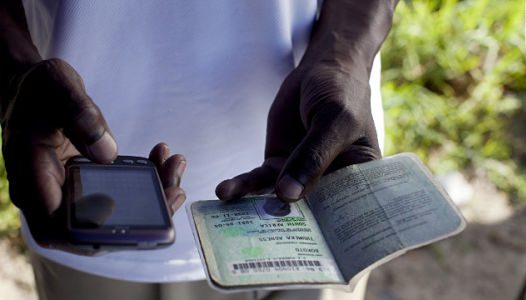
Mobile technology organization Qualcomm is out to improve conditions with the Fisher Friend Mobile Application, which provides fishermen with real-time information about wind speed and wave height, weather conditions and disaster alerts up to 100 kilometers from shore. The Fisher Friend app also provides up-to-date market prices for fish, allowing fishermen to maximize their earning potential.

As of Feb. 2015, 1,000 people had been trained to use the app. Immediate benefits were seen; in one case, the Fisher Friend app’s GPS feature was used to locate and rescue 40 fishermen caught in rough weather conditions.

In addition, fishermen report that the Fisher Friend app helps to increase their haul. Subscribers receive a voice message bulletin in native regional languages five times a day, detailing, along with the other information, potential fishing zones where fishermen will bring in a larger catch.

Sanatan Behera, a fisherman at Chilika Lake in Odisha, India, said, “Two years ago, I used to catch only 50 kg of fish daily. Now, after I know the exact fish location through the voice message, I am able to catch almost double.”

The Fisher Friend app also warns fishermen when they approach Sri Lankan waters, allowing them to avoid being apprehended and potentially harmed for accidentally crossing the maritime border. The right of Indian fishermen to operate in Sri Lankan waters is still a highly contested issue between the two governments.

Fishing bans are another area the messages cover, informing fishermen of temporarily imposed bans placed by the government. Taking into account the impoverished nature of fishing communities, the app also covers information about government welfare programs.

All things considered, fishing communities face many challenges, ranging from cyclones and floods to illiteracy. These can place them in dangerous territory concerning governmental bans and allow fishermen to be taken advantage of with regards to fair market prices. However, Fisher Friend’s mobile app and the information it provides will help keep fishermen safe in India and empower them to draw a higher income from their hard work.

– Emma-Claire LaSaine

Sources: Huffington Post Impact, Economic Times, The New Indian Express, Qualcomm
Photo: The Telegraph

August 13, 2015
https://borgenproject.org/wp-content/uploads/borgen-project-logo.svg 0 0 Borgen Project https://borgenproject.org/wp-content/uploads/borgen-project-logo.svg Borgen Project2015-08-13 01:30:392024-12-13 18:04:45Mobile App Keeps Fishermen Safe
Page 1870 of 2163«‹18681869187018711872›»

Get Smarter

  • Global Poverty 101
  • Global Poverty… The Good News
  • Global Poverty & U.S. Jobs
  • Global Poverty and National Security
  • Innovative Solutions to Poverty
  • Global Poverty & Aid FAQ’s
Search Search

Take Action

  • Call Congress
  • Email Congress
  • Donate
  • 30 Ways to Help
  • Volunteer Ops
  • Internships
  • Courses & Certificates
  • The Podcast
Borgen Project

“The Borgen Project is an incredible nonprofit organization that is addressing poverty and hunger and working towards ending them.”

-The Huffington Post

Inside The Borgen Project

  • Contact
  • About
  • Financials
  • President
  • Board of Directors
  • Board of Advisors

International Links

  • UK Email Parliament
  • UK Donate
  • Canada Email Parliament

Get Smarter

  • Global Poverty 101
  • Global Poverty… The Good News
  • Global Poverty & U.S. Jobs
  • Global Poverty and National Security
  • Innovative Solutions to Poverty
  • Global Poverty & Aid FAQ’s

Ways to Help

  • Call Congress
  • Email Congress
  • Donate
  • 30 Ways to Help
  • Volunteer Ops
  • Internships
  • Courses & Certificates
  • The Podcast
Scroll to top Scroll to top Scroll to top