• Link to X
  • Link to Facebook
  • Link to Instagram
  • Link to TikTok
  • Link to Youtube
  • About
    • About Us
      • President
      • Board of Directors
      • Board of Advisors
      • Financials
      • Our Methodology
      • Success Tracker
      • Contact
  • Act Now
    • 30 Ways to Help
      • Email Congress
      • Call Congress
      • Volunteer
      • Courses & Certificates
      • Be a Donor
    • Internships
      • In-Office Internships
      • Remote Internships
    • Legislation
      • Politics 101
  • The Blog
  • The Podcast
  • Magazine
  • Donate
  • Click to open the search input field Click to open the search input field Search
  • Menu Menu

Archive for category: Global Poverty

Key articles and information on global poverty.

Education, Global Poverty, Youth Empowerment

How National Vocational Training in Egypt is Empowering Youth

Vocational Training in EgyptAs the most populous nation and strongest economy in the North Africa region, Egypt presents a striking dichotomy: stable economic growth alongside a persistent national poverty crisis. To fight the structural imbalance that has allowed 30% of the population to live below the global poverty line, the Egyptian government, alongside international partners, has turned skills-based vocational learning into a beacon of opportunity. With more than 2 million students enrolled in technical education (TVET) programs, vocational training in Egypt aims to combat poverty, reduce youth unemployment, and promote inclusive growth in hopes of stimulating sustainable development.

Reforming Education to Meet Labor Market Demands

Egypt’s strategic investment in TVET reflects a commitment to building a more resilient and inclusive economy. The Technical Education Reform Strategy is reshaping how young people prepare for the job market, a group that currently sits at 20% unemployment compared to Egypt’s overall 7%, one of the highest in the MENA region. These conditions highlight the urgency of the nation’s tactical use of a competency and skills based curriculum, ensuring new workers can survive the competitive and rapidly evolving labor market each year. 

International development partners like the European Training Foundation, the German Development Corporation and the USAID-funded “Workforce Egypt” project have supported this nationwide reform. Together, these efforts have led to the creation of more than 2,900 institutions that blend academic learning with hands-on experience in fields such as agribusiness, hospitality and clean energy.

Partnerships that Power Progress

A central pillar driving reforms in the country’s education policy is the Egypt Impact Lab (EIL), a government-embedded initiative led by J-PAL Middle East and North Africa. It works alongside the Ministry of Education and Technical Education to evaluate and design policies. The EIL provides evidence and projections to ensure that vocational education policies continue to produce workers who support Egypt’s evolving economy.

In addition, the EIL acts as an interconnected space that brings together policymakers, donors and international experts to align priorities and shape reforms. These partnerships are instrumental in converting ambitious ideas into effective, scalable programs that can reach the students who need them most.

Reaching the Marginalized: Refugees and Informal Workers

While Egypt’s education reforms benefit millions of youth, they are particularly crucial for vulnerable communities. Egypt hosts more than 900,000 registered refugees, along with 1.5 million Sudanese migrants fleeing the current crisis. Refugees face high barriers to employment and education, which vocational training in Egypt aims to address. Programs like Caritas Egypt’s “For a Better Future” offer training and entrepreneurship skills to Egyptian and Syrian youth. Participants receive certifications from the Ministry of Social Affairs, gaining a foothold in Egypt’s competitive labor market. Training topics range from plumbing and tailoring to sustainable practices like plastic waste management and water conservation.

The World Food Programme (WFP) also plays a vital role, especially through its skills development program for refugees and marginalized groups. The WFP focuses on building skills in high-demand sectors, while also providing micro-loans to women entrepreneurs and promoting inclusive training opportunities. These policies directly impact participants’ economic well-being, with household incomes of women in the WFP’s She Can program increasing by up to 50%.

A Path Forward

Vocational training in Egypt has developed into a tool of long-term socio-economic growth, laying long term groundwork to equip young people and marginalized groups with the skills to not only sustain the country’s developing economy, but also transform their own lives. 

The initiatives and partnerships created by Egypt’s TVET system build futures for millions, holding the potential to reduce the inequality and deprivation that the many Egyptians below the poverty line face every day. Furthermore, as Amr Bosila of the Ministry of Education and Technical Education noted, “By aligning education with labour market needs…Egypt charts a course towards a future of inclusive growth and opportunity.”

– Tom Finighan

Tom is based in London, UK and focuses on Business and New Markets for The Borgen Project.

Photo: Flickr

June 22, 2025
https://borgenproject.org/wp-content/uploads/borgen-project-logo.svg 0 0 Jennifer Philipp https://borgenproject.org/wp-content/uploads/borgen-project-logo.svg Jennifer Philipp2025-06-22 07:30:582025-06-21 14:10:17How National Vocational Training in Egypt is Empowering Youth
Education, Global Poverty, Technology

Internet Access in Peru: Bridging the Digital Divide

Internet Access in PeruPeru, home to 33 million people, faces a significant digital divide. About 80% of citizens lack consistent internet access and 74% have no access at all. Among those older than six, 53% do not use the internet, placing Peru among the lowest internet traffic rates in South America.

Barriers in Rural Areas

Rural communities, especially those in the Andes Mountains and around Cusco, face the greatest access challenges. Harsh terrain prevents signal transmission and complicates infrastructure development. Many residents also lack the financial means to afford laptops or data plans. As most internet infrastructure concentrates in urban centers, the rural-urban divide continues to widen. As of 2023, 38% of Peruvians lived below the poverty line, with an additional 5.7% at risk of falling into extreme poverty. Amid these economic challenges, internet access remains a privilege rather than a basic utility. However, several organizations are working to change that reality by expanding digital access nationwide.

Improving Access Through Education

art=”1580″ data-end=”2164″>Jangala, an NGO focused on digital access for underserved communities, partners with local organizations to bring internet connectivity to Peru. In Cusco—where 20% of children never finish primary school and 38% never complete secondary education due to financial hardship—Jangala teamed up with the Latin American Foundation of the Future (LAFF). Together, they provided laptops to students and introduced the Jangala Big Box to schools. This technology delivers instant internet access, enabling students to complete homework, collaborate with peers and access new learning tools.

Students in Cusco say that access to online resources through Jangala’s Big Box helps them complete their homework and stay enrolled despite financial challenges. This step forward has created new learning opportunities for students who might otherwise have been forced to drop out, reducing long-term risks of poverty.

A Broader Effort: Internet Para Todos

Beyond Cusco, the initiative Internet Para Todos (Internet for All) works to expand connectivity across Peru. This partnership—formed by Telefónica and Meta (formerly Facebook)—focuses on cost-effective solutions that target remote, rural areas. Since 2016, the group has connected 2.8 million Peruvians and established 1,900 4G sites in more than 15,000 towns. Rather than relying on heavy capital investment, the project uses shared infrastructure and open-access models. This strategy significantly lowers costs and extends services to hard-to-reach populations.

Building Digital Skills

To ensure people can fully benefit from connectivity, Peru launched the Digital Basic Basket program. This initiative supports digital literacy and aims to equip individuals with the skills needed to navigate education, health care and job markets online. The program focuses on rural areas and supplies tablets to students, along with digital training for public sector workers such as teachers and police officers. These ongoing efforts coincide with Peru’s growing digital economy. In 2021, the country’s e-commerce sector reached $9.3 billion—a 35% jump from the previous year. Forecasts predict that by 2030, the market will grow to $15.3 billion.

Looking Ahead

Peru’s journey toward digital inclusion reveals that expanding access requires more than infrastructure—it also depends on digital skills, education and local engagement. Organizations like Jangala and Internet Para Todos play a key role in bridging this divide. By continuing to improve internet access in Peru by building low-cost networks, training communities and supporting long-term solutions, Peru could reduce poverty and unlock greater opportunity for all citizens.

– Felix Hughes

Felix is based in the UK and focuses on Technology and Solutions for The Borgen Project.

Photo: Flickr

June 22, 2025
https://borgenproject.org/wp-content/uploads/borgen-project-logo.svg 0 0 Precious Sheidu https://borgenproject.org/wp-content/uploads/borgen-project-logo.svg Precious Sheidu2025-06-22 07:30:272025-06-21 13:47:12Internet Access in Peru: Bridging the Digital Divide
environment, Global Poverty

Thailand’s Efforts Against Deforestation Aids Communities

Thailand’s efforts against deforestationHome to a disproportionate amount of the world’s tropical forests, Thailand suffers from an immense amount of deforestation due to poorly policed property rights, extractive industries and climate change. Not only does this directly impoverish people who rely on the forest, but it also exacerbates other negative trends in the country. However, in conjunction with the European Union, Thailand’s efforts against deforestation are not only seeing success but can help lift up impoverished communities.

Background

Southeast Asia contains around 15% of the world’s tropical forest, much of which is in Thailand. These forests are losing 1.2% every year, one of the highest deforestation rates in the world. One of the main causes of this loss rate in Southeast Asian countries like Thailand is extractive industries like palm oil and illegal logging.

Thailand is one of the world’s top producers of palm oil, producing 2.78 million tons in 2018.  In Thailand specifically, palm oil cultivation and production lands have grown by 60% since 2009.

Deforestation

Additionally, illegal logging also contributes significantly to deforestation. Thailand’s efforts against deforestation include increased government restrictions on the logging industry in 1989 and 2006. However, Thai forests continue to be at risk for illegal logging.

According to Forest Trends’ October 2021 report on Thailand, “Illegal logging and trade affect many timber species, but highly valuable – often rare and endangered – species that are protected under harvest and/or trade regulations are a key target and at an elevated risk for illegality.” China remains the key importer of illegally harvested timber.

By 2024, Thailand lost 62,600 hectares of forest. The effect of this deforestation isn’t just devastating to the environment and biodiversity. It also harms the millions of people in Thailand who live near forests.

While Thailand is fighting deforestation, researchers at the World Bank estimate that if it does not stop, the wider environmental devastation of deforestation would decrease the Thai GDP by more than $550 billion. By contrast, the economy would grow by $54 billion if deforestation stops.

The study isolates that flooding is one of the main ways that “…increases the risk and severity of floods, which can have devastating consequences. Case in point, the 2011 flood affected more than 13 million people, destroyed 19,000 homes, displaced 2.5 million people…”

Thailand Fighting Back

However, Thailand and the international community are fighting back. Thailand’s efforts against deforestation include: strengthening property rights, changing domestic budget priorities and international cooperation. Instead of pitting the global poor and the environment against each other, the Thai government has instead empowered local communities. One of the key ways Thailand has helped protect forests is to grant stronger property rights to people living in reserve forests. Researcher Thanyaporn Chankrajang found that forests with these communal property rights experienced increased forest cover and decreased forest fires.

The Thai government has also switched its fiscal policies to help protect forests. Through fiscal grants, the governments receive increased money, funded through a commodity tax, if they can successfully protect their natural resources, like naturally-grown forests. Additionally, the Thai government continues to set aside funds for forest reserves that focus on sustainable forest management.

EUDR

Assisting them with these efforts, the European Union is teaming up with Thailand to help them join the  European Union’s Deforestation Regulation (EUDR). The EUDR will help regulate Thailand’s forestry, rubber and palm oil industries in order to become more sustainable. Not only will the EU help Thailand regulate these industries and their supply chains, but also help monitor for deforestation trends. With this help and through its National Economic and Social Development Plan, Thailand aims to stop deforestation by increasing its forest area to 40% of the country.

Thailand faces a major ecological crisis that will continue to harm both its environment and its poorest communities. However, due to Thailand’s efforts against deforestation and thanks to the assistance of the international community, these negative trends can not only be halted but entirely reversed.

– Joseph Laughon

Joseph is based in Sacramento, CA, USA and focuses on Good News and Technology for The Borgen Project.

Photo: Flickr

June 22, 2025
https://borgenproject.org/wp-content/uploads/borgen-project-logo.svg 0 0 Naida Jahic https://borgenproject.org/wp-content/uploads/borgen-project-logo.svg Naida Jahic2025-06-22 01:30:532025-06-21 13:35:38Thailand’s Efforts Against Deforestation Aids Communities
Disease, Global Health, Global Poverty

Sanitation Improvements in Uganda: Empowering Youth Innovation

sanitation improvements in UgandaIn Uganda, more than 24 million people—more than 60% of the population—lack access to basic drinking water services. Nearly one in 10 still practice open defecation and two-thirds of households do not use soap when washing. Despite these challenges, the country continues to make progress in improving school hygiene and sanitation. Local youth are leading many of these efforts. Across the country, students and communities collaborate on projects that address public health concerns and support sustainable development. These sanitation improvements in Uganda strengthen education, especially for girls and help protect children from preventable diseases.

Addressing a National Sanitation Crisis

Many Ugandan schools still face serious challenges related to water, sanitation and hygiene (WASH). According to UNICEF, nearly 30% of schools do not have usable toilets and 40% lack access to handwashing stations. These shortages contribute to frequent illnesses, absenteeism and high dropout rates, particularly among girls, who are more likely to miss school during menstruation when hygiene facilities are inadequate.

The Centre for African Justice notes that poor WASH conditions in schools harm students’ health, attendance and dignity. While Uganda has policies like the School Health Policy in place, implementation often falls short, particularly in rural regions. To bridge these gaps, youth-led movements and nonprofit organizations continue to play a vital role in sanitation improvements in Uganda and raising community awareness.

Students Lead Practical Sanitation Solutions

A collaborative project between Wright State University students and a rural Ugandan school offers a clear example of youth-driven innovation. The engineering students co-designed and installed composting latrines, handwashing stations and improved gray water discharge systems. These improvements introduced sustainable technology while strengthening local ownership. Teachers, students and parents reported stronger attendance and a renewed sense of pride in their school environment.

Clean Water Boosts Girls’ Education

Access to clean water directly supports girls’ education. At God’s Hope Primary School, the nonprofit Simone’s Kids installed a clean water system that replaced unsafe, time-consuming water collection, reducing student absenteeism. Previously, children spent hours walking to collect water from unsafe sources. The new system provides safe drinking water and supports regular handwashing practices. Girls, in particular, benefited from private sanitation facilities, which allowed them to manage menstrual hygiene and continue their education without disruption.

Safe Water Unlocks Opportunity

Water for Good, a nonprofit working in Uganda, highlights how safe water systems open new possibilities for children. A young girl shared how a new well at her school enabled her to attend classes regularly and focus on her future goals. These stories show how basic water access can change educational outcomes and help students imagine new possibilities.

A Sustainable Path Forward

Youth-led sanitation efforts in Uganda reflect a broader commitment to health, equity and education. By installing clean water systems, building safe toilets and promoting hygiene, these projects create safer learning environments. Continued investment in school sanitation could support better academic outcomes and strengthen national development. Uganda’s youth remain central to this progress, shaping a future where all students can learn and thrive with dignity.

– Vasara Mikulevicius

Vasara is based in West Bloomfield, MI, USA and focuses on Good News and Global Health for The Borgen Project.

Photo: Flickr

June 22, 2025
https://borgenproject.org/wp-content/uploads/borgen-project-logo.svg 0 0 Precious Sheidu https://borgenproject.org/wp-content/uploads/borgen-project-logo.svg Precious Sheidu2025-06-22 01:30:002025-06-21 13:59:11Sanitation Improvements in Uganda: Empowering Youth Innovation
Agriculture, Global Poverty

Digital Solutions: AgriDigital Reduce Rural Poverty

AgriDigitalWith nearly two-thirds of those living in extreme poverty worldwide working in agriculture, increasing farming output can directly reduce poverty. Researchers suggest that to achieve this agricultural growth, countries need to boost rural productivity, instead of increasing farmers’ inputs or resources. According to the World Economic Forum, increased productivity in agriculture reduces poverty at a higher rate than increased productivity in all other sectors, including manufacturing. This is where AgriTech businesses can lend a hand.

Rural Poverty: Background

The AgriTech sector, an industry that provides technological solutions to agricultural problems, has surged in recent years, with an average of 1,522 new companies founded annually in the past decade. This comes at a time when global agriculture has faced numerous threats, from supply chain shocks during the COVID-19 pandemic, to a changing climate that threatens global crop supplies, to the ongoing conflict in Ukraine, which has raised food prices worldwide.

Brookings suggests that increasing agricultural productivity can directly reduce poverty, with a 1% increase in agricultural GDP creating a greater than 1% decrease in poverty. AgriTech businesses should help boost this productivity. Instead of increasing the resources available to small rural farmers, these companies help producers reach the market, make informed decisions through data, and gain access to key lines of credit and funding.

This article will highlight three AgriTech companies in three different countries and examine how these digital solutions can help reduce rural poverty and help farmers grow their businesses from subsistence activities to free-market enterprises.

AgriDigital

AgriDigital is a digital management platform that helps participants across the agricultural supply chain manage their business and make sales. Based in Australia, AgriDigital uses blockchain technology—the same digital ledger that’s behind the world’s leading cryptocurrencies—to allow buyers and sellers to make safe transactions through their platform.

Enabling online transactions between members of the agricultural supply chain is only one of AgriDigital’s many functionalities. The platform also allows users to manage inventory and deliveries, send invoices, connect with other partners in the supply chain and utilize their data to make informed business decisions. The software is designed to help each of the different roles across the supply chain, including farmers, site operators, grain traders, and brokers.

Apollo Agriculture

Apollo Agriculture helps Kenyan and Zambian farmers gain access to financing. The company allows farmers to buy inputs directly on their site. If a farmer is cash-strapped and needs to buy on credit, Apollo will give them a loan with favorable repayment conditions. The farmers also receive free insurance on purchases bought with credit in case of an emergency.

Apollo connects farmers with nearby agrodealers who also use the site. In helping both dealer and farmer buy and sell inputs where needed, Apollo fills the same intermediary role as AgriDigital, providing a platform to connect various members of the supply chain. Apollo also provides training for farmers and logistics for agrodealers.

Mayani

Mayani is a company from the Philippines that helps agri-fishery businesses sell their products to local businesses. With 2% of the country’s GDP consisting of aquaculture, Mayani helps fisheries weather the seasonal spikes that leave fishermen and women at the mercy of volatile prices. The business helps these fisheries and farms find partner businesses such as restaurants, hotels and supermarkets in a B2B format. These partner businesses gain access to sustainably sourced, quality local ingredients. Households can also use the platform to find fresh produce for the home kitchen. Mayani, while acting as an intermediary, also performs quality control on products delivered from the farm to the kitchen/market.

Technology Solving Rural Problems

The three companies surveyed above are just a small sample of the larger AgriTech sector that creates efficient ways to boost productivity and reduce rural poverty. They also perform just a small subset of the total functions that AgriTech businesses provide.

AgriDigital also helped customers manage their business, while Apolo Agriculture provided training and financing.

However, Brookings notes several other functions that AgriTech businesses perform. These include mechanization processes like IoT sensors that help farmers increase crop production, or traceability capabilities that allow products to be tracked through the supply chain, ensuring responsibility for quality products.

International poverty has decreased where crop productivity has increased. In East Asia, where many countries have climbed the economic ladder, crop yields have multiplied by a factor of six in the last 40 years. In Sub-Saharan Africa, however, these crop yields have doubled, Brookings reports.

The Future of Rural Poverty

If agricultural productivity is inversely related to global rural poverty, then businesses must focus their efforts on increasing this productivity. AgriTech businesses like AgriDigital, Apollo Agriculture, and Mayani are working towards this goal. By training farmers in useful skills, helping farmers make better business decisions through data collection, giving farmers much-needed access to finance and inputs, simplifying complex business management into simple, easy-to-use applications and connecting different groups of the supply chain together through effective intermediary platforms, these companies work to reduce rural poverty. Helping smallholder farmers gain access to markets ensures that the two-thirds of the world’s poorest who are employed in agriculture can escape rural and overall poverty and become small business owners in their own right.

– Charles Citron

Charles is based in Boston, MA, USA and focuses on Business and Politics for The Borgen Project.

Photo: Flickr
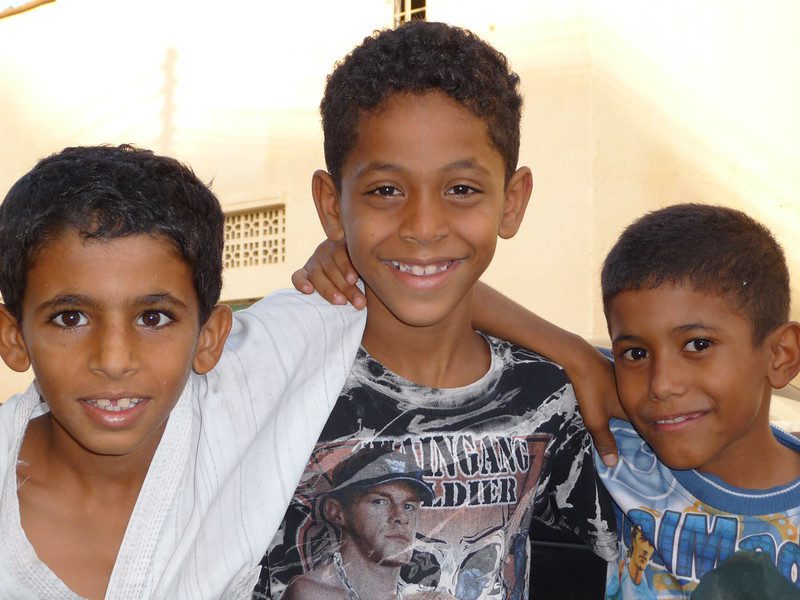
June 21, 2025
https://borgenproject.org/wp-content/uploads/borgen-project-logo.svg 0 0 Naida Jahic https://borgenproject.org/wp-content/uploads/borgen-project-logo.svg Naida Jahic2025-06-21 07:30:132025-06-20 10:11:24Digital Solutions: AgriDigital Reduce Rural Poverty
Employment, Global Poverty

Being Poor in Panama: Challenges and Pathways To Progress

Being Poor in PanamaBeing poor in Panama reveals a troubling paradox. The country has enjoyed rapid economic growth and ranks among Central America’s wealthiest nations, buoyed by revenue from the Panama Canal and foreign investment. Yet, stark inequality persists, with poverty visible even in the capital’s skyscraper-dominated urban core.

Panama’s GDP grew by 7.4% in 2023, and its poverty rate declined from around 50% in the late 1980s to 13.6% in 2024. However, these gains remain unevenly distributed. An economic slowdown in 2024—driven by mining shutdowns and droughts affecting the Panama Canal—coincided with a one-point increase in poverty, underscoring the country’s ongoing challenge: entrenched inequalities that disproportionately affect rural communities, Indigenous populations and urban peripheries. The disparities are especially stark between urban areas (4.8% poverty rate) and Indigenous comarcas (76%), highlighting how geography and ethnicity continue to shape opportunity. 

Contributing Factors to Poverty in Panama

Three primary factors contribute to being poor in Panama:

  • Income Inequality: According to the World Bank, Panama has one of the highest levels of income inequality globally, ranking third in Latin America behind Colombia and Brazil. Contributing issues include:
    • Urban wealth concentration: which deepens the rural-urban divide.
    • Weak fiscal redistribution, limiting the reach of economic growth.
    • Demographic disparities that reduce income-generating opportunities for marginalized groups.
    • Climate vulnerability, which disproportionately affects poor households.
  • Limited Access to Basic Services: Nearly half of households in Indigenous comarcas lack electricity, potable water or sanitation. Educational outcomes in these regions also fall significantly below national averages. While infrastructure projects have laid some groundwork, targeted support remains essential to bridge persistent service gaps.
  • Education Gaps: Panama’s education system struggles to promote economic mobility. Data from the World Bank shows only 16% of middle school students meet minimum standards in mathematics, and just 20% of youth complete higher education—often with degrees that fail to match labor market demands. Indigenous students face even greater systemic barriers, further limiting long-term income potential and reinforcing intergenerational poverty.

How Poverty Shapes Everyday Life in Panama

Being poor in Panama affects every aspect of daily life. Here are some ways poverty affects people in Panama:

  • Health: According to the nonprofit Food for the Poor, 15% of children below the age of 5 experience stunting due to chronic malnutrition—a condition that impairs cognitive development and long-term earnings potential. These early setbacks create lasting disadvantages across generations.
  • Employment: Panama’s 8.2% unemployment rate masks deeper labor inequities. Most impoverished workers are in the informal sector, earning less than half of formal wages and lacking job protections. Workers without degrees earn up to 74% less than those with tertiary education, and Indigenous workers face an additional 36% wage gap. Despite 2.2% annual labor income growth since 2001, job quality has declined sharply, especially since the COVID-19 pandemic.
  • Climate Risk: Changing weather patterns compound economic challenges. The World Bank reports that nearly 19% of poor households experience weather-related shocks—such as floods and droughts—compared with 8% of middle-class families. Events like the recent Panama Canal water shortages have disrupted livelihoods and food security, particularly in Indigenous and rural communities.

Initiatives Driving Progress Against Poverty

While Panama’s challenges remain substantial, coordinated efforts across sectors demonstrate measurable progress in poverty reduction.

  • Red de Oportunidades: Launched in 2006 by Panama’s Ministry of Social Development, Red de Oportunidades provides monthly transfers of PAB 50 (about $50 USD) to low-income households—especially women, children and Indigenous communities—in exchange for school attendance, health checkups and skills training. Payments are delivered through fixed and mobile methods, including post offices and biometric kiosks. By 2008, it had reached 95% of targeted areas and continues to operate under a national beneficiary registry with regular eligibility reviews to ensure transparency.
  • Plan Colmena: Ratified in 2022, Plan Colmena is Panama’s main intersectoral strategy to reduce poverty. It targets vulnerable districts through localized projects in health, education, infrastructure and employment. Key initiatives include expanding health coverage, building training centers to support income generation and improving access to clean water and electricity through rural electrification. Local governors lead implementation with citizen participation. The plan aims to lift more than 777,000 people out of poverty while advancing SDGs such as nutrition, education and environmental protection.
  • Disaster Resilience: Panama joined the Caribbean Catastrophe Risk Insurance Facility (CCRIF SPC) in 2019, holding policies for excess rainfall and earthquakes as part of its national disaster risk strategy. In November 2024, CCRIF issued a $26.7 million payout—Panama’s largest—after floods and landslides affected 1,500 people and claimed 11 lives. In 2020, the country also received $2.7 million following Hurricane Eta. These funds enabled rapid emergency response, road and bridge repairs, and support for farmers. CCRIF’s parametric model helps Panama protect its economy and vulnerable communities by providing fast, flexible relief during disasters.
  • Civil Society & International Partnerships: TECHO Panamá has built more than 1,000 transitional homes, benefiting more than 4,000 people through dignified housing and access to water and sanitation. Meanwhile, the World Bank supports systemic reforms through policy loans targeting job training, climate adaptation and better links between education and employment.

A Path Forward

Being poor in Panama results from overlapping geographic, economic and institutional inequalities, but progress is possible. With sustained investment in education, inclusive job creation and climate-resilient infrastructure, Panama can convert growth into shared prosperity. By scaling proven programs and strengthening cross-sector collaboration, no community must be left behind.

– Jacobo L. Esteban

Jacobo is based in Cali, Colombia and focuses on Technology and Politics for The Borgen Project.

Photo: Pixabay

June 21, 2025
https://borgenproject.org/wp-content/uploads/borgen-project-logo.svg 0 0 Jennifer Philipp https://borgenproject.org/wp-content/uploads/borgen-project-logo.svg Jennifer Philipp2025-06-21 01:30:522025-06-20 09:50:29Being Poor in Panama: Challenges and Pathways To Progress
Disability, Education, Global Poverty

Disability and Poverty in Cabo Verde

Disability and Poverty in Cabo VerdeAs is the trend around the world, there is a correlation between disability and poverty in Cabo Verde, with those with disabilities being more likely than their able counterparts to live under the poverty line. However, the International Labour Organization (ILO) commends the island nation for establishing a social protection floor for some of its most vulnerable communities, including those with disabilities, the elderly and children. It is one of the first African countries to do so.

According to the latest studies, an estimated 6% of the population of Cabo Verde is living with some form of disability. However, these figures were published in 2010 and are considerably low in comparison to the rest of the global population, highlighting that they are both out of date and likely to be an underestimate. Given the limited data on disability and poverty in Cabo Verde, it can therefore be difficult to form a complete understanding of what life is really like for those living with disabilities.

Pre-Pandemic

In the years leading up to the COVID-19 pandemic, Cabo Verde saw a considerable reduction in its national poverty rate, from 35.2% in 2015 to 27.7% in 2019. This decline was in part due to the active steps the government made to improve social inclusion for its disabled population. 

For example, in 2017, in partnership with Handicap International, the National Human Rights and Citizenship Commission produced and disseminated an informative document on disability rights. Titled ‘Un Mundu Pa Nos Tudu’ (‘A World for Us All’), the document details common challenges faced by people with disabilities and debunks myths surrounding the disabled community, helping to improve levels of inclusion.

During the Pandemic

However, the pandemic pushed an estimated additional 88 million people worldwide into poverty, and the situation in Cabo Verde was no different. By 2020, almost a third (31.3%) of its population was living in poverty, reversing previous progress.

In a report published in 2021, the International Disability Alliance found that the pandemic revealed several key areas where support for the disabled population falls short. These include limited participation of people with disabilities in health policy decision-making, insufficient prenatal care for mothers with disabilities and a mental health care network which excludes the disabled community. 

Post-Pandemic

Despite this, the government has implemented policies in the aftermath of the pandemic to continue the positive advancements they made before the outbreak, both with respect to poverty levels and social protection for people with disabilities. In 2022, the poverty rate began to fall again and people with disabilities started to see visible improvements to their standard of living.

Established in 2016, the Rede Nacional de Campanha da Educação para Todos, Cabo Verde (otherwise known as the National Network of The Education for All Campaign, Cabo Verde) was able to resume its efforts to improve the lives of disabled people across the country. Led by Dr Marciano Monteiro, who lives with visual impairment, the coalition advocates for increased funding for inclusive education.

In line with the government’s aim of promoting equal opportunities for all, the Ministry of Education, in partnership with the coalition, published a comprehensive report detailing a new set of regulations for schools across the country. These rules guarantee the inclusion of all children with special educational needs, as well as fee-free education, from basic to tertiary, for all children with disabilities.

These changes have already resulted in visible developments within the education system and the situation regarding disability and poverty in Cabo Verde. The quality of teaching, especially with respect to how teachers can support those with diverse educational needs, has greatly improved, leading to an increase in the number of disabled people who stay in school for longer.

Looking Ahead

In making considerable practical adjustments to education and healthcare, the government in Cabo Verde has enabled the disabled population to receive the support they require. This in turn is helping the country break the cycle of poverty.

– Elsa Tarring

Elsa is based in London, UK and focuses on Good News and Global Health for The Borgen Project.

Photo: Wikipedia Commons

June 21, 2025
https://borgenproject.org/wp-content/uploads/borgen-project-logo.svg 0 0 Jennifer Philipp https://borgenproject.org/wp-content/uploads/borgen-project-logo.svg Jennifer Philipp2025-06-21 01:30:502025-06-20 09:41:57Disability and Poverty in Cabo Verde
Gender Equality, Gender Wage Inequality, Global Poverty

Addressing the Gender Wage Gap in Papua New Guinea

Gender Wage Gap in Papua New GuineaPapua New Guinea is a developing country located in southwest Oceania. In 2021, U.N. Women reported the island country’s designation as a “lower middle-income country,” amassing a gross national per capita income of $2,386. Based on U.N. Women’s study, statistics show that Papua New Guinea’s income poverty sits at 28%, with 90% of those most affected living in rural environments. To complicate this further, rural women and children are among the most vulnerable under these conditions, facing many challenges to live healthy lives sustainably. Here is information about the gender wage gap in Papua New Guinea.

About the Gender Wage Gap

History has repeatedly indicated a significant disparity in power and economic allocations between women and men. In a society where men dominate the public sphere of influence, women are often disenfranchised. Due to this inequality, women are often short-sighted across sectors with limited access to power, resources, rights and wealth. A precedent of unequal pay for women in the labor market, known as the gender wage gap, often perpetuates this disparity.

The Organization for Economic Cooperation and Development (OECD) defines the gender wage gap as “the difference between the median earnings of men and of women relative to the earnings of men.”

The Gender Wage Gap in Papua New Guinea

In March 2025, the World Bank (WBG) published research showing significant increases in gender equality across landscapes in Papua New Guinea. However, research still shows gaps in employment along gendered lines. In its study, it found the following information:

  • In 2023, the value of waged and salaried female workers amounted to 15.6, more than a 10% increase from the previously recorded value.
  • Hourly earnings gaps are evident between female and male workers. Reporting a median hourly wage gap of 31.5% across all workers, irrespective of employment status, and 13.3% across wage workers. In addition to this, the mean hourly wage gap is 30.8% across all workers, irrespective of employment status and 16.3% across wage workers.
  • In Papua New Guinea, 81.9% of women are vulnerably employed (those who are self-employed and have lower labor incomes and low job security), with the remaining female population making up employers and wage and salaried workers. However, in comparison to this statistic, their male counterparts comprise 68.5% of vulnerable employment, with the remaining 27.3% fulfilling roles as employers and wage and salaried workers.

Steps in Achieving Gender Equality Globally

In the face of these wage and economic inequalities, various efforts are occurring to address these disparities. In 2024, the World Bank Group launched an initiative to accelerate gender equality, end poverty and cultivate a more livable planet. This conceptual framework will be implemented from 2024 until 20230 across the world. Its objectives include:

  • Ending gender based violence and elevating human capital
  • Expanding and enabling economic opportunities
  • Engaging women as leaders

Project Implementation in Papua New Guinea

Under the WBG’s program, selected countries like Papua New Guinea expressed a vested interest in prioritizing gender equality through various programs and reforms. The World Bank Group has outlined the following approaches.

  • The WBG is aiming to remove “barriers to women’s economic inclusion.”
  • It is prioritizing gender equality and emphasizing women’s participation in the labor force.
  • The WBG is also integrating gender analysis into the “country’s analytics to inform policy dialogue.”

This initiative leverages collective action in the interest of cultivating a world and future committed to nondiscrimination, inclusion and equality of opportunity. Furthermore, economic opportunities will experience expansion through meaningful and transformative impact. By working closely with nations through a country-engagement model, strategies to implement change through innovative financing and policy reforms will enable the advancement of public resources, support and equality for people regardless of their gender identity.

– McKenzie Rentie

McKenzie is based in Dallas, TX, USA and focuses on Celebs and Politics for The Borgen Project.

Photo: Pexels

June 21, 2025
https://borgenproject.org/wp-content/uploads/borgen-project-logo.svg 0 0 Jennifer Philipp https://borgenproject.org/wp-content/uploads/borgen-project-logo.svg Jennifer Philipp2025-06-21 01:30:322025-06-23 10:32:35Addressing the Gender Wage Gap in Papua New Guinea
Global Poverty, Poverty Reduction, Sustainable Development Goals

Accelerating SDG 1 in South Korea

SDG 1 in South KoreaDespite its status as a high-income country, poverty in South Korea remains a persistent challenge as the country strives to achieve Sustainable Development Goal (SDG) 1, which is to end poverty. However, the newly proposed 2025 budget plan shows potential for significant progress to occur at both the domestic and international levels. Here are some updates on SDG 1 in South Korea.

Tracking Progress on SDG 1 in South Korea

All UN member states adopted the 17 SDGs in 215, which form the backbone of the global 2030 Agenda for Sustainable Development. Since then, South Korea has steadily improved its SDG Index score, reaching 77 out of 100 last year and ranking 33rd among 166 countries according to the Sustainable Development Report 2024.

More specifically, when it comes to SDG 1 in South Korea, the country has managed to reduce the relative poverty rate from 18.5% in 2015 to 14.9%. Going forward, this rate will likely to decline further, especially as the annual living allowance was increased by 1.41 million KRW (approximately $1,000 USD) compared to last year under the new basic livelihood security program.

However, the Sustainable Development Goals Index marks South Korea’s progress on ‘no poverty’ at the stage of ‘challenges remain,’ which means that the country is moderately improving but this is not enough to achieve the goal. Such challenges include old-age poverty. Although it has dropped from 43.6% in 2016, it remains at an alarming rate of 39.8% – the highest among other OECD states. This is particularly troubling considering South Korea’s fast-aging society as more than 20% of the population is now aged 65 or over.

Policies To Tackle Domestic Poverty

In response to these challenges, the 2025 budget proposal lays out measures specifically to address elderly poverty. A major component is the expansion of the Basic Pension Program, which allocates 70% of public transfers to senior citizens as opposed to the significantly smaller proportion of 25.9% in 2016.

The new budget proposal not only aims to tackle elderly poverty but also introduces specific measures targeting various dimensions of poverty in South Korea to support other marginalized groups. For instance, the government plans to increase the number of beneficiaries of disability-related employment incentives from 633,000 to 756,000 by expanding its budget by 6.6%. In addition, the proposal includes the launch of the ‘National Advance Payment System for Child Support,’ which supports single-parent families where child support is unpaid since they are also particularly vulnerable to poverty.

The 2025 budget plan addresses poverty among younger generations as well by increasing the stipend granted to young adults to support them with financial independence. The plan moreover expands the youth work experience program to accommodate 58,000 participants to help with improving job prospects as unemployment is often the root cause of poverty among young adults.

Extending Impact Beyond Borders 

South Korea’s efforts to alleviate poverty extend beyond its borders. Since its reclassification as a developed country in 2021, South Korea has expanded its role in international development. The 2025 budget plan allocates 6.5 trillion KRW (approximately $4.8 billion USD) in Official Development Assistance – a 3.8% increase from last year. The country has also joined the Global Alliance Against Hunger and Poverty, further solidifying its commitment to addressing poverty in developing countries.

In addition to financial support, the country is also sharing its own experience in addressing poverty in South Korea and the development model they used. One example is the Saemaul Undong (New Village Movement) Project which is now adapted into overseas Saemaul Projects. These rural development programs based on Korea’s own transformation in the 1970s now support 42 villages in 10 countries, helping establish community infrastructure and improve agricultural productivity. By focusing on empowering local communities, these initiatives allow sustainable economic growth that breaks the cycle of poverty.

Looking Ahead

As a former aid recipient that is now a donor state, South Korea shows how efforts through social policy and international cooperation can lead to real progress. Although SDG 1 in South Korea has yet to be fully achieved, the 2025 budget plan, with its expanded support for vulnerable groups and initiatives for international development, marks a significant step toward the goal of ‘no poverty.’

– Lucy Cho

Lucy is based in Edinburgh, Scotland and focuses on Good News for The Borgen Project.

Photo: Unsplash

June 20, 2025
https://borgenproject.org/wp-content/uploads/borgen-project-logo.svg 0 0 Jennifer Philipp https://borgenproject.org/wp-content/uploads/borgen-project-logo.svg Jennifer Philipp2025-06-20 07:30:292025-06-20 03:16:20Accelerating SDG 1 in South Korea
Disability, Global Poverty

Addressing Disability and Poverty in Sudan 

Disability and Poverty in SudanSince the beginning of the ongoing war, two years ago, disability and poverty in Sudan have increased while life conditions and healthcare access have diminished. More than 13 million people are displaced internally or to neighboring countries, representing the worst humanitarian crisis in the world.

After 21 months of fighting, the terrorist militia known as the Rapid Support Forces (RSF) has killed more than 150,000 people and displaced more than 11.5 million. Most of them internally, 3.3 million to neighboring countries including Egypt, Chad and South Sudan. The displaced Sudanese live in horrible conditions in camps, they lack proper supplies and 25.6  million are food insecure. Doctors Without Borders estimated in February 2024 that 13 children died from starvation every single day. 

On top of living in dire circumstances, the Sudanese are exposed to constant bombings, sexual violence and ethnic cleansing. The American secretary of state, Anthony J. Blinken, has described the RSF’s actions as genocidal. Here is information about disability and poverty in Sudan and efforts to address it.

Disability in Sudan

The Swedish International Corporation Agency estimated that there are 1.9 to 3.8 million disabled people in Sudan, representing 10-15% of the total population. This estimate considers the under reporting of untreated patients. The most common disabilities are blindness at 31% and mental disability at 24%.

While some of these disabilities are hereditary, a large number of impairments have risen throughout the ongoing conflict in Sudan. Injuries from bullets, artillery and bombs have led to severe physical harm such as burns and fractures, sometimes resulting in lifelong injuries like amputations.

Health Care Access

Armed conflict and poverty play a big role in health care access. Before the war, only 50% of people who managed to reach a health facility were offered proper treatment, the weakened health system puts 8 million of children in dire condition at risk as 78,000 babies die every year from preventable causes like malaria.

This access is even more limited to people with disabilities. In 2015, a research studying health care access across Sudan, Namibia, Malawi and South Africa showed that 8.18% of people with no activity limitation had problems accessing health care, while the percentage of people with some or severe activity limitations who lack health care access was 12.24% and 12.10% per month.

The lack of access to health care has only worsened since the beginning of the RSF attacks in April 2023. The World Health Organization (WHO) has confirmed 108 attacks on health care facilities by September 2024, the percentage of facilities and public hospitals partially or totally dysfunctional is 70-80% in areas worst affected by the crisis and 45% in other parts of the country, leaving millions of people helpless.

Poverty in Sudan

The 2014 Multidimensional Poverty Index estimates of Sudan indicated that 52.3% of the Sudanese population is multidimensionally poor and 17.7% are vulnerable to multidimensional poverty. These figures are in constant increase, total poverty rates rose to 80% in 2018 and to 97% in 2020.

Due to the ongoing conflict, living conditions have deteriorated and a great number of the population have lost shelter and income. A study compared the decrease of resources between 2021 (before the conflict) and 2023 (during the conflict), it expected the poverty rate to increase by 4.5%, affecting 39.3 million Sudanese. It estimated that the war led to the loss of $15 billion of Sudan’s economy by the end of 2023 which is equivalent to 48% of Sudan’s Gross Domestic Product (GDP). This is due to the attack on states that produce sectoral goods as well as the loss of jobs in industry, services and agriculture which amount to 5.2 million jobs lost, representing almost half of the Sudanese workforce.

Though the damage is on a national scale, disabled people struggle more, they are in constant need of food and welfare supplies. Before the conflict, they received financial support from non disabled people through religious donations known as zakat, but the war led to the collapse of the zakat system and begging at the local market is now the main source of income for the disabled Sudanese in Darfur. They are reliant on family members who at times of crises might  leave them behind in a desperate pursuit of safety.

Efforts and Solutions

Many efforts have emerged to diminish disability and poverty in Sudan, whether domestically or internationally. The UNICEF Sudan social protection programme, which is in the eastern states where the malnutrition rates are higher, is directly supporting 300,000 beneficiaries through monetary, informational and care provisions to mothers from the conception of their babies to two years after their birth. This has proven to reduce maternal mortality, infant mortality and malnutrition.

Meanwhile, in November 2023 and with the support of UNICEF, the Federal Ministry of Education launched the National Strategy on education of children with disabilities from 2013-2016, followed by the first National Council on education of children with disabilities with the support of UNESCO, UNICEF and Plan international. The strategy aimed to integrate a holistic model to cater to the educational, social, health and protection needs of disabled children as well as safeguarding their rights.

Nayla Prosthetics, a Sudan Disability Movement, launched before the war, which has provided prosthetic and financial support to people with mycetoma, a chronic infection caused by fungi and bacteria mainly affecting farmers. Thanks to this initiative, the beneficiaries have regained mobility which promoted their recovery and job availability.

The team designed a prosthetic capable of reading electrical signals from the amputee and reacting to them with movements. It features a simplified design, a wrist rotation and sensory feedback so that the amputee feels when they touch it and all of this is available for less than $1,000. Thanks to grants and donations, the organization only keeps growing. 

Looking Ahead

Access to the bare necessities of life was already a challenge for most Sudanese, the current war has only accentuated their struggle. Disability and poverty in Sudan is at an all time high and millions of people are vulnerable to starvation, untreated wounds and incessant violence.

– Yasmine Belabed

Yasmine is based in Algeria and focuses on Technology and Global Health for The Borgen Project.

Photo: Pexels

June 20, 2025
https://borgenproject.org/wp-content/uploads/borgen-project-logo.svg 0 0 Jennifer Philipp https://borgenproject.org/wp-content/uploads/borgen-project-logo.svg Jennifer Philipp2025-06-20 01:30:482025-06-19 11:39:46Addressing Disability and Poverty in Sudan 
Page 168 of 2162«‹166167168169170›»

Get Smarter

  • Global Poverty 101
  • Global Poverty… The Good News
  • Global Poverty & U.S. Jobs
  • Global Poverty and National Security
  • Innovative Solutions to Poverty
  • Global Poverty & Aid FAQ’s
Search Search

Take Action

  • Call Congress
  • Email Congress
  • Donate
  • 30 Ways to Help
  • Volunteer Ops
  • Internships
  • Courses & Certificates
  • The Podcast
Borgen Project

“The Borgen Project is an incredible nonprofit organization that is addressing poverty and hunger and working towards ending them.”

-The Huffington Post

Inside The Borgen Project

  • Contact
  • About
  • Financials
  • President
  • Board of Directors
  • Board of Advisors

International Links

  • UK Email Parliament
  • UK Donate
  • Canada Email Parliament

Get Smarter

  • Global Poverty 101
  • Global Poverty… The Good News
  • Global Poverty & U.S. Jobs
  • Global Poverty and National Security
  • Innovative Solutions to Poverty
  • Global Poverty & Aid FAQ’s

Ways to Help

  • Call Congress
  • Email Congress
  • Donate
  • 30 Ways to Help
  • Volunteer Ops
  • Internships
  • Courses & Certificates
  • The Podcast
Scroll to top Scroll to top Scroll to top