Teaching Abroad: A Form of Equity
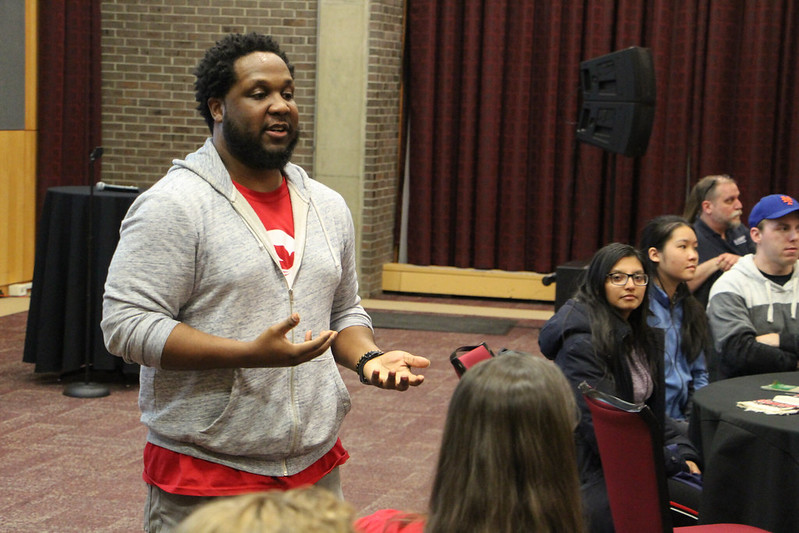 Reda, a 14-year-old boy from a low-resourced town in Morocco, is now a pre-med student at San Francisco State University, aiming to become a doctor for a nonprofit organization. His Peace Corps English teacher, Nathaniel, played a key role in his development. Since 1961, teaching abroad has been an impactful way to promote equity and create opportunities for social mobility.
Teaching Abroad
Teaching abroad as a form of equity shares similarities with Teach For America. Teach For America recruits recent, excelling graduates to teach in high-need areas. This allows aspiring teachers to grow their careers and students in low-income areas to receive a better education. Organizations like the Peace Corps work in a similar way. Participants for the Peace Corps need to have a bachelor’s degree, but no teaching experience is necessary. The volunteers then go on to teach in high-need areas across the world. Volunteers practice kindness by teaching their knowledge, empowering the students by equipping them with a better education.
History of the Peace Corps
The Peace Corps was established in 1961 by the United States (U.S.) President John F Kennedy through an executive order. The agency’s mission is to create friendship and peace with other countries through helpful engagement. The first countries ever visited were Tanzania and Ghana.
The Power of Education
Education enables social mobility. Obtaining a higher education is a reliable path to higher salaries and upward mobility. Among OECD nations, earning a college degree increases income by 54% compared to a high school diploma. Additionally, higher education has been shown to boost a country’s gross domestic product (GDP).
Since 1961, the Peace Corps has expanded its impact around the world. In its education sector, volunteers have taught more than 212,000 students in subjects such as English, literacy, math and science. The organization has served in 144 countries and supported local projects through in-person and online efforts. The Peace Corps also offers opportunities in other sectors, including health, economic development and engineering, allowing volunteers to choose how they want to serve.
Ongoing Challenges
Volunteers may experience culture shock, homesickness and language barriers. In addition, living conditions are often less resourced than what they are used to in their home countries. Volunteers are not paid a salary but receive a stipend along with room and board. Many use money saved from their home countries during their service.
According to the information on the Peace Corps website, teaching abroad as a form of equity can also be a way of travel. It can be an immersive and enriching experience to be in another country for an extended period of time. Likewise, teaching abroad can be a great career builder for students in social work, global health, international relations and education.
Looking Ahead
Through the Peace Corps and similar initiatives, teaching abroad continues to be a powerful force for global equity. By connecting volunteers with underserved communities, programs like these promote access to education, encourage cultural exchange and support long-term development goals. As stories like Reda’s show, a single educator can help unlock opportunities that last a lifetime.
– Andrea Roji
Andrea is based in San Diego, CA, USA and focuses on Good News for The Borgen Project.
Photo: Flickr
