
Bolivia is a state plagued with inequality and inadequate development, making it the poorest nation in South America. Poverty affects the majority of the population, with almost 40 percent of Bolivians living in extreme poverty. Despite the land’s rich natural resources, Bolivia’s lack of human development hinders the state’s economic, social and political progress.
Here are four reasons why Bolivia is poor:
Political Instability
In the 1980s, Bolivia found itself in a deep economic recession and, in turn, suffered from inflation, unemployment and overall stagnation. It took the country 25 years to rebound in terms of GDP per capita. Just as the nation recovered, the early 2000s saw an outbreak of political instability with the resignation of President Hugo Banzer in 2001, followed by four controversial presidents within the next five years.
This political impermanence was greatly due to the recent discovery of natural gas in Bolivia and the government’s plans to export the reserves. This caused violent discourse between the Bolivian population and the government.
Insufficient Education
Public school education in Bolivia is of extremely poor quality, particularly in rural areas where teachers are not likely to be properly trained. Unsurprisingly, private education is too expensive for most. Thus, a vicious cycle of poor families staying poor while wealthy families progress is very apparent; without a good education, it is almost impossible to escape poverty.
Lack of Clean Water and Sanitation
In rural areas, many people are forced to drink contaminated water, as they are without clean, natural or portable water alternatives. This puts communities at significant risk for disease and illness. Diarrhea is one of the most common and serious consequences of drinking contaminated water and is responsible for over one-third of deaths of Bolivian children under five.
Since the 1990s, access to clean water has improved significantly. However, this improvement is concentrated in urban areas, rather than the rural areas where sanitation is needed most.
Low Productivity in Rural Areas
More than 80 percent of Bolivia’s rural population lives below the poverty line, a fact that is largely due to the low productivity of small-scale farming. With no mass production techniques and frequent water shortages, the quality of product and the money said products generate remain low.
Furthermore, a basic lack of infrastructures, such as water management systems and roads, is also responsible for why rural Bolivia is so poor. Without roads, transportation is expensive and ultimately inhibits farmers’ profits.
Bolivia’s human development index ranks 104th out of 174 countries and territories. Lack of prosperous and equal human development is the biggest challenge facing the nation and is the foremost reason why Bolivia is poor. Fortunately, the Bolivian government recognizes this and has put forward a variety of programs to alleviate poverty. Poverty decreased immensely in Bolivia from 65.2 percent in 2002 to 35.7 percent in 2007, demonstrating Bolivia’s progress and dedication to assisting its impoverished citizens.
– Catherine Fredette
Photo: Google
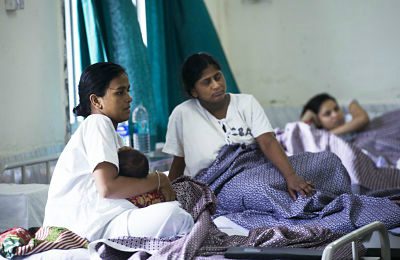 Non-communicable diseases (NCDs) account for 60 percent of deaths in India. In recent years, most common diseases in India are non-communicable, as opposed to the communicable diseases that dominated the charts in previous decades.
 An epidemic of yellow fever has recently emerged in rural areas of Brazil, with over 3,192 suspected cases reported, 758 cases confirmed and 426 deaths from the disease. The fatality rate for confirmed cases has risen to 35 percent as of May 18. Although it is not normally among the common diseases in Brazil, yellow fever poses a growing threat to Brazilian public health.


 In the remote regions of Pilbara, Australia, a train snakes through red dirt tracks, but the cargo it carries is one of a kind. The Aboriginal community of Punmu, 700 kilometers east of Newman, have DIY’ed their way into converting a couple of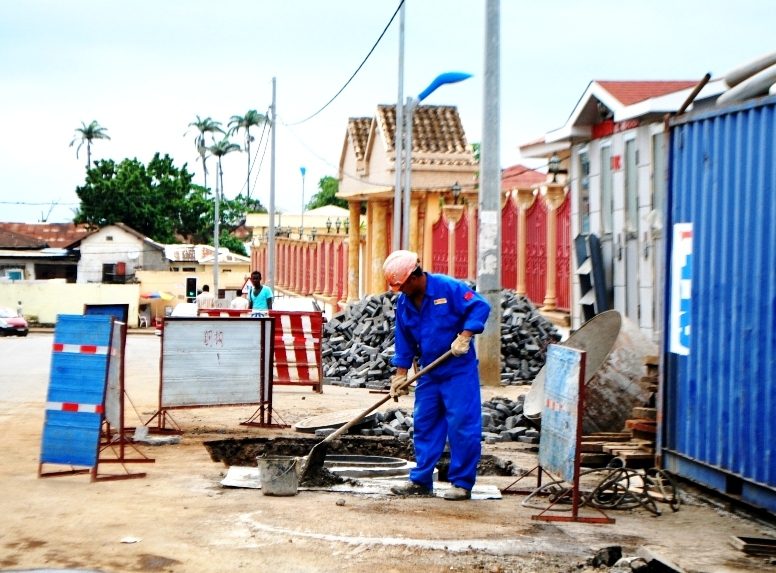

 Ghana is located on West Africa’s Gulf of Guinea and has a population of 27.41 million people. In 1957, Ghana became the first sub-Saharan country to gain independence. The 2017 Global Peace Index ranks the country number 44 in the world, placing it just below the U.K. and above France. Below are facts and figures in Ghana that are important to understanding how to improve poverty.