 A senior United Nations official claimed earlier in the year that the world faced the worst humanitarian crisis since 1945. The crisis he was referring to is the devastating famine which threatens to affect over 20 million people — 1.4 million of those being children — in the Horn of Africa and neighboring regions. Populations in South Sudan, Somalia, Yemen and Nigeria are at tremendous risk of starvation. A mixture of catastrophic circumstances including drought and war-fueled conflict have pushed the region to the brink of devastation; the situation could potentially reverse gains in economic development and destroy the livelihoods and future of a large swathe of the population. However, in spite of this calamitous situation, few people in the United States are aware of what is going on, and the situation gets little coverage in the press. Eight international relief organizations based in the U.S have decided to take action and have created a joint effort to address the famine in the Horn of Africa: the Global Emergency Response Coalition (GERC).
Earlier in the year, when senior U.N. official Stephen O’Brien claimed this was the worst humanitarian crisis in decades, he stated that an immediate injection of funds was necessary to avert the situation. “To be precise,” he said, “we need $4.4 billion.” This goal, however, has not been attained, and the international community has done little to reach that number. The Global Emergency Response Coalition, the first of its kind in the United States, has not established a concrete goal for its fundraising; however, the organization admits that it is far short of raising enough to fully solve the crisis. A big part of the joint effort to address the famine in the Horn of Africa is to create a campaign of awareness throughout the press and social media to bring attention to the issue.
The Global Emergency Response Coalition is formed by CARE, International Medical Corps, International Rescue Committee, Mercy Corps, Oxfam, Plan International, Save the Children and World Vision. Several companies have also committed to the joint effort to address the famine in the Horn of Africa; Pepsico and Blackrock have promised to match up to $1 million each for every dollar donated.
The situation is most dire in Yemen, where 18.8 million people — two-thirds of the country’s population — need desperate aid, and more than 7 million people do not know where their next meal will come from. In South Sudan, more than 7.5 million people need aid, up by almost 2 million since last year.
You can help the joint effort to address the famine in the Horn of Africa by donating to the Global Emergency Response Coalition or by following the GERC on all social media channels and sharing their causes to help raise awareness.
– Alan Garcia-Ramos
Photo: Flickr
 Due to the Israeli-Palestinian conflict, the people of the Palestinian territories are under a tremendous amount of stress. Adding to their troubles is the fact that citizens also have to worry about the risk of contracting certain diseases.
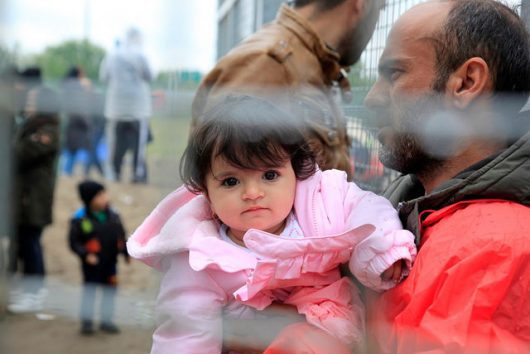 Hungary is going through a drastic transformation. The nation was deeply shaken by
  Situated in the mountains between Spain and France, it’s easy to forget about Andorra, one of the smallest states in Europe. Because of its duty-free shopping, winter sports and hot summers, it is a popular destination for the eight million tourists that visit annually. Travelers enter the country from either France or Spain, since it has
  As a First World country,
  Men, women and children in developing countries face many common struggles. But women living in poverty must also contend with their own set of unique challenges, such as sexual violence and educational discrimination. Ahead are five organizations helping women in developing countries.
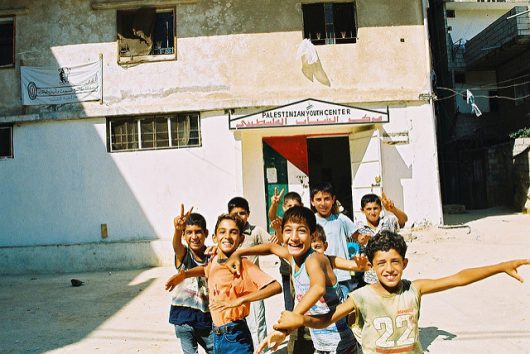 In order to provide an impoverished area with the necessary aid,
  Hepatitis C is an infection transmitted by contact with infected blood or other body fluids that can result in fatal liver disease. The World Health Organization (WHO) reports that Hepatitis C infects
  Mali is a country located in western sub-Saharan Africa with the third-highest fertility rate in the world at an average of six children per woman. Infant mortality stands at 100 deaths for every 1,000 live births, giving Mali the second highest infant mortality rate in the world.