Macedonia – also known
Macedonia, also known as the Republic of North Macedonia, is located in the Balkan peninsula in Southeast Europe. Macedonia declared peaceful independence from Yugoslavia in 1991 and has a population of 2.058 million people. The country has made progress in improving its economy and business environment; however, corruption and weak rule of law are still problems in Macedonia. Additionally, some businesses in Macedonia have complained about unequal enforcement of the law. Here are 10 facts about the poverty rate in Macedonia:
- Macedonia’s unemployment rate stood at 14.5% in 2022, a significant decrease from 26.4% in 2015. However, as of 2021, 34.1% of its youth were not employed.
- According to the Central Intelligence Agency (CIA), the unemployment rate may be overstated due to the existence of an extensive gray market, estimated to be between 20% and 45% of the gross domestic product (GDP). Official statistics did not capture this part of the data.
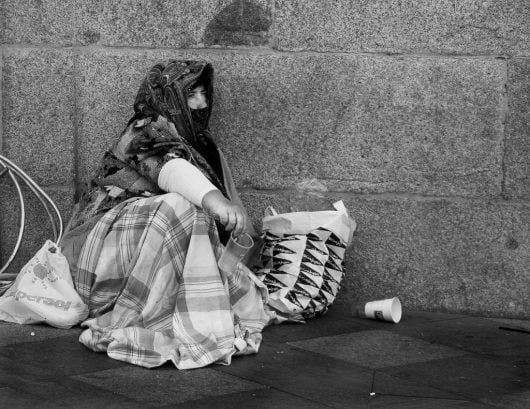
- About 21.8% of North Macedonia’s population lived below the poverty line in 2021, which means more than 450,000 Macedonia citizens are suffering from poverty.
- About 2.8% of Macedonia’s citizens lived on less than $2 a day. Additionally, according to the International Monetary Fund (IMF), nearly 10% of the total population has emigrated from the country to other European countries in the past two decades.
- The wealthiest 10% of Macedonia’s population controls 25-30% of the total income, while the poorest 10% holds 2-3% of the total income.
- Macedonia’s low tax rates and free economic zones help to attract foreign investment; however, foreign investment is still low relative to the rest of Europe.
- Macedonia’s GDP was $13.56 billion as of 2022, which was ranked 133rd on the GDP list compared to other countries around the world. However, according to the CIA, Macedonia has a large informal sector that may not be reflected in the data.
- Macedonia’s economy has been affected by its internal political crisis. GDP growth was 2.4% in 2016, 3.8% in 2015 and 3.6% in 2014. In addition, both private and public investments have declined in the past year.
- North Macedonia’s inflation rate was 14.2% as of 2022, up from approximately 11% in 2021. The increasing rate can be attributed to the COVID-19 pandemic, Russia’s invasion of Ukraine and the energy crisis.
- Macedonia’s government has made efforts to reduce poverty in the country. Specifically, in 2010, it implemented the National Strategy for Poverty Reduction (2010-2020) with the aim of improving the living conditions of all its citizens.
North Macedonia has been making progress in creating a better business environment. However, due to internal conflicts such as corruption and political problems, Macedonia has consistently missed its fiscal targets in the past few years. As a result, the poverty rate in Macedonia is still high. Reducing the unemployment rate and increasing foreign investment are the two major things that North Macedonia needs to focus on in order to reduce the poverty rate in the coming years.
– Mike Liu
Photo: Flickr
Updated: June 3, 2024
 Mainland China is in the midst of yet another outbreak of the Asian Lineage Avian Influenza A Virus, or Asian H7N9, and both the Chinese national government and several international organizations are scrambling to take a hold of the situation.
 When most people hear the word “Congo,” the country they are thinking of is The Democratic Republic of Congo. There are actually two Congos: The Democratic Republic of Congo and The Republic of Congo. This article will address The Republic of Congo, which is often simply referred to as “Congo.” Though there is a discrepancy there, there is very little difference between the effect that poverty has on these two African nations’ impoverished citizens and how to help people in the Congo.
 Human trafficking is a disturbing crisis that affects individuals of all ages, sexes and races at a global level. It is a crime that is often regarded as one of the most pressing human rights issues of our time. According to data from the National Human Trafficking Hotline, human trafficking in the United States
  According to the 2016 Trafficking in Persons Report, Peru is a source, destination and
  As poverty rates across the globe continue to fall, urban centers continue to grow and people increasingly have
  Benzair Income Support Program’s (BISP) University Poverty Graduation Buddy Program graduates Pakistanis from poverty, improving their livelihoods and investing in their futures.
 The world is changing its mindset toward poverty and realizing that poverty is not a permanent problem. Generating solutions to make poverty preventable, including providing technological tools for success, growing a population’s knowledge with education and creating innovative methods for environmental sustainability create and maintain productive and growing countries.