The Success of Humanitarian Aid to Swaziland
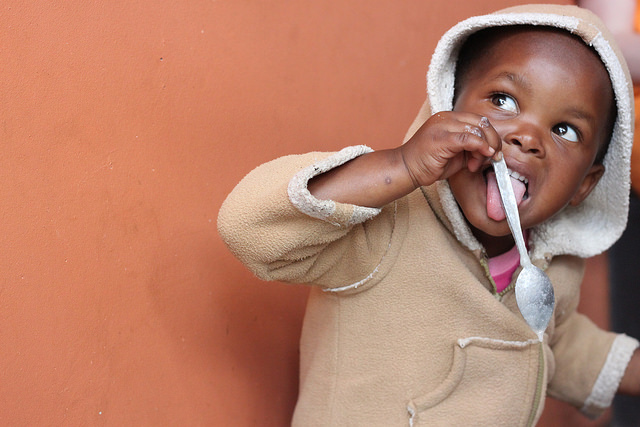 Swaziland currently suffers from food insecurity, inaccessibility to hygienic water and from an abundance of orphans. Many organizations are working with the government to bring the success of humanitarian aid to Swaziland.
Agriculture
There is a high dependence on agricultural farming, with 77 percent of Swazis relying on it, to bring food and income to their families. As a response to droughts, among other things, there has been a decline in agricultural performance, leading to a reduction in income and a spike in the price of food. The Annual Vulnerability Analysis Assessment of 2017 recorded around 159,000 Swazis experiencing food insecurity.
The World Food Programme (WFP) responded by initiating the Food by Prescription project, providing 11,000 malnourished people with a monthly balanced diet. The project also includes monthly household rations for families. WFP is also addressing long-term nutrition solutions by working with the Swaziland government to monitor food insecurity, integrate nutrition awareness and include underrepresented minorities into the analysis.
Since 2013, the Scaling Up Nutrition (SUN) Movement also contributes to the success of humanitarian aid to Swaziland. The movement implements a number of programs like the Integrated Management of Acute Malnutrition which aims to improve nutrition on a national level.
The Government of Swaziland has taken the issue into their own hands by creating the Swaziland National Nutrition Council (SNNC) and teaming up with the Food Security and Nutrition Forum, Child Health and Nutrition Forum, Micronutrient Alliance and the Water and Sanitation and Hygiene (WASH) Forum.
Water
While drought hinders agriculture, it also limits the availability of clean drinking water. UNICEF aided with Swaziland’s implementation of the WASH in Schools (WinS) program, which is a piece of the Child Friendly School framework that aims to achieve quality education throughout Swaziland.
Through hygiene training and through the improvement of hygienic resources, 95 percent of the 757 targeted schools gained access to sanitation facilities by 2010. Although there is more room for improvement, 64 percent of these schools progressed in the overall access to quality water.
Children
Swaziland has a significant number of orphans, due to a high rate of parental deaths and other families’ inability to take in more mouths to feed. A 2010 study recorded around 10-15 percent of Swazi head of households being children, rather than parents. Swaziland has created social service centers called Kagogo centers to aid children in need, in response to the limited number of orphanages.
WFP stepped in, providing 52,000 orphans with monthly meals through other daycare type centers within neighborhoods. The project also implements access to basic education, psychosocial support and health services. Additionally, Swaziland made all primary schools free for students in 2011, which led to orphans gaining access to education, school meals and quality water and sanitation.
Through WASH and nutritional means, one can witness the success of humanitarian aid to Swaziland.
–Brianna White
Photo: Flickr
