People Living With HIV/AIDS in Samoa
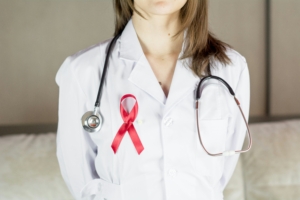 HIV/AIDS places a heavy burden on the health care system of Samoa, which already is known to operate with limited resources. Managing the disease requires consistent access to antiretroviral therapy, testing and long-term care services that are costly and not always easily accessible. These costs can lead to financial hardship for affected families, driving them deeper into poverty. Additionally, as individuals become too ill to work, household incomes shrink and national productivity declines.
Health Care Capacity: Data-Driven Constraints
As of 2022, Samoa allocates 6.3 % of its gross domestic product (GDP) to health, one of the highest rates among Pacific Island nations, compared to a global average of 9.8%. However, this spending is stretched: the government covers approximately 75% of that, with external aid contributing 13% and out-of-pocket spending comprising 11%.
Despite this investment, Samoa’s health workforce remains critically low, with only 0.55 physicians per 1,000 people. This falls far below the global average of 1.7 and the European Union’s 4.1 per 1,000. The World Health Organization (WHO) recommends at least 2.5 medical professionals (including nurses, midwives and physicians) per 1,000 people, yet Samoa’s national average remains below that. Rural areas fare worse, with just one health worker per 1,000 people, while some urban centers report up to eight per 1,000, according to International Health Strategies.
The imbalance means rural communities are underserved, central hospitals are overburdened and preventive outreach is limited. Faced with a dual disease burden, noncommunicable diseases like diabetes and rising infectious threats like HIV and Tuberculosis (TB) limit the workforce and curtail Samoa’s ability to mount widespread prevention and treatment campaigns.
HIV/AIDS in Samoa
As of the most recent public reports, Samoa has reported only 12 individuals living with HIV, all receiving antiretroviral treatment and in stable health, with no new locally acquired cases since 2020. A national population of approximately 216,000 (2023) means HIV prevalence is 0.005%, far below the Western Pacific regional average of 0.1%. Since 1990, 24 total cases have been recorded, with 11 still living as of the 2016 UNAIDS report. Still, low testing rates, 4–5 % of the population yearly, suggest some infections may go undetected.
People living with HIV/AIDS in Samoa often face significant stigma, leading to discrimination in their workplace and their communities. This social exclusion contributes to job loss and a lack of access to support services. This traps individuals in cycles of poverty. In a small economy, where every job counts, the loss of employment due to health-related stigma is especially damaging.
Global Support and Development Goals
International aid has been vital in Samoa’s fight against HIV/AIDS, funding prevention and treatment efforts that also strengthen education and health care. Viewing HIV as both a health and development issue makes aid more impactful and sustainable.
A key project supporting Samoa’s HIV response is the Global Fund–backed Multi-Country Western Pacific Integrated HIV/TB Program. It was implemented by the United Nations Development Project (UNDP) and Samoa’s Ministry of Health. The program focuses on testing, prevention, treatment and community outreach across 12 Pacific nations.
Conclusion
HIV/AIDS in Samoa is more than just a medical concern. It is a challenge that intersects poverty, social justice and economic development. Combating the epidemic requires medicine, education, compassion and strong international partnerships.
– DeMarlo Jon Gray
DeMarlo is based in Long Beach, CA, USA and focuses on Global Health and Politics for The Borgen Project.
Photo: Unsplash
