• Link to X
  • Link to Facebook
  • Link to Instagram
  • Link to TikTok
  • Link to Youtube
  • About
    • About Us
      • President
      • Board of Directors
      • Board of Advisors
      • Financials
      • Our Methodology
      • Success Tracker
      • Contact
  • Act Now
    • 30 Ways to Help
      • Email Congress
      • Call Congress
      • Volunteer
      • Courses & Certificates
      • Be a Donor
    • Internships
      • In-Office Internships
      • Remote Internships
    • Legislation
      • Politics 101
  • The Blog
  • The Podcast
  • Magazine
  • Donate
  • Click to open the search input field Click to open the search input field Search
  • Menu Menu

Archive for category: Global Poverty

Key articles and information on global poverty.

Electricity and Power, Global Poverty

Renewable Energy in Slovenia: Ending the Energy Poverty Gap

Renewable Energy in SloveniaMany families suffer from a wide gap in access to energy to properly support themselves and their homes. Presently, Slovenia is currently working on engaging hydro-energy in their nationwide effort to redistribute access to both sustainable and efficient energy for their lower-income citizens. Here is information about renewable energy in Slovenia.

An Overview of Renewable Energy in Slovenia

As an overview, one-third of Slovenia’s energy comes from hydroelectric sources, with the other two-thirds coming from renewable energy in Slovenia that encourages a lowering of greenhouse gas emissions.

Utilizing the power of the Sava River, rushing water powers the hydro-electric plants to become renewable energy in Slovenia. Indeed, along the banks of the Sava River, is home to many small and large plant chains that all work together to produce energy leading into a single unit. In total, there are four Slovenian plants generating power on these banks to effectively and, most importantly, sustainably power the nation.

Not only are these plants and renewable sources that have spread all over the nation sustainably generating Slovenia; these renewable sources have led to the opportunity for many low-income families that did not have access to energy to power their homes properly. 

Energy Poverty in Slovenia

As it stood in 2023, the percentage of Slovenian families that experts considered energy-poor households was at 7.2%, with an even larger number of 41 million people across Europe unable to power their homes. Within a faction of the Slovenian government, the Eco Fund as it is noted, promotes projects that invest in support of lower-income families to gain energy access in their homes sustainably; which includes the promotion of hydro-electric plants. The Eco Fund looks to support projects across Slovenia that reduce carbon and greenhouse emissions while reducing energy waste.

The tools the Eco Fund plan to utilize include properly insulating roofs, installation of energy-efficient windows and replacement of heating devices, along with the spread of renewable energy in Slovenia broadly. All of these tools give lower-income families the chance to both save money and power.

Using these plans to efficiently power the nation, the Eco Fund looks to cut energy-poverty almost in half. With the investment of proper tools in lower-income homes, the Eco Fund seeks to reach by 2026 the use of renewable energy in Slovenia to almost 8,000 homes within lower-income communities.

Looking Ahead

Looking into the future, it is clear that the chance for Slovenia to reduce improper energy use and the energy poverty gap within its nation is something that will be reduced soon. Slovenia and the Eco Fund work to not only reduce energy-use but the poverty gap that is present in their nation to broadly expand chances for citizens to live better lives. 

In a broader lens, Slovenia’s example of changes with its Eco Fund offers a look into the reduction of energy cost and carbon and greenhouse emissions that should be more accessible for all in the future. Furthermore, this investment gives a look into how being sustainable is a well-rounded opportunity that helps the poverty gap for lower-income families and helps countries become less energy inefficient as a whole.

– Angelina Tas

Angelina is based in Cleveland, OH, USA and focuses on Good News and Technology for The Borgen Project.

Photo: Flickr

July 23, 2025
https://borgenproject.org/wp-content/uploads/borgen-project-logo.svg 0 0 Jennifer Philipp https://borgenproject.org/wp-content/uploads/borgen-project-logo.svg Jennifer Philipp2025-07-23 01:30:162025-07-22 13:28:27Renewable Energy in Slovenia: Ending the Energy Poverty Gap
Global Poverty, Government

How Colombia’s New Labor Law Can Help Reduce Poverty

Colombia's new labor lawColombia’s new labor law, signed into effect by Colombian President Gustavo Petro on June 26, is intended to support workers’ rights by delivering job stability, increased benefits and ensured protections. While the law is popular among trade unions, it stalled in Colombia’s congress as the opposition claimed it would detriment employment and businesses. New benefits for workers are expected to increase costs for business owners, but providing workers with more power within their industries can reduce poverty.

Aims of Colombia’s New Labor Law

  • Workday and overtime reforms. The law redefines the standard workday as eight hours and caps overtime at two hours per day or 12 hours per week, ensuring that workers cannot be exploited with extended hours. Salaried workers’ overtime, Sunday and holiday pay will rise, with Sunday and holiday rates set to progressively increase from 75% to 100% over three years. In addition, employers will have to provide higher compensation for overnight work, which has been redefined as 7 p.m. to 6. a.m. For workers, these reforms will likely result in higher earnings for those in service sectors, retail, hospitality and logistics. At the same time, employers may see increased labor costs, especially for businesses relying heavily on late or weekend shifts.
  • Mandatory contracts. Colombia’s new labor law limits the use of short-term and fixed-term contract workers to encourage stable job growth and retention. Indefinite-term contracts will now be the standard, allowing workers to agree to a job for an undefined period. Fixed-term contracts will convert to an indefinite agreement if they extend more than four times or exceed a timespan of five years. This change will give employees more job stability and predictability, less flexibility for seasonal hiring and more long-term obligations for employers.
  • More benefits for gig workers. Employers will be required to provide gig-economy workers, like food delivery drivers, with medical coverage and social security benefits, in addition to formally classifying these workers as freelancers. Employers will be subject to higher compliance costs and restructuring of their business models. However, workers will be granted better access to health care, job protections and fairer treatment.
  • Supporting remote work. Provisions regarding telework in Colombia’s new labor law provide a connectivity allowance for remote workers who earn up to twice the minimum wage. Also, it requires companies, depending on their size, to offer remote work to their employees.
  • Emphasizing worker protections. Anti-discrimination laws were expanded with this bill and included pregnant women, disabled workers and employees nearing retirement. This enactment will help enhance diversity and equity in the workplace.
  • Uplifting community members and child care. Around 69,000 community mothers who provide care and education to children in their communities will be officially incorporated into Colombia’s Institute of Family Welfare. This state entity reaches around three million Colombians and provides support services for children and families. With this enactment, community mothers will have more state assistance and access to necessary resources. This is likely to positively impact the care they can provide the children under their supervision.&
  • Protecting students. According to the bill, student interns must be provided monetary compensation and benefits such as vacation time and severance pay. Around 400,000 students who participate in internships will gain complete labor rights and full pay.

How It Can Help Reduce Poverty

With increased access to reliable contracts and government support, workers in Colombia can more effectively sustain jobs to support their families. In addition, poverty can be ameliorated by providing workers with easier access to welfare benefits and higher minimum wages. For workers in Colombia, these reforms subsidize the amount of income they are spending on necessary services, leaving room for emergencies and adequate nutrition.

Formalizing the gig economy, paying workers more and limiting atypical contracts are expected to increase labor costs. However, these reforms have the promising potential to underpin the workforce, provide fair compensation and benefits and help sustain poverty reduction by offering workers viable and endurable opportunities.

As employment in Colombia steadily rises, workers must be supported with effective social services and protected by enforced labor laws. Compliance from employers, government oversight and support for workers and businesses will be critical to improving conditions for Colombian workers and effectively reducing poverty throughout the country.

– Erin Hellhake

Erin is based in Old Bridge, NJ, USA and focuses on Global Health and Politics for The Borgen Project.

Photo: Unsplash

July 22, 2025
https://borgenproject.org/wp-content/uploads/borgen-project-logo.svg 0 0 Lynsey 2 https://borgenproject.org/wp-content/uploads/borgen-project-logo.svg Lynsey 22025-07-22 07:30:302025-07-22 13:21:54How Colombia’s New Labor Law Can Help Reduce Poverty
Education, Global Poverty, Women's Empowerment

Investing in Girls’ Education in Malawi

Girls' Education in MalawiIn Malawi, many girls, especially those living in rural areas, face steep challenges in staying in school. While more girls are enrolling in primary education than ever, many are forced to drop out long before graduation. Early marriage, poverty, long and often unsafe journeys to school and a lack of menstrual hygiene products are just some of the obstacles that stand in their way. Nearly 42% of girls in Malawi are married before their 18th birthday, which often ends their education early. These barriers not only limit their potential but also deepen cycles of poverty and inequality that affect entire communities.

CAMFED: Scholarships and Mentorship

The Campaign for Female Education (CAMFED) has made significant strides in Malawi by providing holistic support for girls’ secondary education. Since its launch, CAMFED Malawi has supported more than 646,000 students by covering school fees, uniforms, books and menstrual supplies. It has also trained 4,710 students in government schools with essential services and mentorship through its Learner Guide model.

CAMFED fosters long-term educational engagement through its alum network, the CAMFED Association. The association reached nearly 110,000 students in 2023 with mentoring, life-skills development and leadership training. These initiatives are directly credited with boosting retention and completion rates among rural girls.

Let Girls Learn Initiative

In Malawi, the Let Girls Learn initiative, backed by USAID and the U.S. Department of State, led to focused efforts that helped more girls continue their education beyond primary school. One of the key projects, called Apatseni Mwayi Atsikana Aphunzire (AMAA), was carried out by Save the Children and Concern Worldwide across five districts. The program built girl-friendly school facilities, supported girls’ transitions to secondary school and offered life-skills training to boost their confidence and resilience.

Globally, the Let Girls Learn program contributed $25 million to support locally driven education programs in 13 countries, including Malawi. These efforts addressed major obstacles such as school fees, period poverty and child marriage while promoting leadership, inclusion and long-term access to learning.

National Strategy and Policy Reform

The government of Malawi has prioritized gender equity in education through its National Strategy for Girls’ Education. The project integrates school access with child protection, gender-based violence prevention and reproductive health education. The strategy supports the re-enrollment of young mothers, the enforcement of anti-child marriage laws and teacher training to create safe and inclusive learning environments.

Implemented with organizations such as UNICEF and the Global Partnership for Education, this policy framework addresses the systemic and social causes of girls’ dropout rates.

Building a Brighter Future

The combined impact of local nonprofits, international partnerships and national education reforms is reshaping the landscape for girls in Malawi. Programs like CAMFED have supported thousands of students. A recent World Bank report highlights that investing in girls’ education is one of the most effective ways to reduce poverty, improve health outcomes and promote gender equality.

Educated girls are more likely to delay marriage, have healthier families and contribute to economic growth. By supporting comprehensive approaches that combine schooling with health, mentorship and legal protections, Malawi is laying the foundation for a more equitable and prosperous future.

– Joseph Hasty

Joseph is in Winter Park, FL, USA and focuses on Global Health for The Borgen Project.

Photo: Flickr

July 22, 2025
https://borgenproject.org/wp-content/uploads/borgen-project-logo.svg 0 0 Lynsey 2 https://borgenproject.org/wp-content/uploads/borgen-project-logo.svg Lynsey 22025-07-22 07:30:272025-07-22 13:22:11Investing in Girls’ Education in Malawi
Global Poverty, Health

Health Reforms in Uganda

Health Reforms in UgandaLocated in East Africa, Uganda is landlocked between South Sudan, the Democratic Republic of the Congo, Kenya, Tanzania and Rwanda. Since the late ’80s, when the current government came into power, Uganda has been aiming to improve its health care system through changes in financing, centralization and engagement with the private sector. Health reforms in Uganda are implemented to address infrastructure, human resources and access to health care.

Ministry of Health Strategic Plan

Uganda’s Ministry of Health Strategic Plan (2020/21–2024/25) guides the country’s health sector priorities in alignment with the National Development Plan III and Vision 2040. It focuses on improving access to quality health care, enhancing health system efficiency and promoting disease prevention.

The plan emphasizes universal health coverage, infrastructure development, human resources and digital health integration. It also outlines strategies for strengthening governance, financing and community health systems to achieve better health outcomes and resilience.

Sector-Wide Approach

In the early 2000s, Uganda’s Ministry of Health implemented a Sector-Wide Approach (SWAp) as part of its broader health reform strategy. This model aimed to align all stakeholders, the government, donors and implementers, under a unified national health plan. While decentralization of the health sector had already begun in the ’90s, SWAp helped reinforce the process by channeling resources and decision-making to local governments.

A key advantage of SWAp was its role in reducing aid fragmentation. By encouraging pooled funding and sector-wide planning, the approach helped prioritize high-impact investments in alignment with national goals. Though some major global health donors operated outside the SWAp framework, the model enhanced coordination and accountability for many key health programs.

SWAp also strengthened district-level governance. It provided Uganda’s districts with planning, monitoring and performance review tools, while increasing attention to health information systems and evidence-based management. Though the SWAp was initially successful, its impact has declined due to capacity constraints and a weakening Ministry of Health.

The National Health Insurance Scheme

Uganda is currently seeking to establish a National Health Insurance Scheme (NHIS) to improve financial risk protection through pooled contributions, where wealthier individuals subsidize others. Although Parliament passed the NHIS Bill in March 2021, the President has not yet signed it into law. Furthermore, the revised version is pending Cabinet approval.

Currently, health insurance coverage in Uganda remains extremely low. Only around 1% of the population is insured, leaving the vast majority exposed to high out-of-pocket health costs. Many households are pushed into poverty due to medical expenses, particularly in rural areas where access to care is limited.

The proposed NHIS, if enacted, would pool contributions from citizens, allowing those with greater financial means to help offset health care costs for lower-income Ugandans.

Moving Forward

Through its strategic health plan, Uganda has formulated a solid plan for moving forward. The future of the health care sector in Uganda is bright, especially with reforms like NHIS, which could be a sustainable way to establish high-quality, accessible health care.

– Ariana Wang

Ariana is based in Dallas, TX, USA and focuses on Global Health for The Borgen Project.

Photo: Pixabay

July 22, 2025
https://borgenproject.org/wp-content/uploads/borgen-project-logo.svg 0 0 Lynsey 2 https://borgenproject.org/wp-content/uploads/borgen-project-logo.svg Lynsey 22025-07-22 03:00:252025-07-22 00:39:40Health Reforms in Uganda
Foreign Aid, Global Poverty

USAID Programs in Albania 2025

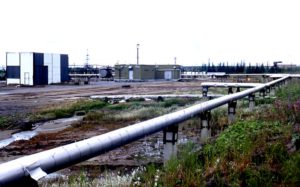
USAID Programs in Albania 2025In January 2025, the United States Agency for International Development (USAID) experienced a temporary freeze of most of its funding programs going to foreign countries. This temporary freeze allowed officials to re-evaluate some programs and revise funds distribution for more efficiency.

For USAID programs in Albania, statistics show that most funding supported peace and security efforts. To put it into perspective, out of the $21 million that USAID provided Albania in 2020, $16 million was for strengthening national defense, $4 million was for improving the governing democracy system and about $200 thousand was directed at economic growth. While part of this funding responded to the COVID-19 pandemic, these three areas have remained the primary focus of USAID programs in Albania.

USAID Compete SëBashku

As of 2025, Albania continues to receive funding from USAID, with several projects still up and running. Most USAID programs in Albania focus on the country’s economic growth, aiding the country’s democracy and supplying resources to help alleviate poverty. USAID Compete SëBashku works to bolster Albania’s economic functions. The program works to create more opportunities for businesses to start and grow, creating more jobs for underprivileged citizens and strengthening both the buyer and supplier networks in Albania. The program, launched in 2024, is in coordination with the European Union (EU) as well and has received $12 million from the U.S. alone to help bolster the agrifood system.

The CIDR in Albania

There has also been much work on improving cybersecurity; one of the USAID programs in Albania is the Critical Infrastructure Digitalization and Resilience (CIDR). A large-scale program operating in multiple European countries that USAID supports with funding. The plan is to conclude the program in 2026 by reaching the aim of strengthening the digitized use of government for Albania and the private sectors, making them much more resilient to cyber attacks or breaches of digital security. As Albania’s economy and business opportunities grow, strengthening cybersecurity can potentially ensure the safety of transactions and deals, while also assuring citizens’ personal lives.

Another project scheduled to conclude in 2026 is Improving Community Resilience (ICR). This program primarily targets neglected citizens and larger communities susceptible to poverty or strife. Furthermore, it involves providing media engagement in areas that don’t normally have it, other protection programs for women and young girls and encouraging an engaging community that lends a helping hand. The ICR supports the excluded, discriminated, conflicted and abused citizen. The program works to bring justice, health care, education and social protection to these individuals through the charitable actions of other citizens in social care services. 

Looking Ahead

USAID programs in Albania remain active, supporting long-term development through targeted efforts in governance, security and economic growth.

– Russell Bivins

Russell is based in Phoenix, AZ, USA and focuses on Good News for The Borgen Project.

Photo: Flickr
July 22, 2025
https://borgenproject.org/wp-content/uploads/borgen-project-logo.svg 0 0 Precious Sheidu https://borgenproject.org/wp-content/uploads/borgen-project-logo.svg Precious Sheidu2025-07-22 01:30:552025-07-22 00:21:11USAID Programs in Albania 2025
Agriculture, Food Security, Global Poverty

How Urine Fertilizer in Burkina Faso is Boosting Food Security

Urine Fertilizer in Burkina FasoIn Burkina Faso, smallholder farmers are grappling with a crisis that is both old and new: declining soil fertility and skyrocketing fertilizer prices. In a country where approximately 80% of the population depends on agriculture for their livelihood, even slight drops in yield can push families deeper into poverty. Now, an unusual solution is turning human urine into a powerful, low-cost fertilizer that could help farmers grow more food with fewer resources.

Urine Fertilizer in Burkina Faso

Human urine is naturally rich in nitrogen, phosphorus and potassium, the same nutrients found in commercial fertilizers. By separating urine at the household level using urine diversion toilets, farmers can collect, sanitize and apply it directly to their crops. According to a study in Burkina Faso, using urine fertilizer and compost together increased maize and eggplant yields by up to 90% compared to unfertilized plots.&amp;amp;amp;lt;/p&amp;gt;</p&gt;</p>

style=”font-weight: 400;”>Programs led by organizations like CIRAD and the Institut de Recherche pour le Développement are helping farmers in Burkina Faso and neighbouring countries adopt safe collection and application practices. These nutrient recycling pilots demonstrate that farmers can reduce reliance on expensive imported fertilizers while protecting groundwater from untreated waste runoff.

How it works

Simple ecosan toilets separate urine and feces, allowing households to store urine in sealed containers for a few weeks to kill pathogens. Once sanitized, the liquid can be diluted and spread on fields as urine fertilizer. A recent study in Mali found that farmers using urine fertilizer on rice paddies produced 1,623 kg/ha, outperforming plots fertilized with mineral fertilizer and achieved a benefit-cost ratio of 3.3. Farmer cooperatives and local nongovernmental organizations (NGOs) provide training on safe handling, dosage and storage, helping communities overcome taboos around human waste. Many see this as a crucial step for smallholders who struggle to afford chemical fertilizers, which can use 20% to 30% of their annual household budget. 

Benefits for Health, Food Security and the Environment

Urine recycling boosts both yields and reduces pollution. Poor sanitation systems in West Africa often leak nutrients into rivers and groundwater, harming ecosystems and drinking water supplies. By recovering the nutrients from urine for farming, communities can close the loop between sanitation and agriculture in a safe, circular way. This practice directly supports the Sustainable Development Goals (SDGs):

  • SDG 2 (Zero Hunger): Increasing food production for rural families
  • SDG 6 (Clean Water and Sanitation): Improving waste management 
  • SDG 13 (Climate Action): Replacing synthetic fertilizers whose production is carbon-intensive

Looking Ahead

Nutrient recycling is not so widespread in Burkina Faso, but the evidence shows it could be transformative for food security in regions where soil fertility is falling and fertilizer prices are rising. As farmer cooperatives expand training and share success stories, more communities may see that the solution to hunger can be as simple as the waste they flush away.

– Rebecca Lee

Rebecca is based in Scotland and focuses on Technology and Global Health for The Borgen Project.

Photo: Flickr

July 22, 2025
https://borgenproject.org/wp-content/uploads/borgen-project-logo.svg 0 0 Precious Sheidu https://borgenproject.org/wp-content/uploads/borgen-project-logo.svg Precious Sheidu2025-07-22 01:30:222025-07-22 00:27:03How Urine Fertilizer in Burkina Faso is Boosting Food Security
Agriculture, Global Poverty

Introducing Zero Budget Natural Farming in India

Introducing Zero Buget Natural Farming in India Investing in rural development in India is not only essential for uplifting rural communities but also crucial for supporting the nation’s environmental and economic growth. Rural sustainability seeks to improve the quality of life and overall well-being of people living in these areas. A key factor driving the urgent need for rural advancement is the ongoing agrarian crisis. Marginal farmers’ reliance on chemical inputs and the rising cost of agricultural materials have degraded fertile soil, yielding minimal economic returns and growing debt—ultimately adversely affecting the livelihood of people who depend on agriculture.

In response to these challenges, a promising solution has emerged in the form of Zero Budget Natural Farming (ZBNF), an efficient agricultural system that enriches soil naturally using materials such as cow dung, cow urine, jaggery, pulse flour etc. This approach enhances soil health, strengthens crop resilience against climate extremes and improves access to safe, affordable food. ZBNF holds significant potential to transform rural India by promoting ecological balance, economic resilience and sustainable livelihoods. 

The Practices and Principles of ZBNF

Zero Budget Natural Farming (ZBNF) was initially practiced by Masanobu Fukuoka, a Japanese farmer and philosopher, on the island of Shikoku. However, the method gained prominence in the 21st century through the work of Indian agriculturalist Subhash Palekar, who drew inspiration from traditional Indian farming techniques. To reiterate, ZBNF is an ecological and low-cost approach to agriculture that seeks to replace chemical inputs with natural resources, enabling farmers to cultivate without dependence on loans or market-purchased inputs. 

Palekar developed four core principles of ZBNF, referred to as the four wheels, each representing a foundational aspect of the practice: Beejamrit, Jeevamrit, Mulching and Waaphasa. Beejamrit is a natural microbial treatment applied to seeds before sowing, made using cow dung liquids comprising of local cow dung, local cow urine, and is designed to stimulate healthy germination.  Jeevamrit refers to the enhancement of soil microbes using an inoculum of cow dung, cow urine and jaggery, fostering soil fertility through biological means. 

Mulching involves covering the soil with crop residue, such as mulch, to retain moisture and regulate soil temperature. Waaphasa focuses on the building up of soil humus to increase soil aeration, which improves soil structure and reduces water usage. Under this method, irrigation—defined as applying water to crops artificially—is carried out only at noon and in alternate furrows.

The Impact

Researchers have increasingly observed that Zero Budget Natural Farming (ZBNF) holds the potential to substantially improve agricultural productivity when compared to conventional farming methods, which typically rely on synthetic fertilizers and chemical pesticides. Empirical evidence suggests that ZBNF practices increased by up to 22% for crops such as gram, lentil, soybean, black gram and red mash as compared to inorganic farming. This indicates a promising trend toward more sustainable yet productive agricultural systems. 

Further supporting these findings, a survey conducted in the state of Karnataka revealed that farmers who adopted ZBNF techniques experienced an impressive 79% increase in crop yields. Even more striking, a separate study carried out in Andhra Pradesh recorded an even higher yield improvement, with increases reaching up to 88% when utilizing ZBNF methods.

Nonetheless, it is important to recognize that agricultural practices are rarely universally effective and outcomes can vary significantly based on regional conditions, crop type and soil characteristics. For instance, a study conducted in the state of Telangana found that maize, in this particular case, yielded better results when grown using conventional farming methods rather than through ZBNF practices. This serves as a reminder that while ZBNF shows great promise, it may not consistently outperform traditional approaches across all contexts and crop systems. 

Ongoing Challenges

Despite the promising benefits of Zero Budget Natural Farming (ZBNF), it remains the subject of valid controversy, most notably, the concern that over a couple of decades or less, the soil may run out of organic matter, resulting in a catastrophic crash in food production across India. In other words, experts worry that ZBNF may mine nutrients from the soil’s organic matter, leading to long-term soil degradation, reduced crop yields and a potential collapse in food production if widely adopted without proper research.

Looking Ahead

This highlights the need for future research to reevaluate the long-term effects of ZBNF so that countries utilizing this practice can flourish both in the short term and the long term. The good news is that with timely, science-based evaluation and careful adaptation, ZBNF has the potential to evolve into a resilient, sustainable model of agriculture that benefits both farmers and the environment. 

– LaRaymee Lee

LaRaymee is based in Missouri City, TX, USA and focuses on Technology and Solutions for The Borgen Project.

Photo: Flickr
July 21, 2025
https://borgenproject.org/wp-content/uploads/borgen-project-logo.svg 0 0 Precious Sheidu https://borgenproject.org/wp-content/uploads/borgen-project-logo.svg Precious Sheidu2025-07-21 07:30:462025-07-21 02:00:52Introducing Zero Budget Natural Farming in India
Disease, Global Poverty, Health

Yemen’s Pervasive Health Care Crisis: Diseases Impacting Yemen

Yemen’s Pervasive Health Care Crisis: Diseases Impacting Yemen It has been more than a decade since the Yemeni civil war has thrust Yemen into one of the most dire humanitarian crises in modern history. Many of Yemen’s hospitals have collapsed or are now severely damaged by the prolonged political crisis, plunging Yemen’s health care system into a complete state of distress. As a result of its current state of political, economic and overall societal turmoil, 15.3 million Yemenis have no access to clean water, sanitation systems or hygiene supplies, leaving the majority of citizens at risk of exposure to diseases like cholera, diphtheria and measles. With a decline in feasible hospital facilities, sanitation systems and hygiene supplies, the risk of disease exposure has become even more probable in Yemen. Below are statistics highlighting diseases currently impacting Yemen and efforts that can potentially alleviate its current health care crisis.

Neglected Tropical Diseases (NTDs)

Neglected tropical diseases are diseases that stem from a combination of environmental conditions, poor sanitation infrastructure and poor health care conditions. Malaria, dengue fever, cholera and schistosomiasis are among only some of the most common NTDs. In 2022, an estimated 110,000 cases of malaria were reported in Yemen; there were more than 2.5 million suspected cases of cholera, accounting for the largest case of cholera ever reported. There have been annual reports of thousands of cases of dengue fever. These statistics cover only a fraction of NTD cases that currently taint Yemen’s health care system and are a product of its state of political strife, while simultaneously compounding Yemen’s current humanitarian crisis. 

Malnutrition

Malnutrition is one of the current prime causes of disease risk in Yemen. More than 18 million Yemenis currently struggle with food insecurity and at least 80% of its civilians currently live below the poverty line. More than 45% of children in Yemen suffer from malnutrition and the poverty crisis has left millions of Yemenis at risk of neurological, chronic and other long-term diseases like cystic fibrosis, renal failure, congenital heart disease and neuromuscular diseases.

The Impact of the COVID-19 Pandemic

The outbreak of COVID-19 completely exacerbated Yemen’s already severe health care and economic crisis. Due to Yemen’s severed health care system, there were only six COVID-19 testing sites available, a fairly limited amount of available protective equipment and a lack of health care professionals equipped to handle the consequences of the pandemic. The disruption of COVID-19 also caused a 19.6% decline in the influx of remittances, sequentially leading to an average 20% household income reduction. While the COVID-19 crisis has since smoothed over, the economic disruption has continued to pervade civilian life, as the percentage of Yemeni civilians susceptible to acute malnutrition and long-term chronic illnesses has increased since the start of the pandemic.

Looking Forward

While tragedy still persists in Yemen, there have been many initiatives dedicated to halting its humanitarian emergency. The World Health Organization (WHO) is currently providing medical aid to around 12.6 million people in Yemen, with an emphasis on alleviating acute malnutrition, improving maternal health care and improving disease surveillance, amongst many other focuses. 

UNICEF has also contributed to efforts in increasing health care services by providing primary medical care as well as vaccines, medical equipment and training. Doctors Without Borders has brought medical professionals to Yemen to support hospitals, health facilities and governorates throughout the country as well. The organization’s doctors have also been focusing on “maternal and child health, specialist and emergency care and responding to malnutrition and outbreaks of preventable diseases such as cholera, diphtheria and measles”. Through the efforts of Doctors Without Borders, medical teams in Yemen have admitted 165,200 people to hospitals, conducted 26,900 surgical interventions, enrolled 11,900 children in feeding programs and treated 12,800 patients for measles.

While many humanitarian organizations and nonprofits have contributed to alleviating diseases currently impacting Yemen, issues persist. Sustained humanitarian aid to countries like Yemen depends on continued advocacy to keep the issue a priority for lawmakers. This support is essential for achieving long-term, measurable change.

– Ava Lachini

Ava is based in Los Angeles, CA, USA and focuses on Global Health for The Borgen Project.

Photo: Flickr
July 21, 2025
https://borgenproject.org/wp-content/uploads/borgen-project-logo.svg 0 0 Precious Sheidu https://borgenproject.org/wp-content/uploads/borgen-project-logo.svg Precious Sheidu2025-07-21 07:30:202025-07-21 02:05:59Yemen’s Pervasive Health Care Crisis: Diseases Impacting Yemen
Child Soldiers, Global Poverty, Legislations and Policies

Child Soldiers in the Philippines

The Child Soldiers in the Philippines Despite widespread agreement that the use of child soldiers must end, the United Nations (U.N.) reported ongoing violations in dozens of countries in 2024. While 173 countries have ratified the Optional Protocol on the involvement of children in armed conflict, grave violations—including the recruitment and use of child soldiers—persist in conflict zones worldwide. Some countries, like the Philippines, have made significant progress in reducing violations. With support from the U.N., the Philippine government nearly halved its total number of violations and took major steps to address the widespread presence of non-state military groups such as the New People’s Army (NPA), the Moro Islamic Liberation Front (MILF) and the Moro National Liberation Front (MNLF) and their use of child soldiers in the Philippines.

Non-State Sanctioned Military Groups

Regardless of the year, the NPA has more often than not been responsible for the highest number of violations, reportedly accounting for 40% and 41% of the total in 2022 and 2024, respectively. The majority of the remaining violations were spread somewhat evenly among the other groups, though the Dawlah Islamiyah-Maute Group and the Armed Forces of the Philippines stand out as repeat offenders. As one may notice, the Armed Forces of the Philippines is a state military force, showing the government is not entirely free from blame; however, this group also showed the greatest reduction in violations, dropping from 21 in 2021 to 12 in 2023. In contrast, the Dawlah Islamiyah-Maute Group more than quadrupled its violations, rising from two to nine.

The Acts

Overall, the most common and consistent violations were killing and maiming, recruitment and attacks on schools, which together made up just under 95% of total violations in 2024; 43% in killing and maiming, 38% in recruitment and 12% in attacks on schools. The remaining 7% consisted of sexual misconduct, abductions and denial of humanitarian access. The acts were generally split evenly between areas, with one standout case of a disproportionate number (53%) of violations taking place in Mindanao, the second largest of the Philippine islands and one of the most populated islands in the world.

Looking Ahead

In 2021, the Armed Forces of the Philippines and the U.N. signed a strategic plan in order to improve conditions and lower the number of violations of child rights. There are now more than 3,100 trained child protection actors throughout the country. Furthermore, some regions have even established a regional reporting system so that civilians can alert authorities to violations. These, along with the 2019 issuance of the child protection policy by the Philippine police, have started great advances in Philippine child rights, with the data supporting the fact that the plan is showing results and reducing the number of child soldiers in the Philippines.

– Seth Christopher

Seth is based in Baltimore, MD, USA and focuses on Politics for The Borgen Project.

Photo: Flickr
July 21, 2025
https://borgenproject.org/wp-content/uploads/borgen-project-logo.svg 0 0 Precious Sheidu https://borgenproject.org/wp-content/uploads/borgen-project-logo.svg Precious Sheidu2025-07-21 01:30:082025-07-20 13:04:51Child Soldiers in the Philippines
Clean Water Access, Global Poverty, Health, Technology, Water Quality

Water Purification in Developing Countries: 5 Techniques

Water Purification in Developing CountriesIn 2025, approximately 2 billion people lack access to clean drinking water worldwide. Three criteria determine clean water access: water must be located at home, available when needed and free from contamination. Many families spend dozens of hours per week collecting water. In particular, women often travel long distances to collect water for their households. Collection locations do not always guarantee uncontaminated water.

Drinking contaminated water can spread disease and may be fatal for entire households. Fortunately, nonprofit aid organizations such as the U.N. Children’s Fund (UNICEF), World Vision and Water.org are implementing various water purification methods in developing countries. Decontamination technology, water infrastructure and sanitation education are vital resources in making safe water accessible to all. 

Methods That Make Local Water Safe to Drink

To make clean drinking water accessible, solutions rely on local water sources. Unfortunately, streams, rivers and lakes are often contaminated. Below are several methods used for water purification in developing countries.  

  1. Membrane Separation Technology. Reverse osmosis and ultrafiltration are the two most commonly used membrane separation techniques. Membrane separation uses high pressure to filter water through a porous wall. The permeable barrier prevents bacteria, pathogens and chemicals from passing, only allowing clean water through. Membrane separation technology is versatile and requires little maintenance, making it ideal for rural communities. Membrane separation is especially useful in preventing waterborne illnesses. 
  2. Chlorination. Water chlorination disinfects lakes, rivers and groundwater by adding a sodium hypochlorite solution to contaminated water, effectively killing bacteria and viruses. It is inexpensive, but excessive chlorine intake may pose health risks if used as a sole solution. 
  3. Solar Water Disinfection (SODIS). Solar water disinfection treatment uses ultraviolet rays to kill waterborne bacteria. It is inexpensive and ideal in circumstances where resources are scarce. Families fill 2-litre polyethylene terephthalate bottles with local water and lay them in the sun for six hours. SODIS is primarily valuable for household use, as it disinfects only small amounts of water at a time.  
  4. Filtration Systems. Biosand Water Filtration (BSF) is an inexpensive household filter, making water purification in developing countries domestically accessible. BSF consists of a large container with layers of washed sand and gravel. Local water is poured over the container. The sediment acts as a filter, trapping 90% of bacteria and 100% of parasites, which allows safe drinking water to flow through. 
  5. Wells and Aquifers. Digging wells is a common strategy for improving access to clean water in developing countries. Wells are either hand-dug or drilled underground and pipelines connected to a large pump draw groundwater from a local aquifer. Although wells are a more expensive solution, they can effectively supply water to an entire community.

Long-Term Solutions

Water infrastructure is essential for making clean water widely accessible. Treatment centers, pipelines and pumping networks help distribute decontaminated water over long distances. In Juba, South Sudan, UNICEF’s 2017 Lologo project established a water treatment plant that draws water from the Nile River, decontaminates it and pumps it throughout Juba and local camps. This is one of many infrastructure projects launched globally to support water purification in developing countries.

UNICEF’s Water, Sanitation and Hygiene (WASH) program ensures schools educate students on hygienic toilet use and clean water maintenance. In Bangladesh’s largest refugee camp, Kutupalong, children ages 10 to 15 participate in World Water Day art competitions, drawing images reflecting the importance of clean water and sanitation. WASH workers hold hygiene awareness sessions for Rohingya refugees of all ages to attend. 

Looking Ahead

Water purification is a vital step toward poverty reduction. With continued investment in decontamination methods and infrastructure, access to clean water may soon become a reality for all.

– Helen Cusick

Helen is based in Minneapolis, MN, USA and focuses on Good Newsn and Technology for The Borgen Project.

Photo: Flickr
July 21, 2025
https://borgenproject.org/wp-content/uploads/borgen-project-logo.svg 0 0 Precious Sheidu https://borgenproject.org/wp-content/uploads/borgen-project-logo.svg Precious Sheidu2025-07-21 01:30:072025-07-20 13:09:34Water Purification in Developing Countries: 5 Techniques
Page 151 of 2162«‹149150151152153›»

Get Smarter

  • Global Poverty 101
  • Global Poverty… The Good News
  • Global Poverty & U.S. Jobs
  • Global Poverty and National Security
  • Innovative Solutions to Poverty
  • Global Poverty & Aid FAQ’s
Search Search

Take Action

  • Call Congress
  • Email Congress
  • Donate
  • 30 Ways to Help
  • Volunteer Ops
  • Internships
  • Courses & Certificates
  • The Podcast
Borgen Project

“The Borgen Project is an incredible nonprofit organization that is addressing poverty and hunger and working towards ending them.”

-The Huffington Post

Inside The Borgen Project

  • Contact
  • About
  • Financials
  • President
  • Board of Directors
  • Board of Advisors

International Links

  • UK Email Parliament
  • UK Donate
  • Canada Email Parliament

Get Smarter

  • Global Poverty 101
  • Global Poverty… The Good News
  • Global Poverty & U.S. Jobs
  • Global Poverty and National Security
  • Innovative Solutions to Poverty
  • Global Poverty & Aid FAQ’s

Ways to Help

  • Call Congress
  • Email Congress
  • Donate
  • 30 Ways to Help
  • Volunteer Ops
  • Internships
  • Courses & Certificates
  • The Podcast
Scroll to top Scroll to top Scroll to top