 COPE Nepal is a youth-led organization that collects and analyzes information about COVID-19 in Nepal to help coordinate efforts to send resources to Nepalese communities hardest hit by the pandemic.
COVID-19 in Nepal
There is no country that has not felt the effects of the COVID-19 pandemic, Nepal included. The first case of COVID-19 in Nepal was detected on January 23, 2020, and the first case of COVID-19 that was locally transmitted was detected nearly two months later on April 4, 2020. On March 9, 2021, the country’s total COVID-19 case count reached 274,869 and total deaths reached 3,012.
Due to an inadequate healthcare system, COVID-19 is particularly concerning in a developing country such as Nepal. After the detection of the first local transmission, Nepal took significant steps to limit COVID-19 transmission. However, difficulties arose due to cases with unknown origins and overwhelmed quarantine centers. Self-isolation became the only option, which is harder for the Nepalese government to regulate.
The COVID-19 pandemic has also had a negative effect on Nepal’s economy. In the last fiscal year, Nepal’s economy contracted for the first time in 40 years. Tourists were not allowed to climb the country’s famous peaks due to COVID-19 restrictions, hurting an economy that is highly dependent on tourism. Furthermore, as a result of school closures and other factors, child marriage is on the rise in Nepal, threatening to reverse progress made toward keeping girls in school.
COPE Nepal
As Nepalese colleges and universities transitioned to remote learning and many young adults found themselves in a state of uncertainty, they embraced creativity and innovation. COPE Nepal is an organization that formed in response to the COVID-19 pandemic. A group of university students from data analytics, branding and communications backgrounds created COPE Nepal with the goal of collecting, presenting and disseminating data about COVID-19 in visual formats. According to the co-founder of COPE Nepal, Anup Satyal, the COVID-19 lockdown opened up more opportunities to make a meaningful impact in Nepal.
COPE Nepal’s Strategy
COPE Nepal’s strategy consists of four parts which are outlined in the acronym COPE:
- Coordinate efforts and responses with local government and NGOs
- Operationalize and allocate resources
- Personalize the COVID-19 response to each location
- Evaluate strategies and results on a daily basis
COPE Nepal has published a total of four reports showing the progression of COVID-19 in Nepal in a way that is easily understood by policymakers and average people. These reports are also easily accessible on the humanitarian information portal ReliefWeb.
On Instagram, COPE Nepal posted calls for individuals to share their accounts of the conditions in government quarantine facilities. Its Instagram also includes graphics and data from the four published reports and information about COVID-19 safety such as how to properly dispose of personal protective equipment (PPE).
A group of talented Nepalese university students started COPE Nepal out of a desire to help their country better respond to the COVID-19 pandemic. As Nepal transitions out of lockdown, COPE Nepal’s data collection and dissemination is important to ensure vulnerable populations are sufficiently protected from COVID-19.
– Sydney Thiroux
Photo: Flickr
 The high rate of preventable maternal mortality rates in developing countries continues to be a cause of concern. The World Health Organization (WHO)
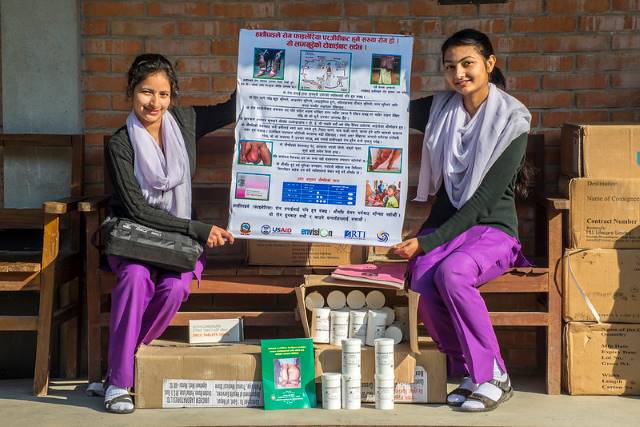 On November 12, 2020, members of the World Health Organization (WHO) voted overwhelmingly to adopt a bold set of plans to address the threat of neglected tropical diseases (NTDs) throughout the next decade. With this vote, the WHO endorsed a “road map” written by the Control of Neglected Tropical Diseases team to address neglected tropical diseases in the world’s most vulnerable regions.
  Although six African states issued legislation to prohibit female genital mutilation, the north African state of Sudan was lagging behind in these efforts. Female genital mutilation ( FGM) was illegal in some Sudanese states but the bans were widely ignored. Under the leadership of Omar al-Bashir, parliament rejected recommendations to ban the practice.
 Antimicrobial resistance, or AMR, is a growing trend among newly discovered viruses. The World Health Organization (WHO) identifies
 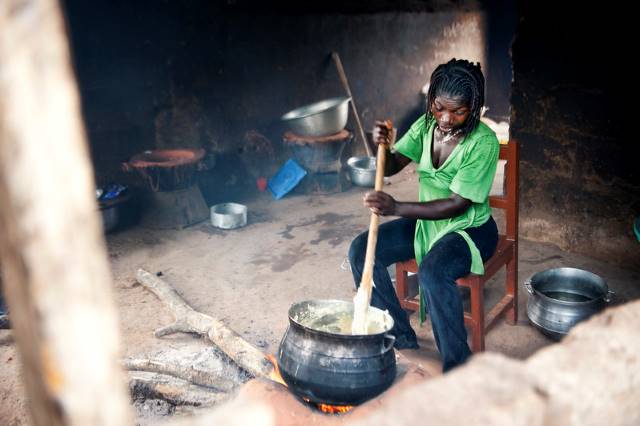 In North Darfur, a region of Sudan,
 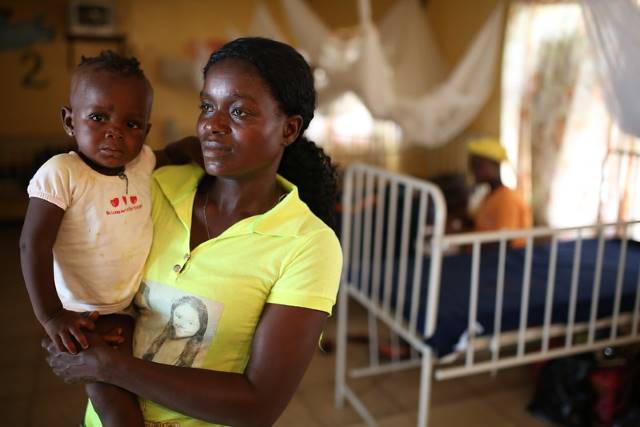 COVID-19 has understandably been the main focus around the world. In developed countries, many are new to health epidemics and the disruptions caused by them. But, in some parts of the world, widespread disease is not new at all and COVID-19 is not the only health concern. There are several other global health concerns during COVID-19. Some seem obvious, like malaria or HIV/AIDS. But, some have made less news, like a toxic goldmine in Ethiopia. These health crises also require assistance and aid from the international community.
 Although Malaria remains at the forefront of global health issues, malaria in Southeast Asia represents a success story in terms of mobilizing aid in the fight against the disease. In 2018, the World Health Organization (WHO) reported 8 million malaria cases, a
  The health of those living in developing countries links to impacts caused by lack of access to food, clean drinking water, shelter and health care. Recent inventions have come about with the aim of boosting health in the developing world.