• Link to X
  • Link to Facebook
  • Link to Instagram
  • Link to TikTok
  • Link to Youtube
  • About
    • About Us
      • President
      • Board of Directors
      • Board of Advisors
      • Financials
      • Our Methodology
      • Success Tracker
      • Contact
  • Act Now
    • 30 Ways to Help
      • Email Congress
      • Call Congress
      • Volunteer
      • Courses & Certificates
      • Be a Donor
    • Internships
      • In-Office Internships
      • Remote Internships
    • Legislation
      • Politics 101
  • The Blog
  • The Podcast
  • Magazine
  • Donate
  • Click to open the search input field Click to open the search input field Search
  • Menu Menu

Archive for category: Global Health

Information and stories about global health.

Children, Global Health, Global Poverty

Fighting the Infant Mortality Rate

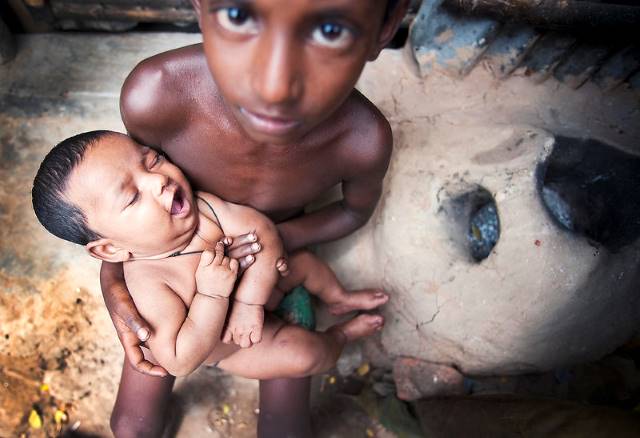
Infant mortality rateEvery year newborn babies take their first breaths after their mothers give birth to them. Around the world, these same mothers hope that their children will grow into adulthood without any major health complications hindering their development. Unfortunately, millions of babies have died within their first few months of life due to health issues. Those born in areas with populations vulnerable to poverty experience more frequent cases of infections compared to others living in better environments. Therefore, organizations around the world have implemented ways to lower the infant mortality rate. It is important to understand what causes high infant mortality rate (IMR) and what groups across the globe have been doing to help lower the rate over the years.

Infectious Diseases

Babies born in areas of extreme poverty are at higher risk of contracting an infectious disease compared to those delivered in more sanitary locations. Every year, an estimate of about 2.6 million lose their lives within their first month. Moreover, roughly 15% of the total amount of deaths are attributed to severe infections contracted. Many of those cases involving infections could have easily been lowered if the necessary medicine was available to help the babies recover. However, the issue is that these treatments are too expensive for most families to purchase even if it would save their children.

Additionally, there are many different infections and diseases that newborns can contract due to unsanitary environments during delivery. Data taken from the 1990s to 2017 recorded which infections and disease were the leading causes of deaths among children. The top cause of death for children under 5 was lower respiratory infections. After lower respiratory infections, preterm birth complications, birth asphyxiation and trauma were the next biggest reasons. In addition, there are many more problems that contribute to the high IMR early in its collection of data. However, one good piece of information is that since the 1990s, the IMR has lowered significantly.

USAID to the Rescue

The United States Agency for International Development (USAID) has worked with several partners to produce cost-effective measures to help lower the IMR, especially for those in poverty. Expensive treatments have been one of the main reasons why children die at an early age —  a terrible outcome just because their parents could not afford the necessary treatments. In order to solve this problem, USAID has helped manufacture chlorhexidine to save more lives at a significantly cheaper rate. Chlorhexidine is an antiseptic product that comes in a liquid or gel form. It helps to treat infections for newborns, thereby lowering the infant mortality rate by lowering the cost of the product. This single intervention has helped lower the IMR in multiple countries.

Lower IMR Guidelines

The Guttmacher Institute released data explaining that practicing family planning can greatly reduce the IMR in countries with areas of poverty. They recommend that more contraceptives be made available to those who wish to use it. That will increase the likelihood of women giving birth to healthier children if they choose to have any. The institute argues that people living in areas of poverty lack access to such resources. It is that very lack of resources that increase the odds of children contracting infectious diseases when born.

While there are still many factors contributing to the infant mortality rate, there are also many out there who are working to lower that rate. Organizations like USAID and the Guttmacher Institute are trying to make sure that as many children reach adulthood as possible. It is through simple measures like lowering treatment costs and increasing access to medicines and family planning options that infant mortality can be reduced globally.

– Donovan Baxter
Photo: Flickr

October 5, 2020
https://borgenproject.org/wp-content/uploads/borgen-project-logo.svg 0 0 Kim Thelwell https://borgenproject.org/wp-content/uploads/borgen-project-logo.svg Kim Thelwell2020-10-05 03:09:212020-10-05 03:09:21Fighting the Infant Mortality Rate
Global Health, Global Poverty

3 Groups Fighting Disease in Nicaragua

Fight Disease in NicaraguaIn Nicaragua, 30% of people live below the poverty line, making it the poorest nation in Central America. Not surprisingly, the risk of major infectious diseases in the nation was labeled as high in 2020. Therefore, a major step towards fighting poverty is to fight disease in Nicaragua.

The Foundation for International Medical Relief of Children (FIMRC), Project Hope, and AMOS Health and Hope all fight disease in Nicaragua with different approaches. All of these organizations have similar health-related missions and make a considerable impact on the lives of those in need. Both FIMRC and AMOS focus their efforts on the youth impacted by diseases rather than the entirety of communities. Project Hope can assist a wider range of ages as it focuses its efforts on a smaller region than the other organizations.

The Foundation for International Medical Relief of Children

The Foundation for International Medical Relief of Children is a nonprofit working to create sustainable health services for those in need. For almost two decades, the organization has been helping vulnerable health communities through three areas of pediatric clinical services, health education and special initiatives.

The organization’s Nicaragua program Project Limón illustrates its success. Limón is popular for tourists; however, the surrounding areas are considered vulnerable as many locals are left without health services. For instance, 17% of children 5 years and younger in Nicaragua are impacted by chronic malnutrition. FIMRC is working to lower this percentage and disease in Nicaragua in general by catering its program around community needs. After assessing their needs, the organization began to build clinics and provide medical care.

Project Hope

Project Hope focuses its health services on those suffering from diabetes. It also stands out as it concentrates on supporting health professionals. For instance, the organization trains and assists health care workers to maximize the number of people they can help. It places a large emphasis on education rather than aid.

Project Hope began fighting disease in Nicaragua through its partnership with the University of León. Through the partnership, the organization began to establish itself in the nation and support the health infrastructure. For instance, with the help of one of its partners, it administered over a million vaccines of Pneumovax to the population. Also, one of its successful programs benefitted nearly 9,000 women and children through “health education as well as micro-lending training.”

AMOS Health and Hope

AMOS Health and Hope has a broader plan of action compared to the other two groups. The group’s mission statement is to ensure children are not dying from preventable diseases. Similar to FIMRC, it works directly with the community it aims to help to develop long-term health solutions. Its solutions to fight disease in Nicaragua are based around three main pillars: treat, prevent and strengthen.

Although its mission statement is broad, AMOS only works within Nicaragua, catering towards those in vulnerable communities. Within the nation, its efforts help 24 different communities in need. Thus far, it has trained 670 health services workers in those communities and has helped 74,600 individuals.

Overall, although groups have different approaches to fighting disease in Nicaragua, their efforts all work to assist those in need of health services. Supporting the health workers and those in need ensures that both sides of the issue are met.

– Erica Burns
Photo: Flickr

October 3, 2020
https://borgenproject.org/wp-content/uploads/borgen-project-logo.svg 0 0 Kim Thelwell https://borgenproject.org/wp-content/uploads/borgen-project-logo.svg Kim Thelwell2020-10-03 12:12:572024-05-29 23:15:033 Groups Fighting Disease in Nicaragua
COVID-19, Global Health, Global Poverty, Health

How Somalia Has Converted its Polio Program to Fight COVID-19

Somalia is one of the few countries remaining with a risk of poliovirus transmission. The polio program in Somalia was established as a way to eradicate the virus completely as part of the global immunization effort. However, with the arrival of SARS-CoV-2, the polio program in Somalia has been stifled. Somalia ranks 194 out of 195 on the Global Health Security Index. The international recommendation for healthcare workers is 25 per 100,000 people; however, Somalia only has two per 100,000 people. The country also has only 15 intensive care beds for a population of 15 million. It is considered to be among the least prepared countries in the world to detect and execute a quick response to COVID-19.

Effects of the Pandemic on the Polio Program in Somalia

Many of the workers that are part of the polio program in Somalia have suspended all door-to-door immunization due to the ongoing coronavirus pandemic. With travel kept to a minimum, polio samples cannot be flown abroad to external medical labs for testing. In addition to this, millions of polio vaccines will expire in a matter of months.

The global polio immunization program paused at the end of March 2020, leaving more than 20 million workers and medical practitioners without work. The World Health Organization (WHO) estimates that the number of unvaccinated children could reach 60 million by June in the Mediterranean region.

The Polio Program Fights COVID-19

Polio surveillance systems are developed disease surveillance systems. This network of disease surveillance has been able to track the poliovirus and deploy medical teams throughout the world. Now, the polio program in Somalia has shifted its efforts to combat the COVID-19 pandemic. The system’s infrastructure, its capacity and the experience of its medical staff make it prepared to deal with the novel coronavirus. As of July 2020, Somalia had approximately 3,000 confirmed cases of COVID-19 with 930 recovered cases and 90 deaths. The number of actual cases is likely significantly larger, but many cases go undetected due to a lack of testing.

Thousands of frontline workers for the polio program in Somalia started curbing the spread of the coronavirus. These workers form rapid response teams trained to detect COVID-19 cases as well as to educate and raise awareness about the ongoing pandemic in Somalia. WHO’s national staff and local community healthcare workers have joined theses polio response teams, utilizing their resources and skills to tackle the virus.

WHO Support

These teams have traveled to remote areas in Somalia, providing critical information regarding physical distancing, hand-washing, detection of symptoms and prevention. With WHO’s aid, the program has acquired testing kits and equipment to evaluate potential cases of the virus. The surveillance teams have adopted the same procedures that they used for the polio program in Somalia for COVID-19. After collecting potential COVID-19 samples from suspected cases, the rapid response teams transport the samples to external laboratories for testing. Outside humanitarian agencies use the same protocols and operations that they used for the poliovirus.

Furthermore, the response teams continue polio immunization simultaneously with the COVID-19 response. It is essential for the polio program to continue immunization, as Somalia experienced a polio outbreak earlier this year.

How Other Countries Have Adapted

Other countries in the same region have realized the practicality of the polio network. They have accordingly redeployed their own immunization programs to fight COVID-19. For example, South Sudan has converted approximately 80% of its polio workforce to track coronavirus cases in the country. It has trained polio contact tracers to evaluate people for symptoms of COVID-19. Mali has also been engaging its own polio program in response to the ongoing pandemic.

Even though polio and COVID-19 do not have much in common, the polio program is an important tool to fight the pandemic. The Bill and Melinda Gates Foundation, in partnership with the WHO, has been working to equip these polio networks to help countries deal with the pandemic. The suddenness of the pandemic has left no time for countries such as Somalia to prepare. As such, the global polio immunization campaign is a valuable resource for this unprecedented emergency.

– Abbas Raza
Photo: Flickr

October 2, 2020
https://borgenproject.org/wp-content/uploads/borgen-project-logo.svg 0 0 Kim Thelwell https://borgenproject.org/wp-content/uploads/borgen-project-logo.svg Kim Thelwell2020-10-02 13:21:272024-05-30 07:52:06How Somalia Has Converted its Polio Program to Fight COVID-19
COVID-19, Global Health, Global Poverty

3 Countries With Positive COVID-19 Stories

positive covid-19 storiesThe COVID-19 pandemic has undoubtedly changed the world. While many countries have been devastated, three countries have positive COVID-19 stories: New Zealand, Thailand and Vietnam. Here are their positive COVID-19 stories and the lessons they learned from their experiences.

New Zealand

The pacific island nation of around 5 million people had a couple of different strategies in its response to COVID-19. In particular, unity within New Zealand and the nation’s neighboring countries played a big role in the country’s success against the virus. New Zealand offered to help its neighboring countries to prepare for the pandemic. To do so, the country offered health training and made sure that its island neighbors had supplies to fight the virus. Importantly, this unity in New Zealand bridged across political party lines when needed. This resulted in a massive stimulus package passed just weeks after the country’s first case. The stimulus totaled NZ$12.1 billion, around 4% of the country’s GDP. Included in the stimulus package is support for businesses, support for testing and health services and payments to those who couldn’t work because of the virus.

Caution also plays a big part in New Zealand’s success against the virus. The first case of the virus was detected on 28 Feb. 2020. Even before that, however, the government took measures to limit the possible damage of COVID-19. When New Zealand only had 283 cases, the government ordered all non-essential workers to work from home to limit the virus’s spread.

Moreover, the government came up with a four-level alert system to help people know how the virus is spreading. Level one means the disease is contained in New Zealand and level four means community transmission is happening and the disease is not contained. Given how much time the country has spent in the lower levels, its represents one of many positive COVID-19 stories that the whole world can learn from.

Thailand

Thailand is one of the countries that have positive COVID-19 stories. The Asian country of almost 70 million people was designated a success by the WHO. The economy of Thailand is one that is heavily built on tourism, with one-fifth of GDP coming from the tourist sector. However, since the virus has spread, the government of Thailand has had to make economic sacrifices to protect public health. The country had to close its borders to certain travelers, including many Chinese provinces. In addition, Thailand postponed many sporting events and held them without fans to slow the spread of the virus. In particular, Bangkok was in a partial lockdown with only essential services remaining open. Slowing down activity does hurt the economy, but it eases the blow of the virus.

Thailand has also mobilized more than 1 million health volunteers to help respond to the virus. In addition, the government’s health officials have taken the side of precaution throughout the pandemic. This includes rigorous hygiene and wearing face masks at all times. Moreover, Thai people have generally followed the advice of medical professionals, which has contributed to the Thailand’s COVID-19 success story. The Thai government also has one centralized administration, which helped with communication and organization throughout the pandemic.

Vietnam

Vietnam is also among countries with positive COVID-19 stories. Vietnam’s actions to deal with the virus came early and were aggressive, taking place before the virus even entered the country. This early and decisive action is one of the measures that helped Vietnam early on and controlled the virus’s spread. In early January 2020, Vietnam was already preparing for drastic action before there was a recorded case in the country.

Vietnam enacted travel restrictions, closed schools and enacted a rigorous contact and tracing system, while also canceling public events. Governmental communication was upfront and transparent. Consequently, this helped with public compliance to slow the virus outbreak. Vietnam has been one of the best countries in regard to wearing a face mask, which helps slow the spread of the virus. A coordinated media effort throughout Vietnam has also helped the public and government be on the same page in response to the virus.

Another reason Vietnam has been successful in limiting the spread of COVID-19 is its testing. The country tests everyone in quarantine whether they have symptoms or not. This helps slow the spread of the virus, because not everyone who is infected shows symptoms. As a result, younger people who may be infected but don’t have symptoms don’t infect those who may be at higher risk of death to COVID-19. While there was no nationwide lockdown, Vietnam did impose containment on certain areas to reduce the spread of the virus. In February 2020, when a small handful of cases were in the area of Son Loi, the government sealed off the area to prevent the spread of the virus.

What We Can Learn from These Countries

These three countries show positive COVID-19 stories despite a situation that has turned negative in so many countries. A few similarities have emerged between the countries and their success. One is the unity between government and people, which is important to building communication and trust. When citizens trust their government and can easily access clear guidelines, they are more likely to comply with health measures to reduce the spread of the virus. Another similarity between these countries is that it’s better to be cautious rather than reckless. This helps to slow the spread of the virus and make it easier to track. With all the hardship and destruction brought on by COVID-19, these countries with positive COVID-19 stories show how to keep as many people as safe as possible.

– Zachary Laird
Photo: Pexels

October 2, 2020
https://borgenproject.org/wp-content/uploads/borgen-project-logo.svg 0 0 Kim Thelwell https://borgenproject.org/wp-content/uploads/borgen-project-logo.svg Kim Thelwell2020-10-02 09:45:252024-05-29 23:23:353 Countries With Positive COVID-19 Stories
Global Health, Global Poverty

Women Overcome Obstetric Fistula in Nepal

Obstetric Fistula in Nepal
Many women in Nepal are shunned for obstetric fistula, even though they are completely preventable holes in the birth canal. One woman, Dhani Devi Mukhiya, recalls what the villagers in her community told her. They said it was “punishment for a sin” she committed in a previous life. Her relatives ignored her in public and her husband threatened to take a new wife. Unfortunately, this is the story for many women who suffer from obstetric fistula in Nepal, especially in rural areas. Both their communities and families shun them. However, one campaign is working to give them back the lives that have been taken away from them as a result.

What is an Obstetric Fistula?

An obstetric fistula is a small hole in the birth canal that leads to incontinence. The injury often results from childbirth complications, with high frequency in adolescent pregnancies. If left untreated, the hole can cause an infection, pain and depression resulting from severe shunning and social isolation. Obstetric fistula in Nepal is common because of high rates of child marriages, poverty and lack of access to care. The mountainous geography and rough travel conditions prevent many people from receiving the health services they need, as it is difficult to get to a hospital. more than 2 million marginalized women across the globe suffer from this complication. These women include child brides, those without access to money and those without access to maternal services.

Is it Preventable and Treatable?

Obstetric fistula has been practically eliminated in industrialized nations because of how easy they are to prevent and treat with access to maternal care. The main problem is that Nepalese women still lack sexual and reproductive health information and services. Due to this, 4,300 women live with obstetric fistula in Nepal, and there are 200-400 new cases each year. This statistic may not even be accurate; obstetric fistula in Nepal often goes unreported due to its high stigmatization.

The Good News About the Issue

This is the good news: the Campaign to End Fistula is actively working to give these women back their lives. Established in 2010, this program, supported by the UNFPA (United Nations Population Fund), provides surgery and post-op care for women in rural Nepal. The surgeries take place at B.P. Koirala Institute of Health Sciences, the only public, high-tech hospital in the region. Now, it is an obstetric fistula training center.

To these women, the surgery on offer is not just a surgery. It is a life without pain, a life without stigma and a life without isolation; it was like “walking out of prison” for Ms. Rajdhobi. The program resulted in the performance of 487 surgeries since 2012, and the issue is gaining awareness. Because of the efforts of the Campaign to End Fistula, May 23 is now celebrated as the International Day to End Obstetric Fistula in Nepal. The Campaign together with UNFPA has helped the world to recognize obstetric fistula as a public health issue and has enabled numerous advocacy programs. It will take time to end the stigma surrounding obstetric fistula, but great strides have been made.

– Fiona Price
Photo: Flickr

October 1, 2020
https://borgenproject.org/wp-content/uploads/borgen-project-logo.svg 0 0 Kim Thelwell https://borgenproject.org/wp-content/uploads/borgen-project-logo.svg Kim Thelwell2020-10-01 07:30:122020-09-30 08:01:50Women Overcome Obstetric Fistula in Nepal
Global Health

5 Facts About Diarrheal Diseases in Sub-Saharan Africa

diarrheal disease in sub-saharan africaEvery year, millions of children under the age of 5 die. Of those children, almost 40% come from Africa. The chance of death for a child living in Africa is seven times higher than that of a child in Europe. This marks the need for improved medical care and foreign aid, especially because many of these deaths are caused by diarrheal diseases. Diarrheal diseases are the second highest cause of death around the world, with over 1.5 million deaths each year. While any country’s children can be susceptible to this illness, developing countries have a marked disadvantage. Many of the countries in sub-Saharan Africa, where the disease is prevalent, don’t have access to proper sanitation, clean water or viable medical care. Here are five facts about diarrheal diseases in sub-Saharan Africa.

5 Facts About Diarrheal Diseases in Sub-Saharan Africa

  1. Mortality varies greatly by region. There is a higher prevalence of diarrheal diseases in sub-Saharan Africa, but especially in impoverished nations. Additionally, within sub-Saharan Africa, certain countries have much higher mortality rates than others due to these diseases. More than half of the global deaths that occurred in 2015 due to diarrheal diseases came from just 55 African provinces or states out of the total 782 that exist.
  2. The problem is partially economic. Diarrheal diseases don’t only impact the health of these countries’ citizens, but they also take a massive toll on the economy. An estimated 12% of governmental budgets go toward treating these diseases in some countries. Moreover, the World Bank estimates that almost 10% of these nations’ total GDP goes toward the treatment of these health issues. Individual members of each country also feel the monetary blow of obtaining treatment. In many of these countries, the salary of the average citizen is around $1.00 a day. One Kenyan mother named Evalyne was unable to save her son from a diarrheal disease because she couldn’t afford the $0.25 needed for oral rehydration therapy.
  3. There are more victims of these diseases than just children. A lot of the information about diarrheal diseases in sub-Saharan Africa focuses on children under the age of five. However, people over the age of 70 are also very susceptible to diarrheal diseases. The demographics of these two groups are unique. Most children die from diarrheal diseases in Chad, the Central African Republic and Niger. Nevertheless, most elderly people die from diarrheal disease in Kenya, the Central African Republic and India. The differences don’t end there. Most children who contract a diarrheal disease are plagued by the rotavirus, but the elderly have proven to be most prone to another virus named shigella.
  4. The diseases are treatable and even preventable with the right precautions. There are many precautions that can be taken to avoid catching diarrheal diseases in sub-Saharan Africa. One of the most important preventative actions is to do everything possible to consume clean water. Around the world, 40% of the population doesn’t have easy access to adequate sanitation. Many children and adults don’t have soap to wash their hands with after using the bathroom, and oftentimes, the water they use is contaminated. Washing one’s hands and working to improve local water supplies can drastically improve one’s chances against diarrheal diseases. Treating citizens with supplements like zinc and vitamin A can also lessen the severity of diarrheal episodes. Other than supplements and better water, oral rehydration therapy is a great way to treat the illness. Families can use oral rehydration at home by combining salt, sugar and clean water to prevent crippling dehydration. Another potential solution is a rotavirus vaccine.
  5. Education and competition can change the future. In some countries, access to clean water and proper sanitation seems impossible. However, providing communities with the resources and knowledge of how to improve sanitation and lower the risk of diseases has demonstrated that change is possible. In Cameroon, the World Wildlife Fund partnered with Johnson and Johnson to provide training and resources to the members of various communities. This helped them build more sanitary bathrooms and create new and viable water sources. One reason that these programs were so successful is that they created competitions among villages. This became a friendly way of motivating each other toward success.

Diarrheal diseases in sub-Saharan Africa continue to plague areas without clean water or access to healthcare. However, as time goes on, more and more programs and organizations aid in the control of these illnesses. For example, since 2018, ROTAVAC, a rotavirus vaccine, was prequalified by the World Health Organization for use in Ghana. This qualification is specifically focused on providing vaccines to those in countries without easy access to vaccination. Ghana is now the second country in Africa to place ROTAVAC as part of its program to immunize citizens against diarrheal disease. Doing this raises awareness across regions about a future where disease prevention is all the more possible.

– Lucia Kenig-Ziesler
Photo: Flickr

September 18, 2020
https://borgenproject.org/wp-content/uploads/borgen-project-logo.svg 0 0 Kim Thelwell https://borgenproject.org/wp-content/uploads/borgen-project-logo.svg Kim Thelwell2020-09-18 10:15:022024-05-29 23:23:155 Facts About Diarrheal Diseases in Sub-Saharan Africa
Global Health

Contributions to Aid for COVID-19 in Brazil

COVID-19 in Brazil
Brazil, the largest South American nation, recently recorded 100,000 casualties from the novel coronavirus (COVID-19). The country now has the second-highest figure of deaths linked to COVID-19. They come after the United States, which has over 150,000 casualties as of August 2020. President Jair Bolsonaro dismissed the effects of the virus out of concern for the nation’s economy. However, physicians working in the Brazilian Ministry of Health debated with him over the effects of social distancing. They also debated over the use of the controversial hydroxychloroquine on ill patients. Unable to come to an agreement with Bolsonaro, both ministers resigned from their position.

With conflicting views among Brazilian leaders on how to contain the virus, concerns start to rise. These concerns are about plans to mitigate the disease in Brazil, or the lack thereof. As the numbers increase, other leaders around the world have taken the initiative to halt the coronavirus’ spread in Brazil.

Environmental Activist Greta Thunberg’s Contribution

Greta Thunberg is a Swedish teenage activist prominent for mobilizing youth all over the world around the cause of global warming. She is donating $114,000 of prize money she received directly to efforts mitigating the coronavirus outbreak in the Amazon. She plans to send it to SOS Amazônia, a nongovernmental organization focused on protecting the Amazon rainforest. It also focuses on providing access to food, healthcare and hygiene to indigenous communities in the most vulnerable regions. This is not the first time Thunberg has contributed financially to weather the effects of the pandemic. In May 2020, she donated an additional $100,000 of the award money to UNICEF to protect children from the coronavirus. By aiding Brazilians’ fight against COVID-19, she hopes to bring awareness to people on the front lines affected by the climate crisis. This particularly applies to people in the global South.

Taiwan’s Efforts

The East Asian nation had a quick reduction of the virus during the early stages of the pandemic. It is also stepping in to contribute supplies in Brazil’s battle with the disease. Tsung-che Chiang, the nation’s representative to Brazil, donated 100,000 face masks to the residents of Manaus, a city suffering one of the biggest outbreaks of COVID-19 in Brazil. The masks will be sent by the Taiwanese government and distributed by the Manaus health department to public hospitals. This will protect medical personnel in the front lines of the virus’s battlegrounds. After Brazil, Taiwan has expressed interest in providing aid to other countries with high numbers of COVID-19 cases, under the Taiwan Can Help program.

Help from the Vatican

Vatican became aware of the lack of supplies in a hospital treating indigenous patients with COVID-19 in Brazil. As a result, Pope Francis sent a temperature gauge and respirator to the Campanha de Maraba Hospital that the apostolic nunciature in Brazil delivered. President Bolsonaro vetoed a law that would have provided indigenous populations with extra supplies and hospital beds due to their vulnerability to the virus. Because of this, the hospital was very much in need of the supplies. Pope Francis’ expressed affection for the Amazon made this contribution even more significant to the community near the hospital, which is predominantly Catholic. Including the aforementioned respirator, Brazil received three other respirators from the Vatican to subdue the spread of COVID-19 in Brazil.

Although the coronavirus’s presence in Brazil shows no sign of ending, neither have the efforts of leaders across the world. Numerous nations and authoritative figures donate their time and money to afflicted regions and organizations. Their efforts go toward organizations that provide much-needed aid to marginalized communities suffering from the virus. Once a unanimously-agreed-upon plan is formulated by the Brazilian government, a decline can be seen in the number of COVID-19 cases and casualties in South America’s largest nation.

– Faven Woldetatyos
Photo: Flickr

September 18, 2020
https://borgenproject.org/wp-content/uploads/borgen-project-logo.svg 0 0 Kim Thelwell https://borgenproject.org/wp-content/uploads/borgen-project-logo.svg Kim Thelwell2020-09-18 07:30:172024-05-29 23:23:08Contributions to Aid for COVID-19 in Brazil
Global Health

Healthcare in Antigua and Barbuda

Antigua and BarbudaWhen people think of Antigua and Barbuda, they imagine the white sand beaches, high-end hotels and crystal clear water. What most people don’t think of is their healthcare system, and that’s reasonable. However, Antigua has done a fine job using its tourism-driven economy to provide for its citizens, unlike many other tourist islands. As a result, this small collection of islands in the West Indies is a special one.
Health for the Citizens

Most health care in Antigua is free through the Medical Benefits Scheme, which is paid for by a payroll tax that sets aside revenue for the health system. In 2014, the health sector received 2.77% of the country’s GDP. Considering that they are a collection of small islands, that percentage goes a long way. Antigua has 25 public health clinics with services ranging from dentistry to testing for NCDs (non-communicable diseases). The major hospital on the island is St. John’s Medical Centre in St. John, Antigua. They also have a much smaller extension of the hospital in Barbuda that holds eight beds. However, the number of health centers is growing with the improvement of infrastructure.

Natural Disasters and Diseases

Antigua and Barbuda has had a history of natural disasters plaguing their island from Hurricane Hugo in 1989 to Hurricane Irma in 2017. Irma left Barbuda uninhabited for the first time in modern history, and the population of Barbuda evacuated to Antigua. The effects of these hurricanes go past evacuating the island. They threaten the island’s food security, quality of water, tourism and even health of citizens. Though they’ve had many challenges, diseases are not very prevalent on the islands. Tuberculosis and HIV/AIDS affect less than 1% of the population.

Mother and Child Health

Additionally, at St. John’s Medical Centre, maternal health is a serious issue. Trained personnel deliver the babies, and all expenses are covered for the mother. The hospital got even better after three maternal deaths between 2010 and 2015 by providing more services and increasing patient education. Sadly, the Antigua and Barbuda did not reach the target of the Millennium Development Goal (MDG) in 2014. While the target is 8 deaths per 1,000 live births, the country’s data was 17.2 deaths per 1,000 births. Most of these deaths occur in the neonatal period and are caused by common things like injuries and prematurity.

World Health Organization Cooperation

Many agencies have provided cooperation in health on the islands throughout the years. The WHO/PAHO has continued to help through funded projects and other initiatives. The WHO currently has the Country Cooperation Strategy in place, which will be in effect until 2024. The five priorities of WHO reveal its main areas of focus. Their first priority is to establish a more universal healthcare system, getting coverage for more citizens. The main way the WHO will achieve this goal is by strengthening the Primary Health Care (PHC) to better align with the citizens’ needs. Priority two deals with the elimination of diseases and NCDs. Priority three focuses on reducing risk. By integrating mental health and substance abuse in the PHC, implementing measures for reducing NCD cases is all part of their plan.

Overall, Antigua is not just special because of its world-famous beaches. These collections of islands care more about the healthcare and well being of their citizens than most countries combined. Thinking about healthcare in Antigua and Barbuda may not be the most interesting thing. However, it gives insight into a country not normally talked about. Although it is plagued by hurricanes every few years, it still manages to take care of its citizens in the best way it can.

– Bailey Sparks
Photo: Flickr

September 18, 2020
https://borgenproject.org/wp-content/uploads/borgen-project-logo.svg 0 0 Kim Thelwell https://borgenproject.org/wp-content/uploads/borgen-project-logo.svg Kim Thelwell2020-09-18 07:30:072024-05-29 23:23:14Healthcare in Antigua and Barbuda
Global Health

The Revolution of Digital Healthcare in Japan

Digital Healthcare in Japan
Japan’s population is 126,406,369 as of September 2020, yet 20% of the country’s populace is above the age of 65. This is the highest rate of the elderly in relation to overall population density across the globe. By 2030, the aging populace might increase to one in three over the age of 65. With such an exacerbated aging population, digital healthcare in Japan has taken the reigns of health moving forward.

What is Digital Health?

Digital health covers an array of evolving technologies to meet the needs of the healthcare systems of the 21st century. This includes telehealth, wearable devices, mobile health, telemedicine, personalized medicine and health information technology. This empowers patients to be more connected to their health needs and healthcare team. Digital healthcare assists in disease prevention, early diagnosis and management of lifelong chronic illnesses.

Also, mobile applications have been on the rise. They help doctors to make clinical decisions without face-to-face contact. These tools have vastly optimized treatment and delivery, and it further provides a holistic view of data based on a patient’s record. These technologies aim to reduce costs, increase quality, improve access, reduce inefficiencies and make medicine personalized. In conjunction with smart devices and applications, it is changing the way health professionals communicate with patients.

The Digital Hospital

Additionally, as Japan’s population continues to age, a new approach to how hospitals operate is paramount. A culture to implement digital transformation is essential in helping management push for digital healthcare on every organizational level. Ensuring communication between various technologies and devices is critical in moving hospitals forward. With technology constantly evolving, hospitals will need to plan for aging software and hardware. Furthermore, a larger focus on data will develop a solid foundation as hospitals begin to transform into the digital landscape. As the digital age continues to revolutionize hospitals, the staff becomes a dire investment as they formulate digital strategies. Also, cybersecurity will need to proliferate to secure hospital data from potential breaches.

Japan’s Digital Healthcare Revolution

Japan’s population is aging with around 21% of the population being 65 and older, which has created a challenge for the preexisting healthcare system. The government of Japan has focused on a strategy centered around digital healthcare to help this problem. The country sees it as an opportunity for growth.

Telemedicine and mobile applications are paving the way for digital health in Japan. Patients can connect with physicians via any mobile device to access medical data and hold video chats with doctors. This removes the travel and wait times patients would have had otherwise. It would also prove to be most beneficial for patients living in remote or rural areas.

Furthermore, even virtual reality has helped healthcare workers understand how various diseases affect patients. Silver Wood Corp, a Tokyo based firm, developed a simulation to mimic the effects of dementia. It is aided in providing a deeper understanding of such a complex illness while offering help with treatment.

Overall, Japan’s population is getting older in relation to the rest of its population. However, with these new technological developments and strategies, the country is creating a more stable and accessible healthcare model. Moving forward, technologies like VR, smart devices and wearable devices will greatly improve the standard of care Japan has come to expect. With so many innovations on the rise, Japan’s digital healthcare revolution is prepared to meet the demands of an aging society.

As the new digital age of medicine takes the forefront of patient care in Japan, it will also help set a precedent for implementation across the globe. Telehealth practices can help underserved areas gain access to medical professionals without the need to spend costly time or money for an in-person visit. Nations with spread-out populations or a lack of physical infrastructure may want to look into expanding internet access and incentivizing telehealth practices to help underserved communities utilize the medical resources they desperately need.

– Michael Santiago
Photo: Wikimedia Commons

September 7, 2020
https://borgenproject.org/wp-content/uploads/borgen-project-logo.svg 0 0 Kim Thelwell https://borgenproject.org/wp-content/uploads/borgen-project-logo.svg Kim Thelwell2020-09-07 12:00:522024-05-30 07:52:23The Revolution of Digital Healthcare in Japan
Global Health

Updates on SDG Goal 14 in Paraguay

SDG Goal 14Paraguay, a landlocked country in central South America, relies heavily on the Paraguay River for water and marine resources. The river is vital for Paraguayans but is becoming increasingly vulnerable to pollution and overdevelopment. This led to the achievement of the U.N.’s Sustainable Development Goals (SDG). The Paraguay Ministry of Environment and Sustainable Development and the city of Asunción started the Asunción Green City of the Americas — Pathways to Sustainability project. It was started to protect the river and to help reach U.N.’s SDG Goal 14 in Paraguay called “life below water.”

Purpose of the Sustainable Development Goals

The UN introduced its 17 SDGs to lay out a blueprint to achieve a more sustainable future by 2030. Together they work to address social, economic and environmental challenges that the world faces and move towards a sustainable future. Goal 14 is to conserve and sustainably use the oceans, seas and marine resources. With more than three billion people dependent on marine resources globally, this goal is essential to a sustainable future.

Water quality, area of protected space, biodiversity threats and levels of overfishing and other indicators measure SDG Goal 14. Paraguay has struggled with water quality. Although it has some protected wildlife reserves near water, many species are critically endangered and biodiversity has been decreasing.

About the Paraguay River and Asunción

Paraguay is a landlocked country. As a result, achieving SDG Goal 14 in Paraguay requires protecting its freshwater and river systems. The Paraguay River flows from north to south throughout the entire country. It plays an important role in the freshwater system and its health is vital to the achievement of SDG Goal 14 in Paraguay. Farmers and fishermen rely on the river and it provides a significant portion of water to the Pantanal, the largest tropical wetland in the world.

Additionally, in recent decades the river has suffered from increased levels of development and pollution due to things like untreated sewage and garbage entering the river. Poor infrastructure and management of waste lead to these items entering the river system. This harms habitat and reduces water quality. These problems are particularly prevalent in the city of Asunción. Asunción is the capital of Paraguay located on the western side of the nation. The city sits on the bank of the Paraguay River and is home to a rich variety of bird species including many migratory birds during parts of the year. The wetlands near Asunción support many other species and protect the city from flooding. The river and wetlands benefit the community by providing a source of jobs including fishing and tours as well.

The Health of the Paraguay River

Furthermore, the health of the Paraguay River near Asunción has been a concern of the community for decades. Untreated sewage as well as garbage from many landfills make their way into the river. In 2005, the Ecological Reserve of Banco San Miguel and Bahía de Asunción was created to protect the wetland ecosystem along the river. It was also a place for endangered migratory birds to rest.

The creation of the reserve was an effective first step. However, the measures taken were insufficient. Few resources were used to reverse the existing damage. With the health of the river decreasing, Paraguay was not on track to meet SDG Goal 14 by 2030. The Ministry of Environment and Sustainable Development teamed up with city officials from Asunción. With support from the U.N., it created the Asunción Green City of the Americas — Pathways to Sustainability project.

The plan aims to address multiple issues including waste management, transportation and habitat protection in order to benefit the people and wild animals near Asunción. Improved bus systems as well as walking and bicycling networks would benefit the communities of Asunción and reduce harmful emissions. Better waste management will reduce citizens’ exposure to harmful chemicals. It will also help preserve the health of the river and wetland ecosystem.


Overall, adequate protection and maintenance of the ecological reserves on the river along with improved waste management and transportation are important. With them, the Paraguay River can maintain its essential role for ecosystems and the people of Asunción. The Ministry of Environment and Sustainable Development needs to continue to work hard to protect the Paraguay River and help achieve SDG Goal 14 in Paraguay.

– William Dormer
Photo: Wikimedia Commons

September 7, 2020
https://borgenproject.org/wp-content/uploads/borgen-project-logo.svg 0 0 Kim Thelwell https://borgenproject.org/wp-content/uploads/borgen-project-logo.svg Kim Thelwell2020-09-07 11:07:282020-09-07 11:07:28Updates on SDG Goal 14 in Paraguay
Page 14 of 42«‹1213141516›»

Get Smarter

  • Global Poverty 101
  • Global Poverty… The Good News
  • Global Poverty & U.S. Jobs
  • Global Poverty and National Security
  • Innovative Solutions to Poverty
  • Global Poverty & Aid FAQ’s
Search Search

Take Action

  • Call Congress
  • Email Congress
  • Donate
  • 30 Ways to Help
  • Volunteer Ops
  • Internships
  • Courses & Certificates
  • The Podcast
Borgen Project

“The Borgen Project is an incredible nonprofit organization that is addressing poverty and hunger and working towards ending them.”

-The Huffington Post

Inside The Borgen Project

  • Contact
  • About
  • Financials
  • President
  • Board of Directors
  • Board of Advisors

International Links

  • UK Email Parliament
  • UK Donate
  • Canada Email Parliament

Get Smarter

  • Global Poverty 101
  • Global Poverty… The Good News
  • Global Poverty & U.S. Jobs
  • Global Poverty and National Security
  • Innovative Solutions to Poverty
  • Global Poverty & Aid FAQ’s

Ways to Help

  • Call Congress
  • Email Congress
  • Donate
  • 30 Ways to Help
  • Volunteer Ops
  • Internships
  • Courses & Certificates
  • The Podcast
Scroll to top Scroll to top Scroll to top