 Mental health is an issue that, until recently, people shied away from talking about. While it can be a sensitive topic for people, it is one that society needs to talk about. By discussing mental health, people can help raise awareness of the issue. Celebrities are known to have an influence on their fans, so when they speak about a cause they care about, people tend to listen. Here are a few celebrities who are known mental health awareness advocates.
5 Celebrities Advocating for Mental Health Awareness
- Demi Lovato. Actor and singer Demi Lovato has frequently spoken about their struggles with mental illness. Lovato has been a mental health activist since 2015 when they revealed they were diagnosed with bipolar disorder. Wanting to help others struggling with mental illness, Lovato started the Mental Health Fund, which provides people with free counseling during the COVID-19 pandemic. In society, asking for help can be seen as a weakness. Lovato believes otherwise. In an interview with Deseret News, Lovato said, “The strongest thing someone can do is take that first step in getting help, whatever shape or form that is.” This charity raises money for the Crisis Text Line and crisis counseling options in Canada and the United Kingdom. The COVID-19 pandemic has had a negative impact on the public’s mental health so organizations like these have a significant impact on society.
- Kristen Bell. Actress Kristen Bell is a longtime and well-known advocate of mental health awareness. Fighting the stigma that surrounds mental illness, Bell believes mental health check-ins should be as common as going to the dentist or doctor. Bell has struggled with depression and has spoken about why mental health screenings should be taken more seriously. There are often stereotypes surrounding depression, but like Bell said in an interview with NAMI, “You can’t tell someone has depression just by looking at them, especially since it’s such an internal battle.” With celebrities like Bell speaking about their own struggles with mental illness, fans will better see that there is no shame in asking for help.
- Simone Biles. Simone Biles is the most awarded gymnast in history. The Olympian also has her own battles with mental illness. Biles goes to therapy on a regular basis and takes anxiety medication. These revelations arose after Biles stood up as a survivor of Larry Nassar’s abuse. Victims of sexual assault have an increased risk of developing PTSD, depression and anxiety. In 2017, Biles partnered with the #BeUnderstood campaign, which advocated for learning disabilities and ADHD awareness during the month of October. Biles has also spoken out about her experience with ADHD.
- Chyler Leigh. Chyler Leigh, known for her roles on Grey’s Anatomy and Supergirl, has not shied away from sharing her experiences with bipolar disorder. As the new face for the Be Vocal: Speak Up campaign, Leigh shared her experiences of growing up without a diagnosis. Leigh says that she did not have an environment where she could speak up, so she kept quiet. She also spoke about self-medicating with alcohol and the struggle she went through with getting help. Joining Be Vocal was a way of opening up to the public. By sharing her story, Leigh hoped for people to hear her experience and relate, knowing that they are not alone in feeling that way.
- Justin Bieber. In his YouTube docuseries “Seasons,” Justin Bieber gave his fans an inside look at his struggles with addiction and mental health challenges. His addiction to marijuana became so serious that he became dependent on it. He also spoke about his use of stronger substances like MDMA or hallucinogenic mushrooms. Bieber got help and replaced illegal substances with antidepressants. In his efforts to help advocate for mental health, Bieber gave a fan $100,000 to support her career in social work. Part of the donation helped the fan attend grad school while the rest of it went to Active Minds, an organization that raises mental health awareness for college students.
Global Mental Health
Though raising mental health awareness domestically is essential, there are many people without access to proper mental healthcare globally. As of 2016, high-income nations spent around 5% of their health budgets on mental health. For lower-middle-class nations, that number fell to less than 2%. There are fewer trained psychiatrists in developing countries, which makes it hard to address everyone’s illnesses.
In Indonesia, there was one psychiatrist for every 350,000 people. Haiti, a country with roughly 10 million people, has only about “10 licensed psychiatrists.” Without the proper funding, developing countries struggle to make mental health a priority.
Spreading Awareness
Mental health issues are very common in society, but they often do not spark the necessary discussion. Part of this reason is because of the stigma surrounding mental illness. Everyone is capable of contributing to mental health awareness. By posting about mental health on social media, donating to mental health organizations or supporting people with resources, an ordinary individual can contribute to improving mental health globally.
– Ariel Dowdy
Photo: Flickr
 In 2015, the United Nations (UN) created the
  Every other year, the
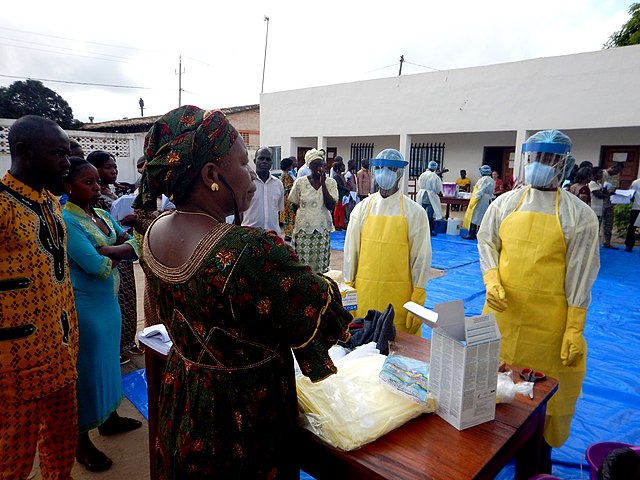 The COVID-19 pandemic has brought a variety of challenges to people in many global health systems worldwide. The pandemic has highlighted several barriers that have prevented people from trusting healthcare systems for years. Some solutions can potentially help global health systems make major improvements and increase the number of patients seeking guidance.
 As the number of confirmed COVID-19 cases in Indonesia continues to rise, Indonesia falls in the
 The world of health technology has been growing exponentially in the last decade and continues to grow, especially with the novel coronavirus still affecting the world. One of the most prominent locations for health technology is in Spain. The industry has a large quantity of health tech company startups in Spain; high-quality companies are making new drug discoveries for treatments and creating virtual therapies that can help those in impoverished areas receive the medical care they need. Here are
 As part of a