5 Things To Know About Femicide in Honduras
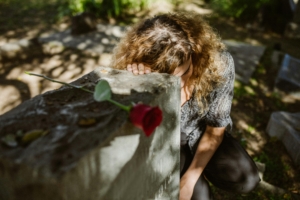 Honduras is the country with the most femicides in Latin America. In 2020, 278 women in Honduras lost their lives due to femicide and the issue has only gotten worse during and since the pandemic. Additionally, the alarming rates of gender-based violence and murders are mainly due to the patriarchy and sexism that are deep in the culture.
Femicide in Honduras
Femicide is one of the leading causes of death among adult women in Honduras. Despite awareness of this alarming trend, authorities often fail to take sufficient action. An estimated 90% of femicide cases go unpunished.
Many women who attempt to report abuse or domestic violence are not taken seriously, further discouraging victims from seeking help. This lack of response has only fueled the rise in femicide, as impunity and inaction continue to perpetuate the crisis.
Gender-Based Violence
Honduras is considered one of the most challenging places to live as a woman, with gender-based violence widespread across the country. In 2022 alone, 297 women were killed and between 2016 and 2022, a total of 2,264 women lost their lives to such violence.
Impoverished Women Suffer More
Femicide disproportionately affects impoverished women. In poor neighborhoods, police often dismiss complaints and judicial corruption stifles justice, with only 20–30% of women using state services due to distrust.
A mother in Cortes, living in poverty, reported her gang-affiliated ex-partner’s threats. However, police inaction left her vulnerable, illustrating how economic disadvantage compounds the lack of punishment for people who commit femicide.
Weak Law Enforcement
Laws have been enacted in an effort to address the issue, but impoverished women remain vulnerable. Legislation such as the 2006 Domestic Violence Law was designed to offer protection. However, weak enforcement, particularly in low-income areas, has limited its impact. Still, there is cautious optimism, as the president of Honduras has pledged to focus more on women’s rights and the fight against gender-based violence moving forward.
Hope for the Future
There is hope for the future. Movimiento de Mujeres de la Colonia López Arellano (MOMUCLA) is a grassroots organization that has spent years advocating for women’s rights in northern Honduras. In Choloma, the city where it primarily operates, the number of femicides dropped significantly, from 38 cases in 2019 to 13 in 2020, demonstrating the potential impact of sustained local efforts. This organization targets low-income neighborhoods affected by gangs, helping those who are not receiving help from the government.
Conclusion
Femicide in Honduras remains a widespread and deeply rooted issue. Furthermore, femicide disproportionately affects low-income women who often lack the resources to escape dangerous situations, sometimes with fatal consequences. While some measures have been implemented to curb gender-based violence, they have benefited mainly women with greater financial means. Unfortunately, this leaves those in poverty underserved and unprotected.
However, there is hope. A growing number of organizations are stepping up to support low-income women impacted by gender-based violence, working to provide protection, resources and a path toward justice.
– Sydney Carr
Sydney is based in San Diego, CA, USA and focuses on Global Health for The Borgen Project.
Photo: Pexels
