• Link to X
  • Link to Facebook
  • Link to Instagram
  • Link to TikTok
  • Link to Youtube
  • About
    • About Us
      • President
      • Board of Directors
      • Board of Advisors
      • Financials
      • Our Methodology
      • Success Tracker
      • Contact
  • Act Now
    • 30 Ways to Help
      • Email Congress
      • Call Congress
      • Volunteer
      • Courses & Certificates
      • Be a Donor
    • Internships
      • In-Office Internships
      • Remote Internships
    • Legislation
      • Politics 101
  • The Blog
  • The Podcast
  • Magazine
  • Donate
  • Click to open the search input field Click to open the search input field Search
  • Menu Menu

Archive for category: Gender Equality

Gender Equality, Global Poverty, United Nations

Realizing UNSCR 1325: Men as Partners to Female Peacekeepers

Female Peacekeepers
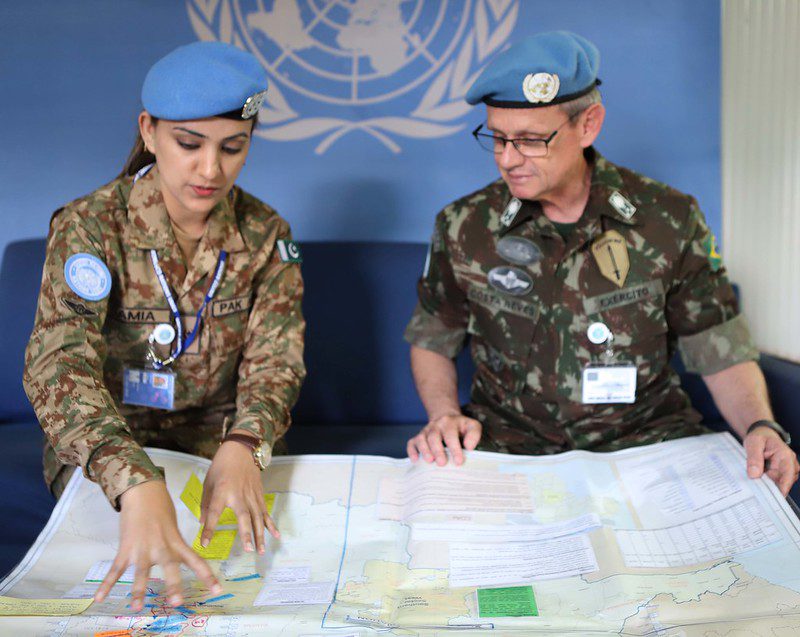
Major social change starts with a shift in mentality, support from the top, persistence and structure. That is why male allies are key to the full realization of the United Nations Security Council Resolution 1325. Without support and encouragement from male leaders, which are often lacking, women will be harder pressed to participate in important political decisions. Women cannot make this change on their own, and neither can men– thus, the solution lies in working together, with men as partners.

United Nations Security Council Resolution 1325

UNSCR 1325 is a landmark resolution that was adopted by a unanimous vote on October 31, 2000. The resolution stresses the importance of female peacekeepers in the prevention and resolution of conflicts, the humanitarian response in war zones or impoverished areas, peace negotiations, and post-conflict civil reconstruction. This resolution brings to light the urgency of providing women a seat at the political table and calls on everyone to protect women and girls from gender-based violence.

The Positive Effects of Female Leadership

Women’s leadership is essential in ensuring long-lasting peace and conflict resolution. In fact, studies show that the probability of a peace agreement lasting 15 years goes up by 35% when women participate in its creation. Additionally, there are more agreement provisions for political reform and gender provisions in peace agreements signed by women. Typical peace agreements often do not address gender equality: in fact, of the 1,789 agreements made between 1990 and 2018, only 353 included provisions that address women, girls, or gender whatsoever. Thus, women’s involvement in these agreements could be crucial in addressing more social and gender inequalities.

Female Peacekeepers

Women are vital in peacekeeping. They are necessary in every role, from monitoring human rights to political reconciliation to operational analysis. Women are often first responders during or after conflict and are fundamental in helping to repair devastated economies. Why, then, are they still not totally equal when it comes to political roles in maintaining peace and security? How can this problem be resolved?

The Importance of Men as Partners

One important strategy is to mobilize men. Men acting as partners to women in issues of peace, conflict, reconciliation, and post-conflict reconstruction is essential to closing this gender gap, as men currently have more seats at the political table. Our Secure Future, a nonprofit dedicated to this strategy, is taking the necessary steps to build this partnership in an effort to fully realize the potential of UNSCR 1325.  Their project, Mobilizing Men as Partners for Women, Peace and Security, began in 2018 in the U.N. Commission on the Status of Women. It engages global figures who agree that men must be a part of the solution in the full realization of the 1325 agenda. The project has drafted a Charter and call to action to encourage the full implementation of UNSCR 1325, along with the US Women, Peace and Security Act of 2017. This partnership of men and women will help ensure that women are equally engaged as leaders, planners, and peacekeepers in post-conflict societies.

There is still much work to be done, but the increasing trend of male support for UNSCR 1325 is certainly a step in the right direction. Tackling big issues like gender-based violence and post-conflict reconstruction are not easy feats. They require strong leaders and peacekeepers. They also require both male and female perspectives for optimal success, so conflict-ridden societies cannot prosper until the political playing field is as equal as possible.

– Rochelle Gluzman
Photo: Flickr

August 22, 2020
https://borgenproject.org/wp-content/uploads/borgen-project-logo.svg 0 0 Kim Thelwell https://borgenproject.org/wp-content/uploads/borgen-project-logo.svg Kim Thelwell2020-08-22 07:30:242020-08-22 06:10:51Realizing UNSCR 1325: Men as Partners to Female Peacekeepers
Gender Equality, Global Poverty, Women's Empowerment

Poverty in Ghana From Wealth Disparity

Ghana, a small country located in West Africa, has dealt with tremendous economic struggles since the 1990s. The good news is that the United Nations Development Programme (UNDP) recently shared new data that confirms that positive strides have been made to improve multiple dimensions of poverty in health, education and living standards.  The report confirms that between 2011 and 2017, poverty in Ghana decreased by nine percent.  In addition, its GDP almost doubled from 2011 to 2019.

Ghana made significant changes to facilitate this progress. First, the nation diversified its economy to create more products and services in different sectors. This led to increased greater consumerism and higher employment, which allowed Ghana’s economy to flourish.  However, with increased consumerism also came disparity.  Because that disparity increased, poverty in Ghana continues to be a challenge.

Ghana’s Disparities in Consumption, Health and Regions

Wealth disparity in Ghana is extreme.  The top 10% of Ghanaians consume more than the bottom 60%, and the lowest 10% only consume only 2%.  Health disparities include the fact that only 2% of those in poverty are covered by the National Health Insurance Scheme and that wealthy children are three times more likely to live past age five than poor children.  Further, there is a disparity in poverty rates between regions and also between urban and rural Ghanaians.  The Northern Region has the highest multidimensional poverty with eight out of 10 people being multidimensionally poor.  The Upper East Region is close behind with seven out of 10 people multidimensionally poor. People in rural Ghana are twice as likely to be poor than people in urban areas.

Change to Eliminate Disparity and Continue to Improve the Economy

The UNDP is championing specific tactics to eliminate disparity and to continue to improve the Ghanaian economy.  First, it suggests investment in better healthcare in all regions and an emphasis on getting all Ghanaians national health insurance.  Second, it advocates for a focus on enhanced school enrollment and completion in some regions and better nutrition for children in others.  Third, it calls for a poverty reduction strategy for those regions where poverty is extremely high.

Other organizations are joining the UNDP to improve conditions in Ghana.  These include The Hunger Project, in working toward alleviating poverty in Ghana. Since 1995, The Hunger Project has aided over 300,000 people by focusing on improving infrastructure, education reform and sanitation. The project focuses on building community centers, or “epicenters”, in order to collectively unify communities within Ghana and provide resources, such as electricity and clean water. As of now, over 40 epicenters receive clean water and sanitation, and almost all of them have health committees and clinics.

Finally, many families in both the Upper West and Upper East Regions have found creative means of accumulating extra income, such as the production of Shea butter. Some businesses, like Star Shea, provide loans for women as a means of starting production and accommodating transportation costs.

Many women believe these loans were advantageous in pursuing more educational opportunities. For example, Mrs. Atorneygene, a local resident in Ghana, utilized the proceeds from her Shea butter production to provide educational tools for her granddaughter. Changes being made on a local level, such as the production of Shea butter,  have proved to be beneficial in providing opportunities to marginalized regions.

Outlook for Ghana

Even with the problems that Ghana has faced in the past, the nation has reached tremendous milestones and has made effective improvements within the last decade. With the help of the government, the UNDP, The Hunger Project and people in the community, Ghana has been able to make positive changes relating to its economy and wealth disparities. Now, Ghana has set a precedent regarding the instrumental changes needed to alleviate poverty.

– Aishwarya Thiyagarajan
Photo: Flickr

August 14, 2020
https://borgenproject.org/wp-content/uploads/borgen-project-logo.svg 0 0 Kim Thelwell https://borgenproject.org/wp-content/uploads/borgen-project-logo.svg Kim Thelwell2020-08-14 13:30:442022-03-31 13:55:35Poverty in Ghana From Wealth Disparity
Gender Equality, Global Poverty, USAID

Zimbabwe challenges cultural gender normalities

USAID and UNESCO are working to change gender normalities in Zimbabwe by normalizing men’s contributions to household activities that are traditionally perceived as feminine. Equal division of domestic duties leads to improved child health and nutrition, as well as advancements in women’s rights. These social benefits are instrumental in alleviating poverty in Zimbabwe.

Zimbabwe and Gender Norms: An Overview

A country of 14 million, Zimbabwe has recently faced declines in public health, education, infrastructure and standard of living. Of the population, 63% of households live in poverty. Government policies and climate issues hamper farming and impact food insecurity. In addition, the country has a high burden of HIV/AIDS, tuberculosis, malaria and maternal and childhood disease.

Women traditionally hold an inferior position in Zimbabwean cultures, which are often patriarchal. Women often work for no pay in the home or in subsistence agriculture; alternatively, they perform low-paid wage work. Women cannot own or claim land except through their male relatives or husbands.

Gender Norms and Food Security in Zimbabwe

USAID and UNESCO are working to transform gender normalities in Zimbabwe, and the positive effects of these efforts extend far beyond women’s rights. Empowering women and normalizing men’s participation in the domestic sphere effectively increases the household labor force and children’s access to nutritious food. In rural Zimbabwe, one-third of children are malnourished, largely because of gender norms that lead to unhealthy feeding practices for young children.

As USAID reports, there is a close connection between women’s lack of assistance in the domestic sphere and child nutritional status. USAID wrote, “In a typical day in rural Zimbabwe, a mother must collect water, search for firewood, make a fire, cook and wash dishes, repeating this cycle for every meal. She must also spend a large proportion of the day tending to the family’s crops. Mothers simply do not have the time in the day to focus on all their responsibilities, including the childcare and nutrition necessary for the healthy growth and future productivity of their children.”

USAID’s program Indoda Emadodeni (“A Man Among Men”) holds monthly dialogues in which advocates, or Male Champions, challenge social norms and discuss the benefits of expanding men’s roles with both traditional leaders and the community as a whole. Participants in the program reported great pride in their domestic skills, including cooking, feeding and dressing infants and doing their daughters’ hair. The fathers enjoyed the closer relationships that they developed with their children. 

The program has yielded excellent results in many areas. A survey found statistically significant improvement in behaviors and support like fetching water and firewood, childcare, taking their wives to medical (including prenatal) appointments and cooking. There was also a 52% increase in joint decision-making among spouses. Rather than being stigmatized, these supportive and beneficial behaviors now elicit high praise in their communities, “uyindoda emadodeni” which translates to “you are a man among men.”

UNESCO’s Impacts

The United Nations Scientific and Cultural Organization agency is also running a project entitled “Challenging constructions of masculinity that exacerbate marginalization of women and youth,” in which the organization focuses on women’s empowerment through male engagement with gender issues. By conducting trainings and dialogues, the program leads men to reframe masculinity and reconsider their behavior.

One participant, Tichaona Madziwa, described how he “started to see [his] wife as a partner, a shareholder in this household…[and] really started to respect [his] wife’s decisions and perspectives—something that was not considered the norm.”

As he began to cook and care for his daughter, his relationship with her grew stronger. Madziwa, like the other program participants, found that the change of perspective greatly benefited him and his family.  

Normalizing men’s performance of domestic work lightens women’s workload. This, in turn, both empowers women and improves child nutrition. These USAID and UNESCO programs are effectively addressing the issues of both food security and gender normalities in Zimbabwe.

– Isabelle Breier 
Photo: Wikimedia

July 27, 2020
https://borgenproject.org/wp-content/uploads/borgen-project-logo.svg 0 0 Lynsey Alexander https://borgenproject.org/wp-content/uploads/borgen-project-logo.svg Lynsey Alexander2020-07-27 15:41:572024-05-29 23:18:15Zimbabwe challenges cultural gender normalities
Gender Equality, Global Poverty, USAID

How Gender Equality in Cambodia is Improving

In the past decade, Cambodia has made progress in reducing the inequality gap between men and women. In partnership with the UN and USAID, gender barriers and negative social norms surrounding women’s place in society are being broken.

Women have taken the lead in various areas of poverty reduction, such as participating in the democratic process and spearheading efforts against water insecurity and climate disaster.

Here are some ways in which gender equality in Cambodia is improving.

Changing Societal Norms

During the Khmer Rouge in the 1970s, violence against women escalated, including rape. The UN has worked to support victims and correct assumptions and inattention surrounding violence against women in Cambodia. Through the UN Joint Global Programme on Essential Services for Women and Girls Subject to Violence that began in 2017, survivors of rape and violence are receiving help and support. They focus on various needs of victims.

Through such programs, the UN has made efforts toward openly discussing and reducing violence against women, promoting gender equality in Cambodia.

A UN survey found that 82% of men and 92% of women accept that a woman’s main role lies only in overseeing the home. By using media, the UN is educating the public about negative social norms surrounding the role of women. For example, UNDP Cambodia and the Ministry of Women’s Affairs of Cambodia (MoWA) developed an initiative that focuses on improving gender equality in Cambodia. Between 2017 and 2020, this initiative focused on three areas:

  • Refining various institutions in the health, legal, and economic sectors to implement policies that empower women.
  • Using media to educate and engage the public to break societal norms and gender barriers.
  • Advance efforts to place women in positions of leadership and decision-making.

Women Lead Efforts Toward Water Security

Not only is the conversation surrounding gender equality in Cambodia changing, but women have stepped into positions of leadership in poverty reduction. For example, women are instrumental in efforts to achieve water security. In Cambodia, women are the main members of the household to fetch and handle water.

In addition to daily water needs, women also depend on water for its use in farming. Almost two-thirds of Cambodians are farmers, many of whom are women. The USAID Sustainable Water Partnership (SWP) recognizes the leadership skills of women and trains them to aid efforts toward water security. For example, in 2018, this program trained 17 women in the Stung Chinit Watershed and placed them in positions of leadership. These women gained knowledge in various areas, including conflict resolution, teamwork, communication and overseeing finances. In future years, the SWP plans to continue to include women in the fight for water security.

Women in the Democratic Process

The USAID has also worked toward including women in the democratic process. Through grassroots organizations, women are now becoming part of various civil rights causes. The USAID has promoted the participation of women in lobbying for workers’ rights and human rights.

Cambodia’s National Assembly is still composed of 80% men, but efforts to place women in political leadership positions are being undertaken. For example, a Cambodian NGO SILAKA is focused on partnering with political parties to engage women in politics. In 2017, the Cambodian People’s Party (CPP) and the Cambodia National Rescue Party (CNRP) focused on including qualified women candidates on candidate lists during council elections.

Women and Climate Disaster

In 2019, UNDP Cambodia increased efforts to prevent climate disasters and protect communities from these disasters. The UNDP has emphasized the role of women in disaster management. They are equipping local women with leadership and decision-making skills as a part of the Charter of Demands for Disaster Risk Reduction and Climate Change Adaptation.

Looking Forward

With the aid of the UN and USAID, Cambodia has made crucial efforts toward reforming negative societal norms. This has come through media campaigns and through involving women in poverty reduction efforts. To achieve greater gender equality in Cambodia, further efforts are needed to empower women politically, economically and socially.

– Anita Durairaj
Photo: Needpix

July 21, 2020
https://borgenproject.org/wp-content/uploads/borgen-project-logo.svg 0 0 Jennifer Philipp https://borgenproject.org/wp-content/uploads/borgen-project-logo.svg Jennifer Philipp2020-07-21 15:00:232020-07-21 09:45:06How Gender Equality in Cambodia is Improving
Gender Equality, Global Poverty

5 Encouraging Signs for Women in Zimbabwe

Women in ZimbabweThe magnitude of gender inequality in various African countries is still an ongoing concern. The Republic of Zimbabwe is a promising example of progress. The Zimbabweans’ determination to end the continued inequality in their country encourages many and provides hope for women in Zimbabwe.

5 Encouraging Signs for Women in Zimbabwe

  1. Changes in the Zimbabwean Constitution to implement multiple laws on gender equality. After gaining independence from Britain in 1980, the newly formed Republic of Zimbabwe drafted its first constitution. When the constitution began to see disadvantages toward women, it caused not only local but global disapproval. These changes, along with public activism in recent years, show encouraging signs that Zimbabwe is getting closer to gender safety. Women in Zimbabwe became legally protected in having equal status and rights as men 33 years after the original constitution. Zimbabwe’s Bill of Rights states that all “laws, customs, traditions and practices that infringe the rights of women conferred by this constitution are void to the extent of infringement.” In 2015 the government went on to initiate an institutional framework to continue working on women’s rights and gender equality. The Ministry of Women Affairs and Community Development carry out this role. However, steps taken by the nation are still not near full efficiency.
  2. Despite the late start, a rise of employment for Zimbabwean women shows great success in achieving equal status to men. Zimbabwe ranks number seven out of the 195 countries worldwide in the number of women above the age of 15 holding jobs. In this ranking, Zimbabwe even surpasses first world countries including the United States, France and Canada. Data collected on March 1, 2020, by the International Labor Organization shows women make up 78% of Zimbabwe’s working population. Although this high ratio does leave concern for possible ramifications, the benefits coming from the largely female workforce are showing promising signs of self-sustainment.
  3. The U.S. and Canada have teamed up with local Zimbabwean groups to become a part of their positive movements. The Embassy of Canada to Zimbabwe promotes Zimbabwe’s projects challenging gender inequality. Canada’s main mission is encouraging male allies to join the women’s rights movement. Canadian Ambassador to Zimbabwe René Cremonese shares the important role men play in challenging social norms by standing in solidarity with women. The U.S. Embassy in Zimbabwe participates in public affairs forums with citizens to provide direction on how the U.S. could support women advocates. For example, in one forum, embassy employees and officials heard from women in Zimbabwe who work in education, health, government, civil society and private sectors about the daily obstacles they face from sexism. These women are setting the bar for women’s involvement in Zimbabwe’s society. The movement is considered to be important to advance U.S. foreign policy.
  4. There are continuous breakthroughs for women activists thanks to the Women’s Coalition of Zimbabwe (WCoZ), a network of organizations and activists. Women, both independent and members, representing different rights organizations go into specific fields including education, peace-building, constitutional rights and media to improve all sectors of life for women and girls in Zimbabwe. The WCoZ, formed by women in Zimbabwe themselves, has been influential since the congressional reform in 1999. In the 2013 redraft, WCoZ’s work helped achieve the 75% of edits on gender provisions. This victory ensures women’s rights will be protected by the country’s highest level of the law. The WCoZ continuously commits to pressure local governments when gender laws are ignored. The coalition also supports campaigns led by women who lack funding for election compared to their male opponents. Platforms run by the WCoZ that respond to various gender issues continue to be a safe haven for local women to seek support.
  5. Women in politics are catching on. The minority of women who were able to hold government positions during the first constitutional redraft in 1999-2000 did not successfully pass needed gender provisions. Women who were active in advocacy and lobbying for women’s rights thought it best to form coalitions with movements focused on broader civil society movements. This was not supported by voters due to the women’s movement involvement with government-led committees, which were not trusted at the time. Women activists had to wait nearly 10 years before regaining the opportunity for legal gender protection. This time, during the 2009-2013 redraft, they singularly promoted women’s rights and concerns so that no alliances could create political divides among voters. Women who hold seats in Zimbabwe’s Parliament today continue this work. The constitutional revision from 2013 that sets aside parliamentary seats for women is due to expire in 2023. Zimbabwean advocates continue to work on solutions to create new provisions on how to include young women in Parliament since many lack resources to even get elected.

Zimbabwe is only one example of an African country that has made improvements within the last few decades and continues to do so successfully. The encouraging progress of equality for girls and women in Zimbabwe still has issues that need to be overcome. Even the successes of constitutional change, employment, international aid, women’s groups and political adaptations are laced with pitfalls. Yet, they signify valuable change. Global attention on the struggles in Africa is key to promoting change. Global attention also brings light to the important changes that have already been made.

– Grace Elise Van Valkenburg
Photo: Flickr

July 17, 2020
https://borgenproject.org/wp-content/uploads/borgen-project-logo.svg 0 0 Jennifer Philipp https://borgenproject.org/wp-content/uploads/borgen-project-logo.svg Jennifer Philipp2020-07-17 01:31:362024-05-29 23:17:395 Encouraging Signs for Women in Zimbabwe
Gender Equality, Global Poverty

Coffee Production in Vietnam

Coffee Production in VietnamIn southeast Asia, Vietnam has dominated the coffee industry as the second-largest producer in the world behind Brazil. In 2016 alone, 1.8 million tons of coffee worth the equivalent of over $3 billion, was exported from Vietnam. Coffee production in Vietnam means more than popularity. It means economic stability and eliminating poverty.

Historical Production of Coffee

Coffee culture is an established social tradition in nearly all countries. Coffee beans have been one of the most impactful and cultivated products dating back to the 15th century. Societies changed with the creation of coffee houses and advances in technology to keep up with demands. The spike in crop exportation shifted coffee from an early morning refreshment to a global trade phenomenon.

Coffee production in Vietnam stems from French colonization in the mid-1850s. The Robusta bean became widespread throughout the country. After WWII and the Vietnam War, private farming opened up for more business opportunities. Vietnam began to slowly regain economic security in the late 1980s. Since then, 3 million jobs have been generated from coffee-based agriculture.

Technology

Advances in machinery have cut costs for farmers and have kept coffee production in Vietnam consistent compared with other competitors. Reducing the labor-intensive strip-picking with automative and mechanical harvesters has become the norm. Even hand-made equipment serve farmers by reducing damage to trees. Investing in technology to improve sustainability practices contributes to the national output. Coffee production in Vietnam has also profited due to investments put into advanced coffee plantlets from companies such as Nestlé.

Irrigation has a significant impact on coffee plantations due to water stress. Monitoring groundwater changes with water pilots help farmers evaluate how to manage aquifer recharge. Less water and pesticide use means a higher yield for farmers without paying more to combat the effects of climate change.

Gender Equality

Integrating women into coffee production in Vietnam has provided them with increased job opportunities. In contrast with predominantly male-run businesses, the coffee sector provides better access to women who wish to pursue business ventures.

Eighty-five percent of both men and women participate in economic enterprises in Vietnam. The inclusivity of women is higher in Vietnam than in other developing countries, where women are performing unpaid work. Through the booming coffee industry, women have aided in economic development through coffee trading companies. Negotiation strategies implemented by women through buyers and farmers prove to be successful. Training for the coffee supply chain given to women empowers them to make their own household decisions as entrepreneurs, and even own larger plots of land. Gender equality in the workplace is paving ways for gender equality throughout the country.

Sustainability

Vietnam has been ahead of other competitors regarding sustainable coffee production. Cooperatives such as K’Ho Coffee have utilized sustainable strategies such as planting nitrogen-fixing crops alongside coffee plants. This enhances the fertility of the soil. In addition, farmers raised free-range livestock and planted their own produce on their property to provide for themselves. Some experts also suggest that intercropping is the best way to increase the yield.

Programs focused on sustainable coffee production in Vietnam also increase annual income for farmers. The Sustainable Coffee Program has run for four years to help farmers adapt to the changing market. The program’s focus involved various ways to increase production, from resiliency to climate change to developing financial awareness.

Combating the risk of groundwater depletion through soil testing and reducing energy outputs helps the country produce coffee at low costs. Being sustainably certified puts Vietnam at the top of the competition. Improved efficiency within smallholder farms means less waste as well.

With a forecasted output of 32.2 million bags for 2020 and the country exceeding exportation rates to the US and the UK, Vietnam plans to stay near the top of the coffee sector. Coffee production in Vietnam turned a once-war-torn country into an export powerhouse. Locals enjoy quality coffee in various ways while tourists seek to try Cà phê trúng, egg coffee, for the first time. The tiny green bean is more than just a sweet morning pick-me-up. It’s a growing culture that is ever-changing the success of the country.

– Sydney Stokes
Photo: Pixabay

July 14, 2020
https://borgenproject.org/wp-content/uploads/borgen-project-logo.svg 0 0 Jennifer Philipp https://borgenproject.org/wp-content/uploads/borgen-project-logo.svg Jennifer Philipp2020-07-14 12:31:022024-06-04 01:08:40Coffee Production in Vietnam
Gender Equality, Global Poverty

Gender Equality in Indonesia

gender inequality in IndonesiaAs the fourth most populous country in the world, Indonesia continues to battle poverty and conditions of inequality for women. However, Indonesia has made strides in improving access to education for girls. The nation also has one of the highest literacy rates in Asia. Various U.N. programs are promoting women’s access to learning while advancing the benefits of women in Indonesia’s marketplace. Here are many ways in which gender equality in Indonesia is improving.

Women in Politics

Indonesia implemented a democratic system in 1998. Since then they have implemented laws that decrease the inequality gap between men and women. For example, one law requires that political parties be composed of at least 30% of women. 2018 even saw Indonesia’s female finance minister voted Best Minister in the World by the World Government Summit. Women in Indonesia have also been influential in promoting certain bills that grant women more rights. The 2019 sexual violence bill, for example, identifies nine different forms of sexual harassment all of which would be made illegal. Discussion of this topic is taboo in some social settings in Indonesia, which makes support for this bill by women crucial.

Grassroots Movements

Women activists and Indonesian civil society organizations (CSOs) have played a role in breaking away social norms regarding inequality. With international support, these CSOs have impacted 900 villages over 27 provinces. This has positively affected more than 32,000 women from more than 1,000 groups in 2018. At the village level, these organizations promote women’s involvement in decision-making and focus on reducing violence against women.

Economic Empowerment

In 2019, U.N. Women launched an online learning platform that aims to empower women business owners called WeLearn. The platform offers free curricula to women entrepreneurs. WeLearn also provides access to lessons from industry experts and fellow women entrepreneurs.

A 2018 study of Women Empowerment Principles in the top 50 companies in Indonesia found that there was a minimum of one woman on every board of at least 84% of the companies that participated in the survey. These companies have also implemented initiatives to empower women in the workplace.

Access to Education

Access to education in Indonesia is also improving for girls. Indonesia has one of the highest literacy rates for women among Asian countries, with 99.7% of women ages 15–24 literate in 2018. By 2019, almost every child in Indonesia attended school at the elementary level. In fact, there were slightly more female students enrolled than male students. Furthermore, females were shown to do better than males.

Looking Forward

Intergovernmental organizations are also promoting gender equality in Indonesia. For example, the UNDP Indonesia Gender Equality Strategy and Action Plan 2017-2020 is committed to addressing four aspects of gender equality in Indonesia:

  • Empower women to achieve a better standard of living and sustainable employment
  • Work with local groups to grant women better healthcare access
  • Support the involvement of women in the sustainable use of natural resources
  • Improve access to responsible and fair public institutions, especially for women who are in more vulnerable situations

Overall, conditions of gender equality in Indonesia are improving through the involvement of women in politics and grassroots organizations. This is especially possible with the support of international organizations like the United Nations. Continued efforts to empower women entrepreneurs and communicate the benefits of women in the marketplace are essential to realizing greater economic benefits and achieving greater gender equality in Indonesia.

– Anita Durairaj

Photo: Wikimedia

June 18, 2020
https://borgenproject.org/wp-content/uploads/borgen-project-logo.svg 0 0 Kim Thelwell https://borgenproject.org/wp-content/uploads/borgen-project-logo.svg Kim Thelwell2020-06-18 19:30:522024-05-29 23:17:36Gender Equality in Indonesia
Developing Countries, Education, Gender Equality, Global Poverty

Bicycle Libraries Raise Literacy Rates in Afghanistan

Literacy Rates in Afghanistan
Afghanistan, a landlocked country in south-central Asia, houses many different ethnic groups and extremely important trade routes. The country also has a longstanding history in literature, with poets such as Reza Mohammadi and Khaled Hosseini. Unfortunately, due to the spread of the Taliban regime and devastating wars, literacy rates in Afghanistan are among the lowest in the world at about 45 percent for men and 17 percent for women. In 2018, Idress Siyawash had the vision to raise literacy rates in Afghanistan with the implementation of his mobile bicycle libraries.

Mobile Bicycle Libraries

Read Books, or Ketab Lwast, is a program that Idress Siyawash started to provide books and learning experiences for children in Afghanistan, especially in rural areas. Siyawash is a student at Jahan University in Kabul, Afghanistan. Each week, he and his team travel to rural areas in Afghanistan to deliver books to children. They ride around town on bright blue bicycles with baskets full of books in order to excite the children and motivate them to learn. Then, they gather all the kids and teach them to read, write, speak and understand the importance of learning. Female volunteers travel from home to home working to encourage mothers and fathers to send their daughters to school. The female volunteers serve as models for parents who want a better, more equal life for their daughters.

Motives and Inspiration

Education rates in Afghanistan are significantly lower than those of other countries. For example, Afghanistan has an average literacy rate of 38 percent, while the international average is 84 percent. Education in rural areas is especially low. Gender inequality also affects education in Afghanistan, as many women do not have permission to attend schools, and in most provinces, the amount of female teachers is below 10 percent.

Siyawash had the determination to raise literacy rates in Afghanistan and also change Afghani attitudes regarding gender equality in terms of education. In an interview, Siyawash said, “Our idea is to show that reading is fun and explain why education is so important. If we give the children books, it might help end the way of thinking that is holding this country back.”

Obstacles and Solutions

One of the main obstacles to education in Afghanistan is distance. Some children, especially in rural areas, must walk for hours to reach their schools. For example, children in the Badakhshan province walk four hours each day to go and come back from the closest government-supported school. Siyawash’s bicycle idea tackles this obstacle effectively, bringing education straight to the children.

Another obstacle is the fear of the Taliban regime in Afghanistan, especially among females. Unfortunately, Taliban members have confronted and threatened Siyawash and his team twice, but they continue to travel and provide services to children because they believe in a “different future for Afghanistan.”

Read Books has had success in its goal to raise literacy rates in Afghanistan. Over the span of just a few years, the literacy rate in Afghanistan grew from 38 percent in 2015 to 43 percent in 2018. Overall, the future of education in Afghanistan is looking brighter.

– Shveta Shah
Photo: Flickr

April 11, 2020
https://borgenproject.org/wp-content/uploads/borgen-project-logo.svg 0 0 Lynsey Alexander https://borgenproject.org/wp-content/uploads/borgen-project-logo.svg Lynsey Alexander2020-04-11 07:30:462020-04-07 12:24:55Bicycle Libraries Raise Literacy Rates in Afghanistan
Gender Equality, Global Poverty, Women and Female Empowerment, Women's Empowerment, Women's Rights

Women’s Issues in West Africa

Women’s Issues in West AfricaMany different factors undermine women’s public health issues and political power in West Africa. Many of these factors, such as gender inequality, weak economic capacity and gender-based violence disproportionately affect women in the region more than men. Gender-based social stratifications have resulted in a disparity in the benefits women receive when compared to their male counterparts, and this undermines their social status and power as well. Here is more information concerning women’s issues in West Africa.

Women’s Issues in West Africa

While certain factors do continue to impede upon the growth of women’s social status in the region, the region has made some small steps regarding women’s roles in society. The West African countries of Sierra Leone, Cabo Verde, Mauritania, Ghana, Gambia, Guinea-Bissau, Burkina Faso and Senegal have recently been able to close the gender gap in primary school enrollment, making early childhood education more accessible to young girls within the region. Senegal has made even more progress in terms of women’s rights with increased representation in its parliament. The number of female parliament members has almost doubled in the past few years, which is a particularly good start in giving more political power to women in the West African region. Women’s equal political participation still remains a challenge in the majority of these countries, but following in the steps of Senegal could make for increased inclusion of women in politics throughout the region. Even though such changes will take time, the progress that Senegal has made has provided women with more representation for the time being.

Women’s Issues in the Workplace

Women in West Africa face issues in the workforce within the region as well. Struggles with infrastructure and fully-functional public services in the region push women into more domestic and care work. In the West African region, women spend approximately six times more than men on unpaid care work, which typically involves household tasks and caring for children and the elderly. This disparity leads to economic and social issues for women in West Africa. Since their work is unpaid, they often have little to no economic mobility and are instead reliant on members of the family that work for pay, and this lack of economic status pushes them further down in societal ranks. These two combined make for even more difficulties in addressing the issues that specifically affect women in West Africa.

With economic inequality disproportionately affecting women in West Africa, it is important to emphasize not only the issues at hand but also the ways in which people can change them for the better. The economy does not always legitimately count the household and family-centered work that women in West Africa typically perform because people deem it to be an informal sector of work where workers do not earn wages. In some cases, women will contribute substantial amounts of labor in the agricultural sector but lack access to credit and markets, making attaining a profit and higher economic status difficult once again.

Moving forward, people must put development policies into place and carry them out properly in order to engage women in the workforce in a way that will count in the formal economic sector. It may be in the best interest of women in West Africa for their countries to adopt the same sorts of policies that countries like Tanzania and Uganda have already proved successful. These countries along with several others have adopted a tool called gender budgeting which analyzes government spending and its impacts on gender and age subgroups. The goal of using this tool is to better understand where economic disparities arise and adjusting the government’s spending choices to alleviate adverse effects.

Child Marriages in West Africa

Aside from economic disparities affecting women in West Africa, another problem has arisen concerning the younger population. Previously, arranged marriages adversely affected young girls because little to no policies were in place protecting their rights. This practice is particularly salient in the West African region, where the rates of child marriage are more than double the world average.

Now, all West African countries are signatories of the Protocol to the African Charter on Human Rights and Peoples’ Rights on the Rights of Women in Africa, the African Youth Charter and finally the African Charter on the Rights and Welfare of the Child. These show commitment to national campaigns looking to end child marriage and protect the rights of young girls, creating a great step in the direction of progress. Now that some legal loopholes have closed, new cultural customs must also put the rights of young girls and women first, therefore elevating their status and importance in greater society.

The Future for Women’s Issues in West Africa

Women in West Africa are not simply accepting these issues as unchangeable but are instead taking stances to improve their lives. The development of women’s organizations in West Africa has helped spark attention and change in certain areas thanks to the collective efforts of these women. From grassroots campaigns to highly professional and organized non-governmental organizations, these organizations have focuses ranging from specific women’s rights to even broader agendas. For many, the idea of gender equality in the region is at the forefront of its mission.

While all of these organizations tackle different issues and call for a response from the public in varying ways, each organization gives refuge for women to join together and learn about their rights. These organizations act as a support structure for women in West Africa and help to provide them with the resources to better themselves socially, economically and politically. By joining together, these women are creating unstoppable numbers that are currently pressuring political and structural change to rectify the issues women in West Africa face every day. With their perseverance and dedication, they will continue empowering women for generations to come and bring resolve to the issues that have adversely affected women in the region for decades.

– Hannah Easley
Photo: Flickr

April 6, 2020
https://borgenproject.org/wp-content/uploads/borgen-project-logo.svg 0 0 Lynsey Alexander https://borgenproject.org/wp-content/uploads/borgen-project-logo.svg Lynsey Alexander2020-04-06 07:30:402020-04-02 09:45:22Women’s Issues in West Africa
Developing Countries, Gender Equality, Global Poverty, Health, Women and Children

7 Facts About Women’s Health in Ethiopia

Facts About Women’s Health in EthiopiaWhile gender equality has been a significant issue in the sub-Saharan African country, recent steps have been taken to ensure the health and safety of Ethiopian women and girls. Below are seven facts about women’s health in Ethiopia.

7 Facts About Women’s Health in Ethiopia

  1. The maternal mortality rate has been cut in half between 1990 and 2010. One reason for this is the implementation of the Health Extension Program (HEP) in 2005, which aims to provide all families with clean and safe spaces to deliver their babies both at home and in medical facilities.
  2. In 2015, the Center for International Reproductive Health Training (CIRHT) was founded in order to increase the number of medical professionals that could provide reproductive care to rural areas of Ethiopia. Students are completing the program in three years, compared to 12 years of similar advanced programs in other African countries. The program also works to destigmatize reproductive health and merge it into mainstream health care. Partly as a result of this program, the number of Ethiopian women making four or more doctors’ visits during their pregnancies has tripled between 2000 and 2014.
  3. Ethiopia has a long history of gender-based discrimination which impacts the wellbeing of women and girls in the country. In February of 2019, the Ethiopian government held a meeting with civil society organizations (CSOs) as a part of African Health Week to prioritize gender-sensitive policymaking objectives in the health care sector.
  4. The use of contraceptives has increased by almost six times from 2000 to 2016. The introduction to modern contraceptive methods had helped prevent unwanted pregnancies and disease among married women in Ethiopia.
  5. Twice as many women in Ethiopia have HIV than men, but in 2016, 49 percent of women had knowledge of HIV prevention methods, compared to 32 percent in 2000. This has contributed to a 45 percent decrease in AIDS-related deaths in the country between 2010 and 2018, as well as a decrease of 6,000 new cases in the same timeframe.
  6. In both rural and urban communities, the percentage of female genital mutilation has decreased by at least 10 percent. Though progress still needs to be made, both settings have seen a significant decrease in the act between 2000 and 2016.
  7. In 2018, the first two urogynecology fellows in Ethiopia graduated from Mekelle University. Oregon Health and Science University partnered with Mekelle to launch the first urogynecology fellowship program in the country. Urogynecologists treat pelvic floor disorders in women, many who suffer in silence in Ethiopia, as this group of disorders is not well known.

While Ethiopia has severely struggled with gender inequality throughout its history, it is encouraging to see that the Ethiopian government is making concrete changes. Between the creations of programs and institutions, as well as improved education, women’s health in Ethiopia will continue to make great strides.

– Alyson Kaufman
Photo: Pixabay

March 17, 2020
https://borgenproject.org/wp-content/uploads/borgen-project-logo.svg 0 0 Lynsey Alexander https://borgenproject.org/wp-content/uploads/borgen-project-logo.svg Lynsey Alexander2020-03-17 18:08:012024-05-29 23:15:337 Facts About Women’s Health in Ethiopia
Page 22 of 40«‹2021222324›»

Get Smarter

  • Global Poverty 101
  • Global Poverty… The Good News
  • Global Poverty & U.S. Jobs
  • Global Poverty and National Security
  • Innovative Solutions to Poverty
  • Global Poverty & Aid FAQ’s
Search Search

Take Action

  • Call Congress
  • Email Congress
  • Donate
  • 30 Ways to Help
  • Volunteer Ops
  • Internships
  • Courses & Certificates
  • The Podcast
Borgen Project

“The Borgen Project is an incredible nonprofit organization that is addressing poverty and hunger and working towards ending them.”

-The Huffington Post

Inside The Borgen Project

  • Contact
  • About
  • Financials
  • President
  • Board of Directors
  • Board of Advisors

International Links

  • UK Email Parliament
  • UK Donate
  • Canada Email Parliament

Get Smarter

  • Global Poverty 101
  • Global Poverty… The Good News
  • Global Poverty & U.S. Jobs
  • Global Poverty and National Security
  • Innovative Solutions to Poverty
  • Global Poverty & Aid FAQ’s

Ways to Help

  • Call Congress
  • Email Congress
  • Donate
  • 30 Ways to Help
  • Volunteer Ops
  • Internships
  • Courses & Certificates
  • The Podcast
Scroll to top Scroll to top Scroll to top