3 Lessons the World Can Learn From Mexico’s Feminist Foreign Policy
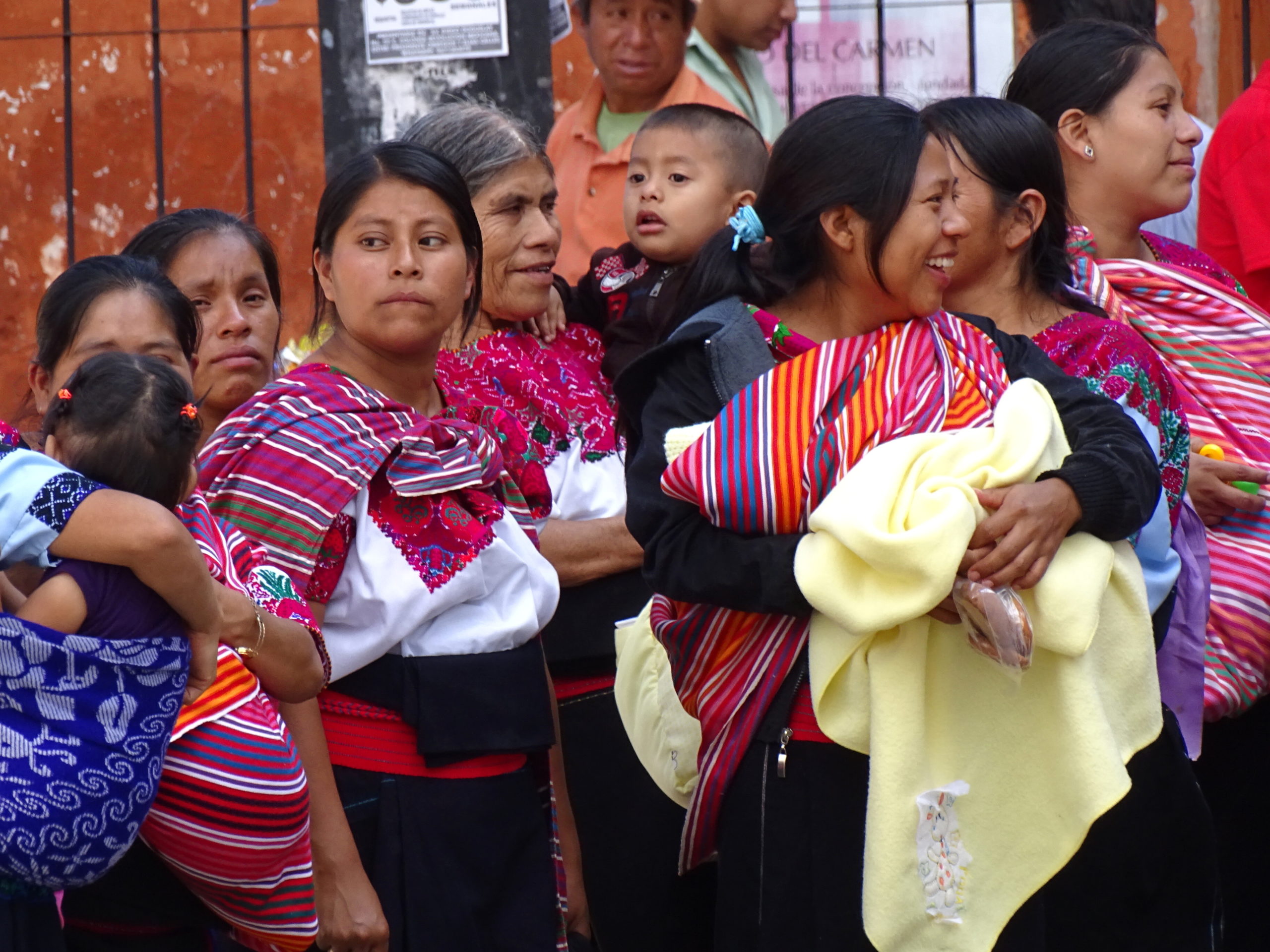 In January 2020, Mexico shattered barriers by announcing its adoption of a feminist foreign policy aimed at reducing “structural differences, gender gaps and inequalities” at home and abroad. This commitment made Mexico the first country in Latin America and the Global South to require that “gender equality be at the core” of all foreign policy decisions. Mexico’s new policy initiatives intend to help foster the reduction of women’s economic and social issues through representation and the elimination of structural differences. Here are three lessons that every country can learn from Mexico’s groundbreaking feminist foreign policy initiatives.
Representation Matters
Developing foreign policy necessitates introspection within a government. How can a nation help foster gender equality abroad when it fails to do so within its borders?
In establishing its new feminist foreign policy, Mexico saw the potential hypocrisy of sponsoring gender equality worldwide while failing to address inequalities present in some of its governmental organizations. For this reason, many of Mexico’s feminist foreign policy initiatives focus on the creation of “a foreign ministry with gender parity.” The Mexican government believes that to ensure equitable feminist foreign policy gets passed into law, the ministry which creates such law must have “visible equality of women” within its ranks. This part of Mexico’s feminist foreign policy entails hiring even more women into positions of leadership in the foreign ministry. This hiring shift aims to create an influx of female voices in the Foreign Ministry to instill the opinions of women in policy areas ranging from foreign aid to defense.
Already, the Mexican government has become one of the most gender-equal in the world. As of 2018, Mexico had 246 women in congress occupying 48% of congressional seats. This places it at fourth in the world for its number of women in congress. By committing to include more women in the process of drafting foreign policy legislation, the Mexican government seeks to amplify the voices of women in the legislation process even further. This means increased advocacy for women worldwide, especially those living in poverty.
Mexico’s commitment to include women in the process of foreign policy creation demonstrates to the world that equitable foreign policy requires equal representation of men and women in the lawmaking process.
Equality and Economics Are Inextricable
Globally, women earn 24% less than men and are more likely to live in poverty than men. High poverty rates among women signal a disparity between the wages of men and women. Any attempts by a government to ensure the equality of women on a global scale must be focused on reducing the number of women in poverty. Mexico recognizes this fact, and many of its groundbreaking feminist foreign policy initiatives involve tackling structural inequalities like the gender pay gap.
The Mexican government has committed to joining with the HeForShe organization, which champions social and economic equality between the sexes throughout the world. By orienting its foreign policy goals toward fulfilling the promises of women’s rights on a global scale, Mexico commits itself to economic initiatives like “microfinancing and small loans for women,” as well as the dismantling of antiquated trade laws and tariffs that put women at an economic disadvantage to men.
Through these initiatives, Mexico aims to reduce the number of women in poverty by helping to dismantle systemic inequalities and by giving women the resources needed in order to create economic equality. Microfinancing creates limitless economic opportunities for women all over the globe and allows them to independently develop their own businesses. Global communities lose around $9 trillion a year due to the gender pay gap. By committing to reduce this inequality, even the poorest of nations can decrease their poverty rates and bring tangible economic benefits to communities in need.
Mexico’s commitment to reducing the number of women in poverty makes it evident that if the systemic economic barriers to equality are to be dismantled, women must be given the opportunity to lift themselves out of poverty and to earn wages and jobs at equal rates to men. Equality cannot simply be declared. Rather, social and political equality arises from equal economic opportunity.
Anyone Can Try It
Before Mexico announced its adoption of a feminist foreign policy aimed at reducing women’s poverty and encouraging a “feminist agenda abroad,” the only other countries to have oriented their foreign policies toward feminist initiatives were Sweden, Canada and France. These other three nations have an average poverty rate of 9.7 % and an average GDP per capita of $49,907. Comparatively, Mexico has a poverty rate of around 17% and a GDP per capita of $10,065. Although Mexico’s peers in the field of feminist foreign policy have more national wealth than it does, this did not prevent the nation from adopting and maintaining policy objectives with women’s rights at their core.
Mexico’s new foreign policies demonstrate that it does not take an extreme amount of national wealth to launch feminist initiatives at home and abroad. Regardless of GDP, any government can make commitments to ensuring tangible gender equality.
Overall, although Mexico still has progress to make with respect to ensuring women’s equality at home and abroad, its commitment to a feminist foreign policy sets a strong example for other Latin American countries. With any luck, other Latin American countries will soon follow Mexico’s lead and begin to implement similar feminist foreign policies that not only work to lift women out of poverty and assure social and economic equality but that also recognize that “women’s rights are human rights.”
– Nolan McMahon
Photo: Flickr
