• Link to X
  • Link to Facebook
  • Link to Instagram
  • Link to TikTok
  • Link to Youtube
  • About
    • About Us
      • President
      • Board of Directors
      • Board of Advisors
      • Financials
      • Our Methodology
      • Success Tracker
      • Contact
  • Act Now
    • 30 Ways to Help
      • Email Congress
      • Call Congress
      • Volunteer
      • Courses & Certificates
      • Be a Donor
    • Internships
      • In-Office Internships
      • Remote Internships
    • Legislation
      • Politics 101
  • The Blog
  • The Podcast
  • Magazine
  • Donate
  • Click to open the search input field Click to open the search input field Search
  • Menu Menu

Archive for category: Foreign Aid

Foreign aid coverage and information.

Foreign Aid, Global Poverty

The Impact of South Korea’s Foreign Aid

South Korea’s Foreign Aid
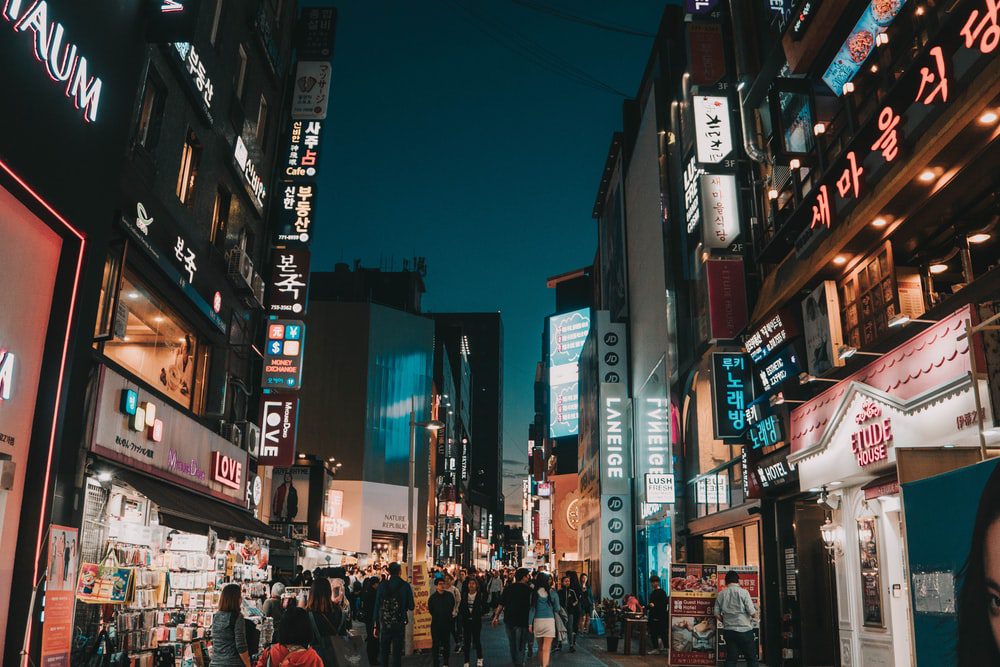
South Korea, or the Republic of Korea officially, is stepping forward as a global leader in delivering foreign aid. During the COVID-19 pandemic, South Korea’s foreign aid will amount to $400 million USD donated to programs dedicated to improving health in developing countries, according to South Korea’s fiscal chief Moon Jae-In in April 2020. In 2017, he was the chief of staff to President Roh Moo-hyun. The country has also enacted foreign aid by pledging to extend the due dates of international loans and payments.

Where South Korea’s Foreign Aid is Going

South Korea’s foreign aid has helped South Korea emerge as a world leader, and especially since the Development Assistance Committee (DAC) recruited it. Another thing that has helped South Korea emerge as a world leader was its swift detection, containment and treatment of COVID-19. South Korea lowered the number of cases in the county to 61 cases on October 24, 2020 – all without imposing a full lockdown.

In Tanzania, South Korean foreign aid is implementing a project to empower rural women. It will facilitate this project from 2020 to 2023, with $5 million USD. Agricultural facilities will undergo construction, and female farmers will receive marketing and technical education. This will improve women’s access to land. South Korea will also establish a center for victims of gender-based violence.

South Korea has undergone a radical transformation. It has gone from being a recipient to a significant donor of international aid. In the 1960s, South Korea received over $1,400 million USD in foreign aid. Decades later, in 1987, South Korea adopted democracy, and institutions received new designs to better serve the interests of the public. In 1987, it donated $25 million in foreign aid, but this does not include aid to North Korea, or else this amount would be far larger. This change was due to South Korea’s official adoption of democracy in 1987 when June demonstrations forced the government to announce democratic reforms. A free market allowed for competition, and therefore, innovation to take place, thus sustaining the economy and bolstering the GDP per capita, from $2,835 USD in 1986 to $13,403 USD in 1996.

South Korea as an ODA Donor

In 1987, South Korea became a donor for official development assistance (ODA). ODA is government aid to encourage the economic development of developing countries. In 1987, South Korea’s foreign aid totaled $25 million. Contributions steadily increased, with yearly percentage increases ranging from 30% to 79% in the next 20 years. It continues to flourish and thrive as an emerging significant country in global aid.

South Korea and the OECD

South Korea became a member of the Organization for Economic Co-operation and Development’s (OECD) prestigious Development Assistance Committee (DAC) in 2010. The OECD is an international group of the biggest providers of assistance towards developing countries and the DAC is a forum to discuss issues of international aid focused on inclusive and sustainable growth.

In 2011, one year after becoming a member of DAC, South Korean president Lee Myung-bak stated that South Korea intends to give more aid to the world than what it has ever taken. To exemplify this promise, in 2015, Korea partnered with USAID to commit $5 million to the Ethiopian government to encourage its efforts to mitigate child and maternal death there. It mainly focused on heightening the numbers of healthy mothers and successful births, giving more access to application and acceptance of family planning, and increasing healthy birth rates.

South Korea also pledged in July 2020 to give $4 million in humanitarian assistance to countries in East Africa that experienced locust swarms, resulting in food crises for over 25 million people. The World Bank recommended that social and productive safety-net programs – a subset of social protection mechanisms – be instilled to bolster food and nutrition security. Safety nets include cash, social pensions, public works and school meal programs.

South Korea’s growth in foreign aid increased significantly after the county adopted democracy, and it became a member of the OECD. It is stepping forward as a global leader in delivering foreign assistance, as proven by its inclusion into the DAC. It is combating issues such as maternal deaths in Ethiopia and food scarcity in the East African region due to food scarcity caused by locusts.

– Madeline Drayna
Photo: Unsplash

October 28, 2020
https://borgenproject.org/wp-content/uploads/borgen-project-logo.svg 0 0 Jennifer Philipp https://borgenproject.org/wp-content/uploads/borgen-project-logo.svg Jennifer Philipp2020-10-28 17:56:272020-10-28 17:56:27The Impact of South Korea’s Foreign Aid
Foreign Aid, Global Health, Global Poverty, USAID

Maternal Health in Yemen and Childbirth

Maternal Health in Yemen
The Yemen civil war, which began in early 2015 and still devastates the nation today, has created the world’s worst humanitarian crisis. A total of 24 million people require assistance. This crisis affects all aspects of life in Yemen, including healthcare. Millions are without access to life-saving medical treatment and supplies, leading them to die of preventable diseases, such as cholera, diabetes and diphtheria. Pregnant women and infants are particularly vulnerable during this health crisis as adequate medical care throughout pregnancy and birth is essential. Maternal health in Yemen is of the utmost concern now.

Yemen has one of the highest maternal mortality rates in the world with 17% of the female deaths in the reproductive age caused by childbirth complications. Maternal health in Yemen has never been accessible to all women. This crisis has escalated even further during the Yemeni civil war. However, global organizations are acting to save the lives of these pregnant women and infants who desperately need medical care.

Yemen’s Maternal Health Crisis: Before the Civil War

Even before the war began in 2015, pregnant women were struggling to get the help they needed. Yemen is one of the most impoverished countries in the world — ranking at 177 on the Human Development Index (HDI). Poverty is a large factor in the insufficiency of maternal health in Yemen as impoverished women lack the finances, nutrition, healthcare access and education to deliver their babies safely.

Many Yemeni women are unaware of the importance of a trained midwife during childbirth. Of all the births in rural areas, 70% happen at home rather than at a healthcare facility. Home births increase the risk of death in childbirth as the resources necessary to deal with complications are not available.

The Yemeni Civil War Increased the Maternal Health Crisis

Since the civil war began, the maternal mortality rate in Yemen has spiked from five women a day in 2013 to 12 women a day in 2019. A variety of factors caused this spike. The war has further limited access to nearly every resource, including food and water. This, in turn, depletes the health of millions of women and thus their newborns.

Also, the civil war has dramatically decreased access to healthcare across the nation. An estimated 50% of the health facilities in the country are not functional as a result of the conflict. Those that are operational are understaffed, underfunded and unable to access the medical equipment desperately needed to help the people of Yemen. This especially affects pregnant women — who require medical care to give birth safely.

Organizational Aid

Though the situation in Yemen remains dire, various global organizations are acting to assist pregnant women and newborns. The United Nations Children’s’ Emergency Fund (UNICEF) is taking the initiative to help millions across Yemen, including pregnant women. The organization has sent health workers and midwives into the country’s rural areas to screen and treat pregnant women for complications.

Similarly, USAID trained more than 260 midwives and plans to send them into Yemeni communities to help pregnant women and infants. USAID is partnering with UNICEF, the World Health Organization (WHO), the Yemen Ministry of Public Health and Population and other organizations to ensure that maternal health in Yemen, as well as all types of healthcare, are adequate and accessible for all affected by the civil war.

Maternal health in Yemen, while never having been accessible for many, is now in crisis as a result of the Yemeni civil war. While the situation is still urgent, organizations such as USAID and UNICEF are fighting to ensure that all pregnant women and infants in Yemen have access to the medical care they desperately need.

– Daryn Lenahan
Photo: Flickr

October 26, 2020
https://borgenproject.org/wp-content/uploads/borgen-project-logo.svg 0 0 Kim Thelwell https://borgenproject.org/wp-content/uploads/borgen-project-logo.svg Kim Thelwell2020-10-26 01:30:282020-10-22 20:25:19Maternal Health in Yemen and Childbirth
Foreign Aid, Global Poverty

European Union’s Foreign Aid 

European Union’s Foreign Aid 
The European Union is consistently one of the largest contributors to foreign aid in the world. This organization continuously contributes more than €50 billion. Its goals are to alleviate global poverty and advance international development. Additionally, the European Union’s foreign aid works to institute global agreements that improve foreign aid and its effectiveness.

The European Union’s Foreign Aid

The European Union dedicated roughly €264.2 million to nutrition programs globally in 2018. As a result, more than 26 million people received food assistance. Also, more than 17 million women and young children received nutrition-related aid. In addition, about 6.9 million small agricultural farm owners received support. This improved the sustainability of their production and profitability.

Furthermore, roughly 77 million 1-year-olds received immunizations. Meanwhile, about 23 million students entered secondary education due to the European Union’s education efforts. The European Union also ensured that 723,000 people had access to sanitary drinking water. Moreover, more than 16 million people in developing countries received access to electricity. The European Commission planned to contribute €123 billion to foreign aid between 2021 and 2027. This is a 30% increase of its original budget toward foreign aid.

Foreign Aid During COVID-19

The European Commission suggested allocating $18.2 billion USD to the European Union’s foreign spending on COVID-19 aid packages in May 2020. This decision pleasantly surprised many NGOs and other organizations. The pandemic has caused economic stress and many believed this would result in foreign aid budget cuts. However, this was not the case in the European Union. The European Union has committed €5 billion euros to humanitarian aid and €10.5 billion to support the development of impoverished countries. Furthermore, about €1 billion has contributed to the European Union’s Sustainable Development Goals (SDGs). Its most immediate goal is to support countries recovering from the impact of the COVID-19 pandemic. As such, many NGOs have praised the European Union’s foreign aid budget plan.

COVID-19 Response Packages

About 3.8 billion COVID-19 response packages went to Africa. This decision occurred because of the documentation of 10,000 cases of COVID-19 in a particular week in April 2020 and more than 500 deaths in Africa. Countries that were more vulnerable during this crisis received foreign aid first. The European Investment Bank and the European Bank for Reconstruction and Development provide financial resources to these foreign aid COVID-19 response packages. Furthermore, the packages address a country’s most immediate needs during the pandemic and aid in reconstructing economies.

The European Union Continues to Fight

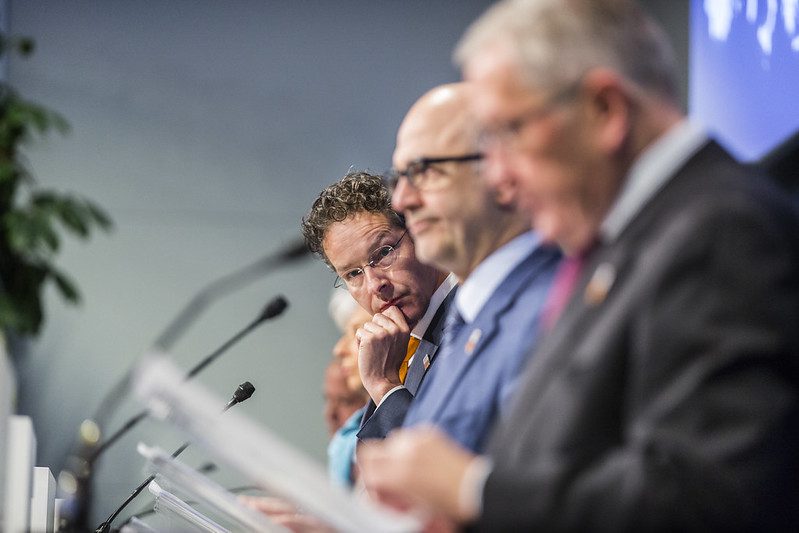
The European Union pledged more than $18.4 billion to foreign aid in response to the COVID-19 pandemic in April 2020. Additionally, the President of the European Union Commission stated in a press release that ‘the virus knows no borders. This global challenge needs strong international cooperation. The European Union is working tirelessly to fight the pandemic.”

The European Union’s foreign aid contributions are impressive and successful. Also, the European Union continues to act charitably to foreign countries even when its own economy is facing issues due to the pandemic. Furthermore, the European Union has taken leadership in responding to the global pandemic.

– Adelle Tippetts
Photo: Flickr
October 25, 2020
https://borgenproject.org/wp-content/uploads/borgen-project-logo.svg 0 0 Jennifer Philipp https://borgenproject.org/wp-content/uploads/borgen-project-logo.svg Jennifer Philipp2020-10-25 08:39:482021-04-06 08:40:05European Union’s Foreign Aid 
Foreign Aid, Global Poverty

United Kingdom’s foreign aid to Ukraine

United Kingdom's Foreign Aid
The United Kingdom has boosted its foreign assistance to Ukraine with an additional £5 million (about $6.5 million) in humanitarian aid. Announced during a recent visit to London by Ukrainian President Volodymyr Zelenskyy, the United Kingdom’s foreign aid will help alleviate widespread suffering caused by the conflict in eastern Ukraine and the coronavirus pandemic.  Among other objectives, such assistance will allow for the procurement of food, water and medical supplies in addition to providing much-needed psychosocial support to victims of sexual and gender-based violence.

Furthermore, President Zelenskyy has also received a commitment from U.K. Prime Minister Boris Johnson for preferential trade and for greater cooperation between the two countries on issues relating to politics, security and foreign affairs.  The Political, Free Trade and Strategic Partnership Agreement that both leaders signed during their London meeting outlined these goals.  According to U.K. Foreign Secretary Dominic Raab, the combination of humanitarian assistance and bilateral cooperation “[…] is a clear demonstration of the U.K.’s commitment to Ukraine’s prosperity and security.”

Conflict in Crimea

The United Kingdom’s foreign aid will support efforts to address the humanitarian emergency in eastern Ukraine, which developed as the result of years of armed conflict.  After popular anti-government protests prompted former President Viktor Yanukovych to flee the country in February 2014, Russian President Vladimir Putin seized the opportunity to send troops to Ukraine’s Crimean Peninsula.  His formal (and illegal) annexation of Crimea one month later exacerbated ethnic tensions throughout the region, inspiring pro-Russia Ukrainians to hold a referendum and declare their independence.

Since April 2014, violence between Russia-backed separatists and Ukrainian military forces has claimed the lives of more than 13,000 people, but many more have experienced serious injury.  Diplomatic efforts to broker a peaceful resolution have been unsuccessful; skirmishes and shelling continue, and unexploded landmines remain a serious threat.

As of December 2019, reports determined that 730,000 people were internally displaced in territories that the Ukrainian government controlled, while the majority of those who have remained in eastern Ukraine are elderly, ill or disabled. The United Nations has estimated that over 4 million people are dependent upon some form of humanitarian support, but this number could increase as temperatures drop during the coming months.

Economic Turmoil

Six years of bloodshed is not the only trial Ukrainians have faced, however; they must also contend with a struggling economy. Although poverty rates have fallen in recent years and President Zelenskyy has promised to root out corruption among the political elite, Ukraine currently ranks as the poorest country in Europe, with a GDP per capita of only $3,140. And yet, economic conditions could worsen significantly in the wake of COVID-19.

Even if the full extent of the pandemic’s financial impact is still unclear, the latest Economic Activity Report that Ukraine’s Ministry for Development of Economy, Trade and Agriculture released reveals that the country’s GDP decreased by 5.9% between January and May 2020. This has led the Cabinet of Ministers to predict that the Ukrainian economy may shrink by as much as 8% in 2020, with the potential for lower wages and greater unemployment. According to conservative estimates from UNICEF, the economic downturn could cause 6.3 million more people in Ukraine to fall into poverty, 1.4 million of these being children.

In the current context of a global health crisis layered above political and economic instability, an increase in the United Kingdom’s foreign aid to Ukraine will provide essential humanitarian relief. Moreover, the additional £5 million will also support essential projects to rebuild housing and health facilities and to help finance business ventures that encourage the country’s economic recovery. Finally, it is just a fraction of the total foreign aid—£40 million, or $51.8 million—that the British government has allocated to Ukraine during 2020.

Benefits of Foreign Aid

Beyond those benefits mentioned above, there are other significant advantages of the U.K.’s foreign aid and its Political, Free Trade and Strategic Partnership Agreement with Ukraine. These include:

  • Expressing the U.K.’s support for the protection of vulnerable people in eastern Ukraine and for the maintenance of an international community that respects human rights;
  • Creating a channel for the U.K. to pressure Ukrainian officials to enact reforms for future economic growth; and
  • Restoring peace in a democratic country whose stability is, as Foreign Secretary Raab stated, essential for the security of the entire European continent. This is especially true in light of Ukraine’s intention to join the European Union and the NATO alliance.

Combined with similar actions by other governments, including the E.U. and the United States, the steps in London earlier in October 2020 to increase the United Kingdom’s foreign aid and strengthen its ties with Ukraine will hopefully alleviate the immediate struggles of the Ukrainian people while bolstering their country’s efforts toward peace and recovery in the longer term.

– Angie Grigsby
Photo: Flickr

October 24, 2020
https://borgenproject.org/wp-content/uploads/borgen-project-logo.svg 0 0 Jennifer Philipp https://borgenproject.org/wp-content/uploads/borgen-project-logo.svg Jennifer Philipp2020-10-24 04:33:512020-10-24 04:33:51United Kingdom’s foreign aid to Ukraine
Foreign Aid, Global Poverty, Poverty Eradication, Poverty Reduction

Innovations in Poverty Eradication in Ethiopia

innovations in poverty eradication in ethiopiaEthiopia, officially known as the Federal Democratic Republic of Ethiopia, is located in East Africa. It has historically struggled to keep a majority of its population out of extreme poverty. In 1995, 71.1% of Ethiopia’s population lived on less than $1.90 a day. However, thanks to innovations in poverty eradication in Ethiopia, this figure has decreased to 30.8% as of 2015. The top innovations in poverty eradication in Ethiopia include economic development plans and the expansion of social services. Foreign aid from allied nations, like the U.S., has helped make these innovations in poverty eradication in Ethiopia possible.
Economic Development Plans

The main mechanism for successfully reducing poverty in Ethiopia is its chain of innovative economic development plans. Beginning with the Plan for Accelerated and Sustained Development to End Poverty (PASDEP) in 2005, Ethiopia has implemented a series of these plans. Each last five years in order to adapt to the new market. In 2010, the First Growth and Transformation Plan (GTP I) replaced the PASDEP. The Second Growth and Transformation Plan (GTP II) succeeded this plan in 2015.

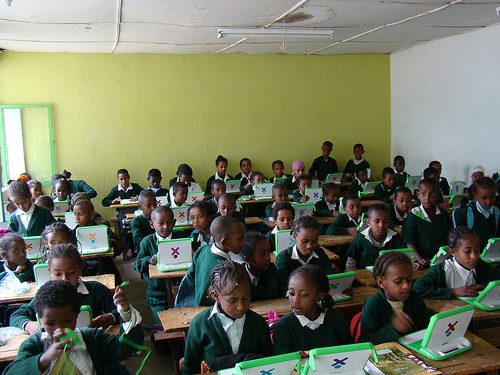
The GTP II remains in place but is nearing the end of its five-year installment. The plan doubled down on the previous strategies’ prioritization of human resource and infrastructure development. As such, it has sustained economic growth in Ethiopia. This was most evident in Ethiopia’s huge spending increase in the education sector. Roughly one quarter of the nation’s total expenditures go toward education and training. Importantly, this far surpasses the allocated budget in every other nation in the region. Access to “universal primary education” also rose exponentially—an important milestone for the country. In addition, the plan called for large investments in roads, railways, power and agriculture.

The plan also focused on industrial development, strengthening the manufacturing industry to increase economic growth. Analyst for the Development Initiatives, Peace Nganwa, writes that “interventions that increase economic growth also contribute directly to poverty reduction.” Since the GTP II’s implementation, Ethiopia’s GDP has grown substantially. The total GDP grew from $64.6 billion in 2015 to $96.1 billion as of 2019, a whopping 48.8% increase.

Expansion of Social Services

Ethiopia’s focus on improved social services has dramatically increased the welfare of its citizens. Besides education, health, transportation, energy infrastructure and water and sanitation have expanded greatly. Health coverage in particular has been a priority for Ethiopia in the past few years. Substantial increases to healthcare funding brought Ethiopia’s access to health coverage to 98% in 2018. This was an important mark to hit, especially before the coronavirus pandemic reached the country.

Furthermore, water scarcity has historically been problematic for Ethiopia. The nation accounts for 7.5% of the global water crisis, affecting more than 62 million citizens. However, Ethiopia’s focus on the issue has helped reduce it significantly. This work has brought the country’s access to potable water to 66%. All of these social service expansions contributed to increasing the overall life expectancy of Ethiopians. Specifically, it now rests at 64.6 years.

International Assistance

Foreign development assistance made these innovations in poverty eradication in Ethiopia possible. In 2010, for instance, the $3.5 billion Ethiopia received in total foreign donations covered more than half of its spending. The largest contributor to this was the United States, giving $875 million.

As the nation plans another five years of poverty eradication measures, it faces one of the hardest challenges the world has come by: COVID-19. Ethiopia has proven that it can strategize to eradicate poverty within its borders. However, it needs assistance from foreign nations to make it truly achievable, now more than ever in the face of a pandemic.

– Asa Scott
Photo: Wikimedia

October 23, 2020
https://borgenproject.org/wp-content/uploads/borgen-project-logo.svg 0 0 Lynsey Alexander https://borgenproject.org/wp-content/uploads/borgen-project-logo.svg Lynsey Alexander2020-10-23 15:50:532020-10-23 15:50:53Innovations in Poverty Eradication in Ethiopia
Foreign Aid, Global Poverty, United Nations

5 Countries With the Most Generous and Principled Foreign Aid Policies

Foreign Aid Policies In 2019, the Overseas Development Institute came out with the principled aid index to assess the degree to which donor countries are contributing to a prosperous world. According to the report, the principled foreign aid policies not only benefit the country that receives the aid, but it also serves the interests of the donor country. Below is a list of how this report’s top five countries are using their foreign aid:

5 Countries Foreign Aid Policies

  1. Luxembourg is a small country in Western Europe that has pledged 0.96% of its gross national income (GNI) to go towards development and aid. It is one of the few countries that meet a goal set by the U.N. to dedicate 0.7% of a country’s GNI to foreign aid. Luxembourg starts by targeting some of its partner countries, which include Burkina Faso, Nicaragua, Mali and Senegal. With remaining funds, Luxembourg helps provide humanitarian assistance in Kosovo, the Palestinian territories and Vietnam. The country also focuses on private enterprises through microfinance and inclusive finance to help promote productivity. In 2020, Luxembourg joined the International Aid Transparency Initiative which motivates the government to share data about foreign aid spending with the public. Accountability is an important factor in creating sustainable aid.
  1. The United Kingdom is another country that has met the U.N. goal of 0.7% of GNI for foreign aid. The U.K. set the goal back in 1974 but recently achieved it in 2013. Additionally, the government inscribed the goal into law in 2015 so that the country now has a legal duty to achieve it. Around 64% of the U.K.’s foreign aid goes to countries for bilateral aid. The main recipients of bilateral aid include Pakistan, Ethiopia, Nigeria, Syria and Afghanistan. The remaining 36% of the U.K.’s foreign aid goes to multilateral institutions like the E.U. and the U.N. Additionally, the U.K. has also provided humanitarian aid for Liberia and Sierra Leone during the Ebola outbreak. Also, the country offered assistance to Nepal and Indonesia — following natural disasters and Somalia during the hunger crisis.
  1. Sweden has continuously met the U.N. goal since 1976. The country even made its own goal to dedicate 1% of its GNI to foreign aid in 2008. In 2019, Sweden allotted 0.98% of its GNI for foreign aid. Along with Norway, Sweden is considered to be a “humanitarian superpower.” The Swedish development cooperation, also known as Sida, is Sweden’s leading agency for providing foreign assistance. Sweden has 33 partner countries that it helps by creating income opportunities and strengthening democracy. Sweden is dedicated to helping achieve the U.N., 17 Sustainable Development Goals (SDGs). The country’s primary goals include human rights, democracy and the rule of law, gender equality, the environment and climate change, health equity and education and research.
  1. Norway has met the U.N. goal for providing foreign aid since 1976. In 2019, Norway apportioned 1.02% of its GNI for foreign aid and development. Norway’s foreign aid policies use an approach that follows the 2005 Paris principles. These principles value ownership, alignment, harmonization, managing for results and accountability. Norway provides foreign aid funding for civil society organizations and budget support. The country also uses a large part of its budget to help people inside its borders. For example, Norway has used part of its budget to provide for its refugee population, which included more than 50,000 refugees in 2019.
  1. Ireland currently does not meet the U.N. goal, but the country is hoping to double its impact by 2025. In 2017, 0.36% of Ireland’s GNI went toward its foreign aid budget. Ireland’s foreign aid focuses on developing countries in sub-Saharan Africa. The country hopes to combat the issues of displacement and conflict, which Ireland’s main concern — climate change, tends to exacerbate. Additionally, developing countries are more likely to feel the effects of climate change disproportionately as compared with developed countries.

Striding Forward

These five countries’ foreign aid policies are impressive examples of how developed nations can make valuable contributions to global well-being. Hopefully, more undeveloped countries continue to benefit from foreign aid policies of more developed nations. Likewise, it is important these developed countries continue their efforts to achieve the U.N. goals, for theirs and the world’s greater benefit.

– Camryn Anthony
Photo: Pixabay

October 19, 2020
https://borgenproject.org/wp-content/uploads/borgen-project-logo.svg 0 0 Kim Thelwell https://borgenproject.org/wp-content/uploads/borgen-project-logo.svg Kim Thelwell2020-10-19 03:06:252024-05-30 07:52:365 Countries With the Most Generous and Principled Foreign Aid Policies
Foreign Aid, Global Poverty

How are Foreign Aid, Pork and Poverty Related?

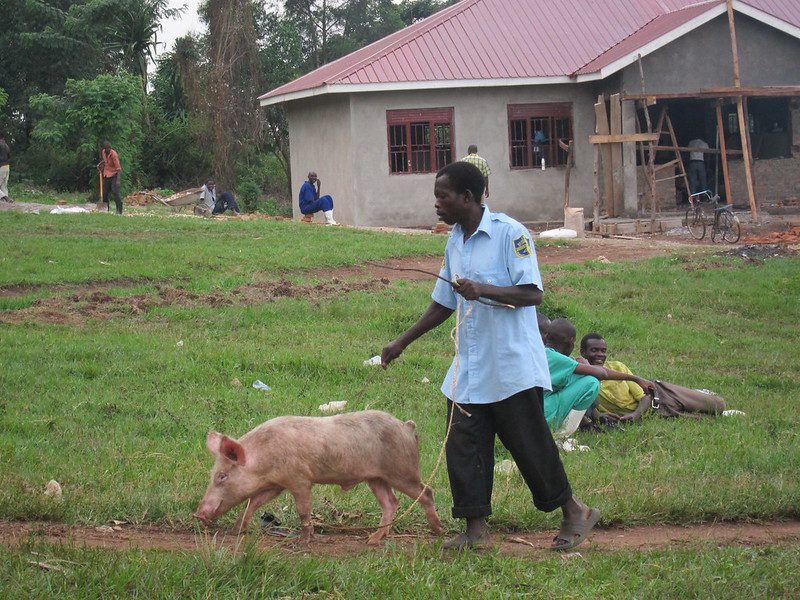
pork and povertyAfrican Swine Fever (ASF) may seem unimportant during the COVID-19 pandemic, especially as the virus that causes ASF cannot infect people. Nevertheless, it can produce serious consequences. ASF can cause up to 100% mortality in pigs. The disease not only affects pork, the most consumed meat in the world, but also devastates the livelihoods of pig farmers around the world. ASF may also hurt a country’s trade with other countries. In addition, ASF can be the target of an eradication program that costs millions of dollars. For example, in Spain, it cost an estimated $92 million in just five years. Rural development and the alleviation of poverty are at stake as well. Hence, the connection between foreign aid, pork and poverty is more significant than you might think.
ASF in Nigeria

Pig farming is connected to the livelihoods of people around the world. In Nigeria, pig farming helps Nigerians get out of poverty. An outbreak of ASF during the summer of 2020, however, already affected Nigerian farmers. Farmer Ayo Omirin told the BBC that four farmers died as a result of shock. Two of these farmers, who slumped over and died on the farm, leave their dependents facing an uncertain future. Thankfully, the state government has offered help to the farmers impacted by ASF.

Foreign Aid, Pork and Poverty

To successfully combat ASF, foreign aid flows must not stop. The Nigerian state government may have been able to provide help in part to such flows. To help us better understand foreign aid, The Borgen Project interviewed Professor Waya Quiviger, an IE University professor. Quiviger told The Borgen Project that “[Foreign aid] … could be defined as the international transfer of capital, goods or services from a country or international aid agency to a recipient country or its population. That would be a simple definition. Foreign aid consists of all resources transferred from donors to recipients.” This would include military aid and private aid, such as NGOs and individual donations.

ASF: Damaging Pork and Poverty

In 2009, scientists authored a report that said “[international] agencies and donors should promote local capacity development, research activities including risk assessment, and regional coordination of emerging swine disease surveillance including ASF.” Now in 2020, foreign aid is more essential than it was then. This may be because the majority of official foreign aid is allocated with respect to public goods.

Quiviger told The Borgen Project that “[Official Development Assistance (ODA)] … is basically public aid.” Foreign aid flows target the economic development and welfare of designated recipient developing countries. Many of the countries in which ASF is or could be present will need support in order to adequately control the disease. In particular, these countries have insufficient Veterinary Services and/or policies.

In 2019, the Organization for Economic Cooperation and Development (OECD) designated the World Organisation for Animal Health (OIE) as an ODA-eligible international organization. Consequently, ODA can contribute to to the Regular Budget of the OIE. Additionally, designated countries can receive assistance through the OIE.

Why Should Donor Countries Provide Foreign Aid?

ASF can generate or make more pronounced socio-economic problems, such as food insecurity. These problems could lead to suffering and instability, which other countries may wish to address. Additionally, others may feel sympathetic or worry about their country’s national security. Countries may then send funds to address the problem.

As an incentive, donor countries could see how the OIE is involved in other activities. For example, peste des petits ruminants (PPR), a disease of goats and sheep, threatens the livelihoods of 300 million rural families around the world. In 2019, the OIE Vaccine Bank delivered 10.1 million doses of a vaccine to deal with the disease. Funding for this program came from the World Bank, the E.U., Italy, France and the U.K. Together with international agencies, national actors, can use foreign aid to help control ASF. Thus, people around the world can enjoy pork, maybe even as they move past poverty.

What Can You Do?

Quiviger mentioned in the interview that “Another type of aid is private aid … Private aid is aid given from NGOs or donors, like you and me. Bill Gates for instance.” However, during the COVID-19 pandemic, donor countries may scrutinize and cut their foreign aid. Importantly, the U.S. is a donor of the OIE. As an individual, you can contact your senators and representatives in Congress to ask them to support the International Affairs Budget.

– Kylar Cade
Photo: Flickr

October 16, 2020
https://borgenproject.org/wp-content/uploads/borgen-project-logo.svg 0 0 Jennifer Philipp https://borgenproject.org/wp-content/uploads/borgen-project-logo.svg Jennifer Philipp2020-10-16 14:33:242020-10-16 14:33:24How are Foreign Aid, Pork and Poverty Related?
Foreign Aid, Global Poverty

Influenza in Sub-Saharan Africa

Influenza in sub-Saharan AfricaAfrica is known for being one of the world’s poorest continents. Poverty directly affects a person’s susceptibility to diseases like influenza. To combat this disease, the future of healthcare in Africa requires funding to improve accessibility in rural regions. Here’s what you need to know about influenza in sub-Saharan Africa.
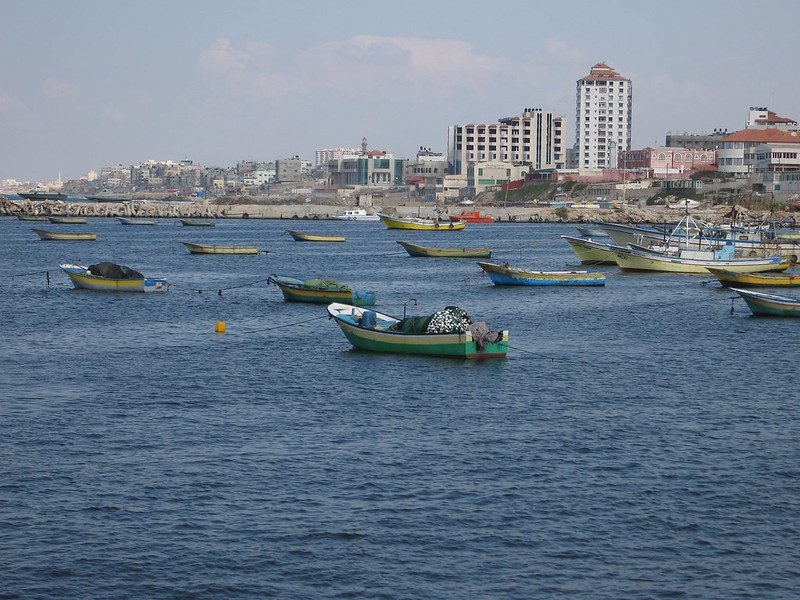

Influenza in Sub-Saharan Africa

While sub-Saharan Africa only accounted for an estimated 7,000 influenza deaths in 2015, this remains the most common and deadly global disease. The mortality rate of influenza in sub-Saharan Africa affects children under the age of five and those over 75. Though the mortality rate seems low compared to the U.S., it does not take into account the presence of healthcare services in Africa versus the U.S. In contrast to Africa, the U.S. had 22,705 influenza deaths in 2015. While these statistics are higher, the U.S. also has more accessible healthcare.

Furthermore, studies have shown that influenza affects many more people than accounted for. Research from the World Health Organization (WHO) shows 40% of antibodies for flu (B) were found in community members 40 years of age and older. This reveals that the virus continued to circulate with no monitoring processes. Importantly, this lack of surveillance contributes to countries’ and NGO partners’ ability to prepare for the next outbreak.

Higher rates of influenza in sub-Saharan Africa are typically found in low to middle-income regions with little resources and access to sanitation and healthcare. In particular, influenza puts nearly “two-thirds of the 34 million” persons infected with HIV at a higher risk for infection and mortality. Existing diseases such as HIV thus put a significant amount of the African population at risk for influenza.

Healthcare in Africa

Africa continues to possess one of the world’s worst healthcare infrastructures, despite funding from the U.S. In 2006, the U.S. gave R100 billion to the South African National Health Insurance (NHI). However, the U.S. provided $28.8 billion to those uninsured in the U.S. during that year, nearly twice the amount granted for all international health.

Rural regions in sub-Saharan Africa account for 60% the population, while urban areas contain 40%. Rural regions lack accessible healthcare compared to urban regions. Due to industrialization, urban areas have greater access to healthcare facilities and university hospitals.

Across many parts of Africa, the ratio of doctors to patients “is below 1/1000 population, with the ‘ratio of physicians per 1000 population essentially unchanged between 2004 (0.77) and 2011 (0.76).” Demand for physicians within these regions is increasing. However, although Africa is producing more physicians, many migrate to the U.S. This leaves rural regions of sub-Saharan Africa with few qualified healthcare providers.

Solutions and Aid

Awareness and aid are crucial to improving infrastructure and healthcare in Africa, so that it can respond to influenza outbreaks. The W.H.O. has created the Africa Flu Alliance, finding factors leading to the underfunding of healthcare to assess its overall impact. Similarly, the Africa Flu Alliance created a “strategic road map” of targets to control influenza in sub-Saharan Africa. It hopes to influence organizations, private funding and projects to support the organization’s initiatives.

Private sectors and nonprofits contribute to approximately half of Africa’s total healthcare funding and expenditures. Twenty-two organizations and nonprofits are working to combat the gap between health services in rural and urban areas. In addition, The African Network for Influenza Surveillance and Epidemiology (ANISE) was created in 2009, with a growing network alongside the CDC. Continual meetings from 2009 to 2012 allowed officials and representatives to discuss achievements and areas of improvement.

Reducing Aid Dependency: Can It Work?

Despite the reliance on Western assistance for years, President Trump’s foreign aid budget cuts could be incredibly harmful or begin for Africa. Given the situation, governments within Africa will need to strive for improvements in monetary policies, transparency and reduced corruption. To improve self-sufficiency, experts recommend regional integration, or “the process by which two or more nation-states agree to co-operate and work closely together to achieve peace, stability and wealth.” Initiatives like Africa’s Continental Free Trade Area (CFTA) will enable 54 countries to trade freely. This will improve Africa’s economic stability by an estimated 50% increase in trade.

The battle of influenza in sub-Saharan Africa correlates directly with the absence of monitoring for significant health concerns. Expanding upon the existing healthcare infrastructure can not only contain and treat disease but also help grow Africa’s economy. Surveillance will be key in this process, as statistics tell actors what they need to improve. But with the support NGOs, funding can help control influenza in sub-Saharan Africa.

– Allison Lloyd
Photo: Flickr

October 16, 2020
https://borgenproject.org/wp-content/uploads/borgen-project-logo.svg 0 0 Jennifer Philipp https://borgenproject.org/wp-content/uploads/borgen-project-logo.svg Jennifer Philipp2020-10-16 13:15:412024-05-30 07:52:26Influenza in Sub-Saharan Africa
Foreign Aid, Global Poverty, Health

Improving Water Supply in Palestine

Improving Water Supply in Palestine
Water is an extremely important resource in Palestine; yet, its inhabitants struggle to obtain adequate amounts of it to survive. When Palestine and Israel signed the Oslo Accords, Palestinians were to receive a certain degree of water access. However, the population of Palestine has doubled since the Oslo Accords came into play. Despite its growing population, Palestine retains the same amount of water access as in 1995. This is troublesome, considering the Oslo Accords’ purpose was to guarantee Palestinians’ water supply would increase to about 200 million cubic meters by 2000. The current amount of water access the Palestinian people have is simply insufficient. In the face of this dire situation, various international organizations are working on improving the water supply in Palestine.

United States Agency for International Development (USAID)

One organization that has assisted Palestinians for some time now is the international development agency, USAID. Since 1994, the group has been committed to improving Palestinian infrastructure. One of the agency’s key successes in improving water resources in Palestine was the upgrading of water distribution networks. This resulted in access to clean water for about 310,000 people as of 2014.

Since 1994, USAID has drilled or refurbished 17 wells and installed 900 kilometers of water pipelines. In addition to helping residents meet basic human needs, USAID initiatives have improved the state’s economy. In total, the organization’s accessibility efforts have provided 1,300,000 days of employment for Palestinians.

United Nations Development Programme (UNDP)

The United Nations Development Programme has also been improving the water supply in Palestine. One example of the program’s support is in the Palestinian city of Rafah. Here, only 7% of water is utilized for domestic use as defined by the World Health Organization. Fortunately, the UNDP aided these Palestinians by building a 3000-cubic-meter water tank. This water tank has raised the water supply for about 50% of the city’s population. To date, the UNDP has conducted 200 other projects aimed at improving water supply in Palestine.

The UNDP has also initiated its Emergency Water Supply and Rehabilitation Programme. Many of the ongoing improvements have helped people in Rafah. Moreover, the Tel Al Sultan area, near Rafah, has seen boosts in its water supply as well. For example, 75,000 people living in the area have access to a reliable water supply for about 12 hours per day. This stands in stark contrast to previous statistics of half that amount, provided every three days. Another city the Emergency Water Supply and Rehabilitation Programme reaches is Beit Hanoun. About 70,000 Palestinians in this area now have a reliable source of water due to the implementation of two water tanks. Both tanks fairly distribute water from wells throughout the city. Finally, the UNDP has installed 10,000 meters of a new and improved water network that will prevent pipeline contamination.

Hope Flows

While Palestinians still struggle to obtain the water resources that they need, they have received crucial assistance from international organizations like USAID and UNDP. As Palestine continues receiving this beneficial assistance and reaps the subsequent health and economic benefits, there is hope that this state will soon provide clean water to all of its inhabitants.

– Jacob Lee
Photo: Flikr
October 16, 2020
https://borgenproject.org/wp-content/uploads/borgen-project-logo.svg 0 0 Kim Thelwell https://borgenproject.org/wp-content/uploads/borgen-project-logo.svg Kim Thelwell2020-10-16 04:44:382024-05-30 07:52:25Improving Water Supply in Palestine
Developing Countries, Foreign Aid, Global Poverty

5 New Bills To Improve US Foreign Aid

Improve U.S. Foreign AidThe U.S. is currently ranked seventh in the list of “best countries,” according to US News. Further, the nation is known worldwide for its dominant economy and strong military power. Given its global influence, the U.S. has the power to impact the lives of citizens in developing countries. Over the years, the U.S. has provided substantial aid to help reduce famine and poverty rates in some of the world’s poorest countries. To continue assisting vulnerable areas in the future, Congress holds the power to pass certain bills that improve U.S. foreign aid policies. Every year, lawmakers introduce several bills to improve U.S. involvement in developing countries. Here are 5 pending bills designed to improve U.S. foreign aid:

5 New Bills to Improve US Foreign Aid

  1. H.Res. 517. New York Representative, Eliot Engel, introduced this bill in July 2019. It aims to support the Global Fund to fight AIDS, tuberculosis (TB), malaria and its Sixth Replenishment. It urges donor countries to help decrease the damage caused by these diseases, as well as to contribute donations. The bill also encourages recipient countries to keep their promises of utilizing the support to demonstrate progress in ending the AIDS, TB and malaria epidemics.
  2. H.Con.Res. 78. California Representative, Barbra Lee, introduced this bill in December 2019. This measure strives to promote the ideas and goals of World AIDS Day. It also supports continued funding for PEPFAR and the Global Fund to fight illnesses such as AIDS, Tuberculosis and Malaria. Additionally, it provides HIV/AIDS prevention, care and treatment in low and middle-income countries. Finally, this proposal supports efforts that contribute to decreased HIV rates worldwide and acknowledges the root causes of this disease in developing countries.
  3. S.Res. 169. Junior Senator for Oregon, Jeff Merkley, introduced this bill in April 2019. This measure presents a resolution to the statement under section 502B(c) of the Foreign Assistance Act of 1961. Concerning violations of human rights by the Government of Saudi Arabia: it states that the U.S. government should call on Saudi Arabia to release all innocent human rights activists currently imprisoned. This includes journalists and religious minorities as well. Furthermore, the bill requests that the Saudi Arabian government reverse its human rights violations.
  4. FY21. Newly introduced in response to the global crises of 2020, this bill includes $65.87 billion in foreign aid funding — an increase of nearly $8.5 billion from the fiscal year 2020 budget. The bill designates $10 billion for funding global COVID-19 responses and for the World Health Organization. Also, this bill allocates $25 million to global maternal and child health, as well as $750 million for global family planning. Moreover, several million dollars contribute to various Global Health and Disease Programs.
  5. H.Res. 527. California Representative, Alan Lowenthal, introduced this bill on July 25, 2019. The goal of this bill is to promote human rights worldwide. It recognizes the violation and erosion of human rights in several countries and urges all U.N. members to promote human rights. Also, H. Res. 527 encourages the U.S. to develop programs that promote the recognition of justice for all. For example, the creation of the national holiday “Human Rights Day.”

Making an Impact

With more power and financing than many other countries, the U.S. is in a unique position to influence the economies and governments of developing nations. Through passing these bills to improve U.S. foreign aid and support, the nation can leave a lasting, positive impact on people living in poverty around the world.

– Megan Ha
Photo: Flickr

October 16, 2020
https://borgenproject.org/wp-content/uploads/borgen-project-logo.svg 0 0 Kim Thelwell https://borgenproject.org/wp-content/uploads/borgen-project-logo.svg Kim Thelwell2020-10-16 03:21:052020-10-16 03:21:055 New Bills To Improve US Foreign Aid
Page 19 of 61«‹1718192021›»

Get Smarter

  • Global Poverty 101
  • Global Poverty… The Good News
  • Global Poverty & U.S. Jobs
  • Global Poverty and National Security
  • Innovative Solutions to Poverty
  • Global Poverty & Aid FAQ’s
Search Search

Take Action

  • Call Congress
  • Email Congress
  • Donate
  • 30 Ways to Help
  • Volunteer Ops
  • Internships
  • Courses & Certificates
  • The Podcast
Borgen Project

“The Borgen Project is an incredible nonprofit organization that is addressing poverty and hunger and working towards ending them.”

-The Huffington Post

Inside The Borgen Project

  • Contact
  • About
  • Financials
  • President
  • Board of Directors
  • Board of Advisors

International Links

  • UK Email Parliament
  • UK Donate
  • Canada Email Parliament

Get Smarter

  • Global Poverty 101
  • Global Poverty… The Good News
  • Global Poverty & U.S. Jobs
  • Global Poverty and National Security
  • Innovative Solutions to Poverty
  • Global Poverty & Aid FAQ’s

Ways to Help

  • Call Congress
  • Email Congress
  • Donate
  • 30 Ways to Help
  • Volunteer Ops
  • Internships
  • Courses & Certificates
  • The Podcast
Scroll to top Scroll to top Scroll to top