• Link to X
  • Link to Facebook
  • Link to Instagram
  • Link to TikTok
  • Link to Youtube
  • About
    • About Us
      • President
      • Board of Directors
      • Board of Advisors
      • Financials
      • Our Methodology
      • Success Tracker
      • Contact
  • Act Now
    • 30 Ways to Help
      • Email Congress
      • Call Congress
      • Volunteer
      • Courses & Certificates
      • Be a Donor
    • Internships
      • In-Office Internships
      • Remote Internships
    • Legislation
      • Politics 101
  • The Blog
  • The Podcast
  • Magazine
  • Donate
  • Click to open the search input field Click to open the search input field Search
  • Menu Menu

Archive for category: Foreign Aid

Foreign aid coverage and information.

Developing Countries, Food Insecurity, Foreign Aid, Foreign Relations, Global Poverty

USAID Provides $20 Million Worth of Wheat to Sudan

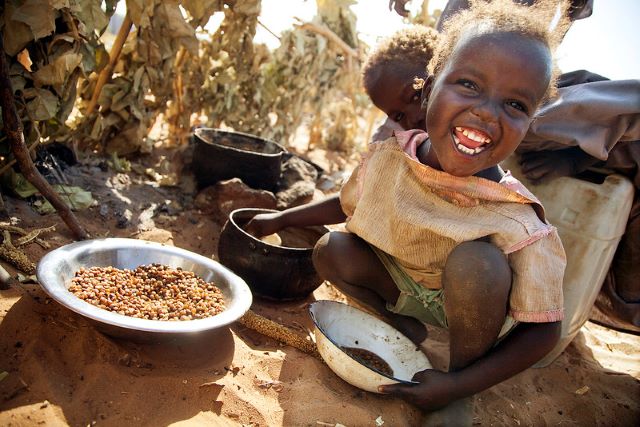
Wheat to SudanSudan’s position on the list of states that sponsor terrorism restricted their trades, imports and economy. However, with the recent removal, Sudan has already reaped the benefits of foreign aid from the United States. USAID approved a $20 million payment to the World Food Programme to provide a massive 65,000 metric ton shipment of wheat to Sudan.

Diplomacy Opens Doors

The $20 million shipment of wheat to Sudan is part of an $81 million commitment from the U.S. to help Sudan fight poverty and hunger. This contribution will bring its total aid for the fiscal year to over $400 million, making the U.S. the largest aid sponsor to Sudan.

Sudan’s removal from the list of states sponsoring terrorism was contingent on Sudan’s recognition of Israel as a nation.  After such recognition, Israel also sent a $5 million wheat shipment to Sudan.

Economic Lockdown Compounds Hunger Crisis

While Sudan has found recent diplomatic success, its plight as a nation remains dire. Nearly half of Sudanese people are in poverty, with 46% living under the poverty line as of 2018.

Roughly nine million people will need food assistance in 2020, up by 9% from 2019, as widespread poverty has been worsened by the effect of COVID-19 on the economy.

Further stress on already limited food resources comes from droughts, floods and conflict that has displaced nearly two million people, compounded with hosting one million refugees who need food assistance.

The rampant poverty in Sudan has led to extreme numbers of children suffering from hunger and malnutrition across the nation. The number of children facing emergency food insecurity levels doubled over the last year to 1.1 million. According to Save the Children’s country director in Sudan, Arshad Malik, “120 children are dying every day due to malnutrition.”  Overall, 9.6 million individuals in Sudan are food insecure as a result of lockdown restrictions, a weak economy, natural disasters and conflict.

USAID Contributes to Disaster Relief

Although the weak economy has waned further from job losses and food prices soaring from economic restrictions, food aid remains the first priority for Sudan and USAID. Additionally, Sudan has suffered from its worst floods in 100 years, which has caused massive destruction due to vast underdevelopment. USAID granted another $60 million in aid for Sudan to recover from flooding and fight waterborne diseases that can spread during floods.

Foreign Aid Essential to Development

Sudan’s new democracy undoubtedly faces short and long-term obstacles with regard to the country’s development and stability. Natural disasters, economic woes, poverty and hunger, cripple an already struggling nation. The shipment of wheat to Sudan from USAID is crucial for helping the people of Sudan meet their daily needs and alleviating hunger and poverty. Extending the olive branch of foreign aid creates interdependence between nations and encourages peace and prosperity. Bringing nations such as Sudan out of poverty creates a more secure, just and prosperous world.

– Adrian Rufo
Photo: Flickr

January 7, 2021
https://borgenproject.org/wp-content/uploads/borgen-project-logo.svg 0 0 Kim Thelwell https://borgenproject.org/wp-content/uploads/borgen-project-logo.svg Kim Thelwell2021-01-07 02:03:302024-05-29 22:57:28USAID Provides $20 Million Worth of Wheat to Sudan
Foreign Aid, Foreign Policy, Global Poverty, Women's Empowerment

Sweden’s Feminist Foreign Policy

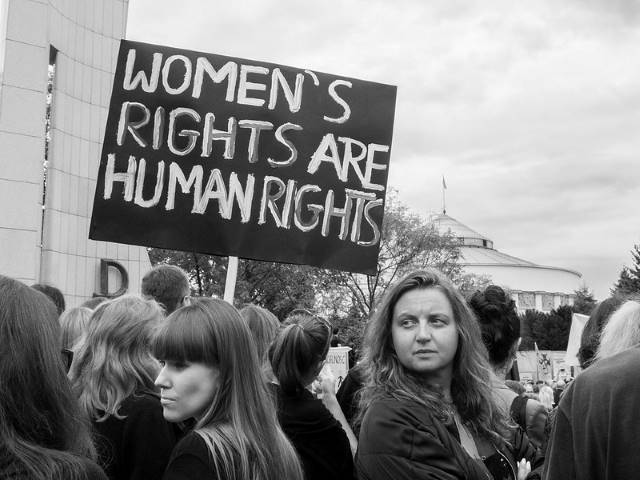
Sweden’s Feminist Foreign PolicySweden, one of the Nordic countries known for its economic stability, high education rates and social mobility, has also been serving as a prime example of humanitarian-focused foreign policy. The Scandinavian nation has not participated in a single war since 1814 and is currently running one of the world’s most revolutionary foreign policies. Sweden’s feminist foreign policy is the first of its kind, with aims to promote gender equality worldwide and put women at the forefront of humanitarian efforts.

Sweden’s Feminist Foreign Policy

With regard to foreign policy, minority groups and underrepresented populations are often unintentionally overlooked. Sweden’s foreign policy, on the other hand, takes a modern approach, with Sweden becoming the first country in the world to launch a feminist foreign policy in 2014. Sweden has a feminist government and years of efforts to promote gender equality and take heed of the female voices rarely heard in the distant wars and conflicts inspire the feminist approach.

Sweden’s feminist foreign policy is based on the justification that lasting peace, security and development cannot be achieved if half the world’s population is excluded. The policy is a response to the discrimination and systematic subordination that endless women and girls face daily, all over the world. By taking this approach, the Swedish government hopes to change the way the world perceives the structure of international relations in today’s globalized world.

Sweden’s International Aid

Sweden is one of the only nations that has surpassed the goal of giving 0.7% of its GNI to foreign aid and has been providing around 1% consistently since 2008. Prior to COVID-19, the developmental aid from Sweden had been mainly directed to Afghanistan, Somalia, Mozambique, Tanzania and Uganda.

What is Sida?

Sweden’s foreign policy aims to help nations worldwide accomplish the U.N. Sustainable Development Goals (SDGs). The type of aid Sweden provides and how a nation will utilize this aid depends on the needs of each nation and the nation’s SDG standing. Sida is a Swedish government agency that works globally to fight for the improvement of SDGs in every nation and creates long-term projects that aim to do so. Sweden selects strategies and policies for each country that it gives aid to in accordance with each country’s needs, ensuring to personalize foreign aid to achieve the maximum impact.

A Leader in Foreign Policy

For more than a decade, Sweden has been acting as a leader in humanitarian international relations and is now one of three nations running a feminist foreign policy. The country ensures in every step that its actions on foreign grounds and the aid provided have positive long-term influences, rather than acting as a momentary band-aid. This type of foreign policy is an inspiring example of what is necessary to achieve the SDGs by 2030 while fighting global poverty, hunger and inequality worldwide.

– Anna Synakh
Photo: Flickr

January 5, 2021
https://borgenproject.org/wp-content/uploads/borgen-project-logo.svg 0 0 Yuki https://borgenproject.org/wp-content/uploads/borgen-project-logo.svg Yuki2021-01-05 06:27:372024-06-04 01:08:49Sweden’s Feminist Foreign Policy
Developing Countries, Food Insecurity, Foreign Aid, Global Poverty

Dual Disasters: International Aid to El Salvador

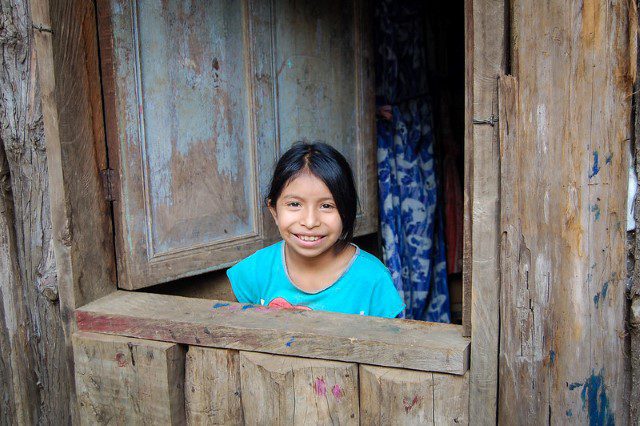
International Aid to El SalvadorEl Salvador faces threats from multiple angles as heavy tropical flooding has been compounded by the ongoing COVID-19 crisis. While El Salvador has managed to curtail infection rates by imposing strict restrictions, in October 2020, more than 32,000 people had COVID-19, with around 1,000 deaths. Due to the stringent measures to protect against the pandemic, economic growth has been stifled and poverty reduction efforts have waned. Organizations are stepping in to provide international aid to El Salvador.

Dual Disasters in El Salvador

In May and June of 2020, the tropical storms Amanda and Cristobal wreaked havoc on the people of El Salvador. Nearly 150,000 people were affected by heavy rain, flooding and severe winds. Developing countries such as El Salvador have poor building infrastructure and during natural disasters homes are more likely to be destroyed by storms. The World Food Programme (WFP) has estimated that about 380,000 people in El Salvador do not have sufficient access to nutritious food due to the dual disasters that have weakened infrastructure and the economy. An estimated 22,000 farmers have suffered from the destruction of flooding, with over 12,000 hectares of agricultural crops being destroyed.

COVID-19 Pandemic Increases Poverty

El Salvador has been moderately successful with poverty reduction, marked by a consistent decline in poverty over the past 13 years, as poverty rates plummeted from 39% to 29% between 2007 and 2017. Extreme poverty was cut from 15% to 8.5% over this time period as well. Additionally, El Salvador has increased its level of equality and is now the second most equal country in Latin America.

Despite this positive trend in poverty reduction, El Salvador has suffered from forced economic restrictions due to the pandemic. Its GDP is projected to decrease by 8% this year due to economic restrictions, a weakened international market and diminished funds sent from El Salvadorians abroad in the United States. Additionally, low income and marginalized individuals are becoming more vulnerable to health issues and wage deficiencies and are falling victim to predatory loans. El Salvador’s economic shutdown and destruction from tropical storms have prompted calls for international aid to alleviate the crisis.

Swift Action to Mitigate COVID-19

El Salvador has seen relatively low COVID-19 cases as a result of its swift response to the pandemic. It adopted strict containment measures faster than any other Central American country and invested heavily in its health system. The government has provided cash distributions to the majority of households, food for low income households and payment deferrals for rent and mortgages in order to curb the effects of the pandemic on citizens.

International Aid to El Salvador

Requests for international aid to El Salvador have been granted in the form of assistance from USAID and the WFP. These organizations are providing disaster relief and bringing in resources to those affected by the storms and the COVID-19 pandemic. USAID has donated $3 million to be dispensed by cash in stipends for vulnerable citizens to buy food. This stipend will boost local economies and reinforce food security for impoverished citizens affected by the dual disasters.

– Adrian Rufo
Photo: Flickr

January 4, 2021
https://borgenproject.org/wp-content/uploads/borgen-project-logo.svg 0 0 Yuki https://borgenproject.org/wp-content/uploads/borgen-project-logo.svg Yuki2021-01-04 03:18:382021-01-04 03:18:37Dual Disasters: International Aid to El Salvador
Foreign Aid, Global Poverty, Humanitarian Aid

Moral obligations to those in need

Moral Obligations
While one may perceive this as a divergence from the norm – rather than focusing strictly on the factual reality of contemporary global poverty, this article will serve as a philosophical investigation into what is due and what others owe to those in need, and what the consequences are when others do not meet those moral obligations to those in need and leave duties unfulfilled.

The Borgen Project spoke with Dr. Zak Kopeikin, a philosophy lecturer at the University of Colorado Boulder (who is especially accredited in formal value theory and its applications), as well as the employment salient ethical arguments from Dr. Michael Huemer’s “Ethical Intuitionism” (2005).

Needs and Their Obligations

Without settling on a single school of thought (just yet), and without engaging with a single ethical maxim, the following statement should, regardless, ring true: there exist moral obligations. For example, a utilitarian might say “A moral obligation that all peoples have is a duty to the maximization of pleasure whenever possible” (defining “good” is out of the scope of this paper, so whatever intuitive conclusion there is on what “good” means will suffice). Similarly, a consequentialist might say that a moral obligation exists to do things that are, in their ultimate effect, good. These two schools of thought (in a very simplified form), with a contemporary inclusion of “care ethics,” will be the broad domain through which the main argument of this article will emerge.

An extrapolation of the above will occur for this, but the further exposition is necessary. It should, additionally, be obvious that there exist discreet and actual needs that people must meet to live a happy and fulfilling life (the implications, and definitions of which, should also be clear on an intuitive basis). What comes to mind, immediately for this latter point, is Abraham Maslow’s “Hierarchy of Needs,” and though relatively antiquated (and more theoretical than anything), it still serves as a useful foundation to which further arguments may be built upon.

The principle (as in first) of Maslow’s pyramid is Physiological Needs – that is, fundamental necessities without which life would be impossible. These include, but are not limited to, water, food, shelter, sleep and clothing. A step above the physiological is Safety Needs – security, employment, health and resources, etc. As with the nature of a pyramid, if a preceding foundation of it is missing constituents or is outright missing, the rest either collapses or remains incomplete.

What is Due

A nearly billion people in countries around the globe fight for these basic needs every day, without end. And with the unprecedented economic fallout of COVID-19, worries exist that this number will increase for the first time in nearly 20 years. There is, without a shadow of a doubt, a serious issue with an imbalance of wealth that exists globally – and though progress has occurred, and some have fulfilled duties, there has been recent controversy with cuts to the International Affairs Budget, involving minimal contributions to bolster foreign aid (only 1.5 billion in early 2020) in the time of the COVID-19 pandemic. In comparison, in just five years, the U.S. defense budget increased by nearly $209 billion.

Needs, then, are undergoing threats, and communities that have just established a semblance of security may see vital means to those needs evaporate if nothing is done – in light of that, the question that emerges is, are people doing enough? It is easy to think about what others owe – perhaps not so easy to think of what is due. The conversation that usually dominates the discourse around humanitarian aid is one of reciprocity rather than moral obligations – especially in the context of the United States.

People throw around the terminology, or phraseology, of “investment,” quite a lot, which carries a weighty implication that whatever someone gives, another must return. Care ethics is applicable here – centrally, it states that human relationships and the care that that entails for either party is intrinsic to human beings and that more significance and virtue in these intrinsic relationships exists. To quote The Internet Encyclopedia of Philosophy, another tenant of Care Ethics is as follows: “[Care Ethics] is [often] defined as a practice or virtue rather than a theory as such, “care” involves maintaining the world of, and meeting the needs of, ourself and others.”

What is Owed

The United States has been able to meet its needs and has met them for decades as one of the most developed nations in the world; the focus, now, must shift to those who have not, and continue to not, reap those rewards. The investment mindset is ultimately detrimental to the state of humanitarian aid – one needs to rephrase it as a conversation, not about reciprocity or what will occur later, for the United States, but what the amount of good the most powerful and wealthy nation on this planet can do – it is only right, a maximization of good, a fulfillment of duty and care, at no cost or detriment to the United States.

And while a debate on whether or not goodness, morality or things of that nature are subjective still exists, Dr. Michael Huemer, a professor at the University of Colorado Boulder, created a strong case against it in his book, “Ethical Intuitionism”: “[Cultural or individual relativists] cannot explain the intuition that the relevant person or group could have morally incorrect attitudes [towards certain matters of moral concern].” Moral obligations of extreme significance to the wellbeing of hundreds of millions of people should not, nor ever be, a matter of debate; the consequences could be, ultimately, disastrous.

The Human Rights Watch

Fortunately, an expansive network of nongovernmental organizations (NGOs have dedicated themselves to humanitarian efforts over the span of decades: one that comes to mind is The Human Rights Watch. The Human Rights Watch (henceforth HRW) has spent the better part of 30 years educating the American public (and, in good part, the whole world) about human rights, and the violations of those rights that occur (with, historically, little justice).

The HRW employs dedicated individuals who devote themselves to fighting encroachments on basic human freedoms and has enjoyed much success in doing so – all for goodness sake; good for the virtue of good and nothing more (a tenant of virtue ethics, which is very much related to the constitution of human rights). The HRW has helped an innumerable amount of people – one can find a success story from nearly every country that the HRW had at least a part in manifesting. Its commitment and dedication to both action and education is inspiring to say the least and serves as an excellent example of what people ought to do – fight for an objective good without any expectation of return.

The time has passed for reciprocity and only moral obligations should exist; wealth gaps between countries, neighboring or otherwise with the United States, have surpassed even the slightest semblance of reasonability. The conversation must start anew on a fresh page – one that includes morality and practical ethics to maximize the wellbeing of the world’s people (and the good that engenders). Various organizations have dedicated themselves to these efforts, but more is necessary – and more is inclusive of every organization, governmental or otherwise, to work for a better world for the good of every single woman, man and child.

– Henry Comes-Pritchett
Photo: Flickr

December 28, 2020
https://borgenproject.org/wp-content/uploads/borgen-project-logo.svg 0 0 Lynsey Alexander https://borgenproject.org/wp-content/uploads/borgen-project-logo.svg Lynsey Alexander2020-12-28 13:55:552021-02-25 13:56:10Moral obligations to those in need
Foreign Aid, Global Poverty

Foreign Aid’s Efficacy through Conditionality

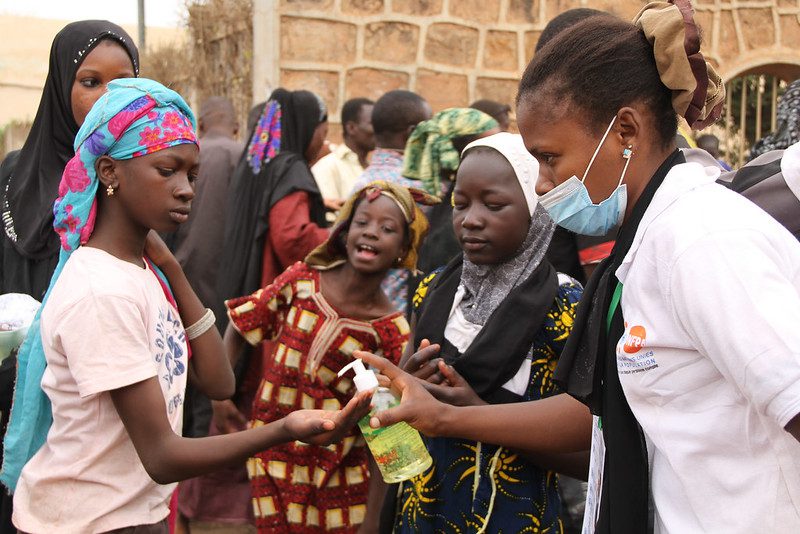
Efficacy Through ConditionalityDuring a summit in 2005, the G8 nations committed to increasing aid for Africa from $25 billion to $50 billion a year by 2010. This was a great change in the trend from previous years when foreign aid was in decline. Often, disappointment related to the effectiveness of foreign aid had caused a decrease in donors’ commitments, but recent studies have tried to prove that donors can improve foreign aid’s efficacy through conditionality.
Aid Conditionality as a Way to Improve Democracy

Foreign aid can influence democratic development through three methods. First, promoting democratic institutions and the balance of power and empowering civil society organizations. Second, strengthening channels that contribute to democracy, such as the income per capita and education. And third, conditionality.

Aid conditionality is “the use of pressure, by the donor, in terms of threatening to terminate aid or actually terminating or reducing it, if conditions are not met by the recipient.” Therefore, donors can perform aid conditionality in different ways:

  1. Potential donors can require the fulfillment of ex-ante conditions regarding the requirements of democracy, governance or human rights before coming to a formal agreement or forming a relationship with the potential donee country.
  2. Donors can impose ex-post conditions in a contractual relationship or legal instrument that the donee country should fulfill.

Moreover, positive and negative conditionality exists. A positive conditionality means that the aid provider can reduce, suspend or terminate the aid if the government does not follow the conditions, while a negative conditionality consists of provisions that the donor can give as rewards when the government fulfills the requirements.

Some provide a general critique accusing negative conditionality as ineffective because sanctions that countries can impose due to conditionality may affect the impoverished more rather than the government it is targeting. Moreover, the government of the recipient country may easily obtain alternative funding sources. In contrast, the application of positive conditionality does not often experience dispute.

When Can Aid Conditionality Work?

Some argue that the efficacy of aid conditionality relies on the democracy levels of the recipients. Since governments’ primary goals are to maintain power, in an environment of open political competition, the governments must spend the aid they receive to the level that it allows them to comply with donors’ conditions and also stay in power, whereas autocracies can stockpile as much aid as they receive while maintaining power.

The European Union, for instance, had set aid conditionality elements when it comes to its provision for sub-Saharan countries. After 1977’s Uganda crisis, the EU decided not to remain neutral in situations where there are massive violations of human rights and democracy. Therefore, it imposed human dignity as a precondition for the provision of aid and, consequently, human development. Moreover, in 1995, the EU decided to declare respect for democratic principles, rule of law and good governance as essential elements and that it could withdraw aid disbursements if recipients did not comply with its parameters.

The Case of Niger

With the return to power of President Tandja after the coup d’etat of 1999, Niger was able to normalize its relationship with the European Union and establish a relatively successful political situation from 2005 to 2009. During those years, the government’s opposition operated through the official channels and institutions and Niger experienced great levels of political and social stability.

Despite this, after President Tandja’s efforts to remain in power caused an escalation of the political and social tensions, the EU-led talks failed and the party in power began to harass the opposition and media. In 2009, the EU decided to withdraw its support, which the coup d’etat of 2010 later followed. The return to a democratically-elected government in 2011 led to the return of the support that the EU gave as aid disbursements and, therefore, the effective use of the donor’s ex-post aid conditionality that later contributed to Niger’s democracy development.

After the new political transition, Niger received a consistent rating as a democracy based on the Polity IV scale. Since then, the country’s political situation remains stable although tensions remain palpable. Now, although the country’s most recent president, Mahamadou Issoufou, has had authoritarian tendencies, he is willing to step down from power and allow a new transition of government.

The Utility of Aid Conditionality

Studies show foreign aid’s efficacy through conditionality regarding producing democracy development under certain situations. Regardless, donor countries and organizations should not be so quick to abandon these policies as the policies can positively impact a country’s social and political environment. Therefore, all donors must understand in depth the different ways aid conditionality could affect policy outcomes in recipient countries based on highly complex situations where donors give foreign aid.

– Helen Souki
Photo: Flickr

December 17, 2020
https://borgenproject.org/wp-content/uploads/borgen-project-logo.svg 0 0 Kim Thelwell https://borgenproject.org/wp-content/uploads/borgen-project-logo.svg Kim Thelwell2020-12-17 16:43:112024-05-30 07:56:04Foreign Aid’s Efficacy through Conditionality
Foreign Aid, Global Poverty

10 Facts About COVID-19 in Impoverished Nations

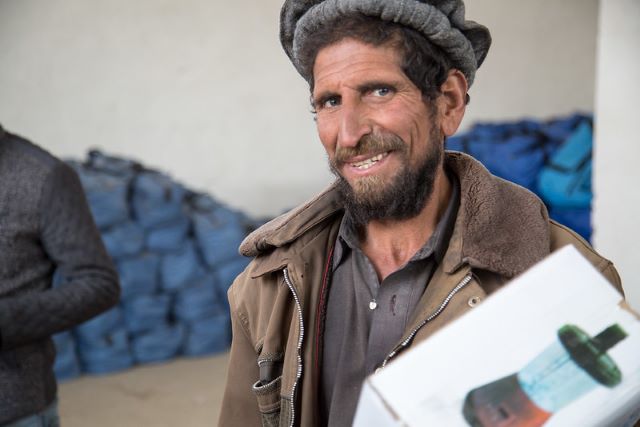
10 Facts About COVID-19 in Impoverished NationsThe COVID-19 pandemic is affecting countries worldwide, but it has created an additional burden for impoverished nations. The novel coronavirus is creating new concerns for vulnerable communities and is making current issues much worse. Here are 10 facts about COVID-19 in impoverished nations.
10 Facts About COVID-19 in Impoverished Nations

  1. The global poverty rate is projected to increase due to COVID-19. Globally, 71 million people are going to be forced into extreme poverty because of the effects of the novel coronavirus. This is a 0.59% increase in extreme global poverty and the first increase since 1998.
  2. Only 0.01% of people in low-income nations have been tested for COVID-19. In contrast, high-income countries have a test rate of 5.2% and upper-middle-income countries at 2.2%. Due to the lack of healthcare funding and infrastructure, low-income nations cannot meet the high demand for testing. With little access to testing, people in lower-income nations are at a much higher risk of complications with COVID-19 going undetected.
  3. More people in low-income nations are experiencing an income decrease than high-income nations. According to a poll by BBC World Service, 69% of people in poor countries received a pay decrease while 45% of people in high-income countries reported a pay decrease. More specifically, 91% of people in Kenya, 81% in Thailand, 80% in Nigeria, 77% in South Africa, 76% in Indonesia and 74% in Vietnam reported negative financial effects due to COVID-19.
  4. Developing countries may not get the number of vaccines needed to vaccinate the population. The United States, Japan and the European Union pre-purchased a minimum of 3.7 billion COVID-19 vaccines. Developing nations do not have the funds to purchase these vaccines. However, with $5.4 billion, impoverished nations will have sufficient vaccines for their people. The international community has only given $1 billion to this cause, meaning only 10% of people in low-income nations will get a COVID-19 vaccine.
  5. The number of food-insecure people will double this year because of COVID-19. This means 265 million more people are going to have food insecurity by the end of this year because of the novel coronavirus.
  6. Millions of children do not have access to education due to COVID-19. Half of the students in sub-Saharan Africa have not had access to education since the beginning of the COVID-19 pandemic. Additionally, about 1% of students in the most impoverished countries have access to the internet for remote learning. As a result, the poverty cycle will continue in developing nations because children do not have access to education.
  7. COVID-19 is causing more conflicts in developing countries. Many conflicts have arisen in developing countries. Riots over food shortages, extremists using COVID-19 to gain control and violent protests against governments are just some conflicts happening because of COVID-19.
  8. Low-income nations do not have enough supplies to prevent the spread of COVID-19. Impoverished communities lack masks, hospital beds, ventilators and other necessary supplies to treat and prevent COVID-19. Lack of healthcare funding causes low-income nations to not have enough hospital beds. Also, the high demand in high-income nations causes masks, testing kits and other supplies to be sent there first, thus leaving developing nations behind.
  9. Death tolls for COVID-19 in developing nations may be much higher than reported. The vast amount of people who live in remote areas in developing countries causes a lack of reported deaths. Hospitals are few in low-income nations, so many people die at home and are buried in remote areas without being recorded.
  10. Of $4.4 billion dedicated to a COVID-19 response by U.S. Congress, only 0.1% is being used for an international response. More monetary funding for developing nations could help these countries get COVID-19 prevention and treatment supplies. Also, funding could help low-income nations feed vulnerable groups.

COVID-19 is yet another barrier to ending global poverty and will be a struggle for impoverished nations to recover from. With the help of the international community, low-income nations may recover from COVID-19 and its secondary effects sooner.

—Hannah Drzewiecki
Photo: Flickr

December 12, 2020
https://borgenproject.org/wp-content/uploads/borgen-project-logo.svg 0 0 Kim Thelwell https://borgenproject.org/wp-content/uploads/borgen-project-logo.svg Kim Thelwell2020-12-12 07:30:052020-12-08 18:36:5810 Facts About COVID-19 in Impoverished Nations
Developing Countries, Food Aid, Food Security, Foreign Aid, Foreign Relations, Global Poverty

2020 Conference Pledges Aid to Afghanistan

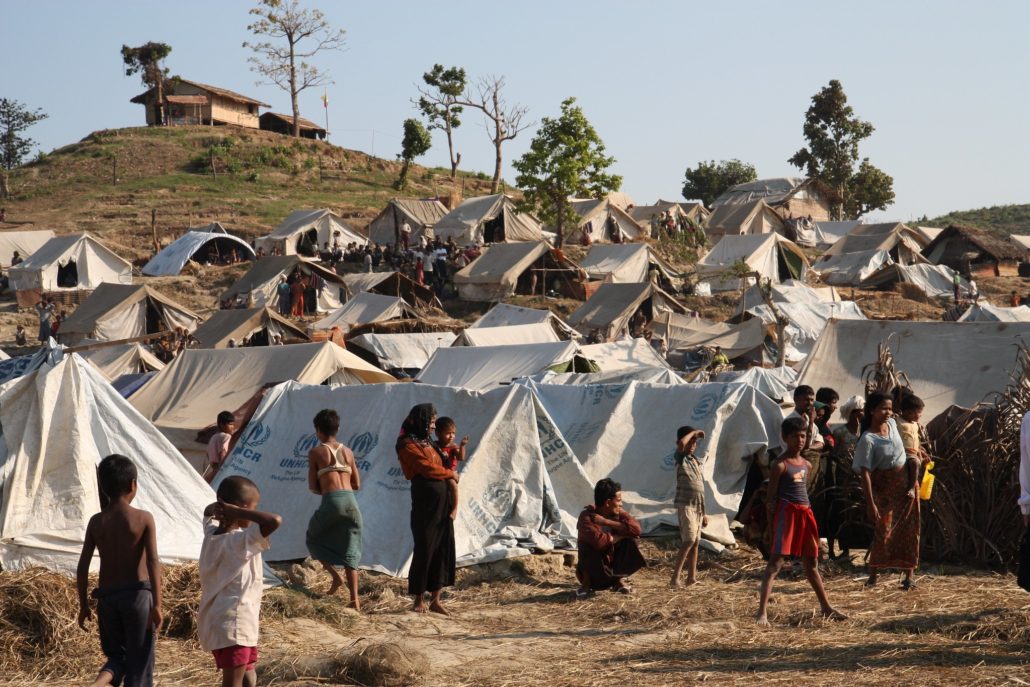
Aid to AfghanistanThe period of 2018 to 2020 brought with it a series of difficulties for the people of Afghanistan, including droughts, floods and pandemics. A severe drought in 2018 impacted 95% of the country’s farmland and dried up crucial water sources. More than 250,000 people were displaced and at least 1.4 million civilians required emergency aid. Following the drought, 2019 had the opposite occurrence: heavy rainfall activated widespread flooding in nine provinces, impacting more than 112,000 people. These crises continue to be felt in 2020 as both old and new challenges exacerbate conditions for the poorest Afghans. Countries all over the world are pledging to provide aid to Afghanistan.
Conditions Affecting Afghanistan

  • COVID-19: In November 2020, Afghanistan documented 44,133 coronavirus cases and 1,650 fatalities. The socio-economic impacts have been extensive. Average household debt rose by 36,486 AFS (US$474) and the poverty level increased from 54% to 70%. According to the World Bank, Afghanistan’s economy is predicted to contract by at least 5.5% due to the 2020 impact of COVID-19.
  • Displacement: Nearly 286,000 Afghans at home and 678,000 abroad suffered displacement in 2020, bringing the total displaced to approximately four million. Internal displacement camps are rife with insanitation, poor healthcare, unemployment, limited potable water and food insecurity. According to estimations by the 2020 Humanitarian Needs Overview, one million displaced people will require aid by the end of 2020.
  • Political Uncertainty: Political instability has been a mainstay in Afghanistan for decades and continues to trouble both citizens and the international community. Despite ongoing 2020 peace negotiations with the Taliban, fighting continues in the region. As a result, desperately needed health clinics have suffered closures and 35,000 Afghans were displaced from the Helmand Province in October 2020 alone.
  • Women’s Rights: Conditions for Afghan women and children have improved in recent years, allowing 3.3 million girls to receive an education. Additionally, women have experienced expanding opportunities for political, economic and social engagement. However, government participation is still strictly limited and women are still at high risk of violence.
  • Food insecurity: Afghan farmers still had not fully recovered from the 2018 drought and 2019 flood before the impact of COVID-19 on the country raised food prices, and with it, further food insecurity. Estimates warn that one-third of the population have already exhausted their savings and are in crisis levels of food security, with 5.5 million of them in emergency levels. However, farmers are hopeful that improved climate conditions will alleviate some of the damage done in previous years of difficulties.

2020 Afghanistan Conference

International donations fund at least half of Afghanistan’s annual budget. This is unlikely to change anytime soon, especially as COVID-19’s toll on the country’s economy also decreases government revenues. There was concern that the 2020 Conference would see a diminished aid pledge from Afghanistan’s largest donors, but the meetings that took place on November 24 secured a minimum of US$3.3 billion annually for four years contingent upon a review of Afghanistan’s progress in areas of peace, political development, human rights and poverty reduction. The United States is one such donor, pledging $300 million for 2021 and promising another $300 million worth of aid to Afghanistan if the ongoing peace talks prove successful. To this end, the “Afghanistan Partnership Framework” details the principles and goals of Afghanistan’s growth in peace-building, state-building and market-building.

Rebuilding Afghanistan

While some have expressed concern that the donations for aid to Afghanistan are not enough to cover costs and that the contingency requirements will be very difficult for Afghanistan to implement without compromises, there nevertheless is hope that tighter restrictions will prevent fewer funds from being lost to corruption. Despite the future challenges ahead of Afghanistan, Afghan leaders reiterated their commitment to “finding a political settlement that can not only bring an end to the suffering of the Afghan people but strengthen, safeguard and preserve the gains of the past 19 years.”

– Andria Pressel
Photo: Flickr

December 9, 2020
https://borgenproject.org/wp-content/uploads/borgen-project-logo.svg 0 0 Yuki https://borgenproject.org/wp-content/uploads/borgen-project-logo.svg Yuki2020-12-09 01:30:432024-05-30 07:55:572020 Conference Pledges Aid to Afghanistan
Developing Countries, Food & Hunger, Foreign Aid, Global Poverty

Poverty in Mali: Causes, Solutions and Further Action

poverty in Mali
A land-locked, predominantly rural society with limited women’s rights, a poor health care system and constant conflict due to recent terrorism and political instability, Mali and its population are extremely vulnerable to poverty. In fact, 49% of Malians live below the poverty line.

Poverty in Numbers

The astronomically high rate of poverty in Mali affects various parts of its society, namely food security, education and women’s rights. More than 70% of families in Mali are four individuals or larger given that the average Malian woman gives birth to six children. Big families, combined with the rising number of droughts, food shocks and unsustainable agriculture practices, have adversely impacted food security and the cost of living in Mali. This leads to many children dropping out of school to support their family by working, a problem that the increased poverty due to COVID-19 will likely exacerbate. As a result, the total adult literacy rate is just 33% while only reaching 22% for women, thus hurting the future prospects and opportunities for Mali’s population.

Furthermore, many treat Malian women as property to buy and sell. This oppressive culture along with widespread poverty in Mali has greatly contributed to about 49% of Malian girls having to marry before they turn 18 against their will, as husbands will pay more money for younger brides.

The government of Mali has consistently viewed international cooperation and collaboration as the most effective way for it to reduce domestic poverty. Traditionally, however, Mali’s largest obstacle to overcome has been the constant threat of terrorism in its north, which has displaced hundreds of thousands of people in addition to reducing the government and NGOs’ ability to provide basic services to those who fled.

Programs to Help Mali

Governments across the world have provided aid for Mali’s people through a variety of programs. Notably, the United State’s Feed the Future initiative not only gives nutritional help to millions of Malian children per year but it advances long-term food solutions to food security in Mali by providing sustainable farming technologies for thousands of Malian farmers.

Canada has pursued a similar mission by funding hydro-agricultural infrastructure to help 7,500 women gain access to high-quality, irrigated land as well as helping about 470,000 women obtain crop insurance or agricultural credit from 2014 to 2017. This further bolstered food security for at-risk families, thereby building resilience to possible environmental events.

Finally, the World Bank has allocated $1.5 billion to 30 programs directly improving Mali’s infrastructure, financial sector and agricultural sector. The results of such ventures have been overwhelmingly positive for eliminating poverty in Mali. Almost 80,000 Malians have received cash transfers four times a year, more than 100,000 women and children received nutritional supplements and new water sanitation facilities underwent establishment in communities experiencing the threat of water scarcity.

The Road Ahead

The efforts of Mali and its partners cannot stop now. COVID-19 will inevitably create even more poverty throughout Mali with numerous economic and health factors on top of a possible increase in terrorist activities. For many reasons, stepping up efforts to help Mali’s government is the only option. Failing to prevent Mali’s condition from further deteriorating could have dire humanitarian repercussions. On the other hand, acting now and collectively is essential to ensuring regional peace and prosperity for the future. Helping Mali is no longer a choice for the world; rather, it is fundamental to eliminating poverty by the United Nations’ 2030 target date.

– Alex Berman
Photo: Flickr

December 7, 2020
https://borgenproject.org/wp-content/uploads/borgen-project-logo.svg 0 0 Kim Thelwell https://borgenproject.org/wp-content/uploads/borgen-project-logo.svg Kim Thelwell2020-12-07 03:07:002024-05-30 07:52:56Poverty in Mali: Causes, Solutions and Further Action
Developing Countries, Foreign Aid, Global Poverty

Sweden’s Long-Standing Commitment to End Poverty

Sweden’s Long-standing CommitmentOn September 22, 2020, Peter Eriksson, Sweden’s Minister for International Development Cooperation, took to Twitter to announce that Sweden will continue to commit 1% of the country’s GNI to official developmental assistance during the COVID-19 pandemic, urging the international community to follow in the country’s footsteps. This act is indicative of Sweden’s long-standing commitment to eliminate poverty, which is a promise the country is dedicated to keeping.

A Leader in Foreign Aid

According to the OECD, Sweden dedicates around 1% of its national income to developmental aid, making it the highest developmental assistance donor. The country’s commitment to policy development issues is the strongest in three categories: peace and conflict prevention, gender equality and women’s rights as well as environmental sustainability. Since 2006, the country has committed to regularly donate a portion of its GNI as official developmental assistance (ODA) and has since kept its word, donating at least 1% or more every year.

The Swedish International Development Cooperation Agency (Sida)

Sida is a government agency of the Swedish Ministry for Foreign Affairs. Sida is responsible for Sweden’s official development assistance to developing countries.

Sida is a prominent international actor with an overall mission to make sure people living under poverty and oppression are able to enhance their living conditions. During the COVID-19 pandemic, Sida allocated $149 million to mitigate the pandemic’s effects on vulnerable communities and populations abroad. Sida has collaborated with many different multilateral organizations to uphold Sweden’s promise of helping the international community during the pandemic..

Sida has bilateral development cooperation with 35 different partner countries from four different continents and consistently supports multilateral organizations in their pursuit of increasing human rights and democracy globally.

A Leader for Women’s Empowerment

The country has shown relentless support for gender equality and women’s rights, highlighting Sweden’s long-standing commitment to ending gender discrepancies around the world. Sweden is a pioneer for many new policies regarding women’s rights. For instance, in 2014, Sweden created the world’s very first feminist foreign policy. Sweden has garnered the support of many foreign bodies and their allies by raising awareness through forums. The most notable being the 2018 Stockholm Forum of Gender Equality. The gathering brought 700 members from 100 different countries to discuss the implementation of new policies to protect women in vulnerable communities from oppressive regimes, further elevating their rights and enabling an inclusive society.

A Leader for Environmental Sustainability

Furthermore, Sweden’s clean carbon footprint is impressive, with a large quantity of the country’s waste recycled. The country has committed to net-zero emissions by the year of 2045 and it has dedicated many resources to encourage countries across the globe to implement sustainable environmental practices. The country has shown continued leadership. In 2017, Sweden had co-chaired the U.N. Ocean Conference with Fiji. In 2018, Sweden also hosted GEF-7 Replenishment, a meeting between contributing and potential participants from all around the world with efforts to eliminate non-renewable energy sources in the near future.

Sweden: A Developmental Assistance Model

Sweden’s long-standing commitment to developmental assistance highlights the country’s leadership skills as an exemplary model for other developed nations. Sweden’s relentless efforts in supporting foreign aid, even during a pandemic, is a model that needs to be mimicked by other developed nations that have the same capacity to help, now more than ever.

– Mina Kim
Photo: Flickr

December 6, 2020
https://borgenproject.org/wp-content/uploads/borgen-project-logo.svg 0 0 Yuki https://borgenproject.org/wp-content/uploads/borgen-project-logo.svg Yuki2020-12-06 01:30:152024-06-04 01:17:59Sweden’s Long-Standing Commitment to End Poverty
Foreign Aid, Global Poverty

Linking Poverty and Terrorism in Pakistan

Poverty and Terrorism in PakistanPakistan is a country in southwest Asia, with a population of about 212.2 million people. Of this population, about 24.3% of people lived below the poverty line in 2015. The country has struggled with years of terror, a poor economy and a corrupt taxation system, all leading to high rates of poverty. However, recognizing the cycle of poverty and terrorism in Pakistan, juxtaposed with recognizing the importance of assistance from the United States, highlights the importance of foreign aid.

Poverty and Terrorism in Pakistan

In Pakistan, four out of every 10 people are without essentials like food, shelter, access to healthcare and education. Furthermore, 22.5 million children are out of school, a statistic that is only worsening with the COVID-19 pandemic. Girls are especially affected as there are very few opportunities for female education or places in the workforce. Additionally, the taxation system targets those who cannot afford to pay their taxes. A whole 80% of Pakistan’s tax revenue comes from the poor, while only 5% comes from the rich. This inequality pushes the population further below the poverty line.

In addition to the poverty crisis, Pakistan has a long history of terrorism, which is a problem that only worsens humanitarian issues. The GDP is generally low for the country and has been shown to have an inverse relationship with terror-related killings. In 2010 specifically, killings were at an all-time high and the GDP plummeted. As a result, Pakistan has paid a steep price for its terrorism. Over 17 years, from 2001 to 2018, Pakistan spent almost $126.7 billion on damage involving terror-related incidents.

Importance of United States’ Involvement

While poverty and terrorism in Pakistan may seem like a Pakistani internal issue, it is not. For homefront reasons, the United States must continue to invest in Pakistan. As export income has proven, in 2019, the United States exported $2.6 billion worth of goods to Pakistan. This is crucial for the U.S. economy, as exports create a chain of supply and demand, which in turn, increases the need for more U.S. jobs. If the Pakistani economy worsens, the United States will export fewer goods, which directly impacts the U.S.

The need for the United States’ involvement goes beyond the economy though. About 8,600 U.S. troops are deployed in Afghanistan, in part due to the tense dynamic between Pakistan and Afghanistan. Many defense and security experts have implored the United States to continue working with Pakistan to improve relations with Afghanistan. Providing more foreign aid for Pakistan helps its relations with Afghanistan, which increases the possibilities of sending U.S. troops back home. Furthermore, foreign aid allows Pakistan to improve its economy by increasing security, which decreases terrorism. Decreasing terrorism in Pakistan is a national security benefit for the United States as well, thus improving both countries’ living conditions.

Save the Children

Save the Children is a nonprofit organization based in the United States that works to provide global solutions to children impacted by terror and social unrest. In Pakistan, 500,000 children are internally displaced and another 1 million refugees come from Afghanistan. These high rates of homelessness are a result of the mass amounts of violence, political unrest and poor diplomatic relations with other countries. With children making up over 48% of Pakistan’s population and 38% suffering from malnutrition, children in Pakistan are overlooked.

However, Save the Children has provided solutions to help Pakistani children. It has lifted 86,000 Pakistani children out of poverty. Furthermore, the organization has worked with programs such as the National Health Emergency Preparedness and Response Network to train healthcare workers to provide reproductive health services. Through the Literacy Boost approach, the organization was able to increase reading comprehension by 30% for Pakistani children. Save the Children also advocates for children’s rights, educates young girls and women and provides shelter and supplies to that extreme violence most affects.

The Need for Foreign Aid to Pakistan

United States’ foreign aid helps the humanitarian crisis in Pakistan but also provides benefits for the U.S. Save the Children demonstrates the impact of U.S. humanitarian relief in impoverished countries like Pakistan. There is a critical need to continue to support Pakistan and being in a position to help people in need is reason enough.

– Alyssa Hogan
Photo: Flickr

December 5, 2020
https://borgenproject.org/wp-content/uploads/borgen-project-logo.svg 0 0 Jennifer Philipp https://borgenproject.org/wp-content/uploads/borgen-project-logo.svg Jennifer Philipp2020-12-05 01:30:532021-01-29 13:06:11Linking Poverty and Terrorism in Pakistan
Page 17 of 61«‹1516171819›»

Get Smarter

  • Global Poverty 101
  • Global Poverty… The Good News
  • Global Poverty & U.S. Jobs
  • Global Poverty and National Security
  • Innovative Solutions to Poverty
  • Global Poverty & Aid FAQ’s
Search Search

Take Action

  • Call Congress
  • Email Congress
  • Donate
  • 30 Ways to Help
  • Volunteer Ops
  • Internships
  • Courses & Certificates
  • The Podcast
Borgen Project

“The Borgen Project is an incredible nonprofit organization that is addressing poverty and hunger and working towards ending them.”

-The Huffington Post

Inside The Borgen Project

  • Contact
  • About
  • Financials
  • President
  • Board of Directors
  • Board of Advisors

International Links

  • UK Email Parliament
  • UK Donate
  • Canada Email Parliament

Get Smarter

  • Global Poverty 101
  • Global Poverty… The Good News
  • Global Poverty & U.S. Jobs
  • Global Poverty and National Security
  • Innovative Solutions to Poverty
  • Global Poverty & Aid FAQ’s

Ways to Help

  • Call Congress
  • Email Congress
  • Donate
  • 30 Ways to Help
  • Volunteer Ops
  • Internships
  • Courses & Certificates
  • The Podcast
Scroll to top Scroll to top Scroll to top