• Link to X
  • Link to Facebook
  • Link to Instagram
  • Link to TikTok
  • Link to Youtube
  • About
    • About Us
      • President
      • Board of Directors
      • Board of Advisors
      • Financials
      • Our Methodology
      • Success Tracker
      • Contact
  • Act Now
    • 30 Ways to Help
      • Email Congress
      • Call Congress
      • Volunteer
      • Courses & Certificates
      • Be a Donor
    • Internships
      • In-Office Internships
      • Remote Internships
    • Legislation
      • Politics 101
  • The Blog
  • The Podcast
  • Magazine
  • Donate
  • Click to open the search input field Click to open the search input field Search
  • Menu Menu

Archive for category: Foreign Aid

Foreign aid coverage and information.

Foreign Aid, Global Poverty

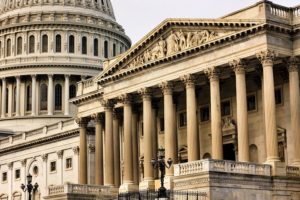
Why Congress Undervalues Foreign Aid

undervalued foreign aid
If there is one certainty about the process of lawmaking, it is that enacting a bill into law requires persistence. Thousands of bills never pass the House of Representatives, much less receive the Senate or Presidential approval. This is especially true when it comes to the way Congress undervalues foreign aid. Govtrack.org allows anyone to view who cosponsors pending bills and track the bill’s progress through Congress. Even more telling, however, is the website’s indication of the probability that any given bill will be enacted into law.

Nonprofit organizations like The Borgen Project mobilize thousands of Americans to contact their elected officials in support of foreign aid and international relief. Nevertheless, bills regarding foreign assistance commonly have prognoses under 5%. Compared to the prognoses for bills regarding homeland security and domestic business protections, these numbers highlight the lack of urgency for foreign aid at the federal level. In the fiscal year for 2019, foreign assistance comprised less than 1% of the federal budget. Given the growing severity of humanitarian crises amidst the pandemic, why does Congress continue to undervalue foreign aid?

A Bipartisan Call For Support

A common misconception exists that Republicans are the main cause of undervalued foreign aid. Democrat-identifying voters at large typically prioritize foreign aid more than Republicans. However, Congress members in both political parties lend their support and cosponsorship to undervalued foreign aid bills. Over time, Republican and Democratic administrations alike have installed effective foreign aid initiatives. Recently, Congress members from both parties rejected President Trump’s proposal to cut to the International Affairs Budget by one-third.

While bipartisan protection of the existing aid budget is optimistic, senators and representatives are slow to demonstrate support for pending legislation. For example, the Global Fragility Act has gained a modest 20 cosponsors since its introduction in April 2019. Its prognosis, like many similar acts, stands at 3%. In contrast, an act entitled H.R. 1252: To designate the facility of the United States Postal Service located at 6531 Van Nuys Boulevard in Van Nuys, California, as the “Marilyn Monroe Post Office” garnered 50 cosponsors and received enactment within a year.  When new bills and initiatives lack attention and cosponsorship, it is difficult for foreign aid to create widespread benefits. This is especially true in an unprecedented time of crisis. Oftentimes, seemingly non-urgent and low-impact acts gain more congressional momentum than urgent and potentially life-changing foreign assistance. This observation indicates a disparity in support of domestic and foreign interests.

Domestic Benefits As An Obstacle

Generally, undervalued foreign aid lacks impetus because of the framework that Congress created around foreign aid as early as World War II. From World War II to the Cold War era, support for foreign aid depended on how much that bill could bring domestic benefits back to the United States. This precedent informs how Congress evaluates foreign aid to this day. Senators and representatives often select foreign aid based on the likelihood of it bringing economic benefits to their particular geographic region.

While it is natural for elected officials to consider the American economy, an empirical question exists as to whether foreign aid realistically compromises American interests. In short, it does not. Foreign aid, specifically when USAID drives it, brings billions of dollars to the American economy each year. This has been the case since the late 20th century.

Combating Domestic Fear

Another notable reason for why Congress undervalues foreign aid is the fear of benefiting autocratic governments. This contributed to the lack of foreign aid during the Cold War, and this fear surged once again in the early 21st century in response to the 9/11 terrorist attacks. Foreign aid bills that grant basic resources to civilians rather than governments lack support from Congress based on these anxieties. However, to generalize about developing countries based on preconceived fears or stereotypes only blocks progress, both domestically and abroad. Congress is more than capable of making informed decisions about foreign aid without compromising the security of their constituents, who call in support of pending aid legislation more often with each international crisis and tragedy.

– Stella Grimaldi
Photo: Flickr

September 10, 2020
https://borgenproject.org/wp-content/uploads/borgen-project-logo.svg 0 0 Kim Thelwell https://borgenproject.org/wp-content/uploads/borgen-project-logo.svg Kim Thelwell2020-09-10 10:00:392020-09-10 08:36:21Why Congress Undervalues Foreign Aid
Foreign Aid, Global Poverty

Are UK Poverty Reduction Efforts in Danger?

UK Poverty Reduction Efforts
In the last decade, the United Kingdom’s most influential international organization, known as the British Council, has made various cuts to British foreign aid in developing countries. The world recognizes the U.K. for generous foreign aid, but policymakers are beginning to push for “development assistance.” These budget cuts are occurring to fulfill more self-serving international interests. This bureaucratic debate has sparked increasing tension among council members over the value of U.K. poverty reduction efforts.

Imminent Change

In her December 2019 speech, Queen Elizabeth II announced that the U.K. government would restructure international policy in more integrated terms. Prime Minister Boris Johnson recently made the most drastic change to U.K. foreign policy since the end of the Cold War.

On June 15, 2020, the tension over foreign aid led Johnson to merge two historically distinct departments: the U.K. Department for International Development (DFID) and the Foreign & Commonwealth Office (FCO). This essentially terminated the DFID, which championed World Bank’s “poverty reduction strategies.” This change has not sparked an immediate consequence. British policy-makers and journalists alike are asking a fearful question: will this shift put ongoing U.K. poverty reduction efforts in danger?

A Threat to “Soft Power”

The merging of DFID and FCO will likely compromise a significant amount of funding for the Official Development Assistance (ODA), which provides poverty-reducing aid to developing countries. The projected 30% loss to the aid budget, equivalent to $2.5 billion, will force the government to cut a variety of aid programs.

While outstanding U.K. poverty reduction efforts remain vital to the ongoing development of countries, they also maintain the soft power on which Britain prides itself. The June 2020 interim report by the U.K. House of Commons International Development Committee argued for the DFID to remain independent. Independence would maintain Britain’s global reputation for aid and soft power. Soft power is Britain’s ability to shape another country’s decisions through collaboration rather than coercion. Nevertheless, the departments merged a week after the report’s publication.

As far back as a decade ago, foreign policy reports projected a collapse in Britain’s diplomatic capacity if the government made cuts to an already inexpensive foreign aid budget. In comparison, the U.K. spends significantly more on other foreign policy matters, such as defense. Britain gains diplomatic influence at both a bilateral and multilateral level by providing aid to impoverished countries; thus, cutting back on foreign aid reduces Britain’s voice and reputability in these meetings and relationships.

Active Solutions

There is much uneasiness around cutting vital aid to developing countries. Still, the restructuring of DFID and FCO may not undo years of U.K. poverty reduction efforts. If the government takes certain steps, the U.K. could remain a leader in international aid efforts. Namely, the newly combined department must adhere to the International Development Act of 2002, which allows the U.K. to allocate aid money to poverty reduction initiatives. Additionally, the government could appoint a cabinet minister for development. This role would ensure that poverty reduction efforts remain at the forefront of the U.K. aid strategy.

According to the International Development Committee member Sarah Champion, Britain is a country of humanitarians who value helping the world’s most vulnerable communities. As a result, it only makes sense to represent their values through policy and action. Ultimately, it is the duty of FCO to ensure that U.K. poverty reduction efforts remain a priority. Supporting the world’s poor is more imperative than ever in the midst of a global pandemic. With hope, British leadership will continue to aid communities suffering from systemic underdevelopment and poverty.

– Stella Grimaldi
Photo: Flickr

September 3, 2020
https://borgenproject.org/wp-content/uploads/borgen-project-logo.svg 0 0 Kim Thelwell https://borgenproject.org/wp-content/uploads/borgen-project-logo.svg Kim Thelwell2020-09-03 10:00:172024-05-29 23:22:44Are UK Poverty Reduction Efforts in Danger?
Foreign Aid, Global Poverty

The Success of Foreign Aid: USAID and the International Affairs Budget

Success of Foreign Aid
Many misconceptions exist about the federal budget, but perhaps one of its least understood sections is the International Affairs Budget. While Americans, on average, estimate that the United States dedicates nearly 31% of its federal budget to foreign aid, the International Affairs Budget comprised only $57.8 billion of the $4.829-trillion federal budget for the 2020 fiscal year, which is less than 1.2%. Though the perception of money dedicated to international affairs is often inflated, the real success of foreign aid programs often fails to make headlines. The following three USAID programs have managed to make real progress in agricultural development, disaster relief and education, despite a small budget.

Feed the Future

Feed the Future is a USAID program that partners with countries to improve their agricultural sectors and fight hunger. In doing so, it demonstrates the success of foreign aid. The program operates by teaming up with nonprofits, businesses and individuals in order to make an immediate difference in partner countries. However, it also aims to make a long-term difference by empowering participating governments and private sectors to eventually become self-sufficient.

Though the organization works in nearly 12 partner countries, it was particularly active in Sierra Leone and Liberia after the Ebola outbreak in 2014 and 2015. When this disease threatened the stability of these countries, Feed the Future helped to stimulate the private sector by distributing cash transfers and hosting agricultural input fairs, where farmers could acquire discounted seeds. In total, more than 14,000 farmers received farming inputs and more than 97,000 households received cash transfers. Ultimately, this immediate action helped to stabilize prices and fight poverty during the crisis.

Currently, Feed the Future is helping Bangladesh endure the economic trials of COVD-19. Through Feed The Future’s partnerships, Bangladeshi citizens have not only adopted healthier diets but also become more self-sufficient in their production of food. For example, Prantojon Argo Enterprise, an agricultural cooperative receiving support from Feed the Future, has given farmers access to a formal milk market by training them and providing refrigeration to 60 small shops. With the support of this foreign aid, hundreds of farmers have been given financial security during the pandemic. And with Prantojon milk sold in 66 local retailers, customers in Bangladesh have been given access to a healthier diet, demonstrating the success of foreign aid.

Baliyo Ghar

Baliyo Ghar is a USAID partnership program with Nepal, designed to aid recovery efforts from a powerful 2015 earthquake. The natural disaster destroyed over a quarter of a million homes, most of which were constructed and inhabited by the rural poor. Although the earthquake itself was devastating, the extent of the destruction was intensified by the construction style of Nepali homes. As described by USAID, “construction workers’ and homeowners’ lack of awareness and training in earthquake-safe construction … as well as the absence of a national curricula, standards, guidelines and manuals for training individuals involved in housing construction” were all factors that left Nepali homes in a vulnerable position.

Focusing both on immediate and long-term recovery, the USAID-funded Baliyo Ghar project provides resources to help homeowners rebuild structurally sound homes and works with the Government of Nepal to improve standardized training materials given to masons and construction workers. Additionally, the National Society for Earthquake Technology-Nepal (NSET) has implemented USAID funds to train masons and engineers in earthquake-resistant methods and has prioritized establishing a formal test for mason certification.

The results of these activities illustrate the success of foreign aid: more than 75% of the project’s beneficiaries have rebuilt their homes. Additionally, because of USAID’s partnership with the government of Nepal and other organizations, such as NSET, over 90% of these homes in the project’s operational area were rebuilt in a seismically safe way. In total, USAID has helped hundreds of thousands of Nepalis avoid poverty by providing nearly $200 million in earthquake assistance, supporting NSET in training nearly 4,000 masons and establishing nine Reconstruction Resource Centers throughout Nepal.

Selective Integrated Reading Activity

As the country of Mali looks to lower poverty rates, boosting literacy is a main priority. According to USAID’s website, the Selective Integrated Reading Activity (SIRA) is designed to support the government of Mali in providing reading and teaching materials, improving reading skills, training teachers and school directors and supporting early grade reading outcomes. As measured in 2018, the adult literacy rate in Mali was a mere 35.47%. Partnering with the Education Development Center, the $51 million SIRA project looks to address this low rate and improve education in the country of Mali.

The program’s objectives focus on the education of first- and second-grade children, with a heavy emphasis on providing higher-quality resources to teachers. Perhaps one of the most important aspects of the program is its emphasis on community support. By teaching students in their national language and hosting training sessions that instruct parents in continuing education at home, the program has been able to engage parents in their children’s early education. Overall, SIRA has trained over 7,000 teachers, reached more than 264,000 learners and offered coaching to nearly 4,000 school directors, demonstrating the success of foreign aid.

The programs funded by the International Affairs Budget are some of the most visible examples of the success of foreign aid. Whether it be increasing access to nutrition, rebuilding homes or improving literacy, the budget helps to sustain initiatives that play crucial roles in making a difference in communities across the globe.

– Michael Messina
Photo: Flickr

September 2, 2020
https://borgenproject.org/wp-content/uploads/borgen-project-logo.svg 0 0 Kim Thelwell https://borgenproject.org/wp-content/uploads/borgen-project-logo.svg Kim Thelwell2020-09-02 18:49:512024-05-29 23:22:43The Success of Foreign Aid: USAID and the International Affairs Budget
Foreign Aid, Foreign Policy, Global Poverty

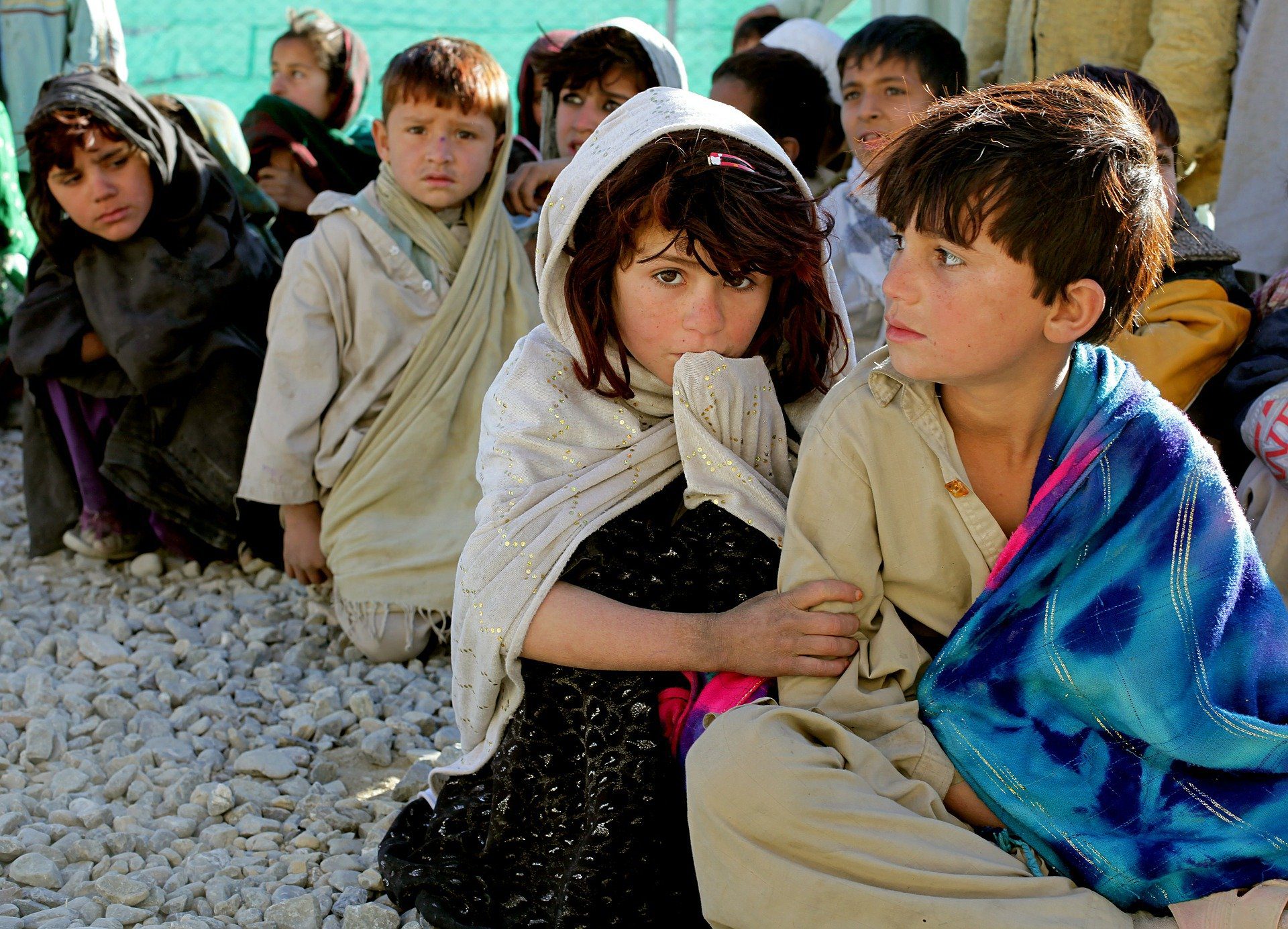
Foreign Aid: How to Address Poverty in Afghanistan

poverty in afghanistan
One can consider any form of foreign aid positive at face value, but Afghanistan could benefit from greater investment in private organizations due to its specific needs. According to a U.S. agency report on Afghanistan, political strings result in the Afghani government’s focus on the goals of its foreign investors rather than the needs of its citizens, accompanying aid from countries like the U.S. Poverty in Afghanistan requires attention unhindered by political expectations.

US Foreign Aid Policy

Secretary of State Mike Pompeo announced in March 2020 that the U.S. would be cutting $1 billion in foreign aid to Afghanistan, which became a foreign policy initiative following a major U.S. military presence in the country. The U.S. foreign aid is allocated to a variety of purposes, some of which attempt to address the widespread poverty that still impacts 54.5% of Afghans. Despite these efforts, poverty remains a large concern. For example, the number of Afghans without basic food and housing increased from 6.5 to 9.4 million between 2019 and 2020.

Dr. Jessica Trisko Darden, an assistant professor at American University with expertise in foreign aid and Central and Southeast Asia, asserts that different types of foreign aid are better suited to target specific goals. Darden noted that U.S. foreign aid in Afghanistan is largely concerned with developing infrastructure tied to the needs of the foreign parties in this country, such as Kabul International Airport. Additionally, while the U.S. aid package may set aside some portion of the money with the intention of addressing poverty in Afghanistan, the larger goals are often political in nature.

Non-Governmental Organizations’ Contribution

Private organizations could focus their resources on areas that foreign government aid often ignores. “I think that, in terms of overall strategies for Afghanistan, getting more resources to outlying regions, and having more NGO and local NGO presence in outlying regions is something that should be a goal of a sustainable development strategy for Afghanistan, rather than continuing to over-concentrate resources and efforts in the Kabul area,” said Darden. The U.S. aid focusing on the Kabul area for accessibility and the ability to address political goals arguably takes away attention from less centralized regions. A larger NGO presence in the country could mean an established, long-term effort to target the humanitarian needs of Afghans and reduce poverty in Afghanistan.

Afghan Women’s Network

One of the most prominent independent groups acting in Afghanistan is the Afghan Women’s Network. It began with inspiration from the United Nations Fourth World Conference on Women in 1995. This organization serves as an umbrella for a variety of humanitarian efforts in the country. It has direct points of contact in several major regions throughout the country and provides support to other organizations in the remaining regions. With 3,500 members and 125 women’s groups under its leadership, the Afghan Women’s Network has the ability and resources to provide immediate and specialized support to Afghans.

The political struggles of Afghanistan exist in tandem with the struggles of Afghani citizens. Multiple NGOs with unique goals ranging from gender equality to infant mortality to education could target the diverse needs of the Afghani population more directly. By supplying aid without political expectations and restrictions, NGOs could work to downsize poverty in Afghanistan.

– Riya Kohli
Photo: Pixabay

August 28, 2020
https://borgenproject.org/wp-content/uploads/borgen-project-logo.svg 0 0 Kim Thelwell https://borgenproject.org/wp-content/uploads/borgen-project-logo.svg Kim Thelwell2020-08-28 14:14:562024-05-29 23:22:33Foreign Aid: How to Address Poverty in Afghanistan
Foreign Aid, Global Poverty, Refugees

Humanitarian Aid for the Rohingya Refugee Crisis

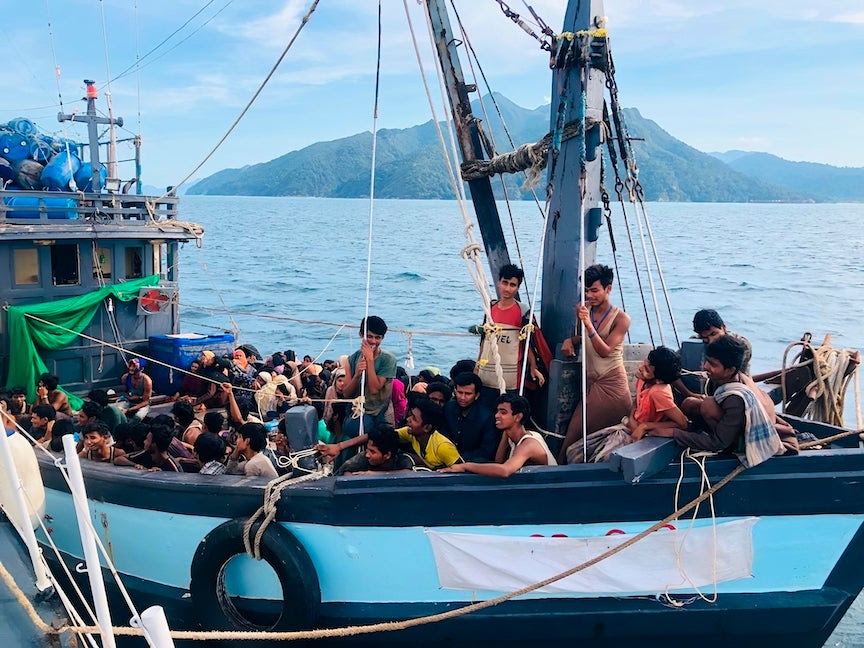
Humanitarian Aid for the Rohingya Refugee CrisisThe Muslim Rohingya population in Myanmar, a Buddhist country, has been severely discriminated against throughout history. Discriminatory policies in Myanmar deny citizenship to the Rohingya people. Additionally, Rohingya individuals cannot obtain birth certificates, receive an education or be employed legally. In August of 2017, violent attacks and persecution against the Rohingya people forced hundreds of thousands of Rohingya to seek refuge in Bangladesh. Almost one million Rohingya refugees currently live in refugee camps in the Cox Bazar region of Bangladesh.
Many organizations and international agencies are providing aid and support to the Rohingya refugee crisis. In addition to improving access to basic needs such as food, water, and shelter, UNICEF and the UNHCR have recognized access to education as a top priority.

The UNHCR

The United Nations High Commissioner for Refugees (UNHCR) is supporting the refugee population with basic needs such as food, water, shelter, and health services, including mental health resources. One of the largest challenges that the refugee camps face is flooding from annual monsoons in the Cox Bazar region. The UNHCR was able to relocate over 24,000 Rohingya and provide more than 150,000 monsoon preparation kits in anticipation of the monsoon season. These efforts continued through 2019 with the additional construction of 50 miles of infrastructure including bridges and roads and the distribution of post-disaster kits.

The UNHCR also provides first aid training for refugees and has trained more than 1,200 individuals. They also lead sessions to raise awareness about emergency preparedness within communities and have reached more than 80,000 Rohingya through these programs. Providing the Rohingya with access to education is one of the main goals for the UNHCR. Many children were not receiving any formal education in Myanmar due to discriminatory policies. The UNHCR has reached 502,000 refugee children with some form of education by building 1,602 learning areas and bringing 1,251 teachers to the area.

UNICEF

In collaboration with the government of Bangladesh, UNICEF has recently launched a plan to increase access to education for Rohingya refugee children in the Cox Bazar region. The curriculum will be tested on 10,000 children in grades six through nine during the first half of 2020. From there, it will expand for all ages. Education is a key factor to help the integration of the Rohingya people into society in Myanmar. Refugees are already at a significant disadvantage as a result of discrimination and consequential displacement. They lack basic resources such as nutritious food, proper housing and medical services. Access to education can help Rohingya refugees to reintegrate into society instead of further exacerbating disparities. It can increase their chances of finding employment and decrease poverty rates.

UNICEF has also been running informal education programs that have reached 315,000 refugee children in 3,200 learning centers. Subjects studied include English and Burmese language, Math and life skills or science depending on the level. The majority of children are still at levels one and two which are comparable to pre-primary to second-grade level. UNICEF has programs in place for adolescent education as well which include vocational and life skills. Education can tackle the Rohingya refugee crisis by reducing the chances of children being exposed to trafficking, child marriage and abuse as well as empowering refugee children.

Southeast Asian Governments

Two boats carrying hundreds of Rohingya refugees set out in February 2020 but were stuck at sea for months after setting out to find refuge. Many countries have denied them entry, leaving the refugees stranded without sufficient supplies of food or water. Bangladesh has taken in over one million Rohingya refugees since the violence and persecution began in Myanmar. However, in April 2020 the Foreign Minister Abdul Momen stated that Bangladesh would not allow any more Rohingya into the country. Momen cited the COVID-19 pandemic, as well as the numerous refugees already in Bangladesh, as reasons for this decision.

Other Southeast Asian governments such as Malaysia and Thailand have also failed to assist the refugees. The Malaysian officials who initially found one of the boats attempted to bring it back to international waters but about 50 refugees were able to swim to shore and are currently detained in Malaysia. The UNHCR has requested access in order to support these refugees with humanitarian aid with no response from Malaysia.

Nearby governments should cooperate to provide assistance to Rohingya refugees in their own countries. They need to provide resources such as health services and basic needs, especially during a global pandemic. These governments should be cooperating with international agencies to address the Rohingya refugee crisis in Myanmar.

– Maia Cullen
Photo: Human Rights Watch

August 5, 2020
https://borgenproject.org/wp-content/uploads/borgen-project-logo.svg 0 0 Lynsey Alexander https://borgenproject.org/wp-content/uploads/borgen-project-logo.svg Lynsey Alexander2020-08-05 12:00:062024-05-29 23:18:23Humanitarian Aid for the Rohingya Refugee Crisis
Food Insecurity, Foreign Aid, Global Poverty, Refugees

Innovative Ways to End Hunger in Niger

Hunger in Niger
About 20% of people in Niger are food insecure due to a growing population, regional conflict and environmental challenges. Though that percentage is rising, international organizations and governments are finding innovative ways to end hunger in Niger.

Threats to Food Security in Niger

According to the World Bank, Niger’s population is increasing annually by 3.8%, well above the average for countries in Sub-Saharan Africa. Coupled with a large number of refugees from countries like Mali and Nigeria, an extremely high birth rate is driving Niger’s population growth and ultimately causing food resources to become scarce.

As a result of the conflicts on the borders of Mali and in the Lake Chad Basin, an influx of refugees has migrated to Niger. Further, these regional conflicts have caused widespread displacement among Nigerien citizens domestically, resulting in a major displacement crisis. According to the Norweigan Refugee Council, Niger’s displacement crisis is severe and worsening from the lack of international aid and media coverage. Because food resources are scarce, this displacement crisis is intensifying hunger in Niger.

In addition to the upsurge in Niger’s population, environmental challenges pose a threat to food security. Niger experiences an annual dry or “lean,” season where a lack of rainfall limits crop production and thus lowers the availability of food. A dry season is regular and Niger’s people expect it; however, in the past 20 years, rainfall and temperature have become increasingly irregular, causing more severe food shortages. Nigerians are concerned that desertification and rising global temperatures will only extend and intensify the dry season, disrupting the livelihoods of the majority of rural Nigerien households that rely predominantly on agriculture to survive.

Although food insecurity affects all types of Nigerien communities, it more heavily affects two demographic groups: women and children. Women and children in Niger are more likely to experience malnourishment, which leads to higher rates of anemia. According to the World Food Programme, estimates determined that 73% of Nigerien children under the age of 5 and 46% of Nigerien women are anemic.

The International Community’s Role in Ending Hunger in Niger

Countries like the United States are supporting programs like the World Food Programme, Mercy Corps and Doctors Without Borders to relieve both the immediate and long-term effects of food insecurity in Niger. Each organization takes unique approaches to end hunger in Niger.

The World Food Programme, for instance, focuses on land rehabilitation programs that provide food and financial aid to families who are trying to recover unproductive farmland. The hope is that healthy land will allow agriculture in Niger to be prolific in the future.

Mercy Corps works with mostly Nigerien citizens on projects that encourage people in Niger to diversify their livelihoods in order to ensure that families have several opportunities to earn income in the event that climatic shocks should continue to stunt the agricultural industry. It helped more than 130,000 people in Niger in 2018.

While the World Food Programme and Mercy Corps focus largely on developing a self-sufficient Nigerien economy, Doctors Without Borders works to alleviate the immediate consequences of hunger in Niger by treating acute malnutrition, especially in children. The organization provided 225 families with relief kits in Tillabéri.

While regional conflict, a rapidly growing population and unpredictable weather further food insecurity in Niger, the international community is seeking a multidimensional solution to stimulate the Nigerien economy, end hunger in Niger and help communities flourish.

– Courtney Bergsieker
Photo: Flickr

August 4, 2020
https://borgenproject.org/wp-content/uploads/borgen-project-logo.svg 0 0 Kim Thelwell https://borgenproject.org/wp-content/uploads/borgen-project-logo.svg Kim Thelwell2020-08-04 11:53:492024-05-29 23:18:44Innovative Ways to End Hunger in Niger
Development, Foreign Aid, Global Poverty

5 Countries That Show Development Assistance is a Two-Way Street

Development AssistanceThe Development Assistance Committee (DAC) is a division of the Organisation for Economic Co-operation and Development (OECD). It facilitates economic development worldwide, partly by providing financial assistance to developing countries. The DAC currently has 30 members, including the U.S., Japan and the European Union. According to analysis organization DevelopmentAid, 155 countries received development assistance from these members and of other non-member donors in 2018.
Development Assistance Programs

Official Development Assistance (ODA) distributes financial assistance annually to low-income, lower-middle- and upper-middle-income status countries. Eligibility is based on national per capita income. Countries transcend eligibility once they exceed the high-income threshold set by the World Bank for three consecutive years.  The highest Gross National Income (GNI) was $12,376 as of 2018.

Many countries have graduated from being ODA recipients to become donors themselves. Researchers from the Overseas Development Institute found countries become donors when possible both out of morality and the recognition that aid can “lubricate commercial, trade and investment opportunities” for a donor country. But, it’s not just high-income countries that recognize this. Some nations have become development donors even while still being ODA recipients. Below are five such countries that are both aid donors and recipients simultaneously, proving foreign aid is often a two-way street.

Five Countries That Prove Foreign Aid is a Two-Way Street

  1. Brazil. With a 2019 GNI of $9,130 dollars, Brazil is an upper-middle-income country. It is an ODA recipient, receiving about $430 million in net ODA and official aid in 2018. According to the data organization Development Initiatives, Brazil’s biggest donors are Japan, Norway and Germany. Most of its ODA capital is directed to improving water and sanitation, agriculture and food security and infrastructure. However, Brazil has long been a donor nation, too. In 2010, the Brazilian government found that from 2005-2009 the country invested “more than $1.8 billion dollars into international development” efforts. In 2010 alone, Brazil disbursed $1 billion in aid abroad. One year later, it received that same amount itself in ODA financing. Brazil’s donations largely go to Latin America, the Caribbean and sub-Saharan Africa, particularly for peacekeeping and humanitarian purposes.
  2. South Africa. South Africa is an upper-middle-income ODA recipient with a 2018 GNI of $5,750. It received about $915 million in net ODA and official aid in 2018. In 2011, it received $1.5 billion, but it disbursed $209 million, according to Development Initiatives. Accurate assessments of total contributions and contribution breakdowns are hard to acquire because South Africa’s foreign aid programs are managed by various government organizations. Nevertheless, the country has several successful programs like the African Renaissance and International Cooperation Fund, which have steadily increased contributions since launching in 2001. South Africa’s foreign aid primarily fosters development across Africa. Conversely, as an ODA recipient, the country gets most of its ODA aid from the U.S., EU Institutions and Germany. It is directed primarily toward health issues.
  3. India. As of 2018 data, India is considered a lower-middle-income country. Its GNI for 2019 was $2,130, an all-time high for the country. However, as a nation far from the high-income threshold, it still receives substantial foreign aid. In 2018, it received $2.45 billion in ODA and official aid. The biggest ODA donors to India are the International Development Association, Japan and Germany. These funds are primarily spent on improvements in infrastructure, health and education. However, in 2011, while India took the third-largest share of ODA aid with $5.4 billion received, it also became the sixth-largest non-DAC member donor country. It disbursed $787 million toward international development cooperation. India’s contributions primarily support technical and economic development in Africa. 
  4. Chile. Chile was removed from the ODA eligibility list in 2018, having reached high-income status. It remained at $14,670. However, before achieving this status, Chile’s international development cooperation had been bilateral. The country was helping other nations throughout the world. Though its main beneficiaries are in Latin America and the Caribbean, Chile disburses money to a variety of areas for various purposes as needed. For example, it contributed $100,000 toward the crisis in Syria. The OECD estimated that in 2010, Chile’s overall contributions reached $42 million. However, it still received ODA at that time. In 2012, Chile was an upper-middle-income country and received $126 million in net ODA, largely from France and European Union institutions.
  5. Indonesia. With a 2018 GNI of $3,840, Indonesia is a lower-middle-income country that received just under $950 million in ODA and official aid in 2018. In 2011, Indonesia received $3.7 billion, making it the tenth-largest recipient of ODA. Japan is its largest donor. Almost 25% of all aid goes toward improving the country’s infrastructure. Despite still receiving such a large amount of foreign aid, Indonesia is seeing some growth. ODA’s share of national GNI has steadily decreased while government spending has increased. Moreover, in 2019, Indonesia created the Indonesian Agency for International Development to ramp up the country’s own participation in foreign aid. The agency will manage a $283 million endowment fund the government has set aside for development cooperation.

Development assistance benefits both national and global economies because it allows countries that don’t have sufficient funds internally to build domestically as well as participate in trade with other nations. This supports the logic in development aid flowing both ways in several countries. Brazil, South Africa, India, Chile and Indonesia are just five countries that exemplify such a circumstance.

– Amanda Ostuni
Photo: Wikimedia

July 12, 2020
https://borgenproject.org/wp-content/uploads/borgen-project-logo.svg 0 0 Kim Thelwell https://borgenproject.org/wp-content/uploads/borgen-project-logo.svg Kim Thelwell2020-07-12 15:47:442024-05-29 23:18:345 Countries That Show Development Assistance is a Two-Way Street
Foreign Aid, Global Poverty, Refugees

Analyzing the US Space Force Budget

U.S. Space Force Budget
The U.S. Space Force (USSF) emerged as the newest branch of the Armed Forces in December 2019. It lies within the Department of the Air Force, which means the Secretary of the Air Force is responsible for its overall operations. While the USSF is a pioneering endeavor meant to expand U.S. capabilities to protect Americans, the $15.4 billion proposed U.S. Space Force budget for the fiscal year 2021 is a sum that would prove transformative in fighting global poverty. The following are examples of what $15.4 billion could do in this fight, as well as a comparison to U.S. funding allocated to foreign aid in general.

The US Space Force Budget and Foreign Aid

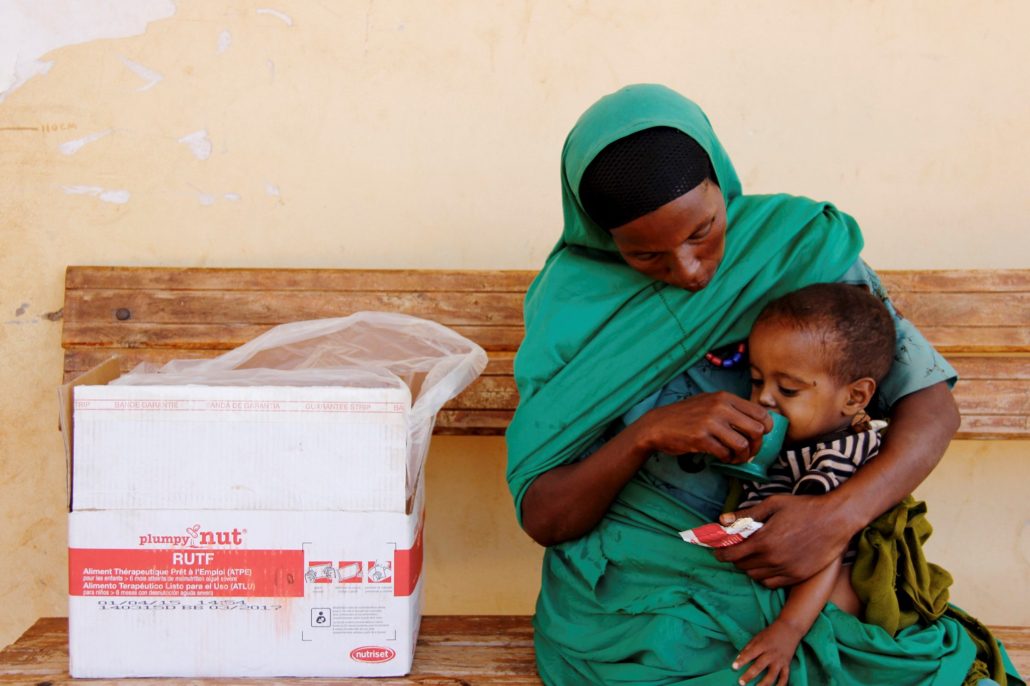
  1. Starvation in Africa: According to Save the Children, a box of nutritious peanut paste, which could treat one child with severe acute malnutrition in Africa for 10 weeks, costs $40. Meanwhile, $100 could cover medication, transportation and all other costs that one associates with treating a single child with severe acute malnutrition. In addition, $210 could pay for a household to feed and protect livestock, ensuring stable food supply and potential income for that family. With the $15.4 billion that makes up the U.S. Space Force budget, the U.S. or world community could provide 385 million children 10 weeks worth of peanut paste. In fact, $15.4 billion is sufficient funding to help 154 million children with severe acute malnutrition or enable over 73 million households in Africa to have livestock. These are only a few examples of aid that organizations provide to a continent suffering from intense poverty, but they clearly illustrate the fact that these policies are feasible with more funding.
  2. Syrian Refugees: UNICEF requested $864.1 million and $852.5 million for the 2020 and 2021 portions, respectively, of its Regional Refugee and Resilience Plan 2020-2021. This funding would go toward humanitarian assistance for Syrian refugees and other vulnerable children in the region, including education access for refugees in Turkey, clean water supply for refugees in Lebanon and mental health support for refugees in Egypt. To complement the funding for Syrian refugees outside Syria, UNICEF requested $294.8 million to meet the needs of families and children in Syria in 2020. This intention of this funding was to provide things like vaccinations against polio, education support and improved water supply. The total for the two years of the Regional Refugee and Resilience Plan and the 2020 support for those inside Syria is just over $2 billion. The U.S. Space Force budget of $15.4 billion would be enough to increase the scale of these operations about sevenfold, illustrating the clear scope of what aid groups could do with that quantity of funding.
  3. Foreign Aid: Many Americans believe that foreign aid takes up as much as 25% of the U.S. federal budget. In fact, the U.S. spent about $39.2 billion in the fiscal year 2019 on foreign aid, making up less than 1% of the federal budget. For the fiscal year 2021, the U.S. is requesting about $29.1 billion for foreign aid. The $15.4 billion for the USSF would be just over half the amount requested for the entirety of U.S. foreign aid funding. The gap between public perception and the reality surrounding foreign aid is startling, which demonstrates why this comparison is especially important.

Contextualizing Funding

While the idea is not necessarily that spending on poverty eradication should come at the expense of the U.S. Space Force Budget, these examples simply show what this level of funding could do if the U.S. or global community directed a similar amount elsewhere. Military funding is important — the U.S. cannot expect to be a dominant power without it. However, people must see this funding in the context of overall aid to countries that are struggling with humanitarian crises.

Foreign aid not only helps millions of suffering people all over the world but also addresses the root causes of many violent issues. As such, increasing funding for poverty eradication would serve U.S. security well. The U.S. Space Force budget is just one case that shows how effective a larger amount of foreign aid spending could be. In the long term, this would not only increase U.S. security but international security as well, lowering the risk of violent conflict involving the U.S. in the future while alleviating the suffering so many find themselves enduring.

– Connor Bradbury
Photo: Flickr
June 25, 2020
https://borgenproject.org/wp-content/uploads/borgen-project-logo.svg 0 0 Jennifer Philipp https://borgenproject.org/wp-content/uploads/borgen-project-logo.svg Jennifer Philipp2020-06-25 07:15:042024-05-29 22:42:06Analyzing the US Space Force Budget
Disease, Foreign Aid, Global Poverty, Poverty Reduction

5 Ways Poverty Relief Reduces Disease

poverty relief reduces disease
The universal rise in global living standards has helped combat diseases, spurred on by international poverty relief efforts. In fact, one study found that reducing poverty was just as effective as medicine in reducing tuberculosis. Poor health drains an individual’s ability to provide for themselves and others, trapping and perpetuating a cycle of poverty. Better public health increases workforce productivity, educational attainment and societal stability. Here are 5 ways poverty relief reduces disease.

5 Ways Poverty Relief Reduces Disease

  1. Better Sanitation: According to the WHO, approximately 827,000 people die each year due to “inadequate water, sanitation, and hygiene.” Poor sanitation is linked to the spread of crippling and lethal diseases such as cholera and polio, which hamper a nation’s development. By investing in the sanitation of developing nations, the rate of disease decreases and the food supply improves. Furthermore, an all around healthier society emerges that can contribute more to the global economy. In fact, a 2012 WHO study found that “for every U.S. $1.00 invested in sanitation, there was a return of U.S. $5.50 in lower health costs, more productivity, and fewer premature deaths.”
  2. Improved Health Care Industries: A hallmark of any developed nation is the quality of its health care industry. A key part of reducing poverty and improving health, is investing in health care initiatives in developing countries. When the health care industry is lacking (or even non-existent), the population experiences high levels of disease, poverty and death. Many American companies have already invested millions into the medical sectors of developing nations, however. In September 2015, General Electric Healthcare created the Sustainable Healthcare Solutions, a business unit that donates millions in money and medical equipment to developing nations.
  3. More Informative Education: Knowledge is power when it comes to fighting disease. Educational institutions provide a nation with one of the best tools to fight diseases of all kinds. According to a WHO report, “education emphasizing health prevention and informed self-help is among the most effective ways of empowering the poor to take charge of their own lives.” Schools must teach about proper sanitation, how to spot warning signs and form healthy behaviors. School health programs are also an invaluable resource in times of pandemics and disease outbreaks, as they coordinate with governments. This cooperation has helped tackle diseases, including HIV/AIDS in Sub-Saharan Africa. Eritrea, for example, has one of the lowest rates of infection in the region (less than 1%), partially due to an increase in HIV/AIDS education measures.
  4. Enhanced Nutrition: Malnutrition and food insecurity weaken the immune systems of the impoverished and significantly lower one’s quality of life. Millions of children each year die from famine or end up crippled due to dietary deficiencies. By investing in and supporting agricultural sectors of developing nations, aid programs help in not only decreasing poverty, but also in cutting down on illness of all kinds. Likewise, international aid during conflicts and natural disasters is crucial to ensuring the continued health and productivity of a country. One nation combating such an issue is Tanzania. With the help of aid organizations like UNICEF, Tanzania has decreased malnutrition for children under five.
  5. More Effective Government Services: Arguably encompassing all the previous categories, governments with more money and resources can effectively help stop diseases. A healthy general population leads to more productivity, which increases tax revenue. Central governments can then invest that money back into health care and sanitation, creating a positive feedback loop. Governments also provide a centralized authority that can cooperate with organizations like the WHO. In the 21st century, communication and cooperation between world governments is key to halting pandemics and working on cures.

Impact on COVID-19

The COVID-19 pandemic is a prime example of how improved government resources provide poverty relief, which helps combat the virus in the developing world. Kenya is a good example of how developing nations can help contain and combat the virus with effective government actions. The systems and governmental services built up over past decades sprang into action and coordinated with organizations like the WHO. The government has also implemented various economic measures to help mitigate the negative economic side-effects. Moving forward, it is essential that governments and humanitarian organizations continue to take into account the importance of poverty relief for disease reduction.

– Malcolm Schulz 
Photo: Flickr

June 12, 2020
https://borgenproject.org/wp-content/uploads/borgen-project-logo.svg 0 0 Jennifer Philipp https://borgenproject.org/wp-content/uploads/borgen-project-logo.svg Jennifer Philipp2020-06-12 06:06:392024-05-29 23:17:335 Ways Poverty Relief Reduces Disease
Food Security, Foreign Aid, Global Poverty, Poverty

7 Facts About Poverty in Puerto Rico

Poverty in Puerto Rico
Puerto Rico is a Caribbean island between the Caribbean Sea and the North Atlantic Ocean, east of the Dominican Republic. A population of 3.194 million resides in Puerto Rico and represents more than 0.04% of the world population, yet many are living in severe levels of poverty to this day. Puerto Rico has been dynamic and competitive when it comes to its local economies until recent years. Its economy now relies mostly on aid from the United States government. Here are seven facts about poverty in Puerto Rico.

7 Facts About Poverty in Puerto Rico

  1. More than 44% of the population of Puerto Rico lives in poverty, compared to the national U.S. average of approximately 12%. That is 1.4 million Puerto Rican citizens in comparison to 39.3 million U.S. citizens. Puerto Rico relies mainly on financial and federal aid from the U.S. government because it has ties to the U.S. as a U.S. colony. As a result, the country often struggles to independently support itself.
  2. Before the recent hurricanes, around 1.5 million of the Puerto Rican population suffered from food insecurity. The child food insecurity rate was 56%, which is 281,335 Puerto Rican children. The main reason for food insecurity is that hurricane season often hits Puerto Rico rather hard, and its access to imported goods only comes from the U.S. There are local countries and islands surrounding that are willing to help, but due to the ruling that Puerto Rico can only receive U.S. goods, these essential goods have higher tax rates. To improve this, the Puerto Rican governor organized committees to correspond with third party task forces in the U.S. to ship essential supplies over, especially after Hurricane Maria.
  3. Hurricane Maria, the strongest hurricane to hit Puerto Rico in nearly a century, made landfall on September 20, 2017. It compounded the destruction that Hurricane Irma caused just weeks before, affecting residential living, wildlife and everything in between. For example, areas that Hurricane Maria hit left homes without a proper roof, even over 600 days after the hurricane. Infrastructure damage can only receive so many repairs, as when hurricane season returns less than a year later, Puerto Rico often lacks proper recovery and preparation. An NGO aid project called All Hands Volunteers kickstarted to gut and remove debris, as well as demolish unsafe structures and repair cement roofing. It operates out of two cities, Barranquitas and Yabucoa.
  4. A year after Hurricane Maria, 10s of thousands in Puerto Rico are still living under blue tarps, designed as temporary roofs. This is the result of a lack of funds, resources and helping hands to Puerto Rico during its greatest and most desperate time of need. To improve this, task forces in U.S. states like Florida have been using small charter planes to import essential goods and supplies to bring relief and rebuild as best as possible. This is necessary even years after the initial storm.
  5. Families are struggling to find work to afford food, water, shelter and resources to rebuild their homes. Whether families have a solid income or not, it is apparent that most are food insecure to this day as a result of the storm. This is especially accurate when 80% of the island or 2.5 million people were without electricity for over a year after the hurricane. People also only have employment from establishments that are still standing or that people rebuilt.
  6. Due to the living conditions of the island, several thousand citizens have moved out of Puerto Rico and have yet to return. This could mean that they flew to stay with family in the U.S. or had to find work and shelter elsewhere with short notice. Some left temporarily, and others have yet to return to their homes due to a lack of funds for repairs. Puerto Rico wants to avoid further devastation and harm to its citizens during the season.
  7. While Puerto Rico is still recovering, the damage it experienced could have been much worse. The citizens still living on the island have shown compassion, resilience and teamwork toward one another. Without water or power, the people have shown great strength and support through waiting for recovery assistance, both financially and physically. This shows that against all odds, the citizens of Puerto Rico have managed to come back with all the strength they could muster to rebuild and recover.

Poverty in Puerto Rico is minimizing gradually and it is thanks to the help and assistance from the citizens of the United States standing alongside the island. These seven facts about poverty in Puerto Rico have shown that hurricane season will always have a destructive impact, but with continued assistance, poverty in Puerto Rico can reduce.

– Kimberly Elsey
Photo: Flickr

May 28, 2020
https://borgenproject.org/wp-content/uploads/borgen-project-logo.svg 0 0 Jennifer Philipp https://borgenproject.org/wp-content/uploads/borgen-project-logo.svg Jennifer Philipp2020-05-28 07:30:002024-05-29 23:16:007 Facts About Poverty in Puerto Rico
Page 21 of 61«‹1920212223›»

Get Smarter

  • Global Poverty 101
  • Global Poverty… The Good News
  • Global Poverty & U.S. Jobs
  • Global Poverty and National Security
  • Innovative Solutions to Poverty
  • Global Poverty & Aid FAQ’s
Search Search

Take Action

  • Call Congress
  • Email Congress
  • Donate
  • 30 Ways to Help
  • Volunteer Ops
  • Internships
  • Courses & Certificates
  • The Podcast
Borgen Project

“The Borgen Project is an incredible nonprofit organization that is addressing poverty and hunger and working towards ending them.”

-The Huffington Post

Inside The Borgen Project

  • Contact
  • About
  • Financials
  • President
  • Board of Directors
  • Board of Advisors

International Links

  • UK Email Parliament
  • UK Donate
  • Canada Email Parliament

Get Smarter

  • Global Poverty 101
  • Global Poverty… The Good News
  • Global Poverty & U.S. Jobs
  • Global Poverty and National Security
  • Innovative Solutions to Poverty
  • Global Poverty & Aid FAQ’s

Ways to Help

  • Call Congress
  • Email Congress
  • Donate
  • 30 Ways to Help
  • Volunteer Ops
  • Internships
  • Courses & Certificates
  • The Podcast
Scroll to top Scroll to top Scroll to top