• Link to X
  • Link to Facebook
  • Link to Instagram
  • Link to TikTok
  • Link to Youtube
  • About
    • About Us
      • President
      • Board of Directors
      • Board of Advisors
      • Financials
      • Our Methodology
      • Success Tracker
      • Contact
  • Act Now
    • 30 Ways to Help
      • Email Congress
      • Call Congress
      • Volunteer
      • Courses & Certificates
      • Be a Donor
    • Internships
      • In-Office Internships
      • Remote Internships
    • Legislation
      • Politics 101
  • The Blog
  • The Podcast
  • Magazine
  • Donate
  • Click to open the search input field Click to open the search input field Search
  • Menu Menu

Archive for category: Food & Hunger

Information and stories on food.

Food & Hunger, United Nations

Understanding Hidden Hunger

Understanding Hidden Hunger
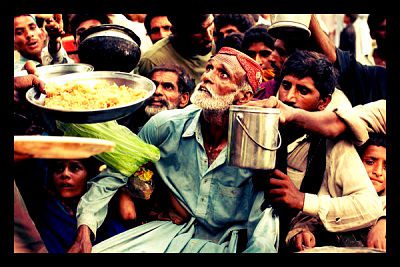
Sight and Life, a prominent group working to fight micronutrient deficiencies prevalent among the world’s poor, has recently released its Hidden Hunger Index. Hidden hunger is defined as a chronic deficiency of necessary micronutrients. Rather than a lack of food or calories, this type of hunger results from a diet low in specific nutrients. This condition affects approximately 1 in 3 people in the world today and accounts for about 7% of diseases around the world. Although the signs are not visible, hidden hunger has long-term consequences for overall health, productivity, and mental development. The most common deficiencies are in vitamin A, iodine, folate, and B vitamins. Women of reproductive age and young children are most severely affected by this condition.

In addition to its negative and often permanent health effects, hidden hunger has numerous economic consequences. It aggravates global poverty in multiple ways and minimizes countries’ growth in economic productivity. It also increases child and maternal mortality, causes birth defects, diseases, and disabilities. Unfortunately, it also restrains the empowerment of women by adversely affecting their health.

The Hidden Hunger Index concluded that hidden hunger in pre-school age children was alarmingly high in sub-Saharan Africa, India, and Afghanistan. High Hidden Hunger Index was found to correlate with low Human Development Index, a measure based on three basic qualities of human well-being: a long and healthy life, education, and standard of living. While many micronutrient deficiencies were found to occur in groups, iodine deficiencies were often found independently. This is probably due to differing country laws on salt iodization. Iodine deficiency accounts for approximately 18 million children born mentally impaired each year.

Hidden hunger and its related health issues are significant obstacles to achieving the Millennium Development Goals (MDGs) laid out by the United Nations. The Hidden Hunger Index shines a light on micronutrient deficiencies and acts as a tool for activism. While there is information concerning hunger issues with root causes in a lack of food and calories, and about single micronutrient deficiencies, information about multiple micronutrient deficiencies is sorely lacking. Sight and Life developed the Hidden Hunger Index in the hopes that it will “serve as a tool to stimulate global efforts towards scaling up nutrition interventions”.

– Katie Fullerton

Sources: Micronutrient Initiative, Hidden Hunger Index
Photo: The Guardian

June 27, 2013
https://borgenproject.org/wp-content/uploads/borgen-project-logo.svg 0 0 Borgen Project https://borgenproject.org/wp-content/uploads/borgen-project-logo.svg Borgen Project2013-06-27 03:55:532020-07-06 18:43:39Understanding Hidden Hunger
Food & Hunger, Foreign Aid

5 Ways to Improve Food Security

Food_for_thought

The 2013 Thought For Food Challenge calls on students from colleges and universities from all around the world to produce a project that presents an innovative solution to the challenge of feeding 9 billion people by 2050. Teams of students are provided top-of-the-line tools and resources to research global food issues, brainstorm ideas, and produce a proposal to compete for funding.

These are the five finalist entries from this year’s competition:

  1. Food Waste Incentives: Team Ingenerovictus, a group from the Indian Institute of Technology Roorkee built a food waste collection system. The students intend to collect organic matter and transport it to a central plant where they will convert the matter to agricultural products using an anaerobic digester. In order to encourage participation in their program, the students plan to offer incentives. In return for separating garbage, hotels and restaurants can get credits that they can spend with retailers who have already agreed to partner with the student’s proposed project.
  2. Vertical Farms: Team Agrilution, from the HAS University of Applied Science in the Netherlands, constructed a prototype for a closet-sized vertical farm. This farm uses an aquaponic system that makes use of LED lighting, minimal inputs and an automatic system. This would allow for efficient food production in the non-rural area. Team Agrilution aims to solve the food crisis by bringing households closer to food production, particularly in urban regions.
  3. Food Certification: Team CrOpportunity, made of 5 students from the University of Nebraska, has developed a food certification plan to spread better information to consumers in developed countries and to direct more funds to developing nations. The team aims to certify restaurants and food producers who have reached sustainable criteria and a level of excellence and then redirect a portion of their profits to food groups abroad. The project also seeks to provide consumers with reports of theses standards to generate greater transparency in the food industry. Consumers can vote for their favorite restaurants and organizations online.
  4. Reclaiming Arid Land: Team O.A.S.I.S., from Kenya, plans desalinate seawater and pipe it to arid regions with the goal of reclaiming lands affected by deforestation and desertification. They also plan to install fish farms in the trenches used to pipe the seawater. Through the implementation of this agricultural structure, the students hope to gain greater food security by establishing environmental stability, provide adequate low-cost housing, and create more employment opportunities.
  5. Goosing Egg Production: The Henlight project, by Team Foodisclosure with students at U.C. Davis and the University of Oregon, seek to improve egg production yields. The idea focuses on a simple solar-powered lamp that lengthens effective daylight, thereby increasing the rate at which hens lay eggs. Ultimately, this project would expand the number of stimulation chickens receive. This idea is based on the need to raise the appraisal of surplus food and increase the efficiency of food production.

– Grace Zhao

Source: TFF challenge, Co.Exist
Photo: Flickr

June 26, 2013
https://borgenproject.org/wp-content/uploads/borgen-project-logo.svg 0 0 Borgen Project https://borgenproject.org/wp-content/uploads/borgen-project-logo.svg Borgen Project2013-06-26 05:18:282020-07-06 18:29:255 Ways to Improve Food Security
Advocacy, Food & Hunger, Food Security

Think.Eat.Save: A Global Food Initiative

Think.Eat.Save: A Global Food Initiative
“Think.Eat.Save: Reduce Your footprint,” is a global initiative to reduce food loss and waste. It is a partnership between UNEP, FAO, and Messe Düsseldorf that seeks to spur widespread global, regional and national actions and inspire social awareness of the global “food footprint”. Through the exchange of ideas and projects, the Think.Eat.Save campaign raises awareness and showcases solutions to global food waste and food loss issues in both developed and developing countries.

Think.Eat.Save also provides a “one-stop-shop” for news and resources for consumers and producers featuring tips and facts. The website contains advice including how to eat sustainably and methods of preserving food. For producers and sellers of food, the site also offers suggestions for farming, processing and distribution, and restaurant management. Ultimately, the campaign urges everyone from the average consumer to retailers to think critically about food and take action.

In his statement for World Environment Day on June 5, United Nations Secretary-General Ban Ki-moon mentioned Think.Eat.Save. Ban state that approximately one-third of all food is wasted or lost through poor storage facilities and transportation in developing countries. In order to address this problem, Ban mentioned Think.Eat.Save as a means to create greater efficiency in the food industry.

Food shortages are only half of the global food problem. The other half is food waste and food loss. As tons and tons of precious food and water are dumped into the trash or spoiled in transportation, the world teeters on the brink of a food system failure.

What Think.Eat.Save promotes is a solution for existing issues of the global food system. Instead of producing more, the global community is encouraged to take more responsibility for environmentally and socially equitable food systems. By simply reducing the amount of waste produced, we can save resources and money, lessen environmental impacts, and preserve enough food to create a world in which everybody has enough to fill their stomachs.

– Grace Zhao

Source: Examiner,Think.Eat.Save.
Photo: 2Luxury2

June 26, 2013
https://borgenproject.org/wp-content/uploads/borgen-project-logo.svg 0 0 Borgen Project https://borgenproject.org/wp-content/uploads/borgen-project-logo.svg Borgen Project2013-06-26 05:12:502024-06-04 02:43:53Think.Eat.Save: A Global Food Initiative
Food Security, Global Poverty

West Africa Restoring Healthy Ocean Habitats

West Africa Restoring Healthy Ocean Habitats
As the world celebrated World Environment Day on June 5th, countries in West Africa looked to continue their work to preserve fish ecosystems and ocean habitats that are currently under threat.

Oceans provide food for over 1 billion people globally and provide income for 200 million people in developing countries. Along the coastal regions of West Africa, fishing practices provide half of the fish catch for the entire continent; fish is a source of income and nutrition in West Africa, especially for the poor. The World Bank says that fishing earns these West African countries approximately $4.9 billion per year. As a result, GDP has increased at the national level and provides local communities with an income and greater food security.

However, the marine sources and habitats that support them are being threatened by weak management, declining fish stocks, local exploitation and harmful fishing practices. In addition, foreign industrial ships stalk African coasts and steal fish stocks. To combat this, in 2009 the World Bank launched the West African Regional Fisheries Program (WARFP), which helps governments strengthen ocean management. WARFP has four main areas of focus: good governance and sustainable fisheries management, reducing illegal fishing, increasing the contribution of marine resources to the local economy, and coordination, monitoring and evaluation, and program management. The program helps communities in Ghana, Cape Verde, Guinea-Bissau, Liberia, Sierra Leone and Senegal.

The program has helped people in these countries to successfully achieve national, regional and local reforms that educate and empower fishing communities to work together and share their resources. By stamping out illegal fishing in Sierra Leone, creating community-based monitoring in Liberia and encouraging locals to engage in fishing in Senegal, World Bank programs have aided in the fight to preserve and maintain the environment and ocean resources that are so vital to fishing.

“Developing partnerships between countries along the coast of Africa is key to promoting the recovery of Africa’s fish resources and preserving the ocean environment,” said Colin Bruce, World Bank Director for Regional Integration. In order to continue protecting West Africa’s marine environment, research and management programs need to continue, which in turn will secure a better future for the fishing communities of the region.

– Chloe Isacke

Sources: World Bank, WARFP
Photo: Knowing South Africa

June 26, 2013
https://borgenproject.org/wp-content/uploads/borgen-project-logo.svg 0 0 Borgen Project https://borgenproject.org/wp-content/uploads/borgen-project-logo.svg Borgen Project2013-06-26 04:13:182024-05-24 23:55:13West Africa Restoring Healthy Ocean Habitats
Food & Hunger, Food Security

Nagaland Citizens Utilize Unusual Food Source

Nagaland Citizens Utilize Unusual Food Source

Stink bugs, silkworms, dragonflies, tawny mole crickets, and red ants. To those afforded the luxury of daily meals, these insects are of little significance. But to the people of Nagaland, these bugs are nutritious sources of food sold in local markets to help alleviate hunger.

The United Nations Food and Agriculture Organization released a 200-page report highlighting the benefits of Naga’s insect consumption. The report notes that insects are often full of more protein and nutrients than either fish or meat.  The insects can address malnourishment and provide food security, the report also states.

Farmers collect the bugs from forests and rice paddies. Both bees and larvae are expensive commodities in the local markets. The U.N. suggests frying the insects and preparing them in recipes, as they shouldn’t be consumed raw.

Nagaland isn’t alone in their bug consumption. According to the U.N., 1,400 insect species are consumed in almost 90 countries across the globe.

Numerous estimates suggest that 9 billion people will inhabit the earth by 2050. As more and more consumers are added to the planet, resources will have to be used more carefully. Nagaland highlights an effective way of utilizing all resources available. This is one unusual yet effective way of combatting poverty and world hunger.

– William Norris

Sources: The Morung Express, SI Live
Photo: The Morung Express

June 25, 2013
https://borgenproject.org/wp-content/uploads/borgen-project-logo.svg 0 0 Borgen Project https://borgenproject.org/wp-content/uploads/borgen-project-logo.svg Borgen Project2013-06-25 08:28:242020-07-06 18:31:54Nagaland Citizens Utilize Unusual Food Source
Food & Hunger, Food Aid

Zambian Government Praises USAID Health Programs

USAID Zambia
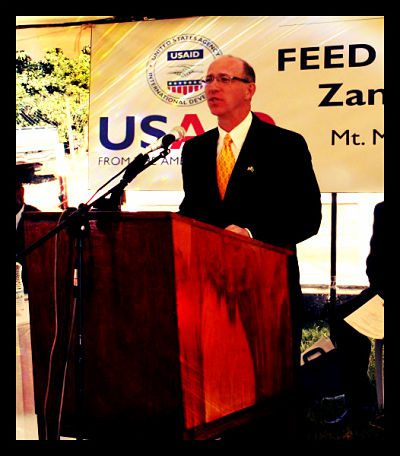
A Zambian Government official, Bert Mushala, praised the American government for its foreign aid initiatives at the launch of two new USAID health programs in Zambia in June. According to USAID Mission director for Zambia, Susan Brems, the two projects, Thrive and Mawa, are aimed at strengthening nutrition within small farming households and with those living with HIV. The initiatives would also focus on enhancing economic opportunities for poor households, encouraging crop diversification.

The Thrive and Mawa programs, funded by USAID and the President’s Emergency Plan for AIDS Relief (PEPFAR), would benefit 21,500 people in the Eastern Province of Zambia. This runs parallel to USAID’s Feed the Future program which is aimed at assisting 200,000 smallholder farming households rise out of poverty, decreasing the percentage of malnourished children, and augmenting the production and consumption of nutritious crops. Zambia was selected as a Feed the Future country because of its vast capability for agricultural growth, along with its large food insecurity.

The Feed the Future program and the Thrive and Mawa programs are all focused around the Eastern Province due to the high prevalence of poverty there. As the Eastern Province Permanent Secretary Bert Mushala has witnessed USAID health programs in this poor region of Zambia and commended USAID’s support of Zambia.

USAID’s programs in Zambia, working under the US Global Health Initiative, have several other focuses besides nutrition and empowering small farmers. Under PEPFAR, USAID works with the Ministry of Health to prevent mother-to -child transmission of HIV. The amount of infants born with HIV has dropped from 39 percent in 2005 to 5 percent in 2010, and over 400,000 Zambians are now on regular antiretroviral treatments for HIV. USAID has also addressed gender-based violence and supported over 500,000 orphans and vulnerable children.

These USAID health programs in Zambia are all part of a larger network of the USAID initiatives in Zambia. USAID also focuses on economic growth, education, and creating a just and democratic government in the country. These initiatives have led to a longer life expectancy for Zambians along with 12 straight years of notable economic growth. As a country that has such potential for growth, particularly in agriculture, a prosperous Zambia is crucial to stability in a region which includes the war torn Democratic Republic of the Congo.

– Martin Drake

Source: USAID
Photo: USAID

June 25, 2013
https://borgenproject.org/wp-content/uploads/borgen-project-logo.svg 0 0 Borgen Project https://borgenproject.org/wp-content/uploads/borgen-project-logo.svg Borgen Project2013-06-25 05:00:312021-06-23 16:27:55Zambian Government Praises USAID Health Programs
Aid Effectiveness & Reform, Food Aid

Food Aid Reform Act: The Facts

Food Aid Reform Act
On Wednesday, June 12 discussions continued on Capitol Hill in an attempt to push forward a modernization of US international food aid policy according to the Guardian’s Cydney Hargis.  HR 1983, the Food Aid Reform Act, would remove laws requiring US food aid to be grown in the United States and then shipped to the receiving countries.  Instead, it would allow food aid to be purchased in areas local to the countries receiving it.  The impact of the Food Aid Reform Act would be twofold:  it would eliminate the time and costs required to ship the food, and it would further stimulate the economies of countries or regions that are receiving US food aid.

Under the Food Aid Reform Act, aid could reach the receiving country up to 14 weeks sooner, giving up to 4 million people better access to food.  It would also significantly decrease transportation costs of US food aid, which make up 50 percent of the US food aid budget.  Right now US food aid has to travel 7,000 miles to reach its destination and that food chain is vulnerable, especially in conflict zones such as what we are seeing right now in Syria.

The other aspect of the Food Aid Reform Act is the stimulation of the local economy where the food is being produced.  When the US ships food to developing countries as aid, the US food can crowd out locally produced food.  This is especially important considering that most of the world’s poorest and those without food security are small farmers.  In shipping food to aid the poorest in the developing world, the US can prevent these farmers from being able to sell their crops at a profitable price, thereby harming the very people which USAID is supposed to be helping.

Purchasing food aid locally will raise the demand for local food, thereby driving up the price and enabling farmers to gain more profit out of the crops they sell.  This profit can then be put towards things like better fertilizers, water pumps, and other things which increase the productivity of these farmers.  When these farmers increase their productivity their communities will develop their food security, fixing the very reason that food aid would have to be provided to these developing nations in the first place.

The Food Aid Reform Act is a piece of bipartisan legislation that will go a long way to modernize US foreign aid.  It will help stimulate developing economies to bring them further towards contributing significantly to the global economy, which will ultimately lead to a more prosperous international community as a whole.

– Martin Drake

Source: The Guardian, House Committee on Foreign Affairs
Photo: ONE

June 24, 2013
https://borgenproject.org/wp-content/uploads/borgen-project-logo.svg 0 0 Borgen Project https://borgenproject.org/wp-content/uploads/borgen-project-logo.svg Borgen Project2013-06-24 15:02:422024-05-24 23:57:04Food Aid Reform Act: The Facts
Food & Hunger, Food Aid

Rethinking Hunger in Africa

Rethinking Hunger in Africa
Philanthropists may be tempted to rejoice that recent trends have shown that the total number of people who face chronic hunger has dropped. New surveys, however, caution those working to eradicate global poverty.

The Afrobarometer is an independent, nonpartisan research project that measures the social, political and economic environment in Africa through a series of regularly-repeated surveys. By consistently asking the same, standard set of questions in more than a dozen African countries each year, the Afrobarometer can track trends in public attitudes that can be shared with various public actors in order to create better dialogue between the public and the government.

When asked in a recent Afrobarometer survey how many times in the past year they had gone without food, 16% of survey participants responded either “always” or “many times.” Even as global instances of chronic hunger drop as a whole, Africa remains the exception to the trend. The U.N. suggests that 239 million African citizens, or nearly 23% of the total African population, meet the U.N.’s criteria for being chronically undernourished.

The situation is even more alarming when one considers that chronic hunger mainly affects African children, who may experience stunting (low height), wasting (low weight) or micronutrient deficiency if exposed to chronic hunger conditions between the ages of 2 and 3. Chronic hunger not only puts children at risk for future health complications but can also impair future economic concerns as well. Studies have also shown that undernourished children eventually earn an average of 20% less than their healthy peers.

The current hunger problems in African can be traced back to a reliance on maize. Though maize is highly caloric, it offers mediocre nutritional qualities and thus can exacerbate malnutrition even as it satisfies daily caloric needs. Both Zambians and Malawians report receiving more than 50% of their calories from maize.

Over-reliance on maize is not just stunting the growth of African children, but also the potential of the African economy and agricultural development. By only producing maize, African farmers limit their access to global markets, thus making them too reliant on foreign aid and capital.

Instead of maize, the U.N. and its associated nutritionists suggest a food fortification program that supplies rural grain mills with a range of foods that include added iodine, zinc and vitamin A to provide an extra nutritional boost. Additionally, initiatives like ReSCOPE are using schools and colleges in Africa to teach a technique called permaculture, which uses a version of organic farming to keep nutrients in the soil to promote sustainable, year-round crops that will help local farming cultures flourish like never before.

These initiatives follow the concept of the “teach a man to fish” proverb. By promoting a culture of food self-sufficiency that allows African farmers to create both the quantity and quality of the food needed to meet their local nutritional needs, global aid communities and governments may be giving Africa the long-overdue ability to stand on its own two feet.

– Alexandria Bruschi

Source: Afrobarometer.org,Think Africa Press
Photo: WPHR

June 24, 2013
https://borgenproject.org/wp-content/uploads/borgen-project-logo.svg 0 0 Borgen Project https://borgenproject.org/wp-content/uploads/borgen-project-logo.svg Borgen Project2013-06-24 04:09:212020-07-03 00:26:41Rethinking Hunger in Africa
Food Security

The Role of Rice in the Fight Against Poverty

The Role of Rice in the Fight Against PovertyAs an energy source packed with vitamins and nutrients, rice serves as the main source of food and nutrition for a majority of the world’s population. Brown unmilled rice contains the most nutritional and mineral value, whereas white rice loses much of its nutritional value after being refined.

The USDA plans to address this by researching different strands and genes of rice in order to breed a new strand of white rice that would “hold high concentrations of 14 essential minerals (including zinc, iron and calcium) in the grains instead of in the husk”. Their research is focused on the use of “molecular marker data for use in quickly identifying the high-mineral plants without having to grow them to maturity.”

Up to 1,643 types of rice from around the world have been tested, and “127 gene locations in 40 chromosome regions that indicate high concentrations of minerals” have been identified. The first method for creating this new strain of rice that comes to mind would be genetic engineering. However, it is simpler and more accessible to farmers around the world if the rice is created through reproducing plants with the genes they find desirable.

Helping breeders grow this rice could decrease malnutrition around the world, and refraining from genetic modification would allow the rice to be distributed (exported or imported) without fear of rejection from those who are against GMO foods. This new strain of rice could solve all kinds of food-related issues surrounding poverty and hunger globally, as well as introduce a healthier option for those in Western countries.

– Sarah Rybak

Source: PopSci.com,DVice.com
Photo: Prevention

June 23, 2013
https://borgenproject.org/wp-content/uploads/borgen-project-logo.svg 0 0 Borgen Project https://borgenproject.org/wp-content/uploads/borgen-project-logo.svg Borgen Project2013-06-23 05:11:402020-07-03 00:34:15The Role of Rice in the Fight Against Poverty
Aid Effectiveness & Reform, Food & Hunger, Food Aid, Food Security

Food Aid Reform Act Faces Fight in Congress

Food Aid Reform Act Faces Fight in Congress

Initial support for reforms to food aid came from both parties. It turns out everyone believes money for food aid in emergency situations should go to feed people. The problem comes when determining how that aid should work and where it should be spent. President Obama has introduced reforms to policy dating back to the Eisenhower era, but the food aid reforms have hit trouble in Congress.

The discussion is focused on whom the US should buy food in emergency situations.  Currently, the US purchases food from US farmers and ships it overseas. Reforms to food aid include using money allocated to purchase food from overseas farmers. The US is currently one of the only major food-producing nations that still ships its food overseas rather than purchasing food directly from poorer farmers.

The money involved is around $2 billion; US agriculture is expected to bring in $128 billion of profits this year, making this a small amount in comparison. For poor farmers around the world, it is life-changing. It allows farmers in developing nations to improve their crops and continue to produce and sell their goods. This amount also would help prevent food insecurity, a source of unrest in many nations. Food insecurity is often accompanied by other insecurities as well.

Nigeria’s Minister of Agricultural and Rural Development, Akinwnumi Adesina, is a major supporter of the reforms. The money would help Nigeria continue to promote national security and help farmers grow economically. The Obama plan would shift the $2 billion spent on food aid to the USAID and allow them to use it to purchase food overseas.  Farmers would get a subsidy for at least the first year to replace some of the lost profit. In addition, 55% of food aid dollars will still go to American farmers.

Food aid reforms are long overdue and a key to promoting global development worldwide. They are also a key step in helping the US keep nations secure and conflict at a minimum. The reforms will help countries like Nigeria shift away from food dependence to food independence and become growing, thriving economies.

Call your Congressional leaders today and request they support the Food Aid Reform Act (H.R. 1983).

– Amanda Kloeppel
Source: Bloomberg

June 21, 2013
https://borgenproject.org/wp-content/uploads/borgen-project-logo.svg 0 0 Borgen Project https://borgenproject.org/wp-content/uploads/borgen-project-logo.svg Borgen Project2013-06-21 04:00:042020-07-03 00:18:37Food Aid Reform Act Faces Fight in Congress
Page 73 of 78«‹7172737475›»

Get Smarter

  • Global Poverty 101
  • Global Poverty… The Good News
  • Global Poverty & U.S. Jobs
  • Global Poverty and National Security
  • Innovative Solutions to Poverty
  • Global Poverty & Aid FAQ’s
Search Search

Take Action

  • Call Congress
  • Email Congress
  • Donate
  • 30 Ways to Help
  • Volunteer Ops
  • Internships
  • Courses & Certificates
  • The Podcast
Borgen Project

“The Borgen Project is an incredible nonprofit organization that is addressing poverty and hunger and working towards ending them.”

-The Huffington Post

Inside The Borgen Project

  • Contact
  • About
  • Financials
  • President
  • Board of Directors
  • Board of Advisors

International Links

  • UK Email Parliament
  • UK Donate
  • Canada Email Parliament

Get Smarter

  • Global Poverty 101
  • Global Poverty… The Good News
  • Global Poverty & U.S. Jobs
  • Global Poverty and National Security
  • Innovative Solutions to Poverty
  • Global Poverty & Aid FAQ’s

Ways to Help

  • Call Congress
  • Email Congress
  • Donate
  • 30 Ways to Help
  • Volunteer Ops
  • Internships
  • Courses & Certificates
  • The Podcast
Scroll to top Scroll to top Scroll to top