Orange Sweet Potato Combats Malnutrition in Uganda
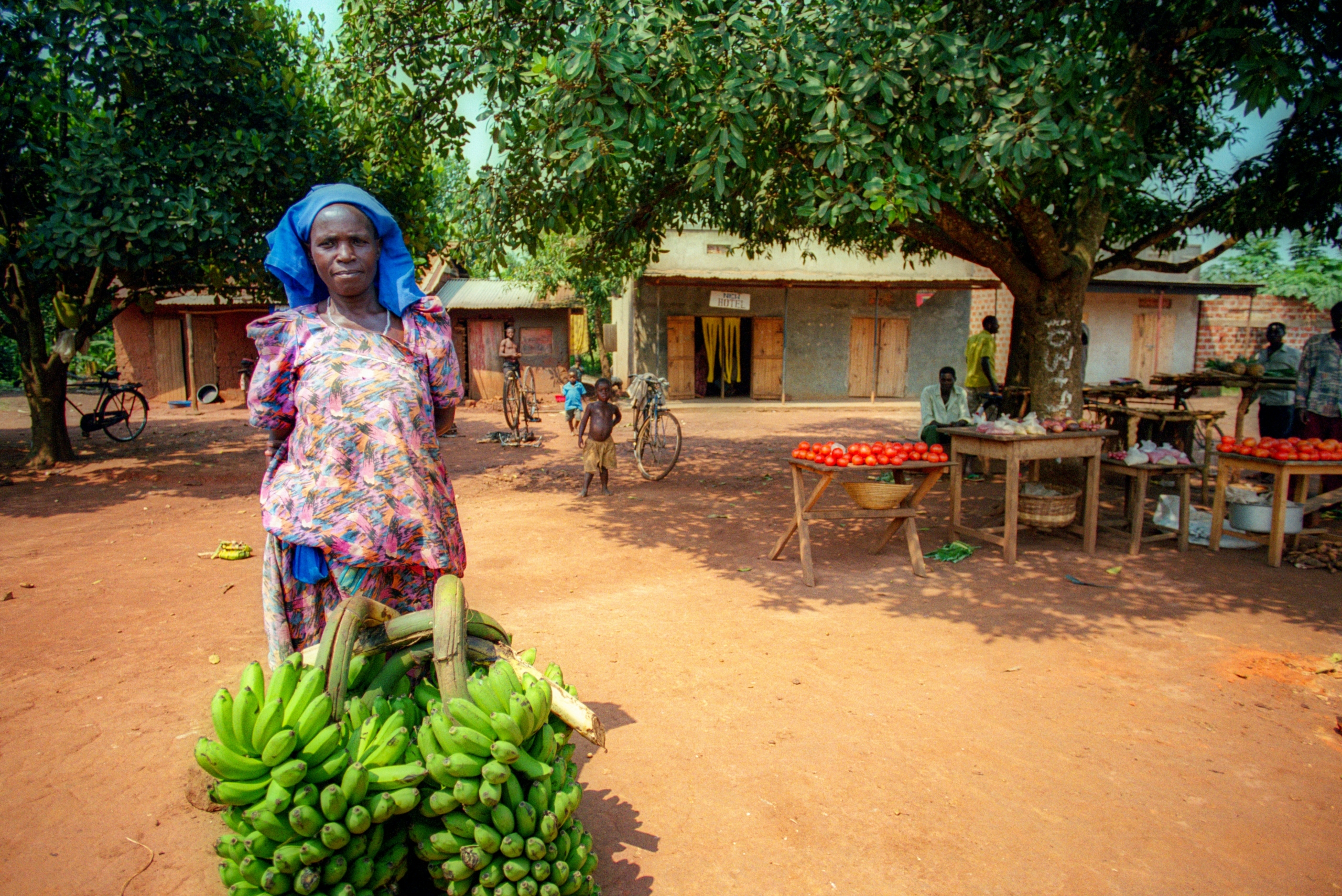 In Uganda, the economy is fueled by agriculture, with two-thirds of its citizens earning their income this way. However, most of them must rely on stale crops that lack nutritional content, according to Feed the Future. The orange-fleshed sweet potato is rich in Vitamin A, providing an essential supplement to diets in Uganda. Vitamin A deficiency is a leading cause of malnutrition in Uganda, mostly targeting children and women. They suffer from micronutrient deficiency, meaning they get enough food to fill their stomachs but not enough to provide any dietary necessities for a healthy life.
Background
A 2011 Uganda Demographic and Health Survey found that prolonged Vitamin A deficiency can have devastating health defects such as eye damage and blindness, mental retardation, reproductive disorders, impaired growth in children and can put them at a greater risk of disease due to a reduced immune system. According to Feed the Future, in Uganda, 38% of children suffer from vitamin deficiency and 70% from iron deficiency.
According to the 2022 Karamoja IPC for acute malnutrition report, food insecurity was 40% in 2022, up 10% from the previous year. Vitamin A tablets and food supplements are available to those who can afford them or know how to find them, but they are not a solution to malnutrition in impoverished areas. A cheaper, more accessible option is needed. Since 2006, Feed the Future has worked on biofortification, which involves sharing and breeding crops with high levels of certain micronutrients.
USAID Partnership
In 2007, HarvestPlus, partnered with the United States’ Feed the Future and released the orange-fleshed sweet potato (OFSP), which is rich in Vitamin A, to provide an easy solution to issues of malnutrition in countries like Uganda. This became the first biofortified crop that contains provitamin A (PVA) carotenoids–antioxidants that become Vitamin A. It is cross-bred with other varieties of potatoes and has a high yield with a quick maturing rate.
World Vision Uganda began a project called the Resilience and Livelihoods Programme to provide families with the sweet potato vine, teaching them how to grow and sustain this crop season after season. In 2018, the number of underweight children under five dropped 2.6% from 2015. Now, about one in eight are growing and consuming the sweet potato, reducing malnutrition in Uganda through agriculture, according to World Vision Uganda.
The project has also been supported by USAID “under the United States Feed the Future Initiative through two successive projects: the current USAID Meals for Nutrition Biofortified Solutions in Uganda (MENU) and the previous USAID Developing and Delivering Biofortified Crops (DDBC) project,” according to HarvestPlus. They have developed six new types of Vitamin A-rich potatoes in addition to High Iron Beans (HIB).
According to HarvestPlus, “sweet potatoes that are high in provitamin A can provide up to 100% of daily Vitamin A needs and contribute to a reduction in vitamin A deficiency in regions where daily sweet potato consumption is high. More than 95% of the world’s sweet potato crop is grown in developing countries.”
This crop has not only changed the lives and futures of individual families but of entire communities where it can be shared for the benefit of all. Three times a week is the dietary recommendation for children to consume orange-fleshed sweet potatoes. High Iron Beans are also recommended to increase blood count. This is also a crop that supports the economy, as potatoes are one of Uganda’s biggest exports.
Final Thoughts
According to the World Bank, gross domestic profit (GDP) increased to 5.3% in 2023 from 4.7% the year before. Inflation decreased by more than half, from 10.7% in 2022 to just 5% in June 2023. They are projected to reduce poverty to 40.7% by 2025, compared to 40.7% in 2023. The future of agriculture looks brighter for Uganda as they utilize biofortified crops to not only generate an income but fight for better nutrition for their children. HarvestPlus continues to work with food businesses and processors to create products with biofortified ingredients such as porridge, baby food and bread.
– Jennifer Arias
Photo: Unsplash
