• Link to X
  • Link to Facebook
  • Link to Instagram
  • Link to TikTok
  • Link to Youtube
  • About
    • About Us
      • President
      • Board of Directors
      • Board of Advisors
      • Financials
      • Our Methodology
      • Success Tracker
      • Contact
  • Act Now
    • 30 Ways to Help
      • Email Congress
      • Call Congress
      • Volunteer
      • Courses & Certificates
      • Be a Donor
    • Internships
      • In-Office Internships
      • Remote Internships
    • Legislation
      • Politics 101
  • The Blog
  • The Podcast
  • Magazine
  • Donate
  • Click to open the search input field Click to open the search input field Search
  • Menu Menu

Archive for category: Food & Hunger

Information and stories on food.

Agriculture, Food Security, Global Poverty

How Urine Fertilizer in Burkina Faso is Boosting Food Security

Urine Fertilizer in Burkina FasoIn Burkina Faso, smallholder farmers are grappling with a crisis that is both old and new: declining soil fertility and skyrocketing fertilizer prices. In a country where approximately 80% of the population depends on agriculture for their livelihood, even slight drops in yield can push families deeper into poverty. Now, an unusual solution is turning human urine into a powerful, low-cost fertilizer that could help farmers grow more food with fewer resources.

Urine Fertilizer in Burkina Faso

Human urine is naturally rich in nitrogen, phosphorus and potassium, the same nutrients found in commercial fertilizers. By separating urine at the household level using urine diversion toilets, farmers can collect, sanitize and apply it directly to their crops. According to a study in Burkina Faso, using urine fertilizer and compost together increased maize and eggplant yields by up to 90% compared to unfertilized plots.&amp;amp;amp;lt;/p&amp;gt;</p&gt;</p>

style=”font-weight: 400;”>Programs led by organizations like CIRAD and the Institut de Recherche pour le Développement are helping farmers in Burkina Faso and neighbouring countries adopt safe collection and application practices. These nutrient recycling pilots demonstrate that farmers can reduce reliance on expensive imported fertilizers while protecting groundwater from untreated waste runoff.

How it works

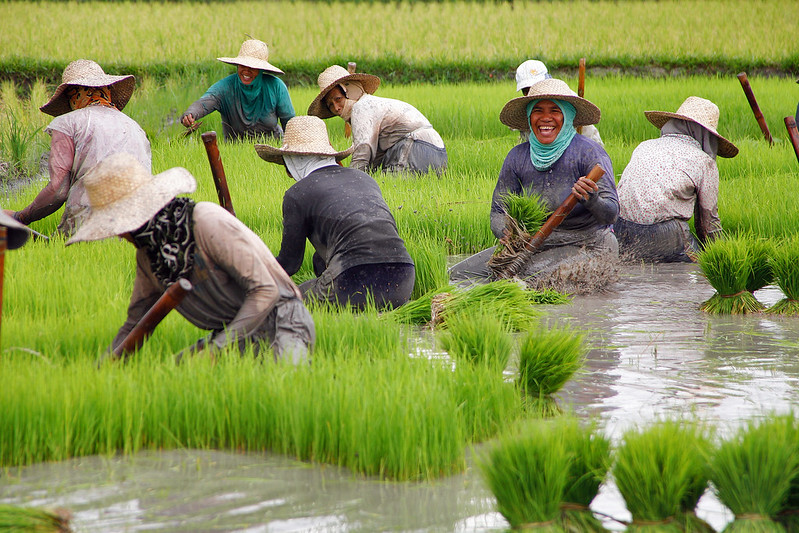
Simple ecosan toilets separate urine and feces, allowing households to store urine in sealed containers for a few weeks to kill pathogens. Once sanitized, the liquid can be diluted and spread on fields as urine fertilizer. A recent study in Mali found that farmers using urine fertilizer on rice paddies produced 1,623 kg/ha, outperforming plots fertilized with mineral fertilizer and achieved a benefit-cost ratio of 3.3. Farmer cooperatives and local nongovernmental organizations (NGOs) provide training on safe handling, dosage and storage, helping communities overcome taboos around human waste. Many see this as a crucial step for smallholders who struggle to afford chemical fertilizers, which can use 20% to 30% of their annual household budget. 

Benefits for Health, Food Security and the Environment

Urine recycling boosts both yields and reduces pollution. Poor sanitation systems in West Africa often leak nutrients into rivers and groundwater, harming ecosystems and drinking water supplies. By recovering the nutrients from urine for farming, communities can close the loop between sanitation and agriculture in a safe, circular way. This practice directly supports the Sustainable Development Goals (SDGs):

  • SDG 2 (Zero Hunger): Increasing food production for rural families
  • SDG 6 (Clean Water and Sanitation): Improving waste management 
  • SDG 13 (Climate Action): Replacing synthetic fertilizers whose production is carbon-intensive

Looking Ahead

Nutrient recycling is not so widespread in Burkina Faso, but the evidence shows it could be transformative for food security in regions where soil fertility is falling and fertilizer prices are rising. As farmer cooperatives expand training and share success stories, more communities may see that the solution to hunger can be as simple as the waste they flush away.

– Rebecca Lee

Rebecca is based in Scotland and focuses on Technology and Global Health for The Borgen Project.

Photo: Flickr
July 22, 2025
https://borgenproject.org/wp-content/uploads/borgen-project-logo.svg 0 0 Precious Sheidu https://borgenproject.org/wp-content/uploads/borgen-project-logo.svg Precious Sheidu2025-07-22 01:30:222025-07-22 00:27:03How Urine Fertilizer in Burkina Faso is Boosting Food Security
Food & Hunger, Food Insecurity, Global Poverty

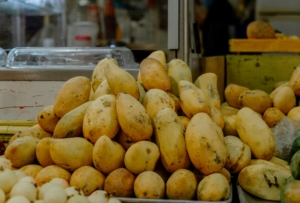
How Growing Mangoes Helps Reduce Poverty

growing mangoes helps reduce povertySlicing into a mango reveals a decadent treat bursting with flavor. More surprisingly, however, growing mangoes helps reduce poverty, as planting mango trees alleviates financial and food insecurity in developing nations. This innovative solution offers hope for progressing toward achieving the United Nations’ first two Sustainable Development Goals (SDGs) by 2030: No Poverty and Zero Hunger.

Why Mangoes?

Mangoes thrive in hot, humid climates and are relatively easy to cultivate, particularly across regions of Asia, Latin America and parts of Africa. Their global popularity has surged recently, with widespread consumption and high demand in international markets. In addition to being a valuable cash crop, mangoes are highly nutritious and rich in essential vitamins.

A Source of Income in India

Unlike many crops grown on large commercial farms, mangoes are often cultivated on small-scale farms. Growing mangoes can significantly reduce poverty by providing families with an additional income of up to $2,700 per hectare of mango trees, helping to lift entire communities out of poverty.

Recognizing this potential, nonprofit organizations like TechnoServe have developed programs to train farmers in India more efficiently to cultivate their mangoes and resist common diseases afflicting mango trees, like dieback. It has also worked to support water-related infrastructure in the local communities. TechnoServe’s program has helped more than 1,000 thousand smallholder farmers in India.

Fighting Hunger in Uganda

Extreme hunger remains a serious issue in Uganda. Malnutrition directly causes nearly one-third of deaths among children aged below 5. One initiative, The Mango Project, donates mangoes to schools, health care clinics and individuals facing food insecurity. The program also trains Ugandan farmers in improved techniques for cultivating hardier mango trees that can survive the region’s six-month dry season.

While Uganda produces hundreds of thousands of tons of mangoes annually, about 40% spoil due to limited access to refrigeration and preservation methods. The Mango Project addressed this by teaching local farmers jarring, which involves boiling small portions of mango to preserve them without requiring specialized supplies like jars. It also teaches local Ugandans general cooking techniques and other necessary health education.

Boosting Health in Haiti

Haiti suffers from one of the highest poverty rates globally, as well as a weak economy. According to agricultural and economic expert Gergens Polynice, growing mangoes helps reduce poverty by strengthening Haiti’s economy. Haiti is already a major supplier of mangoes to the U.S. However, it exports a relatively small fraction of its production. This means there is a significant economic growth opportunity in the mango industry.

Empowering Communities in the Philippines and Indonesia

The Preda Fair Trade Project, operating in the Philippines, supports mango farmers in several ways. It buys unmarketable mangoes to be sold as other mango products. Also, it encourages growing practices that improve quality to be sold on the market.

The Australian Center for International Agricultural Research sponsored a project that teaches farmers in the Philippines and Indonesia organic farming methods to increase mango profits. By improving their livelihoods, these initiatives empower local communities economically and promote long-term sustainability.

– Klara Jones

Klara is based in Los Angeles, CA, USA and focuses on Good News and Technology for The Borgen Project.

Photo: Pexels

July 15, 2025
https://borgenproject.org/wp-content/uploads/borgen-project-logo.svg 0 0 Hemant Gupta https://borgenproject.org/wp-content/uploads/borgen-project-logo.svg Hemant Gupta2025-07-15 03:00:512025-07-15 02:21:37How Growing Mangoes Helps Reduce Poverty
Food & Hunger, Food Insecurity, Global Poverty

The Price of Rice: Rising Rice Prices in the Philippines

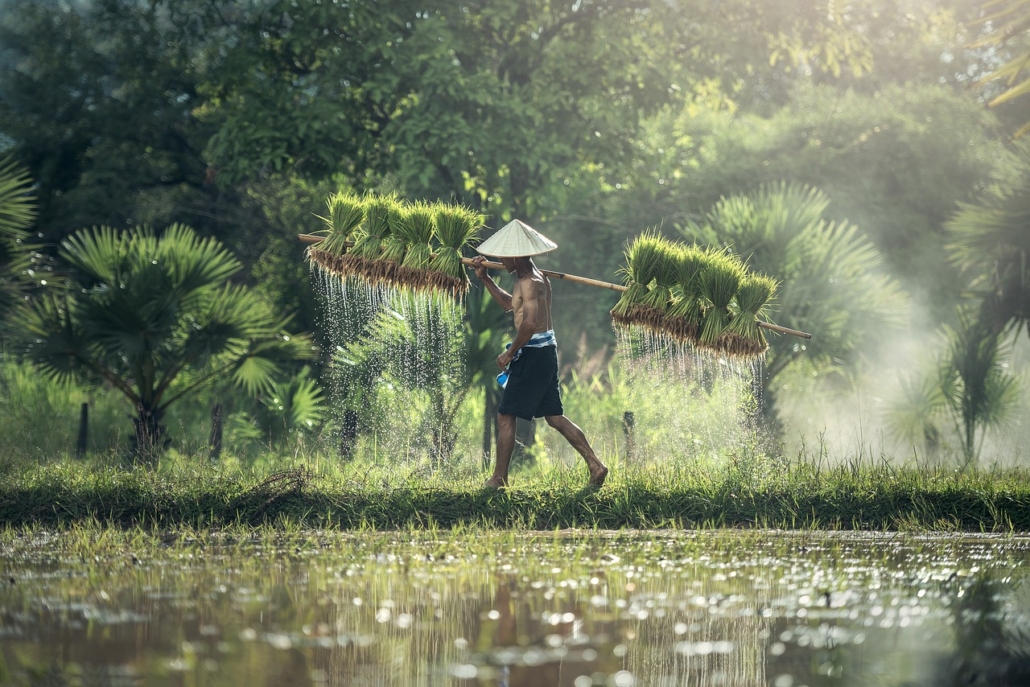
Rising Rice Prices in the Philippines Rice is more than just a staple food in the Philippines, it is also a cornerstone of daily life, culture and survival for millions. Not only is rice a core nutritional component to the Filipino diet, but it is also a major source of income for millions of Filipino farmers, so much so that rice is the single most important agricultural crop in the Philippines. Unfortunately, in recent years, rising rice prices in the Philippines have put enormous pressure on Filipino households, worsening a poverty crisis that has long plagued the country.

A Surge in Prices

In 2024, the country experienced one of the worst rice price hikes in decades due to the Russia-Ukraine war and the export restrictions that India imposed. By March 2024, rice inflation soared to 24.4%, a staggering increase that has greatly affected the people of the Philippines. The Philippines, which heavily relies on rice imports to stabilize its supply, was caught between global price fluctuations, local supply chain issues and climate-related production setbacks. As prices climbed, families that spent a significant portion of their income on food found themselves choosing between meals and other essentials.

Poverty statistics have illustrated the direct result of this inflation. By the end of 2024, 63% of Filipino families considered themselves poor, according to a Social Weather Stations (SWS) survey. That figure marked a 17% increase from just nine months prior and represented the highest self-rated poverty level in over 20 years.

Many respondents attributed their worsening condition to the surge in food prices, especially rice. This increase hit the poorest Filipinos—often small-scale farmers, informal workers and residents of rural areas—the hardest.

Government Response

Recognizing the urgency of the crisis, the Philippine government implemented several key measures, including an executive order No. 62 (July 2024), which reduced rice import tariffs to bring in cheaper foreign rice and curb inflation. This helped minimize rice inflation from 19.6% in December 2023 to 0.8% by December 2024.

To further aid in the rising rice prices, the Department of Social Welfare and Development launched a subsidized rice initiative, selling rice at 29 pesos per kilo to poor households. This program reportedly helped feed more than 35 million Filipinos.

By March 2025, inflation had slowed to 1.8%, its lowest in nearly five years, driven in part by a 7.7% drop in rice prices. Despite short-term progress, experts warn that the Philippines remains vulnerable to recurring food crises. The agricultural sector suffers from underinvestment, outdated farming practices, climate risks and logistical inefficiencies. More than 10 million Filipino rice farmers still struggle with low productivity and limited government support. In the long run, solving the rice crisis is not just about lowering prices, it is about transforming the system.

Final Remarks 

The recent rising rice prices in the Philippines revealed how tightly the issues of food and poverty correlate in the Philippines. While emergency responses have provided a degree of relief, long-term solutions will require structural reforms and sustained political will. Experts and officials aiming to boost domestic rice production and reduce import dependence are pushing long-term agriculture reforms. The continued push of agricultural reforms is essential to breaking the cycle of poverty and building a more equitable future for the Philippine people.

– Meagan Beaver

Meagan Beaver is based in Zephyrhills, FL, USA and focuses on Good News and Politics for The Borgen Project.

Photo: Pixabay

July 14, 2025
https://borgenproject.org/wp-content/uploads/borgen-project-logo.svg 0 0 Jennifer Philipp https://borgenproject.org/wp-content/uploads/borgen-project-logo.svg Jennifer Philipp2025-07-14 03:00:192025-07-13 10:23:01The Price of Rice: Rising Rice Prices in the Philippines
Food Security, Global Poverty, Tourism

Food Systems in the Galapagos Islands

Food Systems in the Galapagos Islands Galapagos—known for its incomparable biodiversity—thrives from its wildlife. Although more people depend on food imports, this causes a significant reliance on shipments. Food production has been slowing down since the 1970s. Farmers have experienced ongoing struggles with harvesting and sustaining agricultural lands.

Every day, approximately 1,100 food imports, consisting of related food, drink and basic equipment, travel 700 miles to arrive in the Galapagos city port, Puerto Ayora. Much of the population obtains imports such as crates of cereal and apples. The prices of food increased over the years due to the timely travel of shipments. Based on forecasts, food imports could increase by around 95% by 2037. 

Efforts to Regenerate Food Systems

Environmental conservation organizations like Global Nomadic are diving into regenerating food systems across the islands. The organization accepts individual internships for an in-person experience, helping promote food manufacturing. More than 10,000 people applied as interns and volunteers to participate in Global Nomadic’s initiatives. The organization also provides instructors to guide committed students in assisting with these projects. About 40 countries have achieved transformation under these initiatives.

The organization involves small, dedicated groups of farmers helping restore soil and protect ecosystems. Some of its present projects range from harvesting gardens, composting, testing fertilizer packaging and seed germination. Global Nomadic believes in restoring organic farming management to grow the ethnic food supply. This is crucial for the Galapagos Islands, which rely significantly on daily shipping. By educating others to cultivate locally fresh crops, the organization aims to enhance sustainable efforts.

Impact of Tourism on Farming in Galapagos

Farmers do not exactly welcome the idea of traditional agricultural farming with enthusiasm due to the number of tourists visiting the islands each year. The industry sold more tours than the amount of food produced. Many local farmers use chemically-based equipment to nurture crops, so they proposed transitioning to a wholesome food system.

Efforts to Promote Family Farming

Galapagos’ Corporate Office, based in Quito, Ecuador, has rolled out two programs to swiftly run food production in the regions. The Heifer Ecuador Organization developed the National Flagship Program to promote family farming to build systemic modifications to improve food systems in the Galapagos Islands. Furthermore, the program gives producers a chance at transforming economic and social progress.

The Flagship Program started in 2020 and has reached nearly 189,000 families living in rural and urban areas. Its 2030 goal is to help 16,000 rural households to diminish all rates of poverty. The organization believes in raising the income of all families to improve lives. In 2019, about 18 value chains were constructed, aiding 32 families. It also spurred 123 organizations and 55 alliances to form, galvanizing strong unity across all communities.

Looking Ahead

Many consider the Galapagos Islands to be a special paradise to visit. The most iconic wildlife discovered there are the green tortoises and blue-footed boobie birds. Despite the vivid diversity, food is scarce for many of the locals. However, ongoing initiatives aim to improve food systems in the Galapagos for the better. The islands continue to hope for a new, revolutionized era.

– Janae Bayford

Janae is based in Centennial, CO, USA and focuses on Business and Good News for The Borgen Project.

Photo: Flickr
July 9, 2025
https://borgenproject.org/wp-content/uploads/borgen-project-logo.svg 0 0 Precious Sheidu https://borgenproject.org/wp-content/uploads/borgen-project-logo.svg Precious Sheidu2025-07-09 01:30:442025-07-08 13:43:12Food Systems in the Galapagos Islands
Entrepreneurship and Business, Food Security, Global Poverty

Tackling Poverty: Entrepreneurs in Djibouti

djiboutiBetween 1862 and 1977, Djibouti was under French occupation and established a strong economic and military presence, which still exists today. As of 2025, France has five air and naval bases in operation in Djibouti, primarily along the Bab el-Mandeb Strait.

Djibouti thus remains one of France’s last military strongholds on the continent, following the recent withdrawals from Mali and Burkina Faso in 2022 and 2023, respectively. Beyond the military influence that France still exerts, a reliance on imports into Djibouti raises issues of autonomy. The World Food Program (WFP) reports that Djibouti imports 90% of its food, leaving the country vulnerable to fluctuations in global prices, which can significantly affect a Djiboutian’s food purchasing power.

Entrepreneurs in Djibouti

Although starting a new business is not a rapid solution to a problem as critical as food insecurity, it allows entrepreneurs in Djibouti to take control of their future and offers a level of dignity that is not always possible in countries that face difficult circumstances.

As of 2021, the World Bank’s portfolio in Djibouti came to the sum of $248 million, which went towards urban poverty reduction through community development as well as social safety nets and private sector development.

The Regional Director for the International Finance Corporation (IFC) in East Africa, Jumoke Jagun-Dokunmu, stated that the private sector is a key driver for reducing poverty in Djibouti and the IFC, together with the World Ban,k is exploring “opportunities to support reforms that will improve Djibouti’s business environment and investment climate.”

People and Projects in Djibouti

As of 2023, the Djibouti Social Development Agency and Centre for Leadership and Entrepreneurship – part of a World Bank-financed initiative – has launched the Youth Entrepreneurship Training Program (FORJE), which aims to alleviate poverty and create a ripple effect in communities with high unemployment. In 2023, estimates suggested that 79% of youth in Djibouti were without work, and for women, that figure was at 74%; hence, the need for income generation within communities that are on the periphery of government support.

The FORJE program provides 2,300 microbusinesses access to developmental services like accounting, marketing and capital. For Mouna Yacin Abdillahi, from Dikhil in South-Western Djibouti, her small restaurant business has transformed her family’s life: “The FORJE program gave me an opportunity, a reason to get up every morning, and for that I thank the creators of the program. I feel useful to the community.”

For recipients of the FORJE grants and services, the benefits go far beyond a material improvement in daily life. For Mouna, the program has empowered her and given her a sense of purpose in a community where her job prospects would have been few otherwise.

The Future

Hopefully, more programs financed by international organizations such as the World Bank will start to appear in other parts of Africa that face high levels of unemployment and poverty. Although entrepreneurship is not always the quickest solution to alleviating poverty, a combination of humanitarian aid packages and commercial training programs provides a strong base to economically regenerate communities as well as grant autonomy and dignity to beneficiaries.

– Alfie Williams-Hughes

Alfie is based in Nottingham, UK and focuses on Business and Politics for The Borgen Project.

Photo: Flickr

June 6, 2025
https://borgenproject.org/wp-content/uploads/borgen-project-logo.svg 0 0 Naida Jahic https://borgenproject.org/wp-content/uploads/borgen-project-logo.svg Naida Jahic2025-06-06 07:30:132025-06-06 04:41:23Tackling Poverty: Entrepreneurs in Djibouti
Food & Hunger, Global Poverty

The Current State of Hunger in Suriname

Hunger in SurinameThe Republic of Suriname is a small northern South American country on the South Atlantic Ocean. The country is bordered by Guyana, French Guiana and Brazil. Explored by Spain, settled by the English and then became a Dutch colony, the country gained its independence in 1975. Its population of 646,758 is primarily settled along its 240-mile northern coast, with a 66.4% urban population. A third of the country’s population lives in the capital city of Paramaribo, as over 94% of the country is forest. Suriname is considered an upper-middle-income economy, with key exports of aluminum goods, gold and hydrocarbons. GDP primarily comprises services (48.3%) and industry (39.9%).

Hunger in Suriname

The 2024 Global Hunger Index categorizes hunger in Suriname as Moderate, but it is very close to being considered Low. It ranks 55th out of the 127 countries assessed, with its score improving over 26% since 2000. Of the four components comprising the GHI score–% population undernourished, % children who die before age five, % children under five who are stunted or % wasted, all indicators are considered low, except for children wasted (5.2%). 

The 2024 reported performance of Suriname on its achievement of the 17 U.N. Sustainable Development goals showed a score of 70%. On SDG2, Zero Hunger, Suriname is seen as moderately improving, but with challenges remaining, most significantly in the prevalence of obesity (adults), and with stagnation of undernourishment.

Nutrition in Suriname

According to the 2020 Global Nutrition Report, Suriname is “on course” to meet only one of the 13 global nutrition targets—childhood overweight. The country has made some progress regarding childhood stunting and exclusive breastfeeding. However, no progress or worsening was reported for anemia of women of childbearing age, low birth weight and wasting of children under 5, with all other indicators “off course.” As Suriname tackles the remaining challenges of SDG2, this will include the need to address the challenges of nutrition.

Climate Concerns and Food Production

Although only 0.3% of its land is arable, very little of the suitable land is being used for agriculture. Agricultural development economist Iwan Poerschke reports that 60% of Suriname’s consumed food is imported. However, he believes that the favorable climate and fertile soil would allow the country to become a “significant food supplier in the region,” as well as meet its own food needs. Poerschke feels that moving agriculture from an emphasis on small-scale production to action on a larger scale could achieve this. Challenges are, in part, related to mismanagement, insufficient sustainable agricultural development, and other factors. Rising sea levels and temperature often lead to flooding in the fertile coastal area. Although extreme heat in the August through November dry season can lead to drought, as it did in 2023.

Growth of the agricultural sector thus involves government investment, mitigation strategies for addressing climate concerns, research collaboration, organic and ecological farming and the acquisition of knowledge to facilitate these efforts. The country’s Agriculture, Livestock and Fisheries Minister has already referred to the need to adjust to climate challenges. Indeed, talks are taking place to provide crop insurance options.

A Small Country with a Bigger Impact

Suriname is a small country that does not have a significant food security problem. However, if Poerschke is correct, this small country can do more to provide for itself, as well as to contribute to food security in the region.

– Staff Reports
Photo: Flickr

May 19, 2025
https://borgenproject.org/wp-content/uploads/borgen-project-logo.svg 0 0 Borgen Project https://borgenproject.org/wp-content/uploads/borgen-project-logo.svg Borgen Project2025-05-19 07:30:412025-05-19 00:04:11The Current State of Hunger in Suriname
Food & Hunger, Food Security, Global Poverty

From Python to Plate: AI Fighting Food Insecurity in Thailand

AI Food InsecurityThailand is a country in Southeast Asia with a population of around 70 million in 2023. In the past few decades, Thailand’s population has been growing exponentially, with an increase of 9.1 million between the years 2000 and 2023. Thailand is a very significant player in the food processing industry, with exports valuing $39 billion in 2022 alone. Despite the country’s prevalence in the food production and export businesses, a 2023 study found that food insecurity impacts 28.6% of the population. Factors impacting this include the lasting effect of the COVID-19 pandemic, geographical location and debt.

An Aging Population or a Call to Action?

Recently, Thailand’s population growth has started to slow, raising concerns regarding the prospect of an aging population. In fact, according to the World Bank, “Thailand is the second-fastest aging country in the Association of Southeast Asian Nations (ASEAN) after Singapore, and it is growing old before it grows rich.” If Thailand’s population continues to age, shrinking the country’s workforce, the percentage of Thai citizens living under the poverty line and/or impacted by food insecurity could only continue to grow. To prevent this, it is essential to emphasize and support technologies and legislation that could increase productivity and allow Thai industries to thrive – even with a more limited workforce.

The Connection between AI and Food Insecurity

AI fighting food insecurity may be Thailand’s solution to their aging workforce. In recent years, the Thai government has presented several new programs and technologies to support the growth of AI. One example is the Bio-Circular-Green (BCG) economic model. The BCG model is an economic plan that emphasizes sustainability and productivity in several different spheres of industry, one being food and agriculture. According to the BCG model, the Thai agricultural industry could skyrocket in value if the country implements smart farming technology.

Smart farming tactics not only address issues of sustainability but also increase yield, preserve resources and minimize excessive labor. For example, predictive AI can alert farmers about potential pest outbreaks or droughts.

Ricult and HandySense B-Farm

One specific example of AI fighting food insecurity in action is tech start-up Ricult. Usman Javaid and Aukrit Unahalekhaka founded Ricult in an attempt to assist small farmers in their respective native countries, Pakistan and Thailand. One of the projects that the start-up has been developing is a free-to-use phone app meant to make AI-based agritech more accessible to small-scale farmers. Ricult’s website states that the app provides farmers with a “weather forecast, farm satellite, [and] expert advice to improve productivity and profit… [as well as] maximize yield and optimize operations with AI.” Approximately 400,000 farmers in Thailand are using the Ricult app.

Another notable AI agritech program is HandySense B-Farm, a beginner-friendly coding software that specializes in designing digital models for precision farming. The program is highly personalizable and can be adjusted according to crop type and farming conditions. The program includes “a variety of sensors such as real-time temperature, soil moisture, relative humidity, and light sensors, … [enabling] users to design control systems that meet the specific needs of their farms, such as automatic watering when the soil is dry or turning on supplementary lighting when there is insufficient light”

AI and Food Insecurity

According to Research and Markets, the Thailand AI in Agriculture Market stood at $80.33 million in 2023 and could reach $113.96 million by 2029, rising at a CAGR of 6.08%. This exponential increase in market value suggests that AI fighting food insecurity will have a very significant influence in Thailand.

– Helena Birbrower

Helena is based in Davis, CA, USA and focuses on Global Health and Politics for The Borgen Project.

Photo: Flickr

April 11, 2025
https://borgenproject.org/wp-content/uploads/borgen-project-logo.svg 0 0 Naida Jahic https://borgenproject.org/wp-content/uploads/borgen-project-logo.svg Naida Jahic2025-04-11 01:30:292025-04-10 00:33:24From Python to Plate: AI Fighting Food Insecurity in Thailand
Food Security, Foreign Policy, Global Poverty

The Push for Food Self-Sufficiency in Saudi Arabia

Food Self-Sufficiency in Saudi ArabiaSaudi Arabia imports nearly 80% of its food, relying heavily on international suppliers like the United States (U.S.), which exported $1.58 billion worth of agricultural products to the Kingdom in 2022. Harsh desert conditions and limited freshwater resources have made large-scale farming difficult, leading to an overwhelming dependence on imports. As part of a long-term development strategy, food self-sufficiency in Saudi Arabia is now a priority of the government, as well as aiming to strengthen food security and reduce vulnerability to global market shocks.

Food Waste and Loss

Despite maintaining food security, Saudi Arabia continues to struggle with food dependency and waste. According to United Nations (U.N.) data, the country accounts for 50% of global food waste, even though it has a population of about 33 million. A recent survey found that 78% of purchased food is discarded within a week to make room for newly bought groceries.

Cultural norms that encourage abundance often lead people to neglect or discard food, worsening the food waste crisis. To address the issue, the Saudi government launched programs such as Vision 2030, which includes a target to reduce food waste by 50% by 2030. In addition, the Saudi government launched the National Program for Food Loss and Waste Reduction to support this goal. Other proposed solutions include raising food prices, as low prices and bulk deals often encourage consumers to purchase more than they need.

Investing in Sustainable Agriculture

To reduce dependence on imports, the Saudi government continues to invest in initiatives like the Agricultural Development Fund (ADF), which strengthens agricultural sectors such as soybeans and maize. The country has made significant progress in the 21st century. By 2023, Saudi Arabia had reached self-sufficiency in dairy products and eggs and began exporting the surplus. The country also boosted the production of potatoes, poultry, tomatoes, red meat, carrots, fish and onions. To support continued agricultural growth, the government promotes innovations such as vertical farming, greenhouses and hydroponics. These technologies help maximize yield while conserving resources.

International Investments

Beyond domestic initiatives, Saudi Arabia is investing internationally to secure food supplies. The Saudi Agricultural and Livestock Investment Company (SALIC) has acquired an 80% stake in Singapore-based Olam Agri for $1.8 billion. This acquisition provides Saudi Arabia with access to global supply chains and strengthens its position in the international agricultural market.

Moving Forward

Saudi Arabia’s population will likely reach 40 million by 2050. To keep pace, the government focuses on improving food consumption efficiency and reducing dependence on imports. Although the country currently contributes a significant portion of global food waste, new regulations and public awareness campaigns could help lower that share over the next five years.

Efforts to expand local food production, improve waste management and promote agricultural innovation remain integral to food self-sufficiency in Saudi Arabia, and its development plans. Continued investment in sustainable practices could help the country strengthen food security and support its growing population in the years ahead.​

– Naseem Rahman

Naseem is based in Staten Island, NY, USA and focuses on Global Health for The Borgen Project.

Photo: Flickr

April 6, 2025
https://borgenproject.org/wp-content/uploads/borgen-project-logo.svg 0 0 Precious Sheidu https://borgenproject.org/wp-content/uploads/borgen-project-logo.svg Precious Sheidu2025-04-06 07:30:012025-04-05 21:05:23The Push for Food Self-Sufficiency in Saudi Arabia
Food & Hunger, Food Security, Global Poverty

Food Systems in Brazil: Key Challenges and Opportunities

Food Systems in BrazilFood systems in Brazil are diverse, complex and influenced by the country’s size, geography and rich cultural heritage. With 90% of its food domestically produced, the country is a leader in agribusiness and one of the world’s largest producers of agricultural products such as soybeans, coffee, sugarcane, beef and chicken. Yet, Brazil still faces a paradox—despite these impressive numbers, the nation struggles with hunger and inequality.

Sustainability and Environmental Impact

Brazil faces significant challenges in ensuring equitable food systems and access to healthy food, particularly for low-income populations. In 2021, 36% of Brazilians experienced food insecurity, according to research by FGV Social, a crisis exacerbated by changing weather patterns—one of the world’s most pressing concerns today. Droughts and extreme weather events have severely impacted food systems in Brazil, while industrial agriculture, particularly soybean and cattle farming, has contributed to deforestation and greenhouse gas emissions, further escalating environmental challenges.

Regions dependent on industrial agriculture are continually suffering from soil degradation and water pollution due to intensive farming practices, which affect food availability and increase the vulnerability of rural communities, especially in regions like the Northeast and Central-West, where the Amazon and Cerrado biomes are located and under threat.

Government subsidies often favor large agribusinesses over small-scale farmers, creating economic disparities and hindering the growth of sustainable local food systems.

Challenges and Opportunities

Brazil has strong food security and school feeding policies, but their effectiveness depends on political priorities. Changing weather patterns, global trade dynamics and social inequalities will continue to shape food systems in Brazil. The country’s current food system comes with significant hidden costs, estimated at about $500 billion annually, mainly due to unsustainable practices.

Brazilian President Luiz Inácio Lula da Silva emphasized this issue, stating: “Hunger is not the result of external factors. It is, above all, the result of political choices. Today, the world produces more than enough food to eradicate [hunger]. What is missing is creating the conditions for access to food.”

Addressing these challenges and adapting to these changes requires building resilient food systems, which will demand a multifaceted approach, including policy reforms, sustainable agricultural practices and initiatives to improve food access and equity. This was a key focus in the Webinar from the Sovereignty and Climate Center in partnership with the National Endowment for Democracy (NED), where experts analyzed the relationship between changing weather patterns and food security in Brazil.

PNAE & Bolsa Família

The Programa Nacional de Alimentação Escolar (PNAE) ensures that more than 40 million students in public schools receive free, nutritious meals daily. Established in 1955, PNAE prioritizes local food procurement, benefiting small-scale farmers while improving children’s access to healthy meals. The program has played a crucial role in reducing malnutrition and promoting food security in low-income communities.

As for the Bolsa Família Program, one of the most successful conditional cash transfer programs in the world, it benefits more than 21 million families. Launched in 2003, it provides financial aid to low-income families under the condition that children attend school and receive vaccinations. Through the program, extreme poverty reduced by 15% and significantly improved child nutrition and school enrollment rates across Brazil.

Strengthening these programs can help further advance sustainable food systems in Brazil, ensuring food security, supporting local farmers and reducing economic disparities.

Looking Ahead

There is a growing push toward more sustainable agricultural practices, such as agroecology and organic farming, driven by concerns over health and environmental sustainability. Transitioning to more sustainable food systems presents great potential for significant cost savings and ecological benefits.

One example is ProVeg Brazil, an organization promoting plant-based diets and sustainable food choices in a country where meat consumption and production are widespread. In 2024, 14% of Brazilians identified as vegetarian, reflecting a shift in dietary trends. While the vegan and organic markets are expanding, challenges remain, as organic and plant-based products are often more expensive than conventional options. Additionally, small-scale organic farmers face difficulties in distribution and certification, along with cultural preferences favoring traditional diets.

Despite these challenges, the growth of veganism and the organic food market signals a transformation in food systems in Brazil, offering promising opportunities for sustainability, health and economic innovation.

– Rhasna Albuquerque

Rhasna is based in Fortaleza, Ceara, Brazil and focuses on Good News and Celebs for The Borgen Project.

Photo: Pexels

March 19, 2025
https://borgenproject.org/wp-content/uploads/borgen-project-logo.svg 0 0 Jennifer Philipp https://borgenproject.org/wp-content/uploads/borgen-project-logo.svg Jennifer Philipp2025-03-19 01:30:312025-03-19 01:33:42Food Systems in Brazil: Key Challenges and Opportunities
Agriculture, Food & Hunger, Global Poverty

Egypt’s Food System: A Possible Shift in Subsidies for 2025

Egypt’s Food SystemAccording to the World Food Programme (WFP), 14.4% of Egypt’s 106.7 million population face food insecurity. Egypt’s 21% stunting rate, which indicates the percentage of children too short for their age, indicates that malnutrition continues to be a national health concern. Between 2022 and 2024, a unique set of circumstances aggravated the issues in Egypt’s food system, which have been long present in the country. However, new plans that the Egyptian government presented indicate a possible way forward in 2025.

The Roots of Egypt’s Food Insecurity

Egypt’s agronomic issues are a major cause of its food insecurity. This food insecurity aggravates and is aggravated by its economic issues. Due to the growing threat of changing weather patterns, Egypt is experiencing chronic desertification and land degeneration. According to a United Nations report from November 2024, “around 100 million hectares…of healthy and productive land is being degraded each year due to drought and desertification.” This scale of land degeneration is especially critical in Egypt considering the already limited nature of its farmland. Only around 4% of Egypt’s land is fit for agriculture, with the rest of the country being deserted and secluded from its main irrigation method, the Nile.

The drought brought on by the changing climate, coupled with a growing population, also means that Egypt experiences severe water scarcity. Not only does this water scarcity impact its irrigation, and thus Egypt’s food system, but its poor irrigation methods also impact its water scarcity. The country already uses approximately 90% of the Nile water for its agricultural system, meaning only 10% is available as drinking water for its population. The low efficiency of these agricultural systems and the increasing demand for water means that since the 1970s, Egypt has had to import water and food to make up for its scarcity. This reliance on importing water and food presents a huge financial burden on the country and also makes it more vulnerable to external shifts. 

Bread and Egypt’s Food Subsidies

Egypt’s reliance on imports has everything to do with its food subsidies. More than 60 of the 105 million citizens depend on Egypt’s subsidized food system for sugar, pasta, and most importantly, bread. Bread is the main source of subsidized nutrition for the large majority of Egypt’s population, which consumes double as much as the country can produce. With wheat being one of the most water-intensive crops and Egypt’s lack of water, the country has become the largest importer of wheat in the world.

This presented a problem for Egypt in February of 2022, when the world’s largest exporter of wheat, Russia, declared war on Ukraine, the world’s fifth largest exporter of wheat. This sent Egypt into a crisis because historically, concretely, and symbolically access to bread represents the population’s stability. From the 1977 bread riots to the 2011 slogan “bread, freedom, social justice,” bread has long represented the struggle of the average Egyptian. 

As the World Bank Group puts it, “Egyptians seem to perceive food subsidies as the most concrete benefit they receive from government spending. Seen as an entitlement, food subsidies are politically sensitive.” This history of bread in the country puts further pressure on Egypt when making changes to its agriculture, imports or subsidies. 

Criticism and a Possible Way Forward

Many have criticized Egypt’s methods of tackling its food scarcity, suggesting that the country misplaces its budget and efforts. President el-Sisi’s government has long prioritized large-scale construction projects aimed at improving the economy such as the new mega-capital located 30 miles outside of Cairo. This new capital, however, does little to accommodate or feed its most vulnerable citizens. 

Moreover, though Egypt managed to maintain its subsidized system through the first few months of the 2022 Russia-Ukraine war, it increased pressure on local farmers in October 2022. During this time, the government cornered domestic farmers into selling them wheat. Though seemingly necessary in maintaining Egypt’s subsidized food system, these restrictions cut into the wheat that farmers use to feed their families. This period shed light on the possibly exploitative measures that the Egyptian government uses on local farmers. Egypt, however, does not apply this same strictness to laws that protect its agriculture. An important Egyptian regulation prohibits infrastructure on agricultural land, enforcement of which Aljazeera has described as “lax.”

The World Bank and the International Monetary Fund (IMF) have long criticized Egypt’s subsidized food system, arguing that it causes waste, pollution and does not appropriately target the poor. When Egypt borrowed $8 billion from the International Monetary Fund in 2024, there was “a zero-growth policy in the total number of subsidy beneficiaries.” However, a new move might change things in 2025. In August 2024, Egypt announced that it might shift from food subsidies to cash payments in 2025. If the World Bank is correct in its estimation, this transition to cash payments may allow Egypt to more efficiently support its population, and invest in important sectors such as health and education. 

Cash Assistance to Sudanese Refugees in Egypt

As of January 6, 2025, a new CERF-funded project offers emergency cash assistance to Egypt’s Sudanese refugees, aiming to soothe their food insecurity. This $2 million grant, set to run until July, offers every refugee $14.8 monthly, which they can claim through an e-card. This initiative should provide a huge momentary relief for Egypt, giving the country a chance to put in place its cash subsidies and ease its food insecurity. Also, the second phase of the “Transforming the Livelihoods of Smallholder Farmers” project is set to take place in 2025. Funded by five banks, in collaboration with the Central Bank of Egypt and the WFP, the project aims to improve the lives of small farmers by optimizing land, machine and water use. With a “34% increase in crop production, a 35% increase in net profit, and a 37.5% reduction in costs” during the first phase, the project shows great promise in its continuation through 2025. The compilation of major initiatives in Egypt may mean a decrease in food insecurity in Egypt this year. 

– Sophia Ghoneim

Sophia is based in Philadelphia, PA, USA and focuses on Technology and Politics for The Borgen Project.

Photo: Flickr

January 30, 2025
https://borgenproject.org/wp-content/uploads/borgen-project-logo.svg 0 0 Jennifer Philipp https://borgenproject.org/wp-content/uploads/borgen-project-logo.svg Jennifer Philipp2025-01-30 01:30:312025-02-06 01:28:08Egypt’s Food System: A Possible Shift in Subsidies for 2025
Page 3 of 78‹12345›»

Get Smarter

  • Global Poverty 101
  • Global Poverty… The Good News
  • Global Poverty & U.S. Jobs
  • Global Poverty and National Security
  • Innovative Solutions to Poverty
  • Global Poverty & Aid FAQ’s
Search Search

Take Action

  • Call Congress
  • Email Congress
  • Donate
  • 30 Ways to Help
  • Volunteer Ops
  • Internships
  • Courses & Certificates
  • The Podcast
Borgen Project

“The Borgen Project is an incredible nonprofit organization that is addressing poverty and hunger and working towards ending them.”

-The Huffington Post

Inside The Borgen Project

  • Contact
  • About
  • Financials
  • President
  • Board of Directors
  • Board of Advisors

International Links

  • UK Email Parliament
  • UK Donate
  • Canada Email Parliament

Get Smarter

  • Global Poverty 101
  • Global Poverty… The Good News
  • Global Poverty & U.S. Jobs
  • Global Poverty and National Security
  • Innovative Solutions to Poverty
  • Global Poverty & Aid FAQ’s

Ways to Help

  • Call Congress
  • Email Congress
  • Donate
  • 30 Ways to Help
  • Volunteer Ops
  • Internships
  • Courses & Certificates
  • The Podcast
Scroll to top Scroll to top Scroll to top