• Link to X
  • Link to Facebook
  • Link to Instagram
  • Link to TikTok
  • Link to Youtube
  • About
    • About Us
      • President
      • Board of Directors
      • Board of Advisors
      • Financials
      • Our Methodology
      • Success Tracker
      • Contact
  • Act Now
    • 30 Ways to Help
      • Email Congress
      • Call Congress
      • Volunteer
      • Courses & Certificates
      • Be a Donor
    • Internships
      • In-Office Internships
      • Remote Internships
    • Legislation
      • Politics 101
  • The Blog
  • The Podcast
  • Magazine
  • Donate
  • Click to open the search input field Click to open the search input field Search
  • Menu Menu

Archive for category: Food Security

Information and stories about food security news.

Food & Hunger, Food Insecurity, Food Security, Global Poverty, Human Rights, United Nations

How the UN Eradicates Poverty and Promotes Human Rights

u.n. eradicates povertyThe United Nations (U.N.) is an international organization designed for countries to work together on human rights issues, maintain peace and resolve conflicts. Currently, the U.N. consists of representatives from 193 countries. In the general assembly, nations have a platform for diplomatic relations. One of major missions of the U.N. is the eradication of global poverty. The U.N. eradicates poverty comprehensively and works to address current poverty levels and their resulting crises. Additionally, it works to prevent the causes of poverty from spreading on a global level.

What Is Poverty?

The U.N. defines poverty as “more than the lack of income and productive resources to ensure sustainable livelihoods.” The organization asserts that poverty affects people in many ways, including “hunger and malnutrition, limited access to education and other basic services, social discrimination and exclusion, as well as the lack of participation in decision-making.” Poorer countries that suffer from a lack of basic resources face all of these problems.

Around the world, more than 730 million people live below the poverty line. Many of these people live in Southern Asia and sub-Saharan Africa. These poor countries also often suffer from internal violence that impacts their ability to address the needs and vulnerabilities of their citizens. As such, poverty and conflict have a reciprocal relationship, both contributing to the other.

The U.N. eradicates poverty through multiple commissions that address specific populations and the issues they face. For example, UNICEF, the U.N. children’s commission, works specifically to address children living in poverty globally. It does so by promoting education access and healthcare, as well mitigating the damaging effects of armed conflict. Through “fundraising, advocacy, and education,” this division of the U.N. eradicates poverty and helps children around the world.

Poverty and Human Rights

The U.N. outlines inalienable international human rights as the following: “the right to life and liberty, freedom from slavery and torture, freedom of opinion and expression, the right to work and education, and many more.” One of the many detrimental effects of global poverty is high death rates. Poverty may cause death through water and food insecurity, as well as a lack of healthcare and medical access. This is why poverty is truly a human rights issue.

For someone to have a guarantee to life and liberty, they cannot be living in abject poverty. Education and the “right to work” are also rights affected by living in poverty. Education is sparse in many of the world’s poorest countries, which often suffer from high unemployment rates. This contributes to household income and citizens’ inability to provide for themselves and their families. Thus, poverty is a complex and multifaceted issue that affects all aspects of people’s lives, from their health and well-being to their futures.

The International Poverty Line

According to the U.N., as of 2015, there were “more than 736 million people liv[ing] below the international poverty line.” The international poverty line (IPL) quantifies people’s standard of living. This helps researchers, aid workers and governments assess people’s situation. It also allows these actors to assess their success in mitigating harm and promoting development. Foreign Policy explains that “The IPL is explicitly designed to reflect a staggeringly low standard of living, well below any reasonable conception of a life with dignity.”

The U.N. eradicates poverty by examining not only measures like the IPL but also the effects of extreme poverty. The number of people below the poverty line is important, but the U.N. focuses on what this means for people living in such poverty. For example, the U.N. notes that “[a]round 10 percent of the world population is living in extreme poverty and struggling to fulfill the most basic needs like health, education.”

The Future of the U.N. and Poverty

The U.N. is likely to remain one of the leading forces in the eradication of poverty and the promotion of human rights. Its unique history, size and diverse commissions make it a powerful organization. In particular, the commissions that work with vulnerable populations will be essential to securing the safety and prosperity of those living in poverty. Importantly, the U.N. eradicates poverty with the support of its 193 member states, as it depends on their sponsorship and help in conflict resolution. Just as poverty has no borders, neither should the solutions we use to solve it.

– Kiahna Stephens
Photo: Flickr
October 15, 2020
https://borgenproject.org/wp-content/uploads/borgen-project-logo.svg 0 0 Kim Thelwell https://borgenproject.org/wp-content/uploads/borgen-project-logo.svg Kim Thelwell2020-10-15 12:42:562024-05-30 07:52:20How the UN Eradicates Poverty and Promotes Human Rights
Child Poverty, Food & Hunger, Food Security, Poverty

Food Insecurity on the Islands: Hunger in Fiji

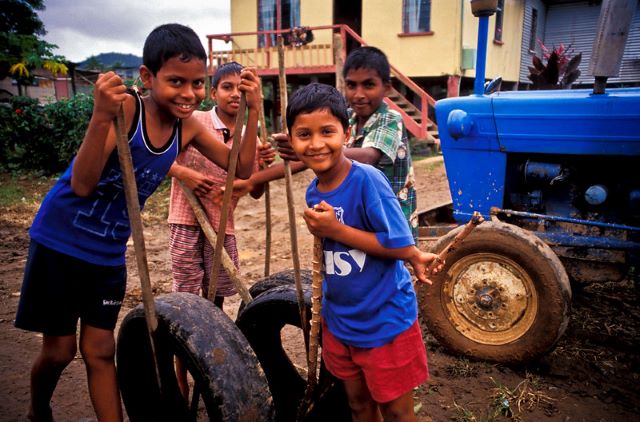
hunger in fijiFiji, a country bordering both Tonga and Futana, has faced increased obstacles with food security. It is estimated that amongst the population of 926,276 citizens, over 250,000 individuals are battling poverty and hunger. However, increased efforts have been made to combat this rise in hunger in Fiji.


Problem in Numbers

It is estimated that over 35% of Fiji’s population is below the national poverty line. With the income of households drastically declining, thousands of families do not have the proper resources to thrive.

Fiji children are also heavily impacted, further contributing to the increased rate of hunger in Fiji. It has been recently estimated that over 40% of Fiji’s children are malnourished. A majority of children in Fiji suffer from “protein-energy malnutrition”, meaning that they do not consume enough vital and nutritious foods for their bodies.

The Causes

The lack of food distribution in Fiji points towards a variety of factors. A primary cause is due to Fiji’s political instability and corruption. Additionally, with tourism making up a majority of Fiji’s GDP, the COVID-19 pandemic has led to decreased budgets and widespread unemployment.

Climate change has also affected hunger in Fiji. Cyclones have led to massive agricultural losses, resulting in widespread losses of income and the destruction of food that would be derived from the agricultural crops.

Another cause contributing to the hunger in Fiji is the increased dropout rates among children. With the majority of Fiji’s population battling poverty, children are often instructed to leave school in search of work. From grueling street work to harsh agricultural labor, children earn very little over the years.

In 2016 it was estimated that over 55% of children at primary school age were not attending school. This low schooling rate leaves many children uneducated, unskilled and closed off to stable job opportunities which in turn leaves them unable to afford basic necessities as adults.

The Road to Change

However, despite the increased rates of hunger among the Fiji population, organizations have stepped up to aid the needy. A prominent organization is Moms Against Hunger, which has dedicated itself to providing food for the individuals battling poverty. Moms Against Hunger has recruited numerous volunteers and has delivered over 250,000 food packages to families in need. Under the COVID-19 pandemic, hundreds of families received enough food to last several months.

Another impactful organization is HELP International, which looks to empower and educate individuals in need. HELP International focused its efforts in the nutrition sector, teaching individuals nutritional guidelines, financial literacy and the importance of schooling. Through these efforts, thousands of families can learn to manage a budget, eat well and pursue higher education.

Additionally, Aggie Global seeks to educate farmers on sustainable practices. Under a team of various volunteers, Aggie Global hosted workshops to teach farmers about crop control, production tricks and sustainable solutions. After conducting these workshops, hundreds of farmers were able to boost production, increasing the amount of food distributed to the public.

The Future

Despite organizations looking to aid those in need, Fiji continues to face problems in feeding the entirety of its population. The efforts from nonprofit organizations provide short-term relief but Fiji is in great need of government assistance to see great and lasting change.

For Fiji to see an immense reduction in its hunger rate, the government must act alongside nonprofit organizations to provide for families. In addition, the Fiji government must prioritize the youth and support and encourage the pursuit of higher education. With increased positive influence and support from Fiji’s government, poverty-stricken families all over Fiji would benefit, lowering the overall hunger rate.

– Aditya Padmaraj
Photo: Flickr

October 14, 2020
https://borgenproject.org/wp-content/uploads/borgen-project-logo.svg 0 0 Kim Thelwell https://borgenproject.org/wp-content/uploads/borgen-project-logo.svg Kim Thelwell2020-10-14 05:57:432024-06-06 00:43:15Food Insecurity on the Islands: Hunger in Fiji
Food Security, Global Poverty

Hunger and Malnutrition in New Caledonia

malnutrition in new caledonia
New Caledonia is a French territory off the east coast of Australia. Like many Pacific Island nations, its main food staples include fish, fruit and coconut. While food insecurity is not a prevalent issue in the territory as a whole, food deserts are certainly. Rising food prices drive the poorest citizens — most often, those of the Kanak community (New Caledonia’s indigenous Melanesian population) — to scrounge for their needed caloric intake. Cheap food products sacrifice nutrition for convenience and the prevalence of these food deserts in New Caledonia has prevented the entire population from enjoying the sustenance the island has to offer. These are the factors that are contributing to the problem of malnutrition in New Caledonia.

Growth in Both Prosperity and Food Prices?

Growth stunting and hunger levels are generally low in New Caledonia. However, as food prices rise, it becomes difficult for rural and tribal communities (which have been most affected by the country’s spike in poverty rates) to maintain healthy diets. These increases follow the nation’s growth in prosperity — derived from its lucrative nickel industry and payments from mainland France.

Malnutrition in New Caledonia arises from economic and geographical limitations. Despite how the territory seems to flourish, wealth is unequally distributed. This, in turn, leads to a significant portion of the population struggling with rising food prices. When markets lack competition, sellers can raise the price of goods without the risk of a competitor undercutting them. On top of wealth and wage disparities, the poorest populations in the country cannot afford nutritional food.

A Victim of Geography

Like most islands, New Caledonia operates under the constraints of its remoteness, which involves limited space and a smaller, local market. Food prices are about 33% higher in New Caledonia, with inflation having risen in the territory at a faster rate than it did in France. Those above the poverty line in New Caledonia spend only about a quarter of their income on food. Yet, for the 17% living below it — they might spend more than half of their income on food. In New Caledonia, 85% of adults eat fish at least once a week. Of the total amount fished, 92% is used for subsistence, which leaves the remaining 8% for the market.

While New Caledonia has several great agricultural staples, the reliance on agriculture has been decreasing due to a reduction in available land (as well as the increase of non-agricultural jobs). The distribution of available agricultural land parallels the disparity in wealth distribution and food security concerning the Kanak community and the rest of New Caledonia’s population. The predominantly European-settled Southern Province holds about 22% of New Caledonia’s limited farmland. Meanwhile, the native Kanak Northern Province holds only about 14%.

During 2004–2006, the prevalence of undernourishment in the population was at 9.6%. This rate decreased in the next decade, dropping to 8.2% during 2017–2019. For comparison, the rate of undernourishment in the U.S., one of the wealthiest nations in the world, is less than 2.5%.

Closing the Gaps

While hunger is not an issue for all of its citizens, malnutrition in New Caledonia tends to plague those who receive less of the territory’s wealth as compared with others. As food prices rise, many of those who do not receive proper nutrition fall into the lower-income bracket and thus, below the poverty line. Also, this unfortunately tends to include members of the Kanak community. This wealth disparity (and subsequent nutrition disparity) is exacerbated by lower rates of education and job training within the Kanak communities. This of course results in lower rates of employment among the Kanak. By first bridging the education and employment gap, closures on the wealth and nutritional gaps can then follow.

– Catherine Lin
Photo: Flickr

October 11, 2020
https://borgenproject.org/wp-content/uploads/borgen-project-logo.svg 0 0 Kim Thelwell https://borgenproject.org/wp-content/uploads/borgen-project-logo.svg Kim Thelwell2020-10-11 01:30:102024-06-05 02:12:23Hunger and Malnutrition in New Caledonia
Children, Food & Hunger, Food Insecurity, Food Security, Global Poverty

The Home-Grown School Feeding Model Tackles Zero Hunger

HGSF Programs
At 310 million, nearly half the world’s schoolchildren in low- and middle-income countries eat a daily meal at school. The benefits of school feeding include increasing enrollment and course completion, as well as promoting a nutritious diet for children. Governments have since evolved this model into Home-Grown School Feeding (HGSF), which integrates local smallholder farmers and community members. This added step secures local food systems, encourages economies and delivers fresh, diverse food to schoolchildren. In all, Home-Grown School Feeding is an intertwined, multifaceted approach to the Zero Hunger Challenge.

Opportunities for Smallholder Farmers

Smallholders produce roughly 80% of the food consumed in low- and middle-income countries. Yet, farmers in these areas still lack the educational opportunities and resources to bring them out of complete poverty. Two major obstacles they face include price volatility and unpredictable markets, both of which Home-Grown School Feeding programs help to alleviate.

HGSF programs provide a stable market demand. This aids farmers with the unpredictability of growing seasons, amounts of food needed and the type of product that is likely to sell. Through careful organization and planning, smallholder farmers can fully understand the needs of each school and thoroughly prepare beforehand. This means less wastage, reduced risk of investments and more opportunity for farmers to expand their capacities. When farmers receive a stable income following their initial investment into Home-Grown School Feeding programs, they can produce quality and more diversified products. In turn, this gives them access to additional markets.

Structured markets resulting from HGSF programs also encourage cooperative associations between smallholder farmers. This has the potential to reduce farmers’ reliance on local traders who may hold bargaining power over them. By creating an organization together, smallholder farmers are able to share knowledge, monitor food for quality and value and get access to credit. Social protection and promotion through established organizations is thus a major benefit of Home-Grown School Feeding.

Local Community Benefits

A strong HGSF program encompasses a whole community and food production process, from growing to preparing and eating food. Replacing school meals with the HGSF model can support a whole group of people along with the students.

Job creation is one particular benefit for local communities, from delivery drivers to cooks. However, there are also chances for rural businesses to provide nutritious products to schools. In addition, more people than farmers profit from the added access to markets, which increases income and prevents economic stress.

With careful planning and implementation, governments can also use HGSF programs to promote gender equality and decrease discrimination against vulnerable groups. This model can support different groups’ participation in farming and cooking and generally promote skill training and self-confidence. At first, compensation for their work might be food or services, but their work will evolve into paid positions.

Kenya’s Successful Use of HGSF Programs

Kenya’s Home-Grown School Feeding model reaches 1.5 million children every school day. The model benefits students, whose hot lunches provide the nutrients needed to focus in school. However, it also benefits the agricultural sector, who benefit from the predictable market demand.

To maintain a transparent, flexible model, Kenya uses a decentralized HGSF approach and incorporates multiple members of the local community. Once the government sends funds to schools, school meal committees carry out a public tender process and procure food from local farmers and traders. The committee, made up of parents, teachers and community members, assure the ministry of health checks the food for quality. Once it is cleared, the committee employs community cooks to prepare the food.

Kenya’s HGSF model has experienced some problems, particularly in arid and semi-arid rural regions. Among other obstacles, lack of infrastructure and water scarcity in rural communities mean that smallholder farmers don’t necessarily have the capacity to meet the demands of schools. This leads school committees to procure food from traders, who may not be local. In this way, rural smallholder farmers aren’t always receiving sufficient benefits from HGSF intended to alleviate poverty and meet the Zero Hunger Challenge.

Nonetheless, necessary adaptions and policy implementation to the HGSF model can be made by the government to include more smallholder farmers. Rural agriculture incentives and rural development policies would provide support for farmers, but these often cost a lot of time and money. Less costly strategies include linking smallholder farmers to schools and informing them of program requirements or preparing in-depth documents for schools, which outline procedures and implementations.

The Potential of HGSF

Home-Grown School Feeding programs have the potential to combine benefits in health, education, agriculture, economic development and social well-being. The model acts as a catch-all solution for preventing poverty. By taking the investment in school meals further by investing in HGSF programs, local economies thrive and food systems become sustainable. Ultimately, HGSF’s intertwined nature becomes a viable strategy to achieve the Zero Hunger Challenge.

– Anastasia Clausen
Photo: Flickr

October 9, 2020
https://borgenproject.org/wp-content/uploads/borgen-project-logo.svg 0 0 Kim Thelwell https://borgenproject.org/wp-content/uploads/borgen-project-logo.svg Kim Thelwell2020-10-09 16:13:072020-10-09 16:13:07The Home-Grown School Feeding Model Tackles Zero Hunger
Food Security, Global Poverty

Encompass: Reaching the Philippines Fights Poverty

Encompass Reaching the Philippines
Many people know about large aid organizations like the World Food Programme, Oxfam and HOPE International. Often, young non-governmental organizations (NGOs) fly under the radar while still fostering social and economic growth. Encompass: Reaching the Philippines established in 2019. This young NGO has started several projects aimed at reducing food insecurity and improving opportunities.

Poverty in the Philippines is almost overwhelming, and certainly so by U.S. standards. The Asian Development Bank believes that roughly a sixth of the population lived below the national poverty line in 2018, while 2.9% of Filipinos lived below the international poverty line of $1.90. Poverty directly impacts food security. About 13% of the people are undernourished, with stunting affecting around 30% of young children.

Several organizations are helping the Philippines reduce food insecurity in various ways. Encompass: Reaching the Philippines is taking a sustainable approach to building economic and food resilience. Dr. Paul Helton, associate professor of Psychology at Freed-Hardeman University, started Encompass in 2019 after several trips to the country. This faith-based organization has funded several community start-ups and social development projects.

The Need for Engagement

The Philippines has a long history with the United States. Since 1946, the U.S. has aided in the development of economic growth, education, infrastructure, environmental protection, health and government in the Philippines. In 2018, the U.S. invested $275 million in aid to the Philippines. As a result, the U.S. and the Philippines maintain an important partnership in development, trade and security.

The Helton family similarly has a history with the Philippines. Helton lived there for two years as a child and has traveled back to the country several times throughout his life. After one recent trip, he noted the need for engagement. We “have to do more than wait for them to ask us” for help, he told The Borgen Project. The Filipino people “can be in dire need and still not ask you,” since their culture frowns on asking for outside assistance. He said this creates a cycle of harm, where their economic positions and health decline, and yet they refrain from asking for help.

Help from Encompass: Reaching the Philippines

In light of this, Helton founded Encompass: Reaching the Philippines to find and meet community needs. It currently operates a feeding program for children in two locations, feeding about 60 kids weekly. Helton has also helped out individual families with food, dental and medical supplies, including a full-body wheelchair for a 21-year-old suffering from cerebral palsy. His family can now take him to the beach or to church without difficulty.

Encompass also helped a family of four with the capital costs of starting a pig farm. Helton informed The Borgen Project of the success of the pig farm. Despite a virus killing a few of the animals, about a year after its inception the operation is almost self-sufficient. COVID-19 delayed its self-sufficiency, but Helton is confident it will meet that goal in the near future. This farm, he said, would provide revenue to the family and the community at large. Interestingly, manure is the farm’s most lucrative product, as locals buy it for fertilizer.

The Emotional Impact of Poverty

Commenting on the emotional impacts of poverty, Helton told the story of a family trying to send their daughters to college. As college loans are not readily available and the several hundred dollar tuition was not something the family could front at once, they turned to a loan shark. After their oldest daughter graduated, she took a teaching job in Hong Kong and contributed to her sister’s college fund, as the family eked out loan payments. Helton said existence in the Philippines, for many, is a day-to-day endeavor.

Future Plans for Encompass

Encompass has plans to further its support to families and communities. Some of its funding went to buy a piece of property, on which the locals constructed a community center and may eventually build a church. The organization is looking at assisting an aquaponics startup as well.

Again noting Filipino culture, Helton said that he founded Encompass: Reaching the Philippines not because the Filipino people asked, but because some people in the U.S. noticed the need for a “proactive organization” in the country. Its efforts have certainly been proactive and will undoubtedly continue to make small-scale, definitive progress.

– Jonathan Helton
Photo: Flickr

September 29, 2020
https://borgenproject.org/wp-content/uploads/borgen-project-logo.svg 0 0 Kim Thelwell https://borgenproject.org/wp-content/uploads/borgen-project-logo.svg Kim Thelwell2020-09-29 01:30:082024-12-13 17:51:15Encompass: Reaching the Philippines Fights Poverty
Food & Hunger, Food Security, Global Poverty

5 Crops That Are Fighting Poverty

Crops That Are Fighting PovertyAcross the world, agriculture remains one of the primary sources of income for those living in poverty. A 2019 report by The World Bank reported that 80% of those living in extreme poverty reside in rural regions, and a large majority of these individuals rely upon agriculture for their livelihood. The World Bank also notes that developing agriculture is one of the most effective ways to alleviate poverty, reduce food insecurity and enhance the general well-being of those living in a community. Potatoes in China, cassava in sub-Saharan Africa, rice in Sierra Leone, pearl millet in India and bananas in Costa Rica are five examples of crops that are fighting poverty.
5 Crops That Are Fighting Poverty

  1. Potatoes in China: In 2019, China was the world’s number one potato-producing country. With a rural population of 45.23%, the nation greatly relies upon agriculture to provide food as well as income to its citizens. In Ulanqub, otherwise known as the “potato city” of China, potato farming is one of the primary means for farmers to rise out of poverty. Due to the fact that viruses have the potential to destroy up to 80% of potato crops, potato engineers in Ulanqub have developed seeds that are more impervious to viruses. These engineers place a sterile potato stem into a solution filled with nutrients to create “virus-free breeder seeds.” The seeds are then planted and produce potatoes of higher quality, ensuring that farmers are able to generate sufficient income and climb out of poverty.
  2. Cassava in sub-Saharan Africa: Cassava is a principal source of calories for 40% of Africans. This crop has traditionally been important during times of famine and low rainfall because it is drought-resistant, requires easily-accessible tools and is easily harvestable by one family. The organization NextGen utilizes genomic technology to isolate beneficial cassava traits that increase plant viability, root quality and yield quantity. By analyzing crop DNA and statistically predicting performance, NextGen is creating cassava crops that are fighting poverty.
  3. Rice in Sierra Leone: Agriculture accounts for 57% of Sierra Leone’s GDP, with rice reigning as the primary staple crop. However, in 2011, the nation was a net rice importer due to struggles with planting efficiency. The System of Rice Intensification (SRI) was developed to increase rice crop yield and decrease the labor necessary for upkeep. This method requires the use of organic fertilizers, tighter regulations for watering quantities, greater spacing between seeds to decrease plant competition and rotary hoes for weeding. As of 2014, 10,865 individuals had implemented this strategy in Sierra Leone. SRI has enabled rice to become one of the crops that is fighting poverty by increasing crop production from two to six tons per hectare.
  4. Pearl Millet in India: In India, agriculture employs 59% of the nation’s workforce, with 82% of farmers operating small farms that are highly susceptible to the negative impacts of climate change. As temperatures rise to a scorching 114℉, crops that are able to survive extreme heat are becoming necessary. Wild pearl millet, a relative of domestic pearl millet, is one crop that can withstand such temperatures. Researchers in India are breeding wild pearl millet seeds with domestic pearl millet in order to enhance resistance to heat and the common “blast” disease. With breeding innovations, pearl millet is one of the crops that are fighting poverty.
  5. Bananas in Costa Rica: One out of every 10 bananas produced in 2015 hailed from Costa Rica, the globe’s third-largest banana producer. This industry generated $ 1.1 billion in 2017 and provides jobs for 100,000 Costa Ricans. However, approximately 90% of banana crops across the nation are at risk of nutrient deprivation from a pest known as nematode, which has the potential to obliterate entire plantations. An article by CropLife International reported that a sustainable pesticide has been created by plant scientists in order to mitigate poverty-inducing crop loss and provide environmentally-conscious methods for banana farmers to ward off pests.

Developing crop viability and agricultural technology is important for poverty alleviation as agriculture possesses twice the likelihood of creating financial growth than other economic sectors. Innovations in crop production that decrease the likelihood of failure from drought, disease and changing weather patterns are important for the well-being of rural communities across the globe. Potatoes, cassava, rice, pearl millet and bananas are just five examples of crops that are fighting poverty, but improvements in different facets of agriculture have the potential to enhance the livelihoods of those who provide the world’s food.

– Suzi Quigg
Photo: Flickr

September 24, 2020
https://borgenproject.org/wp-content/uploads/borgen-project-logo.svg 0 0 Kim Thelwell https://borgenproject.org/wp-content/uploads/borgen-project-logo.svg Kim Thelwell2020-09-24 11:27:342024-12-13 18:02:125 Crops That Are Fighting Poverty
COVID-19, Food & Hunger, Food Security, Global Poverty

The Deadly Consequences of Corruption in Lebanon

Corruption in Lebanon
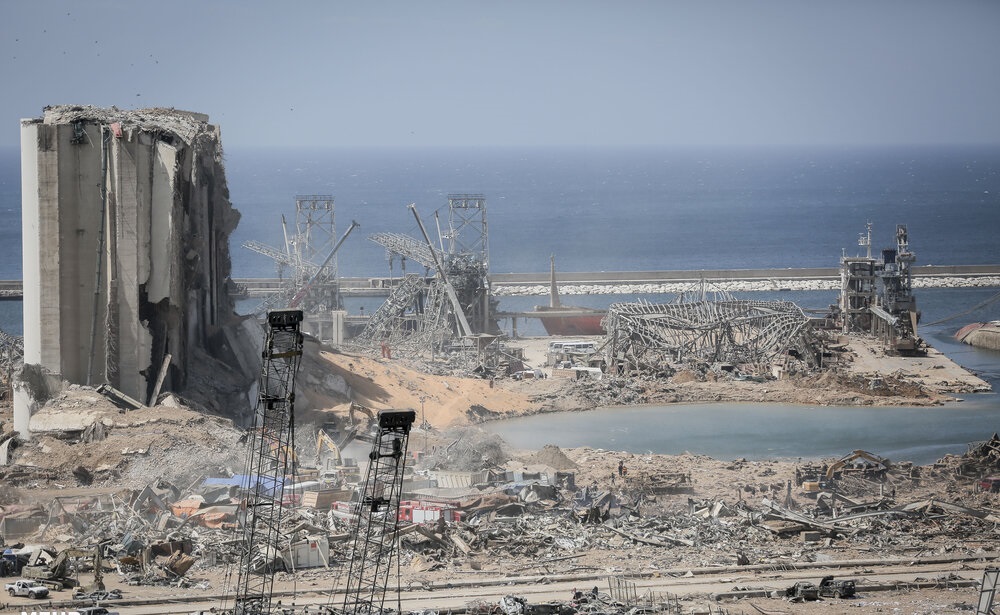
On the evening of August 4, 2020, a column of smoke loomed menacingly over Beirut’s vast horizon, foreshadowing tragedy in shades of gray and black. Flashes of white and glimpses of smoldering orange interrupted the inky cloud as it climbed to ever-greater heights. With a deafening blast, a massive shock wave consumed the city in the smoke and terror of 3,000 metric tonnes of ammonium nitrate. In a matter of seconds, the detonation inflicted an estimated $15 billion in property damage. Far more priceless, the human toll of the explosion stands at least 200, with thousands more wounded. In the tearful wake of the blast, the Lebanese people are hemorrhaging hope. Yet the horrific explosion is not merely a chance disaster: it is a symptom of the corruption in Lebanon that is eating the country from the inside out.

History of Corruption in Lebanon

Lebanon has long endured institutionalized corruption. Its current government system formed after the previous regime’s ineptitude eroded national security to the point of civil war. The war lasted from 1975-1990. The conflict occurred between the Palestine Liberation Organization (PLO) and Christian groups backed by Israel and Syria, with both seeking political control over Lebanon. After 25 years of fighting, over 100,000 killed and thousands more uprooted, the conflict finally ended with the signing of the Taif Accord. This accord shaped the constitution into a document conducive to graft.

A government system that allotted public offices to major religious groups supplanted years of instability. This new framework nurtured the sectarianism that still dominates Lebanon’s politics today. Additionally, the presence of extreme polarization favors patronage over democracy. The champions of the civil war quickly grabbed power of the nascent government, bringing with them their blatant, unchecked corruption.

How Corruption in Lebanon Exacerbates Poverty

For years, Lebanon’s political leaders have enjoyed glittering affluence despite the country’s abysmal underdevelopment. Widespread embezzlement and underfunding of vital public services have gravely fractured Lebanon’s rickety foundation. In particular, a series of recent catastrophes have drawn international attention to the injustices long borne by the Lebanese people:

  1. Economic Crisis: A dire economic crisis has been ravaging the country for months. With a debt-to-GDP ratio of 170%, Lebanon is the world’s third most indebted nation. Even prior to COVID-19, one-quarter of the population was unemployed, and hyperinflation was driving prices to astronomic levels, dragging more and more citizens into poverty.
  2. Lack of Basic Services: Lebanon’s politicians have chosen personal enrichment over public welfare, leading to dismal internet connectivity, insufficient health care, contaminated water and unreliable power sources. Moreover, in the absence of infrastructure, sanitation deficiencies recently culminated in a massive accumulation of waste that attracted global coverage.
  3. Natural Disaster: A series of fierce wildfires in October 2019 sparked public outrage when fire departments proved ineffective in extinguishing the blaze. The destructive calamity called attention to the severe underfunding of Lebanon’s crisis response teams.
  4. COVID-19: The onset of the coronavirus pandemic has heightened unemployment, inflation and poverty. Consequently, the country experienced increased food insecurity and risk of famine, with the three-quarters of the population on track to require food handouts by the end of 2020. The pandemic has strained limited health care institutions, depriving thousands of vital treatment and underscoring the government’s neglect of public services. Overall, COVID-19 has delivered incredible hardship to a country already saturated with adversity. The blame for Lebanon’s innumerable development problems falls upon its leaders’ ineffectual leadership. Their failure or refusal to address long-standing infrastructural shortcomings in favor of self-indulgence has put the country on the brink of collapse.

Forces for Change

Despite the widespread corruption in Lebanon, downtrodden citizens and empathetic foreigners are striving to implement much-needed reforms.

Public outcry has led to numerous recent power shifts. In October 2019, massive demonstrations, set off by a proposed tax increase, united Lebanon’s diverse political sects against government abuses. This monumental display of solidarity ultimately ousted then-Prime Minister Saad Hariri and his administration and led to the induction of Hassan Diab.

The international community has joined this fight against corruption in Lebanon. On August 9, 2020, a global summit of donors authorized $298 million to directly help the Lebanese population. This relief package suggests a departure from previous payments of aid to the government. This practice fostered embezzlement by leaders and eroded the regime’s accountability to the public. Fortifying their stance against corruption, the forum also announced that Lebanon must enact long-overdue reforms to qualify for further funding.

Demanding Change

As the world demands change for Lebanon, recent headlines have chronicled the country’s myriad crises. The blast in Beirut is no different than these struggles: it is a product of the political abuse that has crippled Lebanon for years. The port authority seized the ammonium nitrate that exploded in 2013 and left it “awaiting auction” or a spark to ignite it, whichever came first. Early investigations have revealed the government’s full awareness of the compound’s improper storage: it just did not do anything about it. Instead, the government ignored repeated warnings from experts and postponed handling the issue to a later date. Tragically, chemistry beat them to it.

Once again reminded of the lethal consequences of inaction, protests previously hampered by COVID-19 have revived. These impassioned riots led to the resignation of Diab’s government on August 10, 2020. This event threatens to magnify the country’s instability. Despite widespread anxieties, however, Diab articulated his intention to “stand with the people,” a move that, if adopted the world over, may finally heal Lebanon’s long-borne suffering.

– Rosalind Coats
Photo: Wikimedia

September 24, 2020
https://borgenproject.org/wp-content/uploads/borgen-project-logo.svg 0 0 Kim Thelwell https://borgenproject.org/wp-content/uploads/borgen-project-logo.svg Kim Thelwell2020-09-24 01:30:222024-12-13 18:02:12The Deadly Consequences of Corruption in Lebanon
Food Aid, Food Insecurity, Food Security, Global Poverty

Food Waste Around the World Examined

Food Waste Around the World
As the global population continues to grow, the demand for food also grows. The solution to this problem is not to produce more food but rather to waste less food. Globally, about one-third of food that people produce for human consumption goes to waste, which is about 1.3 billion tons. This number includes 45% of all fruits and vegetables, 35% of seafood, 30% of cereals, 20% of dairy products and 20% of meat. Unsurprisingly, studies have repeatedly shown that developed countries, on average, waste more food than developing ones. Read on to learn about food waste around the world.

Food Waste Culprits in the Developed World

The United States and Australia are the two countries that produce the most food waste in the world. In 2010, around 133 billion pounds of food went to waste in the U.S., which is $161 billion worth of food. In 2015, the USDA and EPA joined together to set a goal of cutting food waste by 50% by 2050. Despite that goal, the U.S. continues to waste about 30% to 40% of its food supply each year.

Every year in Australia, about 7.3 million tons of food goes to waste. Australia’s food waste per person is around 300 kg. Australia’s food waste costs the country’s economy an estimated $20 billion each year. As a result, the Australian government set a goal to halve its food waste by 2030.

These two countries contribute massive amounts of food waste around the world despite having the wealth to address the issue.

Food Waste Champions in the Developed World

Greece and China are the most efficient countries when it comes to limiting food waste around the world. Columbia, South Korea, the United Kingdom and France are not far behind them in terms of how other developed countries rank. The scale and reach of governmental actions to address the issue separate these countries from the U.S. and Australia in the fight against food waste.

In 2017, the Sustainable Food Movement emerged out of Athens. Greece’s immense success today results from people taking this initiative seriously and enforcing it with fervor. The country went from producing an average amount of food waste to being the most food efficient country in the world. It accomplished this feat in just three years.

Greece sets an example for the rest of the world. It proves other places could implement similar initiatives to diminish food waste around the world.

Food Waste in the Developing World

Affluent countries have the means to significantly lower their food waste. However, developing countries tend to outperform many developed countries in this particular arena. India and Brazil are two examples of developing countries displaying some of the lowest food waste levels in the world. Each year, Brazil produces almost 15 million kg of waste nationally and 71 kg per person.

Meanwhile, India wastes up to 40% of its food each year. India has one of the highest rates of food waste nationally at nearly 68 million kg. Yet, its food waste per person is quite low at 51 kg per year. To note, India’s population is nearly 1.4 billion people, showing that a gap exists between its national and personal food waste statistics.

An important distinction between developed and developing countries is the stage that people are most likely to waste food. In developed countries, the individual consumer level is where most food waste occurs. This is due to the average citizen’s ability to buy more than enough food for their family. In developing countries, the most wasteful stage of food production happens in the earliest stages of distribution. Poor infrastructure and inadequate food storage vessels contribute to the most food waste in these countries. In fact, much of the food is wasted before it ever reaches the consumer.

Food for Thought

The global population is about 7.6 billion, and 925 million of those people are starving. The amount of food wasted globally each year is enough food to feed 3 billion people. In other words, the world has more than enough food to feed the planet, but there is a huge issue of food distribution.

By 2050, estimates have determined that the global population will become around 9 billion. This means that food production will have to increase by 70% to keep up with the world’s current path. That is a near-impossible task to accomplish. It would be more efficient to refocus efforts on limiting food waste overall.

Food waste around the world is an issue that some countries have chosen to tackle with great success while other countries falter. The future of the world population depends on all countries working to decrease food waste.

A Helping Hand

Hands for Hunger, an NGO based in the Bahamas, is making significant progress in the pervasive issue of worldwide food waste. A group of students realized that restaurants and hotels throw an immense amount of unspoiled food away every day. As a result, they set out to change that.

Hands for Hunger focuses on obtaining this typically discarded food and redistributing it to the less fortunate. In addition, it educates the public on the issue itself and solutions. The organization serves around 15,000 meals to Bahamians each week by redistributing restaurant and hotel food to its 17 outreach agencies. It delivers around 4,530 pounds of food to Bahamians in need every week.

Hands for Hunger has rescued over 1 million pounds of fresh food. Through its recovery efforts, the organization is able to donate quality food to those in need. Almost 50% of all food donations in 2017 were high-need items such as dairy, proteins and fresh fruits and vegetables. Hands for Hunger is just one of many NGOs doing fantastic work to decrease food waste around the world. While food waste is a problem, it has an attainable and feasible solution.

– Natalie Tarbox
Photo: Pixabay

September 20, 2020
https://borgenproject.org/wp-content/uploads/borgen-project-logo.svg 0 0 Kim Thelwell https://borgenproject.org/wp-content/uploads/borgen-project-logo.svg Kim Thelwell2020-09-20 08:43:452020-12-03 08:43:58Food Waste Around the World Examined
COVID-19, Food & Hunger, Food Insecurity, Food Security, Global Poverty, Water Crisis

Innovation and Food? Ask the UAE

Food Security and Innovation ProgramAs the world encounters one issue after another, food insecurity increases in countries with inadequate resources or less-than sufficient agriculture systems. With the pandemic at the helm and climate change an ongoing phenomenon, to survive these stressful times, innovative strategies are necessary. In this advanced society, new ways are necessary to process, distribute and reshape food production. Connections between food security and innovation seem far-fetched, but the United Arab Emirates/UAE’s food security and innovation program has found state-of-the-art techniques that relieve their people of this struggle.

Key Constraints Facing Food Security

The UAE aims to rank in the top 10 in the Global Food Security Index by 2021, and number one by 2051. In this arid region, however, traditional farming is next to impossible from limited water for irrigation and an unequal ratio between people and the UAE’s production. Due to these hardships, the country is reliant on its imports. For a food-dependent country, when disaster hits, food systems are unstable.

While there are several reasons for poor food production in the UAE, the scarcity of water contributes heavily. Most of the water in the country is recycle and reused, but this process can only occur for a given amount of time. Given that traditional agriculture utilizes a significant amount of water, UAE’s food security and innovation program is the answer. . To combat the issue of their unstable food system, the UAE has set up the FoodTech Challenge. This global competition seeks out innovative solutions for the country to address food production and distribution.

Vertical Farming: An Innovative Farming Technique

In response to the FoodTech Challenge, the company Smart Acres has provided a technique that utilizes vertical farming to support the UAE’s food security and innovation program. Vertical farming consists of vertically stacked plants, providing more produce per square area, resembling green walls as displayed in shopping centers. Smart Acres used South Korean vertical farming technology to decrease water usage and monitor temperature and nutrients. Regarding the UAE’s water issue, vertical farms save over 90% of the water in comparison to conventional farming methods. The constant flow of water across the plants provides the necessary nutrients for all the plants to grow. This high-tech design allows the company to produce clean crops without any chemicals and negligible interference.

Although the farm has not been implemented yet, this form of food production is expected to produce 12 cycles of crops annually; the farm will expand from Abu Dhabi to the rest of the country gradually. By using vertical farming, this technique expects to produce approximately 8,000 kilograms of lettuce and other leafy greens per cycle. In addition to the increased number of crops, the variety is also expected to increase and include items, such as strawberries, arugula, potatoes, etc.

Aquaculture Farming: Decreasing the Dependence of Imports

On average, the UAE consumes 220,000 tons of fish annually. However, imported food is 90% of the UAE’s diet, suggesting that advancements in the country’s aquaculture would be beneficial. To aid the seafood industry in the UAE, the Sheikh Khalifa Marine Research Center has taken the responsibility to use advanced technology to harvest marine organisms. The center utilizes photo-bioreactors to generate food for juvenile fish.

In addition to manufacturing primary live food for marine organisms, UAE’s food security and innovation program also include water recycling technologies, where water is cycled through fish tanks to reduce water consumption. To make aquaculture a more efficient and sustainable system in the country, the center is establishing a disease diagnostic laboratory, which will reduce the number of disease-related deaths associated with marine life.

While many countries face tumultuous times currently, UAE’s food security and innovation program seems to be a ticket out of poverty. Through the FoodTech Challenge, the country has found multiple viable options to strengthen its food system. With water scarcity, a large problem regarding food production, both vertical and aquaculture farming, has found a way to recycle the limited water and attend to other problems the UAE faces, such as dependence on imports from other countries. The challenge is open to the entire country, increasing the country’s opportunity in establishing a sustainable system. Through these systems, the UAE’s food security and innovation program is well on its way to stabilizing its food security and achieving its goal as a titleholder in the Global Food Security Index.

– Aditi Prasad
Photo: Flickr

September 16, 2020
https://borgenproject.org/wp-content/uploads/borgen-project-logo.svg 0 0 Kim Thelwell https://borgenproject.org/wp-content/uploads/borgen-project-logo.svg Kim Thelwell2020-09-16 06:34:482020-09-16 06:34:48Innovation and Food? Ask the UAE
Food & Hunger, Food Security, Global Poverty, Health

How Food Insecurity Harms Indigenous Australians

Indigenous Australians
Many generally regard Australia as a wealthy and successful country, but in the past year, more than one in five Australians (about 22%) have faced food insecurity. Indigenous Australians experience food insecurity at a disproportionate rate. More than 26% of Indigenous households ran out of food at least once in 2019 and were unable to buy more due to high prices. The National Aboriginal and Torres Strait Islander Health Survey (NATSIHS) found that percentage to be even higher at 43% in remote Indigenous communities.

Who Are the Indigenous Australians?

Indigenous Australians are the descendants of people who lived in Australia and the surrounding areas prior to European colonization in the late 18th century. They comprise approximately 3% of the total population of Australia and have classification under two groups of Indigenous communities: the Aboriginals and the Torres Strait Islanders. One-third of all Indigenous Australians live in developed cities, while two-thirds live in rural areas across the country.

What Causes Food Insecurity for Indigenous Peoples?

Reports from locals of moldy produce and overpriced food have been surfacing in sparsely populated areas, prompting questions about the quality of food provided to the Indigenous communities of Australia. At the heart of the conversation is Outback Stores, a not-for-profit and federally funded grocery store chain. The organization emerged to supply Indigenous Australians with access to a wide array of healthy, high-quality food and protect against food insecurity, but locals say it is failing.

Outback Stores has 40 locations that serve rural and remote communities, 26 of which CEO Michael Borg called “unviable or barely viable.” Submissions to the local federal inquiry have claimed “disgusting” pricing of products, saying items such as a can of baby formula and a single pack of diapers are tagged at $50 each. Many available products are also either inedible or unwanted, deterring people from purchasing them even if they could afford to. Many community members have reported that week-old fruits and vegetables rotting in fridges are the only healthy produce options and shelves contain bags of sugar. One resident wrote that Spam, two-minute noodles and white bread were the only food staples available if you were “hungry enough to buy what is in [front] of you.”

How Does Food Insecurity Connect to Poverty?

Health and well-being are also a large concern with food insecurity. Indigenous Australians are twice as likely to live with a chronic illness or other disability compared to non-Indigenous Australians. A prolonged lack of access to healthy food causes subsequent poor nutrition and results in heightened illness and disease rates in Indigenous communities.

Rural Indigenous peoples live in more poverty compared to urban Australians, and they face limited access to work opportunities, education and social services. Poverty is the strongest factor in predicting food insecurity, as determined by the Centre for Aboriginal Economic Policy Research (CAEPR). The CAEPR found that a lack of money to keep up with growing food prices is the primary culprit of food insecurity, not a lack of food supply to the community.

What Organizations are Helping?

The National Indigenous Australians Agency (NIAA) emerged in 2019 to protect Indigenous people and support ethical policy development and service delivery in their communities. Representatives of the NIAA have reached out to over 200 store managers that serve Indigenous peoples in order to fully understand their needs and how to best allocate funding and resources. The NIAA’s goal is to identify problems that directly affect Indigenous Australians and make them a priority in state, territory and national government agendas.

In addition, the Australian Competition and Consumer Commission (ACCC) has the task of closely monitoring the prices of essential products to guard against inflation in Indigenous communities. In recent investigations into the complaints of overpricing, the ACCC found that product prices reflect the increased cost of supplying inventory to the stores, not stores attempting to increase profits. Since many Indigenous communities live within hundreds of miles inside the Australian outback, swift deliveries to the area are a challenge. As a result, the Australian government is striving to improve the supply chain costs of rural vendors serving Indigenous communities.

Indigenous Australians face food insecurity at a disproportionate rate compared to non-Indigenous Australians. Many Indigenous peoples are struggling to feed their families as rural supermarket prices continue to rise and healthy options are few and far between. The Australian government and departments like the NIAA are partnering with Indigenous communities to create a cheaper and healthier food supply, combat food insecurity and protect the health and well-being of their Indigenous people.

– Mya Longacre
Photo: Pixabay

September 7, 2020
https://borgenproject.org/wp-content/uploads/borgen-project-logo.svg 0 0 Kim Thelwell https://borgenproject.org/wp-content/uploads/borgen-project-logo.svg Kim Thelwell2020-09-07 01:31:562020-09-04 10:00:26How Food Insecurity Harms Indigenous Australians
Page 9 of 31«‹7891011›»

Get Smarter

  • Global Poverty 101
  • Global Poverty… The Good News
  • Global Poverty & U.S. Jobs
  • Global Poverty and National Security
  • Innovative Solutions to Poverty
  • Global Poverty & Aid FAQ’s
Search Search

Take Action

  • Call Congress
  • Email Congress
  • Donate
  • 30 Ways to Help
  • Volunteer Ops
  • Internships
  • Courses & Certificates
  • The Podcast
Borgen Project

“The Borgen Project is an incredible nonprofit organization that is addressing poverty and hunger and working towards ending them.”

-The Huffington Post

Inside The Borgen Project

  • Contact
  • About
  • Financials
  • President
  • Board of Directors
  • Board of Advisors

International Links

  • UK Email Parliament
  • UK Donate
  • Canada Email Parliament

Get Smarter

  • Global Poverty 101
  • Global Poverty… The Good News
  • Global Poverty & U.S. Jobs
  • Global Poverty and National Security
  • Innovative Solutions to Poverty
  • Global Poverty & Aid FAQ’s

Ways to Help

  • Call Congress
  • Email Congress
  • Donate
  • 30 Ways to Help
  • Volunteer Ops
  • Internships
  • Courses & Certificates
  • The Podcast
Scroll to top Scroll to top Scroll to top